REVIEW · SARRIA
7-Day Tour of the French Way of Santiago from Sarria
Book on Viator →Operated by Viajes Camino De Santiago · Bookable on Viator
The Camino gets real fast in Sarria. This 7-day French Way walk in Galicia is built for comfort and momentum, with luggage moved for you, an official pilgrim credential for stamps, and hotel stays lined up so you can focus on the trail. The tour runs in English, uses a mobile ticket, and starts right at the heart of the pilgrim experience.
I also love how the days are structured around actual walking rhythm: forest-and-river country on Day 2, Romanesque sights on Day 3, and the food breaks that make Galicia memorable. The one thing to consider is that one stretch is the long one—Day 4 is the 29-kilometer challenge in Galicia—so bring a steady pace and blister discipline.
In This Review
- Key points at a glance
- Sarria starts the Camino mood, and you control the pace
- Day 1 in Sarria: rest like a pilgrim, not like a tourist
- Portomarin: the first real taste of Galicia outdoors
- Day 3 toward Palas de Rei: Celtic detours and Romanesque stops
- Arzúa and the 29-kilometer Day 4: the long one in Galicia
- Day 5 to O Pedrouzo: the kind of stage your feet love
- Arrival in Santiago: Monte do Gozo to Plaza del Obradoiro
- Day 7: the day of farewells (and yes, new beginnings)
- Price and value: what $1,143.30 buys you
- Practical details that make or break the Camino experience
- Is this tour for you? Who should book it
- Should you book this French Way from Sarria?
- FAQ
- What is the start and end location?
- What time does the tour start?
- How long is the tour?
- Is luggage transportation included?
- Do I get a pilgrim credential?
- Are breakfasts included?
- Is the tour offered in English?
- Is airfare included?
- Is this a private tour?
- What is the cancellation window for a full refund?
Key points at a glance
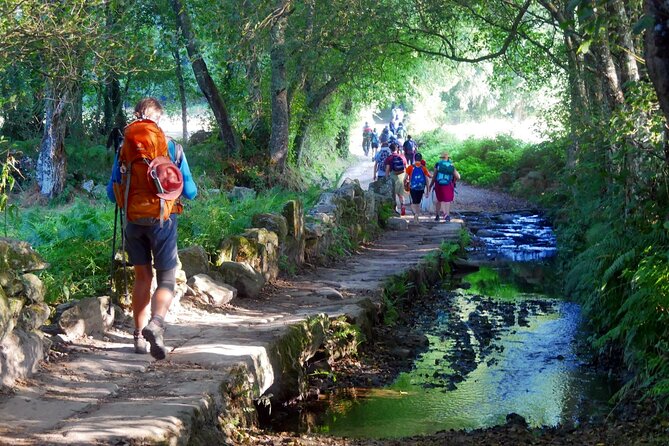
- Luggage transport between stages means you walk hands-free with a lighter day pack
- Pilgrim credential included, with stamps along the way and support to get your Compostelas in Santiago
- Real food stops like Melide octopus and Arzúa-Ulloa cheese help you recover without rushing
- A front-loaded plan for hotels and timing lets you travel with less stress, even if your Spanish is basic
- Private tour for your group means you’re not sharing the route with strangers
Sarria starts the Camino mood, and you control the pace
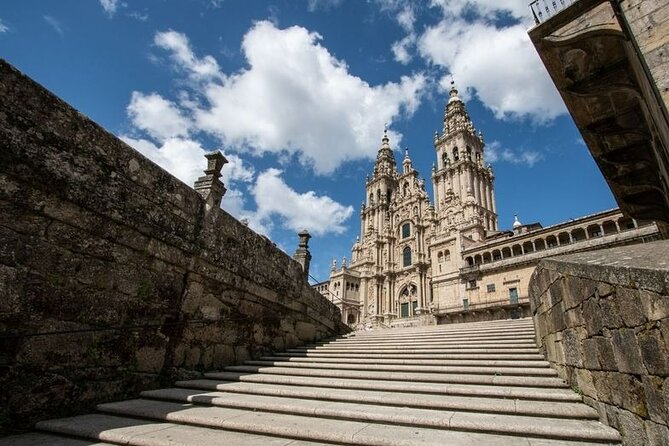
Sarria is your launchpad. You arrive on your own, settle in, and then you’re free to soak up the pilgrim feeling at street level—cobbled lanes in the old area, plus that riverside Malecón promenade where people naturally slow down. This first day is less about miles and more about mentally switching gears.
That matters more than it sounds. The French Way from Sarria to Santiago is famous because it’s approachable, but the experience still works best when your body and head are ready. A rest day in Sarria gives you time to sort gear, check your walking shoes, and build a simple plan: where you’ll eat, when you’ll go to bed, and how early you’ll rise the next morning.
The tour is designed to keep you moving comfortably after that. Luggage is handled between stages, which usually means you can travel with a day bag instead of dragging a full backpack along damp Galicia paths. And since you’re given a pilgrim credential, the ritual starts immediately. You don’t have to hunt for stamps or wonder where you’ll get the proof of your progress.
Day 1 in Sarria: rest like a pilgrim, not like a tourist
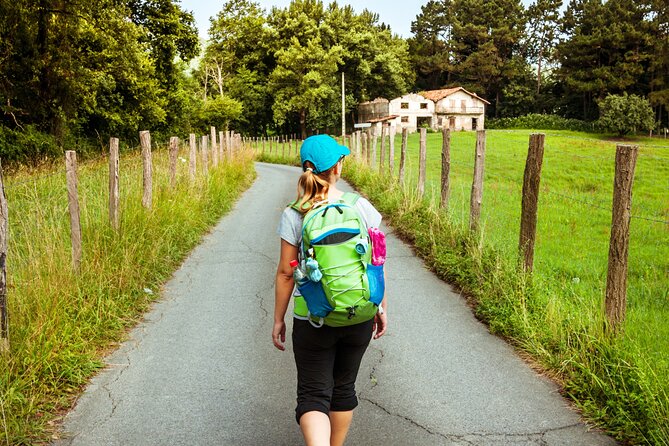
Day 1 is basically a warm-up day. You’re not walking for 7 days straight like some fitness boot camp. Instead, you get about 8 hours in the Sarria area, with the chance to stroll, breathe, and prepare.
Here’s how I’d use this day if I were doing it again: I’d do one easy walk loop in the old town, then finish with a calm sit on the Malecón terraces. You’ll see pilgrim cues everywhere—people with gear ready, conversations starting with Buen Camino, and that quiet sense that tomorrow is when the real rhythm begins.
Practical tip: since the tour begins at 8:00 am, you’ll want your arrival day to be about set-up, not last-minute scramble. Eat early enough that you’re not digging for food at the exact moment you should be sleeping. The better you use Sarria, the easier the next mornings feel.
Portomarin: the first real taste of Galicia outdoors
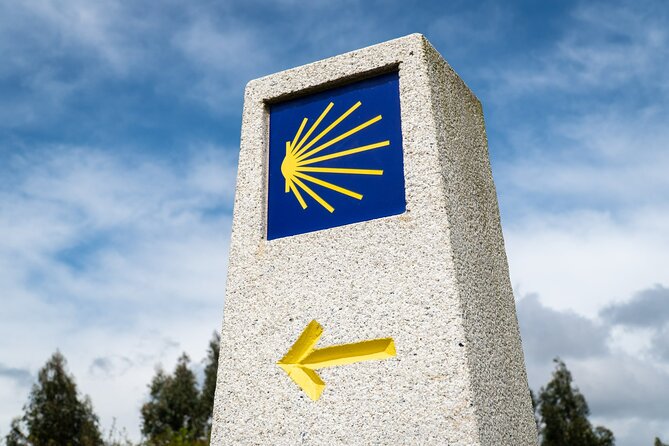
Your first walking morning kicks off with forests, rivers, and small rural villages. The terrain is described as comfortable, with no big slope drama early on. That’s perfect for getting your stride going without beating up your legs before Day 2 even finishes.
There are also specific monuments that break up the walk and give you a reason to pause. You’ll pass by the Church of Ferreiros and the Church of Barbadelo. Those names are worth remembering because they’re the kind of stops that make the Camino feel lived-in rather than just scenic photos.
Portomarin is where the stage ends, and it’s special in a very particular way. This town was moved higher because of the Belesar reservoir on the Miño river. The old town was flooded, and on a clear day you can see remains at the bottom of the river. It’s a strange, real feeling—your walk is happening on top of history that got literally submerged.
If you like food-and-rest pacing, you’ll also appreciate Portomarin’s recovery vibe. You’ll have time for local gastronomy and relaxation, not just a quick check-in and collapse.
Possible consideration: after a few early-day kilometers, you might still feel the temptation to “push.” Don’t. Day 2 is a build-day, not a victory lap. Your legs will thank you later.
Day 3 toward Palas de Rei: Celtic detours and Romanesque stops
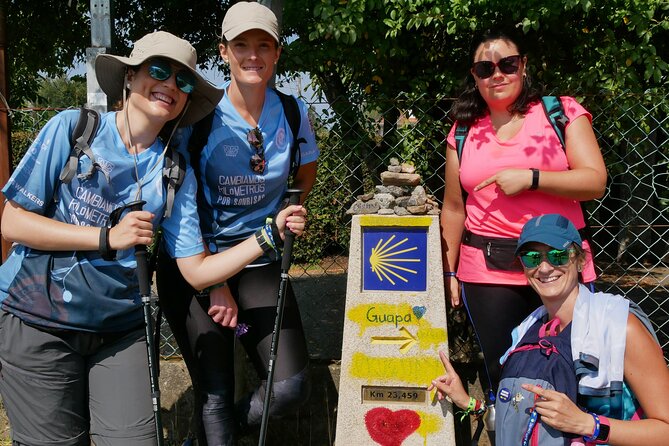
Day 3 is a mix of road and mountain, with 25 kilometers of route. That “road and mountain” combo is a good sign: you’re not just walking flat rural paths. You’re starting to feel Galician variety, but it’s still manageable.
One smart feature is the detour option tied to history you might not expect on a Camino. You can visit the Castro de Castromaior, described as a Celtic town and a clue to Galicia’s older past. Even if you’re not a museum person, these small detours help you understand why the French Way isn’t only a walking event—it’s also a timeline.
Then you get the Romanesque moment: the monastery and church of Vilar de Donas. It’s listed as a major example of Romanesque style in the area and was declared a National Monument in 1931. This is the kind of stop that rewards slowing down. You look longer. You notice stonework details. You stop thinking about your blisters for a minute.
When you arrive in Palas de Rei, you’ll have services, meaning you can handle practical needs without stress. The area is also described as a place with “castrex” roots, with archaeological remains like mámoas, dolmens, and castros. If Day 3 feels like a history sampler, that’s exactly what it is.
My advice: take the detour if you can. It doesn’t ruin your rhythm, and it makes the day feel meaningful even if you’re walking at a steady, conservative pace.
Arzúa and the 29-kilometer Day 4: the long one in Galicia
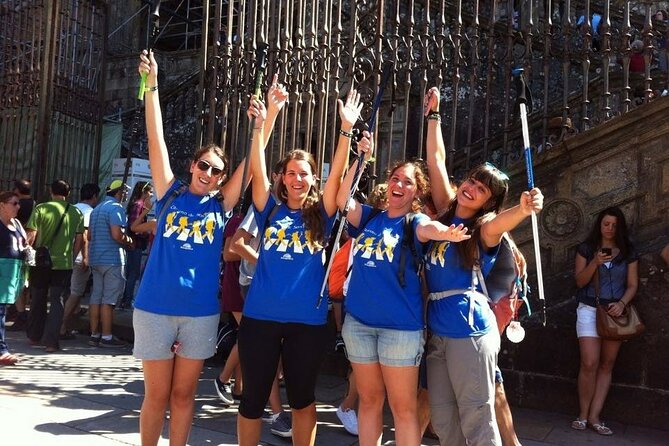
Day 4 is where the Camino asks for steadier work. It’s described as the longest stage within the Galician community, with 29 kilometers between you and your destination. The good news is that you’re guided toward it as a “take it calmly” kind of day—scenic and rewarding, but not a rush.
You’ll move through dirt roads, lush forest areas, and medieval bridges. That combination usually means the walk has variety, which helps mentally. Long stretches can feel less like repetition when the scenery changes and you keep getting small landmarks—bridges, villages, and the next sensible turning point.
And you get a must-do food ritual: Melide. The stop is described as mandatory for octopus, and Melide is called the capital of Galician octopus. This is one of those moments where you’ll be grateful the Camino is built around real towns with real meals. You’re not stuck eating a snack on a rock. You can recover properly before continuing.
Once you reach Arzúa, you also shouldn’t miss the local cheese tradition: Denomination of Origin Arzúa-Ulloa. Cheese here isn’t a gimmick; it’s part of why people get excited about Galicia.
Realistic consideration: since this is the longest day in the region, start your effort early. Don’t wait for motivation to arrive halfway through. If you pace it from the beginning, the last kilometers feel more manageable, as the route description suggests.
Day 5 to O Pedrouzo: the kind of stage your feet love
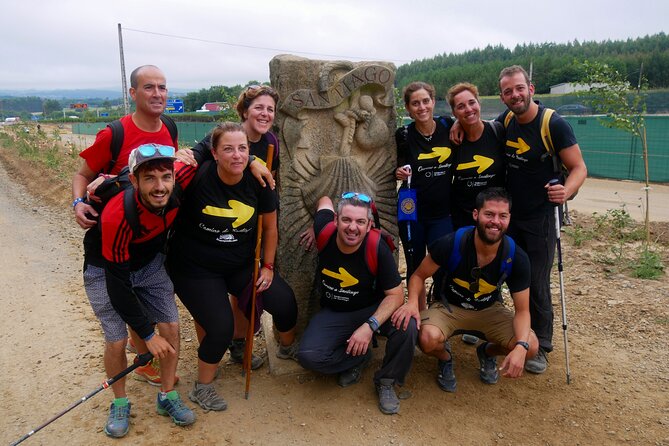
Day 5 is the “thank you, Camino” day. It’s described as shorter and less complex, with flatter, comfortable terrain. It’s also a stage with lots of places to stop—bars, shops, and resting points—so you can handle your energy in smaller pieces instead of relying on one big meal later.
Santiago is getting closer, and that changes the vibe. People start walking like they know what’s coming. The ritual here is early sleep and early rise. It’s not about rules—it’s just practical. When the end is close, you want your morning clear, your mind sharp, and your body ready for the final approach.
I like this day because it lets you practice what you’ll need tomorrow: calm effort, frequent breaks, and not overdoing it when you feel good. When you walk easier on purpose, you protect yourself for the big emotional moment ahead.
Arrival in Santiago: Monte do Gozo to Plaza del Obradoiro
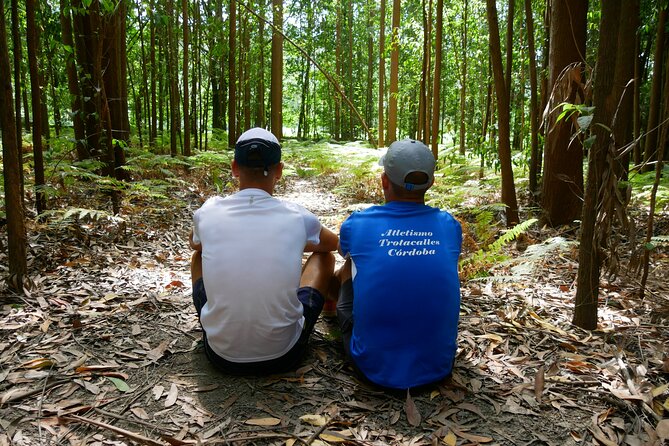
Day 6 is where the Camino’s story hits its final chapter. The stage is described as relatively short and without difficulty, and that’s important because the goal isn’t just distance—it’s emotion. The advice is to get up early and arrive early for the pilgrim mass.
When you reach Monte do Gozo, you understand why it’s famous. The distant sight of the cathedral towers creates that described tingling feeling—this is the moment your effort turns into something you can actually see. As you descend toward the city, the walk’s aches often fade until they’re gone.
Then comes the famous magic point: the entrance to Plaza del Obradoiro. That’s when fatigue turns into pride, and you stop thinking like a walker and start thinking like a pilgrim who arrived.
Once in Santiago, the practical side continues. You stamp your credential at each stage and collect your Compostelas. That’s the paperwork-and-prize moment that makes your walk official.
After you’ve handled the stamps, you can fully enjoy the city: strolling the old town with a beer and tapa, joining in with dancing and singing in a foliada, or trying local liquors. Santiago is where the Camino becomes a festival with stones that seem to remember everyone who walked in the rain.
Day 7: the day of farewells (and yes, new beginnings)
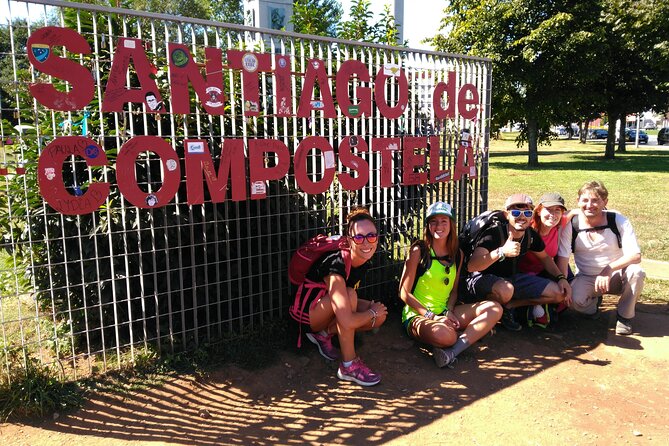
Day 7 is lighter in terms of effort—about 4 hours—because it’s for closure. For many people, it’s the final morning in a place that feels like both an ending and a beginning.
You wake up with another kind of path in your mind now, not one measured in kilometers. It’s the path of new friendships, big feelings, and the quiet reminder that life changes after you complete something hard.
This is also a smart day to do the things you postponed earlier: a slow revisit of old streets, one last meal that feels like reward, and picking up whatever souvenirs you want without racing the clock.
If you’re staying longer, Santiago is a convenient base. Even if you just want a low-key extra day to decompress, it’s the kind of city where that works.
Price and value: what $1,143.30 buys you
At $1,143.30 per person for about 7 days, you’re paying for logistics and comfort as much as for walking time. The big value items are included: luggage transportation between stages, the pilgrim credential, travel insurance (for foreigners, described as comprehensive), and breakfast included for 6 mornings.
That luggage transfer piece is often the difference between a stressful day and an enjoyable day. Without it, you’d carry more and deal with heavier check-in rhythms. With it, you can pack lighter and focus on foot care and steady walking rather than suitcases and straps.
A private tour setup also matters. The experience is described as private, meaning it’s “only your group.” That can mean less coordination with random strangers and more predictable pacing for your departure days.
The main value trade-off is simple: you’re not in full DIY mode. You’re trusting the hotel selections and the plan’s structure. If you’re picky about accommodations, it helps to confirm what category you’re getting and align expectations before you go.
Practical details that make or break the Camino experience
A few things from the provided tour info and support approach are worth paying attention to before you set off.
First: you start in Sarria (27600 Sarria, Lugo) and end in Santiago de Compostela. The start time is 8:00 am, so you’ll want to be ready and organized the night before.
Second: the tour offers mobile tickets and runs in English. That’s helpful if you don’t want to rely entirely on local interpretation for small timing questions.
Third: there’s an emergency number on your waybill designed for road use, with an operator on call and a backup line mentioned if the first one doesn’t connect. And support through WhatsApp is described as informative during working hours; calls outside working hours go to the emergency line. Translation: don’t try to treat the messaging app like a 24/7 hotline. Save the on-road number and use it when it truly matters.
Finally: weather can be a wildcard. One walker described an unusually rainy and cold trip, and it’s a reminder that you should pack for damp conditions even if the forecast looks friendly.
Is this tour for you? Who should book it
This tour fits best if you want the Camino but hate the behind-the-scenes chaos.
You’ll likely enjoy it if you:
- want luggage transferred so you walk lighter
- like having hotels and logistics handled ahead of time
- are comfortable with a mix of easy and harder days, including a long Day 4
- want a Camino experience that works even if your Spanish is limited
You might think twice if you:
- want total freedom to choose accommodations on the fly
- are very sensitive to hotel variability and would rather hand-pick everything yourself
- prefer very long daily hiking with no “planned structure”
Should you book this French Way from Sarria?
If you want the French Way experience with less logistical stress, I think this is a strong choice. The combination of luggage transport, an official credential, and the built-in cultural stops (like Romanesque Vilar de Donas and the octopus and cheese rituals) makes it feel purposeful without turning into a rigid schedule.
My main “only you can decide” point is the walk profile: most days are manageable, but Day 4 is the long one in Galicia. If you’re ready to pace, rest when you’re supposed to, and treat blister prevention as a priority, you’ll get the best version of this Camino—one where arrival in Santiago feels earned and genuinely joyful.
If you’re looking for a Camino that respects your energy and still delivers the big emotional moments, this one earns a spot on your shortlist.
FAQ
What is the start and end location?
The tour starts in Sarria (27600 Sarria, Lugo, Spain) and ends in Santiago de Compostela (Municipality of Santiago de Compostela, A Coruña, Spain).
What time does the tour start?
The start time is 8:00 am.
How long is the tour?
It’s a 7-day tour (approximately).
Is luggage transportation included?
Yes. Luggage transportation is included between stages, so you can walk without carrying your main bag.
Do I get a pilgrim credential?
Yes. You receive a pilgrim’s credential to stamp at each stage.
Are breakfasts included?
Breakfast is included for 6 days.
Is the tour offered in English?
Yes, it’s offered in English.
Is airfare included?
Flights are not included.
Is this a private tour?
Yes. It’s a private tour/activity, and only your group participates.
What is the cancellation window for a full refund?
You can cancel up to 6 days in advance of the experience for a full refund.