REVIEW · HASH MARIHUANA HEMP MUSEUM BARCELONA
Barcelona: Hash Marihuana & Hemp Museum Entry Ticket
Book on GetYourGuide →Operated by Hash Marihuana & Hemp Museum Barcelona · Bookable on GetYourGuide
Cannabis history in Barcelona is unexpectedly practical. I love the mix of museum artifacts with the photo booth souvenir, and the medical section is a real eye-opener. The one drawback to plan for: it’s a smaller museum, so think highlights, not an all-day marathon.
This ticket drops you into a modernista palace and a permanent exhibition built around the plant’s past, present, and future. You’ll also have an audio guide in multiple languages, and if you’re there during the growing season, you can see live hemp plants. The main consideration is simple: no food and no drinks inside, so grab a meal before you go.
In This Review
- Key things you’ll notice
- Getting to the Hash Marihuana & Hemp Museum in Barcelona
- What the ticket covers (and why it’s good value)
- Entering a modernista palace with a cannabis-focused permanent collection
- Ancient hemp tools and the objects that made products
- Art, engravings, and how views changed over time
- The medical cannabis section: historic bottles and long usage
- Live hemp plants in season: the best contrast to the displays
- Use the photo booth, then browse the museum shop
- Rules that affect your comfort: flash photography and no food/drinks
- Accessibility and who this experience fits best
- Price and logistics: making the $11 ticket feel like a win
- Who should book this, and who should skip it
- Should you book this Barcelona cannabis-history museum?
- FAQ
- Where is the meeting point for the museum entry?
- How long is the experience?
- What is included with the entry ticket?
- Which languages are available for the audio guide?
- Which languages can the host or greeter speak?
- Is flash photography allowed?
- Can I bring food and drinks into the museum?
- Is the museum suitable for people with mobility impairments?
- Is there free cancellation?
Key things you’ll notice
- A permanent exhibition with a clear storyline from old tools to modern uses
- Rare cannabis-history artifacts including utensils used for rope, paper, and textiles
- Medical section focused on historic bottles tied to use since the 19th century
- Photo booth souvenir so you leave with something more than photos on your phone
- Live hemp plants (when in season) for a nice real-world contrast to the displays
Getting to the Hash Marihuana & Hemp Museum in Barcelona
Start at Carrer Ample, 35 (08002 Barcelona). This address matters because the museum experience is built around entry, then a walk through the permanent collection. Once you’re there, you can settle into your own pace without needing to bounce around different stops.
You’ll also meet a host or greeter who can handle multiple languages: English, Dutch, Spanish, Catalan, French, German, Portuguese, and Italian. Even if your Spanish is limited, that multilingual setup keeps things smooth when you first check in and get oriented.
If you’re trying to build this into a Barcelona day, keep it as a focused detour rather than a “fill every hour” plan. The museum is described as interesting but on the smaller side, which is actually a benefit if you want something you can finish without tiring yourself out.
What the ticket covers (and why it’s good value)
This is a 1-day entry ticket for $11 per person. For that price, you’re not just buying admission. You’re also getting:
- An audio guide (included) with Catalan, English, Spanish, Italian, German, French
- A photo souvenir included
That combination is what makes the ticket feel fair. Audio guides help you slow down and actually connect the objects to the bigger story, and the photo souvenir gives you a small physical takeaway you can’t easily replicate later.
Also worth knowing: your ticket is tied to starting times, since availability determines when you can enter. So if your schedule is tight, check times early and pick one that fits your day.
Entering a modernista palace with a cannabis-focused permanent collection
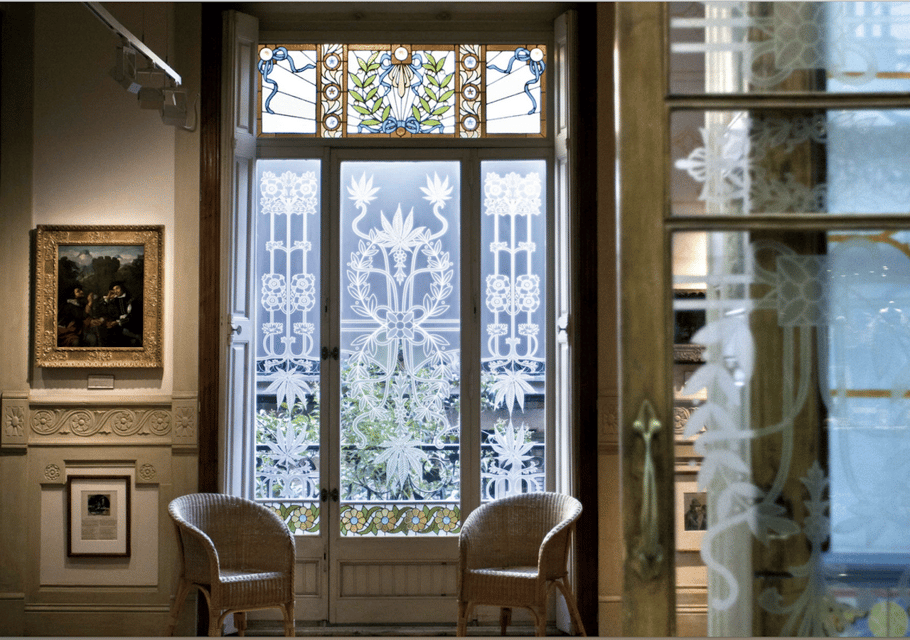
The museum is set in a modernista palace, which gives the visit a different mood right from the door. Instead of a plain exhibition space, you’re walking through a building style that’s part of Barcelona’s identity. That matters because it makes a topic that can feel heavy or controversial feel more like a cultural and historical study.
From there, the permanent exhibition is organized around the plant’s role across time. You’re not stuck in one category. The exhibits connect the dots between:
- Old uses and everyday products (like rope, paper, and textiles)
- Historical culture through paintings and engravings
- The more recent shift to industrial, nutritional, medicinal, sacramental, and recreational purposes
That “past to present to future” framing is practical for visitors. You don’t have to bring background knowledge. The exhibits are set up to build understanding step by step, from objects to context.
Ancient hemp tools and the objects that made products
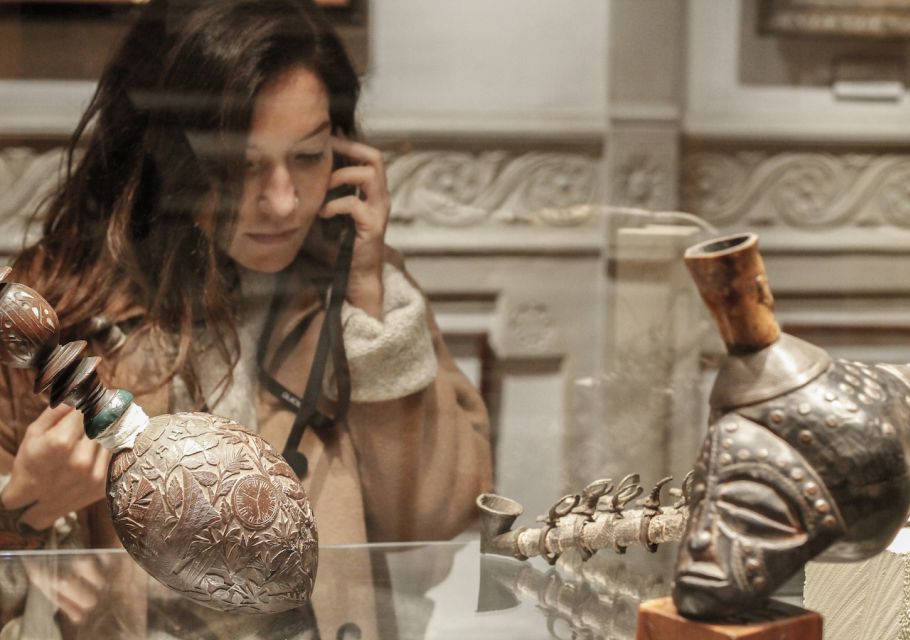
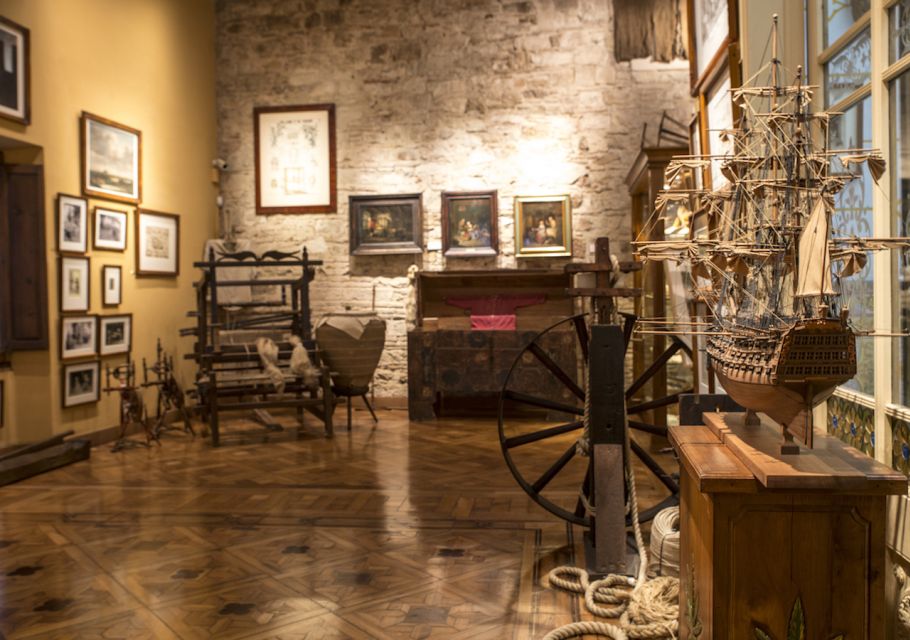
One of the most compelling parts of the museum is the attention to practical artifacts. You’ll see uncommon tools and utensils that were used long ago to transform hemp into useful materials—think rope, paper, and textiles.
Why I think this is such a strong approach: it turns a headline topic into something you can picture with your hands. Instead of only reading about hemp, you’re looking at the physical “how.” That’s the kind of museum design that helps the information stick.
You’ll also find a series of artworks—paintings and engravings—that describe how cannabis was used across ages. And there are paintings linked to leading artists of the 17th century. Even without needing to be an art expert, this gives you a bridge between science, daily life, and cultural perception.
Art, engravings, and how views changed over time
The museum doesn’t treat cannabis as one fixed story. It treats it like something that has been understood differently as societies changed.
That’s where the artwork section helps. When you see paintings and engravings arranged in sequence, the topic stops feeling like a single modern debate. Instead, you get the sense that cannabis has appeared in various roles—medical, industrial, and cultural—depending on the era.
This kind of presentation is valuable when you’re traveling, because it gives you an angle you can bring into conversations later. You walk out with more than facts; you have a sense of how narratives form and shift.
The medical cannabis section: historic bottles and long usage
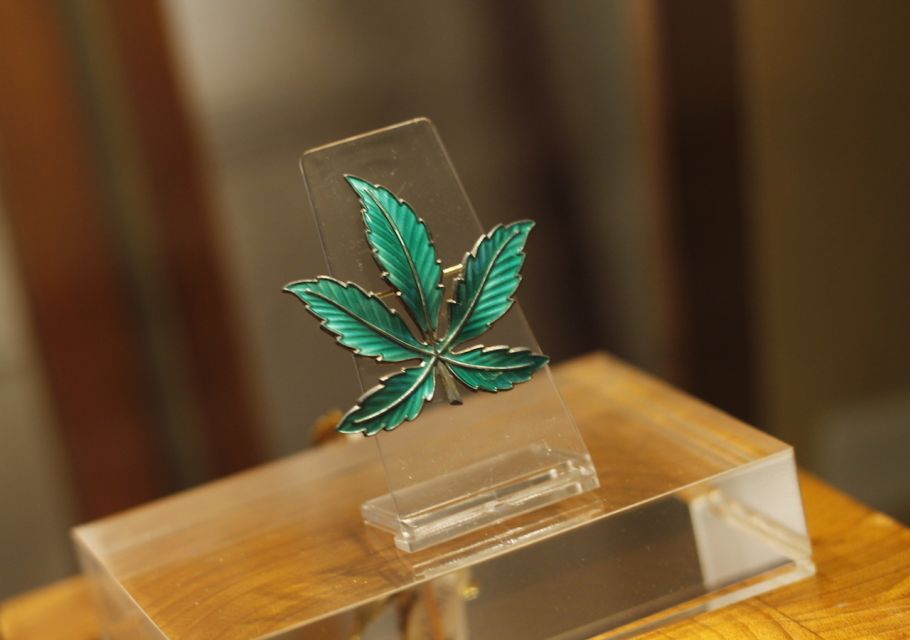
If you want the most focused, fact-heavy part, go to the medical section. The museum highlights what it describes as one of the world’s largest collections of bottles of medicinal cannabis, showing use dating back to the 19th century.
Whether you agree with modern cannabis policy or you’re just curious, this section is worth your time because it grounds the topic in documentation. Seeing bottles connected to medical use gives the museum a “historical evidence” feel, not just opinion.
It also helps answer a question that many people carry in their heads: Was medicinal use always modern? The museum’s presentation pushes you to consider that the plant’s medical discussion has been around for a long time, not just in recent years.
Live hemp plants in season: the best contrast to the displays
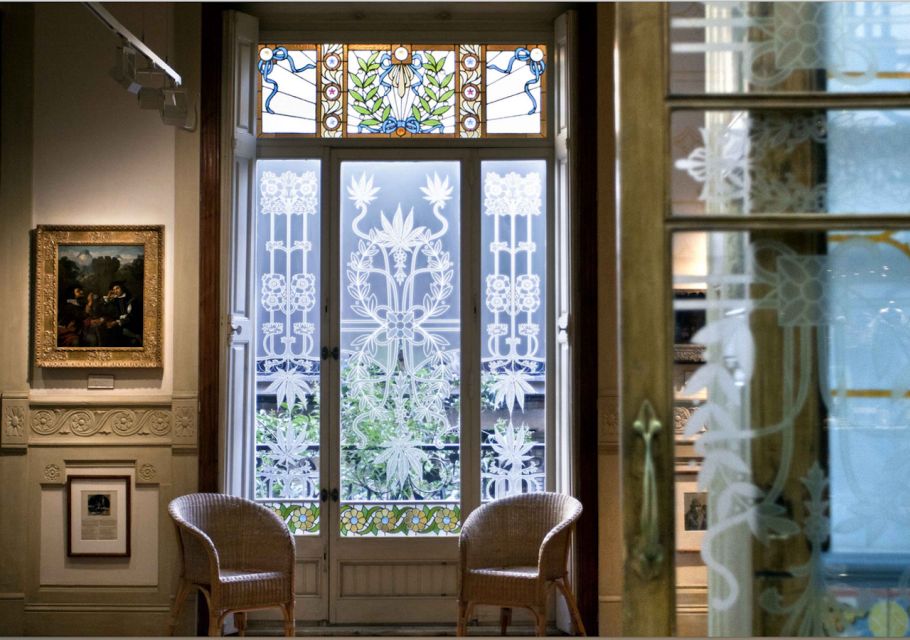
During the growing season, you can see live hemp plants. This is a small detail, but it’s one of the smartest ways the museum keeps the visit from becoming purely theoretical.
The contrast works fast:
- Indoor exhibits show the past and the curated story
- Live plants add a real-world check—this is a living crop, not just a historical concept
If live plants are a must for you, plan around the season. The info you have doesn’t give exact dates, so you’ll want to check timing based on when you’re traveling.
Use the photo booth, then browse the museum shop
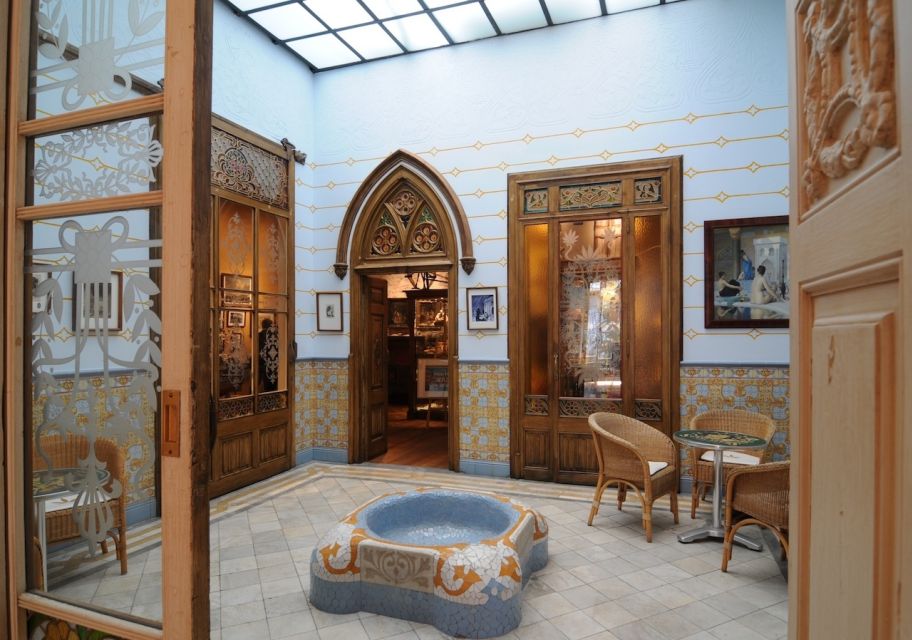
The experience includes a photo booth. It’s there so you don’t just take screenshots for later and forget them. You get a souvenir format that feels tied to the visit, and it’s included as part of the experience.
After that, make time for the museum shop. It’s described as having a wide range of hemp products. That’s where the topic shifts again—from history and medicine into everyday modern consumer items.
Even if you don’t plan to buy, the shop is useful for seeing how hemp is marketed and packaged today. If you do buy, it’s a straightforward place to support the museum and pick something connected to what you just learned.
Rules that affect your comfort: flash photography and no food/drinks
A few practical rules can change how enjoyable the visit feels:
- Flash photography is not allowed
- Food and drinks are not allowed inside
So come prepared. If you need a snack or water during the day, grab it before you enter, then handle your timing outside. It’s also a good idea to keep your phone charged—since you can’t use flash, you’ll rely on available light and your camera settings.
Accessibility and who this experience fits best
This visit is not suitable for people with mobility impairments. Since that’s explicitly stated, don’t plan to “hope it’s fine.” If mobility access is a concern, it’s better to look for a different Barcelona option rather than risk a frustrating day.
On the positive side, this ticket suits a lot of different interests:
- You’re into museums with a clear theme
- You like the mix of artifacts, art, and explanations
- You want a short, focused stop that doesn’t swallow your entire day
If you’re traveling with someone who’s curious but unsure what to expect, this museum is one of the easier ways to have a structured conversation afterward—because you’ll have seen the material firsthand.
Price and logistics: making the $11 ticket feel like a win
At $11, this is priced like an easy add-on rather than a big-ticket activity. The “value” comes from the items you get, not just the entry:
- Audio guide included (multiple languages)
- Photo souvenir included
- A permanent exhibition that spans history, medicine, and uses
Also, the overall format is simple: it’s a 1-day entry and you check availability for starting times. That means you can slot it into a day plan without over-committing.
One more note: the museum is described as small. That’s not a negative if you want focus. It just means you should set expectations. You’re buying a concentrated experience, not an endless maze of rooms.
Who should book this, and who should skip it
Book it if you want:
- A museum dedicated entirely to cannabis and hemp history
- Visual learning through tools, bottles, and historic art
- A stop that fits well into a day of Barcelona exploring
Consider skipping (or at least reconsidering) if:
- Mobility access is needed
- You’re expecting a large multi-hour attraction
- You need on-site food or drink during the visit
Should you book this Barcelona cannabis-history museum?
I think it’s worth booking if you enjoy small, focused museums and you like topics explained through objects. The combination of audio guide + photo souvenir makes the ticket feel complete, and the medical bottle collection plus the practical hemp-tool exhibits are strong anchors for understanding.
If your goal is to get a quick, structured, and conversation-ready perspective on hemp—past and present—then this stop is a solid use of time in Barcelona.
FAQ
Where is the meeting point for the museum entry?
Meet at Carrer Ample, 35, 08002 Barcelona, Spain.
How long is the experience?
The ticket is listed as valid for 1 day.
What is included with the entry ticket?
It includes an audio guide and a photo souvenir.
Which languages are available for the audio guide?
The audio guide is available in Catalan, English, Spanish, Italian, German, French.
Which languages can the host or greeter speak?
The host or greeter is listed as speaking English, Dutch, Spanish, Catalan, French, German, Portuguese, Italian.
Is flash photography allowed?
No. Flash photography is not allowed.
Can I bring food and drinks into the museum?
No. Food and drinks are not allowed.
Is the museum suitable for people with mobility impairments?
No. It is not suitable for people with mobility impairments.
Is there free cancellation?
Yes. Cancel up to 24 hours in advance for a full refund.