REVIEW · MUSEO D HISTORIA DE CATALUNYA
Barcelona: Skip-the-Line to History Museum of Catalonia
Book on GetYourGuide →Operated by Museu d'Història de CAT | Touristcheck · Bookable on GetYourGuide
Catalonia’s past feels close at this museum. You’ll get to roam through interactive exhibits on Catalan history and then step out to the terrace for big-city views, all with a skip-the-line ticket. The permanent show, The Memory of a Country, gives you a hands-on way to understand how people and power shaped the region across centuries.
What I like most is the museum’s mix of permanent and temporary content, so your visit doesn’t feel like one long “timeline wall.” The second big win is the fourth-floor rooftop spot: even if you only stop for a drink, the views over the Port and Montjuïc Mountain are worth planning around. One consideration: an audio guide isn’t included, so if you rely on narration to make sense of everything, you may want to budget extra time or bring your own plan for context.
In This Review
- Key things to know before you go
- Skip-the-line at the Museu d’Història de Catalunya: getting in fast
- The permanent show: The Memory of a Country (how it clicks)
- Temporary exhibition focus: We Are the Homosexual Movement (1976–1979)
- How the museum tells Catalonia’s story without a guided tour
- Don’t miss the terrace: where the museum day changes tone
- Fourth-floor rooftop bar and restaurant: plan a stop, not a scramble
- Price and value: is $9 worth it?
- What to know before you go (practical checklist)
- Who this experience suits best (and who might want a different plan)
- My quick itinerary flow for a smooth 1-day visit
- Should you book this skip-the-line ticket?
- FAQ
- FAQ
- How long is the History Museum of Catalonia visit?
- Is skip-the-line entry included?
- What exhibitions can I see?
- Are panoramic views included?
- Is an audio guide included?
- Is food or drinks included?
- What should I bring?
- What are the opening hours?
Key things to know before you go
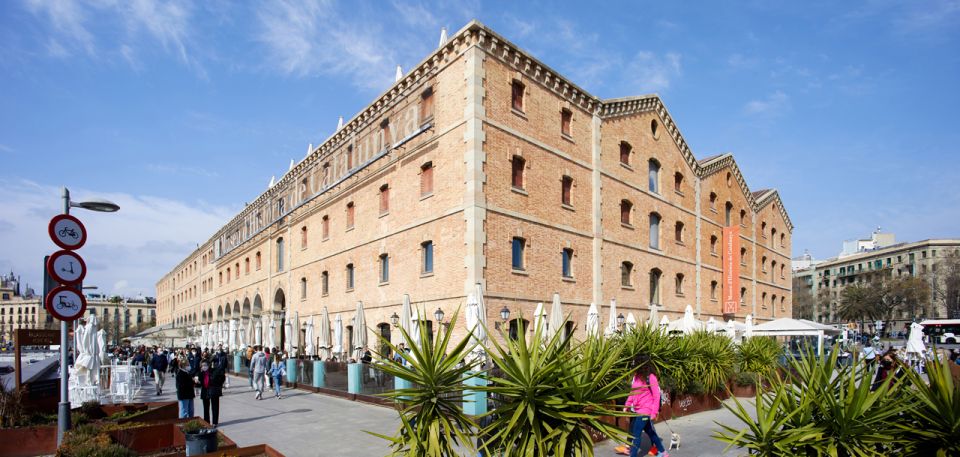
- Skip-the-line entry saves time so you can get straight into the exhibits
- The Memory of a Country is an interactive permanent exhibition that links eras and people
- Temporary exhibition through Oct 26, 2025 focuses on the homosexual movement during Spain’s transition to democracy (1976–1979)
- Terrace access lets you take a break with panoramic views of the Port, Montjuïc, and the city
- Fourth-floor rooftop bar and restaurant make it easy to pause the visit and refuel
- Interactive elements like films, drawings, and background-style displays help history feel less abstract
Skip-the-line at the Museu d’Història de Catalunya: getting in fast

Your best move is to start at the meeting point, Plaça Pau Vila, 3 (08039 Barcelona). From there, you’re heading to the Museu d’Història de CAT, and the skip-the-line ticket is the whole point: you avoid the slow entry shuffle and get your time back for the exhibits.
This is a one-day experience, but it’s not a “see everything in 60 minutes” type of place. Plan for a thoughtful pass through the permanent galleries, then add the temporary exhibition while you’re already in the story. If you’re the kind of person who likes to read captions and watch short films, you’ll naturally stretch the visit out—especially because the museum uses interactive setups, not just static panels.
Also, go in knowing what’s included and what’s not. Entry covers permanent and temporary exhibitions plus terrace access and brochures. What’s not included is an audio guide, a guide, and food/drinks. In real terms: you can do this visit self-guided, but if you want guided narration or want meals built into the ticket price, you’ll need to organize that separately.
The permanent show: The Memory of a Country (how it clicks)
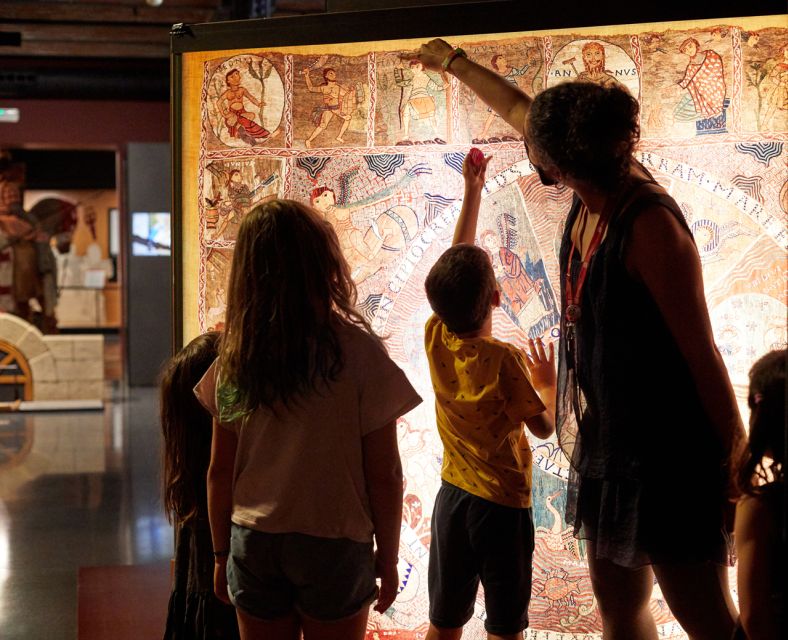
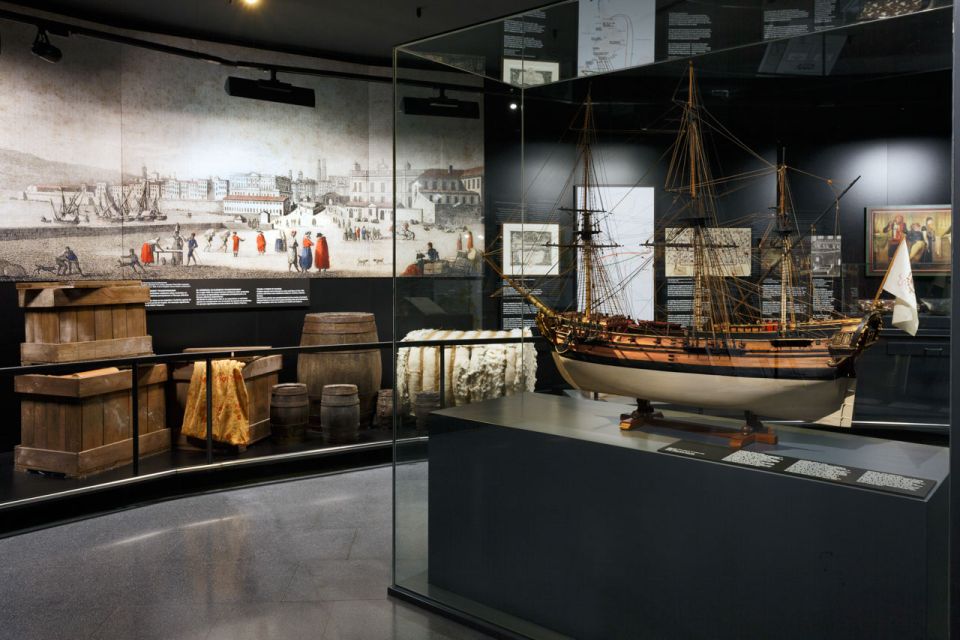
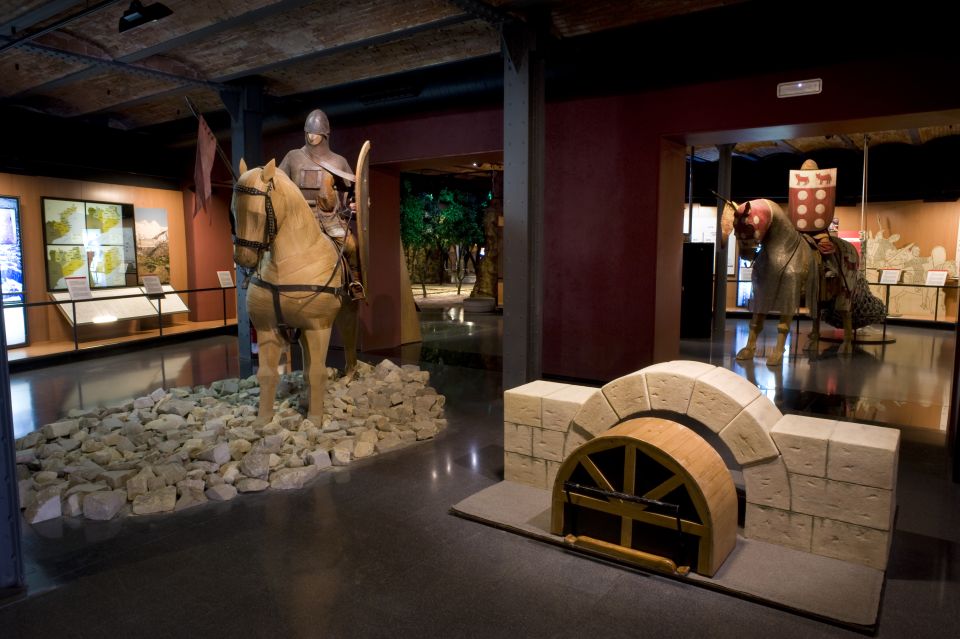
If you only do one main thing, make it The Memory of a Country. It’s the museum’s interactive record of the periods and characters that shaped Catalonia, and that format matters. Instead of treating Catalan history as a straight line of dates, it helps you connect cause and effect—how events and identities evolved over time, and how different eras left traces.
This is the kind of exhibit that works well when you visit with a light plan, not a strict checklist. I’d suggest you start with curiosity: pick one or two sections that catch your attention and then follow the way the displays link eras. Since the museum includes interactive backgrounds, films, and drawings, you’ll likely find yourself pausing more than you expect. That’s not a drawback. It’s how the museum keeps history from feeling like homework.
One more reason the permanent exhibition lands: it’s designed to preserve and promote Catalonia’s history through articles and stories. That means the museum isn’t just about what happened. It’s about how people lived with those pressures, and how communities understood themselves across time.
Temporary exhibition focus: We Are the Homosexual Movement (1976–1979)
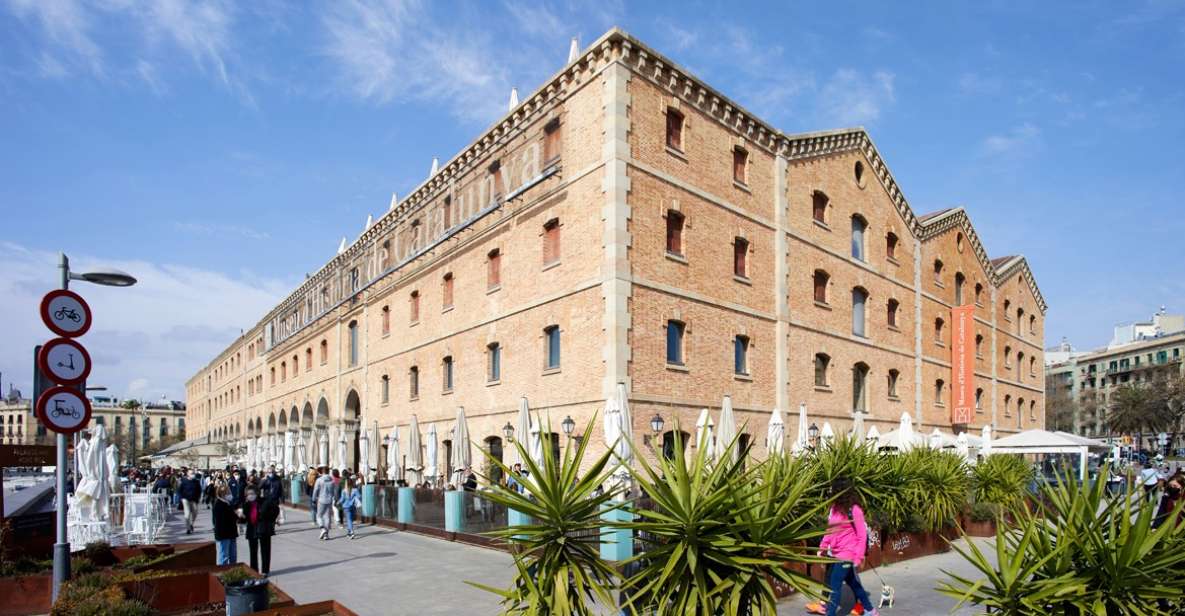
Alongside the permanent work, there’s a major temporary exhibition running until October 26, 2025: We Are The Homosexual Movement during Spain’s Transition to Democracy (1976-1979). This is a smart pairing with the rest of the museum because it brings the history of Catalonia and Spain’s political change into human terms.
Even if you know the broad headlines of Spain’s transition, the exhibit’s specific years (1976–1979) make it more grounded. You’re not just hearing about political shifts in general; you’re looking at how social movements took shape in a moment of change and uncertainty.
What I’d watch for is how the museum uses the same storytelling tools you’ll see elsewhere—films, drawings, and interpretive displays. That repetition isn’t lazy. It helps you keep your footing. You see one era’s themes, then you see the museum “translate” them into this later period, when public life and rights were being renegotiated.
If you’re visiting close to the deadline date, it’s worth prioritizing this temporary exhibit early in your day. Temporary content can be the most interesting part, and once you’re tired, it’s harder to absorb. Knock it out while your brain is still fresh.
How the museum tells Catalonia’s story without a guided tour
You don’t get a live guide with this ticket, and there’s no audio guide included either. That can sound limiting, but the museum is built to work self-guided. The displays rely on interactive backgrounds, films, drawings, and story-led exhibits rather than just long blocks of text.
Here’s the payoff: you’re free to move at your pace. If a section grabs you, you can stay. If another area feels more dense, you can skim and come back later. That matters in a museum focused on identity and politics—subjects that often include a lot to process.
One review highlighted how Catalans had an influence in the region since ancient times, then faced repeated pressure as Spanish power tightened whenever the central government felt threatened. Another point emphasized the period after 1714, when the Madrid government tried to wipe out Catalan identity, followed by the Spanish Civil War era (1936–1939). Even if you come in with your own opinions, the museum format helps you see how these chapters are framed and connected.
Think of it this way: a guided tour might push you toward one interpretation. A well-designed self-guided museum lets you form your own, then test it against what you learn on the spot.
Don’t miss the terrace: where the museum day changes tone
The included terrace access is one of the sneakiest good reasons to book this ticket. After time indoors, you need a reset. The terrace gives you that—and it also changes how the history “feels.”
You can see panoramic views of the Port, Montjuïc Mountain, and the city from up top. That’s the point: you’re not just looking at exhibits about place and power. You’re looking out at the real geography that shaped how Barcelona and Catalonia developed.
Timing tip: go to the terrace after you’ve built some context in the galleries, not before. If you start outdoors immediately, you might come back to the exhibits with less emotional traction. After a few hours inside, the terrace works like a breath and a visual anchor.
The terrace isn’t just scenic. It’s a practical break that helps you avoid museum fatigue, especially if you’re planning a second stop in Barcelona the same day.
Fourth-floor rooftop bar and restaurant: plan a stop, not a scramble
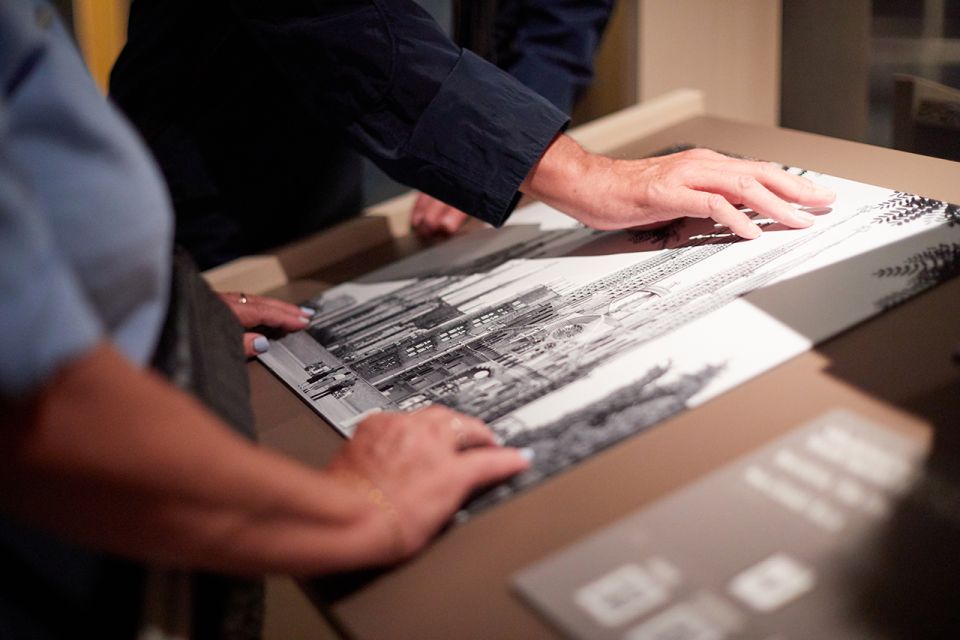
On the fourth floor, there’s a restaurant and rooftop bar, and the views from there are part of the experience. Since food and drinks aren’t included with the ticket, you’ll treat this as an optional add-on rather than a bundled meal.
Still, I think this is one of the smartest parts of the visit design. You can combine terrace time with a real pause—sit down, look out over the city, then decide if you want to finish another exhibition wing while you still have energy.
If you want maximum comfort, schedule it as a mid-to-late-day reset. That way, you get your best chance at comfortable sightseeing without rushing through the main content first.
Price and value: is $9 worth it?
At $9 per person, this ticket is a strong value—mostly because the inclusions are practical. You’re paying for skip-the-line entry, access to both permanent and temporary exhibitions, plus terrace access and brochures. For a one-day museum visit, that combination is what makes the price feel fair rather than “cheap in a bad way.”
The trade-off is also clear: there’s no audio guide, no guide, and no meals included. But if you’re okay reading and moving at your pace, those missing items don’t block you from getting a full experience. In other words, it’s good value if you want independence.
Who will feel the value the most? People who:
- like interactive exhibits and films
- want history framed with story-driven sections
- care about finishing with city views
Who should think twice? If you strongly prefer museum narration via audio guide, or you want a guided explanation for the politically heavy themes, this ticket alone may not cover your ideal comfort level.
What to know before you go (practical checklist)
Before you head out, pack simple. Bring a passport or ID card—this is explicitly required. The museum also has rules that keep the visit smooth: oversize luggage isn’t allowed, and unaccompanied minors aren’t allowed. Kids must be accompanied by an adult.
Opening hours are a key detail if you’re planning your day around other Barcelona sights. The museum is closed on Monday. It’s open Tuesday to Saturday from 10:00 AM to 7:00 PM, Wednesday from 10:00 AM to 8:00 PM, and Sunday/holidays from 10:00 AM to 2:30 PM. If you’re visiting late in the week, you’ll have more flexibility. If it’s a Sunday or holiday, plan your time tightly.
On the positive side, the museum is wheelchair accessible. If accessibility is part of your planning, this is a helpful note.
Finally, if you like flexibility with bookings, the offer includes free cancellation up to 24 hours in advance for a full refund and a reserve now & pay later option.
Who this experience suits best (and who might want a different plan)
This museum fits well if you want Catalan history presented as more than background trivia. The story is interactive and spans ancient influence through later political periods, including material that reaches into the social movements of the late 1970s.
It’s a good match for:
- history-minded travelers who like interactive displays
- people who want a self-paced visit (no need to sync with a group guide)
- visitors who value a thoughtful break with panoramic views
It might be less ideal if you:
- want a full guided lecture style explanation
- rely on audio guides as your main learning method
- need food/drink included in the ticket price
If you do decide to come, give yourself time to read what interests you. This museum rewards a calmer pace, not a sprint.
My quick itinerary flow for a smooth 1-day visit
Because this is a museum ticket with self-guided movement, think of it as a loop:
- Start with the permanent exhibition The Memory of a Country so you build a framework.
- Add the temporary exhibition We Are The Homosexual Movement (1976–1979), especially if you’re visiting before Oct 26, 2025.
- Continue through other permanent and temporary displays, leaning into films and interactive backgrounds.
- Finish with the terrace views, ideally with time to sit for a drink or snack at the rooftop bar/restaurant.
This order keeps the emotional logic of the visit clear: you get context first, then specific chapters, then the city view at the end.
Should you book this skip-the-line ticket?
I’d book it if you want a self-guided day that mixes interactive history with real Barcelona views—and you’re comfortable supplying your own reading and context. At $9, you’re not paying a premium for convenience; you’re paying for entry, terrace access, and the chance to see both permanent and temporary exhibits without wasting time at the ticket queue.
Skip it only if you’re expecting a guided tour experience or you want food/drinks included. With no audio guide included, you’ll get the most satisfaction if you’re the type who enjoys learning at your own pace.
FAQ
FAQ
How long is the History Museum of Catalonia visit?
The experience is valid for 1 day, so you can plan a visit within that day based on the museum’s opening hours.
Is skip-the-line entry included?
Yes. The ticket includes a skip-the-line entrance.
What exhibitions can I see?
You’ll have access to permanent and temporary exhibitions. The permanent exhibition included is The Memory of a Country, and there is a temporary exhibition called We Are The Homosexual Movement during Spain’s Transition to Democracy (1976-1979) running until October 26, 2025.
Are panoramic views included?
Yes. Terrace access is included, and the terrace offers panoramic views.
Is an audio guide included?
No. An audio guide is not included.
Is food or drinks included?
No. Food and drinks are not included, though there is a restaurant and rooftop bar on the fourth floor.
What should I bring?
Bring a passport or ID card.
What are the opening hours?
Tuesday to Saturday: 10:00 AM–7:00 PM. Wednesday: 10:00 AM–8:00 PM. Sunday & holidays: 10:00 AM–2:30 PM. Monday is closed.