REVIEW · TENERIFE
Bonadea II Ecological Whale Watching, 2 hours
Book on Viator →Operated by Bonadea II - Diomedea · Bookable on Viator
Small boat, big ocean moments. Bonadea II turns ecological whale watching in Tenerife into a close, quiet experience in the protected waters of the Teno-Rasca zone, with a captain who focuses on seeing cetaceans in their natural rhythm. I especially love the small group size (max 6), which makes it feel personal instead of crowded. I also like the way the team aims for respectful viewing, including engine-off moments when animals come near. One consideration: this is weather-dependent, and a small Zodiac can feel a bit more “hands-on” than bigger boats if the sea turns choppy.
The tour runs about 2 hours, in English, and you meet at Av. de Colón in Costa Adeje before heading out in search of marine life. Based on what I know from how the captain works, your best odds come from staying flexible and letting the wildlife set the pace. It’s also a conservation-minded outing, connected to official protected-area rules and the Natura 2000 network, not just a drive-by wildlife show.
In This Review
- Key highlights you can plan around
- Bonadea II: small Zodiac, real-world comfort and limits
- Why the Teno-Rasca Natura 2000 zone changes the whole experience
- What you’re most likely to see in two hours
- Main targets: pilot whales and dolphins
- How the captain’s approach helps sightings
- A realistic note: sightings are never guaranteed
- How the route and timing can shape what you notice
- The eco approach: respectful distance, quiet engine moments, and cleanup
- Price and value: is $78.64 a fair deal?
- Who this tour is perfect for (and who should be cautious)
- Should you book Bonadea II whale watching in Tenerife?
- FAQ
- What’s the duration of Bonadea II Ecological Whale Watching?
- How much does the tour cost per person?
- Where do I meet for the tour?
- Is the tour offered in English?
- What’s the group size like?
- Are there any passenger weight limits?
- What’s the cancellation and weather situation?
Key highlights you can plan around
- Max 6 travelers for calmer viewing instead of lining up with a full fleet
- Blue Boat authorization + Natura 2000 protected zone (Teno-Rasca) guiding how you approach wildlife
- A quiet style of watching, including moments when the engine is off so animals can come to you
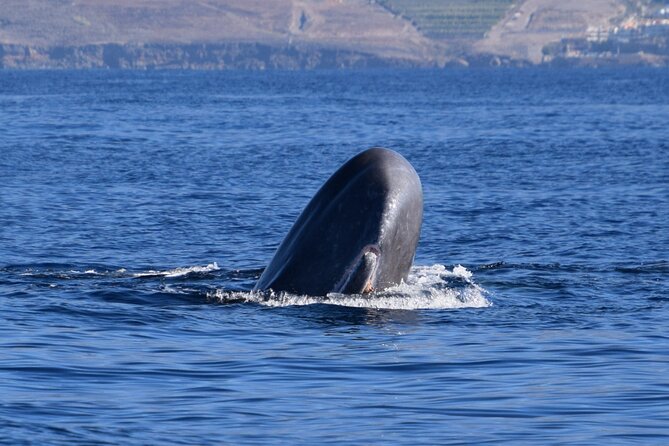
- Species you might spot fast: pilot whales and dolphins are the headline, with turtles as a real possibility
- On-the-water environmental action, including picking up floating plastic when conditions allow
Bonadea II: small Zodiac, real-world comfort and limits
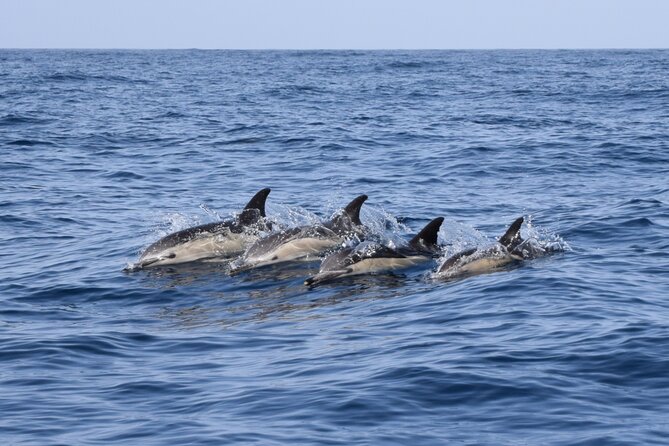
Bonadea II is built for close observation. With a maximum of 6 travelers, you don’t feel like you’re sharing the ocean with a parade. Instead, you get a small “ring” view around the boat, which matters when you’re trying to catch that first surfacing moment.
The boat also has some practical constraints. Because of the vessel’s characteristics, passengers over 130 kilos can’t be carried, so if you’re on the upper end of that range, it’s worth double-checking early. Service animals are allowed, and most travelers can participate, which makes it friendlier than some more specialized tours.
A couple of small planning wins: you’ll have a mobile ticket, and the tour is offered in English. The meeting point is close to public transportation, so you’re not forced into a taxi-only day just to start your whale adventure.
One more detail that shows up in how people rate this trip so highly: the boat feels both safe and manageable. It’s not about “luxury seating.” It’s about keeping the experience tight, controlled, and focused on wildlife behavior rather than loud performance.
You can also read our reviews of more whale watching tours in Tenerife
Why the Teno-Rasca Natura 2000 zone changes the whole experience
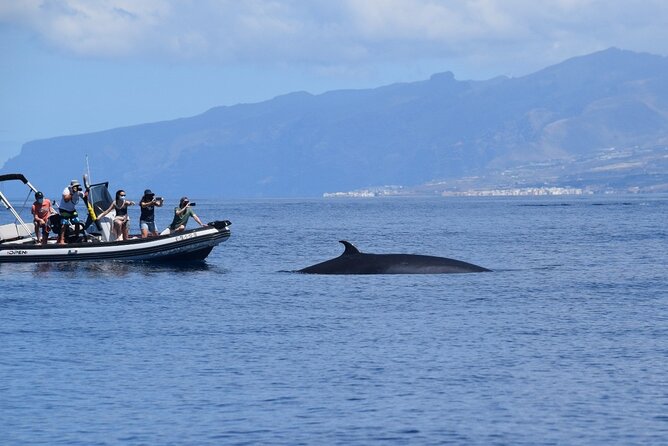
This is ecological whale watching in the real sense of the word. The activity operates in the Special Conservation Zone (ZEC) Teno-Rasca, part of the Natura 2000 network. That’s important because it shapes how the captain works—where you can go, how you can behave around animals, and what counts as responsible viewing.
You’ll also see this reflected in the official “Blue Boat” flag system. Bonadea II is authorized for whale watching activities by the Government of the Canary Islands tourism framework and the Spanish Ministry of the Environment, and it’s attached to the Tenerife Tourism Quality Charter. In plain terms: this isn’t a random “see what you can” boat trip. It’s guided by conservation rules and sanctioned operating standards.
The operators also highlight 29 years of experience navigating with passengers and observing cetaceans. That’s not just bragging for its own sake. In wildlife watching, experience shows up as timing: when to slow down, when to reposition, and when to stop pressing your luck. When you’re in a protected zone, the animals aren’t background scenery. They’re the point, and the crew’s job is to let them stay in control of their own space.
What you’re most likely to see in two hours
Two hours sounds short until you’re out there and realize it’s the perfect length for a small-boat mission. It gives the captain enough time to reach the best search areas and still keep the day focused, not exhausted.
Main targets: pilot whales and dolphins
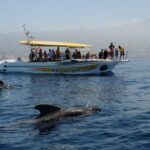
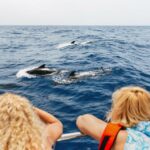
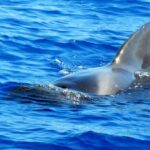
The most consistent sightings are pilot whales and dolphins. Many people describe multiple pods—so you’re not just hoping for one brief encounter. With a smaller Zodiac and a careful approach, you often get better “staying power” around the animals instead of doing quick, noisy passes.
You might also see:
- Bottlenose dolphins
- Turtles, including a leatherback turtle possibility
- Cory’s shearwater birds when conditions align
How the captain’s approach helps sightings
A big reason this tour gets strong marks is the way the boat works around the animals. The captain aims for closeness without chasing—meaning you’re more likely to see natural behavior rather than stress signals. People also mention engine-off moments, and that’s a key concept for you as a viewer: in calm periods, animals are more willing to come near and keep doing what they came out to do.
Also, sometimes the day changes at the end. One example from the trip stories is that an extra whale school turned the last stretch into a second highlight. That’s a reminder to keep your attention up until you head back in.
A few more Tenerife tours and experiences worth a look
A realistic note: sightings are never guaranteed
Even with a great crew and a protected zone, wildlife timing is wildlife timing. If you’re booking with a strict yes-or-no expectation, you might be disappointed. If you’re booking to watch for behavior, patterns, and variety, you’ll likely have a better time—even on a day with fewer surprises.
How the route and timing can shape what you notice
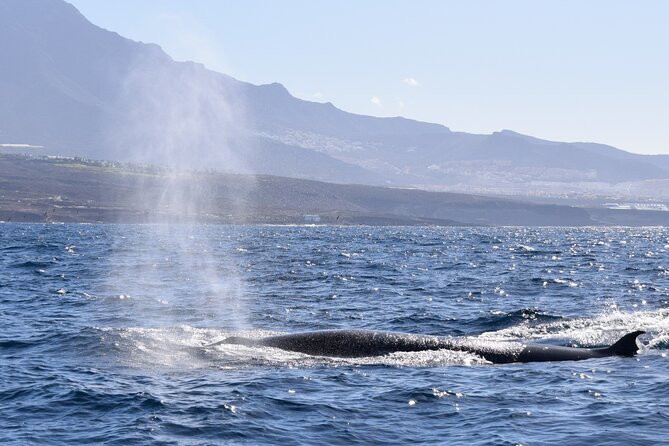
You start at Av. de Colón, 4, Costa Adeje, and the activity ends back at that same meeting point. The full session is about 2 hours, so it’s designed as a concentrated outing rather than a half-day expedition.
There’s also a reference to Santa Cruz de Tenerife as part of the experience. Since this is an island trip, it likely means you spend time in waters that connect with that broader coastal region (even if the biggest “action” is still where the protected zone conditions are best). For you, the practical takeaway is simple: don’t plan the day around a long buffer afterward. Bring your energy for the full session and then recover lightly after.
If you’re staying in the south of Tenerife, this is a convenient fit. Costa Adeje is a logical base area, and you get a real change of pace fast: from hotel street life to ocean conditions—wind, salt air, and the feeling of watching animals rather than looking at them through glass.
The eco approach: respectful distance, quiet engine moments, and cleanup
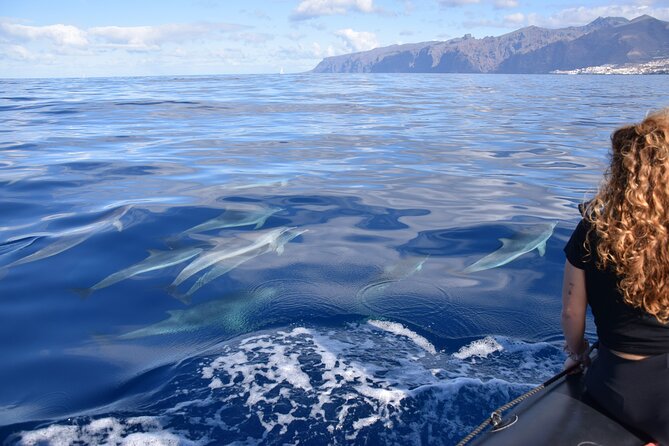
This trip doesn’t treat conservation as a slogan. It shows up in behavior. People repeatedly point to a respectful viewing style: no aggressive pursuit, attention to safe distance, and an approach that lets whales and dolphins choose how close they want to be.
You’ll also hear a strong emphasis on why some boating habits are a problem in protected zones. Specifically, there’s awareness about illegal crossings that may come with loud sound and party-style behavior. The crew frames that as a wellbeing issue for animals, not a rule-lecture. It’s a message that helps you understand what you’re paying for: the right to observe without turning the sea into a noisy stage.
And then there’s the cleanup. On at least some outings, the crew is picking up floating plastic debris while you’re out on the water. That’s one of those details that makes the experience feel “active,” not just observational. On a tour like this, it’s easy for the day to turn passive. Here, you get the sense the captain is managing the environment as much as searching for wildlife.
Sometimes stories include rescue-type context too—like turtles injured by boat traffic in the wider area. Don’t expect that as a promise, but it’s part of the conservation mindset you’re supporting.
Price and value: is $78.64 a fair deal?
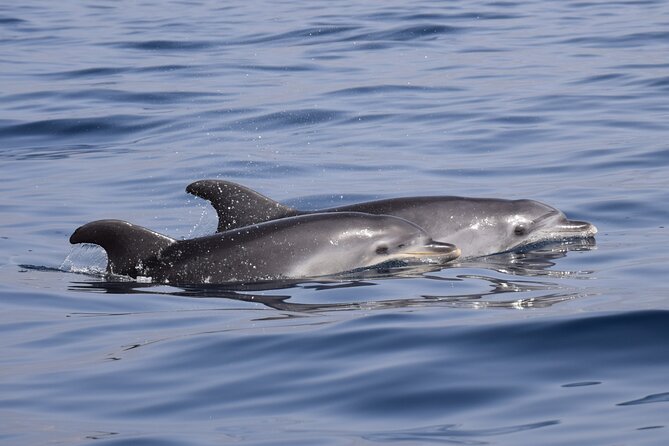
At $78.64 per person for about 2 hours, the sticker price looks straightforward. The value comes from what’s included in the experience design:
- Small group size (max 6) means less “crowd tax.” You pay more per seat, but you get more attention and less chaos.
- Official authorization and protected-area operation means you’re not just sightseeing in theory. You’re operating under a conservation framework in the Teno-Rasca zone.
- A captain who prioritizes wildlife behavior can mean better viewing quality. In practice, that’s the difference between brief sightings and longer, more meaningful moments.
- The tour’s reputation is strong, with an extremely high recommendation rate and a 5.0 rating, suggesting the experience style is consistent.
Also, booking timing can hint at demand. This is commonly reserved about 16 days in advance on average, so if you want the most convenient departure time, don’t leave it to the last week.
If you’re deciding between this and bigger-boat options, think like this: with small-boat whale watching, your money is buying control—control over how animals are approached and control over your ability to watch closely when something surfaces.
Who this tour is perfect for (and who should be cautious)
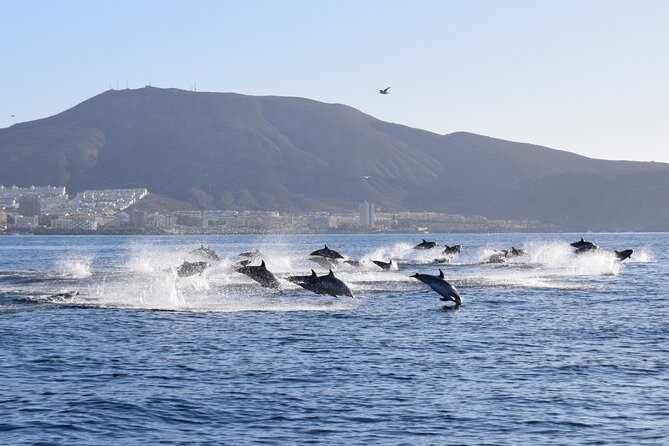
This is a strong match if you want:
- A quieter, more respectful style of whale watching
- Close viewing from a small Zodiac rather than big-boat crowds
- An experience tied to a real conservation zone (ZEC Teno-Rasca, Natura 2000)
- Something engaging for families, including kids. The trip stories often mention families because it stays focused, active, and short enough to keep attention.
You might want to be cautious if:
- You’re sensitive to motion. Smaller Zodiac-style boats can feel different when the sea is rough (and the experience requires good weather).
- Your weight is near or above 130 kilos, because that’s a hard limit for the vessel.
- You’re only satisfied by a guaranteed “you will see whales” promise. Wildlife watching can’t be made into a 100% output product.
Should you book Bonadea II whale watching in Tenerife?
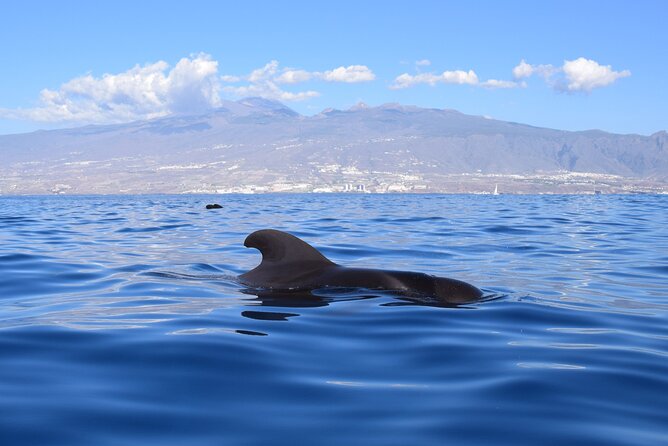
I think you should book this if your main goal is responsible closeness: seeing pilot whales and dolphins with a crew that treats the animals like the boss. The max-6 setup, the protected-zone authorization, and the consistent mention of respectful behavior and quiet approach are exactly what I look for when I want a whale watching day that doesn’t feel like a chase.
If you’re okay with the reality that sightings depend on the day and the sea, this is a great way to spend two hours in Tenerife—especially if you care about conservation actions like cleanup and protected-area rules. Book it, keep your expectations flexible, and be ready for those “wait, there it is” moments when animals choose to come close.
FAQ
What’s the duration of Bonadea II Ecological Whale Watching?
It runs for about 2 hours.
How much does the tour cost per person?
The price is $78.64 per person.
Where do I meet for the tour?
The meeting point is Av. de Colón, 4, 38660 Costa Adeje, Santa Cruz de Tenerife, Spain. The tour ends back at the same meeting point.
Is the tour offered in English?
Yes, it’s offered in English.
What’s the group size like?
The tour has a maximum of 6 travelers.
Are there any passenger weight limits?
Yes. Due to the boat’s characteristics, passengers over 130 kilos cannot be carried.
What’s the cancellation and weather situation?
You can cancel for a full refund if you cancel at least 24 hours in advance. The tour requires good weather, and if it’s canceled due to poor weather, you’ll be offered a different date or a full refund. The experience also requires a minimum number of travelers, and if it doesn’t meet that minimum you’ll be offered an alternative or a full refund.