REVIEW · CANTABRIA
Cantabria : El Soplao Cave guided tour
Book on GetYourGuide →Operated by Tixalia · Bookable on GetYourGuide
The cave plays tricks on your sense of scale. El Soplao mixes jaw-dropping geology with practical mining history, all wrapped into a short guided loop in northern Spain. One minute you’re staring at strange rock shapes, the next you’re hearing how miners named the air-filled cavities they found.
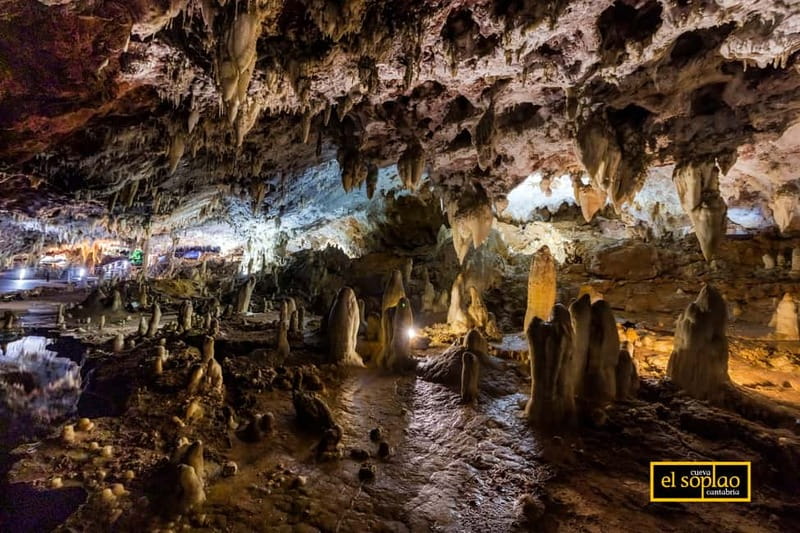
I especially love the rock formations—including a late stop with stalactites and stalagmites paired with music. I also like that you’re not just looking at rocks; you learn the story behind the place, including why it’s called El Soplao.
The one thing to consider: if you’re photo-heavy, you may run into limited photo opportunities. And the cave stays chilly and humid, so you’ll want real warm layers even if it’s hot outside.
In This Review
- Key points to know before you go
- El Soplao Cave: geology with a miner’s name
- Getting in: Spanish guide, voucher check, and the current train detour
- The first stop underground: fortified tunnel, then a 60-meter mining walk
- Picos de Europa viewpoints: why a cave tour still feels like Cantabria
- Mining history you can actually picture, not just read
- Dress for 12–14°C and 90% humidity
- Wheelchair access: what’s realistic on this route
- Price and value: is $17 for an hour a fair deal?
- Should you book El Soplao Cave?
- FAQ
- How long is the El Soplao guided tour?
- Is the guide in Spanish?
- What’s included in the ticket price?
- Where should I meet my guide?
- Is the cave wheelchair accessible?
- What should I bring?
- Is there a train to reach the cave?
- Are pets and child seats allowed?
Key points to know before you go
- Spanish-guided, shared tour that keeps things moving in about one hour
- 20+ km of tunnels and galleries behind the scenes, even though your route is shorter
- Mining train access is currently out of service, but the tour timing stays the same
- Picos de Europa panoramas show up as part of the experience
- Final chamber with music is a standout moment for many visitors
- 12–14°C inside with very high humidity, so dress for the cave, not the weather
El Soplao Cave: geology with a miner’s name
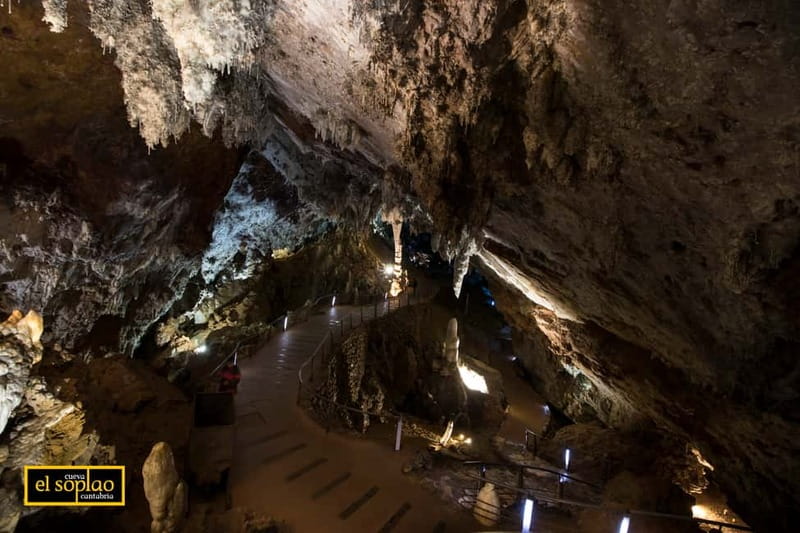
El Soplao Cave sits in Cantabria, and it’s the kind of place where your brain keeps trying to label what you see. The formations are dramatic, but the fun part is that they’re not random. This is karst terrain—water and air chemistry working for ages—and miners were the first people to give it a working name.
The story behind the name is part of the tour: miners in the past called the air-blown cavities los soplaos—the idea was strong currents of air moving through those karst spaces. That small detail changes how you look at the cave. You stop thinking only about rocks and start thinking about how people worked here and what they felt underground.
You’ll also hear that the system is massive—over 20 km of tunnels and galleries. Your guided route is much shorter, but it still gives you the sense you’re only seeing the highlights of something bigger.
Getting in: Spanish guide, voucher check, and the current train detour
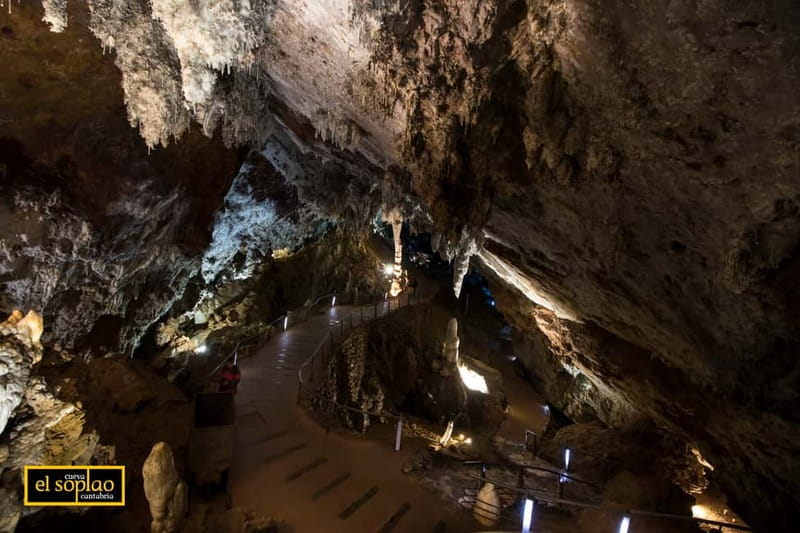
Plan to meet your guide at the cave entrance and have your TIXALIA voucher ready for entry. There’s also free outdoor parking, which is a big help if you’re driving in from around Cantabria.
Now, the practical twist: the mining train to El Soplao is out of service for maintenance until further notice. During this period, you walk 300 meters from the exterior station to the cave entrance. The good news is that this doesn’t change the overall quality or the stated duration of the cave visit.
If you see older descriptions that talk about a train ride, that’s still part of the concept—there’s normally a mining train that carries you roughly 400 meters into the cave through a protected tunnel. For now, treat it as a bonus that got paused, not something you’re losing.
The first stop underground: fortified tunnel, then a 60-meter mining walk
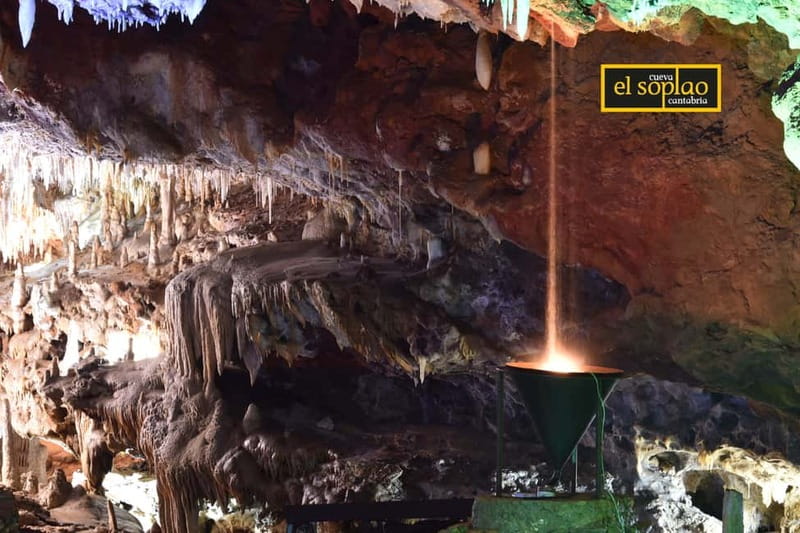
Once you’re inside, the tour is designed to feel both controlled and surprising. After the initial access point (normally by train, currently by foot for maintenance), you move through a passage area that functions like a transition—getting you from daylight to the damp, cool cave world.
As you continue, there’s a 60-meter stroll through old mining galleries. That’s one of those segments where it helps to keep your eyes up and ahead: you’re not just walking through empty space. You’re moving through altered underground routes created by people who mined, cut, and explored.
The next big moment is when you reach the Gorda Gallery, described as part of a larger chamber. This is where the geology starts doing the heavy lifting visually. You’ll see rock forms that don’t look like they belong in a mine, and that contrast is exactly the point.
Picos de Europa viewpoints: why a cave tour still feels like Cantabria
A cave tour usually means lights off and phones away. El Soplao adds a twist: it includes breathtaking panoramic views of the Picos de Europa.
Even though you’re underground for most of the experience, those lookouts matter. They help you connect what you see outside the cave—Cantabria’s dramatic scenery—with what you learn inside. It’s also a nice pacing tool. After cool, humid galleries, stepping toward a view refreshes your perspective.
The tour is scheduled to feel efficient: in about 1 hour, you cover roughly 1,500 meters of the route terrain. That’s a useful detail because “cave walking” can sound like nothing, but it adds up. You’ll want steady shoes and a comfortable pace.
Mining history you can actually picture, not just read
El Soplao is famous for being more than a geology show. The caves contain preserved mining galleries linked to how people worked and mapped the underground cavities they found.
That connection between rock and labor is one reason this tour lands well. It’s not just, Here are stalactites. It’s, Here is why these shapes mattered to miners, and why los soplaos became a useful label for the air currents they encountered.
You also get a sense of how exploration and naming work. The miners weren’t doing scientific classification in the modern sense, but they were carefully observing what the cave did—especially the movement of air through karst spaces—and turning that into a practical word. That’s a human touch that makes the geology story easier to follow.
And yes, there’s a moment that tends to hit hardest: the last chamber with stalactites and stalagmites paired with music, which many people remember because it turns the visuals into a kind of sensory finale.
Dress for 12–14°C and 90% humidity
Here’s the part that can catch you off guard: inside the cave, the temperature stays around 12 or 14°C with around 90% humidity. Even if the outside air is warm, you’ll feel the cave chill quickly once you settle into the route.
Bring comfortable shoes you trust on damp ground. I’d also bring layers you can adjust—something warm that you can keep on for the full hour without fussing with it every ten minutes.
If you’re the type who likes photos, plan for extra caution. One highlight from visitor feedback is that some people weren’t able to take photos as expected. That doesn’t necessarily mean it’s totally forbidden, but it does suggest you should expect possible restrictions or discouragement in some areas. Treat the cave as a look-first experience and you’ll enjoy it more.
Wheelchair access: what’s realistic on this route
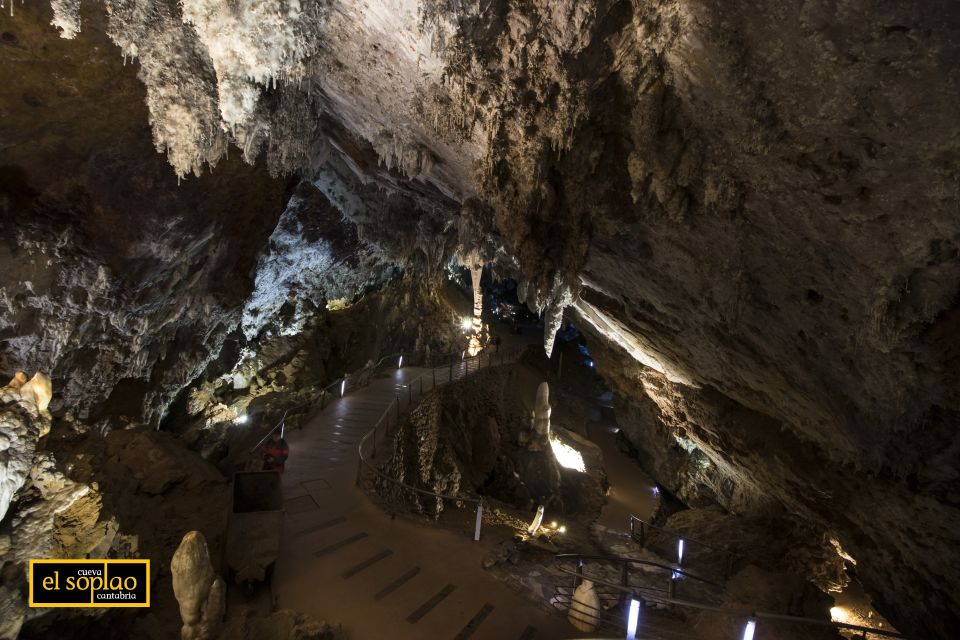
El Soplao is set up to be wheelchair accessible, which matters a lot for a cave. The route is described as adapted so that 90% of the path can be done in a wheelchair.
There is an accessible route to the entrance of about 300 meters, and there are sloping areas with less than 20 meters at around 10% inclination. You’re also told the guide accompanies you, so it’s important to notify them before your visit if you need the accessible route.
If you have reduced mobility, this is the kind of tour where good communication pays off. The cave itself won’t be “easy” in the way a flat city sidewalk is, but it’s clearly planned for access—not just an afterthought.
Price and value: is $17 for an hour a fair deal?
At about $17 per person for a 1-hour guided visit, the value mostly comes from what’s included: an entrance ticket plus a Spanish-speaking guide.
That combo is worth it here because the cave isn’t just self-explanatory. You’ll get the meaning behind los soplaos, the mining context, and the flow of stops in a way that turns random rock shapes into a coherent story. If you’re the kind of traveler who enjoys places more with context than with a signboard, this price makes sense.
Also, consider the practical savings: the tour includes what you’d otherwise spend time figuring out—where to go, how to pace the walking, and when to be at each gallery. The tour is short enough that you won’t lose half a day to travel logistics.
One more small value point: there’s an on-site self-service cafeteria and terrace with views, so if you have time around your tour, you can turn it into a convenient half-stop rather than a drive-by.
Should you book El Soplao Cave?
I’d book if you want a compact trip that mixes geology, mining history, and an atmospheric finale in one hour. The combination of formations plus preserved galleries makes it more than a “see it once” cave.
Skip it or adjust expectations if you’re mainly after long hiking or lots of free time to roam. This is a guided route with a set pace, and if you’re sensitive to cold and damp, pack accordingly. Also, if your goal is lots of photos, go in ready for possible limits.
If your day includes Cantabria and you want one memorable, well-paced underground stop, El Soplao is a strong choice.
FAQ
How long is the El Soplao guided tour?
The tour lasts about 1 hour.
Is the guide in Spanish?
Yes, the live guide speaks Spanish.
What’s included in the ticket price?
The ticket includes the Spanish guide and the entrance fee to El Soplao Cave.
Where should I meet my guide?
Meet your guide at the cave entrance and show your TIXALIA voucher at entry.
Is the cave wheelchair accessible?
Yes. The tour is adapted so that about 90% of the route can be done in a wheelchair, with a guide accompanying you. The entrance access includes about 300 meters of walking and some sloping areas.
What should I bring?
Bring comfortable shoes and warm clothing. The cave temperature is around 12–14°C with very high humidity.
Is there a train to reach the cave?
During maintenance, the mining train is out of service. You’ll walk about 300 meters from the exterior station to the cave entrance. The tour duration stays the same.
Are pets and child seats allowed?
Pets are not allowed. Child seats are not allowed, though babies can go in baby carriers. Children up to 16 must be accompanied by an adult, and children 0 to 3 enter for free with lap seating.