REVIEW · TENERIFE
Costa Adeje | Cetacean sighting in Tenerife South
Book on Viator →Operated by Atlantic Eco Experience · Bookable on Viator
Whale calls through a hydrophone sound unreal. This small-group Costa Adeje cetacean cruise puts you close to pilot whales and dolphins, with hydrophone listening during sightings, while the crew keeps things non-invasive. The main thing to weigh is that sightings depend on where the animals are that day, and the trip runs on sea and weather conditions.
On board, you’re in the hands of a marine biologist such as David, with a skipper like Mirna running the boat with calm, careful control. You’ll also see the care-based approach reflected in how they handle other boats’ presence and how they keep the engine silent when animals are near.
If you like learning while you watch, this 2.5-hour format is a strong fit. If you want a loud party vibe or guaranteed whale photos, you may find yourself a bit impatient as you wait in the right spot.
In This Review
- Key highlights before you go
- A small-boat whale watching cruise in Costa Adeje (Tenerife South)
- The crew you’ll be listening to: biologist David and skipper Mirna
- What happens during the 2.5 hours: from briefing to listening at sea
- Meeting and briefing
- Boat time and expert talk
- Approaching sightings with restraint
- Hydrophone moment: hearing communication, not just seeing it
- Engine-off approach
- Return to the same meeting point
- Hydrophone + engines off: why this is more than just whale spotting
- Hydrophone adds a new layer of the experience
- Engine-off time supports animal behavior
- Small boat size helps the whole process work
- What you might see off Tenerife South: whales, dolphins, porpoises, turtles
- Price and value: where $71.35 makes sense (and where it might not)
- Practical tips for a smoother trip on Papacho 2
- Sun and sea comfort matter
- Motion and sea sickness are real
- Hydrophone means you’ll stay attentive
- Facilities and refreshments
- Who should book Atlantic Eco Experience in Tenerife South?
- Should you book this cetacean sighting tour in Costa Adeje?
- FAQ
- How long is the Costa Adeje cetacean sighting tour?
- What does it cost per person?
- How many people are on the boat?
- What boat is used for this experience?
- Is the tour offered in English?
- Is there a hydrophone during the trip?
- Where do we meet for the tour?
- When will I get confirmation after booking?
- What if I cancel, or it gets canceled due to weather?
Key highlights before you go
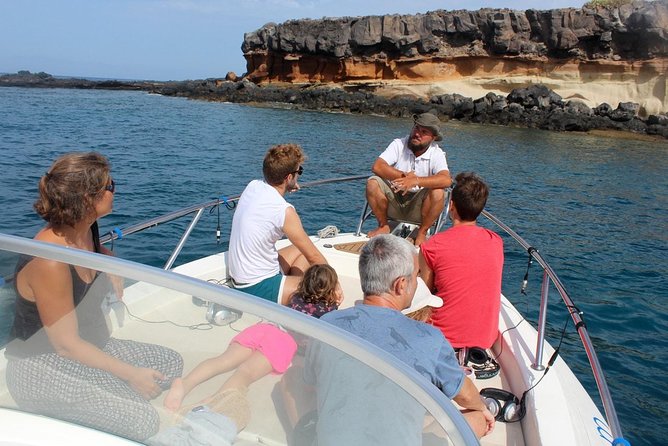
- Max 10 passengers on Papacho 2 so you get real viewing time and a guide close enough to ask questions
- Hydrophone during sightings so you can hear whalesong-like communication and hunting cues
- Engines switched off when approaching cetaceans to reduce disturbance
- Non-interference rules: you approach and observe without interrupting natural behavior
- Look beyond whales: sea turtles and seabirds are also part of the search
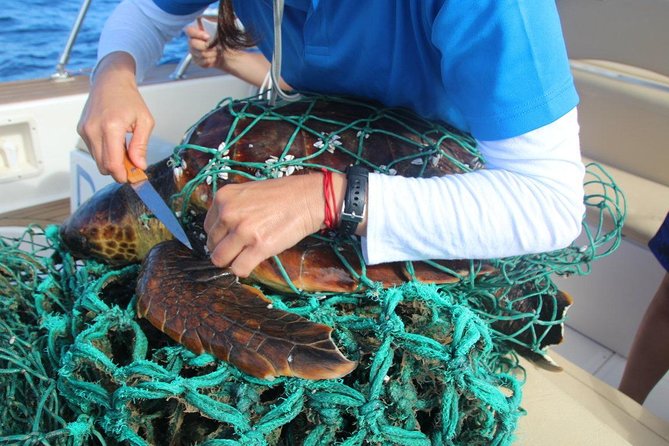
- Eco habits on the water like pausing for plastic litter pickup when possible
A small-boat whale watching cruise in Costa Adeje (Tenerife South)
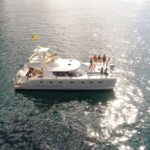
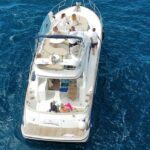
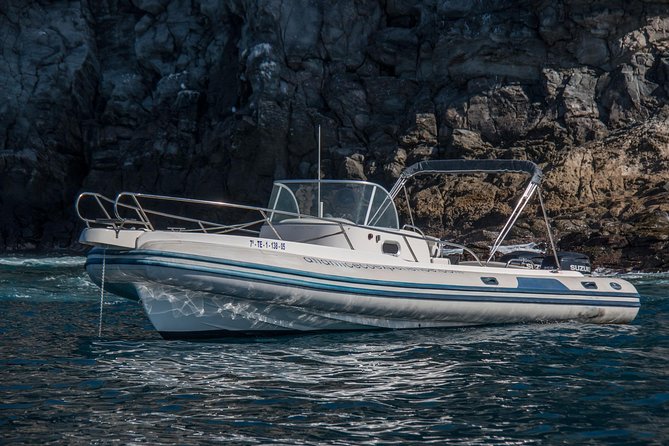
Costa Adeje is famous for sun, beaches, and day trips that feel easy. This cetacean sighting cruise keeps that “easy day” feeling, but swaps the typical tourist setup for a quieter, tighter boat experience. You meet at Av. de Colón, 4, and then head out on Papacho 2 for around 2 hours 30 minutes.
The biggest practical win here is the cap: up to 10 travelers. That changes everything about what you see. With fewer people, the guide can point out behavior right when it happens, and you’re not constantly craning your neck past a crowd. The boat also tends to feel more like a working viewing platform than a moving bleacher.
The other thing I like is that the trip is built around observation and conservation education, not just chasing animals for quick gratification. You’ll hear why the local waters matter and how human activity can affect marine life. That turns whale watching into a “why this matters” experience, not only a “wow, animals” moment.
You can also read our reviews of more tours and experiences in Tenerife.
The crew you’ll be listening to: biologist David and skipper Mirna
The tour is led by a biologist on board. Reviews mention biologists like David, who explains what you’re seeing in plain terms and connects it to conservation. You’re not just learning names of species; you’re learning what the behavior likely means and how researchers think about it.
The skipper matters too. You’ll meet an experienced captain such as Mirna (some guests also mention seeing Captain Claudine on departures). A good skipper isn’t only about safety. They’re about positioning the boat so you can watch with minimal disturbance. When engines are turned off during close encounters, that takes skill and timing.
A small crew also makes the experience feel more human. You’ll get chances to ask questions in between sightings. And you’ll feel the guide’s enthusiasm in the way they talk about local cetaceans and the logic behind the rules they follow.
What happens during the 2.5 hours: from briefing to listening at sea
Here’s the flow you should expect once you’re at the meeting point in Costa Adeje.
Meeting and briefing
You start at Av. de Colón, 4, where you’ll gather close to the departure time. Before you head out, you get a brief orientation. It’s not a long lecture. The goal is simple: so you know what to look for and how to understand the behavior you’ll notice on the water.
You’ll also get a reminder-style list of what to bring and how to stay comfortable in Tenerife South sun and sea spray.
Boat time and expert talk
Once aboard Papacho 2, the biologist explains the fauna you can find and the keys to conservation. This part makes the rest of the cruise feel smarter, because you’re not trying to guess what you’re seeing in real time. You’re following a story: species, behavior, and why the ocean around Tenerife is a good place to study them.

Approaching sightings with restraint
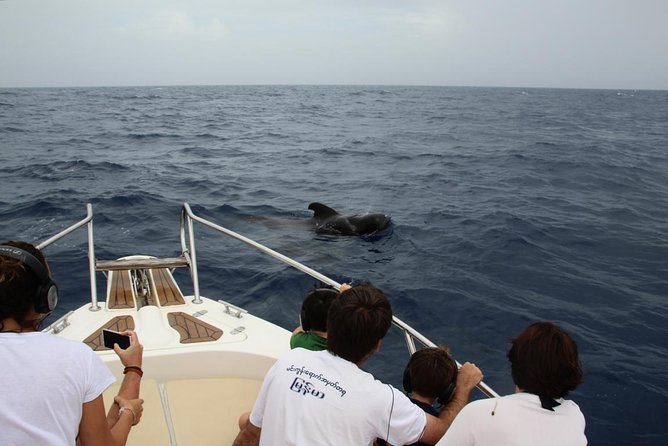
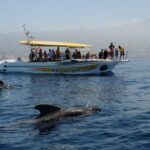
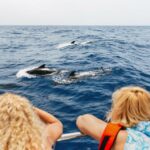
During the cruise, the crew looks for cetaceans, and may also locate sea turtles and seabirds. The approach is done while respecting the animals’ space, with a clear goal: observe without interfering with normal movement, feeding, or communication.
In practice, you might spend stretches just watching calmly as animals surface, travel, and react to the surroundings. That’s not boring when you know what you’re seeing. The guide helps you read it like a sequence rather than a single moment.
Hydrophone moment: hearing communication, not just seeing it
When an actual sighting happens, the plan shifts from watching to listening. The tour includes launching a hydrophone so you can hear marine sounds used for communication or hunting. You might find it surprisingly emotional, because the ocean stops feeling silent.
This is one of the most praised parts of the experience. Even if you’ve seen whales before, hearing their calls through the hydrophone changes your sense of what’s happening underwater.
Engine-off approach
A key detail is that during the sighting, the boat’s engines are switched off to avoid disturbing the animals. That also supports what the guide is trying to do: reduce noise and let communication patterns carry.
That engine-off time can feel a little quieter and more exposed in terms of sea motion, but it’s a tradeoff that supports better animal behavior and better listening.
Return to the same meeting point
At the end, the tour returns you back to the starting meeting point. So you’re not left figuring out transfers after the cruise.
Hydrophone + engines off: why this is more than just whale spotting
A lot of whale watching markets itself as eco-friendly. What matters is how it feels on the water. Here, you get two concrete signals.
Hydrophone adds a new layer of the experience
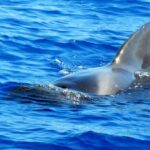
Seeing a fin or dorsal surface is one thing. Listening to the sound profile that animals use is another. The hydrophone turns the trip into a two-sense experience: sight plus sound.
It also helps you notice that marine life isn’t reacting only visually. You can understand why the crew takes disturbance seriously. When you can hear communication patterns, you get why engine noise would matter.
Engine-off time supports animal behavior
When the boat’s engines are off, the ocean becomes a quieter acoustic space. This is likely one of the reasons the crew can keep encounters respectful rather than frantic.
It also explains why you might not see everything at once. This isn’t a “drive straight through and hope” style cruise. It’s a “position, observe, and let the animals do their thing” approach.
Small boat size helps the whole process work
Engine-off observation is easier to manage with a smaller group. You’re not fighting for position with dozens of people standing at the wrong angle. You’re watching together, and the guide can guide.
What you might see off Tenerife South: whales, dolphins, porpoises, turtles
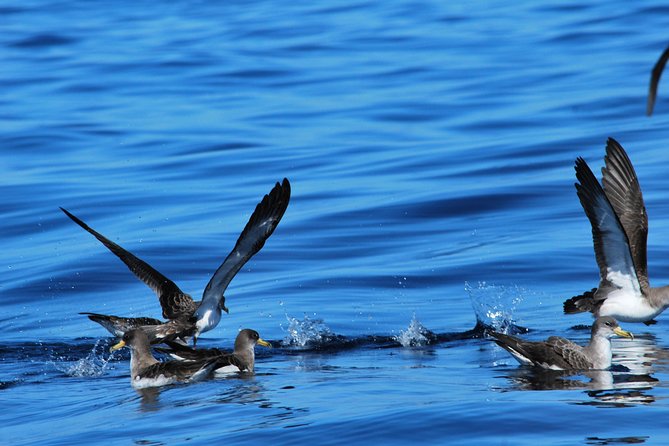
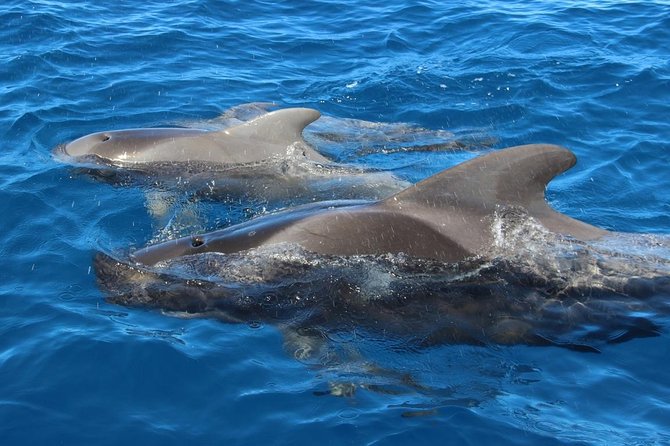
The highlight list includes whales, dolphins, and porpoises, with sea turtles and seabirds also in the mix. That matches how these trips work: you’re searching, not guaranteeing.
Based on the kinds of encounters described, you could be looking at:
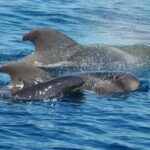
- Pilot whales (a common highlight)
- Dolphins such as striped dolphins and other types that show up in the region
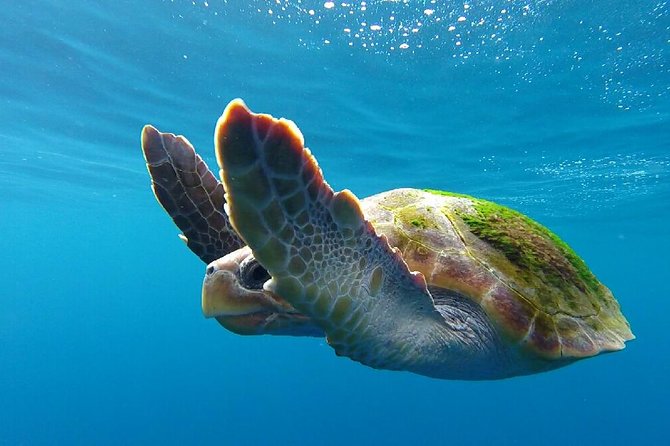
- Sea turtles such as loggerhead turtles mentioned in examples
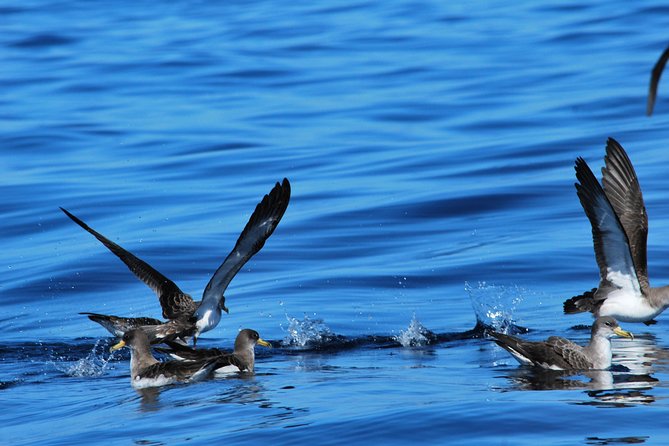
- Seabirds like shearwaters
- Sometimes other larger cetaceans can appear, depending on conditions
A useful way to think about it: you’re more likely to enjoy the cruise if you’re open to variety. If your only acceptable outcome is a specific species, your day may feel stressful.
The most satisfying sightings in this format tend to be the ones where you get time to watch family behavior or repeated surfacing patterns. That’s exactly where the small group and respectful approach pay off.
Price and value: where $71.35 makes sense (and where it might not)
At $71.35 per person for about 2.5 hours, this sits in the “serious value” zone for Tenerife whale watching—especially because it’s small group and includes a biologist plus hydrophone.
Here’s what you’re really paying for:
- Capacity capped at 10, which often means better viewing and more interaction
- Biologist-led education, not only a captain-led drive
- Real eco behavior, like engine-off during sightings
- Hydrophone so you get sound, not only visuals
- A format that tends to reduce stress for animals and for people
Where it might not be the best fit is if you’re the kind of traveler who wants a guaranteed set of animals. No operator can fully control where cetaceans swim. The tour’s rules protect the animals, but that also means you follow the ocean rather than forcing it.
If you want a quiet, learning-centered cruise that gives you a strong chance of meaningful encounters, this price looks fair.
Practical tips for a smoother trip on Papacho 2
This is one of those tours where small preparations make your day better.
Sun and sea comfort matter
Tenerife sun can be intense even when you’re on the water. Bring:
- sun protection (hat, sunglasses, sunscreen)
- water
One helpful tip: plan for full sun glare. The viewing happens at water level, so light reflects hard.
Motion and sea sickness are real
There’s at least one clear caution from experience: if you’re prone to travel sickness, take your preferred medicine before you feel sick. Waves can happen, and the boat is small enough that you’ll feel motion more directly than on big passenger ferries.
Hydrophone means you’ll stay attentive
When the hydrophone is out, you’ll want to listen. That’s not a tour where you can tune out and rely on someone else to tell you what happened. Stay present for the sound moment.
Facilities and refreshments
Some guests mention a cold drink on board and toilet facilities below deck. Those details aren’t listed as a main feature, but they do show up in experience accounts, so it’s reasonable to expect at least basic onboard comfort.
Who should book Atlantic Eco Experience in Tenerife South?
Book this tour if you want:
- Small-group whale watching where you can ask questions
- A biologist-led explanation of what you’re seeing
- Respectful animal viewing, including engine-off practices
- A bonus sensory experience via hydrophone
It’s also a great pick for families, since the format naturally keeps kids involved through repeated sightings and guide storytelling. Ages reported in examples range widely, and that makes sense: you don’t need specialized knowledge to enjoy it.
You might skip it if:
- You want a party atmosphere or loud entertainment
- You have zero tolerance for waiting and watching as animals come and go
- You only feel satisfied with one very specific animal species
Should you book this cetacean sighting tour in Costa Adeje?
Yes, if your goal is to see marine life in a way that feels thoughtful. The combination of small-group viewing, a biologist guide, hydrophone, and engine-off respect makes this one of the more “quality-per-minute” whale watching options around Tenerife South.
I’d book it sooner rather than later since it’s often scheduled on dates with availability limits, and confirmation happens within about 48 hours after you reserve (subject to availability). If weather is rough, the operation can adjust, and you’ll be offered a different date or a full refund.
If you’re chasing a guaranteed show, pick something else. But if you want an authentic ocean experience that treats whales and dolphins like real neighbors in their own world, this is a strong choice.
FAQ
How long is the Costa Adeje cetacean sighting tour?
It lasts about 2 hours 30 minutes.
What does it cost per person?
The price is $71.35 per person.
How many people are on the boat?
The maximum group size is 10 travelers.
What boat is used for this experience?
The tour uses the boat Papacho 2.
Is the tour offered in English?
Yes, it is offered in English.
Is there a hydrophone during the trip?
Yes. The hydrophone is used during the sighting to listen to animal sounds used for communication or hunting.
Where do we meet for the tour?
The meeting point is Av. de Colón, 4, 38660 Costa Adeje, Santa Cruz de Tenerife, Spain.
When will I get confirmation after booking?
Confirmation is received within 48 hours of booking, subject to availability.
What if I cancel, or it gets canceled due to weather?
You can cancel for a full refund up to 24 hours in advance. The experience requires good weather; if it’s canceled due to poor weather, you’ll be offered a different date or a full refund.