REVIEW · CANGAS DE ONIS
From Cangas de Onis: Covadonga Lakes Guided Day Trip
Book on GetYourGuide →Operated by buendía · Bookable on GetYourGuide
Covadonga’s mountains change your mood fast. This guided day trip mixes glacial lake scenery with Asturias origin stories, hitting Lake Enol and Lake Ercina and then Santa Cueva de Covadonga. I love the way the lakes sit like mirrors beneath the Cantabrian ridgelines, and I also really like the history anchored in the tomb area and sanctuary. One possible drawback: you’ll do a moderate amount of walking, and on snow/ice days the lakes access can switch to an alternative plan.
You start in Cangas de Onís and ride in an air-conditioned bus to the park. The guide gives live explanations in English (with the tour offered in Spanish), and the pacing is built for a half-day: photo stops, a guided sanctuary visit, then time to wander town and grab Asturian food and apple cider.
In This Review
- Key highlights that make this tour work
- The “quick but meaningful” format from Cangas de Onís
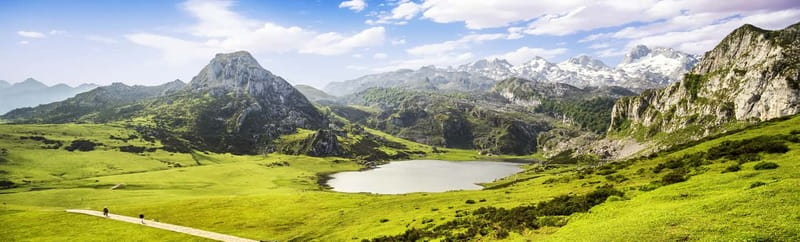
- Riding into the Cantabrian Mountains: the scenery before the stops
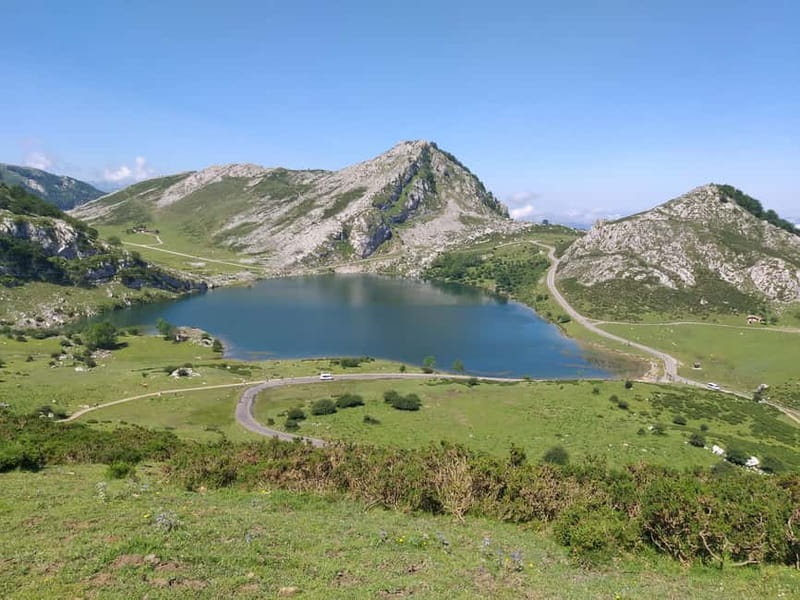
- Lakes of Covadonga: Lake Enol and Lake Ercina for the best photos
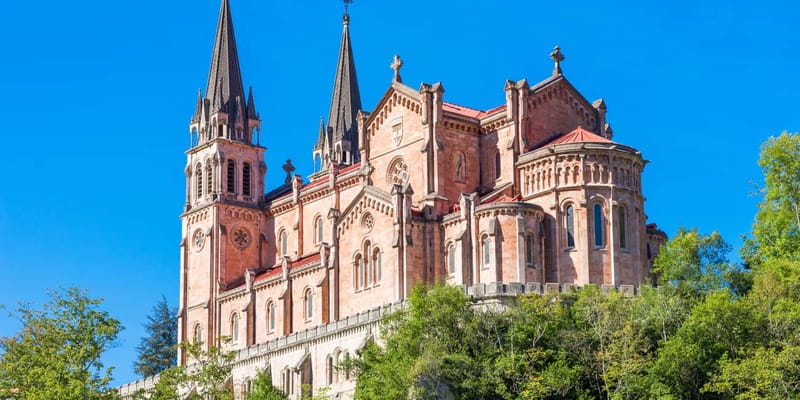
- Covadonga Basilica: a building made from the mountains
- Santa Cueva de Covadonga: King Pelayo’s tomb and the legend
- Back in Cangas de Onís: lunch and apple cider breaks
- The guide is the secret ingredient (and why it matters)
- Price and value: what $41 buys you in practice
- Who should book this tour, and who might not love it
- Tips that make your day smoother
- Should you book the Cangas de Onís to Covadonga Lakes trip?
- FAQ
- How long is the Covadonga Lakes guided day trip from Cangas de Onís?
- What does the tour include for entrances and sightseeing?
- Is lunch included?
- What language is the guide?
- How much walking is involved?
- What happens if access to the lakes is closed due to snow or ice?
- Where do you meet in Cangas de Onís?
- Does the tour provide transportation?
- Are pets allowed on this tour?
- What should I bring?
Key highlights that make this tour work
- Mirror-like stops at Lake Enol and Lake Ercina with big Cantabrian views
- Santa Cueva de Covadonga and King Pelayo’s tomb tied to the region’s founding legend
- Covadonga Basilica in local stone, so it feels part of the mountains, not pasted on
- The story of the Santina and why it mattered during the Spanish Civil War
- A real food and cider window in Cangas de Onís, not just sightseeing and goodbye
The “quick but meaningful” format from Cangas de Onís
This tour is designed for people who want the famous Covadonga highlights without committing to a full day (or trying to figure out mountain logistics on your own). In about five hours, you get three things that usually don’t fit together neatly: high-altitude scenery, a guided history beat, and time back in town for lunch.
That format matters. Asturias can feel slow and beautiful at the same time—good for wandering—but the Covadonga Lakes area is where timing and conditions matter. A guided half-day helps you arrive when the views are there and you still have daylight left for Cangas de Onís.
You’ll also appreciate the simple rhythm of the day: ride up through valleys, pause at viewpoints for photos, walk a bit around the sanctuary area, then drop back into town. If you’re short on time, or you’re using Cangas de Onís as your base, this is a practical way to see the big ticket sites.
You can also read our reviews of more guided tours in Cangas De Onis
Riding into the Cantabrian Mountains: the scenery before the stops
The trip starts from one of the bus-station meeting options in Cangas de Onís (the Estación de Autobuses Municipal or the Estación de Autobuses de Cangas de Onís). Then you head into the mountains on a private coach. This is one of those moments where the drive itself sets expectations.
As you wind through valleys between high mountain ridges, the landscape gradually changes. Small villages appear along the way up, then the terrain gets more rugged as you near the park area. Even if you’re not the type who loves long bus rides, this one is short enough that it doesn’t drag, and the views keep paying you back.
Practical tip: bring water and keep your daypack easy to reach. You won’t be constantly stopping, but once you’re near the viewpoints, you’ll want to move fast for photos and any quick walks.
Also, wear comfortable shoes. The tour includes a moderate amount of walking, and that’s not just code for a flat stroll. The sanctuary area and cave stop involve walking where the ground may not be perfectly smooth.
Lakes of Covadonga: Lake Enol and Lake Ercina for the best photos
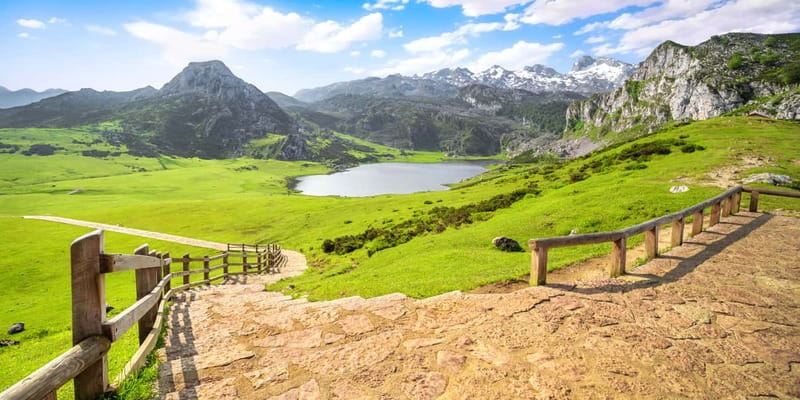
The main scenery time centers on the Covadonga Lakes area, with a photo stop plus scenic views on the way. You get about 110 minutes here, including time to linger.
What makes this part special is how the lakes behave. The waters are glacially fed and often calm enough to act like a mirror. That means your photos aren’t just about “a pretty lake,” but about reflections, texture, and that layered look: water in front, mountains framing it, and sky above.
Two stops you’ll hear about are Lake Enol and Lake Ercina. The itinerary specifically calls out photo opportunities for both, so you’re not left guessing where to stand. Back-to-back viewpoints like that are valuable because you can compare the vibe: different angles, different shoreline shapes, and slightly different lighting depending on where the clouds are doing their thing.
Here’s the consideration: the park can have days when access to the lakes is closed due to snow and ice. The tour doesn’t just cancel on you—it shifts to an alternative plan. Still, you should mentally prepare for the possibility that the day’s exact lake experience could vary by conditions.
If you’re sensitive to cold, dress accordingly even in shoulder seasons. Mountain weather doesn’t care about your hotel forecast.
Covadonga Basilica: a building made from the mountains
After the lake scenery, you head to the Covadonga Basilica and the surrounding sanctuary area. This stop isn’t just a photo moment. You’ll spend time both outside and inside, with guided context plus free time.
The basilica has a distinctive feel because of its materials. It was built with stone cut from the mountains around it. That matters more than it sounds. When a building uses local stone, it blends with the environment in a way that feels earned, not imported.
Inside, the guide adds the human layer: what the site represents in Asturias, and how the sanctuary became a place of meaning tied to local identity. There’s also a story around the Santina—a religious figure associated with the sanctuary—and how she disappeared during the Spanish Civil War. Even if you’re not a history fanatic, the way the guide connects the story to the region makes the basilica feel like a living part of Asturias instead of a museum stop.
Outside the front doors, you’ll hear more of the tales tied to local history before moving onward. That structure—stories outside, time inside—helps you understand what you’re looking at before you wander around on your own.
If you like your sightseeing with context, this is one of the strongest parts of the day.
Santa Cueva de Covadonga: King Pelayo’s tomb and the legend
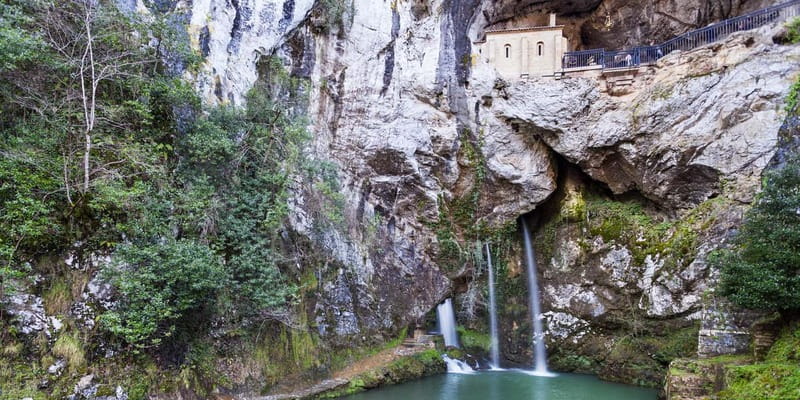
Next comes the Santa Cueva de Covadonga, where the itinerary focuses on a guided visit plus free time. This is the part that turns “views” into “meaning.”
According to legend, King Pelayo hid here from his enemies. That hiding place is now tied to the sanctuary’s story, and the cave holds his tomb. Even if you approach it as folklore rather than strict history, the legend itself shows how people in Asturias wanted to explain their origins—using places you can actually visit.
A guided tour here is important. Caves aren’t hard to look at, but they’re easy to misunderstand. The guide’s job is to give you the thread: why the cave matters, how it connects to Asturias’ founding story, and what the sanctuary represents over time.
You’ll likely want a few minutes to simply sit with the space. The cave atmosphere changes your pace. Cameras come out, but your eye starts reading the details differently—stone, dim light, and the sense of a place that’s been visited for generations.
And yes, you’ll still want time for photos, but don’t treat it like a quick check-box. The whole point of this tour is that the scenery has a story glued to it.
Back in Cangas de Onís: lunch and apple cider breaks
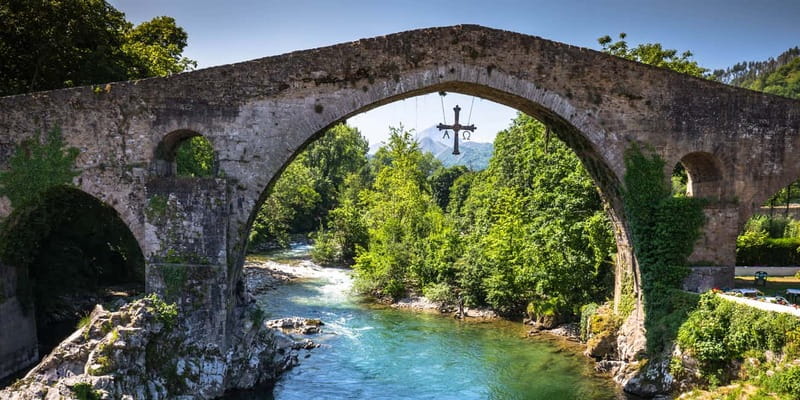
Once the mountain stops are done, you’re back in Cangas de Onís with time to eat and wander. You’ll get a couple of hours that include lunch, a guided tour element, and shopping time.
This is where the tour becomes more than sightseeing. Asturias is known for dishes tied to the region’s produce and traditions, and the local “sidra” culture is a big deal. The tour specifically builds in time for you to discover Asturian specialties at restaurants and cideries, and it highlights apple cider tasting as a key idea.
That’s valuable because it gives you a structured way to try the region without turning it into a full self-planning day. You can chat with the guide for recommendations on where to go for lunch and where to try cider varieties. When you’re in a town for only a short window, that kind of local direction saves time and guesswork.
Practical tip: treat this time like your flexibility window. If you’ve been cold or you’ve walked more than you expected at the cave, start with warm food. If you’re feeling energized, cider can be a fun pairing after lunch. Either way, plan to move at a relaxed pace—this isn’t the time to sprint for the next sight.
If you enjoy small-town travel—strolling streets, peeking into shops, eating what’s real—you’ll get extra value here.
The guide is the secret ingredient (and why it matters)
This tour runs with a live guide and explanations in English (within a Spanish-offered tour). That bilingual structure matters because the Covadonga story isn’t only about dates and names. It’s about identity: how the landscape, legend, and local history show up in the basilica and cave.
In the experiences I’d put on a “worth it” shelf, the guide makes the connections between stops. The route isn’t just transport between famous places. The bus journey, viewpoint stops, and sanctuary time are all tied together with local stories.
You might even hear specific guiding moments that stick, like the Santina story framed for the Spanish Civil War context, or the reasoning behind the basilica’s stone. One guide name you may encounter is Santiago, and the feedback around his storytelling style is a good sign that the tour leans into explanations, not just logistics.
For you, that means less staring at the scenery wondering what you’re supposed to care about. You arrive with context, then the views hit harder because you know why people built sacred meaning into these mountains.
Price and value: what $41 buys you in practice
At around $41 per person for a five-hour guided day trip, this isn’t a budget spritz of sightseeing. It’s priced like a “you get transport + entry + guidance + timed stops” experience—and that’s the key to whether it feels fair.
Here’s what you’re paying for:
- Transportation in an air-conditioned bus from Cangas de Onís
- Entry to the Covadonga Lakes
- Entry to the basilica and sanctuary, plus a guided tour of those areas
- Free time at both the lakes area and the basilica/sanctuary zone
- A live guide handling explanations in English
If you tried to reproduce this on your own, you’d likely spend more time coordinating entry, travel timing, and guided interpretation. Even when you find open-timing options, you’d lose the “why it matters” layer that makes the cave and basilica feel more than sightseeing.
One more value point: the tour also gives you time back in town for lunch and cider without forcing you to fill every minute. That time is part of the package in spirit, because it’s the payoff for the morning scenery.
So is it worth $41? For most visitors using Cangas de Onís as a base, yes—especially if you want guided story context and don’t want to gamble with planning for mountain conditions.
Who should book this tour, and who might not love it
This works best for:
- You want a half-day with major Covadonga highlights packed in
- You like history and legend tied to a real place
- You want help with timing and getting around the park area
- You plan to eat in town afterward and enjoy local cider culture
You might want to skip it if:
- You need a no-walking day. The tour includes a moderate amount of walking.
- You rely on wheelchair access. It’s not suitable for wheelchair users.
- You’re extremely sensitive to mountain weather, since the lakes access can change on snow/ice days.
If you’re the kind of traveler who likes nature plus stories (not just one or the other), you’ll likely be happiest here.
Tips that make your day smoother
A few small things can make the five hours feel effortless instead of busy.
- Wear comfortable shoes. The walking is moderate, but uneven surfaces are part of the deal in mountain sanctuary areas.
- Bring water and a daypack. You won’t want to hunt for essentials during tight viewpoint moments.
- Dress in layers. Asturias weather can swing quickly, and the mountains amplify that.
- If lakes access is closed due to snow and ice, don’t panic. The tour includes an alternative plan, so the day isn’t wasted—it just changes shape.
Most importantly: decide ahead of time what you want most. If it’s photos, prioritize the lake photo stops and give yourself a few minutes to wait for the best reflection light. If it’s story, pay attention during the basilica and cave guided parts so the scenery has meaning behind it.
Should you book the Cangas de Onís to Covadonga Lakes trip?
Book it if you want a smart, time-efficient way to see Covadonga’s signature natural views and spiritual-history sites in one go. The blend of lakes photo time, guided meaning at the basilica and cave, and time for Asturian food and cider in Cangas de Onís makes it feel like more than a checklist tour.
Skip it if you want zero walking, need wheelchair-friendly routing, or you’re expecting a purely nature-only outing with no historical context. Otherwise, this is a solid value half-day in Asturias—practical logistics, good pacing, and stories that make the mountains stick in your head.
FAQ
How long is the Covadonga Lakes guided day trip from Cangas de Onís?
It lasts about 5 hours.
What does the tour include for entrances and sightseeing?
You get entry to the Covadonga Lakes, plus entry to the Basilica and Sanctuary of Covadonga. The basilica/sanctuary areas also include a guided tour, and you’ll have free time in both places.
Is lunch included?
The tour includes time in Cangas de Onís where you can have lunch, but lunch itself isn’t listed as included.
What language is the guide?
Explanations are available in English, and the live tour guide operates with English and Spanish.
How much walking is involved?
There is a moderate amount of walking during the day.
What happens if access to the lakes is closed due to snow or ice?
On days when lakes access is closed because of snow and ice, the tour offers an alternative plan.
Where do you meet in Cangas de Onís?
Meeting point can vary, with options that include the Estación de Autobuses de Cangas de Onís and the Estación Municipal de Autobuses.
Does the tour provide transportation?
Yes. You travel in an air-conditioned bus/coach.
Are pets allowed on this tour?
No, pets are not allowed.
What should I bring?
Bring a passport or ID card, comfortable shoes, water, comfortable clothes, and a daypack.