REVIEW · ALCALA DE HENARES
From Madrid: Alcalá de Henares & Cervantes Museum Day Trip
Book on GetYourGuide →Operated by Fun and Tickets · Bookable on GetYourGuide
Cervantes’ footsteps are easier than you think. This 5-hour outing takes you from Madrid to Alcalá de Henares, a UNESCO World Heritage city with deep roots back to Roman times, and lines up the key places tied to Miguel de Cervantes and the people around him. You’ll get a guided walk plus museum time, so you’re not just looking at buildings—you’re understanding why they matter.
I love the chance to walk through the Miguel de Cervantes Birthplace Museum, including the house where he was born and the chapel linked to his baptism. I also really like how the tour ties that literary story to big, physical landmarks like the oldest university in Spain and a cathedral with a powerful local legend.
One drawback to plan for: the tour is time-boxed. With only about 5 hours total (plus travel), it can feel a bit fast if you want extra time lingering in each room or taking breaks inside.
In This Review
- Key highlights at a glance
- Why Alcalá de Henares fits perfectly into a Madrid day
- Meeting at San Bernardo 7 and getting there on a coach
- Cervantes Birthplace Museum: the story you can walk through
- University of Alcalá and Cardinal Cisneros: Spain’s oldest classroom
- Magisterial Cathedral and the Plaza de los Santos Niños
- Archbishop’s Palace: Catherine of Aragon’s birthplace
- Price and value: what $55 covers (and what it doesn’t)
- What the pacing feels like in real life
- Practical tips to make your day trip comfortable
- Who this tour is best for
- Should you book this Alcalá de Henares day trip?
- FAQ
- How long is the day trip from Madrid to Alcalá de Henares?
- Where do I meet the guide in Madrid?
- How much does the tour cost?
- What’s included in the price?
- What is not included?
- Is the tour in English?
- Do I skip the ticket line?
- What should I bring?
- Is it suitable for wheelchair users?
Key highlights at a glance
- Cervantes’ birthplace home: see the spaces connected to his birth and family life
- University of Alcalá: walk through halls of Spain’s oldest university tied to Cardinal Cisneros
- Magisterial Cathedral (Plaza de los Santos Niños): hear the story associated with the child martyrs
- Archbishop’s Palace: a grand stop connected to Catherine of Aragon’s birthplace
- Skip-the-line ticketing: less time stuck at entrances, more time seeing things
- Strong guide focus: the best moments come from the explanations, not just the sights
Why Alcalá de Henares fits perfectly into a Madrid day
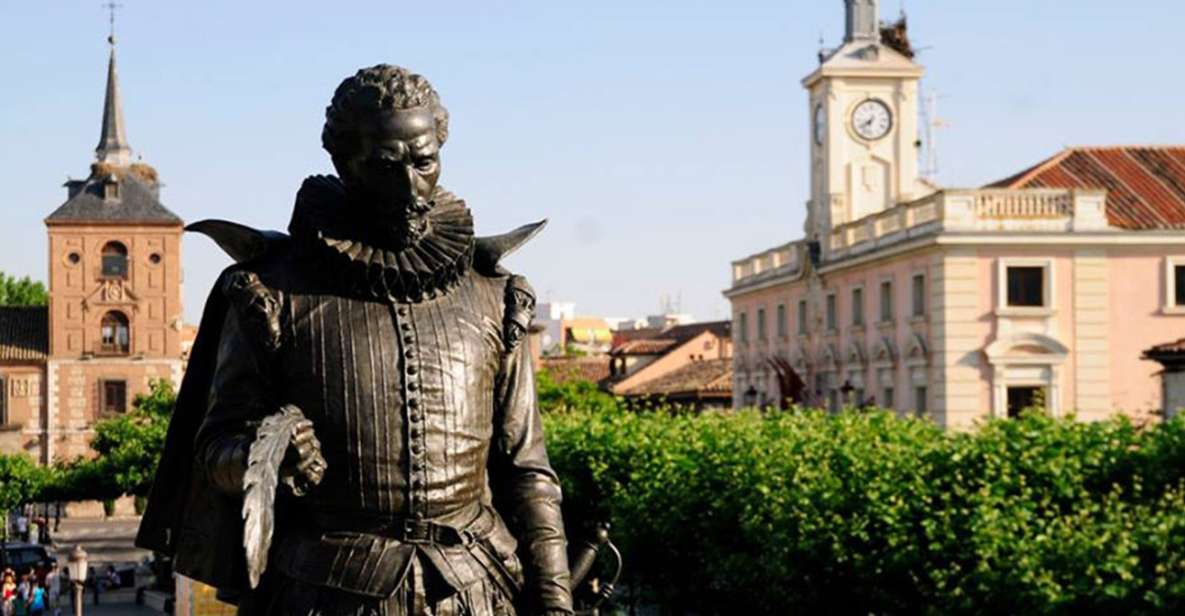
Alcalá de Henares is one of those places that works well as a day trip because it concentrates stories. You’re not hopping between distant neighborhoods or guessing where to start. The city’s UNESCO World Heritage status matters here because it signals that the old layout and key monuments are worth seeing together, not in scattered pieces.
This tour also gives you a smooth mix of literature, education, and religious history. Cervantes is the hook, but the day doesn’t end with a museum stop. You’ll also walk through the oldest university in Spain and visit sites tied to Spanish royal life, which helps you see the bigger picture of how art, learning, and power moved in that era.
Meeting at San Bernardo 7 and getting there on a coach
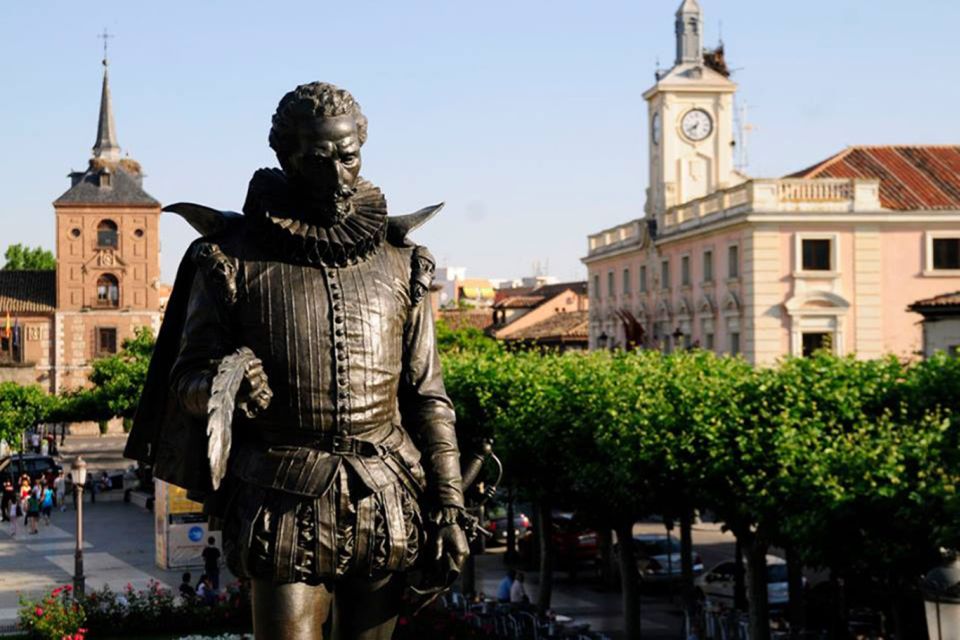
You meet at San Bernardo 7 outside the shopping gallery, then board a bus/coach for about 35 minutes to Alcalá. The return is another 35 minutes, so you’re not spending half the day commuting.
Two practical notes help your day go smoother. First, wear comfortable shoes—most of the time is spent walking in historic areas with uneven surfaces. Second, bring water and something warm. Even when Madrid feels mild, day trips to older stone buildings can make you appreciate a layer, especially in cooler months.
If you’re aiming to maximize your sightseeing time, arrive a touch early at San Bernardo 7. You want time to find the right pickup spot without rushing, since the tour timing is pretty structured.
Cervantes Birthplace Museum: the story you can walk through
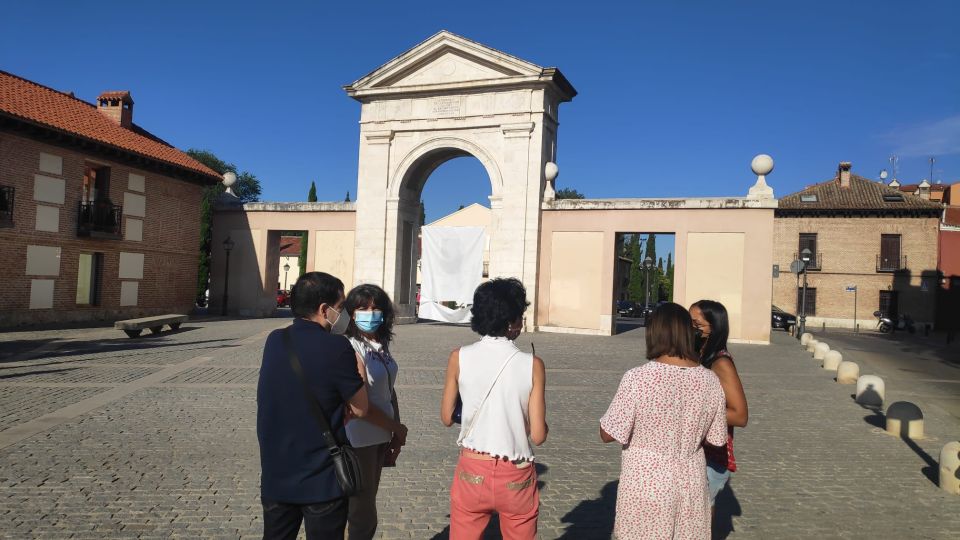
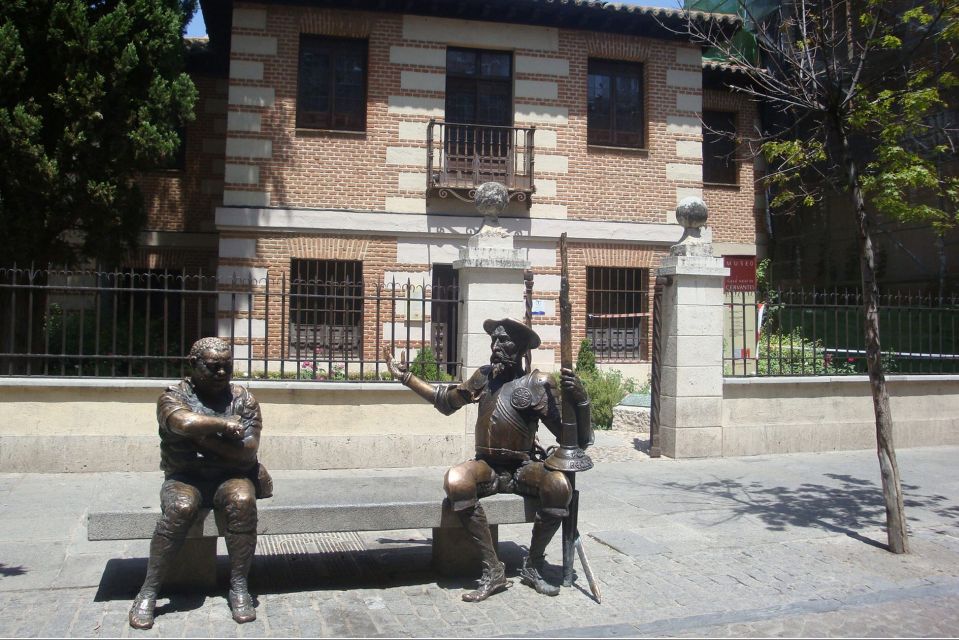
This is the emotional center of the day. The Miguel de Cervantes Birthplace Museum is where the tour becomes more than background reading. You get to enter the house where Cervantes was born, and you also visit the chapel linked to his baptism.
Inside, expect reconstructed rooms from the 16th century, designed to help you understand daily life and customs during that period. That matters because Cervantes didn’t write Don Quixote in a vacuum—he came out of a world shaped by faith, education, and social rules. Seeing the spaces connected to his early life gives those themes something real to hang onto.
You’ll also move through town elements tied to Cervantes, including a statue in Plaza de Cervantes. Even if you’re not a statue person, it’s a useful landmark because it grounds the literary story in the actual public space where the city celebrates him.
A quick tip for your photos: museum time often follows a guided flow, so don’t plan on leisurely picture-taking in every room. If you care about photography, save your “slow moments” for outdoor plazas and open areas where you can pause without feeling rushed.
University of Alcalá and Cardinal Cisneros: Spain’s oldest classroom
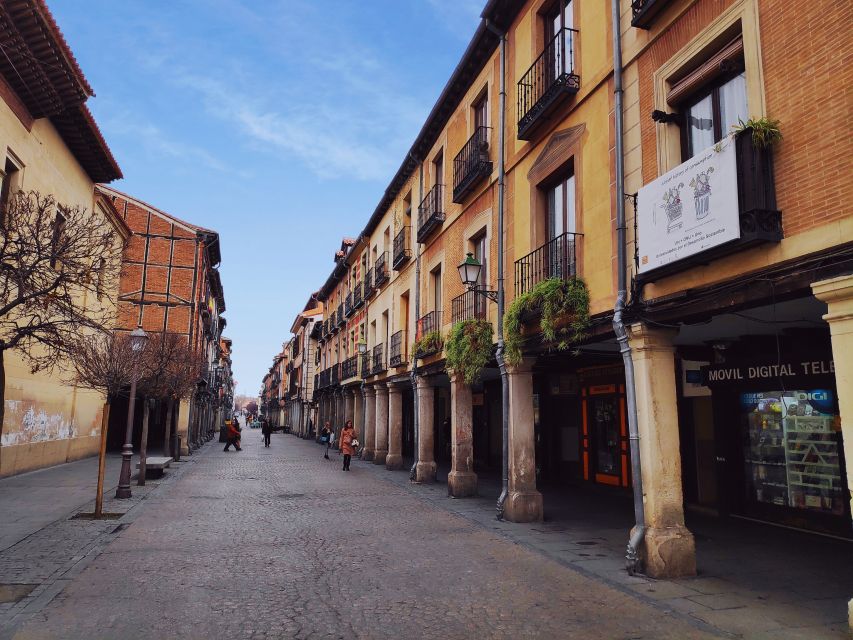
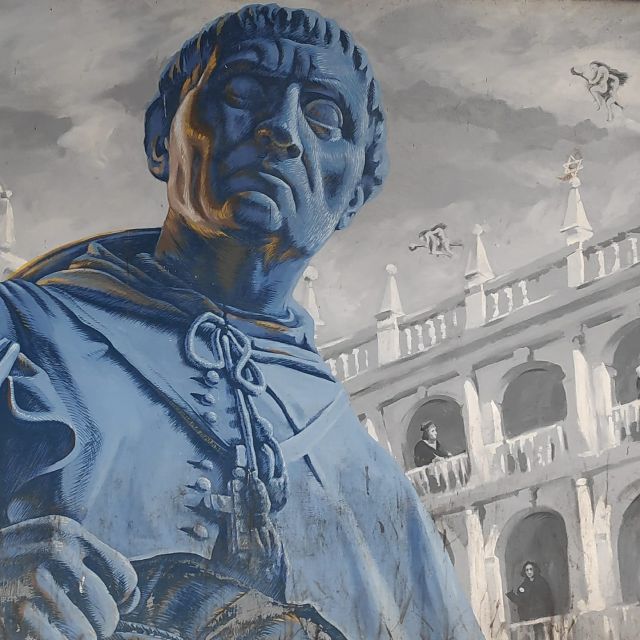
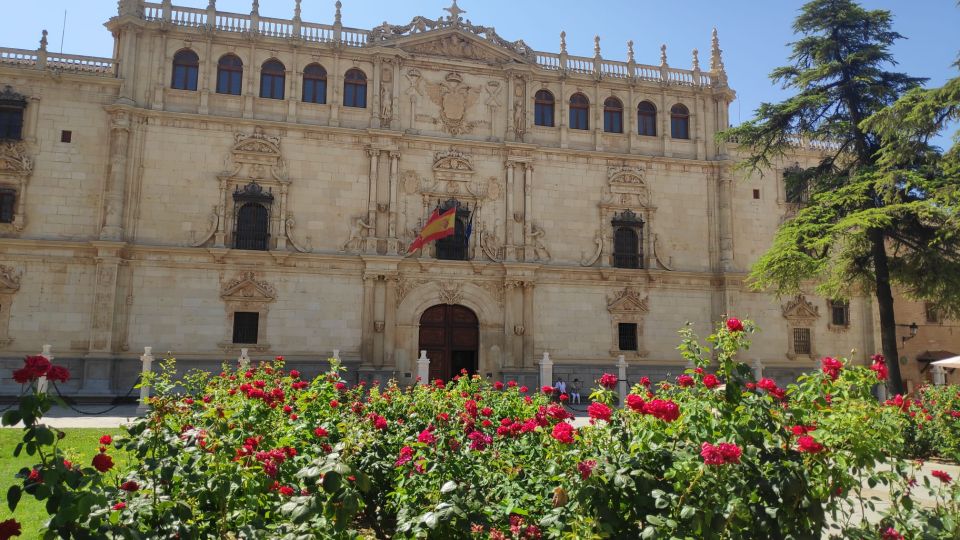
After Cervantes, the day shifts to education. The tour includes time at the University of Alcalá de Henares, described as the oldest university in Spain. Walking through its halls helps explain why this place is culturally important: universities were major engines of learning, and in that era, that learning was closely tied to religion and scholarship.
You’ll also hear about Cardinal Cisneros, credited with working to establish the university. That historical thread is valuable because it connects the architecture and the institution to a specific person and mission, instead of treating the university as just an old building.
The practical upside: this stop breaks up the emotional intensity of the Cervantes sites with something more reflective. You can look up at the spaces, imagine how studies were organized, and understand how ideas were transmitted. The tour includes time to explore before moving on, so you can actually take a breath and not feel like you’re constantly moving.
Magisterial Cathedral and the Plaza de los Santos Niños
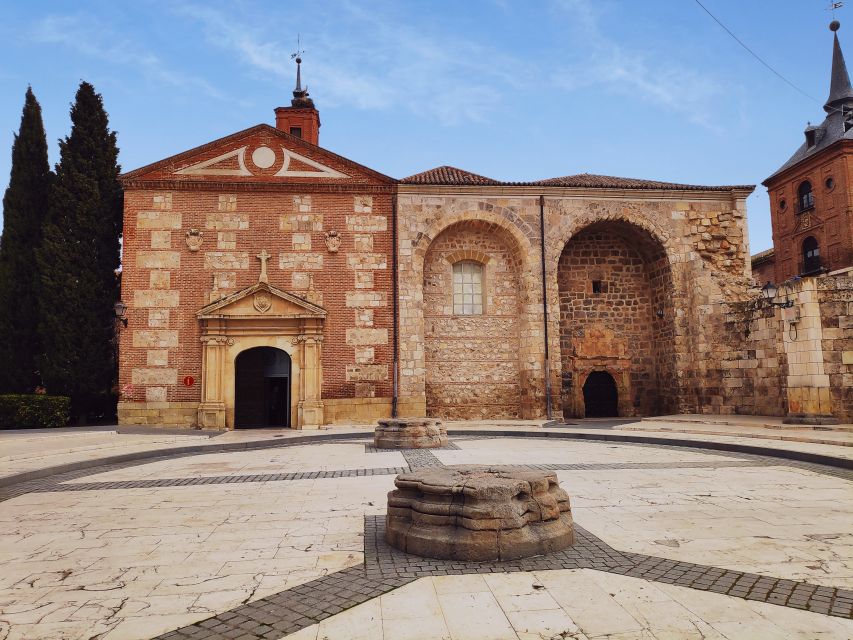
Next comes the Magisterial Cathedral, located at Plaza de los Santos Niños. This is one of those stops where local history feels personal. You’ll hear the story associated with child martyrs connected to the cathedral.
Even if you’re not deeply into religious history, I like this kind of stop because it explains why a community preserves a monument. The cathedral isn’t there only for its architecture; it’s tied to memory. When a guide explains how that story became part of local identity, the visit clicks into place.
This is also where your guide’s style really matters. A good explanation turns a “sight” into context you can carry through the rest of the day. If you’ve previously found history tours dry, this cathedral stop is a strong point because it’s a narrative, not a lecture dump.
Archbishop’s Palace: Catherine of Aragon’s birthplace
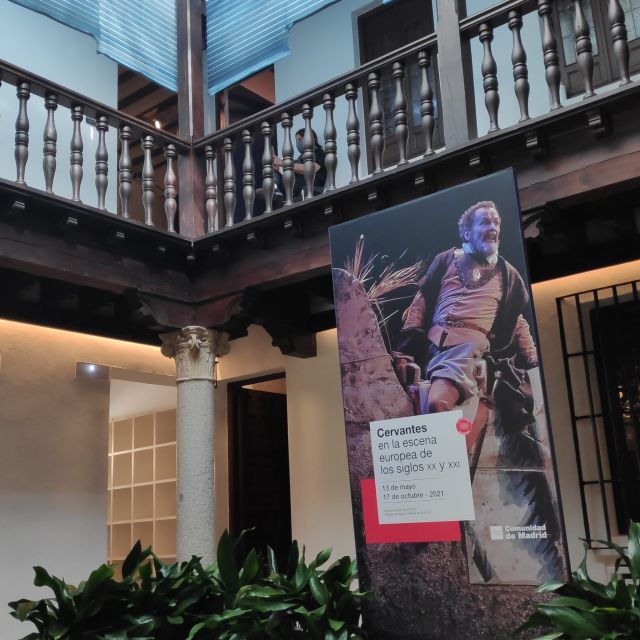
The last major highlight is the Archbishop’s Palace, where Castilian monarchs once resided and where Catherine of Aragon was born. This is a great contrast to the earlier stops. Instead of focusing on a writer’s childhood or a university’s mission, you see a power-and-royalty setting.
Because the palace is connected to royal life, the guide’s storytelling tends to help you visualize timelines: who was living where, what the court looked like, and how Spain’s political world intersected with other parts of Europe.
When the palace is done right, it feels like a historical “anchor point.” You finish the day with a sense that Alcalá wasn’t only a literary city—it was part of the broader machinery of Spanish history.
Price and value: what $55 covers (and what it doesn’t)
At around $55 per person for this ~5-hour experience, the value mostly comes from what’s included:
- transportation from Madrid
- a live guide (Spanish)
- tickets to the Miguel de Cervantes Birthplace Museum
- tickets to the University of Alcalá
- guidance that helps connect sites to the larger story
- skip-the-ticket-line access
What’s not included is just as important: food and drinks. So you’ll want to plan on buying something during the break or after the tour. There’s also no hotel pickup, so you’ll be responsible for getting yourself to San Bernardo 7.
Is it expensive? Not really, considering you’re getting guided access to two ticketed sites plus round-trip transport. It becomes a better deal if you like having someone else manage the route and pacing.
Timing is the only “value trade.” The full experience is only 5 hours, with limited buffer. I’d recommend this tour if you want a strong highlights overview. If you’re the type who wants to read every plaque slowly and sit longer in each room, you may feel a bit compressed.
What the pacing feels like in real life
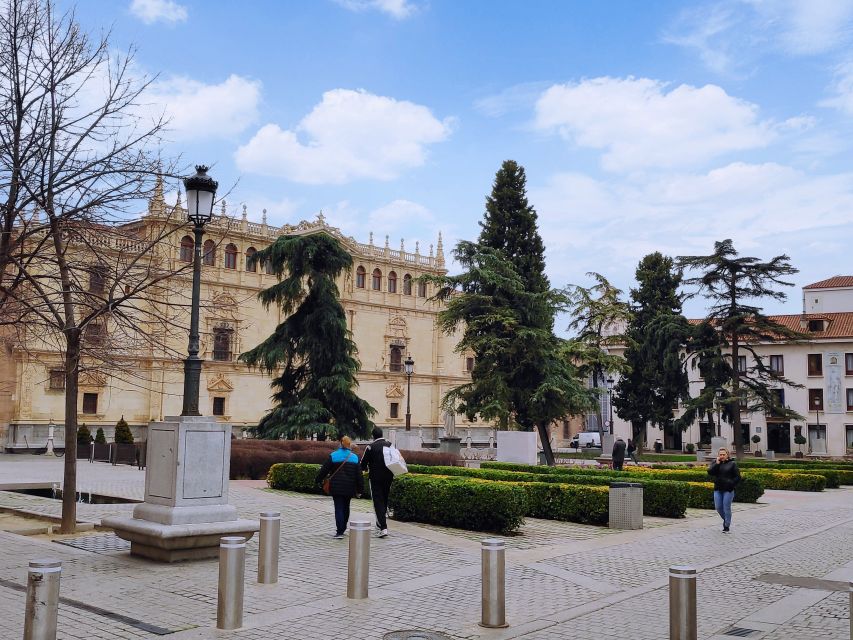
The structure is straightforward: guided touring time in Alcalá, a short break, then the return trip to Madrid. That works well because you’re not spending hours “between” stops.
Still, there are two pacing realities to accept:
1) Older sites mean stairs and walking. Comfortable shoes are not optional.
2) Time inside museums and historic buildings moves at the pace of the group.
One more note from past experiences: some people have mentioned the day didn’t start perfectly when the guide was late or the plan adjusted. That’s not something you can control, but you can protect yourself by arriving early at the meeting point and keeping your schedule flexible for a short day-trip.
Practical tips to make your day trip comfortable
Bring comfortable shoes first. Then add warm clothing and a water bottle. The tour can involve indoor and outdoor walking, and stone buildings don’t always feel the same temperature as the street.
Also consider sunscreen, even for winter or shoulder season—Alcalá is an outdoor-walk kind of day. If you’re sensitive to cold, a light layer helps because it’s easy to go from indoor rooms to cooler air.
Finally, since the tour guide is Spanish, you’ll get the most out of it if you’re comfortable following spoken explanations. If you only read Spanish, you might still enjoy the sights, but the main value—tying everything together—depends on listening.
Who this tour is best for
This day trip shines if you:
- love Cervantes and want his birth story tied to specific spaces
- enjoy guided context for universities, cathedrals, and palaces
- want a well-packed Madrid day trip without spending your whole day planning
It’s also a good fit if you want an efficient route. Skip-the-line access and ticket inclusions reduce hassle.
It’s not suitable for wheelchair users, based on the tour’s stated limitations, so plan an alternative if mobility access is a priority.
Should you book this Alcalá de Henares day trip?
Book it if you want a guided highlights circuit where Cervantes, education, and royal history all connect. The price makes sense for what’s included, especially when you factor in museum tickets and transportation.
Skip it (or consider adding extra time on your own) if you know you need long stops inside museums or you prefer wandering without a set route. With a tight 5-hour window, you’ll spend more time moving than lingering.
If you do book, I’d choose this style of tour because the best part isn’t one single photo spot—it’s the way the guide links places into a story you can actually understand.
FAQ
How long is the day trip from Madrid to Alcalá de Henares?
The duration is 5 hours.
Where do I meet the guide in Madrid?
You meet at San Bernardo 7, outside the shopping gallery.
How much does the tour cost?
The price is listed as $55 per person.
What’s included in the price?
Transportation, a guide, tickets to the Miguel de Cervantes Birthplace Museum, and tickets to the University of Alcalá de Henares are included.
What is not included?
Food and drinks are not included, and there is no hotel pickup or drop-off.
Is the tour in English?
The tour guide language is Spanish.
Do I skip the ticket line?
Yes, the tour includes skip-the-ticket-line entry.
What should I bring?
Bring comfortable shoes, warm clothing, sunscreen, and water.
Is it suitable for wheelchair users?
No, it is not suitable for wheelchair users.