REVIEW · MORRO JABLE
Fuerteventura south: enduro trips on motocycle/lic. B,A1&2,A
Book on GetYourGuide →Operated by MJM Fuerteventura · Bookable on GetYourGuide
Dirt roads in Fuerteventura feel liberating. This tour is interesting because you get enduro training with Michal before you go out, then you ride gravel, sand, and rock with guidance that actually helps. I like that the small group caps at just three riders, so you’re not stuck following someone else’s pace.
One consideration: this is still proper off-road riding, so expect physical effort (especially on steeper sections), and plan for a balaclava because it’s required. Also, you can’t bring luggage or large bags.
In This Review
- Key Highlights You’ll Notice Fast
- Enduro in Southern Fuerteventura: Why It Feels Like the Real Island
- The Most Valuable Part: Michal’s Coaching (Not Just a Guided Ride)
- Which Bike You’ll Ride: Matching Your License to the Right Power
- Gear Included, But You Still Need a Balaclava Plan
- A 3-Hour Day That’s Actually About Riding
- What the Ride Feels Like: Gravel, Trails, Sand, Rocks
- Training First: How Confidence Gets Built (And Why It Works)
- Where You’re Riding: Southern Fuerteventura’s Hidden Mobility
- Is $240 a Good Deal for This Enduro Experience?
- Who Should Book This Enduro Trip (and Who Should Skip It)
- What Your Day Will Likely Include From Start to Finish
- Should You Book MJM Fuerteventura Enduro Trips?
- FAQ
- How long is the enduro tour, and how much time is spent riding?
- What motorcycle can I ride with my license?
- Is the tour for beginners?
- Where does pickup and drop-off happen?
- Do I get the riding gear, and do I need a balaclava?
- What are the age limits, and does the tour run in bad weather?
Key Highlights You’ll Notice Fast
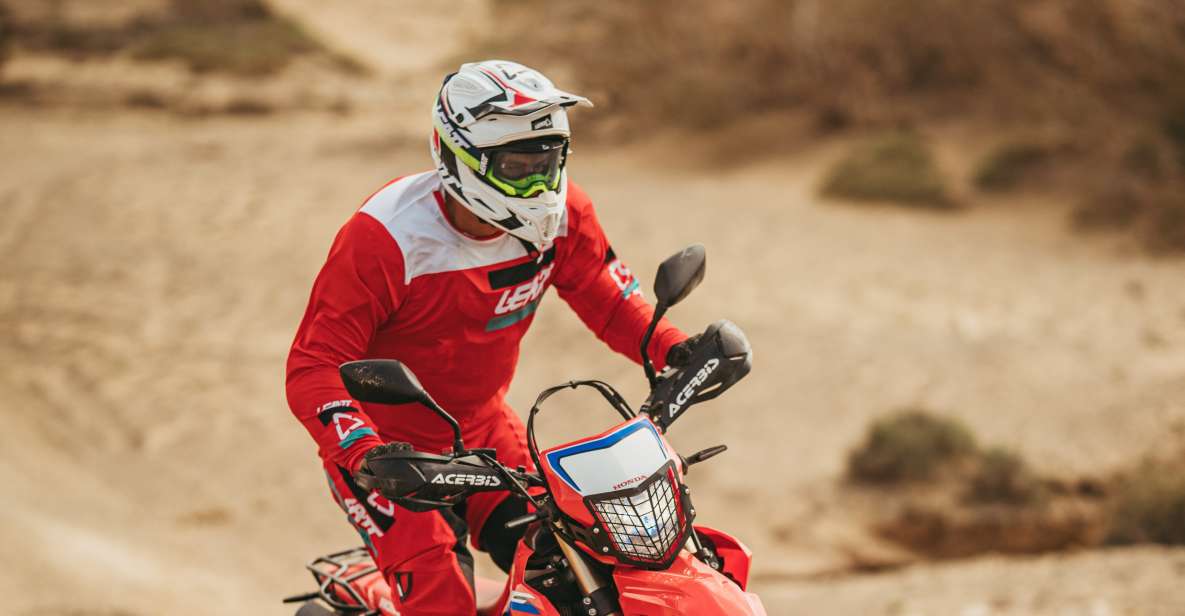
- 2 hours of riding time out of a total 3-hour experience, with setup and coaching included
- License-matched motorcycles: B/125cc (and A1), plus A2/A bikes for 250cc+ riders
- Technique first: practice in a controlled area, then ride routes that match your level
- Southern Fuerteventura off-road access through gravel roads, trails, sand, and rocks
- Gear supplied: helmet, goggles, boots, pants, jersey, plus protectors
- Route options during the ride for easier skills practice or more challenging lines
Enduro in Southern Fuerteventura: Why It Feels Like the Real Island
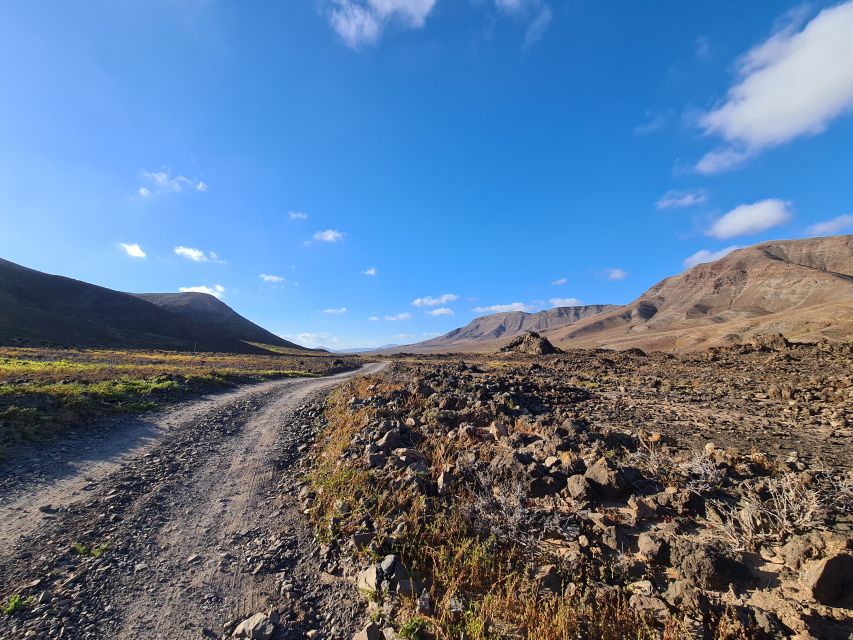
Southern Fuerteventura has a way of looking empty from the highway, like the island saved the good stuff for side roads. This enduro tour is built for that exact feeling: you start on quieter surfaces and build up your confidence, then you’re let loose on trails that most people never see.
What I love here is the mix of “I can do this” moments and “OK, this is getting serious” moments. Even if you’re an experienced road rider, enduro is a different game. You’re learning how to handle loose terrain, manage traction, and keep your body in the right place so the bike stays pointed where you want it. The coaching is what turns the day from random adventure into an actually enjoyable skill session.
And yes, the views matter. You’re up high at times, looking out over parts of the island that feel more dramatic once you’re moving on dirt instead of sitting on a bus.
The Most Valuable Part: Michal’s Coaching (Not Just a Guided Ride)
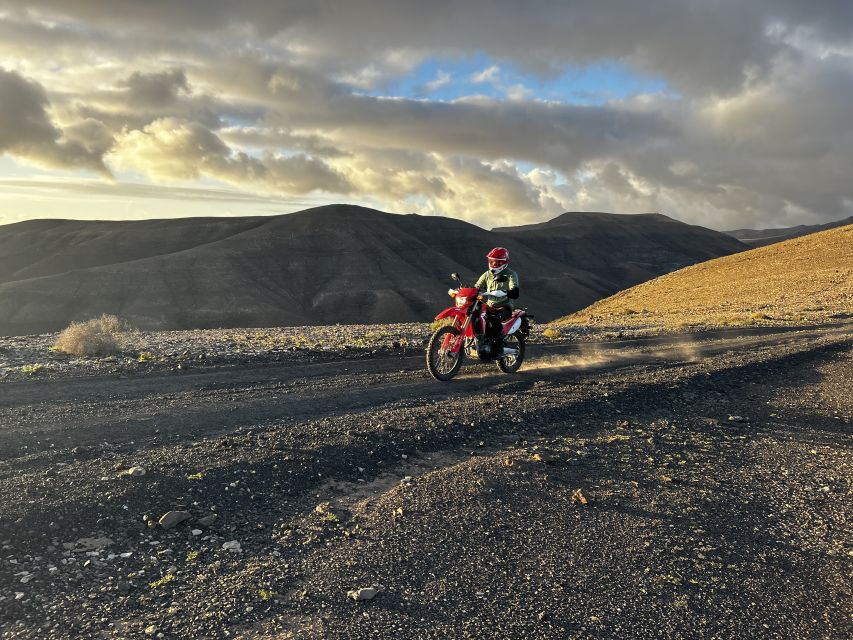
The biggest reason riders rate this so highly is simple: Michal teaches, adjusts, and watches your technique. In practice, that means the ride doesn’t feel like a group outing where everyone does the same thing and hopes for the best. You start with basic instruction and training before the trail section begins.
You get guidance on the “enduro basics,” including how to steer differently than on a street bike and how to approach different surfaces. Multiple riders mention a key pattern: you practice first in a more enclosed area to build confidence, then the guide decides which route to continue based on your ability.
That approach matters because off-road mistakes happen fast. When you know what to do with your body position, how to brake and turn on unstable ground, and how to handle steep slopes, your stress level drops. You stop fighting the bike and start riding it.
One more thing: the coaching tone is patient. Riders describe it as calm and encouraging, even when the terrain gets challenging. It’s also flexible for your background—road riders can transition faster, and first-timers still have a path to enjoy the experience without feeling lost.
Which Bike You’ll Ride: Matching Your License to the Right Power
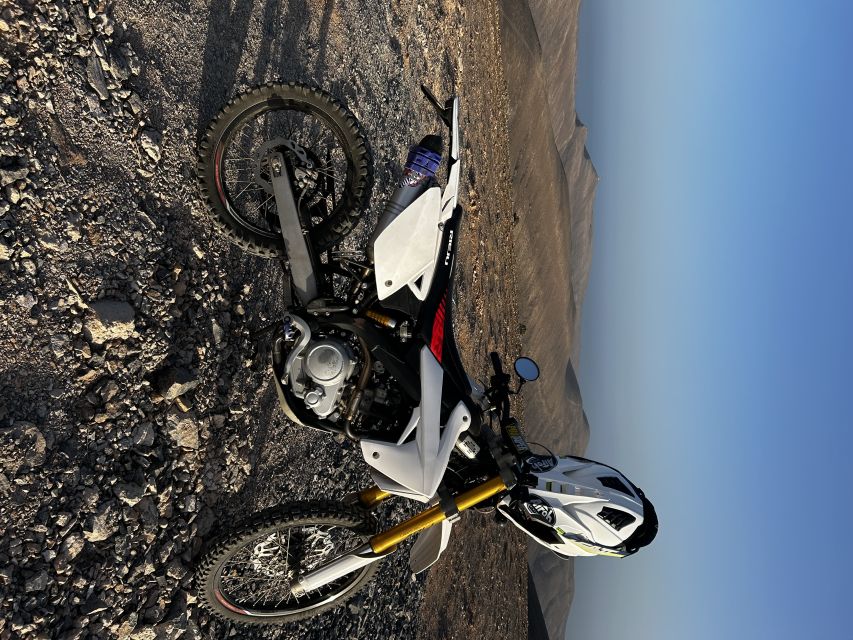
This is where the tour setup becomes important for value. You’re not just handed a random bike and told good luck.
Your motorcycle is matched to your license category:
- Car license (B) and A1 (125cc) riders use a 125cc enduro bike
- A2 and A riders ride 250cc or more
That means the day doesn’t turn into either of these two problems:
1) Too much power too soon, which makes beginners tense, or
2) Too little bike for riders who already want more challenge.
Also remember: one person rides one motorcycle. No swapping mid-ride for a “try it” moment. The tour is structured so your skill level and your bike match from the start.
If you’re planning your trip, double-check your license category before you arrive. This is the kind of detail that keeps the day smooth instead of awkward.
Gear Included, But You Still Need a Balaclava Plan
The tour provides a full riding kit: helmet, goggles, boots, pants, jersey, plus protectors. That’s a real time-saver on a vacation. You don’t need to source enduro gear, and you avoid that annoying moment where you show up underprepared and hope things fit.
But there’s one required item: a balaclava. It’s necessary, and you have the option to purchase one for 7 EUR.
Practical tip: if you already own a balaclava, bring it. If not, plan to buy one on arrival so you’re not stuck figuring it out during your pickup window.
A 3-Hour Day That’s Actually About Riding
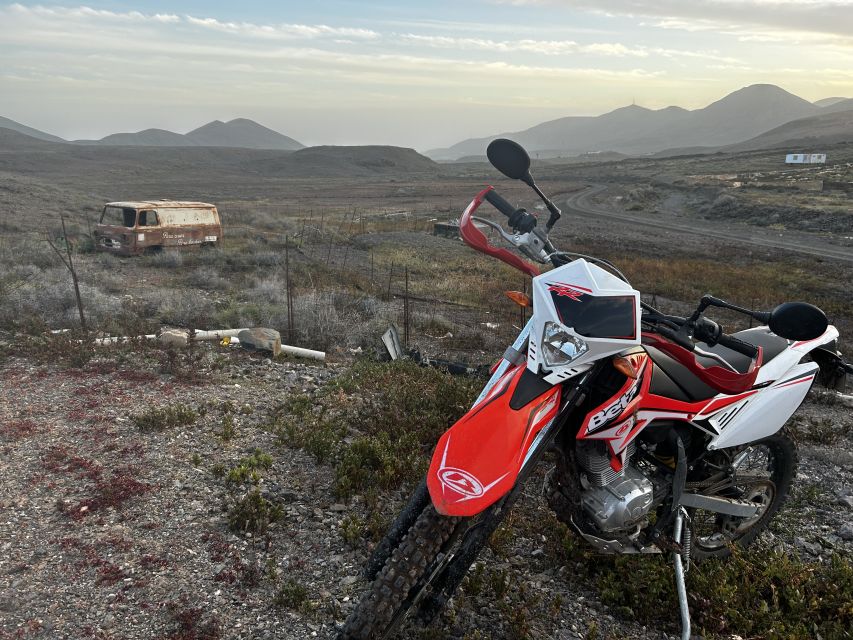
The schedule is built for action. Total duration is 3 hours, with 2 hours of riding. The rest is setup: pickup, getting suited up, bike prep, and the technique session before you go out.
That timing matters because enduro tours can quietly become “mostly waiting.” This one keeps the ratio sensible. You’ll still spend time preparing, but you’re not paying for long idle periods.
Also, the ride happens rain or shine. If you’re the type who dislikes getting muddy, you’ll want to adjust your mindset. Off-road means weather can turn traction into something more slippery, but that’s part of the real experience.
What the Ride Feels Like: Gravel, Trails, Sand, Rocks
Once you roll out, you’ll ride different terrain types, and you’ll feel the changes in real time:
- Gravel roads that let you get your balance and rhythm
- Country trails where the surface can shift under the tires
- Sands that test how gently (and confidently) you manage the bike
- Rocks and rougher sections that ask you to focus hard
The tour is designed so you aren’t thrown straight into the hardest lines. Beginners can stay on easier surfaces to learn the body mechanics first. If you have experience, you’ll have opportunities to push more technical parts of the route.
A theme you’ll hear again and again in rider feedback is adaptability. Some riders go out as first-timers and build confidence on the spot. Others come with road riding experience and then learn the enduro steering differences quickly, with coaching guiding how to correct and improve.
One reality check: steep slopes can be the hardest part for many people, even those who handle flat trails well. That’s not a flaw in the tour. It’s just the nature of the island terrain. The good news is you can learn technique that makes those sections less scary and more fun.
Training First: How Confidence Gets Built (And Why It Works)
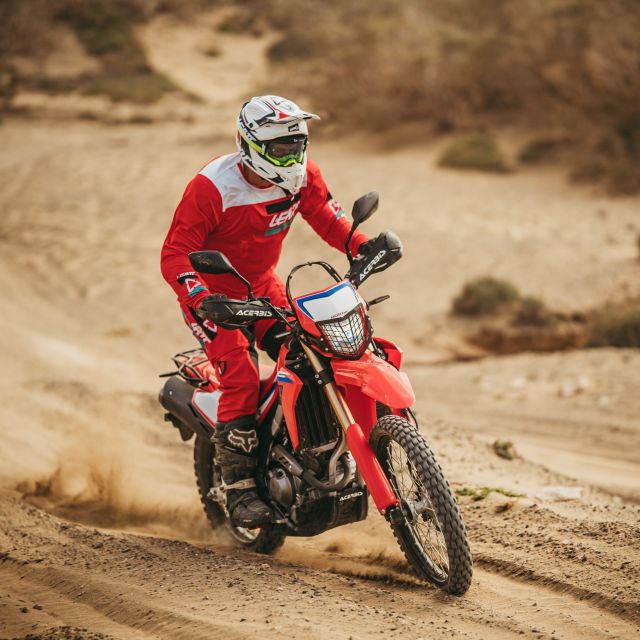
The training session isn’t a token safety talk. You’ll spend time practicing and learning before the bigger ride begins. Riders describe it as an intro that helps you “get it” fast—especially if you’re brand new to enduro.
Here’s why it’s effective:
- You practice on the right platform first (not on random trail chaos)
- The guide can spot what you’re doing wrong immediately
- You get quick corrections while your muscle memory is forming
If you’ve never ridden an enduro bike, don’t expect your road habits to transfer perfectly. Even small differences—how you stand, how you lean, how you turn on loose surfaces—can change everything. That’s exactly what Michal focuses on: technique, then application.
By the time you reach more challenging terrain, it stops feeling like you’re guessing. You’re following a method.
Where You’re Riding: Southern Fuerteventura’s Hidden Mobility
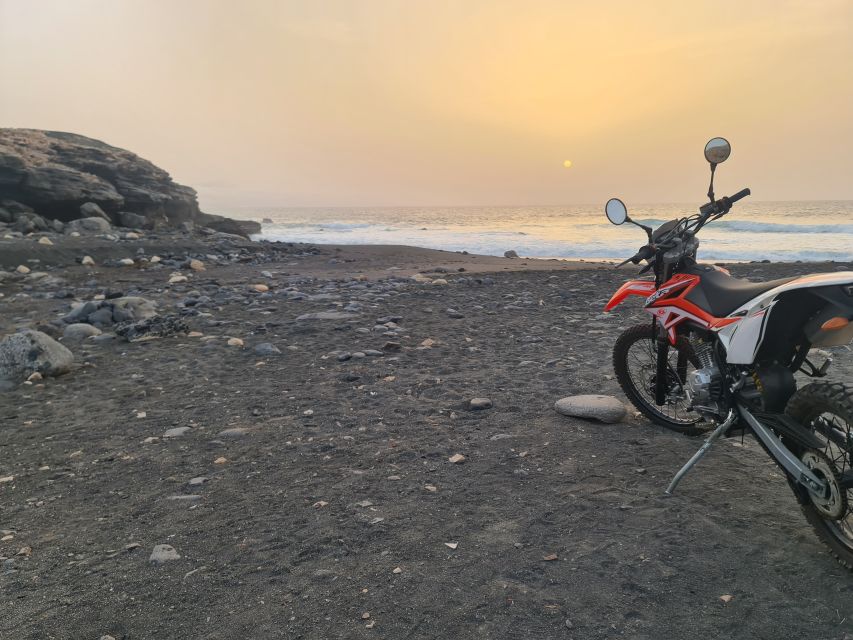
This is an off-road tour that happens in the southern part of the island, with pickup included in several key areas:
- La Lajita
- Tarajalejo
- Las Playitas
- Costa Calma
- La Pared
There’s also a possibility to pick up and drop off around:
- Morro Jable
- Esquinzo
- Caleta de Fuste
What makes this valuable is geography. Southern Fuerteventura can be spread out, and getting to off-road-friendly trails takes time. With pickup and drop-off, you can spend more of your limited tour hours riding and learning instead of commuting.
And because you’re on a motorcycle, you can reach places that feel too remote for most standard tours. You see the island in a way that’s active and close-up.
Is $240 a Good Deal for This Enduro Experience?
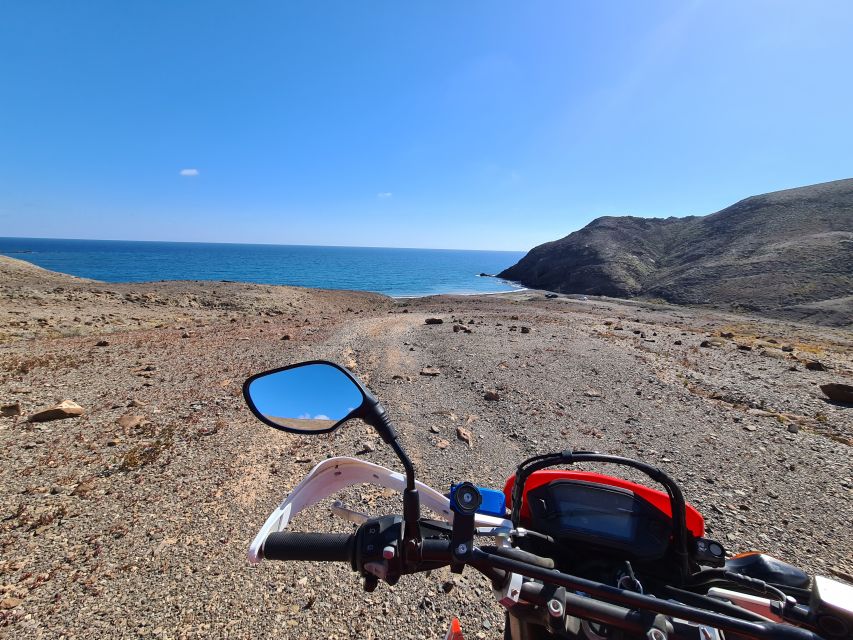
At $240 per person for a 3-hour total experience (with 2 hours riding), the value comes down to what you’re actually buying:
- you’re not just paying for a bike and a route
- you’re paying for coaching, gear, and a guided off-road experience matched to your skill and license
Small group size (up to three participants) also matters. With fewer riders, Michal can correct your technique instead of managing a large crowd. That’s a big difference between “a fun ride” and “I improved.”
If you compare this to typical car tours, the cost feels higher because it’s more intensive and equipment-heavy. But the payoff is also more personal: you’re actively riding, learning, and experiencing terrain up close.
For riders who want a true intro to off-road skills in a way that reduces mistakes and stress, it can be worth every euro. For people who only want to sit on something and take photos, this may be too hands-on.
Who Should Book This Enduro Trip (and Who Should Skip It)
This tour tends to fit riders who:
- want a real off-road skill session
- are comfortable following instruction and building confidence step by step
- want to see southern Fuerteventura from a dirt-bike perspective
- enjoy challenging terrain but want coaching to keep it safe and fun
It’s also described as suitable across levels because routes can be adjusted during the ride. Even people with little off-road experience report feeling safer and more confident after the technique practice.
It’s not a good match if:
- you’re under 21 (minimum age rule)
- you don’t have the right license category for the bike you’re assigned
- you’re not ready for physical effort on rough ground and steep slopes
- you want to bring luggage or large bags (not allowed)
If you’re a first-timer, go in with a simple goal: learn the basics, stay relaxed, and trust the coach’s route decisions.
What Your Day Will Likely Include From Start to Finish
Here’s the flow you should expect:
1) Pickup in southern Fuerteventura from one of the listed areas
2) Gear fitting: helmet, goggles, boots, pants, jersey, and protectors
3) Technique training in a controlled area, including enduro steering and basic riding skills
4) Riding phase on gravel roads and trails that shift into sand and rocky sections
5) Route difficulty options based on your confidence and ability
6) Return and drop-off after the 2 hours of riding time
Some riders also mention that Michal takes photos and videos during the adventure. That’s not something to count on as a guarantee, but it’s a nice extra if it happens.
Should You Book MJM Fuerteventura Enduro Trips?
I’d book this if you want more than a scenic ride. This is for people who like the idea of learning technique, getting adapted routes, and riding for real on sand and rocks in southern Fuerteventura.
If you hate physical work, you’re terrified of steep slopes, or you’re coming with a “just show me something easy” mindset, you may find it stressful. The training helps a lot, but it can’t remove the physics of enduro terrain.
FAQ
How long is the enduro tour, and how much time is spent riding?
The total experience lasts 3 hours, with 2 hours of riding plus time for gear changes and technique training.
What motorcycle can I ride with my license?
Your license category matches the bike type: B (car) and A1 (125cc) riders ride a 125cc enduro motorcycle. A2 and A riders ride 250cc or more.
Is the tour for beginners?
Yes. The experience includes training before the ride, starting in a more controlled area to build confidence, and the guide adjusts the route to match your level.
Where does pickup and drop-off happen?
Pickup is included for La Lajita, Tarajalejo, Las Playitas, Costa Calma, and La Pared. Pickup and drop-off may also be possible for Morro Jable, Esquinzo, and Caleta de Fuste.
Do I get the riding gear, and do I need a balaclava?
Yes, the tour includes motorcycle, fuel, helmet, goggles, protectors, boots, pants, and jersey. A balaclava is required, and you can purchase one for 7 EUR.
What are the age limits, and does the tour run in bad weather?
People under 21 aren’t allowed. The tour runs rain or shine.