REVIEW · BEGIJAR
Jaén: Guided Olive Mill Tour with Olive Oil Tasting
Book on GetYourGuide →Operated by Oleícola San Francisco S.L. Baeza · Bookable on GetYourGuide
Olive oil has a whole factory story. At Oleícola San Francisco in Jaén province, you walk through a working mill and hear how family production turns olives into extra virgin oil. It’s also one of the region’s first tourist-focused olive mills, so you get real process, not just plaques.
What I like most is seeing both the current and antiquated milling methods—the tour doesn’t treat the past like trivia. I also love the ending: you taste a Gourmet Trio Esencial Olive set and learn how to pick up differences in aroma and flavor, step by step, not by guessing.
One thing to plan for is getting there. The mill is only reachable by car or bike, in Begijar (about 6 km from Baeza, 18 km from Úbeda, and 30 km from Jaén), so you’ll want your own transport or an easy local taxi plan.
In This Review
- Key things you’ll notice on this Jaén olive oil tour
- Why a guided mill tour in Jaén beats a museum every time
- The production walkthrough: olives to oil, step by step
- Old vs new milling: the details that help you taste better
- The cellar and the video: where oil waits before it becomes a bottle
- The tasting room: the Esencial Olive trio and how to learn aromas fast
- Take-home samples
- Price and value: what $21 buys you in Jaén
- Getting there from Baeza, Úbeda, and Jaén
- Language options and what to request
- Who this tour is best for (and who might prefer something else)
- Should you book this olive oil tour in Jaén?
- FAQ
- How long is the Jaén olive mill tour?
- What’s included in the tasting?
- Do I need transfers to get there?
- Are there tours in English or French?
- Is the mill accessible for wheelchair users?
- Are children allowed?
Key things you’ll notice on this Jaén olive oil tour
- Old vs new extraction equipment: you’ll see milling methods from different eras in one visit
- A real production walkthrough: olives reception, extraction steps, and where oil is stored
- A guided 3-oil tasting: you’ll compare aroma and flavor instead of just sampling
- Family-led explanations: guides like Ana, Manolo, and Luis (and other family members) bring it to life
- Take-home oil samples: you get extra bottles after the tasting
Why a guided mill tour in Jaén beats a museum every time
Jaén is an olive-oil belt country. You’re in the middle of a landscape that feeds the food on Spanish tables—so it makes sense to learn the process from inside the mill. This visit at Oleícola San Francisco is built for people who want to understand how oil actually gets made, in practical terms.
You’ll also get the human side of olive farming and processing. The mill is run by a family company that started with local production and grew into a producer whose premium oils have earned awards in international competitions. That background matters because the tour isn’t just about how machines work. It’s also about why they care: freshness, quality, and consistency.
And timing helps, too. Tours run daily, including Saturdays, Sundays, and holidays. If you can choose dates, consider mid-October through late December, when production is more likely to be running. Even if you go outside that window, the tour is still designed to show the full chain—from olives arriving to the finished bottles.
The production walkthrough: olives to oil, step by step
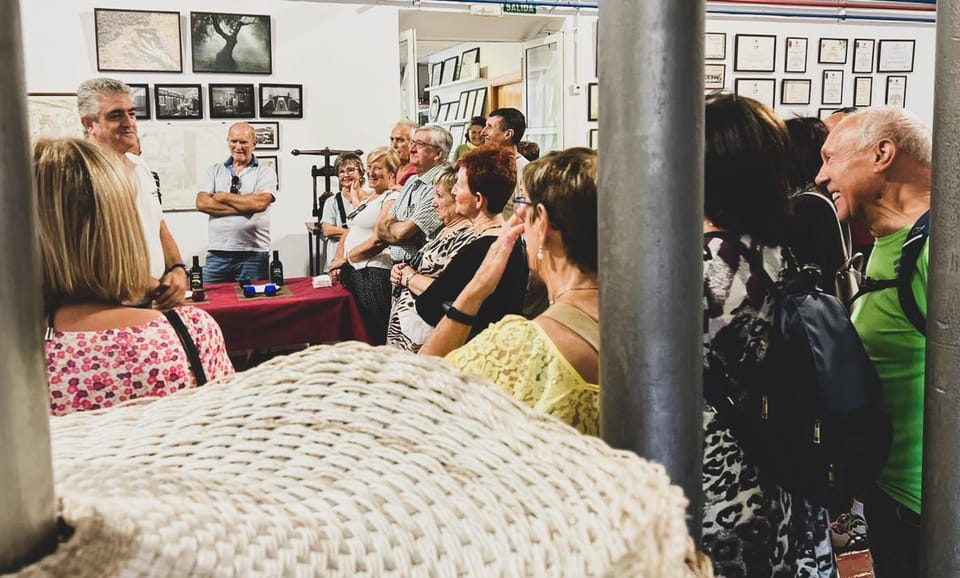
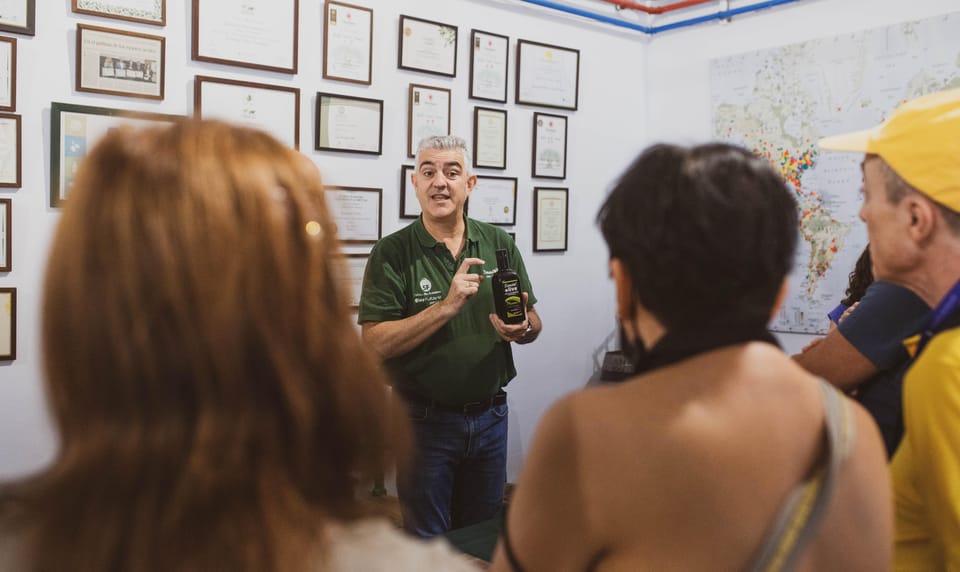
The tour starts with a guided walk through the mill’s outdoor and indoor installations. This is where you stop treating olive oil like a mystery jar and start seeing it as a sequence of decisions.
Expect to cover these key moments:
- olives receiving (how they come in to be processed)
- the steps used for extraction
- what equipment is used at each stage
- considerations that affect the milling process
One of the best parts is that you don’t just see a room and move on. You get explanations tied to what’s physically in front of you. That makes it easier to understand why the same olive can end up with very different results depending on timing, handling, and processing.
You’ll also see milling methods that contrast old and new approaches. Several visitors highlight this as a standout—because it shows that the process is rooted in centuries of practice, while modern tech helps with consistency and control. It’s the rare tour that makes you look at the past and the present without turning it into a lecture-only experience.
Old vs new milling: the details that help you taste better
If you’ve ever wondered why some extra virgin olive oils taste sharp or grassy while others feel rounder, this is where the story starts. During the walkthrough, the guide points out what changes between older and newer methods.
The most useful way to think about those differences is this: extraction isn’t one single action. It’s a chain where small choices can affect how the oil tastes. Milling methods influence things like how efficiently olives are processed and how the mill manages quality during the workflow.
This is why the mill tour and the tasting belong together. When you understand how the oil is made, tasting becomes less random. You can connect what you’re smelling and tasting back to what you saw in the production rooms.
Guides can make that connection click quickly. People have mentioned tours led by family members like Manolo, Luis, and Ana, with explanations that feel friendly and personal rather than robotic. Even when you don’t have technical background, the guide’s job is to turn the process into simple cause-and-effect.
The cellar and the video: where oil waits before it becomes a bottle
After you walk through the main processing areas, the tour shifts to the storage side of the operation. You’ll see the cellar where oil is stored, and you’ll watch a video about the world of olive oil.
This part matters because it fills in the blank between milling and tasting. Oil doesn’t become good by accident. Storage, handling, and timing help preserve the qualities you’re going to taste later.
The video also helps if your goal is cultural understanding, not just mechanics. You’ll get a bigger picture view of where olive oil fits into Andalusian life and the wider olive-oil world.
The tasting room: the Esencial Olive trio and how to learn aromas fast
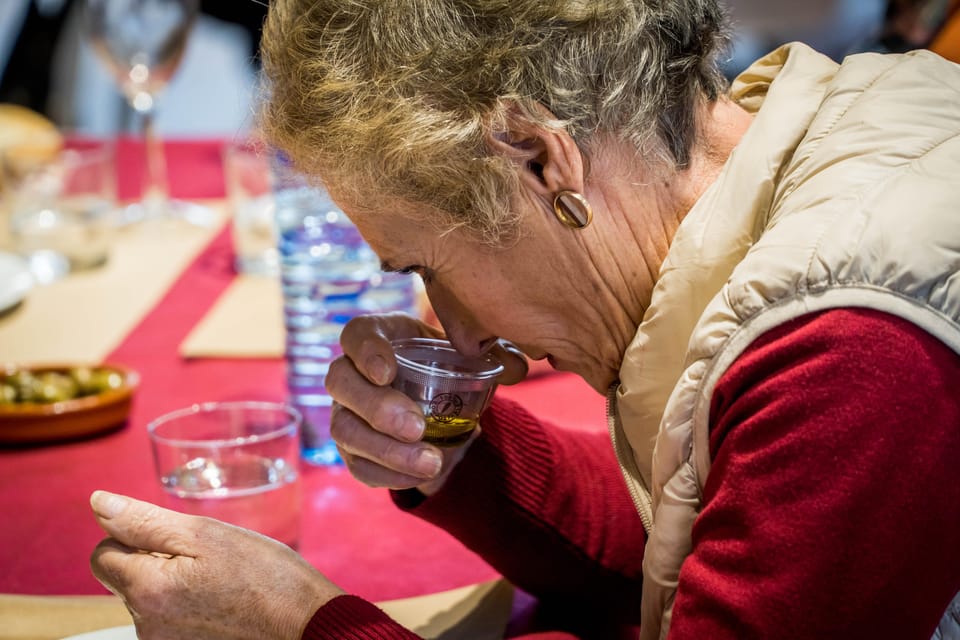
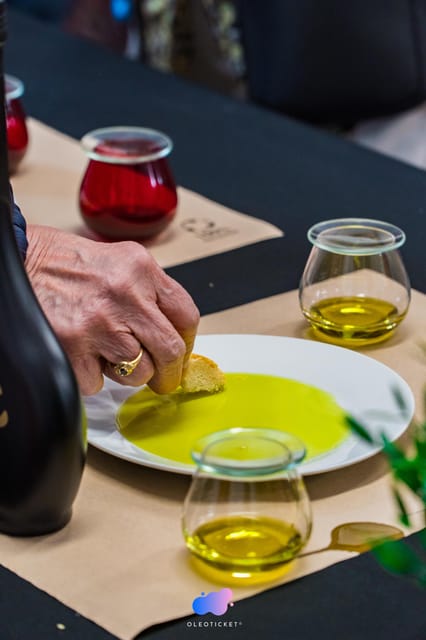
The best part of this tour for food lovers is the tasting room. At the end, you sample three extra virgin olive oils from the Gourmet range called Esencial Olive.
This tasting isn’t a free-for-all. The guide helps you notice sensorial aspects—aroma first, then flavor. That structure is what makes the tasting feel like an education, even if you’re simply a casual olive-oil buyer.
Here’s what you should expect to do:
- taste three different oils from the same gourmet line
- pay attention to differences in smell and mouthfeel
- connect those differences to what you learned in the mill
It’s also a smart format for travel days. In 1.5 hours total, you get the “how it’s made” part and then the payoff: you taste and compare. Several people specifically called out the tasting as the high point, especially because it helps you understand variations you might not notice at a supermarket.
Take-home samples
After the tour and tasting, you receive a gift of 2 samples of award-winning extra virgin olive oils. That’s a small but meaningful value add. It lets you keep testing at home and decide which style you genuinely prefer, not just which one you liked in the room.
Price and value: what $21 buys you in Jaén
At about $21 per person for a 1.5-hour guided visit, this tour has strong value if you care about food. You’re paying for:
- a real guided walkthrough of the mill facilities
- a structured tasting of 3 extra virgin olive oils
- take-home samples (2 additional oil samples)
Many paid attractions in Spain are about views or buildings. This one is about a product. And because it’s a functioning family operation, you’re not just consuming entertainment—you’re learning a skill: how to notice differences in oil quality.
Also, the time is reasonable. Ninety minutes is long enough to understand the process and taste thoughtfully, without turning your day into a half-day mission.
One more value angle: the thematic store. If you want to bring Spanish pantry items home, you can browse olives, tapenades, beauty products made from olive oil, and even chocolates made with olive oil. Local items like wine are also available. It’s not required to buy, but it’s a useful place to turn your learning into real shopping.
If you’re the practical type, here’s a tip: taste first, ask questions during the tasting, then buy. It’s easier to spend money when you can name what you liked and why.
Getting there from Baeza, Úbeda, and Jaén
Plan your logistics early. The mill is in Begijar, and it’s only reachable by car or bike. It’s roughly:
- 6 km from Baeza
- 18 km from Úbeda
- 30 km from Jaén
There are no transfers included, so you’ll need to arrange your own ride or bike route. If your base is one of the UNESCO cities (Baeza or Úbeda), you’re close enough to make it doable—but you still need transport.
Also, meeting point can vary depending on the option booked. When you confirm, double-check exactly where to be at start time so you don’t lose time on a short trip.
Language options and what to request
The tour guide speaks French, English, and Spanish. If you want French or English specifically, you should request it one week before your visit.
There’s also a schedule detail to keep in mind: the French or English tours start at 12:30. If you’re trying to fit the tour into an itinerary with midday plans, that start time can either work perfectly or force a swap.
Good news: the tour is designed so the tasting and the process make sense even when you’re not catching every technical term. Still, if you care about learning the nuances, locking in your preferred language is worth it.
Who this tour is best for (and who might prefer something else)
This is a strong fit if you:
- want hands-on food learning in Andalusia
- like cooking or buying ingredients and want to make better choices
- enjoy guided explanations led by family members and owners
It’s also family-friendly. One key detail: free entrance for children under 8. A number of people mentioned kids being entertained as well, especially by seeing the full process from olives to bottling.
You might want to skip it if:
- you don’t have a plan for transport, since it’s car or bike only
- you want a pure sightseeing day rather than a focused food production experience
Finally, if your priority is tasting good oil, you’ll be pleased. If your priority is only photography or dramatic views, you might feel the tour is more “workshop” than “postcard.”
Should you book this olive oil tour in Jaén?
Book it if you want a memorable, practical experience with real payoff. The combination of an in-mill walkthrough, a guided tasting of three Esencial Olive extra virgin oils, and take-home samples makes the price feel fair.
Before you commit, check two things:
1) Can you get to Begijar by car or bike without stress?
2) Do you want the tasting to be in English or French? If yes, request ahead and plan around the 12:30 start.
If you answer yes to both, this tour is an easy recommendation. You’ll leave knowing what you just bought, not just that it tastes good.
FAQ
How long is the Jaén olive mill tour?
The tour lasts about 1.5 hours.
What’s included in the tasting?
You’ll enjoy a tasting of 3 extra virgin olive oils.
Do I need transfers to get there?
Transfers are not included. The olive mill is only reachable by car or bike, and it’s located in Begijar (about 6 km from Baeza, 18 km from Úbeda, and 30 km from Jaén).
Are there tours in English or French?
Yes. The live tour guide offers French, English, and Spanish. If you require French or English, request it one week before your visit. Those start at 12:30.
Is the mill accessible for wheelchair users?
Yes. The facilities are wheelchair accessible.
Are children allowed?
Yes. There is free entrance for children under 8.