REVIEW · ROYAL ANDALUSIAN SCHOOL OF EQUESTRIAN ART
Jerez de la Frontera: How the Andalusian Horses Dance
Book on GetYourGuide →Operated by Fundación Real Escuela Andaluza del Arte Ecuestre · Bookable on GetYourGuide
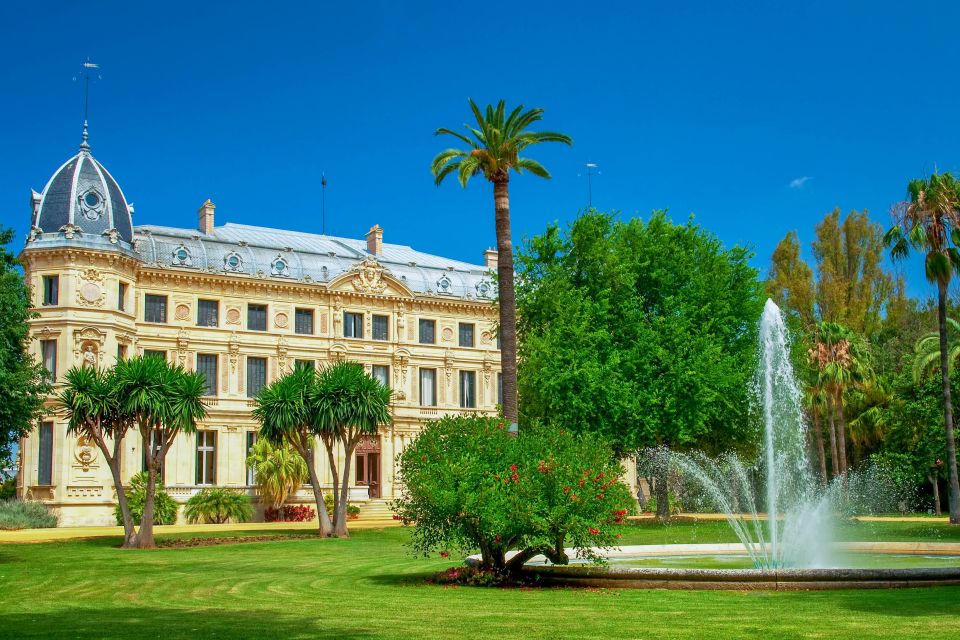
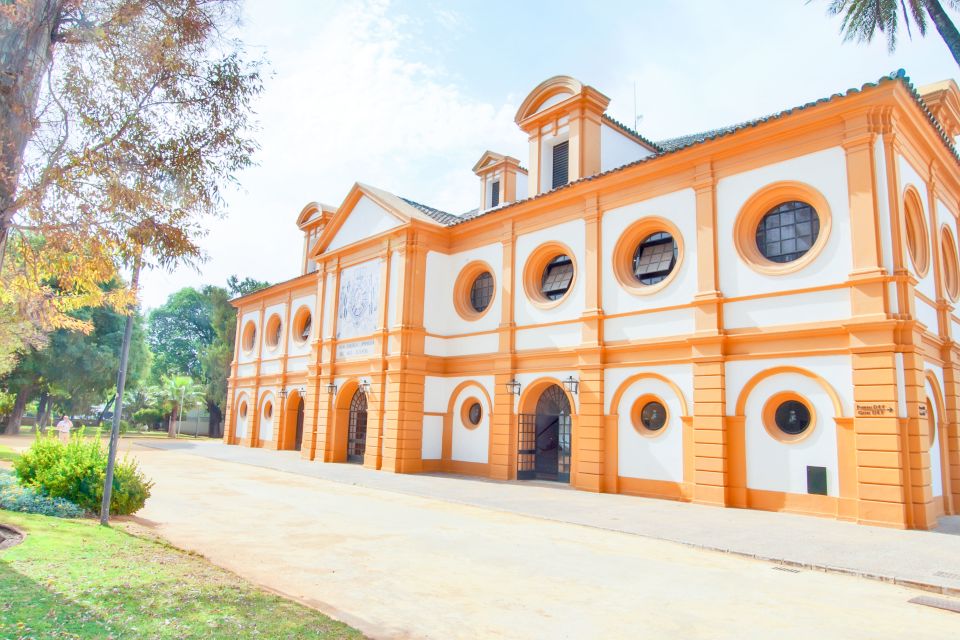
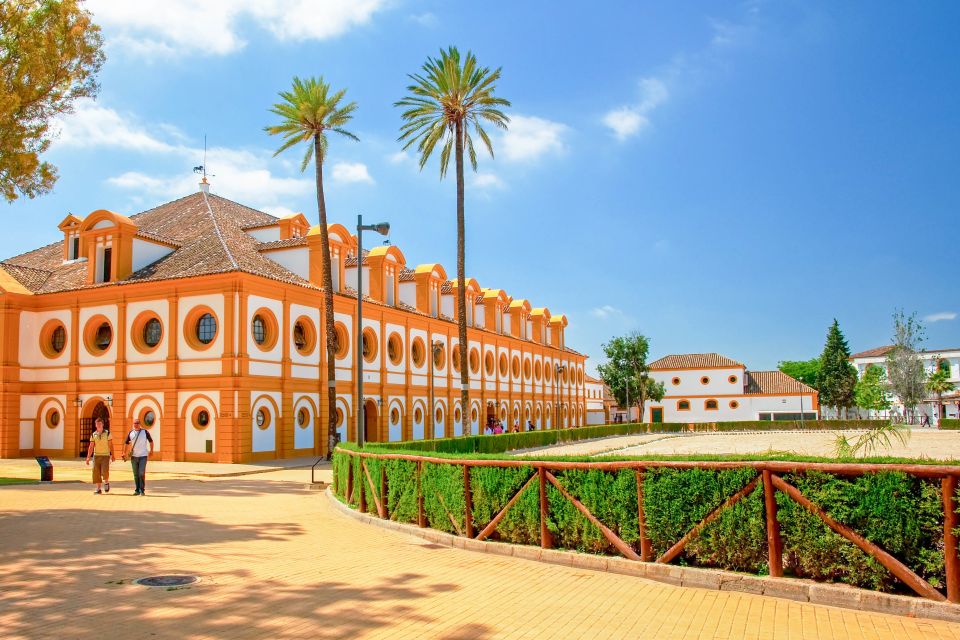
Watching trained Andalusian horses in motion is pure theatre. At How the Andalusian Horses Dance in Jerez, you’ll see riders and horses link up like a dance troupe, with Andalusian horsemanship at the center of it all. The setting is the Royal Andalusian School of Equestrian Art, part of the tradition that helped shape Spanish riding.
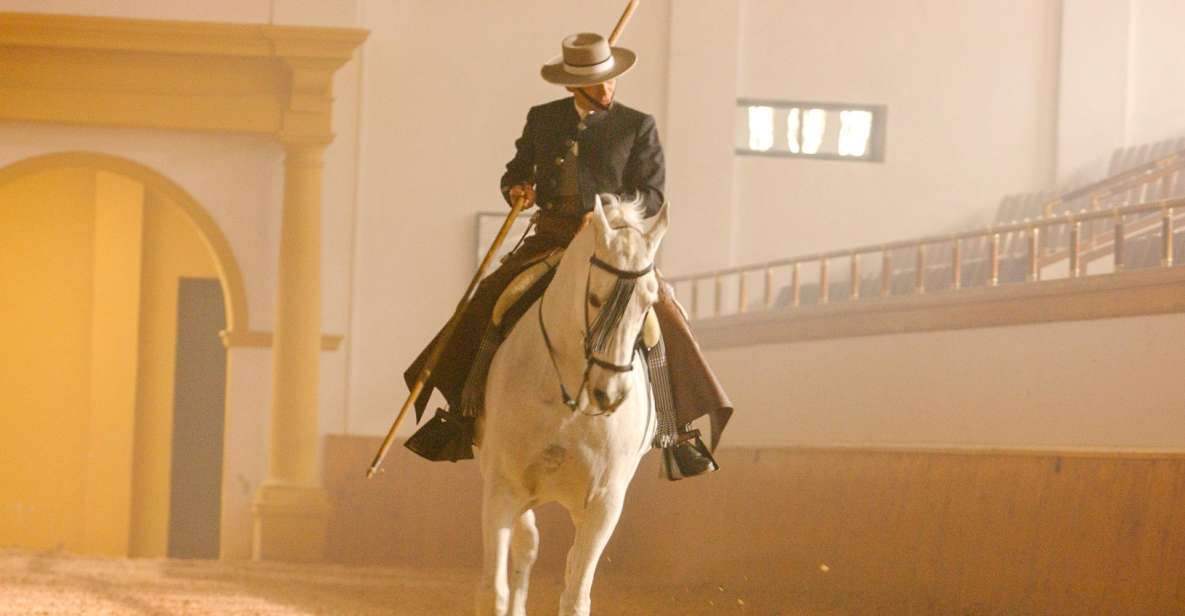
What I really like is how the show mixes styles instead of repeating the same routine. You get classical dressage work side-by-side with country-style riding (Doma Vaquera), plus segments where horses move while the rider isn’t in the saddle. I also love the visuals: 18th-century style costumes and quintessential Spanish music make it feel like you’ve stepped into an older Jerez, even when the skills are totally modern.
The main thing to consider is the seating approach. Tickets are sold by price category, and you won’t choose the exact seat number, so your view depends on where your ticket category lands in the allocation order.
In This Review
- Quick hits before you go
- Why this equestrian ballet is worth a night in Jerez
- The arena show: 6–8 choreographies in 90 minutes to 2 hours
- Doma Vaquera: one-hand riding with herding roots
- Classical dressage sets: passage, piaffer, and Pas de Deux
- Work in hand, carriage driving, and the final Carrousel
- Costumes and Spanish music: the 18th-century feel
- Price and value: $31 for a real skill show
- Who should book this show (and who may not love it)
- Seasonal bonus: the Four Equestrian European Schools gala in late June
- Should you book How the Andalusian Horses Dance?
- FAQ
- How long is the show?
- Where do I go to check in?
- What should I bring?
- Is flash photography allowed?
- Can I bring pets or glass objects?
- Do I need a printed voucher?
- Can I cancel for a refund?
Quick hits before you go
- A 6–8 choreo set in a tight 90 minutes to 2 hours, so you don’t lose patience halfway through
- Doma Vaquera grounded in traditional herding, with pirouettes and faster bursts timed to the music
- Classical Haute École exercises like passage, piaffer, levades, and courbettes
- Carriage driving and work in hand that show the horse’s training from multiple angles
- Category-only seating means your best strategy is booking earlier if you care about the front rows
Why this equestrian ballet is worth a night in Jerez
Jerez de la Frontera is known for flamenco, sherry, and Andalusian charm. This show adds another side: horsemanship as performance art. You’re not just watching horses trot around—you’re watching a choreographed language built from dressage, traditional riding, and classical training.
The school behind the show matters. The Fundación Real Escuela Andaluza del Arte Ecuestre doesn’t present a one-off spectacle. It’s built around a working tradition of training and display, which is why the routines feel controlled rather than chaotic. You can sense that the horses are comfortable in the spotlight, but also that the riders know exactly what they’re doing.
For me, the best part is the variety of skills. One moment you’re seeing collected movement to music; the next, a segment that looks almost impossible, until you realize it’s just careful training performed at speed and with timing. If you’ve ever wondered what makes Andalusian horses so special, this answers it with motion, not marketing.
The arena show: 6–8 choreographies in 90 minutes to 2 hours
The program runs long enough to feel like a real evening plan, but short enough to stay crisp. You’ll see 6 to 8 different choreographies (with the school setting the schedule), and the order keeps the pace moving. The transitions matter here: the segments build on each other, starting with styles based on everyday riding roots and moving toward higher-level classical work.
Expect a blend of movement types:
- collected work (precision)
- faster breaks and rhythm changes (energy)
- teamwork between horse and rider (control)
- group exercises (timing and unity)
Even if you don’t know dressage terms, you’ll pick up what’s happening. Look for the moments when the horse moves with extreme balance—those are the clues that the training is advanced. The show’s Spanish music is part of that education too. It helps you feel when the choreography shifts from one movement style to another.
Doma Vaquera: one-hand riding with herding roots
Doma Vaquera is the “country-style” side of the program, tied to traditional cattle herding. The choreography is designed to look practical in origin, even though it’s presented with a ballet-like polish. The biggest giveaway? The rider uses only one hand while controlling the horse around the arena.
In the Doma Vaquera segment, you’ll see transitions that feel like a working rhythm: trotting first, then later galloping, with clear changes in speed and tempo. The choreography also includes pirouettes—turns that look smooth until you focus on how controlled they are. Then come the faster bursts called arreones, where the horse breaks into a gallop like it’s answering a cue.
Why this matters for you: it prevents the show from becoming one long “museum of dressage.” It shows why Spanish riding tradition evolved the way it did—control plus adaptability. If you like your performances to have roots, this is the section that delivers them.
Classical dressage sets: passage, piaffer, and Pas de Deux
This is where the show leans most into classical training. You’ll see named choreographies such as The Colts, Airs on Horseback, Pas de Deux, Passage and Piaffer, Domino on Horseback, Airs Above the Ground, and Fantasy. Each one is built around advanced exercises set to music.
Here’s what makes these moments click in the arena. In classical dressage, the horse doesn’t just move forward—it performs with “placement.” You’ll notice the balance: the horse carries itself with a steady frame while the rider guides subtle changes in rhythm and posture.
In the “high-level” movements, watch for:
- passage and piaffer, where steps become elevated and rhythmic
- turns and patterns that look measured rather than improvised
- the feeling that horse and rider move as one unit
The Pas de Deux element is especially fun because it borrows from dance: two partners in synchronized motion. Even if you’re not a dressage nerd, you’ll feel when the choreography hits its “two-body” rhythm.
Work in hand, carriage driving, and the final Carrousel
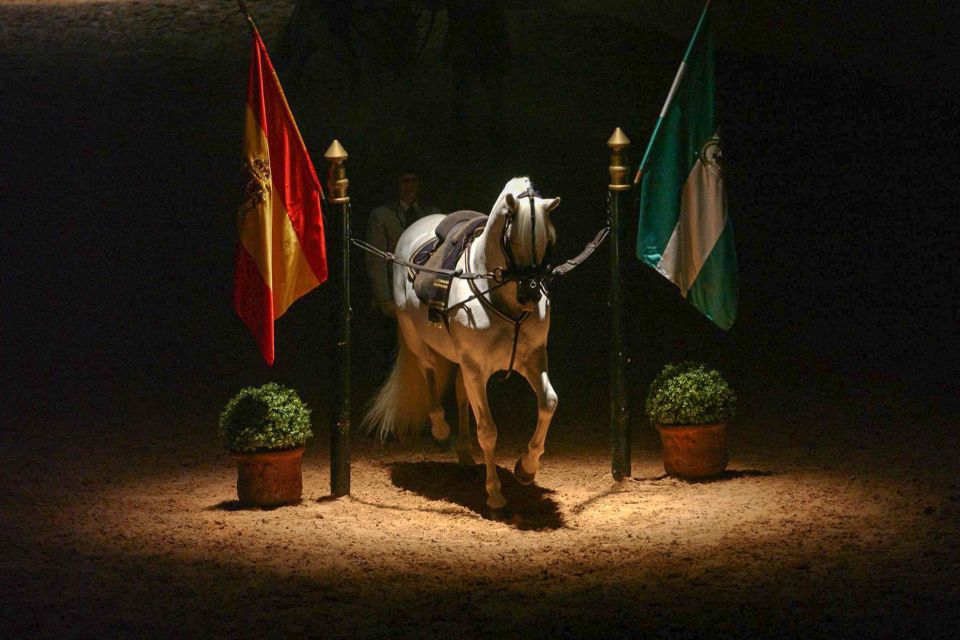
Not all of the show relies on the rider sitting in the saddle. One segment focuses on work in hand, where the horse obeys the rider even when the horseman is not in the saddle. That’s a big deal. It highlights communication through training, positioning, and cueing—so the horse’s response looks almost intuitive.
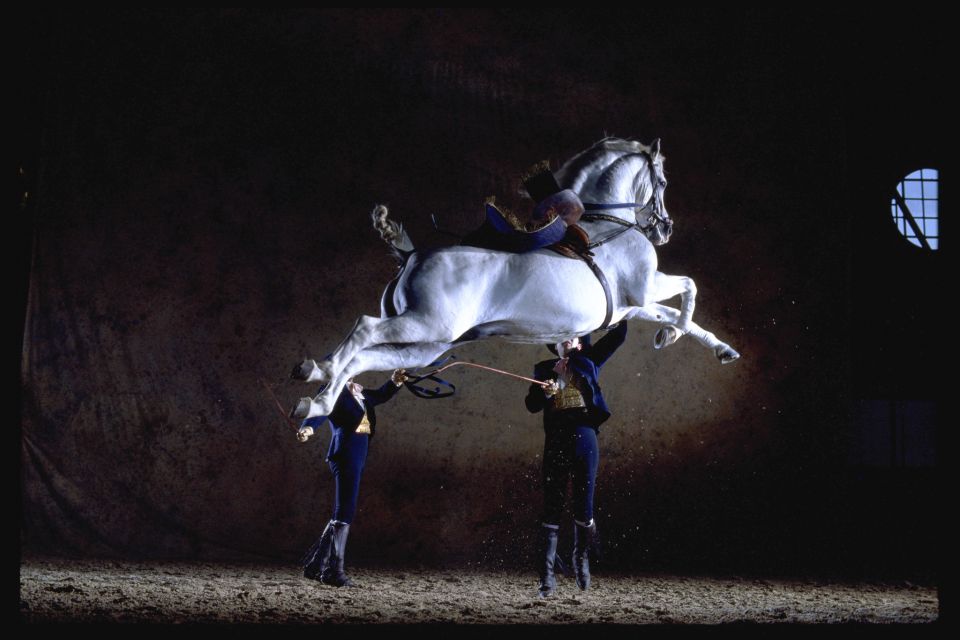
During work in hand, you may see classic Haute École exercises like levades, caprioles, courbettes, piaffe (between pillars), and the Spanish walk. The details vary by performance, but the overall point is consistent: the horse is still doing advanced movement, not just basic obedience.
Then the show switches to another skill set: Carriage Driving. Here the horses demonstrate drawing carriages using classical harnesses. Coachmen take the lead and show their control skills in a setting that began as transport and now lives on in sport and exhibitions.
And to end, you’ll get a Carrousel where horses and riders perform advanced equestrian exercises in unison. That group ending is a satisfying payoff because it proves the training isn’t just individual talent. It’s coordination.
Costumes and Spanish music: the 18th-century feel
The performance doesn’t treat style as decoration. Traditional 18th-century costumes and quintessential Spanish music shape the whole viewing experience. The costumes make the riders easier to track when the choreography shifts quickly, and they give the arena a historical visual rhythm—even though you’re watching highly trained athletes.
The music is equally important. Spanish rhythms and musical cues help you understand when a segment is moving from one movement style to another. It turns technical riding into something you can follow without studying theory first.
If you’re the kind of person who enjoys atmosphere—lighting, dress, and cultural tone—this is a good use of an evening in Andalusia. You’ll leave feeling you saw Spanish equestrian art the way it’s meant to be seen.
Price and value: $31 for a real skill show
At around $31 per person, this lands in the category of “worth it if you’re curious.” You’re paying for skilled horses, professional riders, and a program that runs nearly two hours. For me, the value comes from variety: Doma Vaquera, classical dressage segments, carriage driving, and work in hand are a lot to fit into one show.
Also, the venue is well set up for viewing. I’d focus on booking sooner rather than waiting if you care about front-row sightlines, because seating is allocated by order of purchase within categories. That said, the overall feedback I’ve seen suggests it’s possible to get a good view across seats, and the show structure helps keep the action visible even when it’s fast.
If you’re comparing this to a “generic” tourist performance, the difference is training level. This feels like a display of craft, not just entertainment.
Who should book this show (and who may not love it)
I’d recommend it if you like:
- horses and want to see advanced movement explained through performance
- cultural shows that feel rooted in a real training school
- an evening plan that’s family-friendly without being childish
It’s also a great stop if you’ll be in the Jerez/Cádiz area and want something that feels distinctly Andalusian, not just another city stroll.
On the other hand, if you want a show that’s heavy on storytelling and explanations, you might wish you knew more of the terminology before you arrive. The choreography is impressive, but the details are visual rather than lecture-style based on the info provided. Still, the music and the movement cues do most of the teaching.
Seasonal bonus: the Four Equestrian European Schools gala in late June
If your dates line up, pay attention to a special program: on 30 June and 1 July at 9 p.m., the Four Equestrian European Schools—Austria, France, Spain, and Portugal—perform together for the first time, with the Abu Dhabi International Riding School joining under the Royal Andalusian School’s supervision. It’s designed as a “best of” display, with each school presenting standout numbers.
The event also mentions 4000 seats set up in an outdoor arena next to the Álvaro Domecq riding arena, plus space for leisure and catering. If you’re traveling during that window, this could be an even bigger value because you’re getting multiple European schools under one roof.
Should you book How the Andalusian Horses Dance?
If you’re in Andalusia and you want a night that’s both visually stunning and grounded in real horsemanship, this is an easy yes. The program’s mix of Doma Vaquera, classical dressage, work in hand, and carriage driving means you won’t feel like you’re watching the same trick again and again.
Book it when:
- you care about horses and want high-level movement
- you want an authentic Spanish cultural evening
- you like shows that have a training-school feel
Hold off only if:
- you’re extremely sensitive to where your seat lands within a category
- you need extensive spoken explanations to enjoy technical art
FAQ
How long is the show?
Plan for about 90 minutes to 2 hours, depending on the starting time and the day’s schedule.
Where do I go to check in?
Go to the Reservation Box Office at the Royal Andalusian School of Equestrian Art Foundation.
What should I bring?
Bring a passport or ID card.
Is flash photography allowed?
No. Flash photography is not allowed, and you also can’t do audio recording.
Can I bring pets or glass objects?
No pets are allowed, and glass objects are not allowed.
Do I need a printed voucher?
Yes. You must present your printed voucher at the ticket office.
Can I cancel for a refund?
Yes. You can cancel up to 24 hours in advance for a full refund.