REVIEW · FAUNIA
Madrid: Faunia Entry Ticket
Book on GetYourGuide →Operated by Distributor: GetYourGuide Tours & Tickets GmbH · Bookable on GetYourGuide
Faunia is a zoo that changes climates fast. With a skip-the-line entry ticket, you can plan a full day exploring 15 themed areas across 16 hectares, home to 1,200+ animals. I like how the setup nudges you through clear zones, so the day feels organized even when you’re just following your curiosity.
I also love the big, visual payoff: you go from tropical weather in The Jungle to Europe’s largest polar setup with penguins, all in one visit. One drawback to keep in mind: the overall experience quality can vary, and one booking review specifically flagged that the park maintenance could be better.
In This Review
- Quick takes before you go
- A 16-hectare day in Faunia: what you’re really buying
- Price and ticket types: how height rules affect the cost
- Starting in The Jungle: tropical weather, rainforest birds, and big mammals
- The Poles ecosystem: penguins plus Europe’s largest polar setup
- African Forest (Madagascar-style) and Temperate Forest back-to-back
- The themed areas you’ll talk about later: nocturnal, caves, Australia, and mangroves
- Nocturnal zone under a full-moon-style setup
- Mysteries Under the Earth: karstic cave exploration
- Australian meadow: Bennett’s wallabies
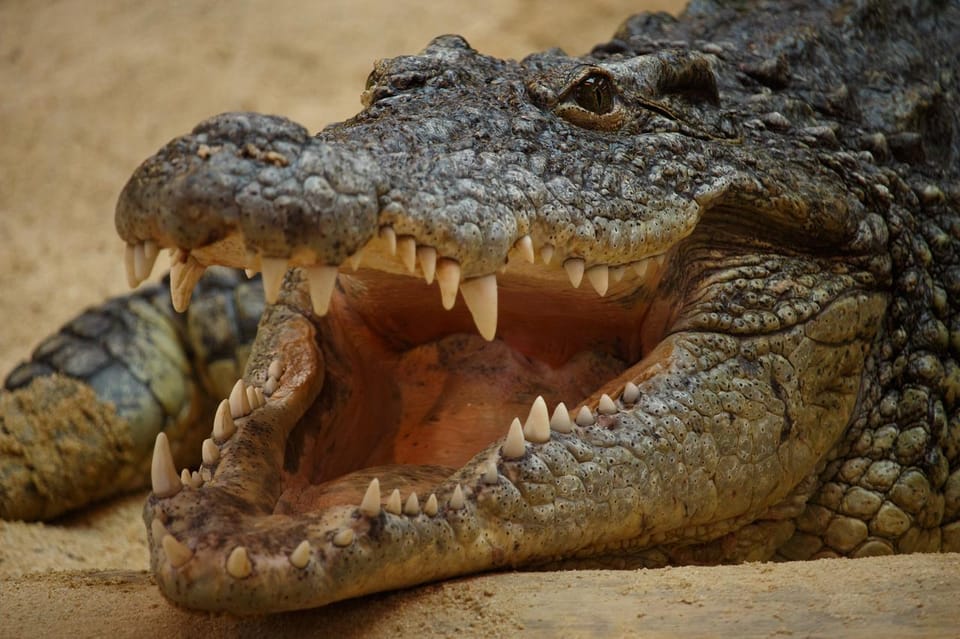
- Mangrove with Nile crocodiles
- The scary-cool corner: snakes, spiders, and jellyfish
- Education and animal talks: where the visit turns from sightseeing to learning
- Conservation theme: Parques Reunidos Foundation and EAZA
- Practical tips for getting the most out of your one-day visit
- Who should book Faunia with a skip-the-line ticket?
- Should you book the Faunia entry ticket in Madrid?
- FAQ
- FAQ
- How long is the Faunia visit with this ticket?
- What is included with the Faunia entry ticket?
- How much does the Madrid Faunia ticket cost?
- How many animals and species are at Faunia?
- What themed areas and ecosystems can I expect?
- What are some of the main areas within Faunia?
- Are penguins included in this experience?
- Are pets allowed?
- Are bikes allowed inside the park?
- Is the ticket refundable if my plans change?
Quick takes before you go
- Pick the right ticket by height: adult is 140 cm+, child is 100–140 cm, and under 100 cm doesn’t need a ticket.
- 15 themed areas, 4 ecosystems: you’re not just seeing animals, you’re walking through habitat-style sets.
- Cold vs warm in the same day: start with tropical storm vibes, then switch to penguins and ice-themed viewing.
- Family-friendly education built in: talks and activities focus on representative species like marine mammals and birds of prey.
- A couple of areas are hands-on in spirit: interactive moments include close viewing of animals such as sea lions, manatees, penguins, pelicans, and crocodiles.
A 16-hectare day in Faunia: what you’re really buying

This is an entry ticket for one day at Faunia, a large thematic nature park in the Community of Madrid. The headline numbers are big for a reason: you’re walking through a total space of 16 hectares and meeting over 1,200 animals from 152 species. That scale matters because it turns the visit into a full-day loop. If you only have a short morning, this can feel like a lot. If you want a slow, curious day, it’s perfect.
The “value” part is that you’re not paying just for animals behind fences. Faunia builds habitat replicas and themed spaces meant to mirror real ecosystems. You can bounce between environments without changing cities, and that’s a huge convenience if you’re traveling with kids, or if you just don’t want to spend your day figuring out logistics.
You also get the practical perk of skipping the ticket line. Even if you enjoy waiting, lines are wasted holiday time. A pre-booked entry helps you get moving while your energy is high.
Price and ticket types: how height rules affect the cost

The ticket price shown is $27 per person for a 1-day entry. Whether that’s a bargain or a stretch depends on your group size and how much time you can realistically spend inside.
Here’s the key rule: tickets are based on height, not age alone.
- Adult ticket: 140 cm and above
- Child ticket: 100–140 cm
- Under 100 cm: no ticket needed
This matters because families often discover the “age logic” they expected doesn’t apply. If you have little kids, measure them before you go so you’re not guessing.
Faunia also mentions you can choose between infant, child, adult, or senior ticket types. Height is still the deciding factor for the categories listed, so treat it as the main check and keep the height band in your head when you’re packing.
One more reality check: the ticket is non-refundable. That doesn’t ruin the value, but it does mean you should only book if your day in Madrid is steady.
Starting in The Jungle: tropical weather, rainforest birds, and big mammals
Plan to begin your walk in The Jungle. This is Faunia’s warm-up zone, designed around the feel of a tropical storm—heat and rain included. It’s a smart opening because it sets expectations: you’re entering themed ecosystems, not just moving from one cage to another.
In this zone, you’ll look for animals such as:
- Manatees
- Macaws and toucans
- Various species of titis
That mix is useful, because the Jungle zone isn’t only about birds. Faunia pairs sky-level color with aquatic and rainforest-adjacent animals so you’re not stuck waiting for one type of exhibit to “click.”
Why it works for most visitors: you get the most immediate wow factor early—bright birds, big animals, and a totally different atmosphere than a normal Madrid day.
Possible drawback: if you don’t love humid indoor-feeling exhibits, this might be the zone that slows you down. Pace yourself and take breaks when you need them.
The Poles ecosystem: penguins plus Europe’s largest polar setup
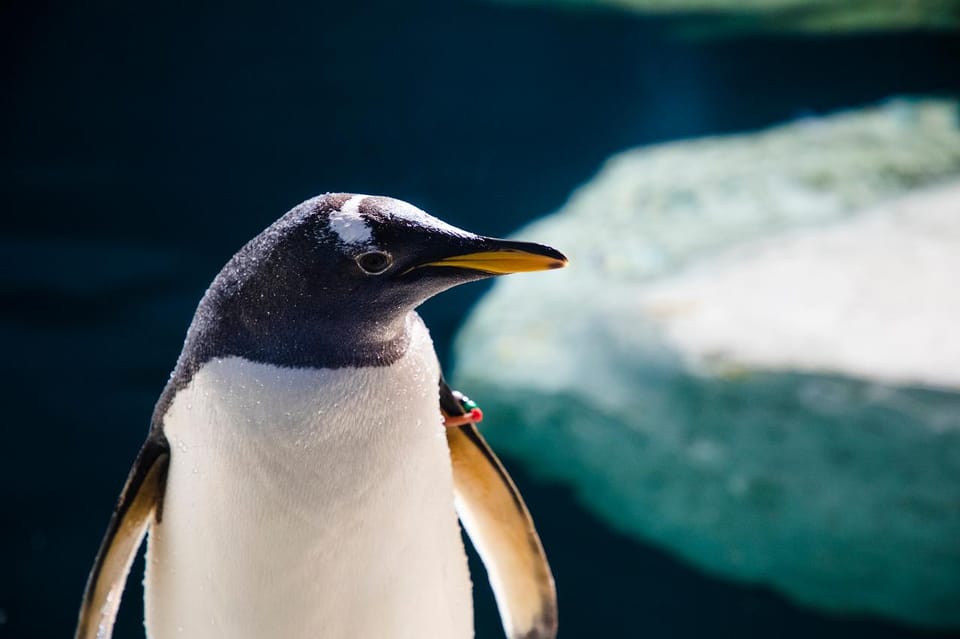
After the heat, the day’s best contrast is The Poles ecosystem. This area is home to 100+ penguins across 6 species, and the display includes underwater races—designed for viewing when penguins move beneath the surface.
This zone is special for two reasons:
- The penguins are not a “side exhibit.” They’re the center of the colder world you’re stepping into.
- Faunia leans into the movement. Underwater races turn viewing into something closer to a show than a still photo moment.
If you like animal behavior, this is the area where you’ll get the most “just watch” payoff. Hang around longer than you think you need, because penguin activity can be sporadic and you don’t want to rush past the good parts.
African Forest (Madagascar-style) and Temperate Forest back-to-back

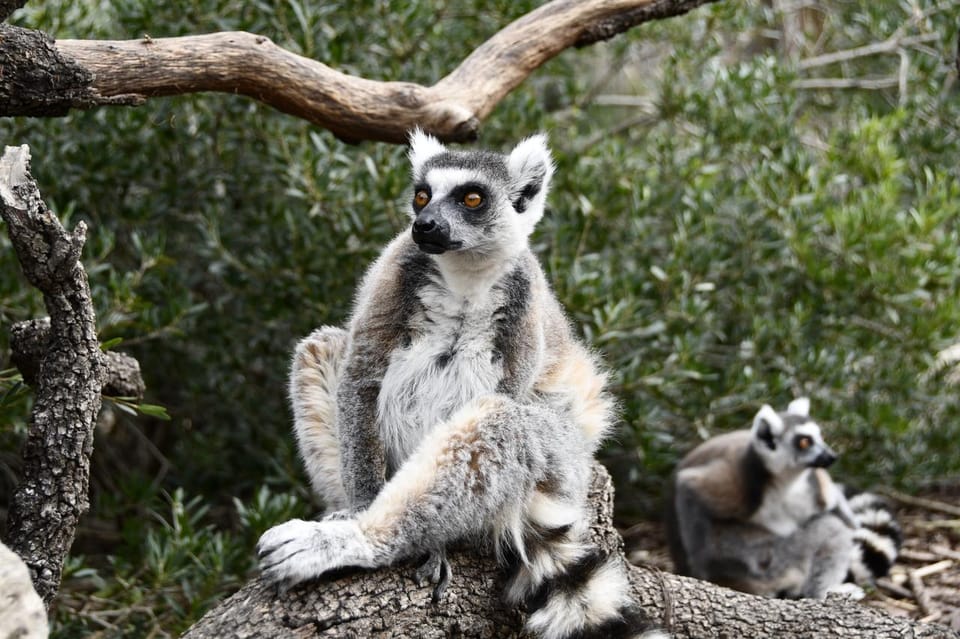
Next comes African Forest, described as being inspired by Madagascar. You’ll meet three species of lemurs plus a lot of brightly colored birds. Madagascar is a strong theme because it naturally suggests diversity—primates and birds together gives you different viewing angles and keeps the zone from feeling repetitive.
Then you’ll likely move into Temperate Forest, meant to represent temperate regions. Here the animals include:
- Muntjac
- Mazama
- Demoiselle crane
This pairing—Madagascar-style lemurs and temperate forest mammals/birds—helps you see variety beyond the obvious “big zoo animals.” It’s also a nice reset if you felt like the penguins were the only “must-see” part of the day.
Practical note: if you’re photographing, these forest zones can be visually busy. I’d treat your first pass as a “get your bearings” lap, then circle back if there’s a specific species you want a cleaner shot of.
The themed areas you’ll talk about later: nocturnal, caves, Australia, and mangroves
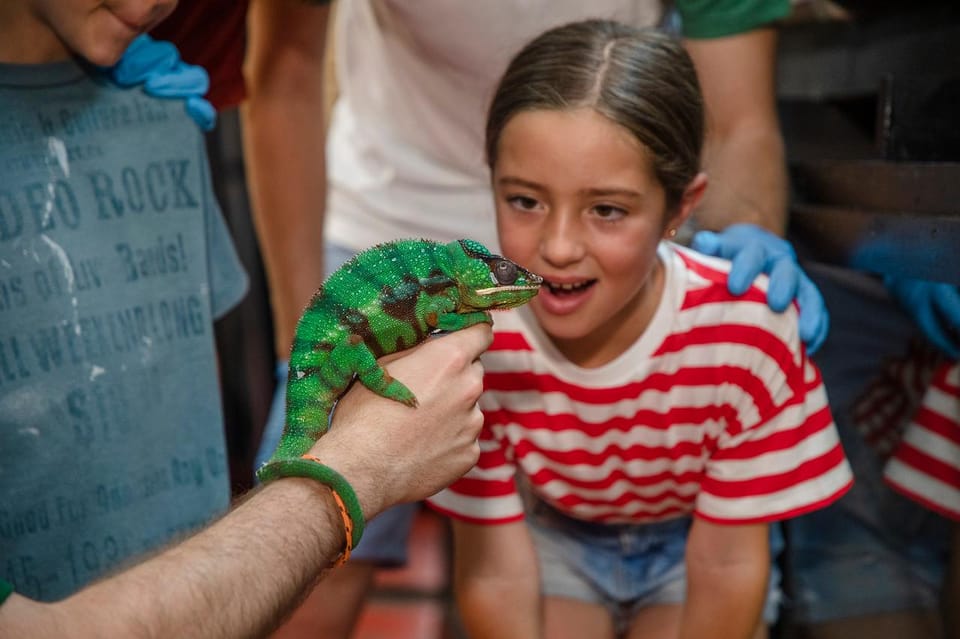
Faunia doesn’t stop at the big ecosystem zones. The park is also built with 15 themed areas, and some of the most memorable ones are designed around unusual conditions.
Nocturnal zone under a full-moon-style setup
There’s a nocturnal zone lit by what’s described as a full moon. In here you may spot:
- Ocelots
- Two-toed sloths
- Aardvarks
Even if you’re not into night-themed exhibits, this is a great change of pace. It slows down the “constant walking” feeling and makes you pay attention to quieter animal behavior.
Mysteries Under the Earth: karstic cave exploration
In Mysteries Under the Earth, you cross a karstic cave environment. This is where you can see creatures like:
- Naked mole-rats
- Frilled lizards
I like zones like this because they broaden what people think “a zoo visit” includes. You’re not only seeing charismatic megafauna; you’re seeing animals that live by totally different rules.
Australian meadow: Bennett’s wallabies
Faunia also includes an Australian meadow where you can meet Bennett’s wallabies. It’s a straightforward theme, but it’s useful for families because it gives kids an easy mental label: Australia = wallabies. Simple story, good payoff.
Mangrove with Nile crocodiles
There’s a mangrove habitat featuring Nile crocodiles. Mangroves are visually interesting too, so even if crocodile viewing is sometimes brief, the setting makes the moment feel more “real” than a basic enclosure.
The scary-cool corner: snakes, spiders, and jellyfish
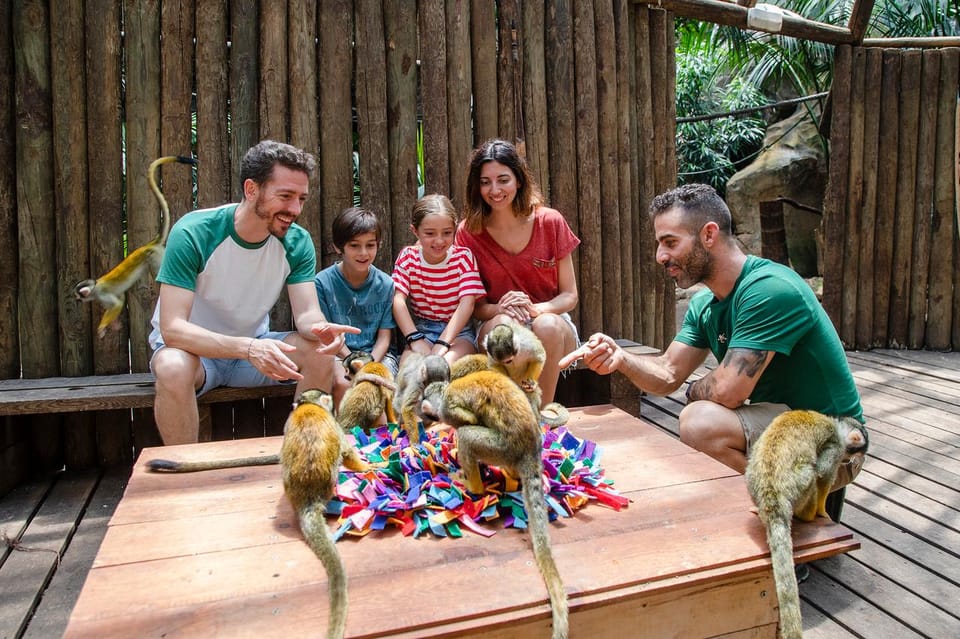
Faunia includes areas focused on animals that are described as venomous, such as snakes, spiders, and jellyfish. If you’re traveling with younger kids, this section can feel intense. Adults often find it fascinating because it turns fear into education—why these animals exist, how they’re handled, and where they fit in ecosystems.
I’d treat this as optional in your pacing. Spend time if you’re curious. If you’re not in the mood, you can move on without breaking the day.
Education and animal talks: where the visit turns from sightseeing to learning

A big strength of Faunia is that it isn’t just self-guided. The park offers educational activities and talks about representative species, including:
- Marine mammals
- Birds of prey
- Other representative species
You also get interactive-style sessions where you can get up close to animals including:
- Sea lions
- Manatees
- Penguins
- Pelicans
- Crocodiles
The practical takeaway: talks and interactions help you focus your attention. Instead of walking through 15 areas and remembering only the biggest animals, you leave with a few species-specific facts. That’s especially helpful if you’re visiting as a family and want the day to feel like more than “we saw animals.”
One thing to consider: talks can shift your time plan. I’d keep your schedule flexible and assume you’ll stop more often than you planned, because the whole point here is animal behavior and habitat storytelling.
Conservation theme: Parques Reunidos Foundation and EAZA
Faunia emphasizes conservation and awareness of endangered species, working with the Parques Reunidos Foundation and EAZA. This is more than a logo on a sign. It shows up as messaging meant to encourage environmental care and respect for animal life.
If you care about where zoos are heading, this angle helps you feel like your ticket is supporting education, not just display. It won’t erase all the complex questions people have about captivity, but it does give the visit a moral “frame” that feels intentional.
Practical tips for getting the most out of your one-day visit
Here’s how I’d make this ticket pay off.
1) Treat it like a route, not a list.
You have multiple ecosystem zones plus themed micro-areas. Start with the big anchors—Jungle, Poles, African Forest, Temperate Forest—then fill in the extra themes as you go.
2) Plan for a full walk across 16 hectares.
Even if each exhibit feels short, the park is big. Wear comfortable shoes and be ready to pause often.
3) Time your attention for movement animals.
The Poles area includes underwater races, and that’s the kind of moment you’ll miss if you’re rushing. Stay long enough to catch it.
4) Use the height ticket rules to avoid a last-minute headache.
Measure kids before travel. It’s the easiest way to prevent paying for a ticket you don’t need, or needing one you didn’t expect.
5) Don’t fight the fact that some quality can vary.
One provided review said the park wasn’t well maintained. That doesn’t mean your entire day will be bad, but it’s smart to keep expectations realistic—plan to enjoy the themes and animals, not to judge every detail like a hotel renovation.
Who should book Faunia with a skip-the-line ticket?
This is a strong choice if you:
- Want one day in Madrid that’s built for families or mixed ages
- Like themed environments that mimic ecosystems, not just animal spotting
- Care about education through talks and species-focused moments
- Prefer a pre-booked ticket so your day starts smoothly
It’s less ideal if you:
- Hate animal-focused experiences and want pure city time
- Have very limited energy for walking around a 16-hectare park
- Are the type who expects perfectly maintained grounds at every corner
Should you book the Faunia entry ticket in Madrid?
I’d book it if you want a structured, high-variety day without the stress of planning multiple stops across the city. The combination of 15 themed areas, major ecosystem shifts (Jungle to Poles), and animal talks/in-person sessions makes the ticket feel like more than a basic entry fee. At $27 for a full day, the value is strongest for families and anyone who likes behavior over checklists.
I’d hesitate only if you’re the kind of visitor who gets very bothered by maintenance issues—or if your schedule is so tight that you can’t afford lingering in zones like The Poles. If your day is flexible, Faunia is exactly the sort of place where one ticket can carry you through a surprising range of habitats.
FAQ
FAQ
How long is the Faunia visit with this ticket?
The ticket is valid for 1 day, and you can check availability to see starting times.
What is included with the Faunia entry ticket?
The ticket includes entry to Faunia and lets you skip the ticket line.
How much does the Madrid Faunia ticket cost?
The price shown is $27 per person.
How many animals and species are at Faunia?
Faunia is home to over 1,200 animals from 152 species.
What themed areas and ecosystems can I expect?
Faunia features 4 ecosystems and 15 themed areas across 16 hectares.
What are some of the main areas within Faunia?
You’ll find areas such as The Jungle (including macaws, toucans, and manatees), The Poles (penguins with underwater races), African Forest (inspired by Madagascar, including lemurs), and Temperate Forest.
Are penguins included in this experience?
Yes. The Poles ecosystem has 100+ penguins across 6 species, and it includes underwater races.
Are pets allowed?
Pets are not allowed. Assistance dogs are allowed.
Are bikes allowed inside the park?
No, bikes are not allowed.
Is the ticket refundable if my plans change?
No. This activity is non-refundable.