REVIEW · CONVENT OF LAS DESCALZAS REALES
Madrid: Guided Walking Tour of Monasterio de las Descalzas
Book on GetYourGuide →Operated by IBE TOURS · Bookable on GetYourGuide
Monasterio calm, art everywhere. This guided walking tour of the Monasterio de las Descalzas Reales mixes dramatic cloister stories with real masterpieces you can actually look at up close. I love how the guide keeps the visit moving in a tight 75 minutes, and I love the focus on the big, recognizable highlights like the cloister and main staircase.
One heads-up: you’ll need to enjoy it with your eyes only, because photography isn’t allowed inside. Also, there are no public restrooms in the monument, so plan your timing accordingly.
In This Review
- Key highlights you won’t want to miss
- Descalzas Reales in Madrid: why this monastery tour hits differently
- Meeting at Pl. de las Descalzas and finding your guide fast
- Skip-the-line entry: where the value really shows
- Exterior and facade first: learn to read what you see
- Cloister and the Holy Burial story on Good Friday
- The main staircase: the monument’s centerpiece
- Hall of Tapestries and the Choir Room: art you can identify
- Thousands of works of art, but you’ll still feel the tour
- No photos inside: how to enjoy the tour anyway
- Weather-proof tour, but bring smart basics
- Who this guided walking tour is best for
- Price and time: is $28 a good deal?
- Should you book this Monasterio de las Descalzas Reales walking tour?
- FAQ
- How long is the Monasterio de las Descalzas Reales guided walking tour?
- Where is the meeting point for the tour?
- What parts of the monastery will the tour cover?
- Is photography allowed inside the monastery?
- Are there public restrooms inside the monument?
- What languages is the live guide available in?
- Does the tour run in bad weather?
- What if plans change and I need to cancel or pay later?
Key highlights you won’t want to miss
- Skip-the-line entry so you start seeing things faster
- Cloister + cloister stories, including the Good Friday Holy Burial procession
- Main staircase treated as the centerpiece of the visit
- Hall of Tapestries and Choir Room, with the kind of rooms art lovers wait for
- Major painters on the walls, including Zurbarán, Antonio Moro, and Luca Giordano
- A ceiling painting attributed to Claudio Coello that draws your eyes upward
Descalzas Reales in Madrid: why this monastery tour hits differently
Madrid has plenty of famous sights, but the Descalzas Reales works in a different register. This is a cloistered monastery, and the experience has that built-in tension between everyday stillness and serious, centuries-old splendor. You’ll hear legends and stories connected to a convent that was once said to be the richest in Europe, and those tales help you understand what you’re looking at rather than treating it like a museum sweep.
The guided pace is short enough to feel energetic, not exhausting. In 75 minutes you’ll cover the areas that define the monument: the cloister, the main staircase, and art-heavy rooms where paintings and decorative elements do the talking. And because the tour includes a guide, you get the context for why these spaces matter.
Meeting at Pl. de las Descalzas and finding your guide fast
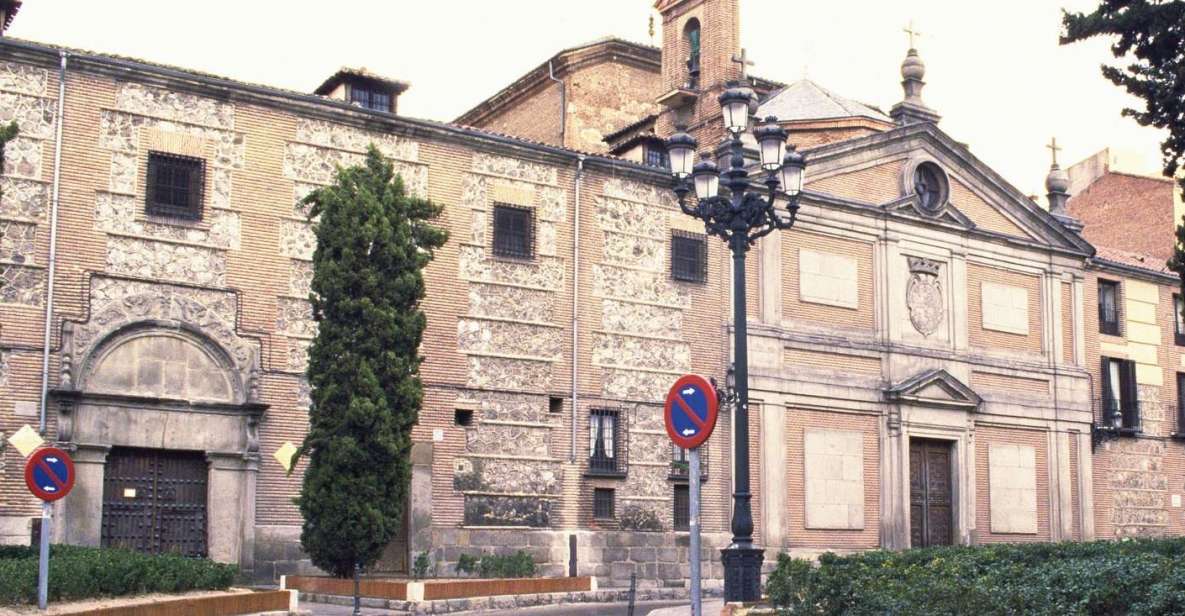
You’ll meet at Pl. de las Descalzas, 3, right in front of the monastery entrance. Look for benches and statues nearby, then find your guide with an IBE TOURS sign or umbrella. It’s straightforward, but show up a few minutes early so you’re not doing a last-second scramble while other people form their groups.
A practical tip: wear shoes you’re comfortable walking in. Monasteries tend to mean uneven stone, steps, and a few vertical moments, and this tour includes a major staircase as a key stop.
Skip-the-line entry: where the value really shows
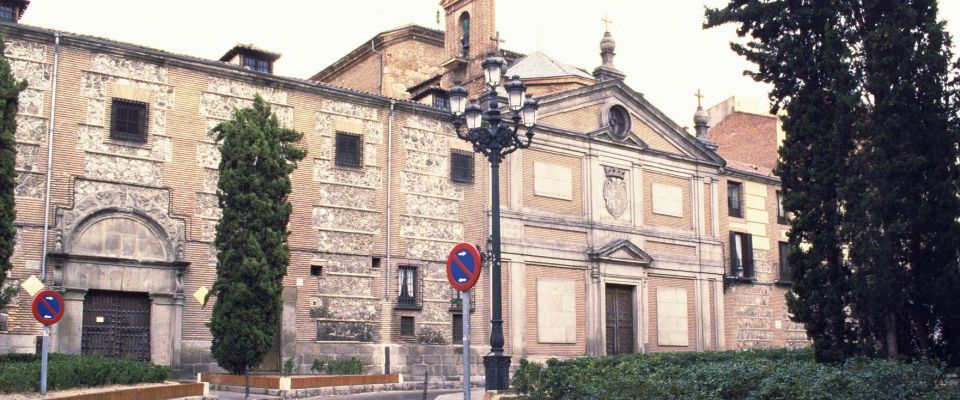
This tour includes skip-the-line tickets, which matters more than you’d think. When you’re visiting a place with a steady stream of people, waiting at the entrance can turn a short visit into a long one. Here, the ticket is already handled for you, and you’re guided inside with a plan.
The price—$28 per person—isn’t just paying for access. It’s paying for two things that improve your experience right away:
- You don’t spend your limited time stuck in a queue.
- You get a guide to connect the rooms, art, and legends, so your eyes know what to prioritize.
If your schedule is tight in Madrid, this is the kind of tour that protects your time.
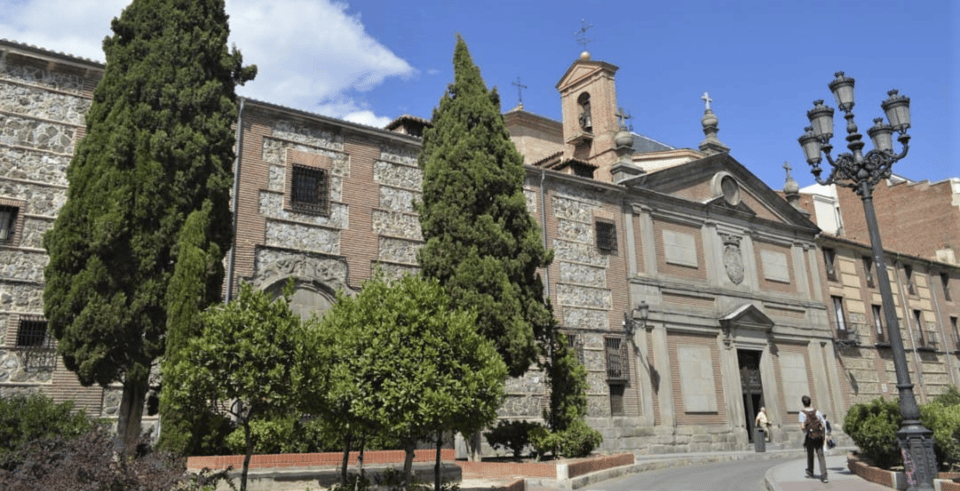
Exterior and facade first: learn to read what you see
Before you head inside, you’ll get an explanation of the building’s facade and exterior. That might sound like an optional warm-up, but it helps your brain shift from sightseeing mode to understanding mode. Monasteries are built to communicate power, faith, and identity, and the guide’s exterior context sets you up to notice details later.
Then you enter and start the real work: walking through the monastery’s key interiors, guided so you’re not just drifting from room to room.
Cloister and the Holy Burial story on Good Friday
The cloister is one of those spaces where you can feel the monastery’s rhythm. During the tour, you’ll see the cloister area, and you’ll also hear about the Procession of the Holy Burial, which takes place every year on Good Friday and passes through this cloister route.
Even if you’re not in town on Good Friday, the story gives the cloister a pulse. It stops being just pretty architecture and becomes something tied to ritual and communal meaning. You’ll likely notice how the design funnels attention back toward key paths, rooms, and the idea of enclosure.
This is also a nice mid-tour reset. After explanations and art stops, the cloister helps you breathe and take in the space as a whole, not just a collection of individual works.
The main staircase: the monument’s centerpiece
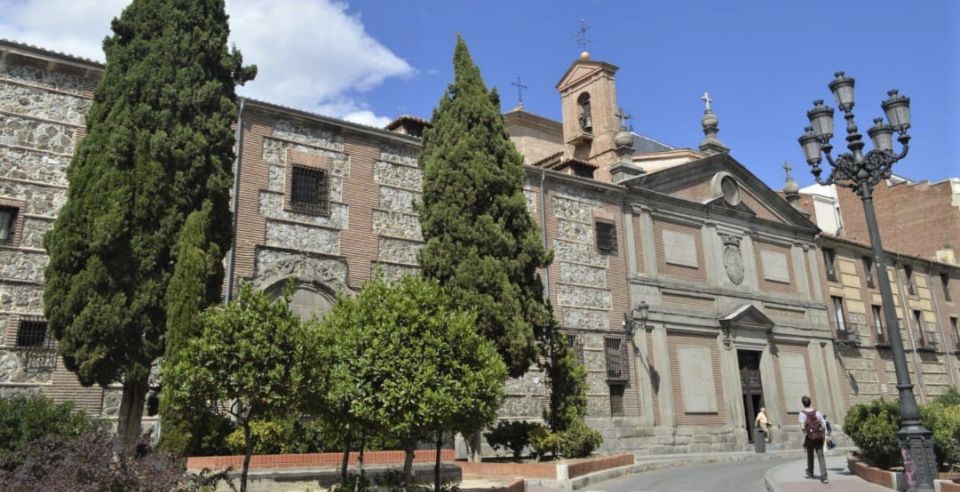
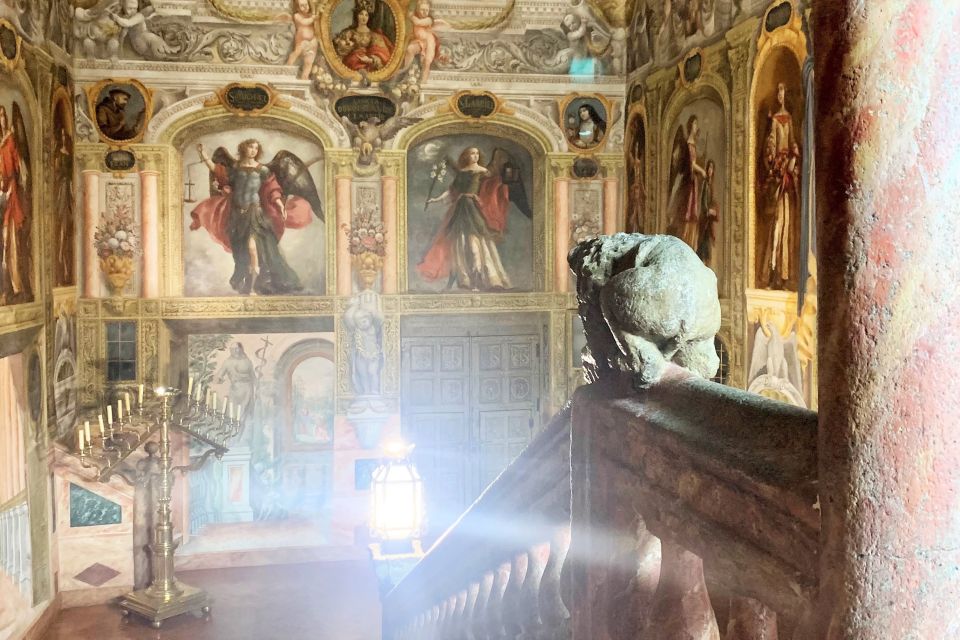
If you love the moment when a building reveals its main stage, pay attention here. The tour takes you to the main staircase, described as by many the true jewel of the monument. This is one of those spots where the guide’s timing matters—you get there while your attention is fully on the architecture and the view lines.
You’ll also get help looking upward. The guide points out mural paintings created during different periods, and you’re encouraged to focus on ceiling artwork—especially an impressive painting attributed to Claudio Coello.
Staircases can be all about movement. This one is about storytelling through art and placement. It’s the kind of stop where you’ll catch yourself slowing down, because your eyes keep going back to details you’d miss without direction.
Hall of Tapestries and the Choir Room: art you can identify
Next come rooms where the monastery shifts from architectural drama to art showcase. You’ll visit the Hall of Tapestries and the Choir Room, two spaces that help you understand how visual culture worked inside the monastery.
A key advantage of this tour is that it names what you’re seeing. You’ll learn about the value and variety of the collection, including works by painters such as Zurbarán, Antonio Moro, and Luca Giordano. That matters because otherwise, you’re left staring at beautiful things with no anchor.
You’ll also encounter decorative elements like Plateresque doors. Those are the kind of ornamental, detailed doorways that can look like background until someone points out what style they represent. Once you notice the style, the doorway becomes part of the story, not just a passage.
In short: these rooms are where you go from hearing legends to standing in front of artworks that help explain why the monastery became so famous.
Thousands of works of art, but you’ll still feel the tour
The tour highlights mention thousands of works of art inside the monastery. That’s a lot, and you can’t possibly take everything in at once. The smart part is that the guide focuses you on the key areas and major artistic moments—cloister, staircase, and the rooms where the visual impact is strongest.
So instead of trying to memorize everything, you end up with a clear mental map:
- where the monastery’s spiritual life was lived,
- where art was used to instruct and inspire,
- and what makes this building historically significant.
It’s a good match for first-timers. If you’re an art specialist, you might still want extra time afterward to return on your own, but you won’t be lost during this visit.
No photos inside: how to enjoy the tour anyway
This is important: photography isn’t allowed inside. That can disappoint people who rely on phone cameras, but it also changes the experience in a good way. You have to look with your mind, not just your screen.
Here’s how I’d handle it:
- Keep your phone put away, so you don’t get distracted mid-explanation.
- Listen for the names of painters and the points the guide emphasizes.
- After each room, take 30 seconds to quietly re-check what you saw before moving on.
You’ll leave with memory hooks, not just images. And honestly, in places like this, that’s often the better souvenir.
Weather-proof tour, but bring smart basics
The tour takes place rain or shine. Madrid weather can be moody, so bring a light layer and plan for wet ground near entrances. Since the tour moves through interior rooms, the weather mainly affects how you get there and how comfortable you are standing and walking between spaces.
Also remember: there are no public restrooms in the monument. This is a place where you should do your bathroom check before the tour begins, not halfway through.
Who this guided walking tour is best for
This tour is a strong fit if you want:
- a quick, organized introduction to Monasterio de las Descalzas Reales,
- guided explanations of legends plus major art,
- and a schedule-friendly visit that doesn’t swallow your whole day.
It’s also a good choice for people who appreciate context. The whole point here is that you don’t just walk into a beautiful building—you learn why it mattered, why certain rooms are central, and how famous artists show up inside a cloistered world.
If you hate structured tours or prefer to wander without guidance, you might find the 75-minute format a bit tight. But if you enjoy being pointed toward the right details, you’ll likely be happy with this pace.
Price and time: is $28 a good deal?
At $28 per person for a 75-minute guided visit, the value is solid if you care about two things: access and interpretation. You’re paying for guided coverage of major interior areas—cloister, staircase, Hall of Tapestries, Choir Room—plus skip-the-line entry.
The biggest reason this price tends to feel fair is that the tour isn’t just a ticket. The guide helps you connect:
- legends of wealth and power in a cloistered setting,
- architectural highlights like the staircase,
- and identifiable artworks by major painters.
If you tried to do this on your own, you could still see the rooms, but you’d spend more time figuring out what matters. Here, the time is already packaged.
One possible trade-off: because the tour is limited to 75 minutes, you’ll get the essentials, not a long, slow art marathon.
Should you book this Monasterio de las Descalzas Reales walking tour?
I’d book it if you want a focused introduction to one of Madrid’s most atmospheric art-filled monasteries, with clear guidance through the spaces that define the visit. The combination of skip-the-line entry, major rooms like the cloister and main staircase, and named artworks makes it a smart use of a tight schedule.
Skip it only if photography is a deal-breaker for you or if you strongly prefer unstructured wandering. Otherwise, this tour is the kind where you leave saying you finally understand what you were looking at.
FAQ
How long is the Monasterio de las Descalzas Reales guided walking tour?
The tour lasts 75 minutes.
Where is the meeting point for the tour?
Meet at Pl. de las Descalzas, 3, just in front of the monastery entrance door, near benches and statues.
What parts of the monastery will the tour cover?
You’ll visit key areas including the cloister, the main staircase, the Hall of Tapestries, and the Choir Room, plus you’ll hear explanations about the facade and exterior.
Is photography allowed inside the monastery?
No. Photography inside is not allowed.
Are there public restrooms inside the monument?
No. There are no public restrooms in the monument.
What languages is the live guide available in?
The live guide is offered in French, English, and Spanish.
Does the tour run in bad weather?
Yes. It takes place rain or shine.
What if plans change and I need to cancel or pay later?
You can reserve now and pay later, and you can cancel up to 24 hours in advance for a full refund.