REVIEW · IKONO MADRID
Madrid: IKONO Entry Ticket
Book on GetYourGuide →Operated by IKONO MADRID SL · Bookable on GetYourGuide
A weird, artsy stop in central Madrid. IKONO is an entry ticket to 10+ room-style scenes built for sensory play and camera-friendly fun.
I like how it pushes you to slow down and notice details like smells and textures, not just look around. I also like that it works for couples and families without feeling like a rigid museum.
One consideration: it’s designed for walking and interactive zones, so it’s not suitable for mobility impairments, and a few rooms can feel shorter or less functional depending on the visit.
In This Review
- Key things I’d plan for
- Why IKONO Madrid is a great indoor detour
- Your 1-hour flow through more than 10 sensory rooms
- The sensory design: color, smells, and textures that change the mood
- The ball pit and photo moments everyone remembers
- What the staff experience is like (and what to expect)
- Crowds, timing, and choosing the right entry slot
- Price and value: is about $17 worth it?
- Room quality can vary: basic, too short, or occasionally glitchy
- Who should book IKONO Madrid tickets?
- Should you book IKONO Madrid?
- FAQ
- How long does the IKONO Madrid entry ticket take?
- How many rooms are there at IKONO Madrid?
- Is IKONO Madrid good for families and kids?
- Can I take photos during the experience?
- What languages are available at IKONO Madrid?
- What do I need to bring?
- Where do I go to enter?
- Is there a limit on group size?
- Is IKONO Madrid accessible for mobility impairments?
Key things I’d plan for

- 10+ rooms, each one built around a different sensory moment (color, scent, textures)
- Ball pit / ball pool is the crowd magnet for kids and adults alike
- Small groups (10 max) help keep the experience from feeling chaotic
- Photo-first design, and the best shots usually take a bit of patience and space
- Some rooms may be less impressive or not fully working, so manage expectations for consistency
Why IKONO Madrid is a great indoor detour

IKONO Madrid is one of those rare city activities that feels more like a playable art installation than a conventional “see and move on” museum. You get an entry ticket and spend about an hour moving through themed rooms that aim to stimulate your senses. That makes it a strong pick when the weather is off, you want something different from the usual landmarks, or you’re traveling with people who get bored with long explanations.
The appeal is simple: you’re not just observing. You’re engaging with color, textures, and even scent. The best part is that the experience is built for photos, so you can turn the visit into memories you’ll actually want to keep.
Still, it’s not a quiet, reflective stop. It’s meant for interaction, and that means you should expect some noise and some waiting for the best photo angles, especially in busier time slots.
Your 1-hour flow through more than 10 sensory rooms

Your IKONO ticket is for about 1 hour, with scheduled entry times. Once you arrive, you present your voucher at the entrance and go in with a small group. The host or greeter is available in English and Spanish, but once you get your bearings, the experience is largely self-paced.
Here’s what that means in real terms: you’ll spend time moving room-to-room, taking photos when something catches your eye, and responding to the sensations the installation is designed to trigger. The rooms are set up like separate mini-worlds, so you won’t feel stuck in one long section.
What you can count on:
- Multiple rooms (more than 10) so you never feel like you’re waiting for the “real part”
- Sensory elements like smells and textures, which multiple visitors highlight as a standout
- A camera-friendly layout, so you can frame shots without having to rearrange your entire route
What you should not expect:
- A classic guided tour with constant narration in every room. Many people describe a brief start and then time to explore on your own.
Some visitors also mention the visit feeling fast, with the practical “experience time” running around 30–40 minutes. So even though your slot is about an hour, I’d treat it as a compact plan: great for a rainy afternoon, a quick break between sights, or a fun pre-dinner activity.
The sensory design: color, smells, and textures that change the mood
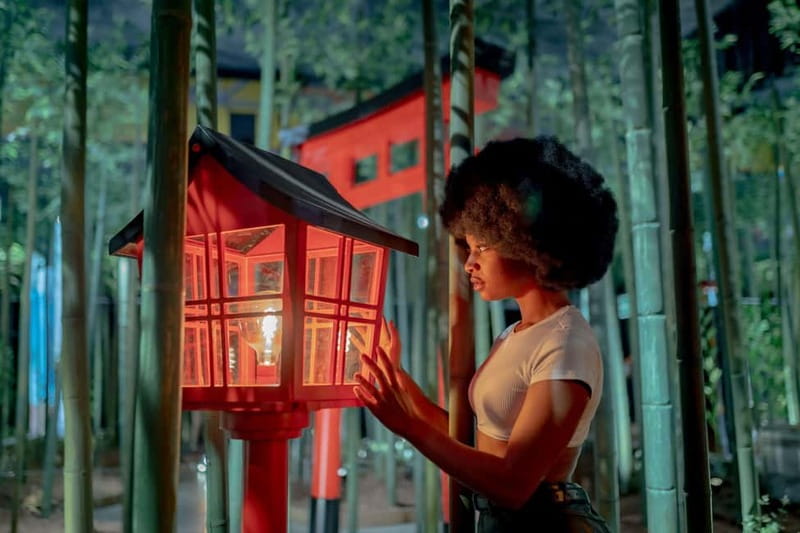
IKONO’s core idea is that art can work through your senses, not just your eyes. People consistently point to smells in each room as part of the magic, not an afterthought. If you’re the type who notices how places make you feel, you’ll probably enjoy the way each room shifts the atmosphere.
Textures are another big theme. Some rooms are playful and physical in a way that makes you want to step in, look closely, and experiment with your camera angle. The point is not to “perform,” but to let your curiosity lead.
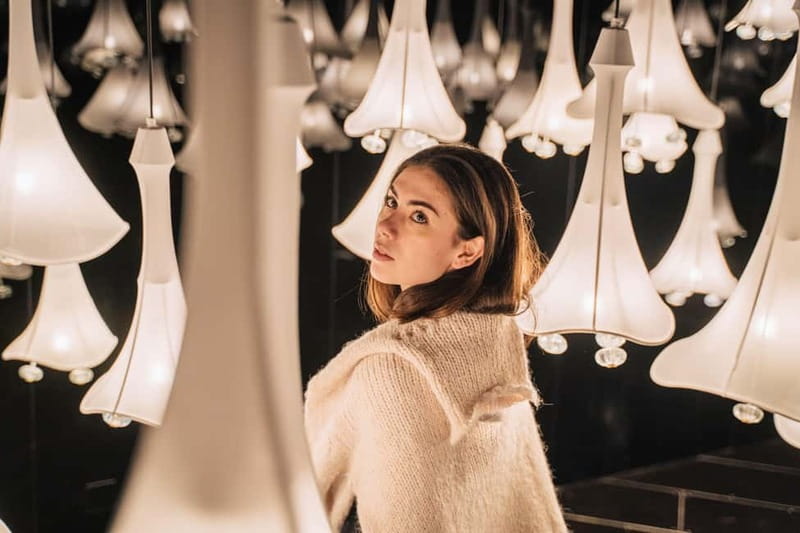
A practical note: in rooms with darker lighting (and in general), it helps to give your eyes a minute to adjust before you start snapping photos. If you rush, you might miss the details that make the rooms special.
The ball pit and photo moments everyone remembers

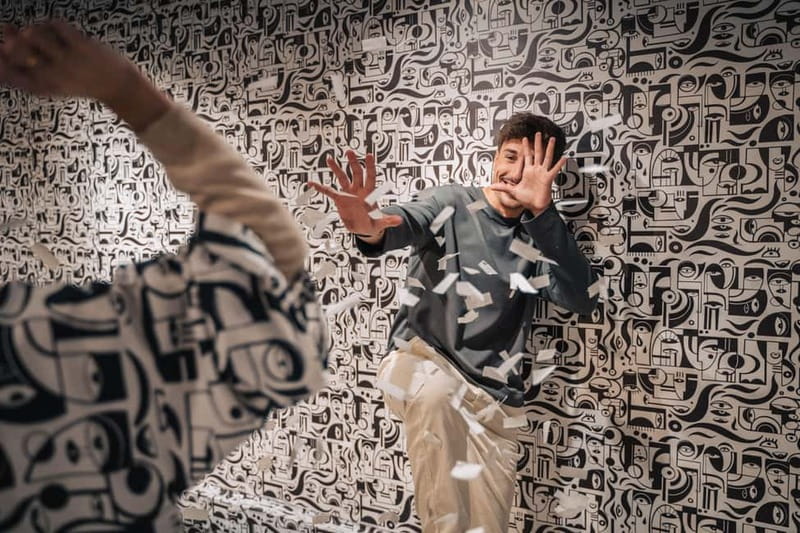
If you ask me what to plan around, it’s the big interactive photo zone: the ball pit / ball pool. Even people who came for a quick stop end up talking about this part, because it’s the clearest “stand here, play a bit, and get the shot” moment in the whole space.
A couple of travel-style tips for getting good photos here:
- Go when you have room. In busier slots, the best pictures often happen when you’re not trying to shoot over someone else’s shoulder.
- If you’re traveling with a friend, take turns. One person can frame and shoot while the other focuses on the interaction. This is a real cheat code for better photos.
- If you’re solo, consider that one visitor wished there was phone placement equipment. You may need to rely on your own timing, someone else passing by, or asking staff for a quick hand if they can help.
The good news is that people describe enough photo opportunities without constant interference, especially in less crowded time slots. One visitor even notes plenty of chances to take photos during a Friday afternoon slot.
What the staff experience is like (and what to expect)
Most experiences here sound friendly. Visitors highlight welcoming, helpful staff, and one person notes they could check in items for free and that the space stays warm. That kind of small comfort matters when you’re moving through sensory rooms.
That said, you should be aware that service quality can vary. One review mentions rude staff, so don’t assume every interaction will be sunshine. If you hit a rough moment, it’s still worth remembering the installation is the main show.
Also: there’s usually a greeter-host at the entrance/initial stage, but the experience itself is not described as heavily guided room-by-room. If you want lots of storytelling, this may not be your best fit.
Crowds, timing, and choosing the right entry slot

IKONO is popular, and it’s located in Madrid, so timing matters. Several reviews mention it being not too crowded at certain times (like a Friday afternoon slot), while others say it can be packed during school holidays, with many families and kids.
So here’s my practical advice:
- If you want calmer photo time, aim for a slot that’s likely less school-driven.
- If you don’t mind energy and noise, you can go during busier family periods and still have fun. The ball pit especially is built for that vibe.
Even in crowded moments, the small-group structure helps. The experience is limited to 10 participants, which generally reduces the “line crush” feeling you get at larger attractions.
Price and value: is about $17 worth it?
At about $17 per person for a roughly 1-hour entry ticket, IKONO Madrid is priced like a “try it and smile” activity. It’s not cheap in the sense of being a freebie, but it is cheap compared with many paid museums or special exhibitions.
Where the value comes from:
- The time is short and structured, so you’re not losing half a day.
- The rooms are designed for photos, which means the ticket can pay you back in memories.
- The sensory elements (smells, textures) and the interactive ball pit are the kinds of experiences you don’t get from a standard walking route.
Where you might question the price:
- If you find the later rooms less interesting, the experience can feel like it starts strong and then gets a bit plain. A couple of people mention rooms feeling basic after an exciting start.
- If you’re comparing to a longer attraction, the duration may feel brief.
My take: it’s a good value if your priority is fun, photos, and sensory play, not depth or art-historical context.
Room quality can vary: basic, too short, or occasionally glitchy

Balanced expectations are smart here. While the overall rating is strong, reviews include some negatives that could affect your experience.
Common issues to keep in mind:
- Some people say the rooms can feel short or basic after the first excitement.
- A few mention rooms not functioning properly.
- One person notes a level was under reservation, meaning not everything may be available.
Also, if you care about online connectivity: one family wished there were WiFi and said it was unreliable in darker rooms. That’s a small point, but if you’re trying to upload right away, plan to save your posting for after.
None of these issues were universal. The majority of feedback is positive, but it’s still fair to go in expecting a playful installation that might not be perfectly consistent every day.
Who should book IKONO Madrid tickets?

IKONO tends to fit best when you want an indoor activity that doesn’t require patience or deep context. It’s a great pick for:
- Families with kids, since the ball pit is a major hit
- Couples who want a fun photo stop that feels different from the city’s classic sights
- Teenagers and young adults who like interactive, aesthetic spaces
It’s less ideal if:
- You need step-by-step guidance throughout the experience
- You want a calm, quiet museum atmosphere
- You have mobility limitations, since the activity is not suitable for people with mobility impairments
Should you book IKONO Madrid?
Yes, I’d book it if you want a compact, indoor, sensory-and-photo experience in central Madrid. The price is reasonable for what you get, and the most praised elements are exactly what you’d hope for: sensory rooms with smells, plus a standout ball pit that reliably brings the fun.
I’d skip it (or at least think twice) if you’re the kind of traveler who expects perfectly uniform rooms, lots of deep explanation, or a strictly smooth, glitch-free setup every time. This is play-focused, and part of the charm is that it’s experimental.
If you go, bring your best camera energy, wear comfortable shoes for moving between rooms, and pick an entry slot that matches your crowd tolerance. That’s how you turn a quick ticket into a very memorable Madrid detour.
FAQ
How long does the IKONO Madrid entry ticket take?
The activity is listed as lasting about 1 hour. Some visitors report taking around 30–40 minutes, depending on how long you spend on photos and each room.
How many rooms are there at IKONO Madrid?
You can expect more than 10 rooms. People mention around 8 rooms in some cases, so the total number may feel shorter depending on what’s available during your visit.
Is IKONO Madrid good for families and kids?
Yes. Many reviews highlight how much kids enjoy the interactive areas, especially the ball pit/ball pool, and it’s described as fun for a wide range of ages.
Can I take photos during the experience?
Yes. The experience is designed for special photos, and visitors say you can spend time taking pictures without strict limits once inside your time slot.
What languages are available at IKONO Madrid?
The host or greeter is available in English and Spanish.
What do I need to bring?
Bring a passport or ID card.
Where do I go to enter?
Present your voucher at the entrance of IKONO Madrid.
Is there a limit on group size?
Yes. The group is limited to 10 participants, which helps keep things from feeling too crowded.
Is IKONO Madrid accessible for mobility impairments?
No. The experience is listed as not suitable for people with mobility impairments.