REVIEW · MALAGA
Málaga: 2h Walking Historical Tour–Art, Culture and Legends
Book on GetYourGuide →Operated by Tour and Guide Spain · Bookable on GetYourGuide
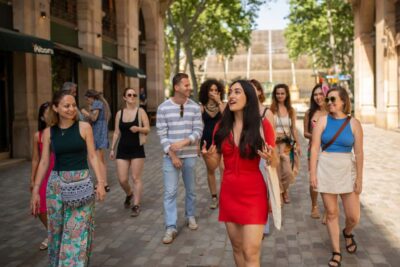
Malaga feels different when someone reads its stones. This historical walking tour with art historian Igor Francisco Martínez turns the main sights into stories you can actually remember, from the Catedral de la Encarnación to the old-town streets and Picasso links.
I also love the food angle: you get a practical tasting of local products plus time at Mercado de Atarazanas, so the tour finishes with real flavor, not just photos. One thing to plan for: even though the duration is listed as 1.5 hours, the walking pace can stretch a bit depending on questions, shade stops, and how long you spend at each landmark.
In This Review
- Key moments worth putting on your radar
- Start Where the City Shows Its First Chapter: Plaza de la Aduana
- Puerta Oscura Garden: Where Malaka’s Founding Story Starts
- Roman Theatre: See the City’s Oldest Visible Stage
- Plaza de la Merced: Picasso, the Torrijos Obelisk, and a Local Beat
- Calle Granada Walk: 1487 and the Names on the Walls
- The Church of Santiago: A Small Stop with a Big Human Story
- Málaga Cathedral, La Manquita: Why It Looks Like That
- Constitution Square to Plaza de las Flores: The Social Centers
- Candied Almonds, Nougat, and the Smart Case for Food Breaks
- Mercado Central de Atarazanas: The Former Shipyard You Can Smell
- The Final Surprise Stop: A Local Toast to End It Right
- Pacing That Works: How to Get the Most from 1.5 Hours
- Price and Value: Why $26 Can Make Sense Here
- Who Should Book This Walking Tour
- Should you book this Málaga tour or DIY it?
- FAQ
- Where is the meeting point?
- How long is the tour?
- What’s included in the price?
- Is transportation or a full meal included?
- What languages does the guide speak?
- Is the tour wheelchair accessible?
- What should I bring?
- Can I cancel and keep my money back?
Key moments worth putting on your radar
- Puerta Oscura Garden origin story: Phoenicians choose the spot where Malaka begins, with the “what lies beneath” detail that makes the place feel alive.
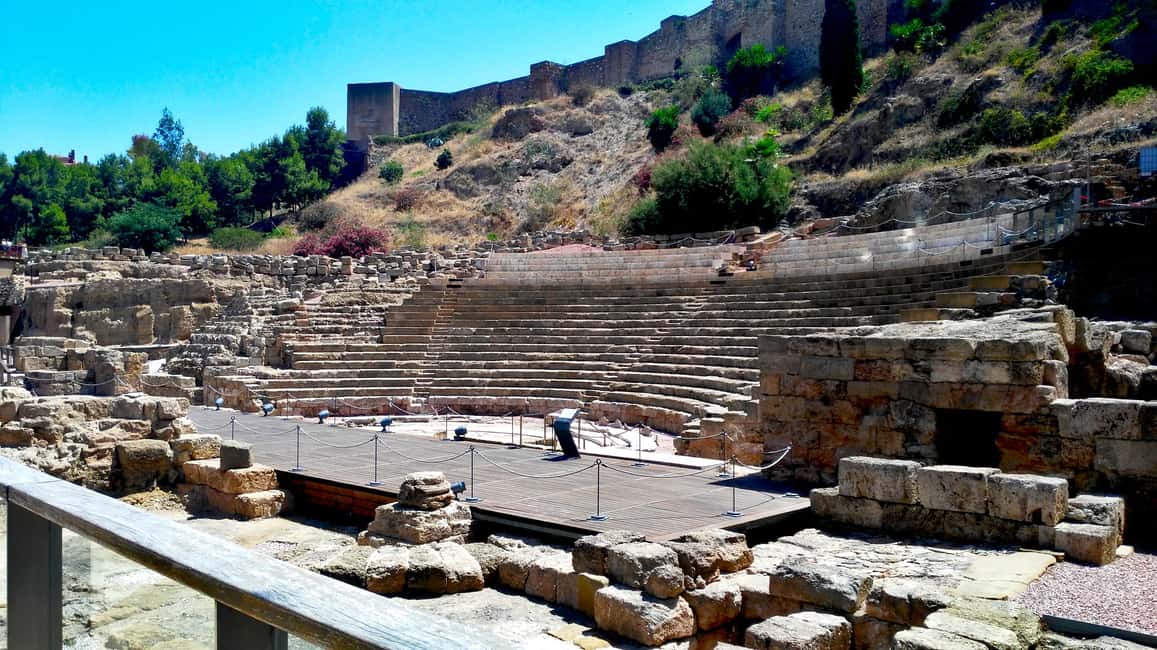
- Roman Theatre, the oldest visible structure: You learn what Romans did there and why it stayed hidden for so long.
- Picasso trail that goes beyond photos: Picasso’s birthplace, plus the Church of Santiago where he was baptized.
- La Manquita (the one-armed cathedral): the mystery of why it was never finished, plus legends that guide what to notice.
- Calle Granada and 1487: the route linked to the Catholic Monarchs’ victorious march.
- Atarazanas Market and the end surprise: aromas, colors, and a final stop to sample local food and drinks.
Start Where the City Shows Its First Chapter: Plaza de la Aduana
Your tour begins at Plaza de la Aduana, next to a white tourist information kiosk by the Alcazaba area. It’s an easy starting point to orient yourself because you’re close to the historic spine of Málaga, and the guide can set the tone fast.
Igor Francisco Martínez leads in English, French, or Spanish, and he’s clearly used to helping visitors get their bearings without drowning you in dates. You’ll want comfortable shoes right away, because you’ll be walking from one key landmark to the next in a tight, efficient loop.
You can also read our reviews of more walking tours in Malaga
Puerta Oscura Garden: Where Malaka’s Founding Story Starts
The first big “wait, how did I not notice that?” moment is Puerta Oscura Garden. What looks peaceful now had a different role centuries ago, when Phoenicians selected this area around the 6th century BC to found ancient Malaka.
What makes this stop work is the way it changes your mindset. Instead of viewing Málaga as a standard Mediterranean stop, you start connecting location to origin, and suddenly the old center feels like a timeline you’re walking through, not a set of separate attractions.
Roman Theatre: See the City’s Oldest Visible Stage
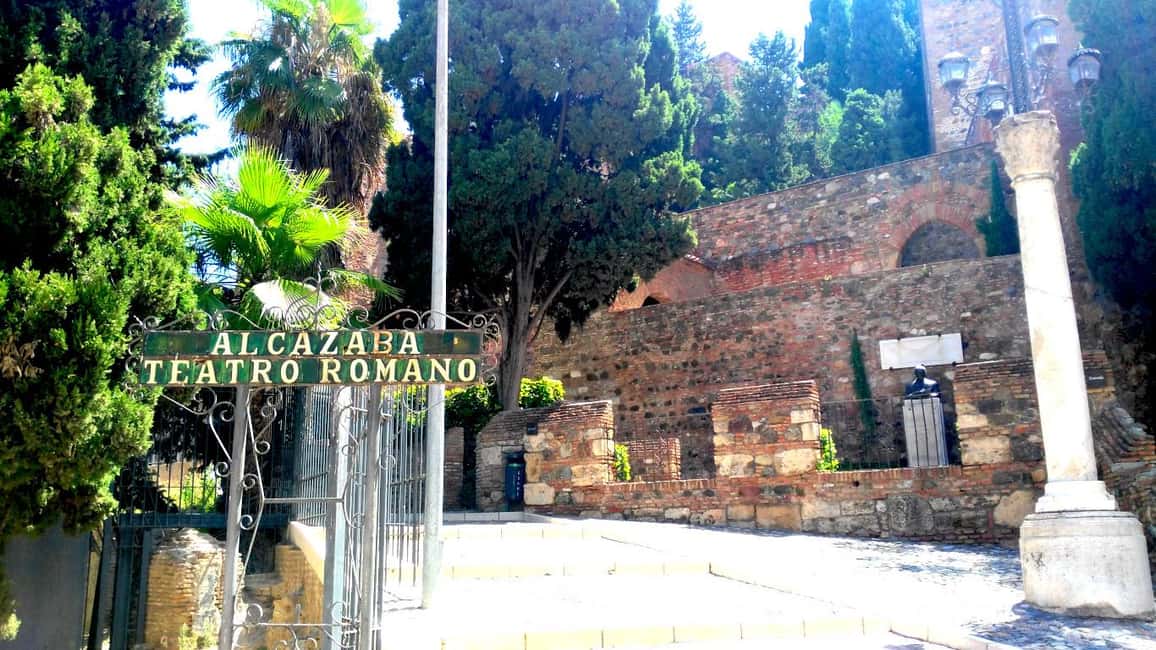
Next comes the Roman Theatre, described as the oldest structure you can still see in Málaga’s city center. Igor helps you look at it like a working entertainment space, not a ruined backdrop—so you can picture what Romans watched from the stands.
You also get the “why it was hidden” context, which matters because it explains why this site stayed out of the usual tourist spotlight for so long. This stop is a smart use of your time because it gives you a clear Roman anchor before the tour shifts into medieval and Renaissance stories.
Plaza de la Merced: Picasso, the Torrijos Obelisk, and a Local Beat
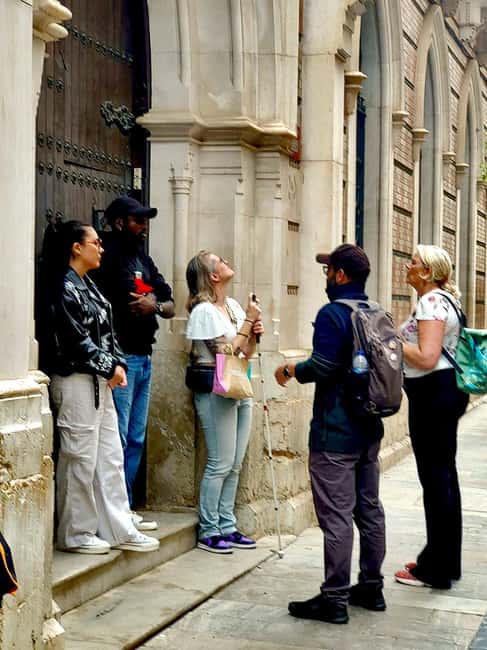
From the Roman layer, you’ll move toward Plaza de la Merced, a classic landmark that works as a social and historical crossroads. Here, you’ll hear about the large obelisk dedicated to General Torrijos, including what it represents and why it’s tied to Málaga’s public memory.
Then the Picasso connection kicks in. You visit Picasso’s birthplace area as part of the walk, and the guide helps you understand why this matters culturally—Málaga didn’t just have famous artists, it actively shaped their stories and neighborhoods.
Calle Granada Walk: 1487 and the Names on the Walls
Calle Granada is where the tour starts to feel like street history. You follow the path tied to the Catholic Monarchs’ victorious march in 1487, and you see how power and politics leave traces in the urban fabric.
Along the way, you pass notable landmarks that turn the walk into a “do I want to stop here later?” checklist. You’ll get points of interest that include the Church of Santiago (one of Málaga’s oldest churches) and references tied to Picasso—because this guide connects the art to the actual religious and civic spaces of the city.
You’ll also hear about places connected to wine and museums in the area, including the well-known El Pimpi Winery and the Picasso Museum. Even if you don’t go inside right then, the walk gives you enough context to choose wisely later.
You can also read our reviews of more historical tours in Malaga

The Church of Santiago: A Small Stop with a Big Human Story
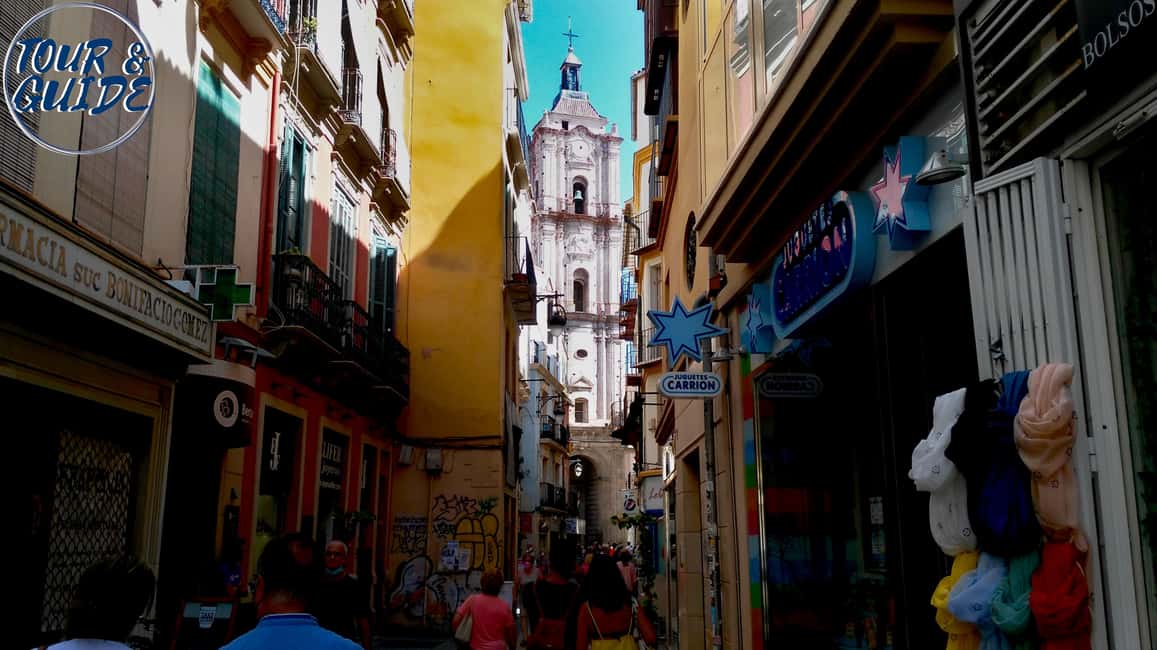
One highlight here is the Church of Santiago, and the key reason it lands: it’s where Picasso was baptized. That personal detail matters because it makes a famous name feel anchored in everyday local life, not just museum labels.
Don’t rush this stop. If you take a moment to look at the church façade and nearby streetscape, the guide’s explanations will click more easily. It’s one of those places where you can spend 10 minutes and feel like you learned something real about how Málaga works.
Málaga Cathedral, La Manquita: Why It Looks Like That
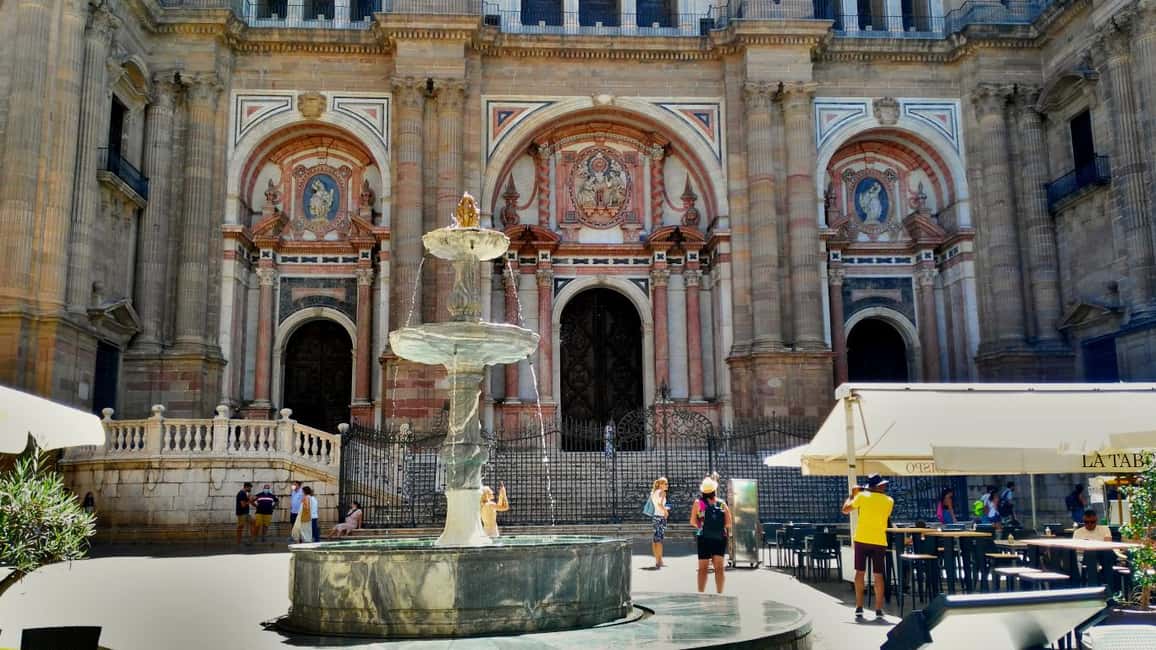
Now you reach the Catedral de la Encarnación, often nicknamed La Manquita—the one-armed lady. The name alone pulls you in, but Igor focuses on why the cathedral was never finished and what legends surround that unfinished look.
This is also where the tour proves it’s not just sightseeing. You learn which details people often overlook, and you’ll walk away with a mental checklist for your own future visit—what to look for, what to question, and what fits the legend versus what’s purely architectural.
Constitution Square to Plaza de las Flores: The Social Centers
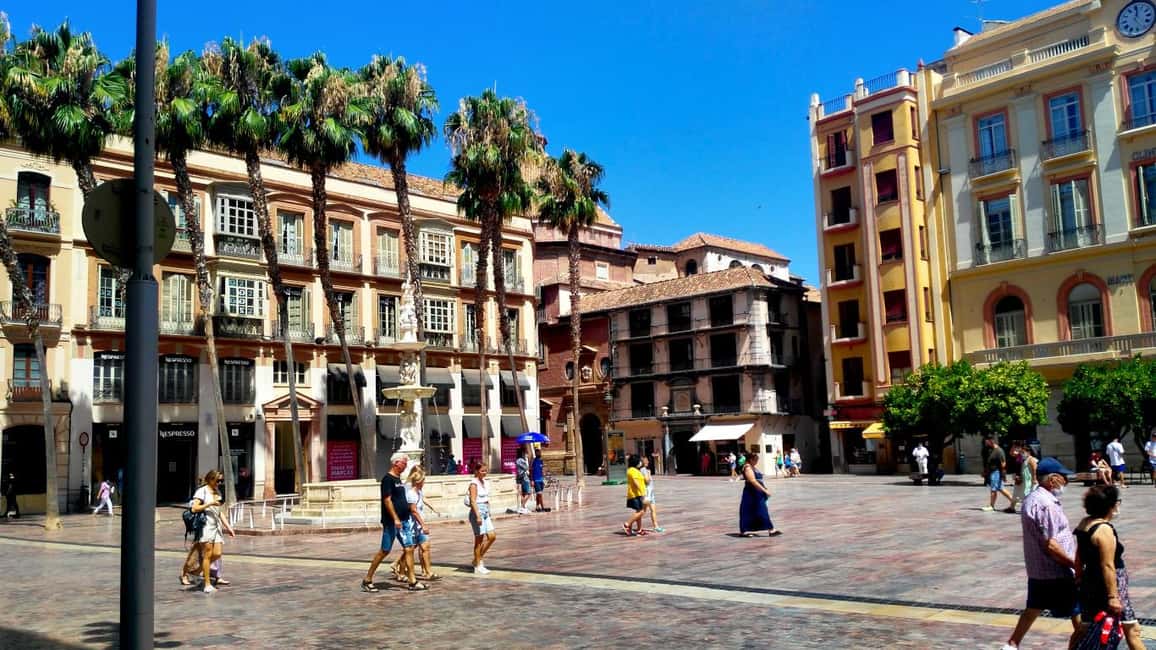
After the cathedral, the walk continues through the old town’s key gathering spaces. Plaza de la Constitución is described as the social heart of Málaga, and it feels that way because it’s where the city’s day-to-day rhythm makes sense after a tour of monuments.
You’ll also pass Plaza de las Flores, known for its charm and color, plus the Church of San Juan, where popular devotion plays a big role. These stops may not be as famous as the cathedral, but they’re exactly the kind of local “glue” that helps you understand a city beyond ticketed attractions.
Candied Almonds, Nougat, and the Smart Case for Food Breaks
Because Málaga is also a food city, you’ll stop for a tasting of local products like candied almonds and artisanal nougat. This is included as a practical reset, not just an extra snack.
It matters because it keeps you from running out of energy halfway through the walk—especially in sunny weather. You’re still on a timeline, but the tasting turns the pacing from exhausting to manageable.
If you like the idea of learning through senses, this is the kind of add-on you’ll appreciate. You leave with at least a few flavors to look for again later.
Mercado Central de Atarazanas: The Former Shipyard You Can Smell
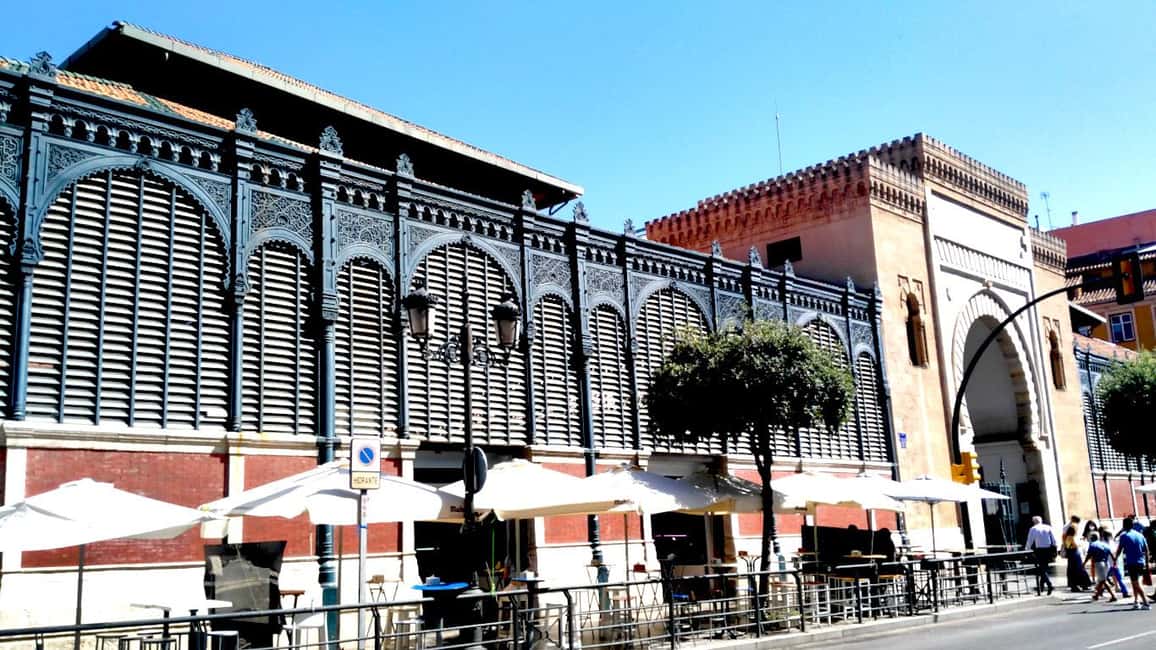
The tour’s food climax is Atarazanas Market, the former shipyard transformed into Málaga’s most authentic market. You’ll get time to experience the aromas and colors for yourself, which is one of the easiest ways to understand how locals shop and eat.
This stop is strong value because it gives you more than a quick photo moment. You see the market as a living place, and the guide helps you interpret what you’re looking at so it feels less like chaos and more like order.
The Final Surprise Stop: A Local Toast to End It Right
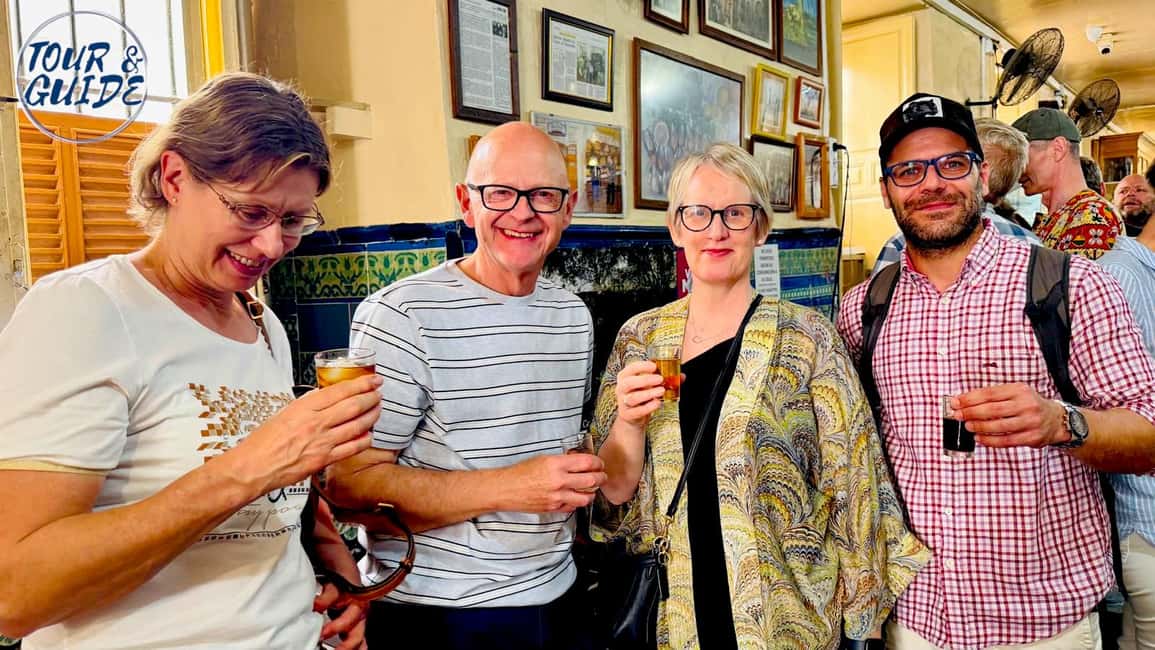
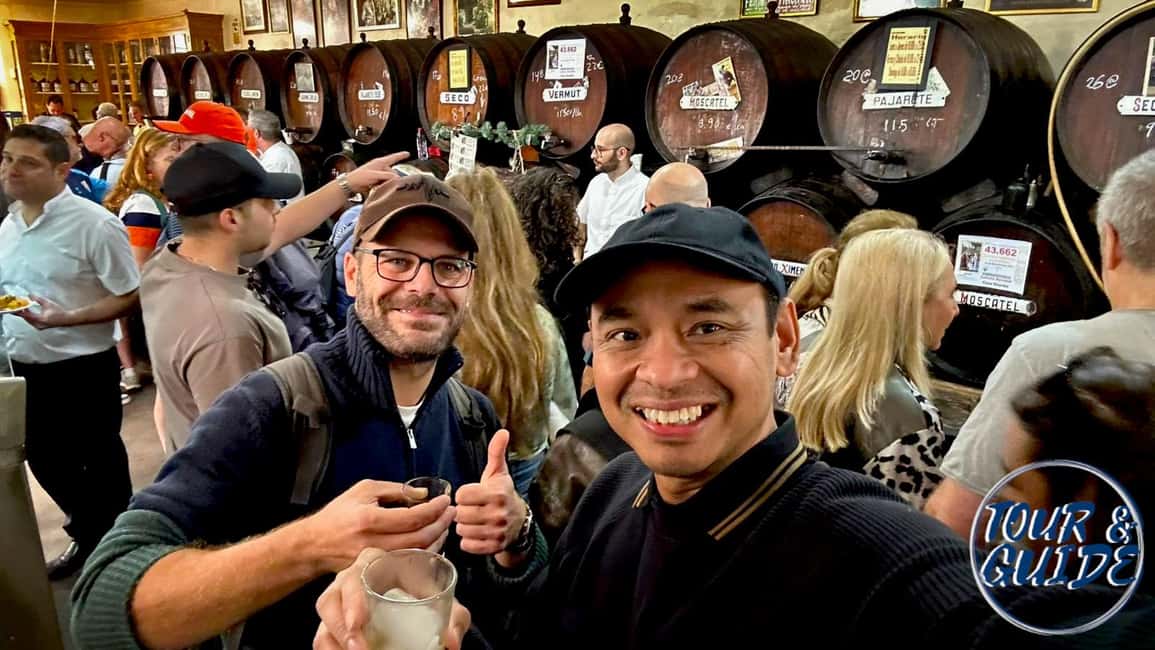
To wrap up, the guide takes you to an emblematic spot where you can sample local food and drinks. This is the perfect closing move because you finish the day’s walking with something you can actually savor.
Then you’re dropped off at designated areas in central Málaga (including Alameda Principal and the Distrito Centro area). That matters because you’re not stuck far away from where you’ll likely want dinner or a final stroll.
Pacing That Works: How to Get the Most from 1.5 Hours
The listed duration is 1.5 hours, and the walking route is intentionally compact. Still, your real experience depends on how much time you spend asking questions and how often you pause for shade and close-up details.
This is why a good guide is everything. Igor’s style—history plus humor plus pointing out the small stuff—keeps the walk from feeling like a lecture. People also seem to enjoy how he gives local recommendations at the end, so the tour becomes a launchpad for the rest of your stay.
A practical tip: plan to arrive a few minutes early. The meeting point is specific—next to the white tourist information kiosk in Plaza de la Aduana—and your guide will contact you shortly beforehand by WhatsApp or phone.
Price and Value: Why $26 Can Make Sense Here
At around $26 per person for roughly 1.5 hours, this tour is priced for serious access, not just general orientation. You’re paying for a local art historian who connects multiple big landmarks—Roman Theatre, cathedral, Picasso stops—with explanations that help you read the city.
The best part for your money is the mix. You get major sights (not just one), plus included tastings, plus the Atarazanas Market experience, which usually costs time and effort to do well on your own. If you were trying to piece this together alone, you’d spend more time researching and less time absorbing.
It also helps that the guide speaks multiple languages (English, French, Spanish). That increases the odds you’ll get details clearly and not through guesswork.
Who Should Book This Walking Tour
This tour fits you if you want an organized introduction to Málaga’s historic center without turning it into a checklist sprint. It’s especially good if you care about art and architecture, because Igor connects the monuments to the stories that shaped them.
It’s also a good choice if you like practical travel: shoes, shade, snacks, and clear recommendations for what to do next. If you want a simple way to get your bearings fast, this walk does that while still feeling like more than a quick highlights loop.
And if you’re traveling with mobility needs, the tour is listed as wheelchair accessible. You’ll still want to use common sense about comfort and walking distance, but the option is there.
Should you book this Málaga tour or DIY it?
Book it if you want the city to make sense quickly. The combination of Roman Theatre, La Manquita, Picasso sites, and market time is hard to replicate on your own in 1.5 hours with the same level of interpretation.
DIY can work if you already know what you want to see and you don’t care about legends and context. But if you’d rather arrive, walk, and have someone point out what you’d otherwise miss, this is a strong bet.
FAQ
Where is the meeting point?
Meet next to the white tourist information kiosk in Plaza de la Aduana, Málaga, near the Alcazaba area.
How long is the tour?
The tour duration is listed as 1.5 hours.
What’s included in the price?
Included are the guided walking tour of Málaga’s historic center, exploration of the Roman Theatre and the Alcazaba fortress, a visit to the Catedral de la Encarnación, traditional tastings, the central market of Atarazanas, and a surprise stop at the end.
Is transportation or a full meal included?
Transportation to/from the meeting point isn’t included, and food is not included. Additional drinks are also not included.
What languages does the guide speak?
The live guide offers French, English, and Spanish.
Is the tour wheelchair accessible?
Yes, the tour is listed as wheelchair accessible.
What should I bring?
Bring comfortable shoes, a sun hat, sunscreen, and water.
Can I cancel and keep my money back?
Free cancellation is available up to 24 hours in advance for a full refund. You can also reserve now and pay later.