REVIEW · MALAGA
Málaga: Spanish Cooking Workshop with Paella and Sangria
Book on GetYourGuide →Operated by Lebasi Taller de Cocina · Bookable on GetYourGuide
A paella class with a local edge. This Málaga workshop turns you into an active cook in a modern kitchen, with Laura and Diego walking you through classic paella technique and Andalusian flavors you’ll actually taste and remember.
I like that it’s easy to reach from the historic center (you’re about 5 minutes from the Atarazanas market), and that the chefs teach with real context—ingredients, history, and what locals look for when the food matters.
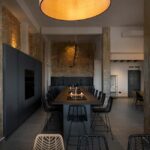
One thing to consider: you’ll be hands-on for the full 3 hours, so if you hate standing at a work station, plan for that. The upside is the setup includes comfortable high stools with backs, and the class pace stays friendly rather than frantic.
In This Review
- Key things to know before you cook in Málaga
- Why a Málaga cooking workshop beats doing it on your own
- Meet Laura and Diego: two routes to Andalusian cooking
- What you cook in 3 hours: ajoblanco, paella, remojón, and dessert
- The paella lesson: what you should watch for
- Sangria in the classroom: not just a drink, a lesson
- The logistics that actually matter: pacing, group size, and comfort
- Location near Atarazanas: how to fit it into your Málaga day
- Dietary needs and adjustments: what you can (and can’t) count on
- Price and value: is $78 fair for a Málaga cooking workshop?
- Who this workshop is best for
- Should you book this Málaga paella and sangria class?
- FAQ
- How much does the Málaga cooking workshop cost?
- How long is the class?
- What dishes are included in the class?
- Is sangria included?
- Are vegetarian or vegan options available?
- What language is the workshop taught in?
- Is the workshop wheelchair accessible?
- Can I cancel for a full refund?
Key things to know before you cook in Málaga
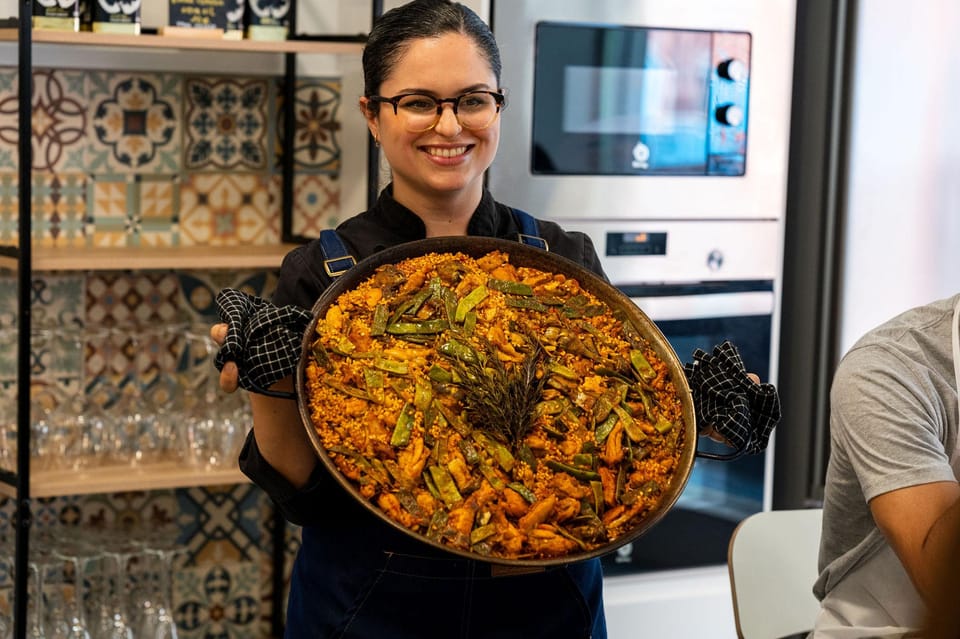
- Central location, quick arrival: roughly 5 minutes from Atarazanas, so you won’t lose your whole day to transit.
- Two chef styles at once: Laura (Le Cordon Bleu London, paella-focused training) + Diego (Málaga-raised, Andalusian specialties and desserts).
- Real hands-on cooking: you’re not just watching; you’re prepping and making multiple dishes.
- Paella gets the technique talk: expect practical guidance for getting the rice right, not vague “add this and hope.”
- Sangria is part of the lesson: you’ll learn how Spaniards make it, not just drink it.
- You leave with take-home tools: recipes are sent after, plus the chefs share where to buy ingredients and what to order next.
Why a Málaga cooking workshop beats doing it on your own
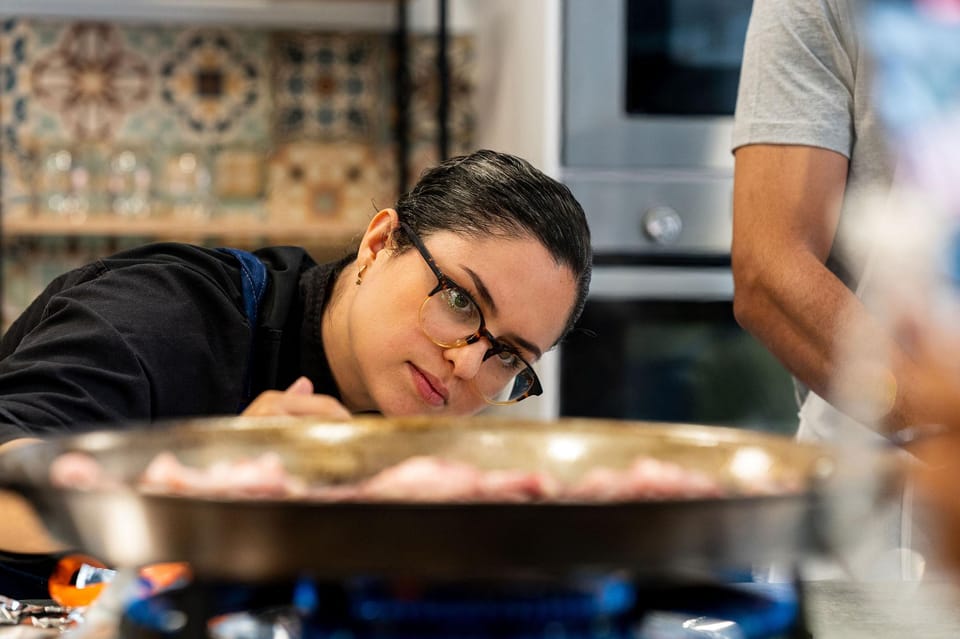
Málaga has food everywhere. But “everywhere” can turn into a guessing game when you’re trying to make paella at home later. This class fixes that by giving you a step-by-step method, plus a sense of why each ingredient matters.
I like the structure because it doesn’t feel like a demo. You cook, you ask questions, and you sit down to eat what you made. That matters in a place like Andalusia, where the best meals are about timing, textures, and small choices.
Also, you’re learning in the historic center area, so the rest of your day still feels like Málaga—not a detour to the edge of town. Even one rainy afternoon becomes a solid plan once you’re indoors in a modern, comfortable kitchen.
You can also read our reviews of more cooking classes in Malaga

Meet Laura and Diego: two routes to Andalusian cooking
This workshop runs through two main chefs, and it’s a clever mix.
Laura trained at Le Cordon Bleu in London and worked in Michelin-starred restaurants. Her angle is disciplined technique and ingredient reasoning—plus paella education shaped by a Valencian chef who specializes in paellas. In practice, that means you’re less likely to end up with watery rice or a pan that never quite locks into the right consistency.
Diego brings a different energy. He’s from Uruguay, raised and trained in Málaga, and his food story starts young. His focus is Málaga-style and Andalusian cuisine, with extra strength in desserts and a storytelling style that makes the dishes feel tied to place, not just recipes.
In the best sessions, both chefs do what you want a cooking class to do: explain clearly, keep things playful, and answer questions without rushing you. Reviews also highlight that one-on-one help can happen when you need it, which is huge if you’re cooking with confidence but not speed.
What you cook in 3 hours: ajoblanco, paella, remojón, and dessert
The menu is built around a simple idea: start with a cold, creamy Andalusian dish, move to the iconic rice centerpiece, then finish with a Málaga salad and something sweet.
Here’s what to expect you’ll make:
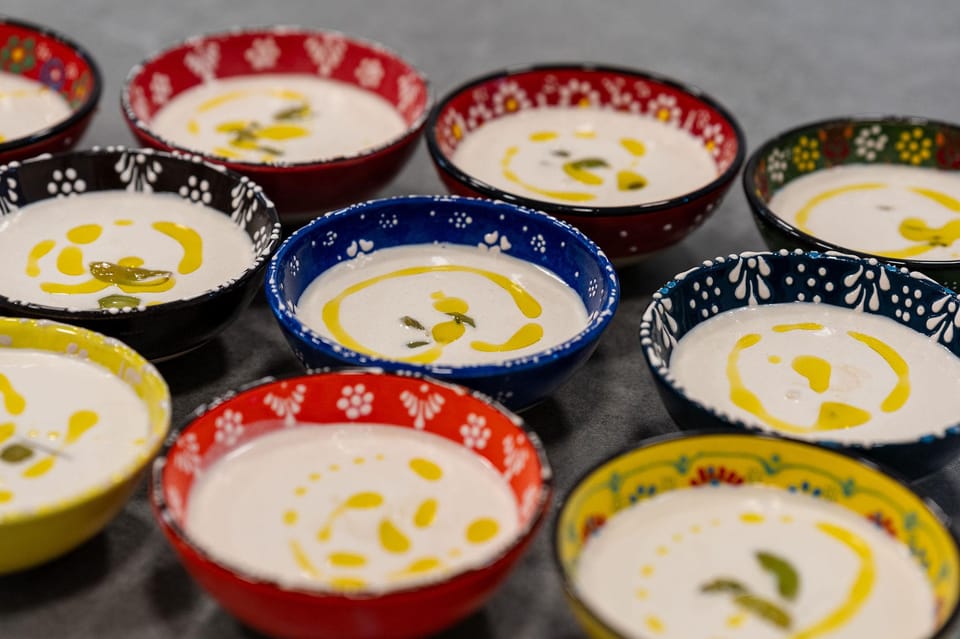
- Ajoblanco: a chilled, almond-based soup. This one is a great warm-up because it teaches flavor balance early—salt, garlic, and the creaminess that comes from almonds. It’s also a reminder that Andalusia isn’t only about hot stews and grills.
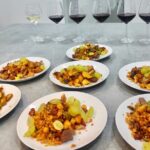
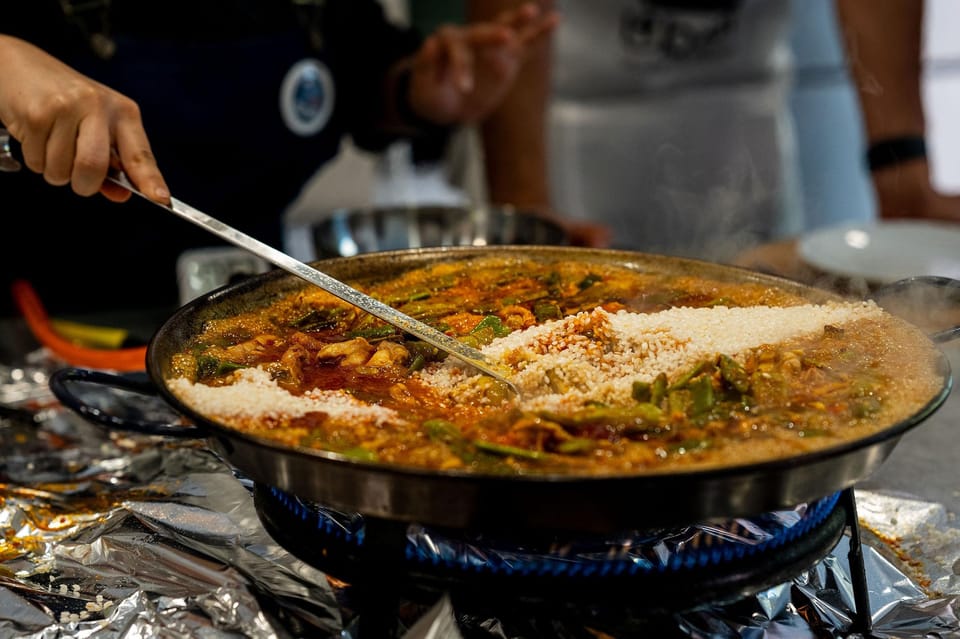
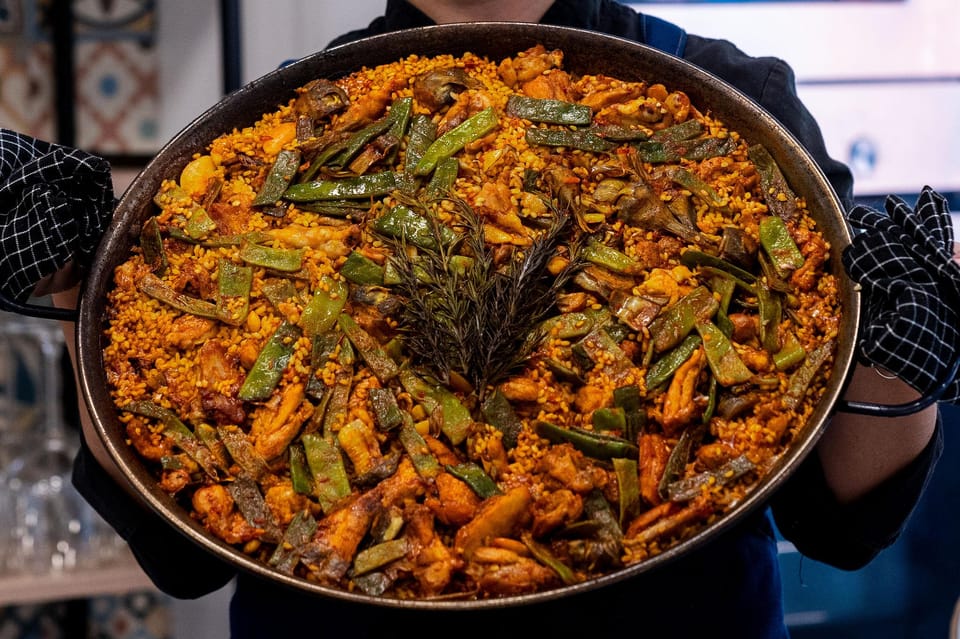
- Paella: the main event. You’ll learn the traditional technique behind it, with tips specifically aimed at helping you get the rice right. This is the part most people book for, and the chef teaching style matters here more than any fancy equipment.
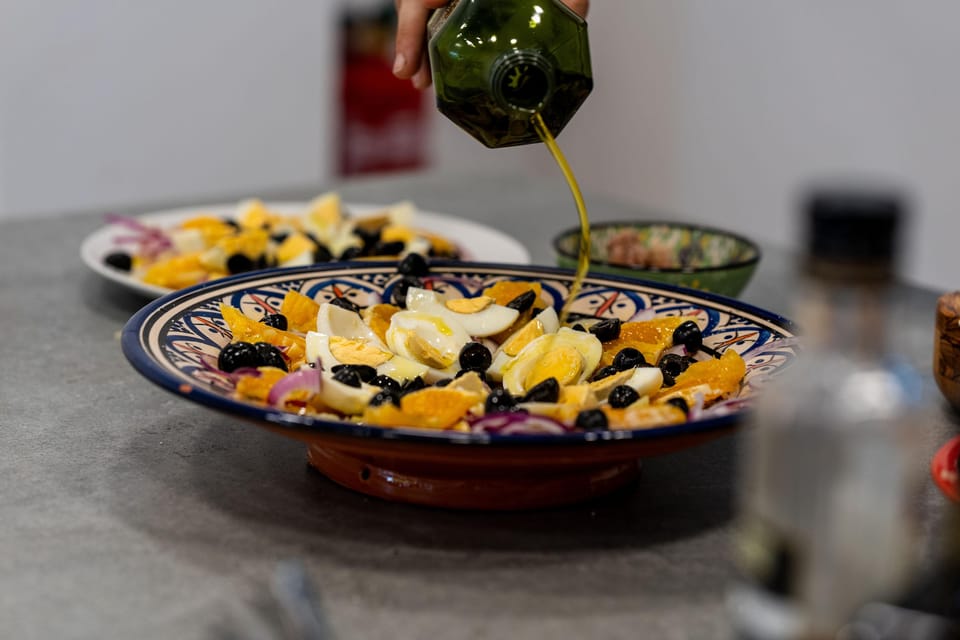
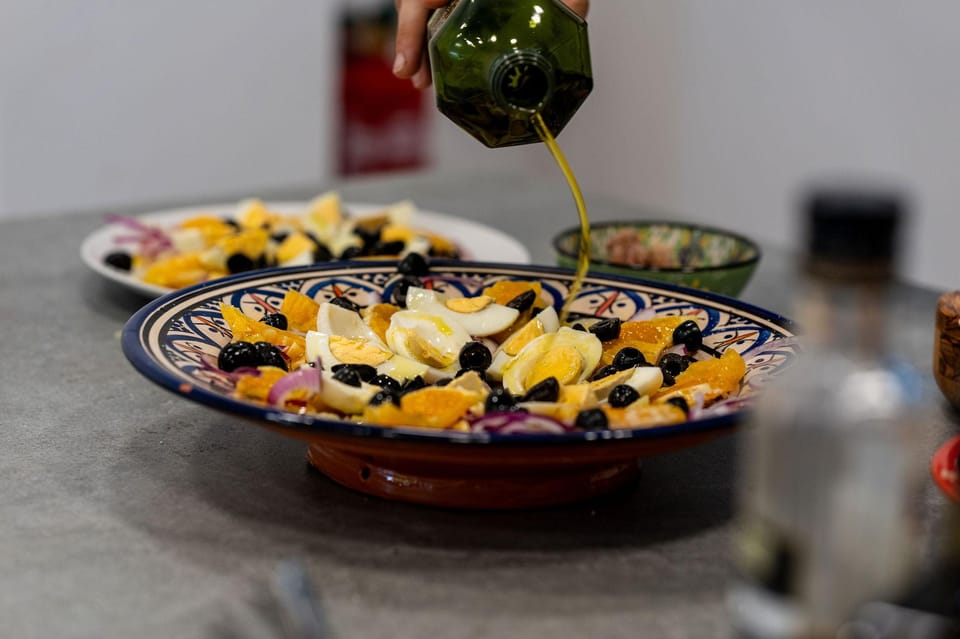
- Remojón malagueño: a typical Málaga salad. It adds texture and brightness, and it helps explain why local meals often have a “fresh counterpoint” to heavier flavors.
- A surprise dessert: expect something sweet at the end, often tied to Andalusian preferences and the chefs’ specialties.
One nice bonus: the class is designed so you’re doing the work alongside the teaching. That’s how you absorb technique instead of just memorizing ingredients.
The paella lesson: what you should watch for
Paella can feel intimidating because people talk about it like it’s mystical. This workshop treats it like a repeatable method.
Pay attention to whatever the chef emphasizes about the rice—especially the sequence and texture goals. Many class experiences are where you think you’re following steps until you taste the result and realize the rice didn’t behave the way it should. Here, the instruction is focused on preventing that gap, which is what makes the class practical for future cooking.
Sangria in the classroom: not just a drink, a lesson
Sangria is often treated like a party shortcut. In this class, it’s part of the program: you’ll make or prepare it and learn how Spaniards do it.
That changes your approach. Instead of thinking, I’ll just pour and hope, you start noticing how the flavor builds. The course also includes sangria during the meal, and the class notes that you’ll have more sangria or additional glasses based on your choice.
If you’re the type who likes to understand what you’re drinking—fruit balance, sweetness, and how it comes together—this is the fun part that still teaches something.
A few more Malaga tours and experiences worth a look

The logistics that actually matter: pacing, group size, and comfort
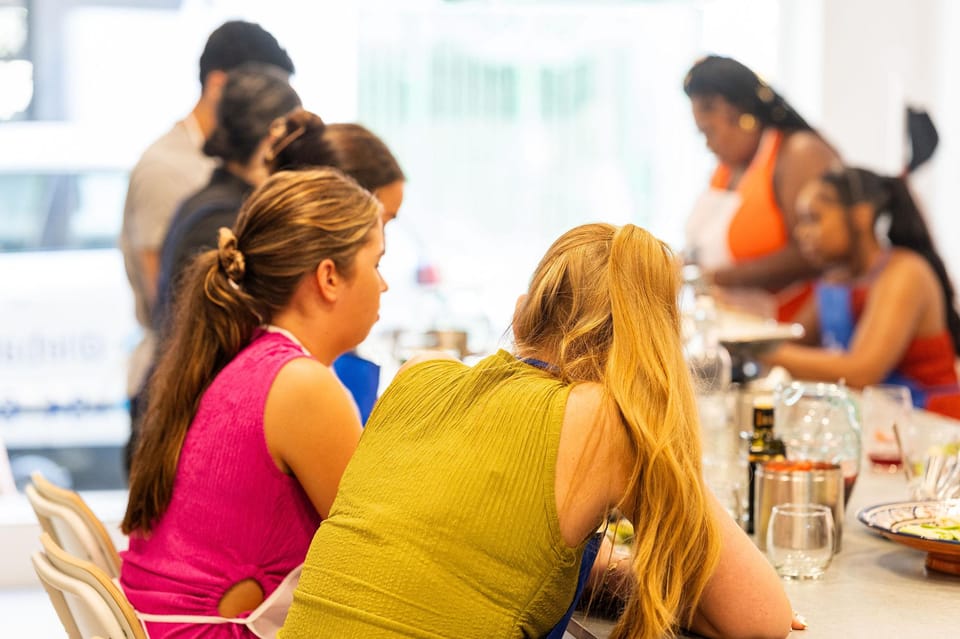
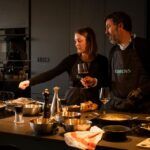
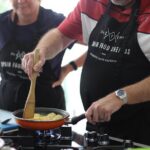
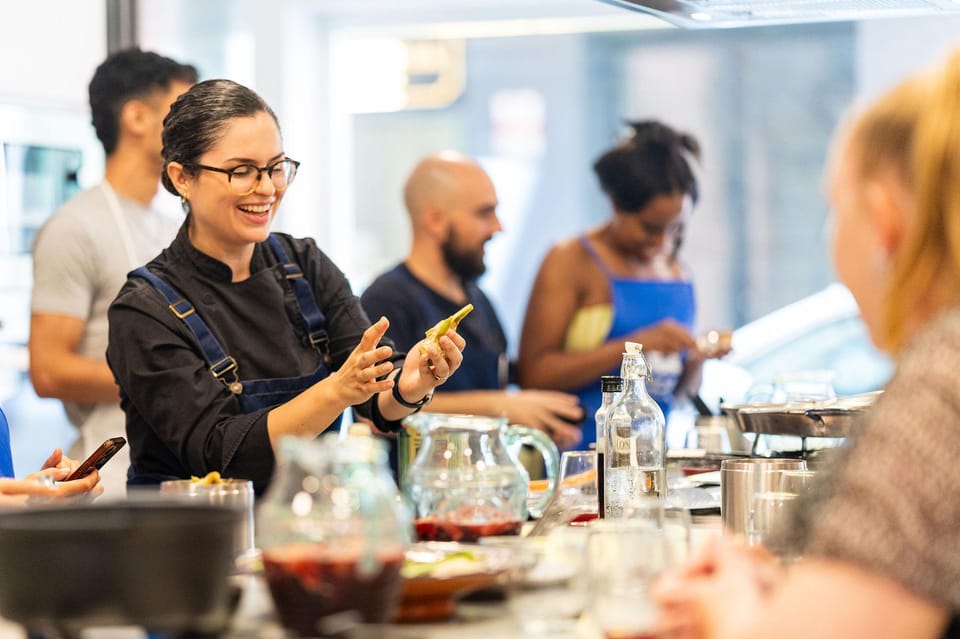
This is a 3-hour experience. You’ll spend that time cooking, tasting, and eating together at the end. The pace is described as fun and participatory, and the format works well even for solo travelers because you’re always doing something with the group.
Group size is usually kept small. Reviews mention around 9 to 10 people in several sessions, which helps you get individual answers without waiting forever. It also makes it more social—people chat while chopping, then share the inevitable opinions after tasting.
Comfort is handled better than many cooking classes. One review specifically calls out comfortable high stools with backs—so if you’re worried about standing for a long time, you’ll likely feel supported in the station setup.
Location near Atarazanas: how to fit it into your Málaga day
The workshop is in central Málaga, about 5 minutes from the Atarazanas market. That’s a big deal because Atarazanas is a great anchor point for planning: you can arrive early, get your bearings, and turn the cooking class into a broader food-focused day.
If you like to move through a city on foot, this location makes it easier. You won’t need complicated transport plans, and you can connect the class with nearby meals and wandering after.
Practical tip: if you’re doing other market stops, consider timing so you don’t get too full before class starts. You want enough appetite to taste the ajoblanco and then truly enjoy the paella when it comes.
Dietary needs and adjustments: what you can (and can’t) count on
The class states that dietary options can be adapted with advance notice. Vegetarian and vegan options are available if you request them ahead of time.
That’s the best kind of flexibility for a cooking class, because it affects the ingredients at the source, not just what you get on your plate.
One note worth taking seriously: the activity rules list alcohol and drugs as not allowed. Since sangria is included as part of the experience, I’d treat this as a “no extras you bring yourself” style rule. If you’re strict about anything—timing, alcohol limits, or health constraints—confirm what’s meant when you book.
Price and value: is $78 fair for a Málaga cooking workshop?
At $78 per person for 3 hours, you’re paying for more than a meal. You’re paying for chef-led instruction, time in a modern kitchen, multiple dishes, and the chance to learn technique you can repeat.
Here’s what strengthens the value:
- You cook several dishes, not just paella. Ajoblanco and remojón malagueño make it feel like a real Andalusian table, not a single-dish gimmick.
- Paella teaching is the real expense, because technique-focused coaching takes time and attention.
- Sangria is included during the meal, and the class notes additional sangria or glasses based on choice.
- You get recipes to take home (shared after the class), so the experience has follow-up value.
It’s also not an anonymous bus-tour style event. The high rating score (near perfect) lines up with the specific praise people give: clear instruction, fun atmosphere, and strong local recommendations from the chefs.
If you’re the kind of traveler who wants memories you can recreate—rather than only photos—this price tends to make sense.
Who this workshop is best for
This fits best if you want hands-on food learning with a cultural layer.
You’ll likely enjoy it if:
- You’re curious about Andalusia beyond tapas snapshots.
- You want a real paella method to try at home later.
- You like small-group interaction and chatting while cooking.
- You want local recommendations for what to eat and where to go afterward.
It may be less ideal if:
- You hate multitasking in the kitchen or feel uncomfortable standing at a station for a long time.
- You want a purely passive experience (this is explicitly participatory).
- You prefer a class that’s only one dish with a deeper dive into that one topic—this one intentionally covers several foods in a short window.
Should you book this Málaga paella and sangria class?
I’d book it if your goal is skill + flavor + a good time in a central location. The biggest win is the combination of chef credentials and the way they teach: clear steps, practical paella guidance, and explanations that make ingredients and regional choices feel logical.
If you’re worried about comfort or pacing, don’t write it off. The station setup includes high stools with backs, and the class format is organized enough that people can keep up without feeling rushed.
Go in hungry, ask questions, and take notes on anything the chef repeats about the rice and flavor balance. If you do that, you’ll leave with more than dinner—you’ll leave with a method you can actually use.
FAQ
How much does the Málaga cooking workshop cost?
It costs $78 per person.
How long is the class?
The workshop lasts 3 hours.
What dishes are included in the class?
You’ll cook ajoblanco, paella, and remojón malagueño (a typical Málaga salad). You’ll also have a surprise dessert.
Is sangria included?
Yes. Sangria is served during the meal, and the class notes that you also have more sangria or additional glasses included based on your choice.
Are vegetarian or vegan options available?
Yes. Vegetarian and vegan options are available with advance notice, and dietary needs can be adapted.
What language is the workshop taught in?
The class is taught in English.
Is the workshop wheelchair accessible?
Yes, it is listed as wheelchair accessible.
Can I cancel for a full refund?
Yes. Free cancellation is available up to 24 hours in advance for a full refund.