REVIEW · MARBELLA
Marbella Old Town group tour with a True Local
Book on Viator →Operated by Tour Marbella · Bookable on Viator
Marbella’s Old Town tells its story fast. In about 1.5 hours, this small-group walk turns the “sun and surf” version of Marbella into a history-through-the-streets experience, with English guidance and help hearing the guide clearly. You’ll even spot art-adjacent surprises like Salvador Dalí sculptures along the route.
I love that the tour keeps the cost sensible: most stops have free admission, so you’re not constantly pulling out your wallet. The ending olive oil tasting at D.OLIVA is included and feels very Andalusian, not like a tourist trap. One thing to consider: it depends on good weather, and the pace can feel brisk in a tight Old Town.
In This Review
- Key points to know before you go
- A 90-Minute Old Town Walk That Changes Your Marbella Mental Map
- Price and Value: Why $30.23 Feels Fair for This Route
- Small Group + English + Earphones: The Comfort Sweet Spot
- Where the Tour Starts: A Shade Spot That Sets the Tone
- Paseo Marítimo and Avenida del Mar: From Dali Sculptures to the Promenade
- Capilla de San Juan de Dios: A XVI-Century Chapel With Woodwork Still Visible
- Hospital Bazán and the National Engraving Museum: When History Becomes a Museum Plan
- Plaza Altamirano: Power, Palace, and the Feel of a Commanding Past
- Torre de la Polvora and Medieval Walls: Seeing Boundaries Still Mark the City
- Plaza de los Naranjos: Moorish Streets Replaced by a Castilian Square
- D.OLIVA Olive Oil Tasting: The Most Andalusian Part of the Day
- What the Tour Feels Like in Real Life (Not Just on Paper)
- Timing and Duration: Why 1.5 Hours Is the Right Length for Old Town
- Who Should Book This (and Who Might Prefer Something Else)
- Should You Book This Marbella Old Town Walk With a True Local?
- FAQ
- How long is the Marbella Old Town group tour?
- How much does the tour cost?
- Is the tour offered in English?
- What is included in the price?
- Do I pay for the sights on the itinerary?
- What if the weather is bad?
- How big is the group, and can service animals come?
Key points to know before you go
- Small group size (max 20): easier questions, less crowding in narrow streets.
- Most entrances are free: chapels, plazas, and historic stops don’t add extra fees.
- D.OLIVA olive oil tasting included: you sample multiple extra virgin oils to end on a local note.
- Old Town is the whole point: you’ll connect Moorish, Christian, and later Spanish layers in one walk.
- Finish at Plaza de los Naranjos: an orange-grove-style square that makes a great “rest of the day” landing zone.
- English tour with audio help: headsets/earphones help you catch the guide even in busy spots.
A 90-Minute Old Town Walk That Changes Your Marbella Mental Map
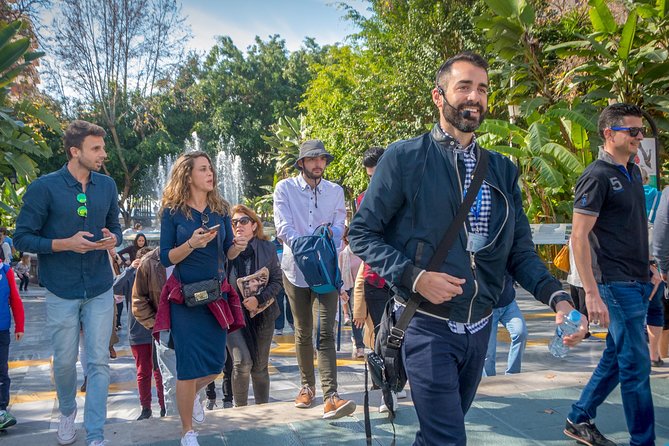
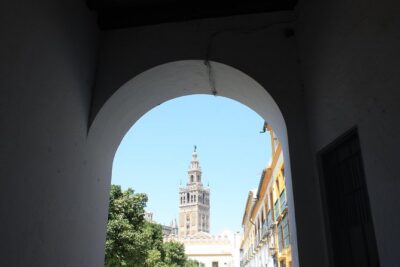
Marbella has a reputation for beach days, but this tour reframes it fast. Instead of starting with the shoreline, you start with the maze—where plazas, chapel ceilings, and old walls explain why this town became important over and over again.
In short time, you get the “why” behind the look of the streets. I like that the route doesn’t treat Old Town as random sights; it reads like a timeline you can walk.
You can also read our reviews of more tours and experiences in Marbella.

Price and Value: Why $30.23 Feels Fair for This Route
At $30.23 per person, you’re paying for a local-licensed guide and a structured walk that hits the major story points without turning into a ticket-purchasing marathon. Most stops in the itinerary list admission tickets as free, which matters because Spain’s historic sites can add up if you’re doing them one by one on your own.
The other value piece is the ending: 3 to 6 extra virgin olive oils are part of the tour, and that tasting is included. If you’ve ever paid for “food experiences” that feel like a sales pitch, this one is set up as a real Andalusian finale.
Small Group + English + Earphones: The Comfort Sweet Spot
This is a group tour with a maximum of 20 travelers, so you’re not getting swallowed by a big pack. That helps on narrow lanes and when you’re trying to hear historical context without craning your neck.
It’s offered in English, and several participants highlight the use of earphones/headsets. That’s a practical detail—Old Town streets bounce sound around, and this setup keeps the guide’s explanations clear even when you’re walking near cafés.
Where the Tour Starts: A Shade Spot That Sets the Tone
The meeting point is in the Old Town area near local streets and shaded gathering zones (the provided pin is G457+GM, Marbella). You’ll start in a place that feels like locals actually use it, not just a staged pickup spot.
This matters because the first few minutes are about orientation. Once you’re oriented, the tour stops feel connected, not like a checklist. You’ll also get the kind of practical guidance that helps you keep exploring after the tour finishes.
Paseo Marítimo and Avenida del Mar: From Dali Sculptures to the Promenade
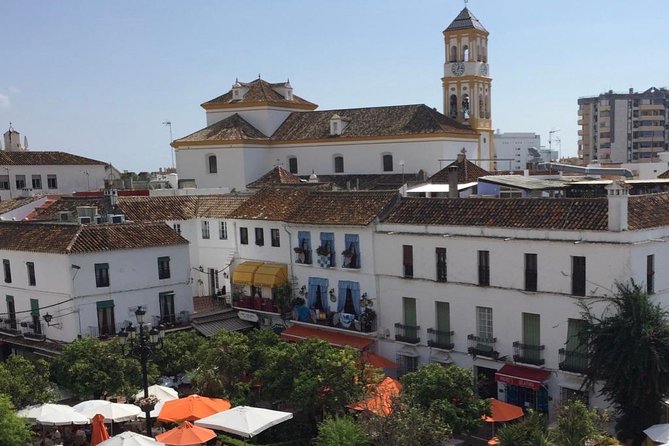
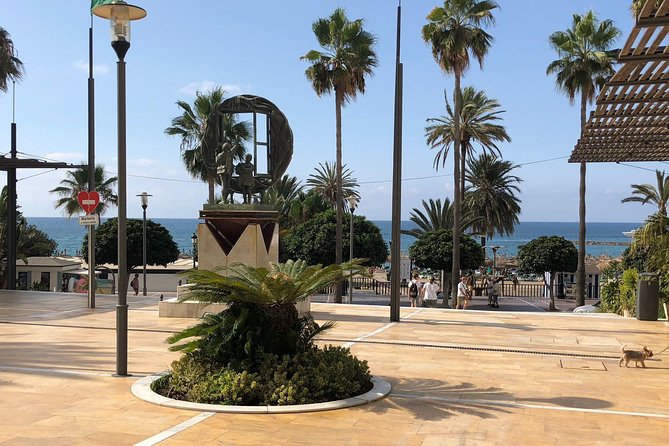
One of the best early “aha” moments happens on Avenida del Mar. Along the way, you may see some Salvador Dalí sculptures, which makes the shift from old stone to present-day Marbella feel less jarring.
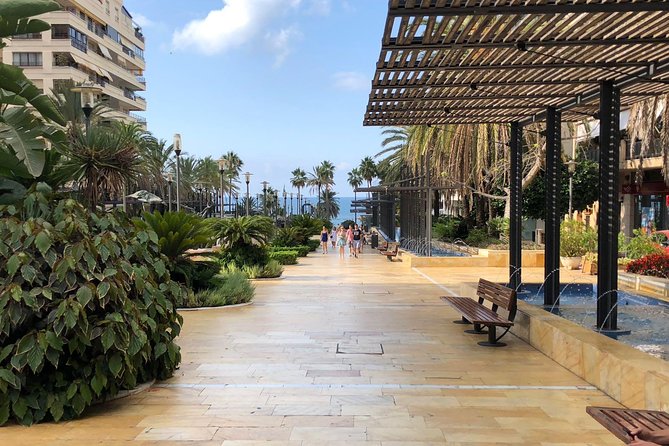
Then you reach the Paseo Marítimo, the lively promenade where bars, restaurants, and beachfront energy meet the calmer rhythm of walking. It’s a good reset point in the middle of Old Town, and it helps you understand that Marbella’s identity has always been half travel route, half local life.
Practical note: even though this part is short, the promenade can be busy. If you’re sensitive to crowds, keep your expectations flexible and use the guide’s pace to stay comfortable.




Capilla de San Juan de Dios: A XVI-Century Chapel With Woodwork Still Visible
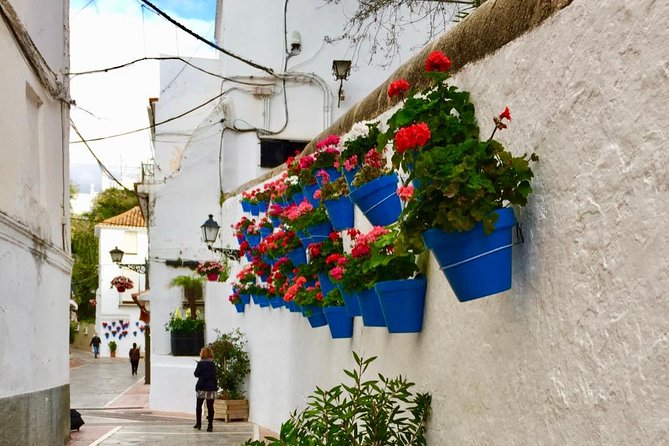
Next comes Capilla de San Juan de Dios, a chapel dating from the 16th century. What makes it worth your time is the ceiling woodwork, which participants call out as still intact.
This stop gives you a different kind of history than you get from street names and walls. Instead of just “what happened here,” you see “what people built to worship and live with,” and that makes Marbella’s layered past feel more human.
Don’t rush photos here. The beauty is in the details, and the guide’s timing helps you look without blocking anyone behind you.
Hospital Bazán and the National Engraving Museum: When History Becomes a Museum Plan
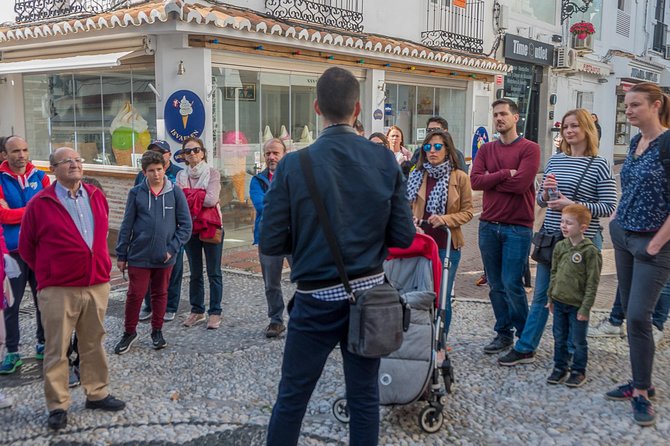
Then you reach Hospital Bazán, an older facility that’s now tied to the National Engraving Museum. The tour notes that entrance is free, and the guide tends to go in if timing allows during opening hours.
This stop is smart because it adds an art dimension to the day. Even if you’re not a “museum person,” an engraving museum can help you see what “old” can mean in a living place—old buildings serving modern cultural purposes.
The only drawback: museum opening times can matter. The tour plan accounts for this by entering when it’s open, so don’t expect every single version of the route to include the interior every day.
Plaza Altamirano: Power, Palace, and the Feel of a Commanding Past
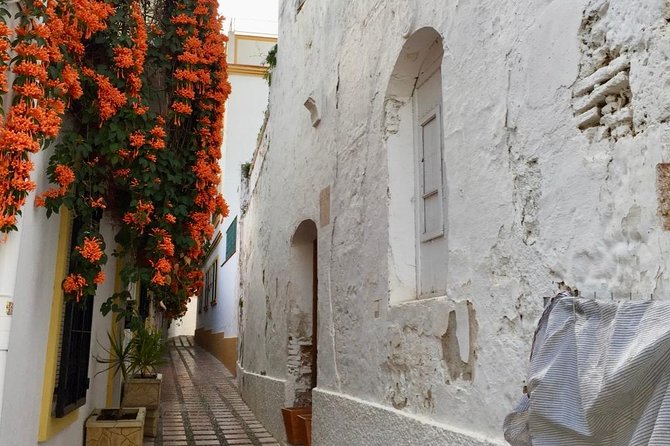
At Plaza Altamirano, you’re looking at a charming square connected to a 16th-century palace that belonged to the former commander of the city. This is one of those stops where the buildings don’t just look pretty—they explain who had authority here and why plazas matter.
Squares are where people gather, trade stories, and mark time. By the time you reach this point in the walk, you’ve already seen how Marbella’s layout supports social life. This stop turns that observation into a clearer story.
Torre de la Polvora and Medieval Walls: Seeing Boundaries Still Mark the City
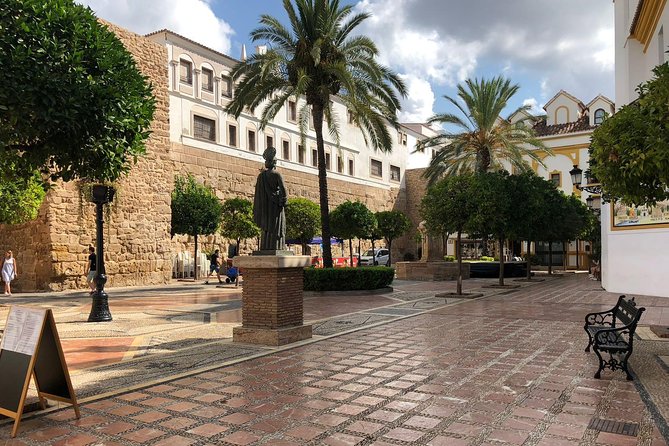
The route then shifts toward the defensive side of Old Town with Torre de la Polvora, the remains of medieval walls. It’s not a full fortress experience, but that’s the point: you’re seeing how borders and protection shaped everyday movement.
What I like about stopping at remnants like this is that it makes the town’s shape make sense. When you later wander on your own, you’ll be able to “read” why certain streets feel like they curve or compress.
Plaza de los Naranjos: Moorish Streets Replaced by a Castilian Square
One of the most memorable parts of the walk is Plaza de los Naranjos. The tour explains that narrow, winding Moorish-time streets were replaced to create this 16th-century typical Castilian style square.
This isn’t just architecture trivia. It’s the physical evidence of change—how rule, tastes, and city planning reshape people’s daily routes. You can stand in the plaza and understand why Old Town feels like a layered set rather than one single era.
This is also where the tour ends, which is convenient. The plaza has the orange grove vibe, flowerbeds, and older buildings around it, so you’re done with the “where do I go now?” question.
D.OLIVA Olive Oil Tasting: The Most Andalusian Part of the Day
The finale is an olive oil tasting at D.OLIVA. The tour includes a tasting of 3 to 6 extra virgin olive oils, depending on availability and timing.
This stop earns its place because it’s not just a small pour and a sales pitch. It’s a chance to slow down and pay attention to something deeply local. You also get to see how a local shop experiences the day—what people ask for, what products matter, and how olive oil is part of Andalusian identity beyond souvenirs.
A practical heads-up: the tour notes availability can depend on opening hours, so if the tasting shop can’t host for any reason, the plan can vary. Still, when it does run, it’s consistently described as a highlight.
What the Tour Feels Like in Real Life (Not Just on Paper)
This walk is designed to be an Old Town sampler with enough structure to stop you from getting lost in history. Participants frequently mention how guides like Eva and Javier bring stories to life, and how the experience feels friendly rather than stiff.
A few specific details that stood out from the way the tour operates:
- You’re guided through narrow streets and plazas in a way that helps you keep moving without missing key turns.
- You can often get practical advice on where to eat afterward, including suggestions for tapas spots.
- There’s usually a strong rapport with local shopkeepers, which can make the last stop feel less awkward and more normal.
If you like “walk, listen, look, ask,” this fits your style.
Timing and Duration: Why 1.5 Hours Is the Right Length for Old Town
The duration is about 1 hour 30 minutes. That’s a sweet spot in Marbella, because Old Town can be visually dense: if you stay too long, you end up seeing a blur of doors and church facades.
This length gives you:
- enough time for multiple civilizations and major landmarks
- a clean ending point at Plaza de los Naranjos
- space to continue on your own afterward without fatigue
Wear comfortable shoes. You’re covering Old Town streets, and the mix of stone and curves is not ideal for thin soles.
Who Should Book This (and Who Might Prefer Something Else)
This tour is a strong match if you want:
- an English introduction to Old Town Marbella
- a guided route that explains why the streets look the way they do
- a finish with a local tasting experience
It can be less perfect if you:
- want a very slow, lingering pace at every photo spot
- dislike being in a small group (even max 20 can feel “group-y” on busy days)
Should You Book This Marbella Old Town Walk With a True Local?
If you’re in Marbella for a short visit, I think this is a smart use of time. The value is real because most stops are free to enter, and the olive oil tasting at D.OLIVA is included. Plus, the route gives you context fast, so your self-guided wandering after the tour feels easier.
Book it if you want a guided way to go beyond the beach. Pass if you’re only interested in seaside views and already know Old Town well.
Either way, aim for a day with good weather, bring comfortable shoes, and use the ending at Plaza de los Naranjos as your launchpad for the rest of your day.
FAQ
How long is the Marbella Old Town group tour?
It lasts about 1 hour 30 minutes.
How much does the tour cost?
The price is $30.23 per person.
Is the tour offered in English?
Yes, it’s offered in English.
What is included in the price?
A local licensed tour guide is included, and the tour also includes an olive oil tasting at D.OLIVA.
Do I pay for the sights on the itinerary?
Most stops list admission tickets as free. The Hospital Bazán museum entrance is also described as complimentary, and it’s typically entered if it’s open.
What if the weather is bad?
The experience requires good weather. If it’s canceled due to poor weather, you’ll be offered a different date or a full refund.
How big is the group, and can service animals come?
The tour has a maximum of 20 travelers, and service animals are allowed.