REVIEW · ALICANTE
Paella & Sangria Class with Tapas and Market Visit
Book on Viator →Operated by Free Walking Tours Alicante · Bookable on Viator
Paella tastes better after the market. This Alicante class starts at the Mercado Central with guide Federico showing you what actually matters in the ingredients, then you move straight into a real kitchen to cook. I like that it’s not a stand-and-watch show, and you get to do real prep and real cooking.
My other favorite part is the structure: you learn the why behind salmorreta (the sofrito base) and broth, then you choose your paella style and see how that choice changes the outcome. For a single sitting, you also get tapas and homemade sangria to round out the meal.
One thing to consider: the emphasis is on the rice and stock, not a paella overloaded with toppings. If you’re expecting a huge pile of chunky add-ins, or you prefer your wine undiluted, you may find the final style different from what you’re used to.
In This Review
- Key highlights you’ll feel right away
- From Plaza 25 de Mayo to the Mercado Central: why this start matters
- What you learn at the market (and how to spot quality fast)
- The working kitchen experience: step-by-step paella, not a show
- Choosing seafood, meat, or vegetarian paella (and what changes)
- Paella timing: why everyone eats when the pan is ready
- Sangria you actually make: what’s in the glass
- Tapas moment: the meal needs variety, not just one plate
- Price and time: is $59.26 worth 3.5 hours?
- Who this class suits best (and who might want a different option)
- The final verdict: should you book in Alicante?
- FAQ
- Where does the class start in Alicante?
- How long is the Paella & Sangria Class with Tapas and Market Visit?
- Is the tour offered in English?
- Can I choose what kind of paella I cook?
- Is alcohol included?
- How big are the groups?
- Do I need to be an experienced cook?
Key highlights you’ll feel right away
- Mercado Central ingredient shopping first: you pick key items and learn how vendors think about quality
- A real working kitchen: you cook alongside a chef and guide, not in a staged demo room
- Pick seafood, meat, or vegetarian paella: you’re not stuck with one option
- Fresh sangria during the cooking window: it’s made for your group, not brought in pre-mixed
- Small groups (up to 16): more hands-on time and less waiting around
- Practical teaching from Federico: English that stays clear, with steps you can actually follow
From Plaza 25 de Mayo to the Mercado Central: why this start matters
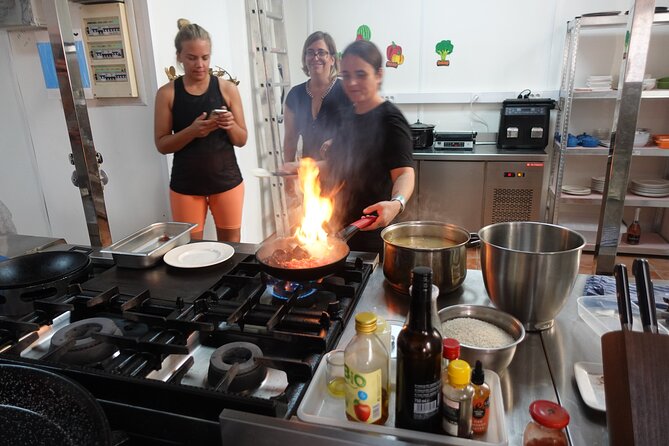
The meeting point is Plaza 25 de Mayo, and that’s a good sign. You’re not dropped in some generic parking-lot spot or stuck at a far-off hotel. You’re starting in the city center, walking into Alicante like a local would.
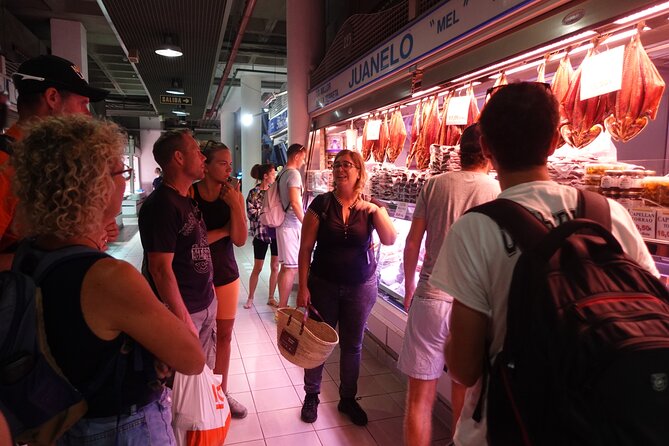
Then comes the first big win: the Mercado Central d’Alacant. This isn’t just shopping for fun. It’s the moment that makes the whole class click. When you choose shrimp, pork, olives, or vegetables yourself, you understand what you’re cooking with. And when your guide explains what to look for at the stalls, it stops being “mystery ingredients.” It becomes a short lesson you can taste.
I also like the way the group stays small. The tour runs with a maximum of 16, and some days are even tighter, which means your guide can keep track of everyone’s questions and timing.
You can also read our reviews of more shopping tours in Alicante
What you learn at the market (and how to spot quality fast)
At the market, Federico leads you through key stalls and helps you connect ingredients to paella style. You’re not memorizing a textbook. You’re learning what the ingredients are and why they matter for the final dish.
From the experience format, you can expect to cover topics like:
- Seafood choices (including what shrimp from the Mediterranean tastes like versus huge “ocean” shrimp)
- Iberian ham basics and how cured meats fit into the Alicante way of eating
- Olives and brine—because the flavor doesn’t live only in the main pan
- Meat and prep decisions, including how guides think about pairing ingredients with the right rice approach
A small but memorable detail: the guide talks about these items in a way that helps you make sense of the differences you’ll see back home in stores. Even if you’re not buying everything, you’ll leave with a clearer eye the next time you’re cooking paella—or trying to.
The working kitchen experience: step-by-step paella, not a show
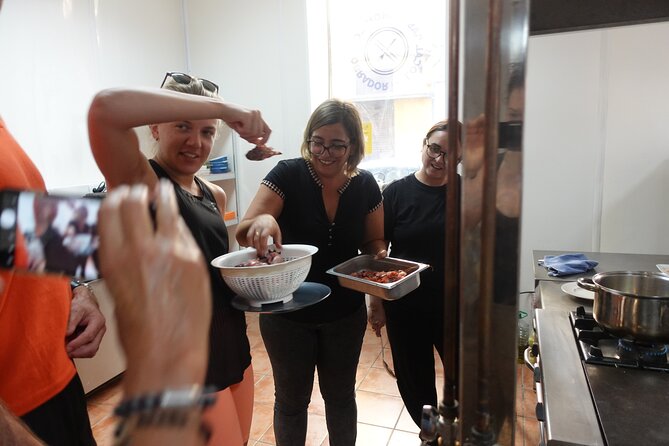
After the market, you walk to a local restaurant kitchen that works for real service. That matters more than it sounds. Staged cooking classes can feel like theater. Here, the workflow is kitchen-real: prep, simmer, timing, and turning the pan into a dish.
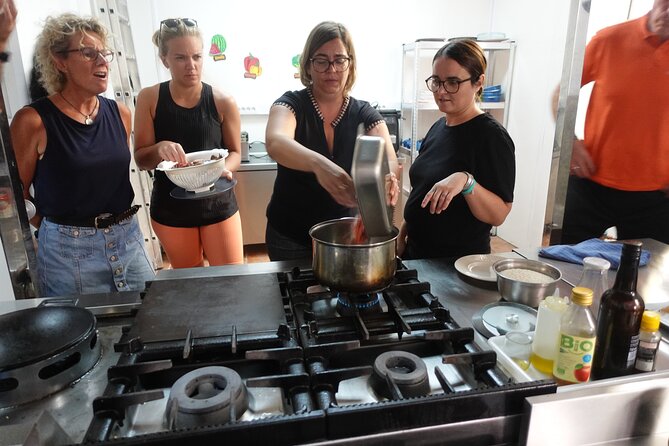
Your chef and host guide you through building the base, including salmorreta (the sofrito base). This is where the “secret” lives, and the class does a good job of making it practical. You learn that paella isn’t just “dump ingredients into a pan.” It’s broth, base flavor, and timing.
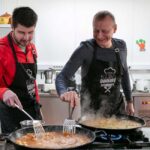
You’ll also get a clear sense of roles. The format is hands-on: you take turns prepping, assisting, and cooking. People often mention that everyone gets involved, so you’re not stuck watching other people have all the fun.
One session detail worth knowing: you may work with tools beyond basic stove cooking. In at least some classes, that includes finishing seafood with a blow torch. Even if you’re not a confident cook, the chef keeps the steps clear and paced for the group.
Choosing seafood, meat, or vegetarian paella (and what changes)
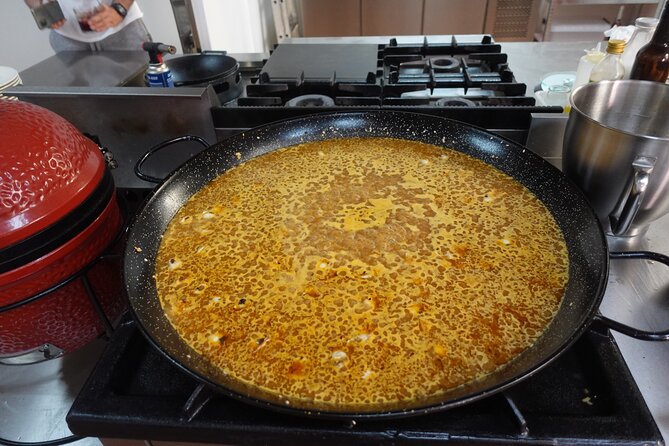
The tour gives you a real choice: seafood, meat, or vegetarian paella. That’s a big deal for flexibility, especially if someone in your group doesn’t eat fish—or if you want to keep it plant-forward.
What changes is more than the ingredient list. Your guide helps you understand how the stock and base flavor carry the meal. The class leans on the idea that paella’s flavor comes from what you build early—especially the broth you prepare during the workshop—then everything else supports it.
So if you’re the type who expects a paella full of dramatic chunks, go in with the right mindset. The style here aims for balance: rice that absorbs flavor, seafood or meat that’s tasty and present, but not a “topping pile.”
Paella timing: why everyone eats when the pan is ready
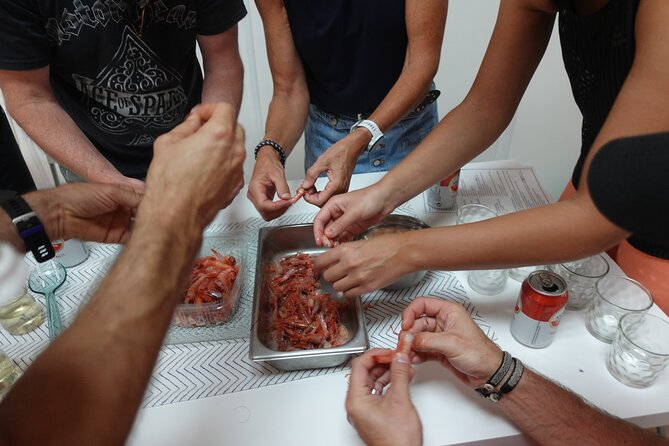
Timing is one of those things you only notice when it’s wrong. This class is built around the simmer. Your paella cooks while you do the other parts of the experience—tapas and sangria—so you’re not wasting time.
Once it’s ready, you sit down and eat what you made. That’s another underrated part of the value. A lot of food tours teach you, but you only get a small snack. This one is set up so the cooking turns into a full meal.
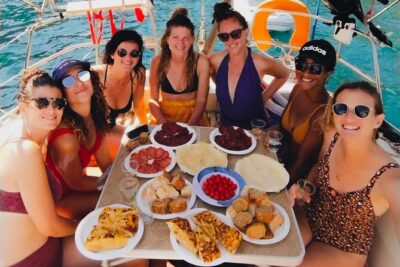
A nice touch: the meal experience often includes more than just paella and drink. You can expect a table that may include items like Iberian ham, cured sausage, tomato salad with salted fish, plus olives and other simple sides. It’s a good way to taste different Alicante flavors while your rice takes center stage.




Sangria you actually make: what’s in the glass
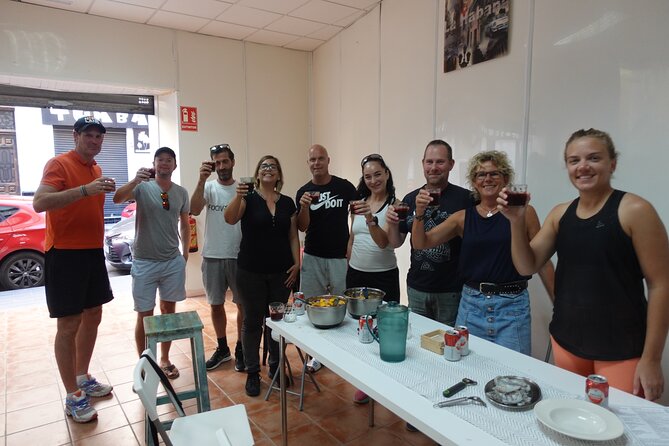
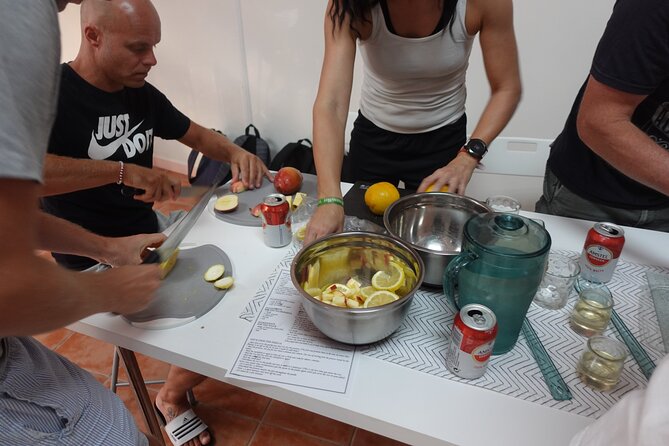
Sangria is included, and it’s homemade for your group while the cooking is happening. Here’s the key point: this is sangria as the class presents it, meaning it’s not just a pour of red wine.
In particular, the mix typically uses wine watered with orange juice and soda, plus syrup/liqueur and fruit. So if you want straight wine, you might not love the style. But if you like refreshing, citrusy, lightly fizzy sangria, this is a straightforward win.
One extra detail people remember: in some sessions, the wine for sangria is handled like a big-share communal drink—served from containers made for groups—so it feels like a proper meal, not an afterthought.
Tapas moment: the meal needs variety, not just one plate
Paella is the headline, but tapas give you a reason to snack and chat while the kitchen works. The class keeps tapas tied to the same ingredient theme you saw at the market, so it doesn’t feel disconnected.
You’re basically getting a mini Alicante food lesson in structure:
- market ingredients (what you chose)
- paella (how you cook it)
- tapas (what you eat alongside)
- sangria (what you drink with it)
It’s a simple flow, but it’s smart for a 3.5-hour experience. You stay fed, you stay engaged, and nobody leaves hungry or empty-handed.
Price and time: is $59.26 worth 3.5 hours?
For $59.26 per person and about 3 hours 30 minutes, the value comes from three things:
1) You’re paying for instruction plus hands-on cooking in a real kitchen.
2) You get a full meal outcome: paella plus sangria and tapas.
3) You’re paying for market access and ingredient guidance at Mercado Central.
It’s not the cheapest food activity in Alicante, but it’s also not the kind where you pay and then get three bites. When you factor in the time, the cooking steps, and the meal you take part in, it usually lands as a fair deal—especially if you care about learning how Spanish food is assembled.
Who this class suits best (and who might want a different option)
This is a great fit if you:
- want a hands-on cooking experience, not a lecture
- like the idea of learning paella from Alicante-style methods
- appreciate shopping with context, especially at a major market
- travel with people who want a social food activity (small groups help)
It may be less ideal if you:
- expect a paella built mainly out of visible chunky add-ins
- dislike sangria as a citrus-and-soda drink instead of straight wine
- need a totally sedentary activity—there’s walking and active prep
The final verdict: should you book in Alicante?
If you want an experience that connects the city’s food to the way you actually cook it, this one is a strong choice. The market start is practical, the kitchen instruction is interactive, and you finish with a meal that matches the work you did.
Book it if your goal is learn + eat in a small group. Skip it if you mainly want a standard restaurant paella with minimal effort or if you strongly prefer wine served straight.
FAQ
Where does the class start in Alicante?
The experience starts at Plaza 25 de Mayo (Pl. 25 de Mayo, 03004 Alicante). It ends back at the meeting point.
How long is the Paella & Sangria Class with Tapas and Market Visit?
It runs for about 3 hours 30 minutes.
Is the tour offered in English?
Yes, the class is offered in English.
Can I choose what kind of paella I cook?
You can choose among seafood, meat, or vegetarian paella.
Is alcohol included?
Yes. Sangria is part of the experience, and the minimum age for alcohol consumption is 18.
How big are the groups?
It’s limited to a maximum of 16 travelers.
Do I need to be an experienced cook?
No. The format is designed for you to participate, with the chef and guide teaching steps as you prep and cook.