REVIEW · MALLORCA
Palma de Mallorca: Guided Tour of the Old Town
Book on GetYourGuide →Operated by Elysee Tours UG (Haftungsbeschränkt) · Bookable on GetYourGuide
Old Palma has a way of sticking with you. This guided walk strings together the city’s biggest symbols and the smaller side streets in about 2 hours, with the La Seu cathedral anchoring the whole experience.
What I like most is how the guide connects what you see to why it mattered, especially around Palma’s cathedral-era builders.
The second thing I love: the stop at La Lonja (the exchange) brings Palma’s Mediterranean trading past into focus fast. One drawback to plan for is that it’s a walking tour, and it isn’t suitable for wheelchair users, plus there’s no luggage or large bags.
In This Review
- Key things to know before you go
- Why this 2-hour Palma tour can feel like a bargain
- Getting oriented fast around Av. d’Antoni Maura
- La Seu cathedral: the stop that changes how you see the whole city
- La Lonja exchange: where Palma’s Mediterranean power comes to life
- Consolat de Mar, episcopal space, and civic buildings: power, not just pretty
- Almudaina palace, the Jewish quarter, and the city wall edge
- Patios: the detail stop that makes you feel like you found an insider trick
- Palaces, manors, and the names behind the architecture
- Es Baluard and Plaça Cort: slowing down without losing momentum
- Market hall stop: Mediterranean cuisine variety in the middle of the tour
- Tour logistics that affect your comfort
- Who should book this Old Town guided walk?
- Should you book it?
- FAQ
- How long is the Palma Old Town guided tour?
- How much does the tour cost?
- Where does the tour start?
- Does the price include entrance fees?
- Are food or drinks included?
- What languages are available for the guide?
- Is this a walking tour?
- Is it suitable for wheelchair users?
- Is luggage allowed?
- Can I cancel for a refund?
Key things to know before you go
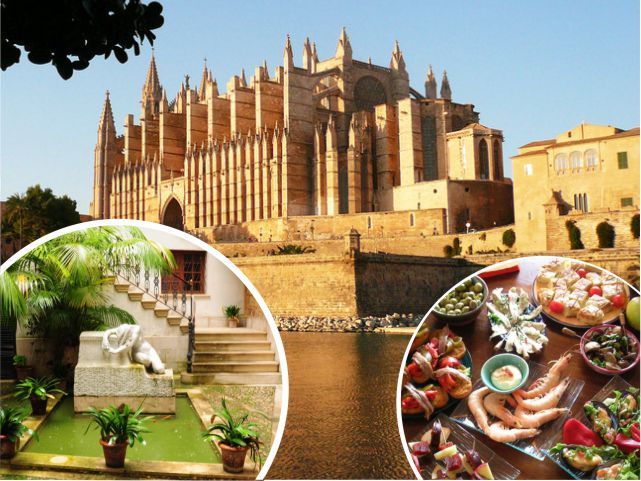
- La Seu and La Lonja in one compact route so you get big-picture context without spending the day hopping around
- Patios and courtyard details that many first-time visitors miss when they rush past doors and gates
- Architectural stories tied to names like Guillem Sagrera and Pere Morey (and references to Gaudí’s circle)
- Secular power stops beyond churches: palaces, government buildings, episcopal areas, and the city wall
- Market hall time for Mediterranean food variety alongside the architecture and history
Why this 2-hour Palma tour can feel like a bargain
At about $46 per person for roughly 105 minutes, this isn’t a long, slow “see everything” tour. It’s more like a smart guided circuit through the parts of Palma that explain the city: the cathedral, the trading centers, and the civic and residential power spaces that shaped life over centuries. If your goal is to understand Palma quickly, the timing is a big part of the value.
I also like that the experience is built around what you can actually do with your eyes and feet. You’re not just listening while staring at a map. You’re stopping at real landmarks and then getting the story behind them. That’s the difference between “I saw a cathedral” and “I get why this cathedral is here and how it ties to Palma’s economy and builders.” Guides such as Maja and Yvonne (reported by recent groups) seem to focus heavily on detail and on answering questions, which makes a short tour feel longer in the best way.
Do note one practical consideration: it’s not for people who want a minimal-walking outing. You’ll want comfortable shoes, and you should travel light since luggage or large bags aren’t allowed.
You can also read our reviews of more guided tours in Mallorca
Getting oriented fast around Av. d’Antoni Maura
The tour starts near Av. d’Antoni Maura, with meeting and drop-off linked to that area (the exact meeting point can vary depending on the option). I like meeting in this part of Palma because you can usually reach it easily from central stays, and it sets you up to walk into the denser old-town core.
Because the tour is only about two hours, the first minutes matter. Expect your guide to set the scene—what Palma looked like when the Mediterranean trade machine was in high gear—so later stops land with more meaning. The route is designed to keep you moving through important zones without turning the day into a logistics puzzle.
La Seu cathedral: the stop that changes how you see the whole city
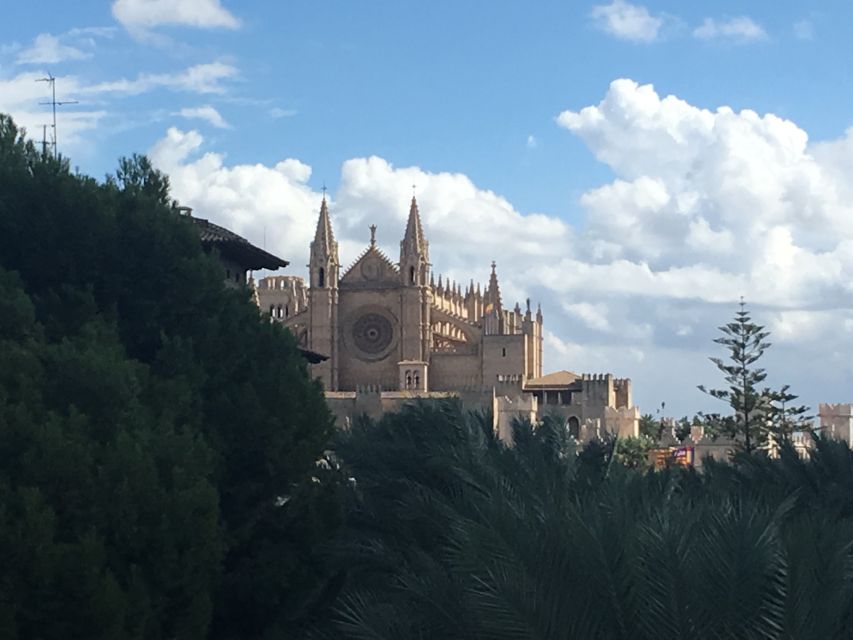
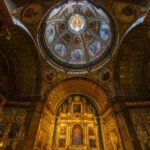
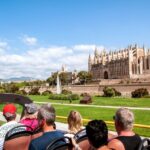
If you only remember one landmark, make it La Seu. On this tour, the cathedral isn’t treated like a quick photo wall. You get a guided explanation that ties it to the people who built and shaped it, including references to Guillem Sagrera. That name matters because it gives the architecture a human backstory: not just stone and style, but craftsmen, ambition, and the kind of long-term investment a powerful city makes.
Here’s what to watch for: the way the cathedral sits in relation to nearby civic and trading spaces. Even if you aren’t a serious architecture student, you’ll start noticing how religion and commerce shared the same urban stage. That’s one reason this tour works. It doesn’t isolate the cathedral from the rest of Palma.
Possible drawback: if you hate crowds, choose your expectations accordingly. A cathedral in a historic center is going to have activity around it, even when you’re focused with a guide.
La Lonja exchange: where Palma’s Mediterranean power comes to life
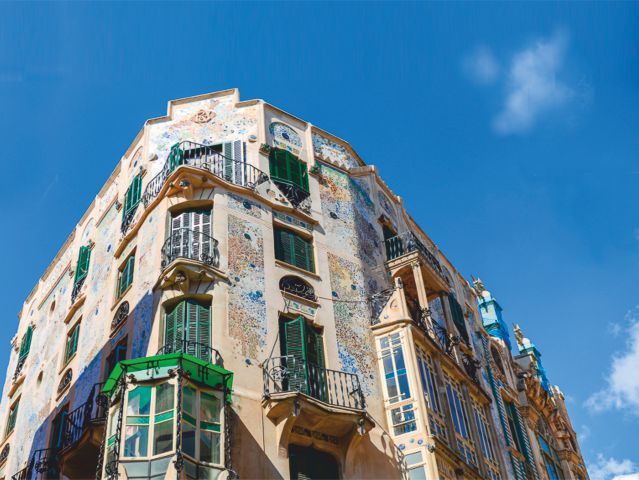
Next up is La Lonja, the exchange near the cathedral area. This is the kind of stop that makes history feel practical. You’re learning that Palma wasn’t only about worship and palaces. It was also about goods, shipping, and the paperwork of trade—an economic engine that reached across the sea.
What I like about having La Lonja on the route is that it completes the picture. After you’ve seen the cathedral, the exchange gives you the other half of the story: the business side of the same era. The guide’s job is to connect the details you’re seeing to why they were built the way they were, and this stop is where that explanation typically lands best.
Consolat de Mar, episcopal space, and civic buildings: power, not just pretty
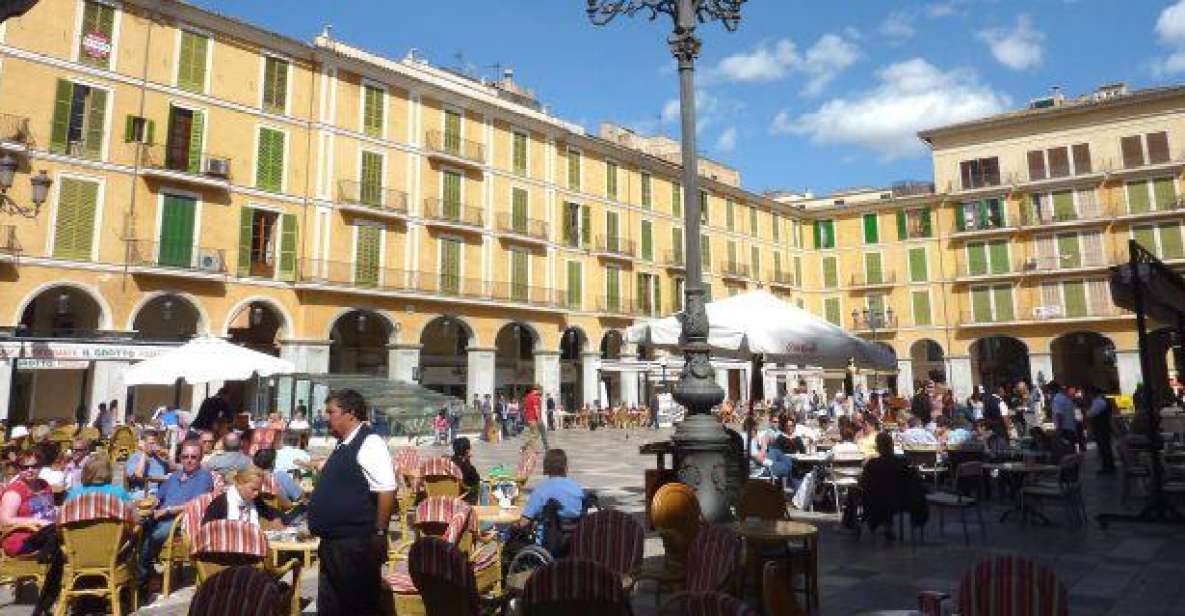
Palma’s old town is full of sites that look “pretty” from a distance, but feel more interesting when someone explains the role they played. On this route, you’ll cover secular power points such as Consolat de Mar and areas tied to the episcopal palace and government building context.
This is where you start to see how the city worked. The cathedral and palaces are one layer. Another layer is administration: institutions that managed the city, negotiated influence, and organized life. If you like governance-history stories, you’ll probably enjoy this section more than you expect.
Small caution: some streets and facades move quickly past on a walking tour. If you stop to take lots of photos, it’s easy to fall behind. A good trick is to take fewer, more deliberate shots and let the guide finish the full explanation before you start photographing again.


Almudaina palace, the Jewish quarter, and the city wall edge
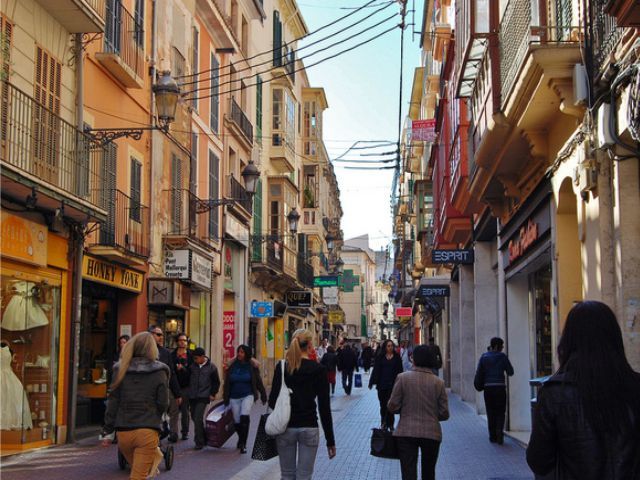
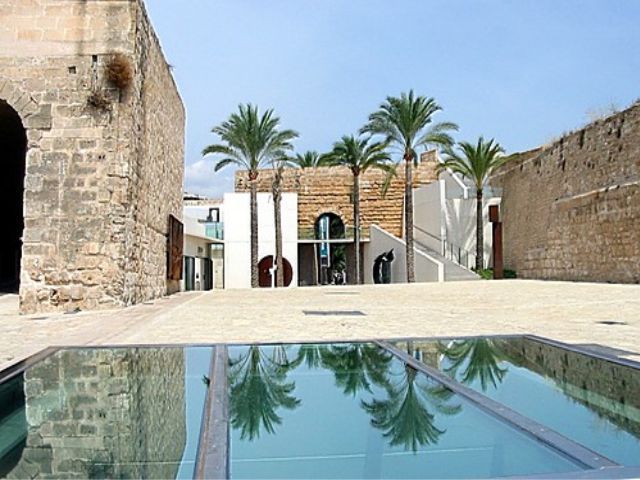
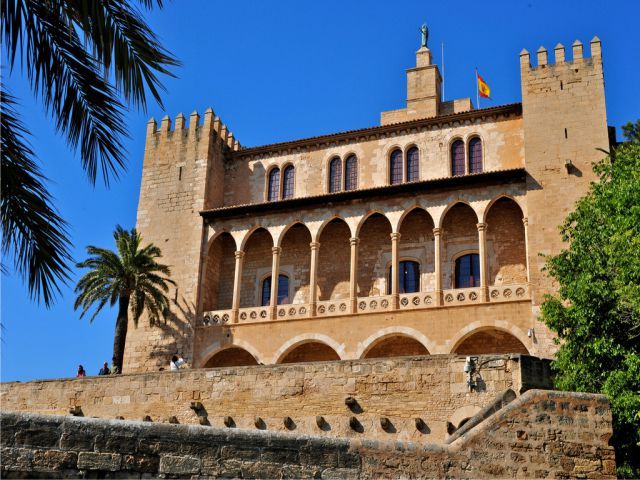
Palma has a strong sense of continuity—different cultures and eras stacked in the same space. This tour includes stops connected to Almudaina palace and moves toward older areas such as the Jewish quarter and the city wall.
I like that this part of the tour helps you imagine the city as something more layered than a single style period. You’re not only looking at one architectural language (like Gothic or Modernisme). You’re seeing evidence of shifts in community life and the way security and power shaped where people built and lived.
If you’re the type who enjoys “how did people live here” thinking, the city wall stop is especially useful. It helps you visualize movement, protection, and the boundaries that shaped neighborhoods.
Patios: the detail stop that makes you feel like you found an insider trick
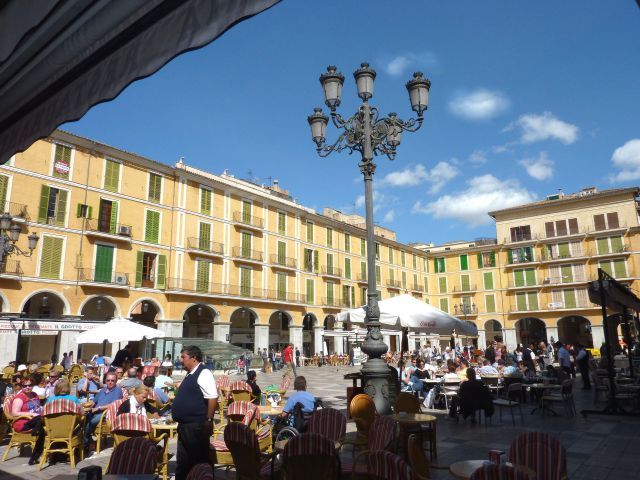
This is one of the tour’s best features: the ornate patios (courtyards). The guide frames these courtyards as hidden treasures of Palma’s capital life, and they’re exactly the kind of thing that gets skipped when you only chase big-ticket landmarks.
Why patios matter: they show how domestic space and wealth worked together. You’re often seeing craftsmanship, layout, and design choices that don’t announce themselves from the street. When your guide points out what to look for, patios become less about a quick peek and more about understanding daily patterns—light, ventilation, privacy, and social life.
Guides like Maja and Yvonne are praised for connecting these moments to story and context, not just pointing out what exists.
Palaces, manors, and the names behind the architecture
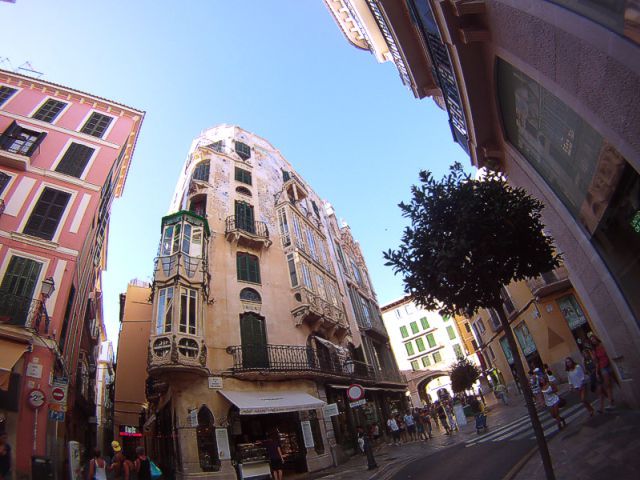
Palma’s architecture isn’t only famous because of buildings. It’s famous because of people. The tour weaves stories about great builders and architects, including Pere Morey, and it also touches on the broader influence of Antoni Gaudí’s disciples for palaces and manors.
In practical terms, this helps you “read” the city as you walk. Instead of noticing only what’s tall or ornate, you start picking up patterns: when a style is used to signal power, when design shifts reflect changing taste, and when decoration is tied to a moment in Palma’s economic story.
This is also where you’ll notice Palma’s diverse architecture, including modernisme buildings. Even if you can’t name a style on the spot, you’ll leave with a clearer sense that Palma wasn’t frozen in one era.
Es Baluard and Plaça Cort: slowing down without losing momentum
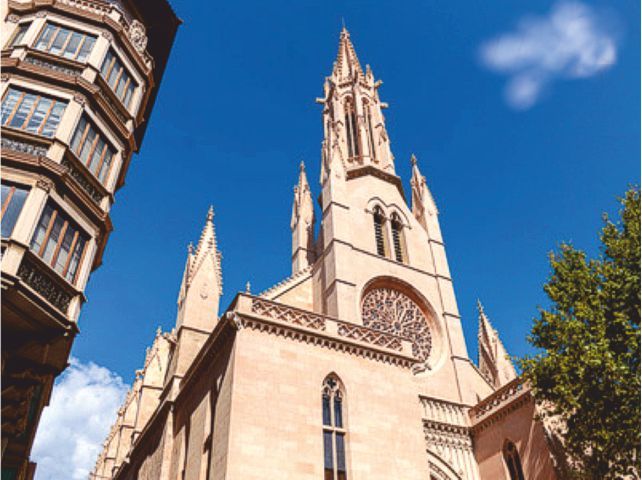
This tour doesn’t end at a dead stop in a museum lobby. You’ll pass by the area of Es Baluard museum and reach Plaça Cort, a public square that helps you “land” the tour.
Why squares matter: they give your brain a rest. After cathedral and exchange energy, a place like Plaça Cort lets you regroup, look around, and connect what you’ve learned to the actual rhythm of the streets today.
If you like to sit for a moment, plan to do it near the end. The tour timing is tight enough that you might not have time to linger long afterward unless you intentionally plan for it.
Market hall stop: Mediterranean cuisine variety in the middle of the tour
One of the more charming parts of the experience is the stop that gives you a sense of culinary diversity through a lively market hall. You’re not going there for a formal meal, but you’ll get a taste of how the city supports everyday life.
This works well because it breaks the history-only feel. You go from stone-and-trade storytelling to the sensory world: smells, movement, and the everyday side of Palma that still connects to the Mediterranean setting that once made the city wealthy.
Tour logistics that affect your comfort
A few details are worth knowing up front so you don’t show up annoyed.
- Wear comfortable shoes. The old town walk adds up.
- Don’t bring luggage or large bags; the tour isn’t set up for it.
- The tour is not suitable for wheelchair users.
- You can expect a live guide. The join-in format is in German, while private or small-group options are available in English, French, and German.
Group size can matter on a walking tour, and this one offers private or small groups. If you want more time at each stop and better question time, that’s often where private formats help.
Who should book this Old Town guided walk?
You’ll be glad you booked if:
- You want the “big story” of Palma in about two hours, not a full-day plan.
- You care about architecture, but you also want the human and economic context.
- You like tours where the guide can answer questions and keep details organized (guides such as Maja and Yvonne are specifically praised for that kind of focus).
You might skip it (or pair it differently) if:
- You need a fully accessible route.
- You dislike guided group pacing and prefer to wander with zero structure.
- You want entrance tickets included. Entrance fees aren’t included, so you’ll need to handle those separately if you plan to go inside major sites.
Should you book it?
I think you should book this tour if you’re visiting Palma for a short time or if it’s your first trip and you want to get your bearings fast. The strongest part is the way the guide connects La Seu, La Lonja, power institutions, and the hidden patios so the old town feels like one coherent story instead of a list of monuments.
If you’re the type who enjoys asking questions, or you want architecture explained in plain language with names like Guillem Sagrera and Pere Morey, this is a great fit. Just plan for walking, travel light, and wear shoes that can handle cobblestones without complaint.
FAQ
How long is the Palma Old Town guided tour?
The tour lasts 105 minutes, about 2 hours.
How much does the tour cost?
It costs $46 per person.
Where does the tour start?
It starts near Av. d’Antoni Maura, 22. The exact meeting point may vary depending on the option booked.
Does the price include entrance fees?
No. Entrance fees are not included.
Are food or drinks included?
No. Food and drinks are not included.
What languages are available for the guide?
The live tour guide is German. Private or small groups are available in English, French, and German.
Is this a walking tour?
Yes, it’s an old town walking tour, so you should bring comfortable shoes.
Is it suitable for wheelchair users?
No, it is not suitable for wheelchair users.
Is luggage allowed?
No. Luggage or large bags are not allowed.
Can I cancel for a refund?
Yes. Free cancellation is available up to 24 hours in advance for a full refund.