REVIEW · PORTO
Santiago de Compostela Full-Day Tour From Porto
Book on GetYourGuide →Operated by LIVING TOURS · Bookable on GetYourGuide
Santiago feels bigger than a day trip. This full-day tour from Porto takes you across the border to Santiago de Compostela, a UNESCO World Heritage pilgrimage city, with time in the old streets and a guided look at the Caminho de Santiago culture tied to St. James. You also loop back through Valença do Minho, a Portuguese border town built around serious fortifications.
I especially love how the day mixes big-ticket sights with real street time. You get a guided visit that explains why Santiago matters, then you’re left to wander on your own so you can pace your curiosity at the cathedral area and in the historic lanes. I also like the Valença stop because it’s not just a photo stop; you see the fortress walls and get a guided orientation before free time.
One drawback to plan around is that it’s a long 10-hour day with travel time. And the Santiago cathedral is currently under renovations, so some interior/exterior areas may be off-limits, which can limit exactly what you see compared to photos online.
In This Review
- Key things I’d circle before you go
- From Porto to Santiago: a border day that actually moves
- Santiago’s old streets: pilgrim city energy, without the chaos
- St. James and the cathedral area: what the guide adds
- Cathedral renovations: plan for what you can and can’t access
- Free time in Santiago: how to make the most of 1-hour windows
- Lunch in Santiago: plan to eat on your own schedule
- Valença do Minho: the border fortress you’ll remember
- How the timing and long drive affect your day
- Transportation, group size, and guide language
- Price value: what $93 gets you (and what to budget)
- Who should book this Santiago and Valença day trip
- Should you book this full-day Santiago trip from Porto?
- FAQ
- How long is the tour from Porto to Santiago de Compostela?
- What’s included in the tour price?
- Is lunch included?
- How much free time do I have in Santiago?
- What’s the stop at Valença do Minho like?
- What languages are available for the guide?
- Can I see the entire Santiago cathedral right now?
Key things I’d circle before you go
- Romanesque-to-alternate influences at Santiago’s cathedral: you’ll understand why it looks the way it does today
- St. James pilgrim context: you get the meaning behind the city, not just the postcard views
- Two blocks of free time in Santiago: enough to explore on your own around the UNESCO center
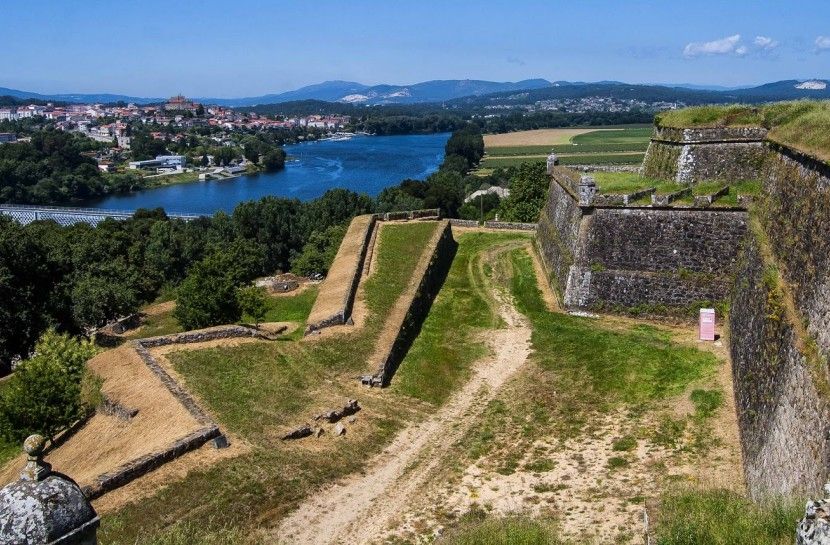
- Valença do Minho fortress focus: two towers, double wall fortifications, plus guided explanation
- Small-group feel (8 to 27): you’re in a van or bus, but guided time still feels personal
From Porto to Santiago: a border day that actually moves
This tour is designed for one clear purpose: get you from Porto into Spain to experience Santiago de Compostela without you planning buses, schedules, or border details. You’ll start near Porto Cathedral (Sé do Porto) at Calçada da Vandoma, then head out by minibus or coach. The ride is long, but it’s not dead time—your guide keeps the story going so you arrive with context, not just a tired face and a big map.
A practical note: this isn’t a minimalist excursion. It’s 10 hours total, with multiple time segments—travel, guided sightseeing, lunch, and then a return drive that includes the Valença stop. That structure is what makes the day work. If you’re the type who wants to see everything slowly, you might feel rushed. If you like a steady itinerary with meaningful breaks, it usually lands well.
You’ll also be in a group size of 8 to 27, which matters. Smaller groups tend to mean easier listening for commentary and less chaos at meeting points. Either way, expect comfortable shoes to earn their keep.
A few more Porto tours and experiences worth a look
Santiago’s old streets: pilgrim city energy, without the chaos
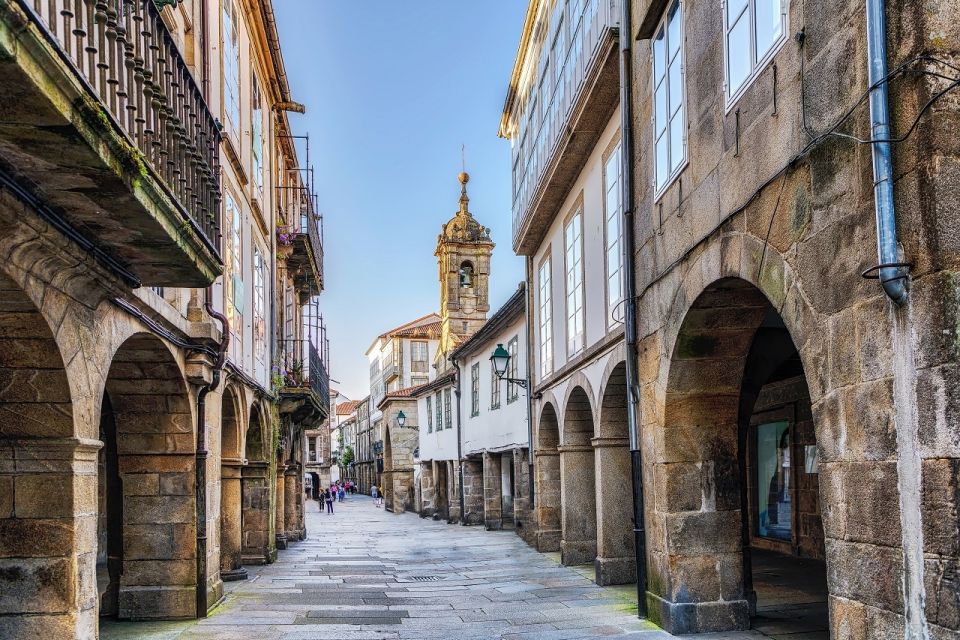
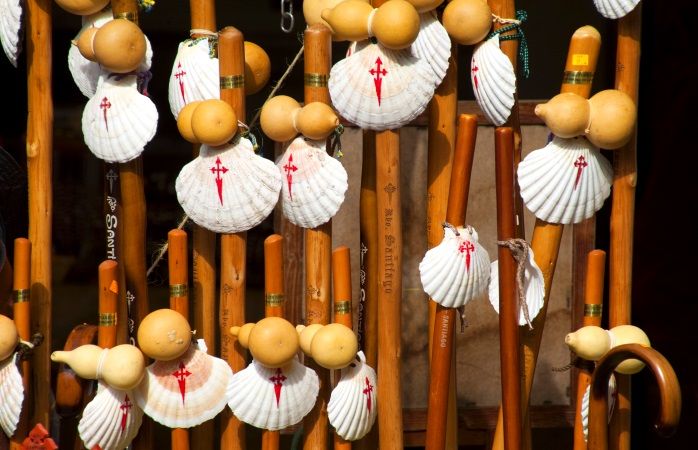
Santiago de Compostela is the kind of place where you notice little details fast. Not just because it’s historic, but because the city still lives with pilgrim arrivals and the rituals tied to St. James. Your tour time includes walking through the old streets and seeing the Caminho de Santiago pilgrim trail. You don’t just hear the name of the Way—you get a sense of how the city is shaped around it.
What I like about the way this tour frames Santiago is that it connects architecture and street space to belief and tradition. The guide explains the cult of St. James and the broader idea of why pilgrims came (and still come). That background turns the cathedral area from scenery into something you can actually read.
For some people, Santiago is a religious destination. For others, it’s cultural history and human movement across centuries. Either way, the city’s layout helps you understand how people navigated it when they walked the Way.
St. James and the cathedral area: what the guide adds
The main payoff in Santiago is the cathedral complex, but the real value is how your guide prepares you for it. You’ll get explanations about what you’re looking at and why it matters, including the historical pull of St. James. Guides referenced for this experience (like Carlos, Miguel, Susanna, Paolo/Paulo, and others) are consistently praised for keeping the day lively and informative, which helps on a long drive.
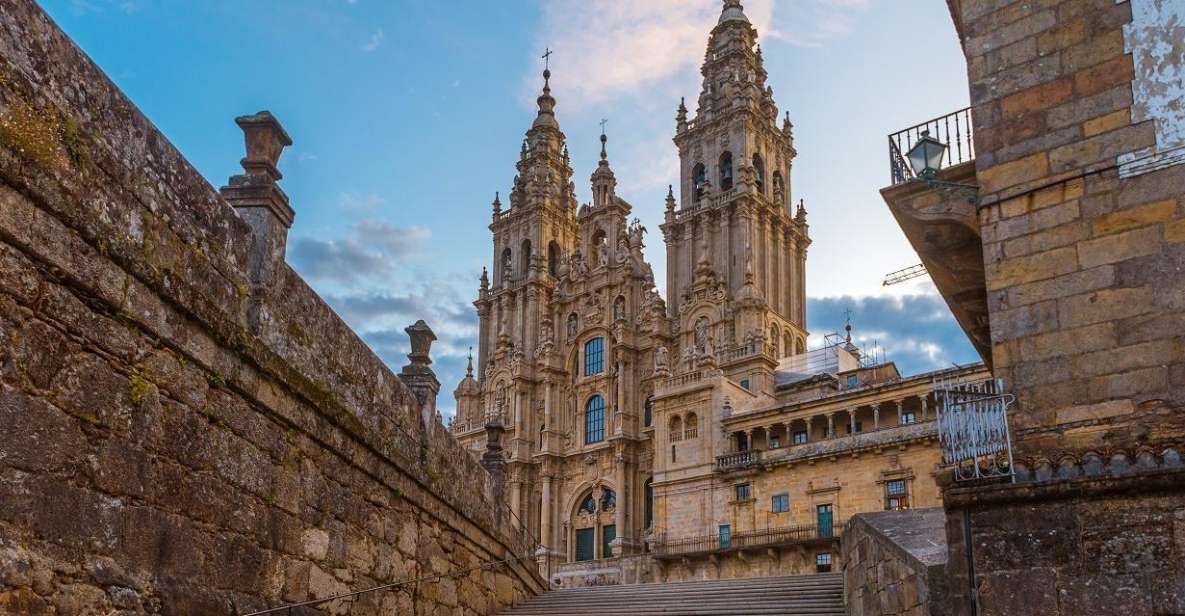
Also, you’ll see architectural evolution at work. The cathedral was originally built in a Romanesque style, and what stands today reflects influences from later periods. Even if you’re not an architecture nerd, you can still spot the shifts when you know where to look: the feel of the stone, the massing, and the way different parts look different in scale and detail.
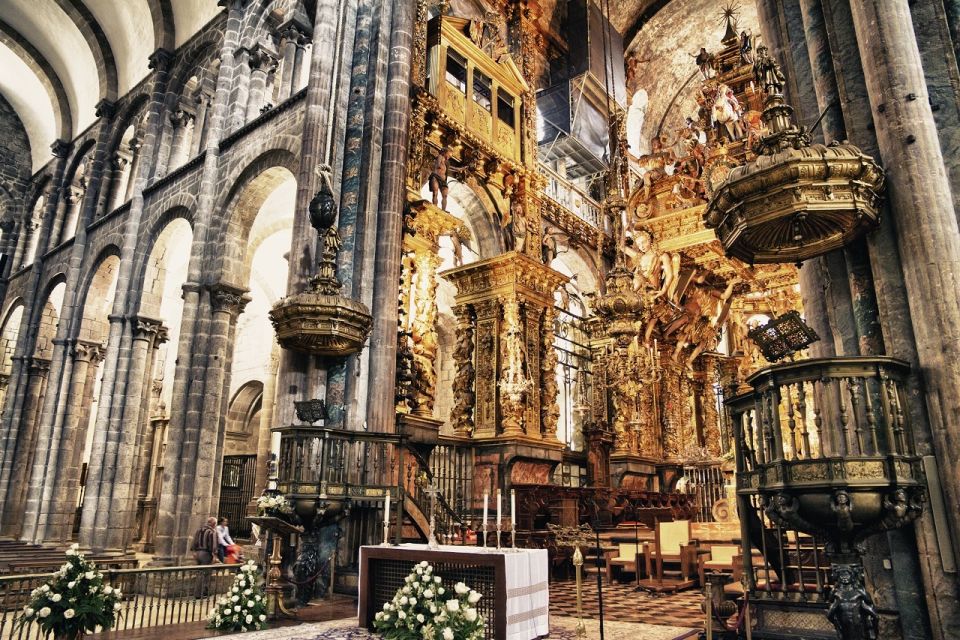
And yes—Santiago is famous for a reason. The cathedral is ornate, and the setting gives you that awe feeling that only certain places manage. The key is timing and access, and that’s where the renovations come in.
Cathedral renovations: plan for what you can and can’t access
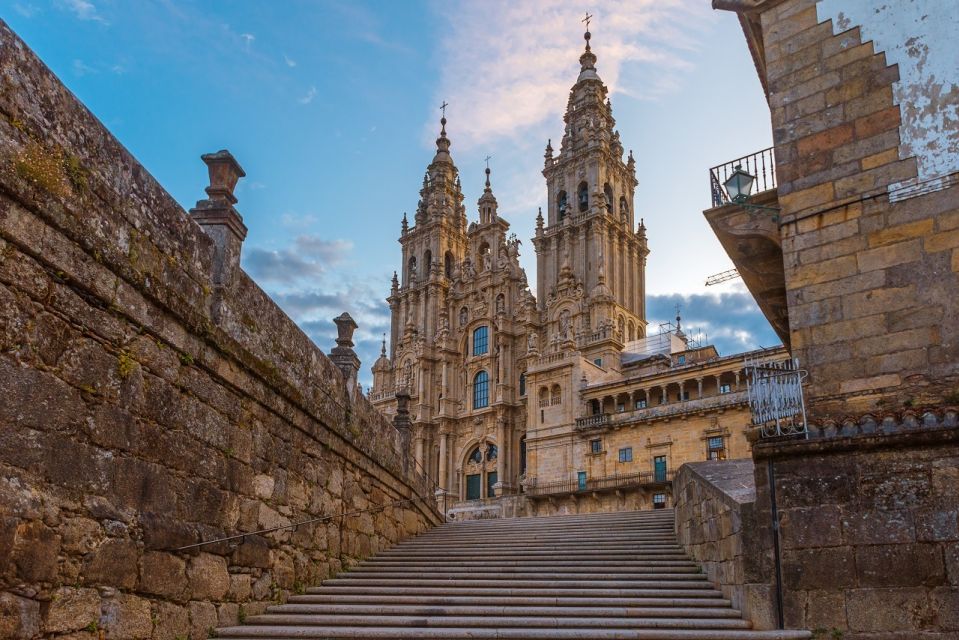
This tour includes time connected to the Santiago cathedral, but there’s an important real-world detail: the cathedral is currently undergoing interior and exterior renovations, and some areas may not be visitable. That means your experience might not match the exact cathedral tour you see in older videos or older travel blog posts.
Don’t panic—this is common for a living landmark. Still, it affects where you can walk and which parts you can get close to. If seeing specific sections is your top priority, treat this as a guided introduction rather than a guaranteed full run of every possible corner.
If your goal includes things like special access experiences (for example, rooftop-style views), the data indicates you’d need to arrange them separately in advance. The standard tour time is built around helping you understand the main complex and then letting you explore on your own where access allows.
Free time in Santiago: how to make the most of 1-hour windows
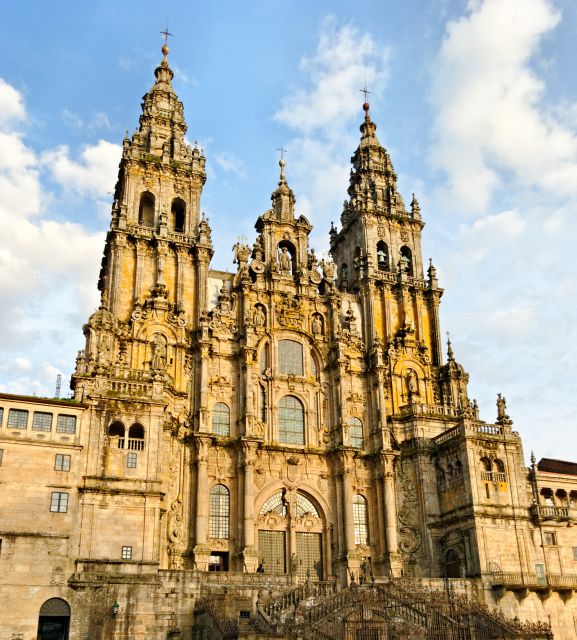
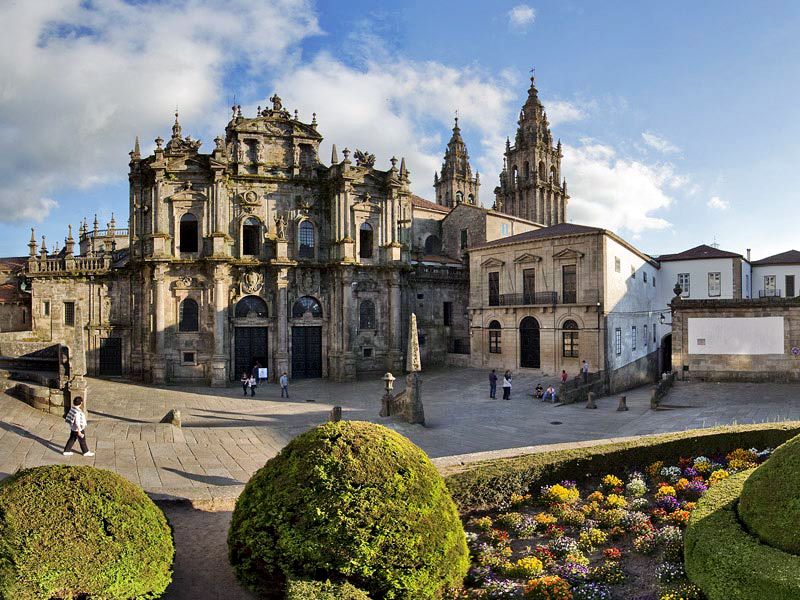
You get free time in Santiago in two separate blocks (each listed as 1 hour). That split matters because it gives you a chance to reset after guided time and decide what you want to focus on. One good strategy is to target the cathedral area first during the free time block when you’re most fresh, then use the second free block for wandering streets, small side stops, and whatever catches your eye.
Some guides and groups also manage the day so you feel you’ve had a solid amount of time overall to eat and explore, but don’t assume you’ll have hours and hours to roam. Think of it as: enough time to savor the city and see the headline sites, not enough time to become a scholar of Galicia in one afternoon.
If you’re bookish and you want local culture beyond the main church area, there are museum options in the broader story of Galicia. One highlighted example from guide talk is the Galician People Museum, connected to what people call the three stairs. It can be a memorable add-on if you have the legs and the timing works.
Lunch in Santiago: plan to eat on your own schedule
Lunch is included on the schedule as a 1.5-hour lunch time, but the tour information clearly notes that lunch is not included. So you’ll need to cover your own meal costs.
This setup is usually a good compromise on a long day. You get time to find a place that works for you—fast and simple if you’re hungry, or something slower if you want to sit and watch pilgrims move through the square and streets.
One practical tip: bring your hunger game. After the drive, you’ll likely be ready to eat. And because you’re crossing into Spain, you might want to keep cash and card handy and be ready to choose quickly so you don’t lose time before the next portion of the day.
Valença do Minho: the border fortress you’ll remember
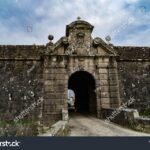
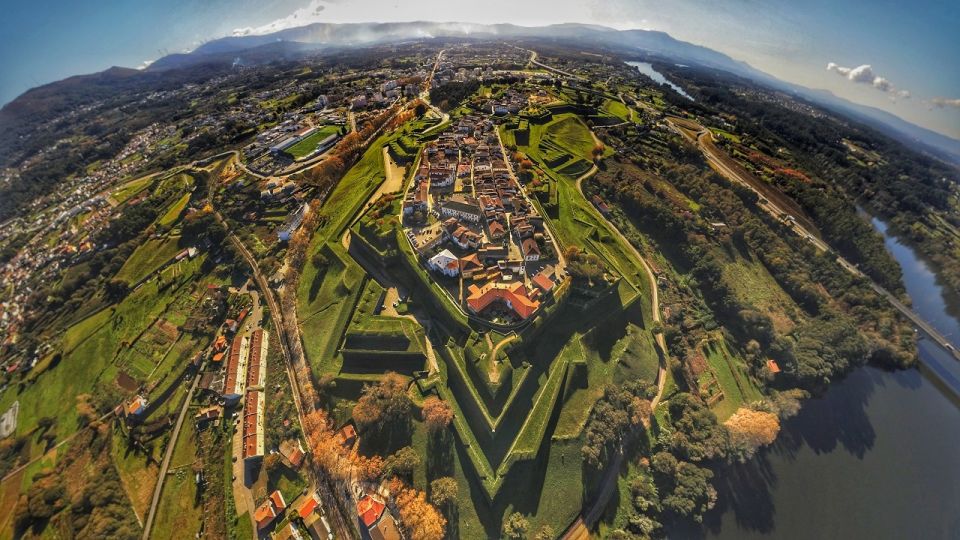
The return trip is where Valença do Minho becomes a real highlight. This is a historical Portuguese town right on the border with Spain, and it was important during the Middle Ages. It’s also linked to the Camino story, which makes the stop feel connected rather than random.
You’ll get a guided visit plus free time (listed at 45 minutes). The big visual is the fortress setup: the city is dominated by a fortress of two towers and a double wall system. When a place is built like this, the stonework tells you why it mattered—defense first, comfort second.
Many people end up enjoying this more than they expected because it gives you a different mood than Santiago. Santiago is spiritual and ornate. Valença feels strategic and physical. Together, they make the long day feel like more than just a one-city tour.
If you like walking streets with views from the walls, you’ll have a good chance to do it in the time provided. Still, 45 minutes is tight—go for the main routes near the fortress points rather than trying to cover the entire town.
How the timing and long drive affect your day
Let’s be honest: you’re spending serious time on the road. The schedule indicates around 2.5 hours to reach Santiago, then additional drive time on the way back, with Valença as your main break stop.
What you gain from this structure is a full-picture day: you go deep enough into Santiago to understand the cathedral and pilgrim atmosphere, then you still get a meaningful stop in Valença before returning to Porto. Many groups find the ride itself becomes part of the experience because the guide adds context along the way, and the driver helps keep everything smooth.
Still, this tour isn’t ideal if you’re sensitive to long seated time. If you’re prone to getting stiff after hours on buses, bring a little comfort kit: water, something to nibble, and a way to stretch during stops.
Transportation, group size, and guide language
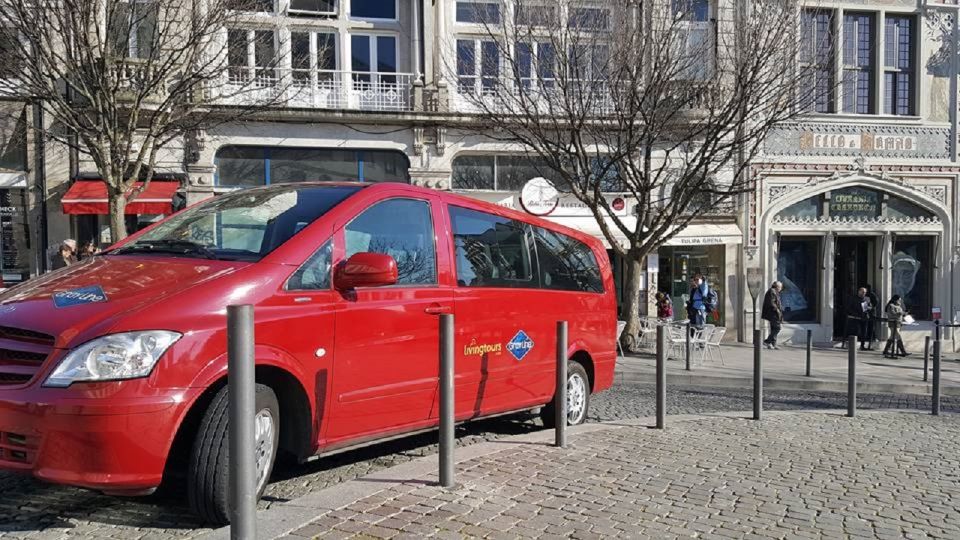
This experience runs with a live tour guide, with listed languages including Spanish, Portuguese, English, and French. Usually, the tour operates in one language at a time, but there can be cases where an extra language is used. If you care a lot about language precision, double-check your chosen departure language when you reserve.
You’ll travel by minibus or bus with a group between 8 and 27. That range affects the feel of the day. Larger groups can mean less flexibility, and you’ll rely more on the meeting points and pacing your guide sets. Smaller groups tend to feel more conversational, and it’s easier to ask questions—especially during the pre-arrival and pre-Valença explanations.
The drivers and guides are repeatedly mentioned for safety and smooth timing in the experience details you provided. That matters on a day where the biggest risk isn’t the sights—it’s missing a segment because the day runs on schedule.
Price value: what $93 gets you (and what to budget)
At $93 per person for a 10-hour full day, you’re paying for three main things: transportation from Porto, guided interpretation in Santiago, and guided time plus structured exploration in Valença. You’re also getting free time in Santiago built into the schedule, which is often where DIY plans can fall apart—you can’t always guarantee that kind of timing when you’re figuring things out on your own.
The budget side is simple: lunch isn’t included, so plan to pay for your meal separately. Beyond that, most costs are optional choices during free time, like snacks, museum tickets if you want them, and anything connected to special cathedral access that may require separate bookings.
One more value angle that people sometimes miss: the included Porto city walking tour, offered from the day after your experience. That’s a smart add-on because it helps you connect your day trip back to the city you started in.
If you’re in Porto for only a few days, that bonus can be a real time-saver. You’re using your trip days efficiently: one day cross-border, another day anchored locally.
Who should book this Santiago and Valença day trip
This tour is a good match if you want:
- A guided, structured day across two places without transit planning
- A chance to learn why Santiago matters for Caminho de Santiago culture
- Cathedral time plus a second stop that isn’t just a quick stop for a picture
It may not be a good match if:
- You need extra mobility support. The tour is listed as not suitable for people with mobility impairments.
- You want a slow, independent day. Free time exists, but the day is still built around a schedule and long travel.
In plain terms: it’s ideal for curious history-and-culture visitors who can handle a long day and enjoy guided context.
Should you book this full-day Santiago trip from Porto?
I’d book it if you want the Santiago headline experience plus the bonus of Valença’s border-fortress feel, all in one day that starts and ends in Porto. The guide-led storytelling around St. James and the Camino helps you understand the cathedral area instead of just walking through it, and the Valença walls give the day a satisfying second chapter.
I’d think twice if you’re very time-sensitive, hate long bus rides, or you’re mainly chasing specific cathedral interior access that might be blocked during renovations. In those cases, you might prefer a more flexible plan that can match what’s open.
If you’re aiming for a practical, high-value day trip that connects Porto to Galicia and back, this one fits the bill—especially if you wear comfortable shoes and go in ready to move with the schedule.
FAQ
How long is the tour from Porto to Santiago de Compostela?
The duration is listed as 10 hours.
What’s included in the tour price?
Included items are transportation (minibus), a tour guide, free time in Santiago de Compostela, a guided visit to Valença do Minho, and a Porto city walking tour available from the day after.
Is lunch included?
Lunch time is scheduled, but lunch itself is not included. You’ll need to pay for your own meal.
How much free time do I have in Santiago?
You have two separate free time periods in Santiago de Compostela, each 1 hour.
What’s the stop at Valença do Minho like?
You’ll get a guided tour and then free time (45 minutes) to explore. The town is known for its fortress walls, including two towers and a double wall system.
What languages are available for the guide?
The tour guide is listed in Spanish, Portuguese, English, and French.
Can I see the entire Santiago cathedral right now?
The cathedral is undergoing interior and exterior renovations, and some areas cannot be visited. Your access may be limited based on what is open during your visit.