REVIEW · TENERIFE
Teide National Park: Guided Large Telescope Stargazing Tour
Book on GetYourGuide →Operated by Astrophototour · Bookable on GetYourGuide
A 32-inch eye on the universe.
This Teide National Park stargazing tour pairs small-group viewing with the island’s largest private telescope, so you’re not stuck watching from a crowd. I like how the guide, Alessandro, builds the night around what you’re curious about while you take turns at the eyepiece through a serious instrument.
My favorite part is the astro-photography package. You get a dedicated cooled astro-camera plus photos taken that evening, and also from previous sessions, so you leave with images even when conditions shift. One thing to consider up front: wind and weather can interrupt observing, and the tour may be postponed or refunded if viewing isn’t good enough.
In This Review
- Key highlights at a glance
- Teide National Park at Night: why the dark actually matters
- The meeting and the first step: GPS, wind, and 3 hours of real viewing
- Alessandro and the 32-inch Dobsonian: what “largest private telescope” means for you
- What you’ll actually see: galaxies, nebulae, supernova remnants, plus the planets
- The photo package: cooled astro-camera and images you keep
- Night Vision Voyage: a 12-inch scope that changes the game
- Your 3-hour timeline: patience, targets, and why it feels un-rushed
- What to wear and bring: warm clothes beat fancy gear
- Price and value: is $58 fair for a 32-inch telescope night?
- Who should book this tour (and who should skip it)
- Should you book the Teide National Park telescope tour?
- FAQ
- FAQ
- How long is the Teide National Park stargazing tour?
- What telescope does the tour use?
- How big are the groups?
- What options are available besides the main 32-inch telescope experience?
- What photos are included?
- What is the meeting point like?
- Is hotel pickup included?
- What should I bring?
- What is not allowed during the tour?
- What happens if weather conditions are bad?
Key highlights at a glance
- 32-inch private telescope designed for clarity and brightness in Teide’s dark skies
- Small group size (up to 12) so you actually get time at the telescope
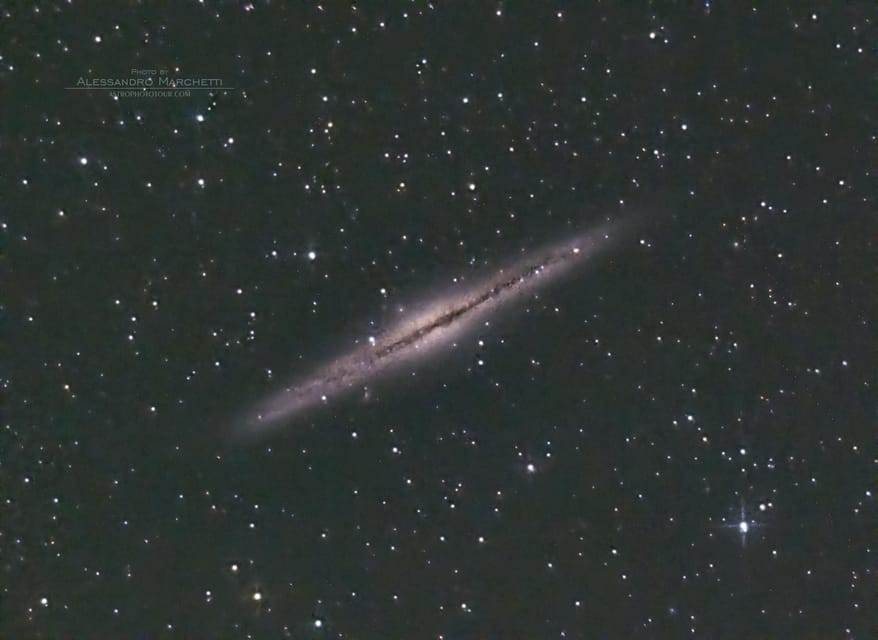
- Cooled astro-camera + guide photos to take home more than just memories
- Custom targets and explanations from Alessandro based on your interests
- Night Vision Voyage option using a modified 12-inch scope with light-amplification
- Seasonal timing based on sunset, with flexibility if conditions change
Teide National Park at Night: why the dark actually matters
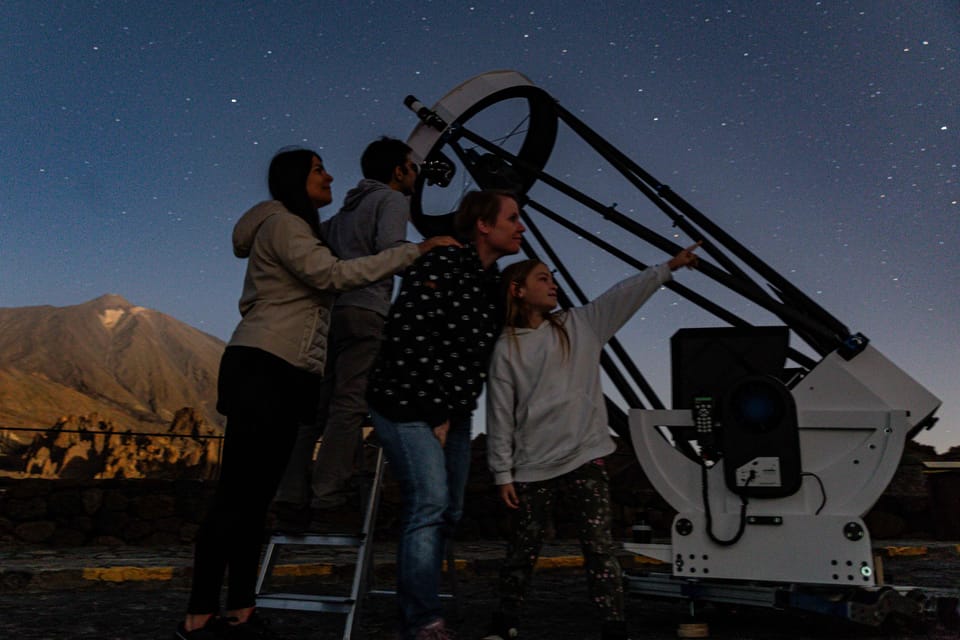
Teide National Park on Tenerife is a stargazer’s setting because it’s designed for big-sky viewing. When the light is low and the air is stable, the sky turns from “pretty” into something physical. Galaxies and nebulae stop being vague dots and start showing structure.
This tour makes that difference practical. You’re not just standing around waiting for a telescope to be pointed somewhere. With a small group, the guide can adjust what you look at based on what’s showing best that night, and on your comfort level with astronomy facts.
You’ll also notice the pacing fits real observing. Staring takes time. Focus takes patience. And with a large scope, you’ll often spend those minutes waiting for your eyes to settle on the details the telescope is pulling in.
You can also read our reviews of more guided tours in Tenerife
The meeting and the first step: GPS, wind, and 3 hours of real viewing
Plan on a day where timing is flexible. The meeting time is confirmed by WhatsApp around 9:30 am on the day of the tour, and it depends on sunset time (so it shifts through the seasons). The exact meeting point can also change based on wind direction, since large telescopes need a more protected area.
Once you arrive, the vibe is calm and focused. You’ll get a guide-led orientation, then you’ll move into the observing rhythm. The total tour time is 3 hours, which is long enough to see multiple deep-sky targets, but short enough that you stay engaged instead of freezing through a long wait.
One detail I really like for practicality: there’s no hotel pickup included. If you’re staying in Tenerife and want an easy night out, you’ll need to plan your own way to the confirmed meeting point (with the GPS coordinates sent the day of).
Alessandro and the 32-inch Dobsonian: what “largest private telescope” means for you
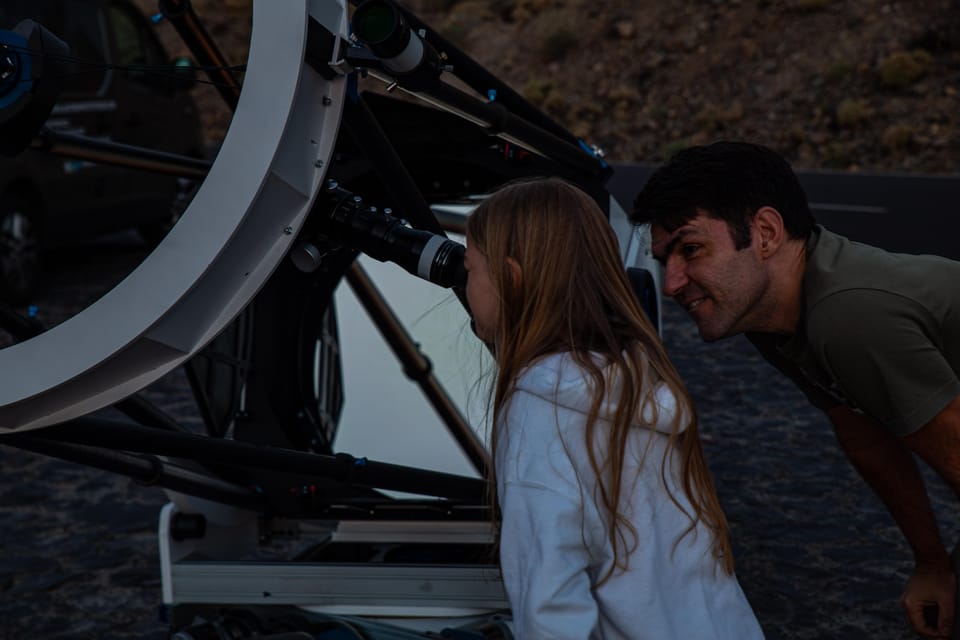
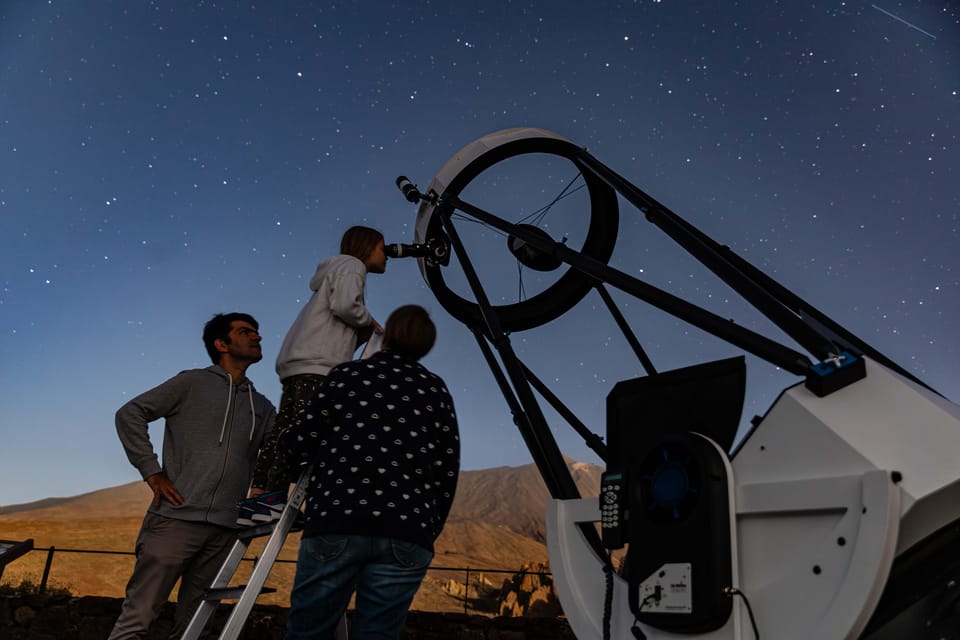
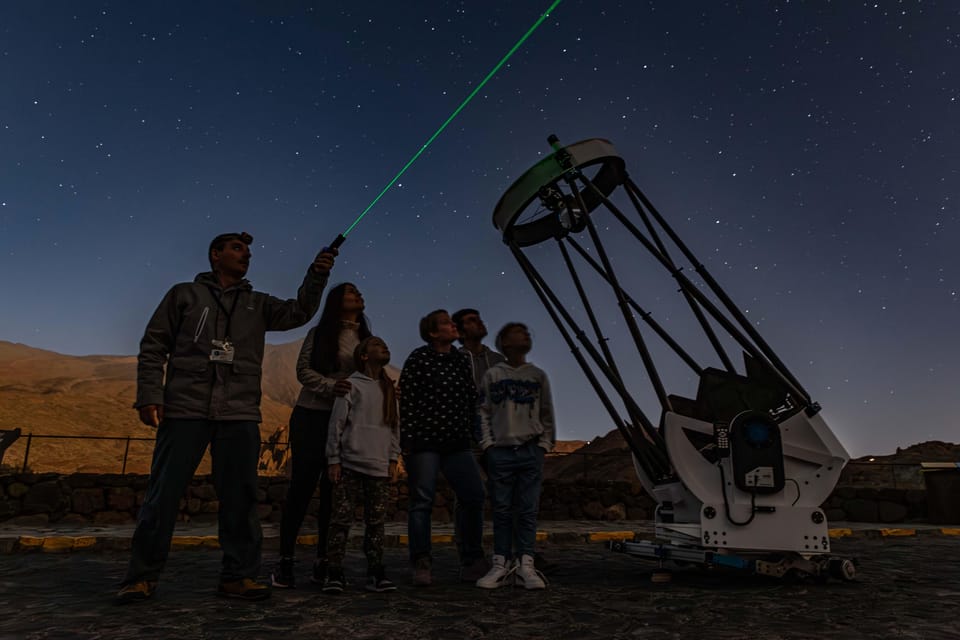
The headline here is the 32-inch Dobsonian telescope, described as the largest private telescope in the Canary Islands. That matters because bigger mirrors gather more light, and light is what makes faint objects turn from speculation into something you can actually see.
A few of the effects you’ll likely notice when the scope is running:
- Details pop out on galaxies and nebulae that smaller setups often miss
- Targets can look brighter and sharper at the eyepiece
- The guide has enough optical reach to show different types of objects, not just the easiest ones
This is also where the small group size pays off. With groups up to 12, Alessandro can check that people are getting a proper view and can answer questions without turning the night into a lecture. In several experiences, people highlighted that there was time at the eyepiece, with the guide staying patient and unhurried.
And yes, the telescope is serious. One review described it as a self-made design with a mirror diameter of 1 meter, which lines up with the idea that this is not a generic rental setup. You can feel that thoughtfulness in how the night runs.
What you’ll actually see: galaxies, nebulae, supernova remnants, plus the planets
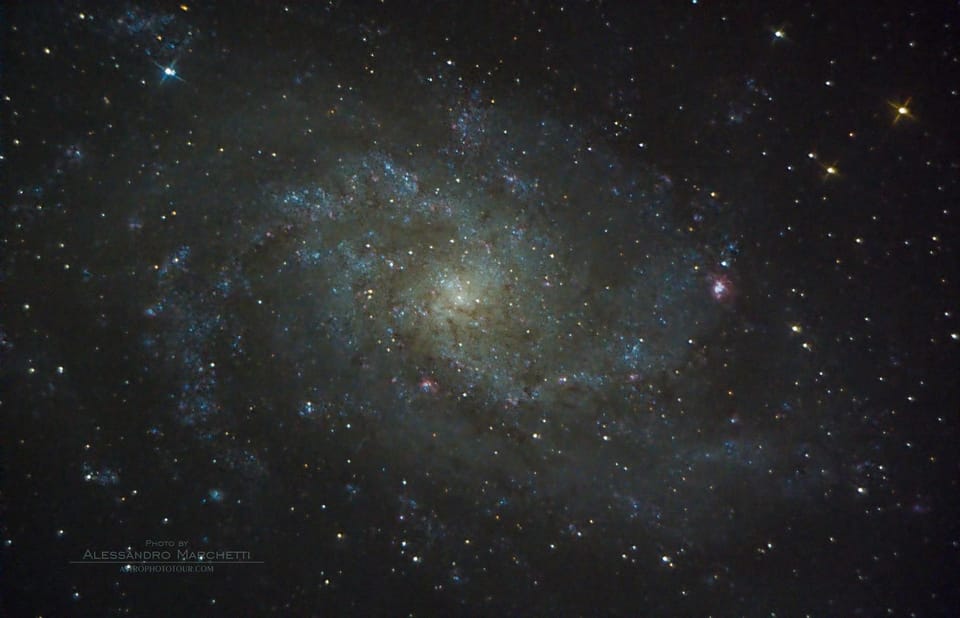
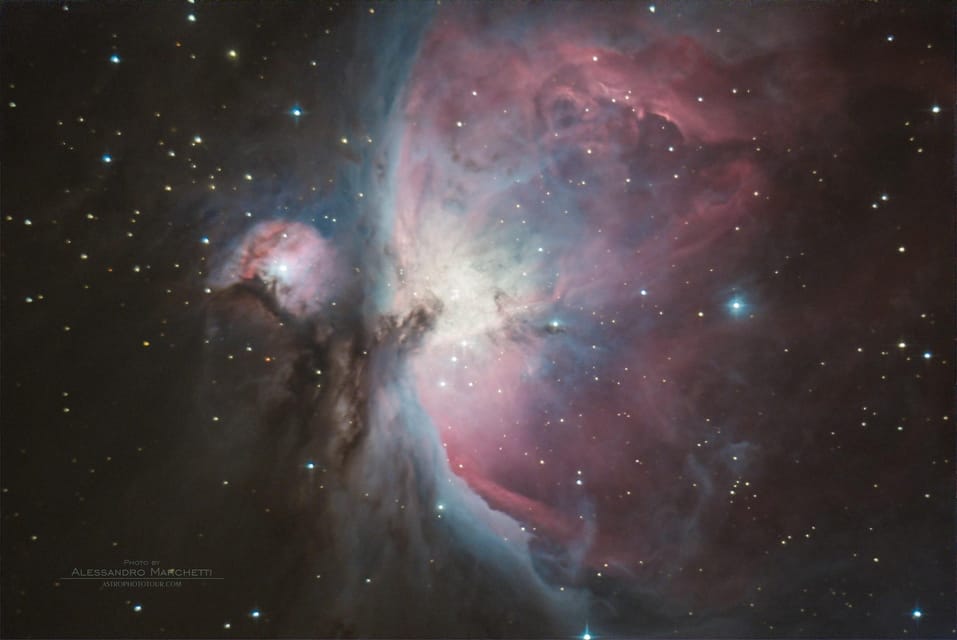
The tour doesn’t promise you the same checklist every night, because the sky doesn’t work that way. But the stated goal is a mix of deep-sky objects—galaxies, protostellar nebulae, and supernova remnants—with guidance tailored to your interests.
When the sky cooperates, you should expect more than “a star cluster, then Saturn.” The guide selects objects that are visible in that season and that work well for an untrained eye too. That’s a big deal. Stargazing tours can sometimes feel like a scavenger hunt where beginners can’t tell what they’re seeing. Here, explanations are built to connect the object to what you’re looking at.
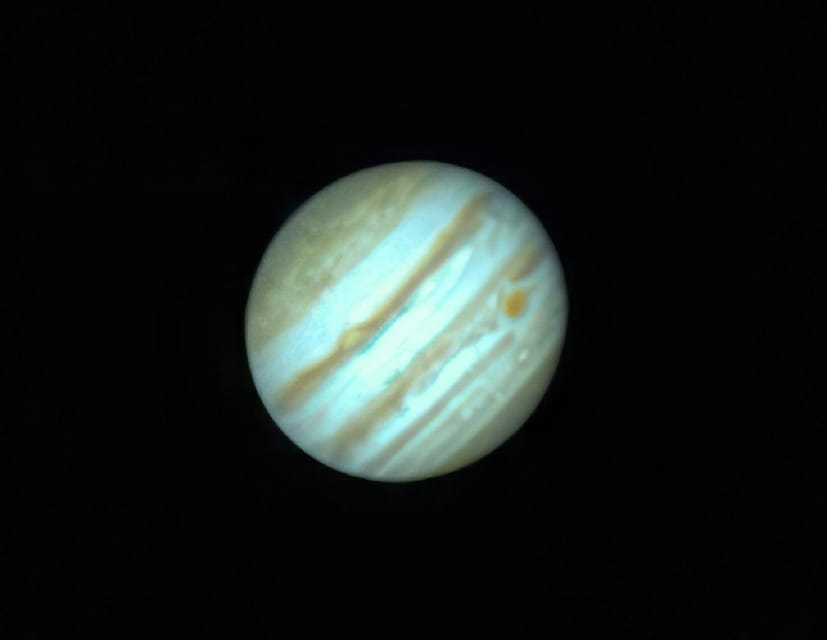
Planets, when they’re available, can be a highlight. Multiple reviews call out Saturn and Jupiter, including views of Saturn’s moons and how crisp the planet can look through the scope. Star clusters and “dead star” type targets also show up in what people report seeing, which suggests the guide isn’t only chasing the obvious.
Even if you’re a total beginner, the best way to enjoy this is to lean in with questions. Ask what you’re seeing and why it looks that way. Alessandro’s style is built around turning those answers into something you can match to the image in real time.
The photo package: cooled astro-camera and images you keep
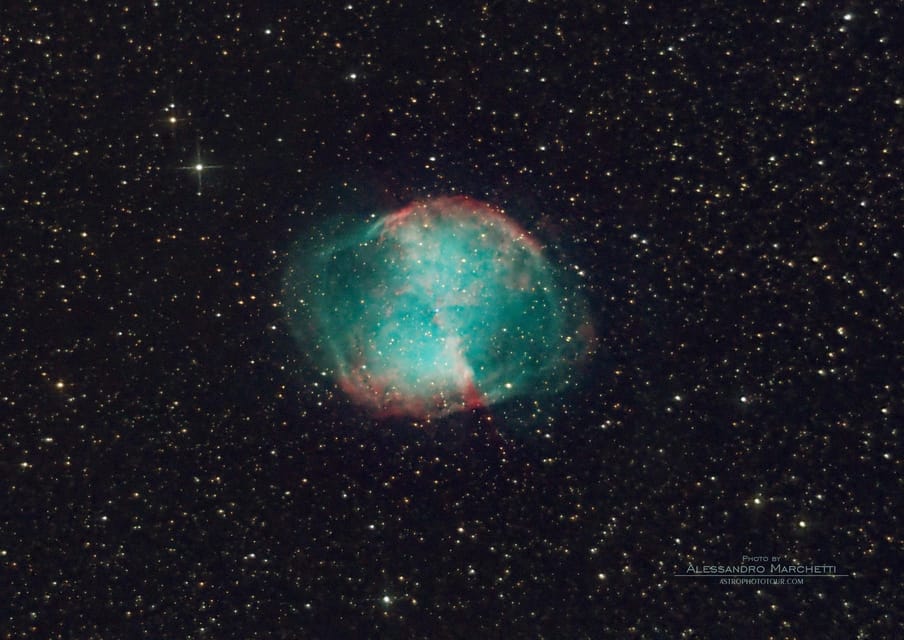
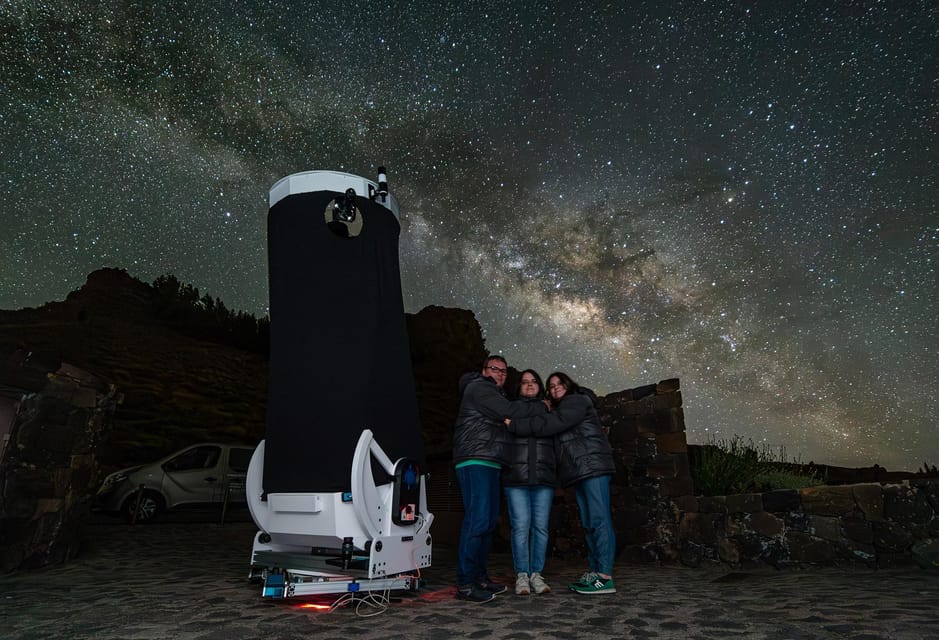
You’re not just getting a memory. You’re getting photos from a dedicated cooled astro-camera, plus a set of images taken that evening and from previous sessions. That combination is smart: it means you’re not dependent on every single minute of perfect conditions to leave with great results.
Here’s why this matters for you:
- Long-exposure astrophotography can capture faint detail the eye may struggle to hold
- The “previous sessions” images help fill the set with strong targets, even when conditions change
- You get a tangible takeaway you can show later, instead of only describing what you saw
A few people mentioned that the final photo looked especially cool, and that the end-of-tour image makes the whole night feel more complete. There were also mentions of long-exposure effects, where your face and the sky both show up in a single creative result.
One small planning note: the tour includes photos, but the experience still depends on weather. If observing is too poor, the tour can be postponed or refunded, so don’t book this if you have a hard “must be back by 11” evening in your schedule.
Night Vision Voyage: a 12-inch scope that changes the game
If you want a different way to experience Teide’s sky, the Night Vision Voyage uses a modified 12-inch telescope with a night vision system. It’s smaller on paper, but the point is different: light amplification helps you see things in a way that feels new and real-time, even if it’s not the same optical target as the 32-inch.
This option is built for people who:
- Want something interactive, not just standard telescope viewing
- Like the novelty of seeing faint structure come forward through the night-vision effect
- Might find traditional telescopes a little slow at first
Because this is still live observation, you’ll likely get plenty of hands-on time with what you can see. Reviews also stress that kids and mixed-experience groups do well here, which makes Night Vision Voyage an especially good “everyone gets a win” choice.
If you’re the type who loves technical gear, you’ll probably enjoy the contrast: same park, same night sky, different tool, different view.
Your 3-hour timeline: patience, targets, and why it feels un-rushed
The tour is only 3 hours, but it doesn’t feel rushed. That’s mostly because the guide’s method relies on letting you actually look. With a larger telescope, the setup and focusing alone take time, and then there’s the human part: your eyes adjust, you learn what angles and textures to pay attention to, and the guide helps you keep up.
A typical flow you can expect looks like this:
1) Brief orientation and how the night will run (and what you might see)
2) Telescope time with the guide pointing out what to watch for
3) Switching targets as the sky allows, with explanations tied to each object
4) A photo moment at the end using the telescope’s imaging setup
And if wind shows up, the tour doesn’t always hit every target, but it still tries to keep the night rewarding. In some cases, people were offered a choice to continue or stop using the telescope, and then the guide shifted to photos and naked-eye constellation highlights.
That flexibility is worth valuing. Stargazing tours that refuse to adapt can turn disappointing fast. Here, the guide seems willing to salvage the experience rather than push through bad conditions.
What to wear and bring: warm clothes beat fancy gear
Teide nights can get cold, especially when you stop moving. Bring warm clothing and plan on layers. Several people specifically noted warm tea, cookies, and even extra winter coats, which is a nice touch for comfort, but you shouldn’t rely on it as your main insulation plan.
Bring:
- Warm clothing
- Snacks and water
- Comfortable clothes
Don’t bring:
- Shorts
- Open-toed shoes
- Flashlight
The flashlight rule is practical. Dark-adapted eyes and night-sky viewing don’t mix well with sudden light. If you need to move around, you’ll want to do it carefully and use minimal light.
Also, this is not for toddlers. It’s listed as not suitable for children under 5. That said, older kids have been included in many reported experiences, and the guide was described as taking time to help children see and understand what’s in the telescope.
Price and value: is $58 fair for a 32-inch telescope night?
$58 per person for a 3-hour small-group stargazing tour sounds like a lot until you line up what you’re actually getting. You’re paying for:
- Access to a 32-inch private telescope (or the Night Vision setup)
- A dedicated cooled astro-camera and a professional photo package
- A guide with enough flexibility to explain things at your pace
- Small group attention, not a quick look-and-go formula
In value terms, the photo package changes the equation. If it were only “look through the scope for five minutes,” the price would be harder to justify. But images that you can keep, plus photos taken that evening and from previous sessions, make the cost feel more like a complete experience rather than an expensive bus stop.
The other value lever is group size. Up to 12 people means you’re not fighting for time at the eyepiece. That’s where the “real” stargazing happens.
Who should book this tour (and who should skip it)
This is a great match if you:
- Want serious telescope time without the big-tour chaos
- Are a beginner who wants clear explanations tied to what you see
- Are an amateur or even an astrophotography fan who likes deeper context
- Are traveling in a small group and want everyone to get attention
You might prefer a simpler night out if you:
- Hate cold weather and don’t want to wait while people look through a telescope
- Are expecting zero chance of schedule change (wind and weather can affect observing)
Language-wise, the live guide operates in English, Spanish, and Italian, so it’s easy to find a comfortable fit.
And if you’re traveling with friends or family, the option for private or small groups can make the whole night feel more personal, not like you’re squeezed into a larger group story.
Should you book the Teide National Park telescope tour?
If you want a real stargazing experience in Teide National Park, I think this is an excellent choice. The combination of a 32-inch private telescope, small group size, and an astro-photo package makes it feel like you’re paying for both the show and the follow-up.
Book it if you’re ready to dress warm, follow the basic rules (no shorts, no open-toed shoes, no flashlight), and accept that wind can change the plan. If you can be flexible and you’re curious about the sky, you’ll likely come away with views that stick—and photos you’ll actually want to keep.
FAQ
FAQ
How long is the Teide National Park stargazing tour?
The tour lasts 3 hours.
What telescope does the tour use?
You either use a computerized 32-inch Dobsonian telescope or a 12-inch night vision telescope (Night Vision Voyage option).
How big are the groups?
The experience is run in small groups, with up to 12 people.
What options are available besides the main 32-inch telescope experience?
There are two additional options: an Exclusive Starlight Experience for couples, families, or friends, and a Night Vision Voyage using the modified 12-inch telescope with a night vision system.
What photos are included?
The tour includes a professional astrophotography package with photos taken that evening and also from previous sessions.
What is the meeting point like?
The meeting point and time are confirmed via WhatsApp around 9:30 am on the same day. The exact meeting point can vary depending on wind direction, and the provider sends GPS coordinates.
Is hotel pickup included?
No, hotel pickup and drop-off are not included.
What should I bring?
Bring warm clothing, snacks, and water, and wear comfortable clothes.
What is not allowed during the tour?
Shorts, open-toed shoes, and flashlights are not allowed.
What happens if weather conditions are bad?
If conditions aren’t good for observation, the activity can be postponed to the next day or you can get a refund.