REVIEW · VALENCIA
The City of Arts and Sciences in Valencia
Book on Viator →Operated by alapontasins.com · Bookable on Viator
Valencia’s sci-fi city makes sense on foot. You’ll trace the City of Arts and Sciences highlights with an English-speaking guide, then wind up at the America’s Cup Port area for a totally different vibe.
I love the way the tour turns modern design into an easy story you can follow. I also love the photo-friendly stops and viewpoints, especially around Hemisfèric, where the buildings really start to click.
One drawback to consider: even with English offered, some groups can include other languages, so the guide may switch back and forth and slow the pace a bit.
In This Review
- Key highlights worth your time
- City of Arts and Sciences: what makes it click on a guided walk
- Getting there without stress: the Tesla charger meeting point
- The route and timing: how 2 hours 40 minutes actually feels
- Museo de las Ciencias Príncipe Felipe: why the “first stop” matters
- Hemisfèric: the dome, the views, and the reason it stands out
- Palacio de las Artes Reina Sofía: opera-house design without the pressure
- L’Umbracle Terraza: a breather with real viewpoints
- La Marina de Valencia and the America’s Cup Port finish
- What you’ll learn: architecture as a single project, not five separate stops
- English tour reality: keep your expectations clear
- Comfort and pace: walking, shade, and smart footwear
- Value check: why a private, multi-stop guide is often the right move
- Should you book this City of Arts and Sciences tour?
- FAQ
- How long is the tour?
- Where does the tour start?
- Is the tour private?
- What language is the tour offered in?
- Do I get a mobile ticket?
- Is service allowed for people with service animals?
- Is it near public transportation?
- Is the tour dependent on weather?
- Can I cancel for a full refund?
Key highlights worth your time
- Architecture-first tour that focuses on how these buildings work together, not just what’s inside
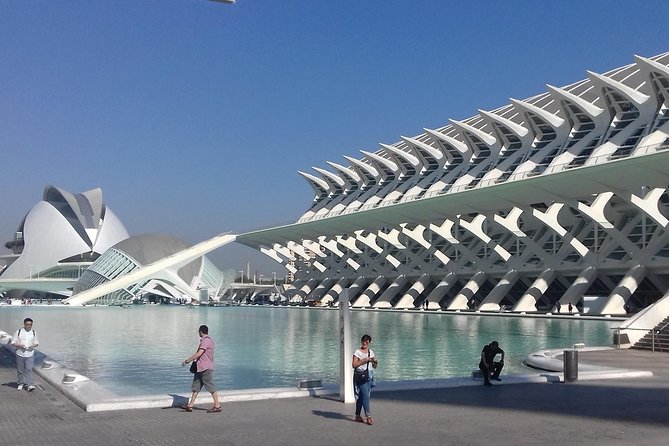
- Hemisfèric photo angles where the dome and surroundings make the best sense
- Opera house exterior stories tied to engineering and design choices
- L’Umbracle Terraza viewpoints plus spots to pause and cool down
- Ending at La Marina and the America’s Cup Port to shift from science to sailing energy
City of Arts and Sciences: what makes it click on a guided walk
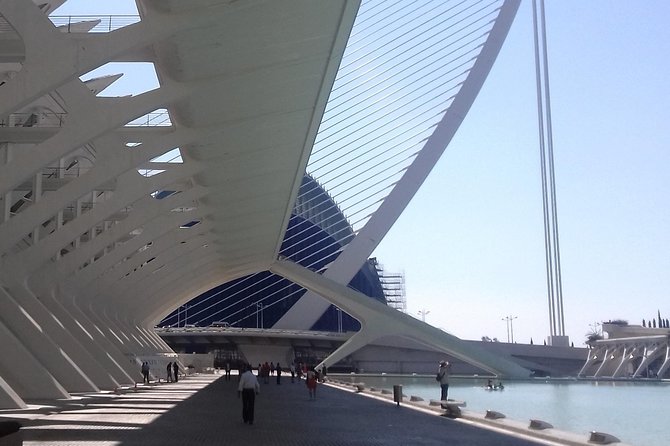
The City of Arts and Sciences in Valencia is the kind of place where you can wander for hours and still feel like you saw cool shapes, not a connected idea. With a guide, the complex turns into a plan: what you’re looking at, why it’s here, and how the different buildings relate to each other.
This tour is built for that. You’ll cover the big-name structures while keeping things moving at a human pace. And because it’s a private experience, the guide can adapt to your group instead of herding everyone like a stadium crowd.
I also like that the focus stays practical. You’re not just staring at big buildings. You’re learning how the design connects to Valencia’s setting and how the project was put together.
You can also read our reviews of more city tours in Valencia
Getting there without stress: the Tesla charger meeting point
The tour starts at a very specific spot: Tesla Destination Charger, Carrer del Pintor Maella, 37, Camins al Grau, 46023 València, Valencia, Spain. The best move is to arrive a few minutes early and take a moment to match what you see to the exact address.
A small heads-up: meeting points with no obvious signage can be tricky. If you’re relying on your phone map, give it time to load before you’re standing there impatiently in the sun.
If your guide sends help like a photo of the meeting spot (some guides have done this for past groups), keep your phone accessible and your messages open. It can save real time.
The route and timing: how 2 hours 40 minutes actually feels
The tour runs about 2 hours 40 minutes and ends back at the starting point. You’ll move through the City of Arts and Sciences and then continue to the port area near the America’s Cup.
You should expect a decent walking route. One reason this works so well is that it’s long enough to connect buildings into a story, but short enough that you’re not stuck all day. Still, if you’re a slow walker, plan a little extra time for pauses and shade breaks.
Weather matters here. The experience requires good weather, and if it gets canceled for poor conditions, you’ll be offered a different date or a full refund. So check the forecast and don’t schedule this as your “whenever” backup plan.
Museo de las Ciencias Príncipe Felipe: why the “first stop” matters
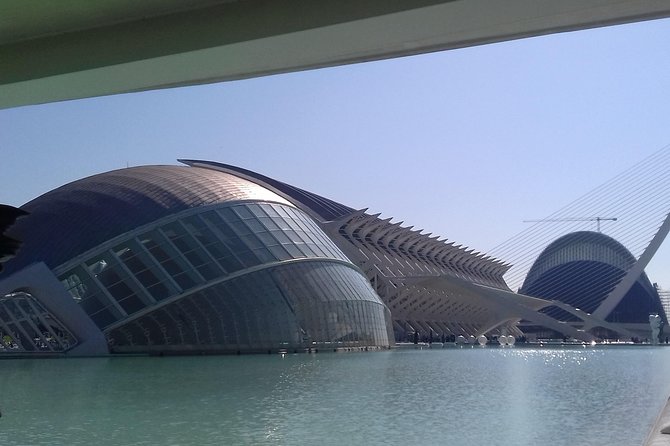
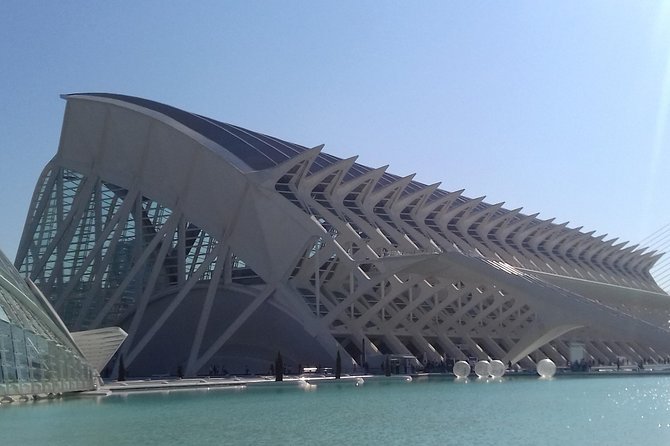
Your first stop is Museo de las Ciencias Príncipe Felipe. Even if you’re not going deep into exhibits, this is a smart starting point because it sets the tone: the complex isn’t random architecture. It’s a themed scientific and cultural project.
What you’ll gain at this stage is orientation. A good guide will point out what to notice and what to ignore so you don’t get overwhelmed by the scale. You’ll also get context on the purpose of these buildings in Valencia’s modern story.
One thing to keep expectations aligned: this tour leans toward history and architecture, not a full interior museum experience. Think of it as a guided “how it was designed and why it fits” visit.
Hemisfèric: the dome, the views, and the reason it stands out
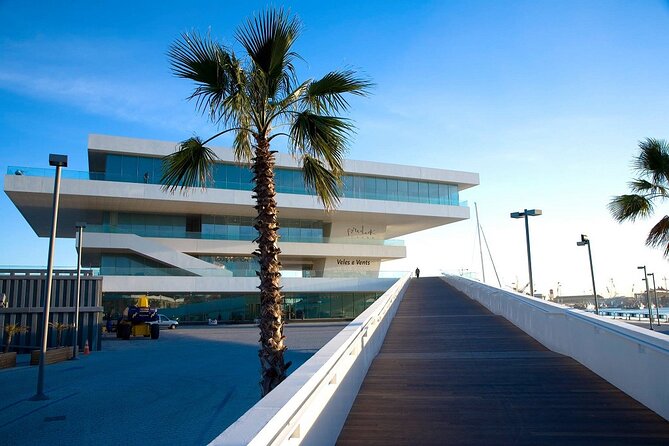
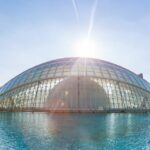
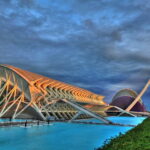
Next up is Hemisfèric. The dome is the signature, but the real value is learning how the shape and positioning affect what you see around it. It’s the kind of building where one angle looks impressive, then another angle makes it make sense.
A strong guide will choose spots for you to see the structure from multiple angles, including practical photo points. This is also where the tour tends to feel most alive because Hemisfèric’s presence anchors the whole area.
The other benefit: Hemisfèric works as a visual reference. After this stop, the rest of the complex becomes easier to read, instead of feeling like disconnected landmarks.





Palacio de las Artes Reina Sofía: opera-house design without the pressure
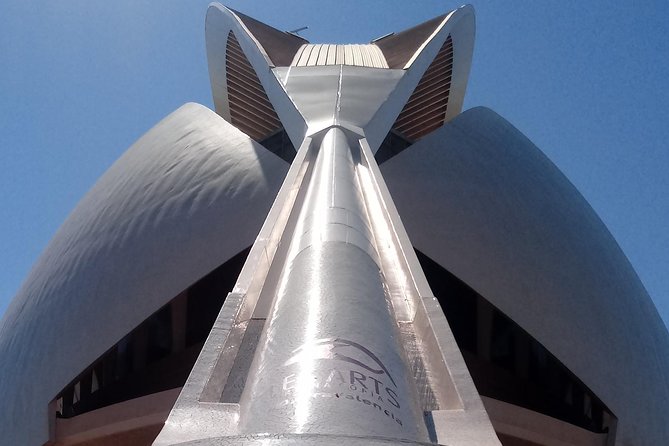
Then you’ll head to Palacio de las Artes Reina Sofía. This building is both theatrical and engineered-looking, and the tour explains why it looks the way it does. You’ll get the design logic instead of just admiring the outside.
A couple of reviews-style notes that matter for your planning: the tour content is more about architectural storytelling than trying to tour every interior detail. If you’re hoping for a deep dive into the opera-house interior or aquarium-type exhibits, you might feel the emphasis is on the outside and the bigger picture.
That said, the opera-house stop still adds a lot. It helps you understand the complex as a cultural system: science + performance + architecture, all in one planned area.
L’Umbracle Terraza: a breather with real viewpoints
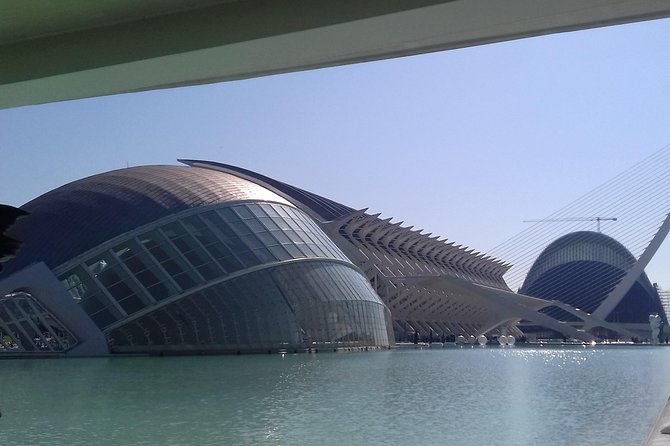
L’Umbracle Terraza is where the experience often becomes more relaxing. You get a change of pace: open air, good sightlines, and a chance to pause. This is the stop that feels less like pure “touring” and more like enjoying the space.
If you need rests, this is also where you’re more likely to find places to slow down. Some guides have been attentive about seating and shade, and there are ways to reduce stairs when possible.
Bring your camera, but also bring your patience. This stop rewards you for looking around the edges, not just at the building itself. You’ll start seeing how the complex frames Valencia’s modern side.
La Marina de Valencia and the America’s Cup Port finish
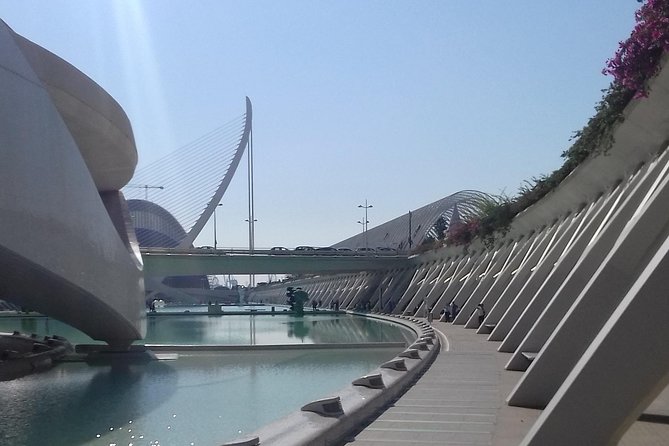
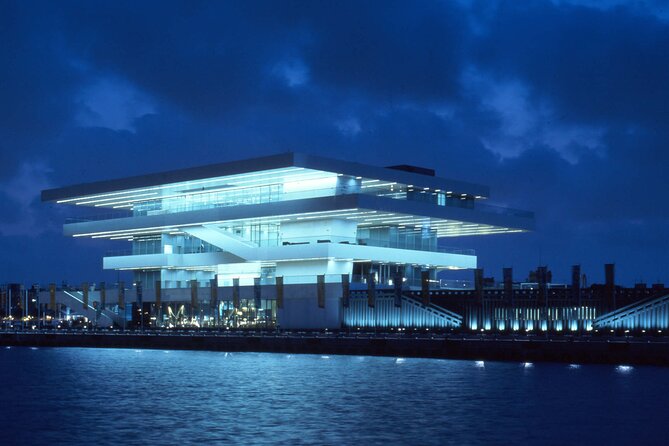
Finally, you reach La Marina de Valencia, then continue into the America’s Cup Port area to finish the loop. This shift is one of the smartest parts of the tour. After futuristic science buildings, you get a more open, maritime atmosphere.
The change in scenery is the point. You end your visit with a different kind of architecture and energy, which makes the whole day feel balanced. It’s also a nice way to connect the complex to the nearby harbor area you might otherwise see only as a background to your walk.
And if you care about not missing key exterior sightlines, this ending matters. One of the practical notes from past participants is that getting the exterior views outside the aquarium/opera focus is important, and the tour does that.
What you’ll learn: architecture as a single project, not five separate stops
The biggest “why this is worth it” factor is how the guide ties the buildings together. You don’t just hear facts. You learn the connections: how the design language repeats, how the structures are placed, and how the architect’s choices show up across multiple sites.
In particular, the tour is described as strong on engineering and architecture. You’ll also hear about the fact that a well-known architect was responsible for most of the buildings, with one key exception. You’ll get enough context to recognize patterns rather than collecting random images.
This is where a guide pays off most. If you visited alone, you’d see the buildings. With a guide, you learn why they look the way they do and how they were meant to function as a designed group.
English tour reality: keep your expectations clear
The tour is offered in English, and guides typically handle multiple languages. But one practical consideration is language mixing in private groups. If you have additional speakers in your group, you may see the guide switch back and forth to include everyone.
That doesn’t make it bad. It just means your time per stop can shrink a bit. If you prefer strict English only, consider confirming in advance that your group will be English-only, so you can hear every stop without pauses.
If you do end up with mixed languages, don’t panic. The guide’s job is still to keep the story moving. It’s just smart to accept that the pace may be less uniform.
Comfort and pace: walking, shade, and smart footwear
This is not a sit-behind-the-glass kind of tour. You’ll walk between several major buildings, and the total time can feel longer if you move slowly or take lots of photos.
Plan for that. Wear comfortable shoes with decent grip. Bring water if it’s warm. And if you use a cane or need accessible options, it helps to let the guide know early so they can suggest pauses or routes where possible.
Some guides have been proactive about finding shade and elevators when feasible. That’s the kind of flexibility you want from a private tour, especially if your group includes someone who needs a slower pace.
Value check: why a private, multi-stop guide is often the right move
Without talking price numbers, here’s how I think about value here. You’re paying for three things that add up fast on your own: interpretation, timing, and smart viewing points.
Interpretation matters because these buildings are visual but not always intuitive. Timing matters because the route is planned to connect major stops in a coherent flow. Viewing points matter because the best angles aren’t always the ones you’d pick casually while rushing.
Also, you get a mobile ticket and an organized tour experience. For some people, that alone reduces uncertainty at a complex site.
If you love architecture and modern design, this is a high-return use of a few hours. If your goal is hands-on museum time or interior-heavy sightseeing, you may prefer a different style of visit that focuses more on exhibits and ticketed indoor spaces.
Should you book this City of Arts and Sciences tour?
Book it if you want a guided architecture walk that explains how the City of Arts and Sciences fits together, and you like ending with a port-area change of scenery. I’d especially recommend it if you’ll enjoy photo stops and want someone to point out the engineering and design story behind the shapes.
Skip it or adjust expectations if you mainly want interior experiences inside museums or want a performance-focused plan. This tour’s strength is outside views and architectural storytelling, not deep indoor exploration.
Also, pick this when the weather is good. The route works best when you can enjoy the open-air walking and look around without rushing indoors.
If you’re the type who likes modern design, this is one of Valencia’s best “make it make sense” experiences.
FAQ
How long is the tour?
It’s approximately 2 hours 40 minutes.
Where does the tour start?
The meeting point is Tesla Destination Charger, Carrer del Pintor Maella, 37, Camins al Grau, 46023 València, Valencia, Spain.
Is the tour private?
Yes. It’s a private tour/activity, so only your group will participate.
What language is the tour offered in?
The tour is offered in English. Confirmation at booking will include the service details for your group.
Do I get a mobile ticket?
Yes. This experience uses a mobile ticket.
Is service allowed for people with service animals?
Service animals are allowed.
Is it near public transportation?
Yes, it’s near public transportation.
Is the tour dependent on weather?
Yes. The experience requires good weather. If it’s canceled due to poor weather, you’ll be offered a different date or a full refund.
Can I cancel for a full refund?
Yes. You can cancel up to 24 hours in advance for a full refund. If you cancel less than 24 hours before the experience starts, the amount you paid won’t be refunded.