REVIEW · UBEDA
Úbeda: Tour centro histórico Patrimonio Mundial con entradas
Book on GetYourGuide →Operated by SEMER TURISMO Y CULTURA SL · Bookable on GetYourGuide
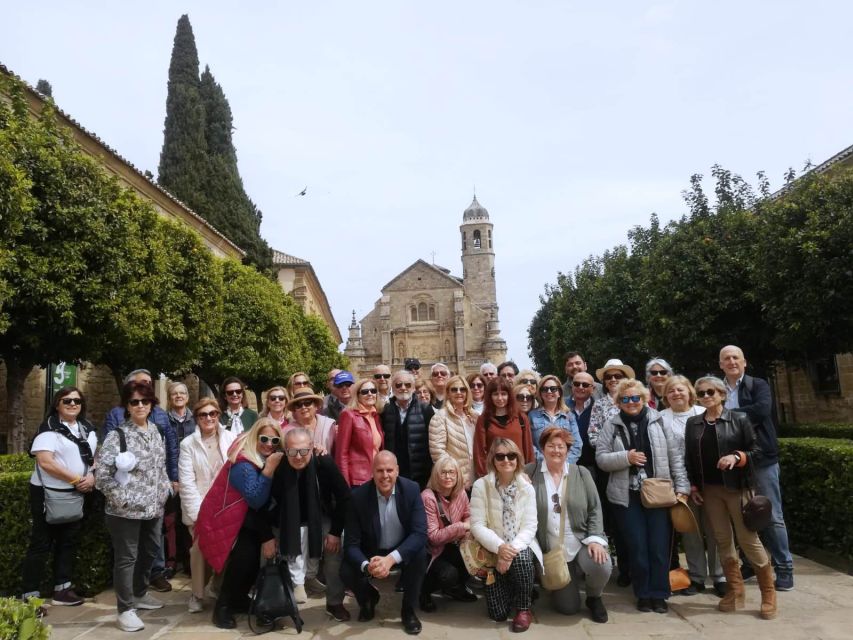
Úbeda rewards slow walking in beautiful stone. This 2.5-hour small-group tour gives you a guided route through the old town’s most famous Renaissance and religious sights, plus interior access that you’d normally have to pay for one by one. I especially like how the guide ties the buildings to the people who shaped them, so the streets stop feeling like random photo stops and start making sense.
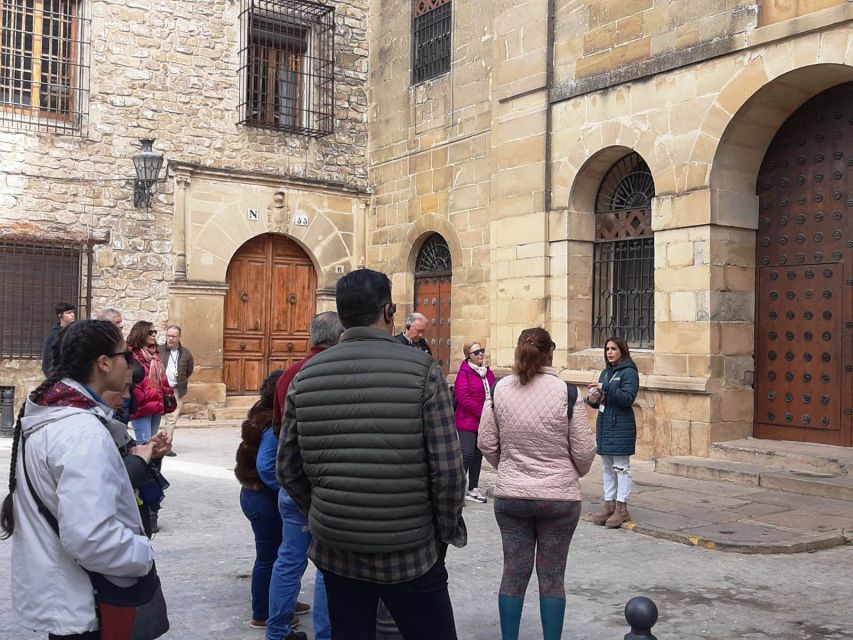
Two things I truly liked: first, the stop at Iglesia de San Pablo and its Renaissance fountain, which is dramatic without being showy; second, the way the tour builds toward the bigger monuments—starting with civic squares and ending at the chapel and the great palace interiors. One consideration: because it’s a walking tour with multiple sites, you’ll want comfortable shoes and a bit of patience for tight, historic-street pacing, especially if weather turns nasty. Guides like Irene and Nazaret are called out as particularly friendly and good at keeping explanations engaging, even when conditions aren’t ideal.
In This Review
- Key highlights worth planning for
- Why Úbeda’s historic center feels different on a guided walk
- Meeting at SEMER Turismo & Cultura: a smart start in the center
- Plaza Primero de Mayo and the civic pulse of old Úbeda
- Old civic buildings, John of the Cross, and the religious corridor
- Church of San Pablo: the Renaissance fountain you’ll remember
- Renaissance palaces around Plaza Vázquez de Molina
- Sacra Capilla del Salvador (1536–1559): the architectural centerpiece
- Palacio Vela de los Cobos: aristocracy in stone at the end of the loop
- Price and value: what $21 gets you in real terms
- Weather, pace, and who this tour fits best
- Should you book this Úbeda historic-center tour?
- FAQ
- How long is the Úbeda historic center walking tour?
- What language is the guide speaking?
- Which entrances are included in the ticket price?
- Where do I meet the guide?
- Is the tour wheelchair accessible?
- What should I bring?
Key highlights worth planning for
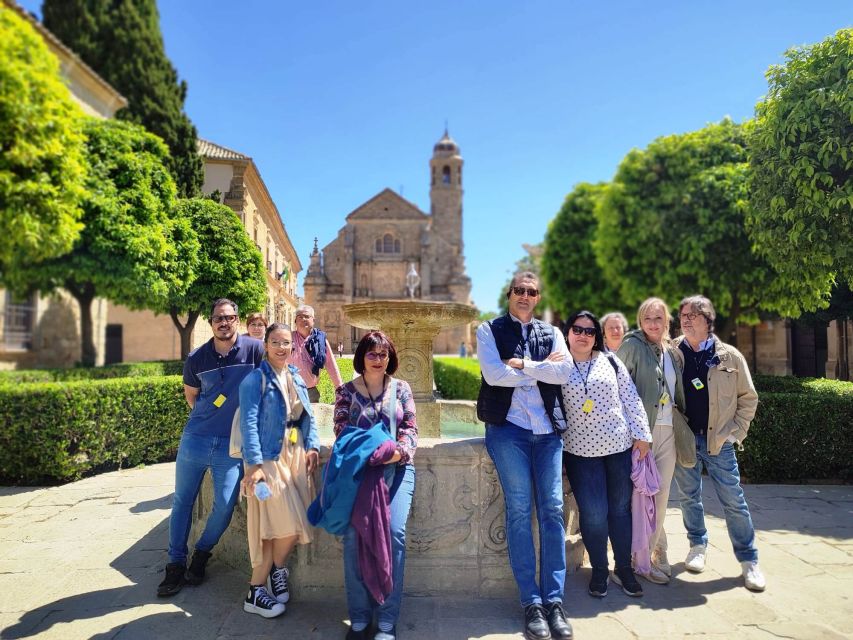
- UNESCO center on foot: A focused loop through Úbeda’s core plazas and landmark buildings.
- Real interior time: Entry tickets include the Sacra Capilla del Salvador and Palacio Vela de los Cobos.
- Civic to sacred arc: You move from market-square history to religious architecture, then into Renaissance power.
- Renaissance craftsmanship you can see: The Church of San Pablo’s Renaissance fountain anchors one of the most memorable stops.
- Audio that actually helps: Radio guide systems plus audio support at key moments.
- Good guide energy: Multiple recent guides are praised for lively, professional delivery (Spanish narration).
Why Úbeda’s historic center feels different on a guided walk
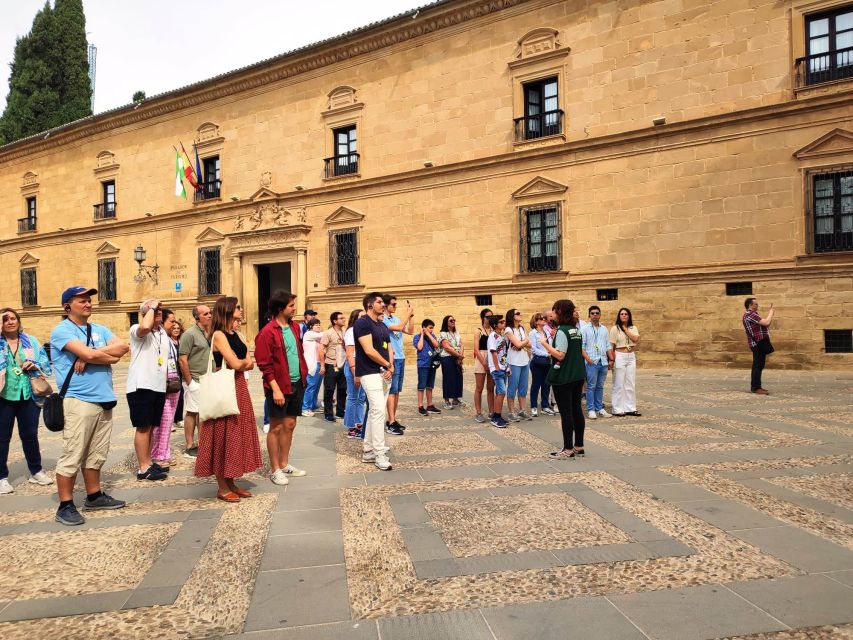
Úbeda is a place where the details matter. On your own, you can see impressive façades—then miss the why. With this tour, you get a human guide explaining what you’re looking at and how it connects to civic life, religious influence, and Renaissance wealth.
This kind of guided route is especially useful in Úbeda because the town reads like a timeline. Squares like Plaza Primero de Mayo help you understand everyday life (markets and public gatherings), while the palaces and chapels show you the bigger story—who had the power, and what they wanted to leave behind.
The format also makes the time feel efficient: you’re moving through a compact area for about 2.5 hours, and the stops are spaced for short guided moments. If you like architecture, this tour is a fast way to learn enough to look smarter at every corner afterward.
You can also read our reviews of more tours and experiences in Ubeda.
Meeting at SEMER Turismo & Cultura: a smart start in the center
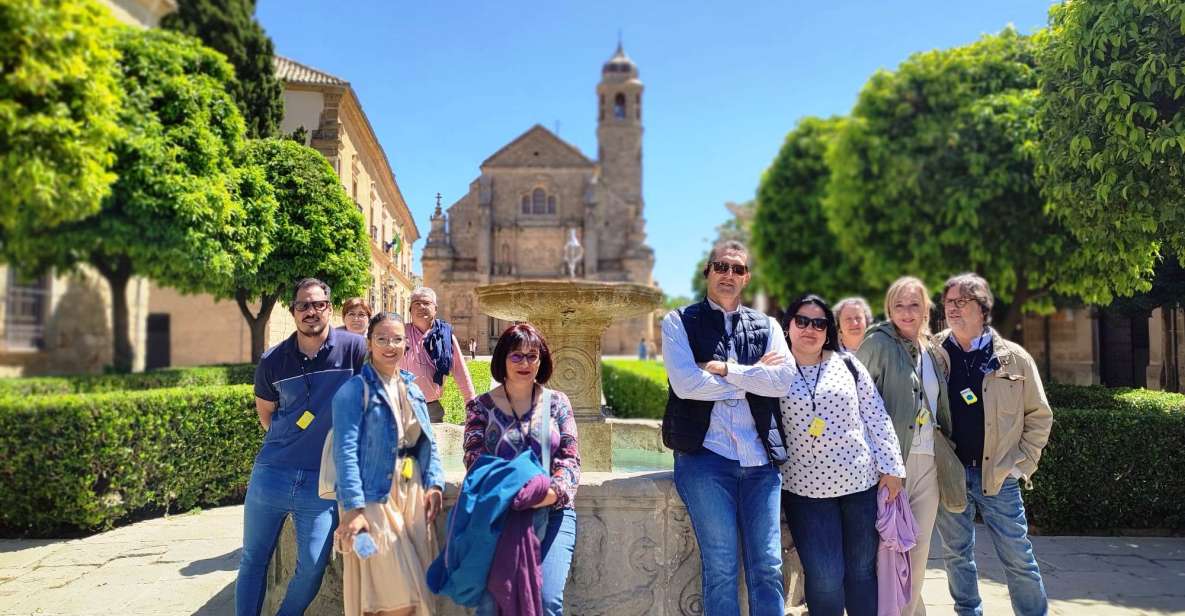
You meet at SEMER Turismo & Cultura on Juan Montilla Street, 3, in the historic center. The location is close to Plaza del Ayuntamiento and directly in front of Palacio Vela de los Cobos, which is a nice setup because the tour doesn’t waste time “getting you oriented.”
Before you start, keep an eye on two practical things:
- Wear shoes you can walk in for 2.5 hours on uneven old streets.
- Plan for short interior pauses where you’ll stand, look up, and listen.
The tour includes radio guide systems and Spanish audio support at certain points, which helps when you’re in busy corridors or inside larger spaces where normal voices carry poorly. And since it’s Spanish-language with a live guide, expect the narration to be the main event—not a quick slideshow.
Plaza Primero de Mayo and the civic pulse of old Úbeda
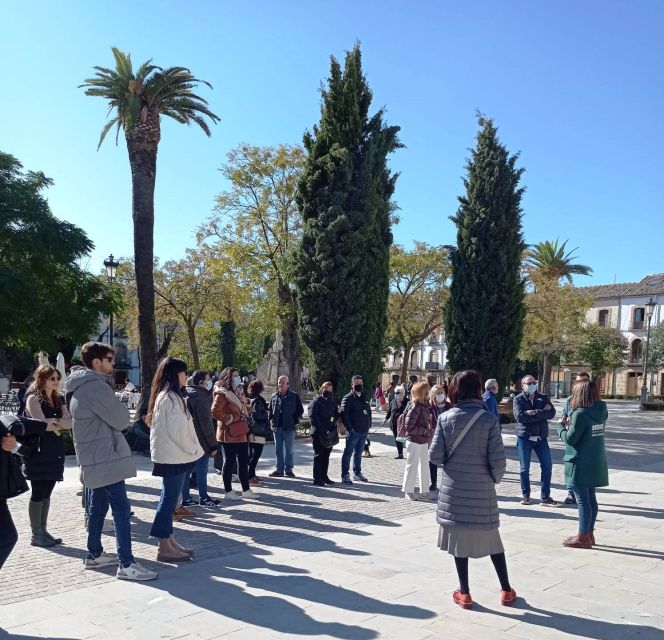
The tour begins by heading to Plaza Primero de Mayo, a historic square that has hosted the city’s main market for centuries. Even if you’re not a market-nerd, this stop is a key “read the town” moment. It shows how Úbeda was organized around commerce and public life, not just monuments and churches.
You’ll get a guided look at the square’s role in the city’s rhythm, then you transition toward the civic side of town—where religious power and government influence start to overlap. That connection is a big part of why Úbeda’s UNESCO reputation makes sense. It wasn’t only a place to admire art; it was a place to run a society.
This is also a good spot to reset your bearings. After this first segment, the rest of the walk tends to feel more logical: squares become “chapters,” and each building becomes evidence for what your guide explains.
Old civic buildings, John of the Cross, and the religious corridor
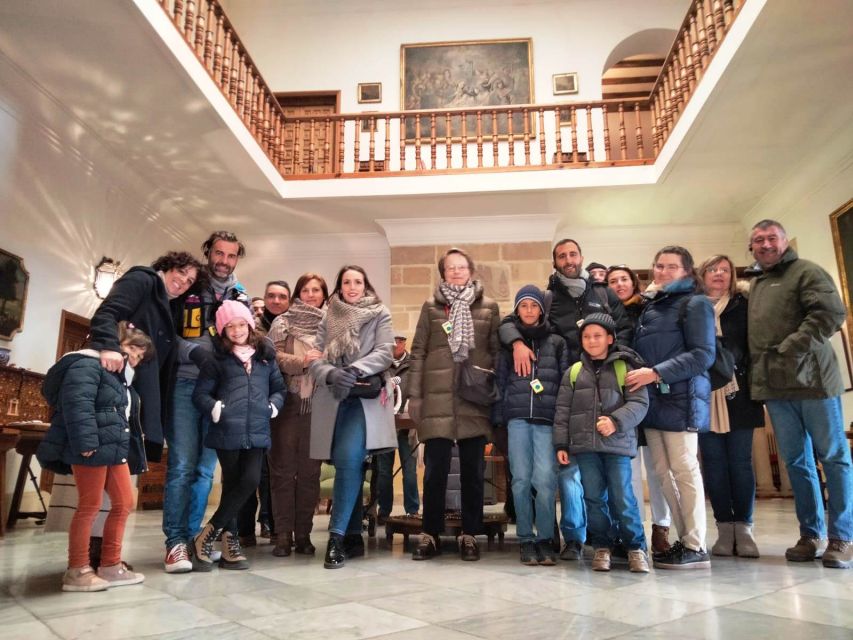
From the market square, the tour moves through the old town core, including the Old Town Hall area and the monument connected with San Juan de la Cruz. Hearing the context matters here because it changes the way you interpret the monuments. Instead of reading them as statues-in-a-vacuum, you start seeing them as part of the city’s identity.
Next up is the Iglesia de San Miguel stop and a visit connected to the religious complex around San Miguel. Then you reach the Museum John of the Cross, where the guided time helps you connect the saint’s story to the architecture and the cultural importance of devotion in Úbeda.
A quick word of advice: if you’re the kind of traveler who likes to take photos nonstop, you’ll still be able to, but you’ll get more from this tour if you treat early stops like learning moments. Take a few photos, listen for the details your guide repeats or emphasizes, then re-photograph with a better understanding.
And yes, the religious section is a short walk, but it’s not “just churches.” This tour uses the religious sites to explain how the city organized meaning—what people believed, where they gathered, and how that showed up in stone and layout.
Church of San Pablo: the Renaissance fountain you’ll remember
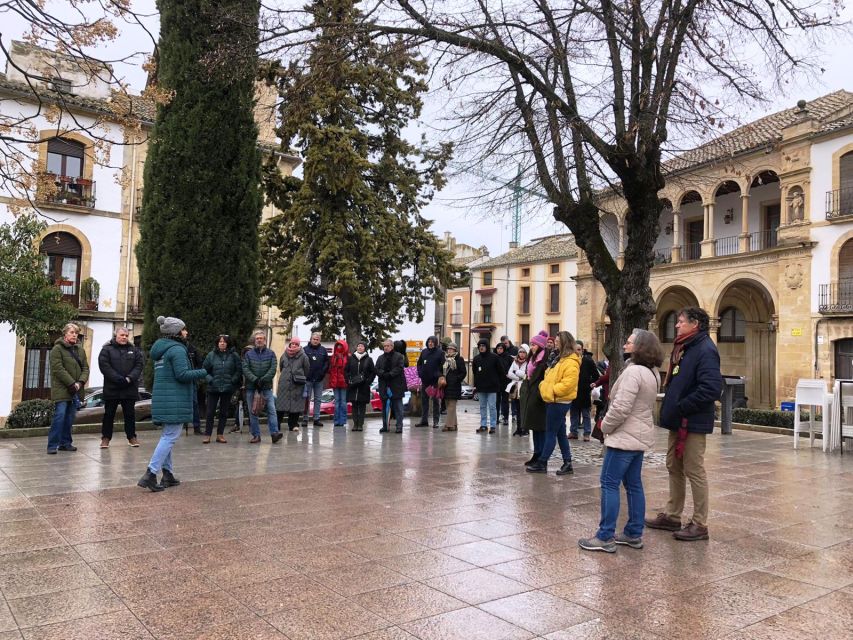
One of the signature experiences is the Church of San Pablo, known for its Renaissance fountain. This is the kind of detail that makes your brain click: you realize you’re looking at craftsmanship meant to impress people who walked in expecting awe.
What I like about this stop is that it’s not only decorative. It’s part of the architecture’s purpose—making sacred space feel like a crafted environment. Even if you’re not a religious traveler, you can still appreciate the planning and artistry.
The tour typically gives you a focused guided window here (not a long, slow amble), so it’s a good idea to pay attention to what your guide highlights—especially if they point out where the design shifts or what elements were meant to be noticed first.
If you’re trying to choose between “see it yourself” and “go with a guide,” this is one of the spots where a guide makes the difference fast.
Renaissance palaces around Plaza Vázquez de Molina
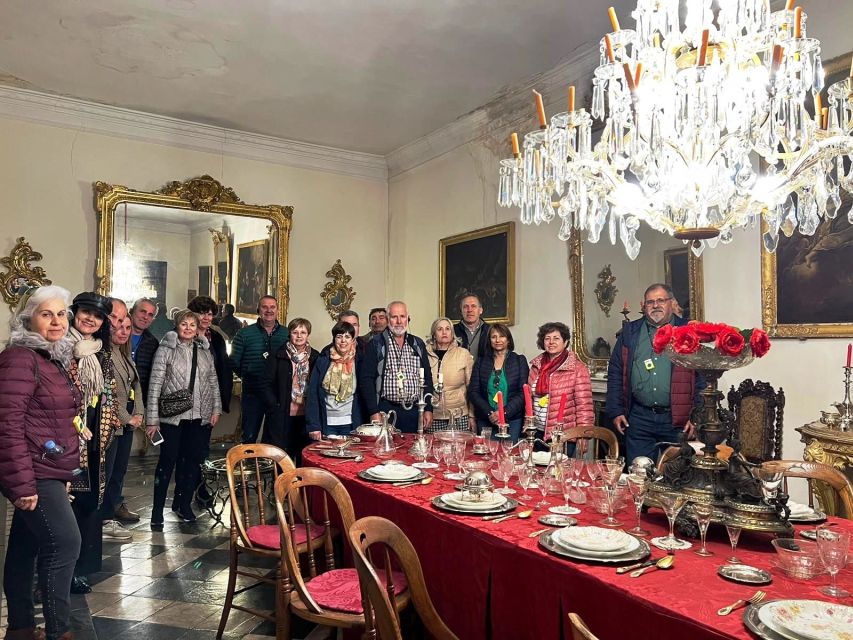
After the religious segment, the mood changes. You step into Plaza Vázquez de Molina, a hub of landmark buildings where your guide explains how power and wealth were displayed in Renaissance Úbeda.
Expect to hear about several major sites, including:
- Palacio de Francisco de los Cobos (described as the last great inhabited Renaissance palace in the province)
- Palacio del Deán Ortega
- Old Pósito (the old public granary)
- Palacio del Marqués de Mancera
- Basilica of Santa María de los Reales Alcázares
- Vázquez de Molina Palace
- And also discussion of Palacio de Cadenas
This is where you start understanding the city’s logic. Palaces aren’t only for wealthy families; they were also public statements. Grain storage (like the old public granary) points to how the city functioned economically. Religious buildings and civic architecture point to how authority was legitimized.
The tour keeps these explanations compact, so you don’t feel stuck. But the benefit is lasting: once you hear the connections once, you’ll notice them everywhere as you continue exploring on your own later.
Practical note: this plaza area can involve standing and looking up. If your schedule includes later climbing or long walking, keep that in mind and pace yourself.
Sacra Capilla del Salvador (1536–1559): the architectural centerpiece
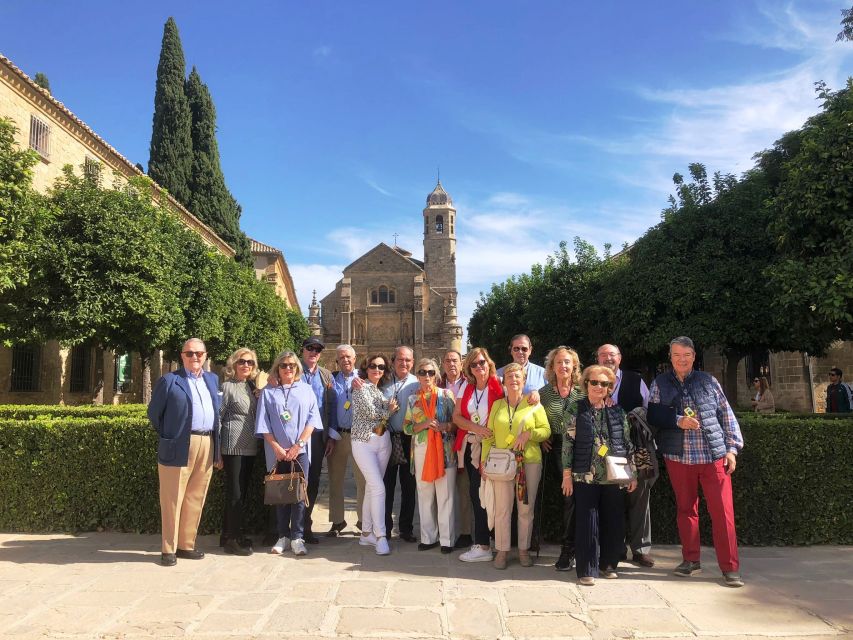
The big architectural moment comes with Sacra Capilla del Salvador, a chapel built between 1536 and 1559. Your entry is included, so you’re not just viewing it from the outside.
This is the stop that tends to feel the most “wow,” but it still works even if you’re not an architecture obsessive. The guide’s job here is to translate what you’re seeing—how the chapel fits the Renaissance story of Úbeda, and why it’s treated as a flagship of local Renaissance architecture.
If you only visit one interior on this whole trip, this is likely the one that feels worth it. And even though the time is guided and structured, you’ll still have time to look around and absorb the scale.
If you’re prone to getting museum-fatigue, take a breath here. This is a place where you should slow down just a bit, because the whole point is craftsmanship and proportion, not speed.
Palacio Vela de los Cobos: aristocracy in stone at the end of the loop
The tour closes at Plaza de Ayuntamiento, and the final highlight is a visit to Palacio Vela de los Cobos. Entry tickets are included, and the guided visit focuses on how Spanish aristocracy lived at its height.
I like the way the tour ends by zooming out from details into human context. Earlier, you learned about squares and buildings as structures. Here, you get a sense of lifestyle and social hierarchy, which helps make earlier architecture feel less abstract.
The time at the palace is the longest interior stop on the schedule, so it’s a good “wrap-up moment.” If you still have energy after the tour, this is a great spot to continue exploring nearby on your own, since you’ll be oriented in the exact neighborhood where the city’s power symbolism is easiest to spot.
Price and value: what $21 gets you in real terms
This tour is listed at $21 per person for about 2.5 hours. At first glance, that’s an easy decision or an easy skip, depending on your travel style. But here’s the value equation that matters:
- You get a live Spanish-speaking guide (the real driver of understanding).
- Entry tickets are included for two major interiors: Sacra Capilla del Salvador and Palacio Vela de los Cobos.
- There are discounted rates for four heritage and exhibition spaces, which can add up if you were planning to enter places anyway.
- You also get audio support: audio guide at Basilica Santa María de los Reales Alcázares, plus radio guide systems, and printed maps of Úbeda and Baeza.
So you’re not just paying for “someone to walk beside you.” You’re paying to cut down your guesswork and help you access the most important interiors without having to plan each ticket in advance.
If you’re on a tight schedule in Úbeda, this tour is one of the best ways to get a high learning-to-effort ratio.
Weather, pace, and who this tour fits best
Based on recent experiences, guides handle weather changes with professionalism, but you should still come ready. When conditions are wet or slippery, old town streets can feel more tiring than you expect, so shoes matter.
In terms of pace, the timing is structured around short guided blocks. That works well if you:
- like history explained through buildings,
- want a reliable route without wasting time planning,
- appreciate Renaissance art and architecture.
It may feel less ideal if you want a slow, unhurried stroll with lots of free time inside every stop. This tour is designed to cover a lot of ground with explanation, not to give you half the day to wander.
Should you book this Úbeda historic-center tour?
If you want a clear, well-timed route through Úbeda’s UNESCO heart—with important interior entries and a guide who makes the architecture make sense—this is an excellent match. I’d book it if you’re visiting for a short stay, or if you tend to miss the “why” when you self-tour.
Skip it (or consider a lighter option) if you dislike walking tours, need long free time in each building, or prefer to explore at your own speed with no guided structure. Still, even then, the chapel and the palace interiors make it a strong choice for people who enjoy structured sightseeing.
FAQ
How long is the Úbeda historic center walking tour?
The tour lasts 2.5 hours.
What language is the guide speaking?
The tour is guided by a live Spanish-speaking guide.
Which entrances are included in the ticket price?
Entry tickets are included for Sacra Capilla del Salvador and Palacio Vela de los Cobos.
Where do I meet the guide?
Meet at SEMER Turismo & Cultura, Juan Montilla Street, 3, in the historic center.
Is the tour wheelchair accessible?
Yes, the tour is listed as wheelchair accessible.
What should I bring?
Bring comfortable shoes for walking on historic streets.