REVIEW · MALLORCA
2 Hours E-Bike Tour in Palma
Book on Viator →Operated by GreenTours Palma · Bookable on Viator
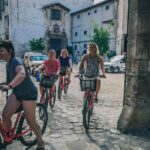
Palma looks best when you skip the heavy walking. This 2-hour e-bike tour uses pedal assist to help you cover major historic spots without feeling wiped out, even if the sun is doing its thing. I like that it’s a small group (max 4), so your guide can steer you through narrow streets and answer questions as you go—often with routes that feel calmer than you’d expect on foot.
Two more things I really like: the bikes come with the gear you need (including a helmet), and the route hits both landmarks and the everyday layout of the old city. One drawback to note: a few of the big sights along the way have admission fees if you want to go inside, and the tour depends on good weather.
In This Review
- Key things you’ll notice on this Palma e-bike tour
- Why Palma works so well on an e-bike (and not just on foot)
- Getting to the start: Travessa d’en Ballester, 8 (and how to time it)
- The ride’s structure: how the stops build a clear picture of Palma
- Placa Major: your first “how Palma works” lesson
- Reial Covent de Sant Francesc and La Iglesia de Monti-sion: quick architecture lessons
- Monestir de Santa Clara and Parroquia de Santa Eulalia: faith landmarks tied to city life
- A short “unique place” stop: the bit that fills in the gaps
- Es Baluard Museu d’Art Modern i Contemporani: views with a practical payoff
- Sa Llotja: from past use to present-day role
- Palau de l’Almudaina and the Catedral de Mallorca zone: big sights, extra entry cost
- What’s included (and why it’s a real value)
- The guides: Juan and Mario set the tone for how “fun” history can be
- How safe and comfortable the ride tends to feel
- Choosing morning or afternoon: pick based on your energy level
- Who this tour is best for (and who should skip it)
- Should you book this Palma e-bike tour?
- FAQ
- How long is the Palma e-bike tour?
- What’s the price per person?
- Where does the tour start?
- What language is the tour offered in?
- Is a helmet included?
- Are monument entry tickets included?
- How many people are in the group?
- What’s included besides the bike?
- Do I need to bring anything?
- What if the weather is bad?
- Is there a cancellation window?
Key things you’ll notice on this Palma e-bike tour
- E-bike assist for real sightseeing time without the burn-out that comes with constant uphill stops
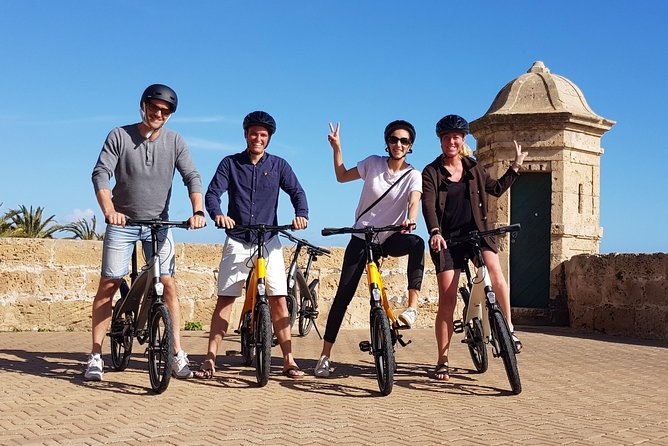
- Max 4 people for more attention and easier group riding in tight streets
- All equipment handled: e-bike + helmet + guide, plus liability insurance
- Historic stops with smart orientation so you learn how Palma hangs together
- Views built in, especially around Es Baluard and the old town
- Some monument interiors cost extra, so you plan accordingly
Why Palma works so well on an e-bike (and not just on foot)
Palma’s old town is beautiful, but it can also be a workout. Streets twist. Crossroads appear out of nowhere. You’ll hop from squares to churches to viewpoints while walking would force you to choose between comfort and coverage. An e-bike changes the math. The pedal assist helps you keep moving at a steady pace, so the tour feels like sightseeing, not survival.
I also like that the tour is short—about 1 hour 45 minutes to 2 hours—which fits perfectly when your day is already packed. You get the historic story beats plus enough motion to feel like you made progress across the city, then you can keep the rest of the day for lunch, shopping, or a beach break.
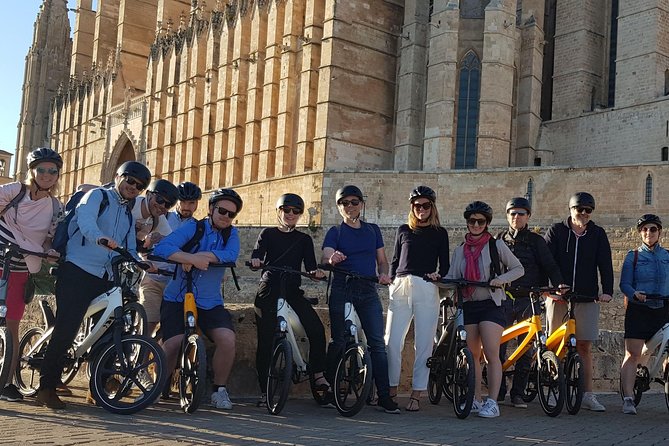
Finally, the small group matters more than it sounds. With up to 4 people, the guide can slow down for questions, regroup quickly, and help you stay confident on the bike when the road gets tight.
You can also read our reviews of more cycling tours in Mallorca
Getting to the start: Travessa d’en Ballester, 8 (and how to time it)
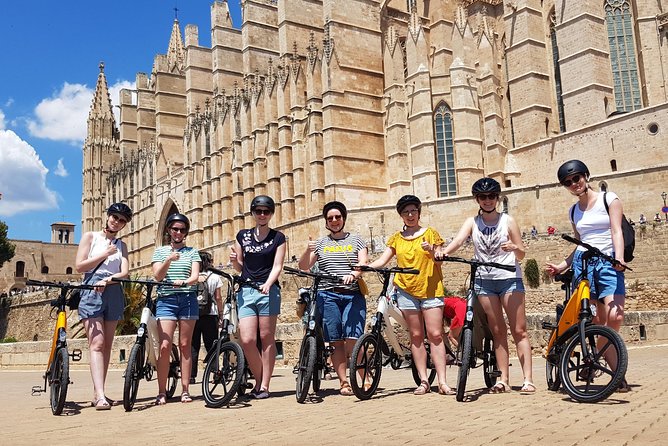
The tour starts and ends at Travessa d’en Ballester, 8, Centre, 07002 Palma. It’s in a central part of Palma, and it’s also listed as near public transportation, which is handy if you don’t want to fight taxi lines or parking.
A practical tip: because this is a short tour, show up a bit early. Even small delays can squeeze the time your guide needs for fitting bikes and doing safety basics. If you’re coming in from a cruise stop, give yourself a bigger buffer than you think you need. Taxis can slow to a crawl when lots of people land at once.
The ride’s structure: how the stops build a clear picture of Palma
This route is designed to do two things at once:
1) give you a fast orientation to the old city, and
2) explain why each place mattered (not just what you’re looking at).
You’ll generally spend only about 5 minutes at most stops. That sounds quick, but it’s actually a good pace on an e-bike tour. You see the landmark, you get the context, and then you move on—without turning the day into a long museum queue.
Also, the tour is offered in English, and you’ll receive a mobile ticket. Confirmation comes at booking time, and the provider notes that the tour requires good weather. If the weather turns, you’ll be offered a different date or a full refund.
Placa Major: your first “how Palma works” lesson
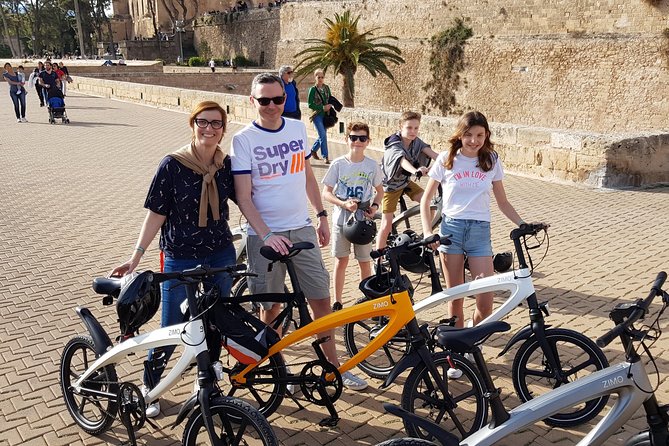
You’ll begin at Plaça Major, the city’s key square. This is a smart first stop because it becomes your mental map. Your guide explains why the square is important to Palma and how you can use it as a starting point to reach different parts of the city.
Why I like this approach: before you zoom off on bikes, you learn where you are. Instead of collecting random photos of churches and buildings, you understand the city’s logic—what connects where, and why.
If you’re the type who likes to wander afterward, this stop pays off. Once you understand how Plaça Major functions, you can plan your solo time with far less guessing.
Reial Covent de Sant Francesc and La Iglesia de Monti-sion: quick architecture lessons
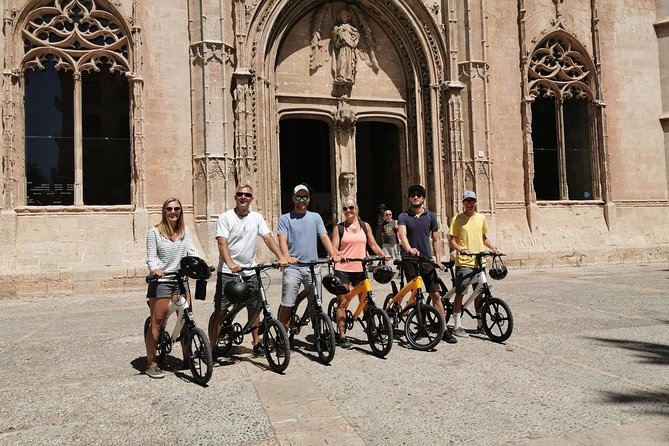
Next up is Reial Covent de Sant Francesc. You’ll look at the church and cloister architecture, with details about its history. The time at this stop is brief, so don’t expect an in-depth interior visit on this particular tour day—but you will get enough to notice the features you’d otherwise miss.
After that, you’ll head to La Iglesia de Monti-sion, where the focus is similar: architecture first, then the historical thread that makes the building more than just a pretty façade.
These two stops work well back-to-back because they teach you a common visual language. You start spotting patterns—what locals built, why certain structures were used, and how religious buildings were designed to communicate power and community life.
A few more Mallorca tours and experiences worth a look
Monestir de Santa Clara and Parroquia de Santa Eulalia: faith landmarks tied to city life
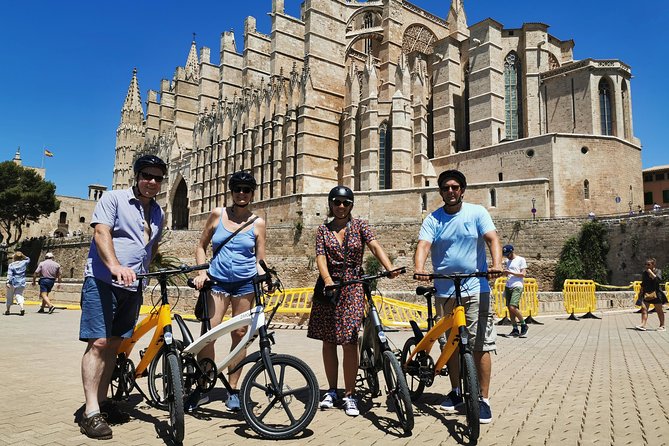
Then comes Monestir de Santa Clara, again with an architecture look and history explained. People often remember churches in cities like Palma as scenery. Here, the guide connects them to the wider story of the city—so you’ll understand what they were doing in Palma’s day-to-day rhythm.
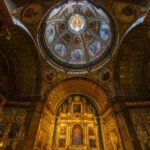
After that, you’ll visit Parroquia de Santa Eulalia. This stop adds an extra layer: not only architecture, but also the church’s importance in Palma’s history.
If you’re worried about getting bored at too many religious sites, here’s the key: the guide keeps these stops short and focused. You’re not sitting through long talks. You’re getting enough background to make your next walk through Palma feel more meaningful.
A short “unique place” stop: the bit that fills in the gaps
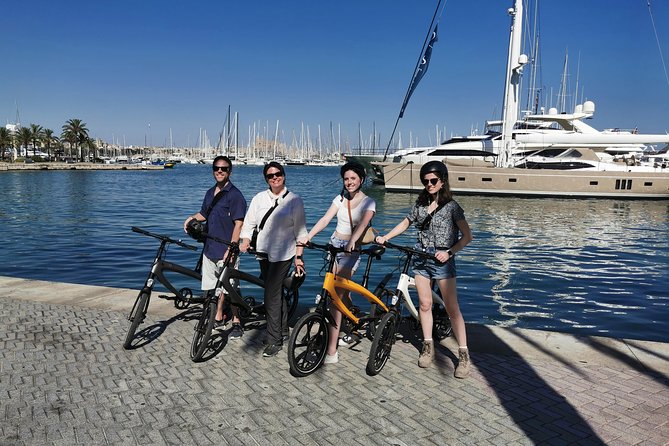
Between the major church and palace areas, you’ll also have a shorter stop where the guide talks about the history of a unique place. It’s not one of the named monuments in the schedule you have here, but it’s exactly the kind of stop that makes a tour feel cohesive.
Think of it as the missing puzzle piece. It helps explain how different eras and influences show up in the same few streets you’ll revisit later.
Es Baluard Museu d’Art Modern i Contemporani: views with a practical payoff
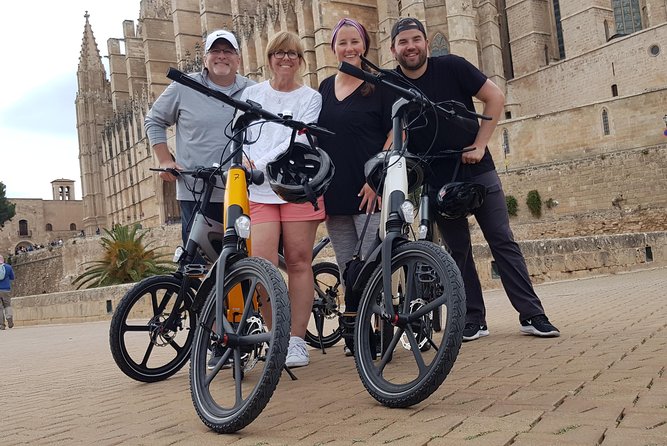
One of the best payoff moments is Es Baluard Museu d’Art Modern i Contemporani de Palma. The tour takes you here as a 10-minute stop, and the big value is what the area gives you: views over Palma’s old town from a historical point in the city.
Important for your planning: entry to the museum is listed as not included, so if you want to go inside, you’d pay separately. Even if you keep it outside, this stop still matters. The viewpoint angle helps you understand Palma’s layout and elevation—how the old city rises and where the key landmarks sit in relation to each other.
This is also a good time to pause, regroup, and take photos before the route heads toward the more famous palace and cathedral zone.
Sa Llotja: from past use to present-day role
Next is Sa Llotja, where you’ll see and hear about the building’s use in the past and how it functions now. This is one of those “history that explains your surroundings” stops.
Instead of only talking about what a building looks like, the guide connects the building to commerce and city life—so you can walk through nearby streets later and spot clues about how trade shaped Palma.
And again, listed admission is free for this stop, so there’s no added ticket layer if you just want to take in the exterior and the story.
Palau de l’Almudaina and the Catedral de Mallorca zone: big sights, extra entry cost
As you move into the top-tier landmarks, the schedule brings you to Palau de l’Almudaina and then Catedral de Mallorca.
For Palau de l’Almudaina, you’ll hear the history, its creators, architecture, and how it was used back then and how it’s used today. This is listed as not included for admission, so expect to see what the tour schedule includes without assuming you’re automatically going inside.
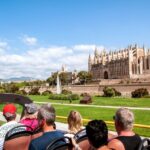
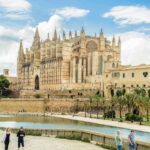
Then you’ll reach Catedral de Mallorca, described as important not only in the city but across Europe thanks to its architecture. Admission is also not included here.
Practical approach for these stops: treat this part of the tour like a high-quality orientation lap. You’ll learn what to look for, and then you can decide if you want to spend your own time and money for interior visits during the rest of your trip. Since your tour ends where it starts, you don’t feel locked into a heavy schedule afterward.
What’s included (and why it’s a real value)
This tour is priced at $72.56 per person, which might sound steep if you’re comparing it to public buses. But the value is the whole package:
- Use of the bicycle
- Helmet
- Guide
- Taxes included
- Liability insurance
That’s not just convenience. It’s time saved and stress reduced. You don’t need to rent gear, figure out pickup details, or worry about bike basics. You arrive, get set up, and start learning right away.
Also, your duration is close to 2 hours. In a city where getting around can eat your day, that tight time window is part of the cost justification. You’ll still have time left for whatever matters to you—food, shopping, or a beach day.
The guides: Juan and Mario set the tone for how “fun” history can be
From what’s been shared, guides like Juan and Mario are consistent standouts. They’re described as friendly, inclusive, and ready to answer questions. One thing I’d take from their style is that they don’t just dump facts—they help you understand why a place matters and how it connects to the rest of Palma.
You’ll also get an orientation to bikes and safety equipment. That makes a big difference if you’re not used to riding an e-bike in an older European street grid.
How safe and comfortable the ride tends to feel
The bikes are e-bikes with pedal assist, and a helmet is included. That’s a baseline. On top of that, the group is small (up to 4), which makes it easier for the guide to keep everyone moving together.
One review noted that the bikes have smaller tires, which can make them easier to maneuver. If you’re picky about bike handling, that’s worth considering.
Also, the tour description highlights that it’s for most travelers. That doesn’t mean it’s a leisurely cruise through flat bike paths the whole time, but it does mean the e-bike assist is doing its job: helping you avoid fatigue so you can actually enjoy the stops.
Choosing morning or afternoon: pick based on your energy level
You can choose a morning or afternoon tour. Here’s how I’d think about it:
- If you like getting big sightseeing done before your day turns chaotic, go morning.
- If you prefer cooler temperatures and a more relaxed pace, pick afternoon.
One practical note: the tour depends on good weather, so avoid booking if you know your timing is right in the middle of a stormy stretch.
Who this tour is best for (and who should skip it)
This is a great fit if you:
- want a fast introduction to Palma’s historic core
- don’t want sore legs to ruin the rest of your day
- like having a guide explain what you’re seeing while you ride through tight streets
- want to keep monument entry optional, since not all interiors are included
You might want to skip it if you:
- want a slow, deep museum-style visit inside multiple buildings
- dislike riding bikes even with pedal assist
- are planning a day that doesn’t leave buffer for short stops and navigation
Should you book this Palma e-bike tour?
If you have about two hours and want real orientation plus historic context, I’d book it. The combination of e-bike assist, a small group, and a route that covers major landmarks without turning into an all-day commitment is a smart way to spend limited time in Mallorca’s capital.
The main reason not to book is simple: if your must-do list requires lots of monument interiors, you’ll likely pay extra at stops like Es Baluard, Palau de l’Almudaina, and Catedral de Mallorca since admissions are not included. If you’re happy with guided exterior viewing and using your remaining time to pick which interiors you truly care about, this tour lines up well.
FAQ
How long is the Palma e-bike tour?
It runs about 1 hour 45 minutes to 2 hours.
What’s the price per person?
The price is $72.56 per person.
Where does the tour start?
The meeting point is Travessa d’en Ballester, 8, Centre, 07002 Palma, Illes Balears, Spain.
What language is the tour offered in?
The tour is offered in English.
Is a helmet included?
Yes. Helmet use is included.
Are monument entry tickets included?
Some are free and others are not included. For example, Es Baluard Museu d’Art Modern i Contemporani, Palau de l’Almudaina, and Catedral de Mallorca are listed as not included, while places like Plaça Major, Reial Covent de Sant Francesc, Monestir de Santa Clara, Parroquia de Santa Eulalia, and Sa Llotja are listed as free.
How many people are in the group?
The tour has a maximum of 4 travelers.
What’s included besides the bike?
Included are bike use, helmet, guide, taxes, and liability insurance.
Do I need to bring anything?
You should just show up. The tour provides the bike equipment and helmet, and you’ll use your mobile ticket.
What if the weather is bad?
The tour requires good weather. If canceled due to poor weather, you’ll be offered a different date or a full refund.
Is there a cancellation window?
Yes. You can cancel for a full refund up to 24 hours in advance. Canceling less than 24 hours before start time won’t be refunded.