REVIEW · BARBATE
Barbate: Dolphin and Whale Watching in Cape Trafalgar
Book on GetYourGuide →Operated by Marine Atlantes · Bookable on GetYourGuide
Cape Trafalgar has serious marine drama.
This 3-hour trip from the Barbate marina with Marine Atlantes is built around spotting whales and dolphins in the open Atlantic, and I like that it’s not just sightseeing—it includes a guided tour and marine-life viewing with real-world conservation awareness. You also get practical perks on board like drinks and fruit, which make the whole outing feel easier and better value. One thing to consider: the boat can swing a lot, so if you’re sensitive to motion, plan for it.
You’ll trade dry land for sea time right off the coast.
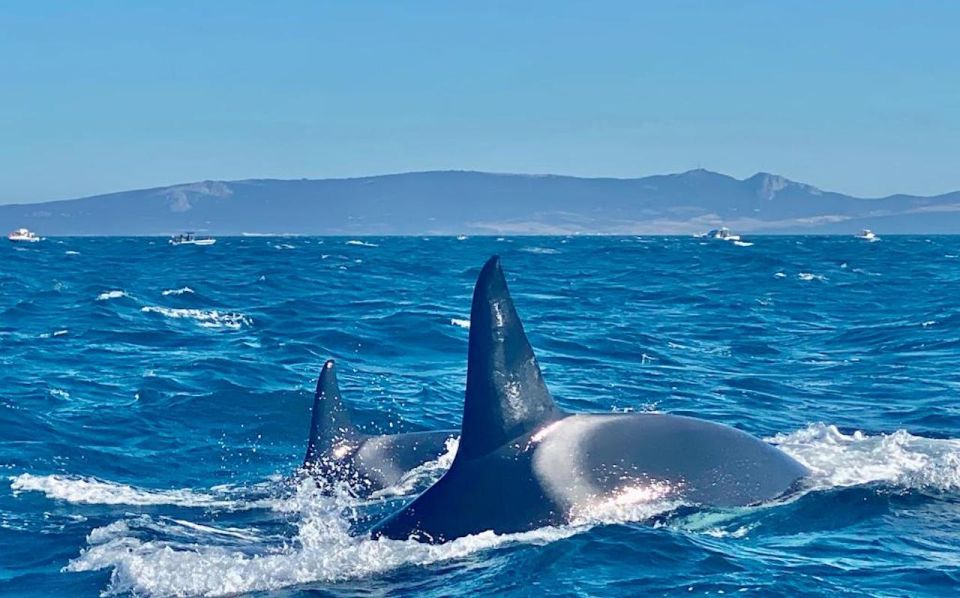
If the day’s conditions cooperate, you may get prolonged viewing and even multiple cetacean types, including reports of orcas plus different dolphin species. The flip side is that sightings depend on the animals, and one rough day can also mean a longer stretch at sea—so go with your expectations tuned to nature, not a timetable.
In This Review
- Key Things to Know Before You Go
- Barbate’s Atlantic Launch: Why Cape Trafalgar Is the Right Place
- Price and Time: What $53 Buys You (and What It Might Not)
- Marine Atlantes on Board: Snacks, Sightings, and Practical Comfort
- How the 3-Hour Experience Flows from Barbate
- Check-in and departure
- Time cruising toward cetacean zones
- Guided explanations during the hunt
- Photo stop and wildlife viewing
- Return to the marina
- What You’re Most Likely to See: Whales, Dolphins, and Species Variety
- The Big Trade-Off: Motion on Open Water
- Photo Ops Without Turning It Into a Circus
- What the Guide Adds (and When You’ll Need to Ask)
- Who Should Book This Tour (and Who Might Skip It)
- Packing List and On-the-Water Advice That Actually Helps
- Quick Reality Check: How to Make This Tour a Win
- Should You Book This Whale and Dolphin Tour from Barbate?
- FAQ
- How long is the whale and dolphin watching tour?
- Where does the tour depart from?
- What is included in the price?
- What should I bring?
- Are pets allowed on the boat?
- Are weapons, sharp objects, or fishing allowed?
- Can I transfer my ticket to someone else?
Key Things to Know Before You Go
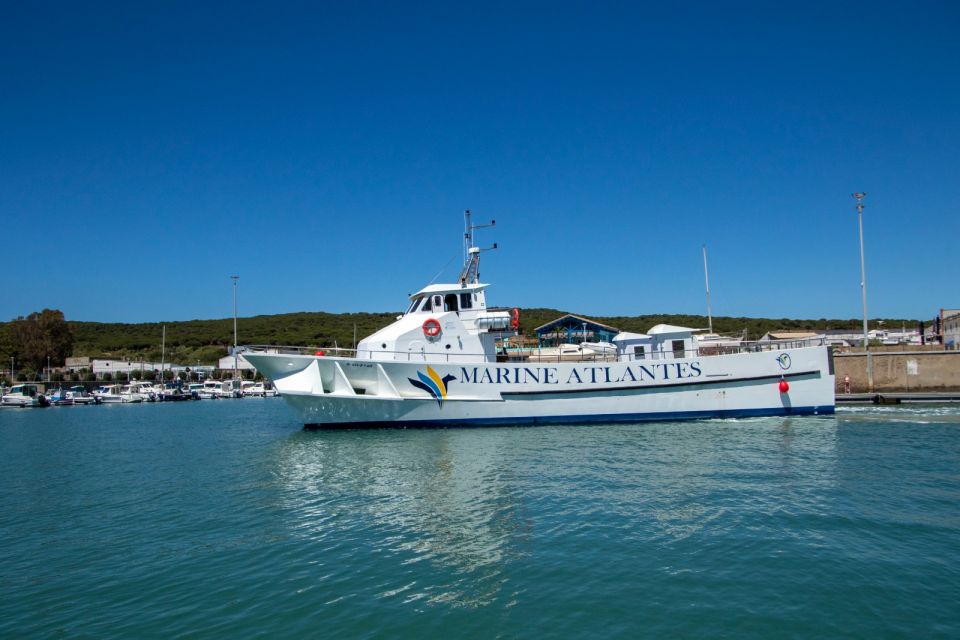
- Depart from Barbate marina for quick access to open-water Atlantic cruising near Cape Trafalgar
- 3-hour format with guided guidance plus on-board drinks and fruit
- Photo-friendly wildlife viewing time built around spotting cetaceans close to the boat
- Sighting variety can be high (some days include multiple species, even orca sightings)
- Sea conditions matter: motion can be strong even with seasickness medicine
- Safety and crew response can vary based on what happens that day
Barbate’s Atlantic Launch: Why Cape Trafalgar Is the Right Place
Cape Trafalgar sits where the Atlantic likes to show off. In plain terms: it’s a strong feeding zone, and that’s why boats from Barbate head out looking for whales and dolphins instead of just doing a scenic cruise.
I love how this outing is anchored at the Barbate marina. You’re not spending your whole day transferring between viewpoints. You arrive, you board, and you’re quickly looking at the open water where the action actually happens.
The best part for most people is that you’re not watching a tiny, distant speck. You’re looking for marine mammals as they come up to breathe and interact with the sea surface. The guides also share information about behavior and habitat, which turns the trip from wow-moments into something you can actually understand as it unfolds.
You can also read our reviews of more tours and experiences in Barbate.
Price and Time: What $53 Buys You (and What It Might Not)
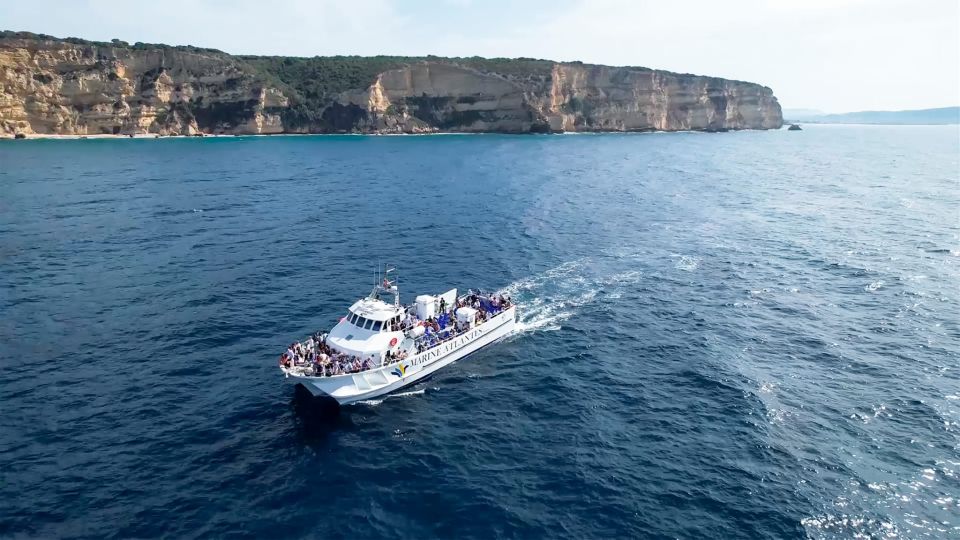
The price—about $53 per person—is what you’d expect for a genuine whale-and-dolphin boat tour in the area, especially one that includes more than the ride. You get drinks and fruit, plus the admission itself covers the time at sea (listed at 3 hours).
Here’s the reality check: one important review note is that a trip expected to be 3 hours reportedly ran past 4 hours. That doesn’t mean it’s common every day, but it does mean you should treat the stated duration as a target. If you’re planning dinner right after, keep some wiggle room.
For value, I think the biggest question is not just the price—it’s what kind of sea day you’re buying. When conditions are good, you get long-enough viewing to feel it was worth the cost. When conditions are choppy, the same “3 hours” can feel like a lot more.
Marine Atlantes on Board: Snacks, Sightings, and Practical Comfort
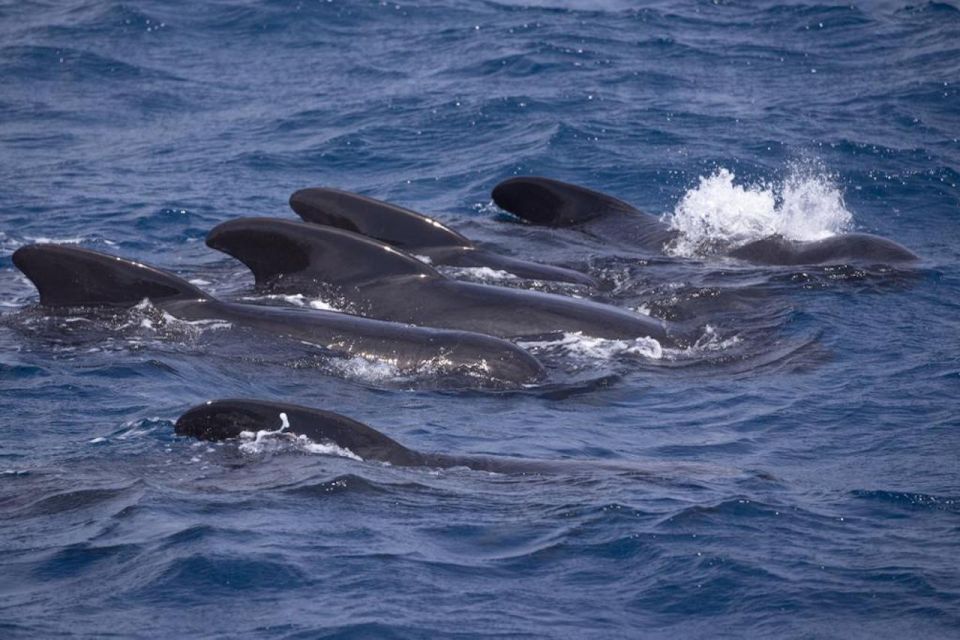
The experience runs through Marine Atlantes, and the vibe is straightforward: you’re there for marine life, not for a fancy itinerary packed with extras.
You’ll get drinks and fruit on board. That sounds small, but on an Atlantic boat it matters. It helps you stay comfortable while you scan the water, and it’s a nice touch compared with tours where you’re expected to buy everything yourself.
The boat also seems designed for watching. People mention the ship’s features and the overall ease—plus there’s at least one account of free parking near the embarkation point, which is a real help in this part of Spain.
One caution: there’s at least one report of an incident where passengers were injured and the trip continued. I’m not going to sensationalize that, but I do want you to know that, like any open-water activity, boats can be unpredictable when conditions go sideways.
How the 3-Hour Experience Flows from Barbate
This tour’s timing is simple: you board at the Marine Atlantes meeting point in Barbate, then you cruise out to look for whales and dolphins. The experience is paced around wildlife viewing, photo moments, and the guide’s on-board explanations.
Check-in and departure
You’ll start at the marina area, where the day’s outing actually begins. Since tickets are checked against the person on the ticket, bring your passport or ID card so you don’t get stuck at the last second.
Time cruising toward cetacean zones
Once you’re out, the crew looks for signs—water behavior, movement patterns, and places where animals are likely to surface. This part is where scanning happens. If you’re the kind of person who likes to plan ahead, it’s smart to treat this as your “set your eyes” phase, not the moment you’ll automatically see something instantly.
Guided explanations during the hunt
You should expect educational bits while you’re sailing. Some accounts describe more general narration at first, with more detail coming if you ask a crew member later. Either way, the goal is to help you connect what you’re seeing with behavior and habitat, not just list species names.
Photo stop and wildlife viewing
When animals appear, the tour shifts into wildlife viewing mode. This is the part you’ll remember: watching whales glide, and dolphins doing the playful, chaotic stuff that makes you grin before you even realize you’re smiling. You may get a quick appearance, or longer observation time depending on what’s happening.
Return to the marina
After the viewing segment, you head back to Barbate and disembark. At that point, the sea air hits you differently. Even if you’re tired, it’s the kind of trip that leaves you with a “did that just happen?” feeling.
What You’re Most Likely to See: Whales, Dolphins, and Species Variety
You’re paying for whale and dolphin watching, but the real bonus is that some days can be more varied than you expect.
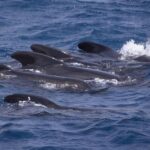
One account specifically notes orca sightings, plus different dolphin types (including delfines comunes and another group called delfines molares). Another account mentions seeing four species in one outing. That suggests the area can produce variety, not just one predictable animal.
Keep expectations grounded though. Wildlife viewing is always conditional. Sometimes you’ll get dolphins and maybe a whale sighting. Other days might deliver more. The best approach is to be ready for either outcome and to treat “more species” as a bonus.
Also: dolphins can be unpredictable in where they surface. If you see one group, stay alert. If they disappear, it doesn’t necessarily mean the trip is over—it often means the crew is adjusting to what the animals are doing.
The Big Trade-Off: Motion on Open Water
For me, the most important practical consideration is motion. At least one report describes severe seasickness even after taking biodramina. Another account says the boat was very unstable even in mild-to-normal conditions.
So here’s what I’d do if you’re even slightly unsure: assume you’ll feel some movement. Pack your seasickness plan. Dress for wind and spray. Bring a water bottle if you tend to get dehydrated easily (drinks are included, but personal preferences vary).
If you get motion sickness easily, consider whether you’ll truly enjoy the time once the sea state changes. This is one tour where your body matters as much as your curiosity.
Photo Ops Without Turning It Into a Circus
If you care about photos, this tour gives you something better than a postcard view: animals at the surface. That’s where you can grab shots when whales breathe and dolphins do their jumping.
Practical tip: keep your eyes on the water first, camera second. When you focus too hard on settings, you miss the moment. The best photos tend to happen when you’re ready to react—because whales and dolphins don’t wait for you to frame.
Also note that at least one account mentions longer observation time with several sightings. That’s ideal for both photos and just letting your brain catch up to what you’re seeing.
What the Guide Adds (and When You’ll Need to Ask)
A whale-watching tour is only half animal, half interpretation. The guide portion matters because it helps you understand why the animals are behaving the way they are—feeding, traveling, social behavior, and how cetaceans use the water surface.
Some people describe the tour as having an initial audio explanation and then more specific details if you ask crew members. Translation: even if you get a general talk, don’t be shy about questions when you see something. If you’re curious about a specific behavior, asking can turn a good trip into a memorable one.
And if conservation comes up in the talk, take it seriously. Seeing cetaceans in their habitat is a chance to connect the dots between wildlife protection and the health of the ocean.
Who Should Book This Tour (and Who Might Skip It)
This is a great fit if you:
- love wildlife and want a chance at multiple sightings in open water
- enjoy learning while you watch, not just staring at a horizon
- are comfortable enough with boat rides to handle Atlantic movement
It’s a harder fit if you:
- get seasick easily and expect to be miserable the moment the sea state worsens
- can’t tolerate the possibility of a longer-than-expected outing at sea
- don’t like the uncertainty of wildlife timing
That last one is key. This tour is built around the ocean and the animals. You’re not going to force a dolphin show. You’re going to work with the conditions, then hope for the best.
Packing List and On-the-Water Advice That Actually Helps
The essentials are simple:
- Passport or ID card
- Comfortable clothes
Since you’re on the Atlantic, also dress for wind and spray, not just the sun. You’ll be happier if you can layer. If you’re taking seasickness medication, follow the instructions for when to take it (and don’t assume it guarantees comfort in rough water).
Because pets aren’t allowed and fishing isn’t allowed, the trip stays focused on wildlife viewing. Also, no weapons or sharp objects. If you’re coming with personal items like knives or tools for some reason—leave them behind.
Finally, remember tickets aren’t transferable. You board with the person named on the ticket, so double-check your ID match.
Quick Reality Check: How to Make This Tour a Win
If you want a smooth trip, do three things:
1) Treat this as wildlife viewing, not a guaranteed checklist.
2) Plan for motion on open water.
3) Give yourself time buffers for the sea day—especially if you’re booking dinner or lodging plans right after.
When it goes well, it’s the kind of outing that makes you talk about the sea for days. Whales glide. Dolphins bounce around like they own the place. And you get a guided, human-friendly experience that doesn’t require expert sea knowledge.
If the day goes rough, the snacks and drinks won’t fix motion sickness, but they can help you stay functional while you wait for the good sightings to happen.
Should You Book This Whale and Dolphin Tour from Barbate?
Yes, if you’re excited by Atlantic wildlife and you can handle a boat ride with some real movement. The included drinks and fruit, the guided explanations, and the chance for memorable species variety—including reports of orca sightings—make it feel like solid value for your time.
Skip it (or at least think hard) if you’re very prone to seasickness. This isn’t a small harbor boat with calm water. It’s open-water viewing, and even people who took medication reported strong swaying.
If you want the best odds of enjoying yourself, choose a day when the sea is likely to be calmer, pack for motion, and don’t schedule anything ultra-tight right after you return.
FAQ
How long is the whale and dolphin watching tour?
The tour duration is listed as 3 hours.
Where does the tour depart from?
It departs from the Barbate marina, with the starting location listed as Marine Atlantes.
What is included in the price?
Admission to the 3-hour boat tour is included, along with drinks and fruit.
What should I bring?
Bring your passport or ID card and wear comfortable clothes.
Are pets allowed on the boat?
No, pets are not allowed.
Are weapons, sharp objects, or fishing allowed?
No—weapons or sharp objects and fishing are not allowed.
Can I transfer my ticket to someone else?
No. Tickets are not transferable, and you board with the person on the ticket.