REVIEW · BARCELONA
Barcelona Markets Tour
Book on Viator →Operated by ExperienceFirst · Bookable on Viator
Market streets teach faster than guidebooks. This Barcelona markets tour strings together iconic food stops and nearby sights, so you get local food tastings and context without getting stuck guessing what to order. It’s built for people who want more than a quick snack loop, with just enough structure to help you move smartly through popular places.
I especially like how it pairs the markets with short cultural stops, so the experience feels like Barcelona’s story, not just shopping. I also like the small group size (up to 15), which makes it easier to hear your guide and ask questions while you’re standing in busy aisles.
One thing to keep in mind: each market stop is time-limited, so plan on doing tasting first and shopping second (you can always come back later if you fall in love with something).
In This Review
- Key highlights I’d plan my trip around
- The smart way to do Barcelona’s markets
- Start on the Rambla, end near El Born
- Mercat de la Boqueria: the classic start with included tastings
- Las Ramblas for the sensory overview, not the long wander
- Santa Caterina Market: architecture plus monastery ruins
- Basílica de Santa Maria del Mar: a Gothic church with pop-culture traction
- Botiga Caganer.com: a fun detour into Catalan oddness
- El Born Centre de Cultura I Memoria: the old market that became a cultural stop
- What you actually get to taste (and what you’ll buy on your own)
- The guide factor: why small-group matters here
- Price and value: why $35.09 can feel fair
- Who should book this tour (and who might want a different plan)
- Should you book the Barcelona Markets Tour?
Key highlights I’d plan my trip around
- Up to 15 people means you get a real conversation, not a silent follow-the-leader line
- Two small tastings in La Boqueria plus an olive oil tasting later in the route
- Three major markets in one walk: La Boqueria, Santa Caterina, and El Born
- Real Catalan culture stops, including a Caganer specialty shop
- Short scenic hit on Las Ramblas to connect the neighborhoods you’re walking through
The smart way to do Barcelona’s markets
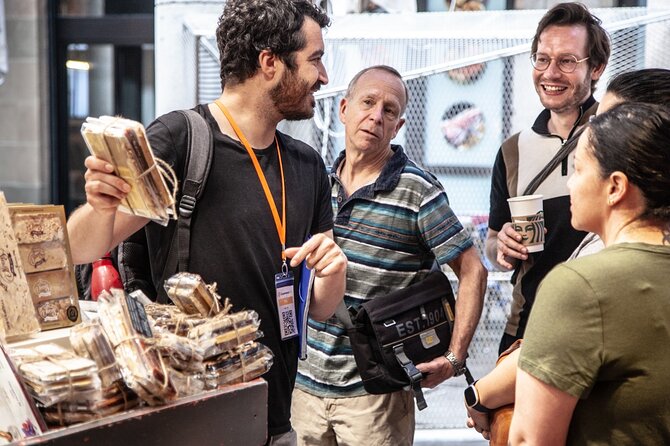
Barcelona’s markets are where you learn the city’s eating habits fast. The stalls don’t just sell food; they show you what locals choose, what’s seasonal, and how families shop. With a guide, you spend less time wandering and more time making sense of what you’re seeing.
You’re also getting a built-in pacing plan. This route is designed to move between key places in the old-town area without requiring you to research everything in advance. In my book, that’s value: you trade a bit of flexibility for clarity and momentum.
You can also read our reviews of more tours and experiences in Barcelona.

Start on the Rambla, end near El Born
The tour begins at Rambla de Sant Josep, 89 (Ciutat Vella) at 10:00 am, and it ends at Mercat del Born, Plaça Comercial, 12. Using this north-to-south (and then east-to-Born) flow helps you see multiple market zones without crisscrossing the city.
You’ll get a mobile ticket, and the meeting point is noted as being near public transportation. If you want an easy start, arrive a few minutes early so you’re not trying to locate the group while people funnel into the first market.
Mercat de la Boqueria: the classic start with included tastings
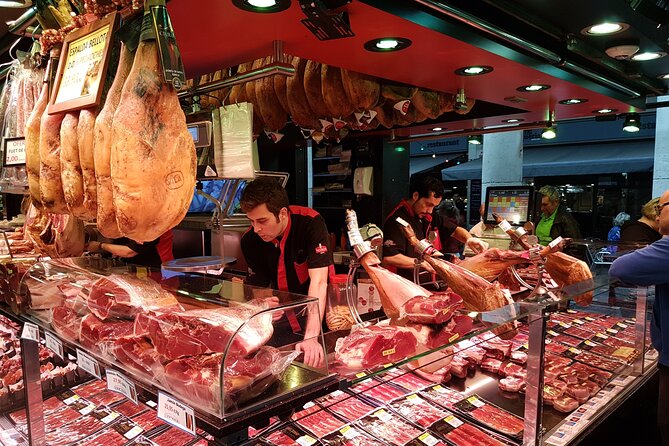
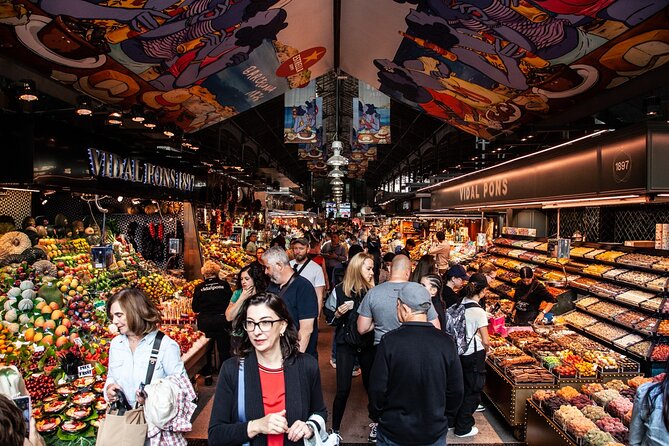
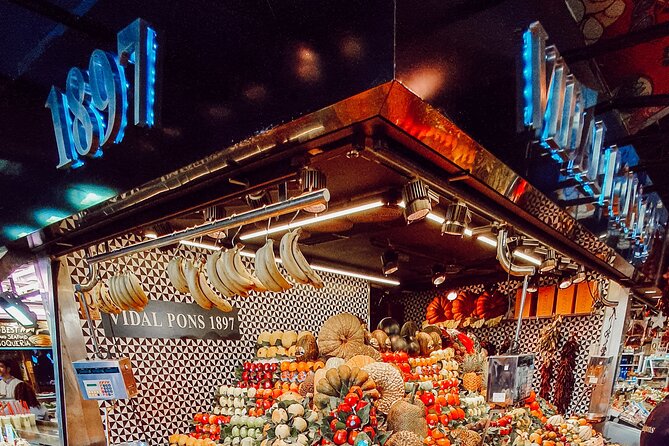
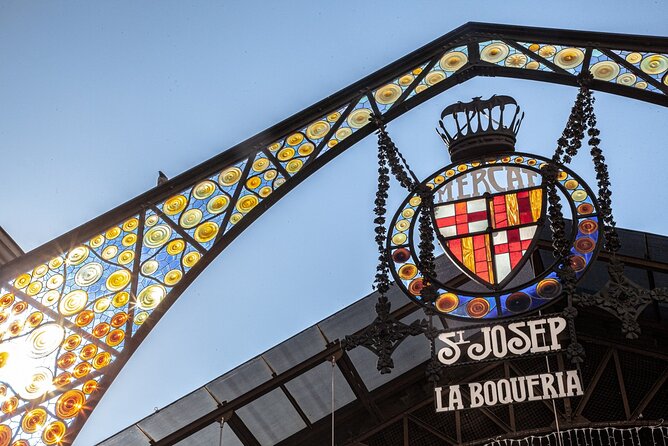
You’ll kick off at Mercat de la Boqueria, described as the oldest market in Barcelona. This is the place where the sights hit first: colorful produce, packed counters, and vendors who know exactly what will sell today. It’s also the kind of market where it’s easy to get overwhelmed fast if you’re not sure where to look.
The tour includes small food samples here, and you’ll get two tastings in La Boqueria as part of the price. Even if you consider yourself a confident eater, I like having someone else steer the first bites. It’s a low-risk way to taste what matters and figure out what you want to buy later.
Practical tip: Boqueria can be crowded and loud. If you want the full benefit of the guide’s explanations, aim to pause when asked rather than drifting to the sides to snap photos.
Las Ramblas for the sensory overview, not the long wander
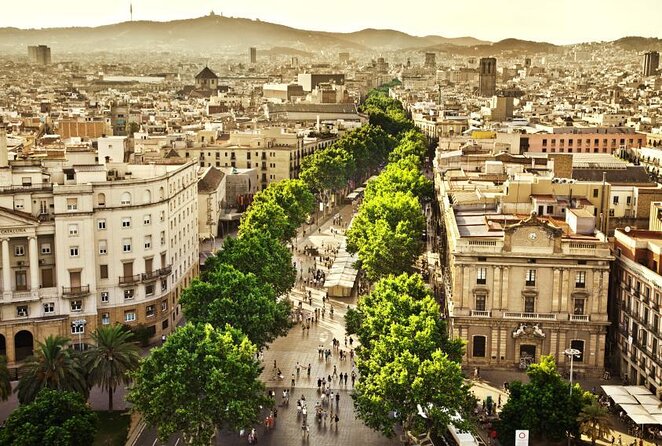
Next you’ll take a quick stop on Las Ramblas, the famous tree-lined promenade lined with cafes, shops, and flower stands. This is a short segment (about 20 minutes), so it’s not meant to be a deep stroll. It’s more of a connection point: you step out of the market intensity and get a sense of the wider city vibe.
I like this timing because it resets your brain. After tasting in Boqueria, the promenade gives your eyes a break and your ears time to adjust before you head to another market.
If you’re the type who wants to linger, use this moment strategically. Take a quick look, note smells and storefronts you’d want to revisit, then let the group move on.
Santa Caterina Market: architecture plus monastery ruins
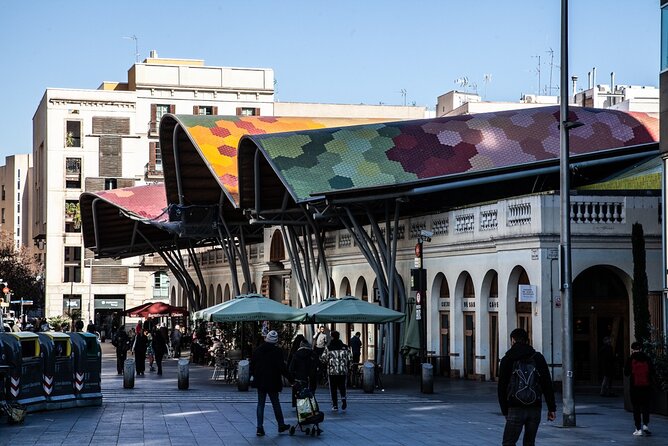
At Mercado de Santa Caterina, you get something less expected than a typical market stop: stunning market architecture and, inside, the ruins of an ancient monastery. The mix of food hall energy and historical remains makes this one of the more memorable “wait, what is that?” stops on the route.
You’ll spend about 20 minutes here, including time to admire the structure and then see the ruins once you’re inside. The value is in how the guide helps you connect food culture to place. It’s easier to remember a market when you understand what was there before it became a market.
Consideration: if you’re hoping for lots of shopping time, keep expectations modest. This stop is built to teach you the “why,” not give you an hour to browse every counter.


Basílica de Santa Maria del Mar: a Gothic church with pop-culture traction
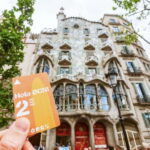
One of the quickest stops is Basílica de Santa Maria del Mar, a Gothic church with stories tied to Mediterranean trade. The Netflix series Cathedral of the Sea helped shine a wider spotlight on the site, which means you may recognize it even if you’ve never visited this part of Barcelona before.
This is about a 10-minute stop, and importantly, admission isn’t included for this one. So treat it like a quick cultural stop rather than a full-ticket attraction where you’ll settle in for a long visit.
If you want the inside experience: bring patience and be ready for a quick visit window. If you’re someone who loves churches and wants more time, you might plan a separate return.
Botiga Caganer.com: a fun detour into Catalan oddness
Then you’ll hit Botiga Caganer.com, noted as the world’s largest purveyor of the caganer tradition. For many visitors, this is the moment Barcelona turns from food-only to fully playful culture. The caganer is a uniquely Catalan figure, and this shop is where you see that tradition treated like a serious specialty.
You’ll have a short visit (about 10 minutes). I see this stop as a palate cleanser for your brain: after markets and religious architecture, you get a quirky cultural souvenir moment that’s still deeply local.
El Born Centre de Cultura I Memoria: the old market that became a cultural stop
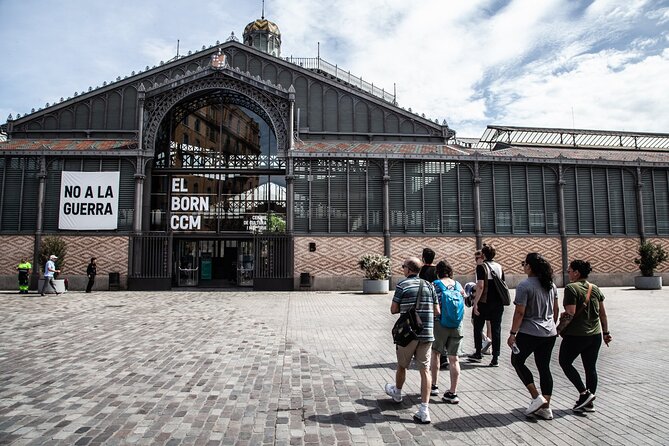
The route’s final major stop is El Born Centre de Cultura I Memoria, once described as the largest covered market in Europe. Now it functions as a cultural center, so you’re walking through a place that still carries its original market bones, but with new purpose.
This stop is about 20 minutes, and it’s here that you’ll get your included olive oil tasting. For me, that tasting is the closer: it’s a practical “so what should I take home?” moment. Olive oil is one of the easiest Barcelona foods to choose well, and tasting helps you understand what you’re buying instead of just grabbing the first bottle you see.
What you actually get to taste (and what you’ll buy on your own)
The tour includes tastings, not a full meal. You’ll have two small tastings in La Boqueria and then an olive oil tasting in El Born. The rest is optional purchases, with your guide able to suggest what’s worth your euros and how to get good value at the stalls.
From what I’ve seen guides do on this kind of route, those Boqueria tastings can cover a range of local staples, and you may end up trying things like olives or local sweets depending on what’s available. The key is that you’re not stuck paying for everything up front just to find out what you like.
Practical expectation: if you’re hungry, eat light beforehand. This tour is about sampling and learning, not replacing dinner.
The guide factor: why small-group matters here
This is a small group tour (max 15), and that’s not just a comfort detail. It changes the experience in real ways. You can ask questions while you’re standing at a counter, and you don’t spend half your time shouting over other people’s conversations.
The names you might hear in this tour’s orbit are consistently linked with a friendly, patient style. People have praised guides like Alberto, Zeynep, Eoghan (Owen), Daria, Valentina, and Cal, with comments about how they make the information click and help you figure out what to eat. Some guides even add extra practical tips, like what to try beyond the basic tastings (croissants came up in at least one account), or how to navigate the area after the walk.
You won’t get that kind of back-and-forth in a giant group. Here, you’re walking close enough for the guide’s explanations to land.
Price and value: why $35.09 can feel fair
At $35.09 per person for about 2 to 3 hours, the price works because you’re buying three things at once:
- a professional guide who connects markets to culture
- a structured walking route through multiple key stops
- included tastings (two in Boqueria, plus olive oil in El Born)
If you tried to do this on your own, you’d still pay for tastings, and you’d spend your time figuring out what’s worth your attention. Paying for a guide is what turns random market browsing into a guided lesson you can actually use.
Also, demand seems real here. The average booking timing is about 53 days in advance, which is a quiet hint that popular dates can fill. If you’re traveling in a busy season, I’d book earlier rather than waiting.
Who should book this tour (and who might want a different plan)
This works best if you’re:
- visiting Barcelona for the first time and want market context fast
- a food curious traveler who likes tastings and practical recommendations
- the kind of person who appreciates short stops and a clear route over freeform wandering
It might be less ideal if you’re arriving with a “shopping only” mindset. Because each market stop is limited, you’ll likely enjoy the tastings more than the deep buying. If you want lots of time to shop shelves and compare brands, consider using this as your orientation tour and then coming back later.
Should you book the Barcelona Markets Tour?
Yes, if you want an efficient, local-feeling introduction to Barcelona food culture with real included tastings and a guide who helps you read the markets. I’d book it especially if you’d otherwise feel stuck with the usual question: what do I actually order and buy in a market?
Book early if your dates are set, and bring comfortable shoes because it’s a walking experience across dense old-town streets. If you like structure and short cultural stops between tastings, this tour hits a very good sweet spot.