REVIEW · BARCELONA
Barcelona: Hola Barcelona Public Transport Travel Card
Book on GetYourGuide →Operated by Turisme de Barcelona · Bookable on GetYourGuide
Barcelona’s metro is the city’s best shortcut.
This Hola Barcelona Public Transport Travel Card turns that shortcut into a budget-friendly system: unlimited rides across major transit lines for 48, 72, 96, or 120 consecutive hours. I like how it covers both getting around town and the airport connection, so you don’t have to think about buying a bunch of separate tickets.
Two things I especially like: first, the no-stress unlimited rides on metro, buses, trams, and suburban trains during the validity window. Second, the pass includes an airport connection, which helps you start sightseeing without spending extra on a shuttle or taxi right out of the gate. One consideration: it does not cover night transportation, so your late plans may require an alternative way home.
In This Review
- Key Takeaways Before You Buy
- What the Hola Barcelona Card Actually Covers
- From Voucher to Card: Getting It Without Losing Time
- Tap In and Go: Using Barcelona Transit With Confidence
- Airport to City: The Included Connection (and the Shuttle That Isn’t)
- A Smart Sightseeing Plan Using the Pass (Sagrada Família, Park Güell, Montjuïc)
- Day plan idea: Sagrada Família as your anchor stop
- Day plan idea: Park Güell and its neighborhood hopping
- Day plan idea: Montjuïc, with the funicular covered but not the cable car
- Suburbs and Day Trips: Zone 1 Helps You Go Beyond the Center
- Night Transportation Gap: Plan Your Last Ride
- Price and Value: When This Card Feels Like a Win
- Who This Works Best For (And Who Should Rethink It)
- Should You Book the Hola Barcelona Public Transport Travel Card?
- FAQ
- How do I exchange my voucher for the actual card?
- When does the 48, 72, 96, or 120-hour pass start?
- Does the pass include transport to and from Barcelona Airport?
- What transport networks can I use with the card?
- Is night transportation included, and does it cover Montjuïc Cable Car?
- Do children under 4 need a ticket?
Key Takeaways Before You Buy

- Unlimited rides for 48/72/96/120 hours after you validate the card the first time
- Covers metro, TMB buses, tram, and suburban trains (including regional networks in Zone 1)
- Airport connection is included, but it does not include the Aerobus shuttle lines (A1/A2)
- Not valid for night transportation, and Montjuïc Cable Car is excluded
- You must exchange your voucher at a Tourist Information Office to get the actual card
- Use it like tap-and-go at stations and on transit, and keep it away from your phone
What the Hola Barcelona Card Actually Covers
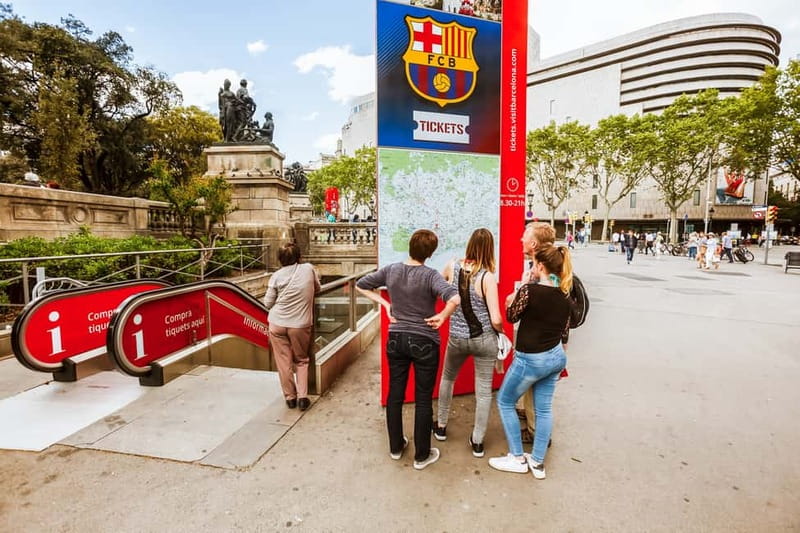
This card is designed for one simple goal: let you ride Barcelona’s public transport as much as you want, without doing math every time you move across town. You pick a duration—48, 72, 96, or 120 hours—and once you validate it, that time runs continuously until it expires.
The coverage is broad across the city’s core transit systems:
- Metro and buses operated by Transports Metropolitans de Barcelona (TMB)
- Trains operated by Generalitat city network
- Tram and Renfe suburban trains, with airport connection included
- Urban railway FGC (Zone 1) and regional railway Rodalies de Catalunya (Zone 1)
A key detail: the pass is valid for unlimited journeys during the validity period. That’s where the value comes from. If your itinerary involves multiple “must-see” neighborhoods (not just one area), you’ll probably use it more than you think.
And here’s where it’s not all-access. Two items to plan around:
- Night transportation is not included
- Montjuïc Cable Car is not included
So if your sightseeing tends to run late, or if you love that cable car option at Montjuïc, you’ll want a backup plan.
You can also read our reviews of more tours and experiences in Barcelona.



From Voucher to Card: Getting It Without Losing Time
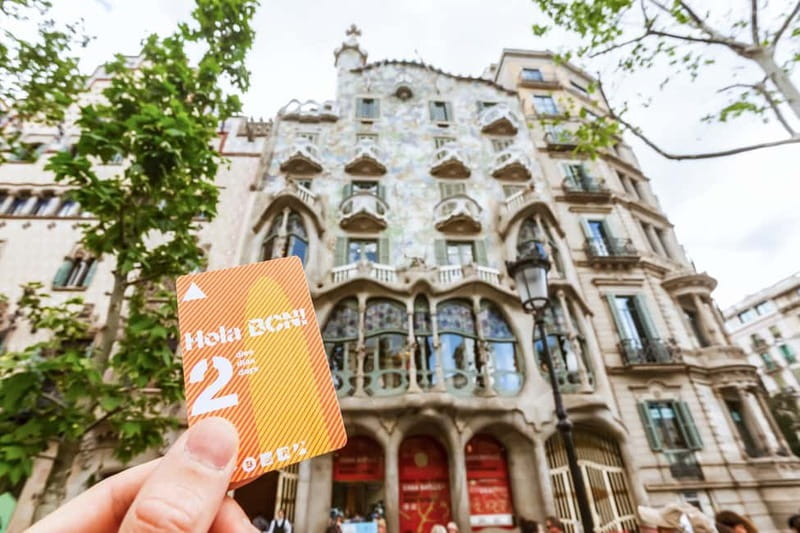
After you book, you don’t just walk onto transit with a QR code. You’ll need to exchange your voucher for the actual ticket at a Tourist Information Office. The meeting point can vary depending on which option you booked, but the important part is this: your card becomes real after that exchange.
If you’re flying in to Barcelona (El Prat), the airport Tourist Information Office is a common pick-up spot. One practical tip I’d keep in mind: don’t assume every desk is in the same terminal area. If you land and immediately want to move, check your terminal and plan a quick walk to the right office.
Timing matters because your pass time starts when you validate it the first time. So once you have the card, you can decide when you want that clock to begin. For most visitors, that means validating once you’re actually ready to start riding, rather than right when you pick it up and stand around.
Also, keep one “paper cut” issue in mind: the card works like a transit card you tap and board with. If it doesn’t read correctly, there’s help available—at least you should be able to get it sorted with staff support at stations. One traveler even noted intercom assistance when their card wouldn’t work right away.
Tap In and Go: Using Barcelona Transit With Confidence

This is the part that makes the card feel worth it. You use it for metro, buses, tram, and suburban trains with the same general idea as other tap-and-go systems: validation happens when you use it.
A few practical habits help:
- Plan routes with Google Maps (easy, fast, and widely used)
- The Hola Barcelona app can also be handy for navigating
- When you ride, expect the usual Barcelona reality: stations can be busy, and you’ll be in crowds near major sights
One small but real-world tip: someone suggested keeping the card away from your phone, because the card can be affected by other devices (they described it like a magnetic strip issue). If you treat it like a normal transit card—separate it from your phone in your wallet—you reduce the chance of annoying failures.
Airport to City: The Included Connection (and the Shuttle That Isn’t)
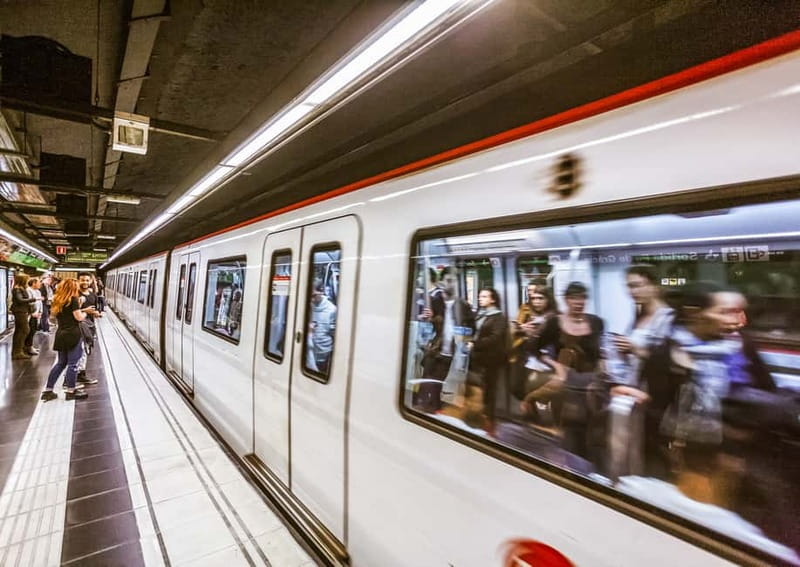
The pass includes a connection to Barcelona airport, which is a big deal because it removes one common pain point: figuring out what to do after landing.
That said, the card does not cover the Aerobus shuttle options A1/A2. So if your first instinct is Aerobus because it’s simple and direct, you’ll need to switch plans to use the included public transit connection instead.
There’s also a practical “arrive late” consideration. One traveler noted that if you arrive very late, you might have trouble picking up the card at the airport and then you may have to pay separately to get into town, followed by collection the next day. I can’t promise pickup hours, but it’s smart to treat the airport desk as something you should access confidently only if your arrival is daytime or early evening.
If you want the easiest start, aim to:
- exchange voucher promptly after landing
- validate when you’re ready to ride
- use transit from there without adding extra shuttle or taxi costs
A Smart Sightseeing Plan Using the Pass (Sagrada Família, Park Güell, Montjuïc)
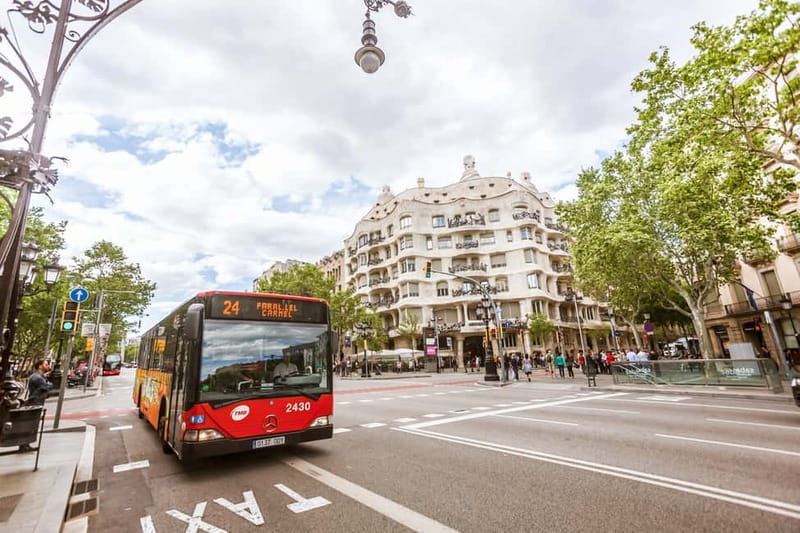
I love transport cards most when they match how you actually travel. This one fits a classic Barcelona pattern: you bounce between “high-demand sights” and different neighborhoods, without letting ticket decisions slow you down.
Here’s a simple way to structure your days around the pass, using the sights that show up repeatedly in real itineraries:



Day plan idea: Sagrada Família as your anchor stop
Sagrada Família is one of the easiest places to justify unlimited rides because it’s usually a full outing—ticket timing, crowds, and walking time around the area. With the Hola card, you can focus on getting there and enjoying the visit, rather than calculating whether you can afford one more bus hop.
Day plan idea: Park Güell and its neighborhood hopping
Park Güell is a great second anchor because it’s spread out and often involves a mix of walking and transit. The pass lets you switch between metro, bus, and tram based on what’s closest to where you are, instead of committing to one mode the whole day.
This matters because Barcelona’s transit is not just about speed—it’s about choosing the least annoying route. If one line is inconvenient or crowded, you can adjust and still keep the “unlimited” promise.
Day plan idea: Montjuïc, with the funicular covered but not the cable car
Montjuïc is where you need to pay attention. The pass does not include the Montjuïc Cable Car. But you may be able to use the funicular up to Montjuïc (based on real card usage described in the supplied information). That means you can still make it up the hill without reaching for the excluded cable car option.
If Montjuïc is on your list, I’d plan one route that uses what’s covered, and keep a short alternate plan in mind in case you end up near the cable car entrance and want that specific ride.
Suburbs and Day Trips: Zone 1 Helps You Go Beyond the Center
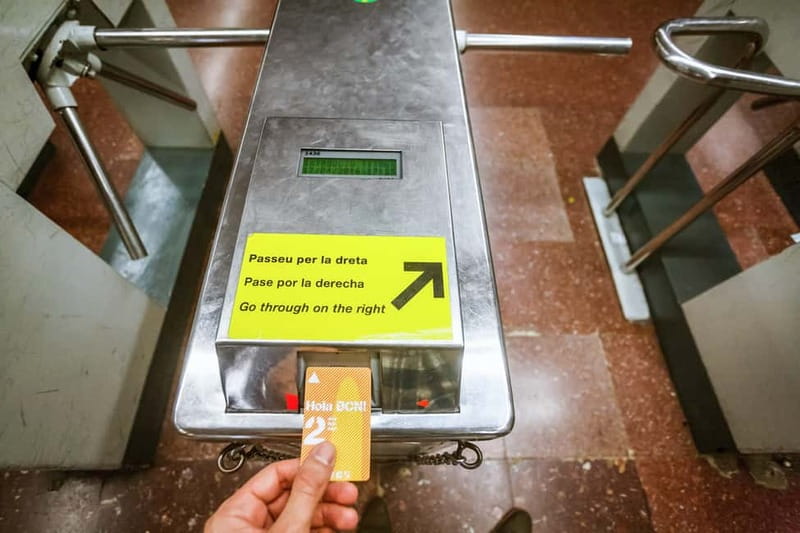
Barcelona’s city limits blur fast once you start using transit. The card is useful not only for “inside Barcelona” but also for nearby connections, mainly through:
- FGC Zone 1
- Rodalies de Catalunya Zone 1
In practical terms, this is ideal if you’re staying outside the busiest tourist core and still want easy access to major sights. It also helps if you want a half-day change of scenery without paying for separate tickets each time.
One thing to remember: the card is explicit about Zone 1 for those rail networks. If you’re planning to go farther out, you might need another ticket for anything outside that zone. A quick route check in Maps before you commit can save you time.
Night Transportation Gap: Plan Your Last Ride

The biggest downside in the fine print is also the one that can ruin your evening: night transportation isn’t included.
So if your plan includes:
- staying out late for dinner
- enjoying a show or late walk
- returning after transit hours thin out
…you should expect to pay separately for late rides. The supplied information even gave an example of night buses (like the N110) not being covered.
My advice is straightforward: build a “hard return” time into your day. If you know you’ll want to keep moving after dark, figure out how you’ll get home before the card stops helping you.
Price and Value: When This Card Feels Like a Win
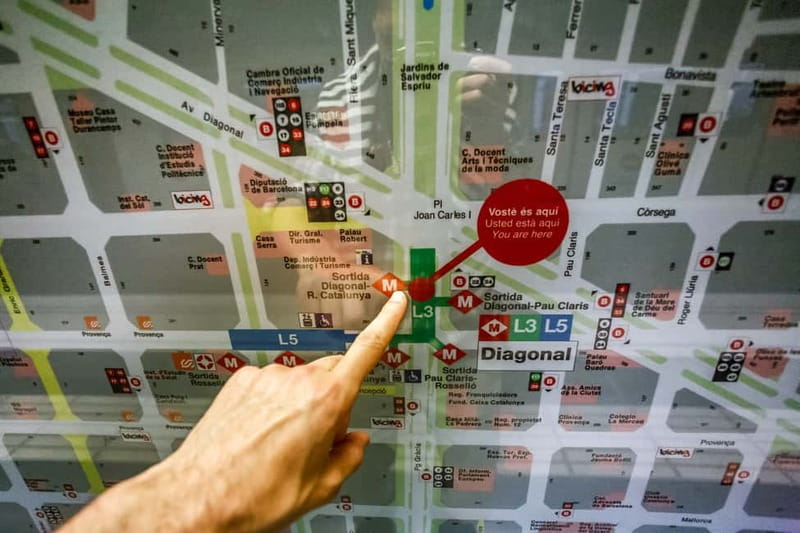
The summary price shows $22 per person, and the pass options run 48 to 120 hours. Real value depends on your pace:
- If you’re planning only a couple rides per day, you might not get the full payoff.
- If you’re hopping across the city to hit multiple sights, unlimited starts to look smart quickly.
Why it’s good value for many visitors:
- You avoid buying separate tickets for each trip
- You can correct your route on the fly (no penalty for changing buses/metro/tram)
- The airport connection reduces one extra expense early on
If you’re the type who likes to do long days—early sight, big lunch area hopping, then another attraction—the unlimited structure fits well. One traveler even compared it to not paying for shuttles because metro access is straightforward.
The tradeoff: the card isn’t a universal “any time, any transport” pass. Night transit and Montjuïc Cable Car are excluded, and Aerobus isn’t included. That means you still need a little planning. But as far as transit cards go, this one’s limits are clear, so you’re not guessing.
Who This Works Best For (And Who Should Rethink It)
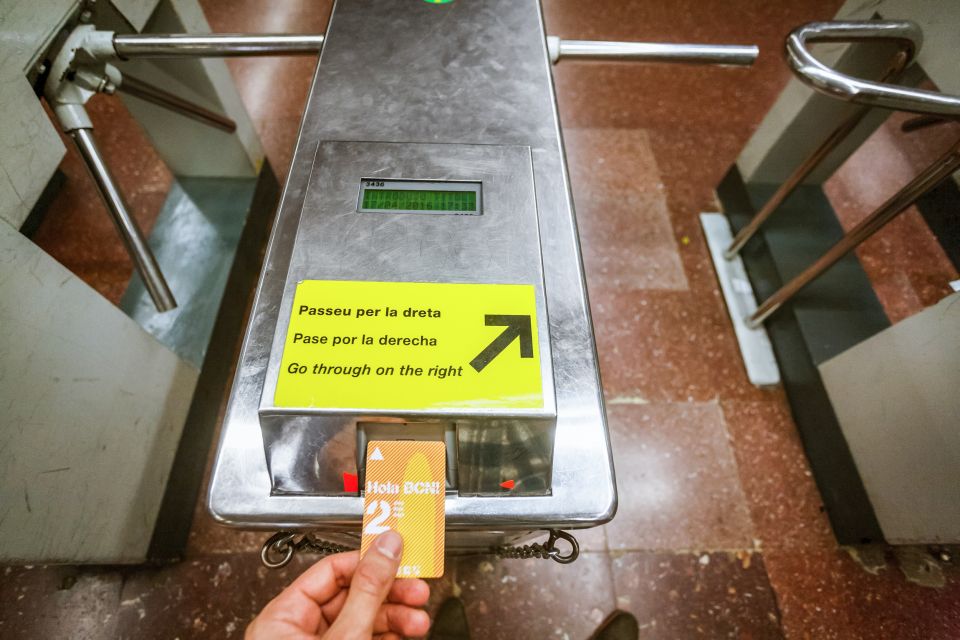
This pass is a strong fit for:
- Independent visitors who want autonomy and don’t want to buy tickets all day
- People staying outside the very center who still want frequent movement
- Families where it’s easier to keep one system for everyone
- Trips that include a few “anchor sights” spread around town, like Sagrada Família, Park Güell, and Montjuïc
It might not be the best fit if:
- Your plan is mostly walking in one small area
- You plan to rely heavily on night buses or late-evening transit
- You specifically want the Montjuïc Cable Car and don’t want to find another way
Should You Book the Hola Barcelona Public Transport Travel Card?
I’d book it if your Barcelona plan involves multiple neighborhoods and frequent rides, especially if you want one simple budget tool that covers airport-to-city transit. It’s at its best when you’re the kind of traveler who changes plans mid-day based on weather, crowds, or what you feel like seeing next.
But I wouldn’t choose it blindly if your trip is built around late-night plans or if Montjuïc Cable Car and Aerobus are non-negotiable. In those cases, you may end up paying for excluded rides anyway, so the card’s value shrinks.
If you’re unsure, think in hours and habits: the longer your stay (72/96/120 hours), the easier it is to “get your money back” through real use.
FAQ
How do I exchange my voucher for the actual card?
You’ll need to exchange your voucher at a Tourist Information Office to receive the real ticket. The meeting point depends on the option you booked.
When does the 48, 72, 96, or 120-hour pass start?
The pass is valid for consecutive hours starting after you validate it for the first time.
Does the pass include transport to and from Barcelona Airport?
Yes. The pass includes a connection to the Barcelona airport line.
What transport networks can I use with the card?
You can use it for metro and buses operated by TMB, trains operated by the Generalitat city network, plus tram and Renfe suburban trains. It also includes urban railway (FGC, Zone 1) and regional railway (Rodalies de Catalunya, Zone 1).
Is night transportation included, and does it cover Montjuïc Cable Car?
Night transportation is not included, and Montjuïc Cable Car is also not included.
Do children under 4 need a ticket?
Children under 4 travel free.