REVIEW · BARCELONA
Barcelona: The Spanish Civil War Historical Walking Tour
Book on GetYourGuide →Operated by Nostos Tours · Bookable on GetYourGuide
Barcelona hides wartime scars in plain sight. I love the street-level context that turns confusing politics into a story you can follow, and I love how the guides keep it grounded with pictures and clear explanations. The downside is the material is heavy and political, so it may feel like a lot if you’re hoping for a light, fluffy walking tour.
What makes this tour special is that it treats Barcelona as part of the conflict, not just a backdrop. Guides like Javier, Chrisa, Yannis, Henrieta, Filipa, and Evan show how everyday life, ideology, and power collide—then connect those choices to what Spain lives with now. If you like history that has consequences you can still see, you’ll probably enjoy this more than the usual “facade” city walk.
It runs about 2.5 hours and ends in the Gothic Quarter near Barcelona city hall. You’ll start at Plaça de Catalunya, find the guide under a white umbrella, and then settle into a paced mix of walking and standing while the story unfolds.
In This Review
- Key things I’d highlight before you go
- Spanish Civil War in Barcelona’s streets: what you’ll cover in 2.5 hours
- From Plaça de Catalunya to the Gothic Quarter: how the walking actually feels
- Wireless tour guiding and that small 1€ add-on
- Learning the factions without losing the plot
- Hitler, Mussolini, the International Brigades, and Western response
- The Catholic Church and the power of institutions
- Orwell’s Homage to Catalonia: seeing literature turn into places
- Scarred streets, not postcard history
- After the war: Franco’s 36-year shadow and Spain’s memory
- Women’s politics and the mujeres libres thread
- Price and value: is $46 worth it?
- Who should book this Barcelona Spanish Civil War walk
- Should you book this tour? My practical take
- FAQ
- How long is the Barcelona Spanish Civil War Historical Walking Tour?
- Where is the meeting point?
- What language is the tour?
- Is there wireless tour guiding?
- What’s included in the price?
- Is the tour suitable for children?
- Does the tour run in rain?
- Where does the tour end?
- Is the tour wheelchair accessible?
Key things I’d highlight before you go
- Factions made understandable: Fascists, Loyalists, Anarchists, and why they fought the way they did
- Orwell’s Barcelona connection: you’ll visit places George Orwell mentions in Homage to Catalonia
- No-museum format: since there are virtually no official memorials, this walk uses the streets instead
- Women and politics get real coverage: including discussion of the mujeres libres
- Guides handle the complexity well: clear visuals and frequent question check-ins keep it digestible
Spanish Civil War in Barcelona’s streets: what you’ll cover in 2.5 hours
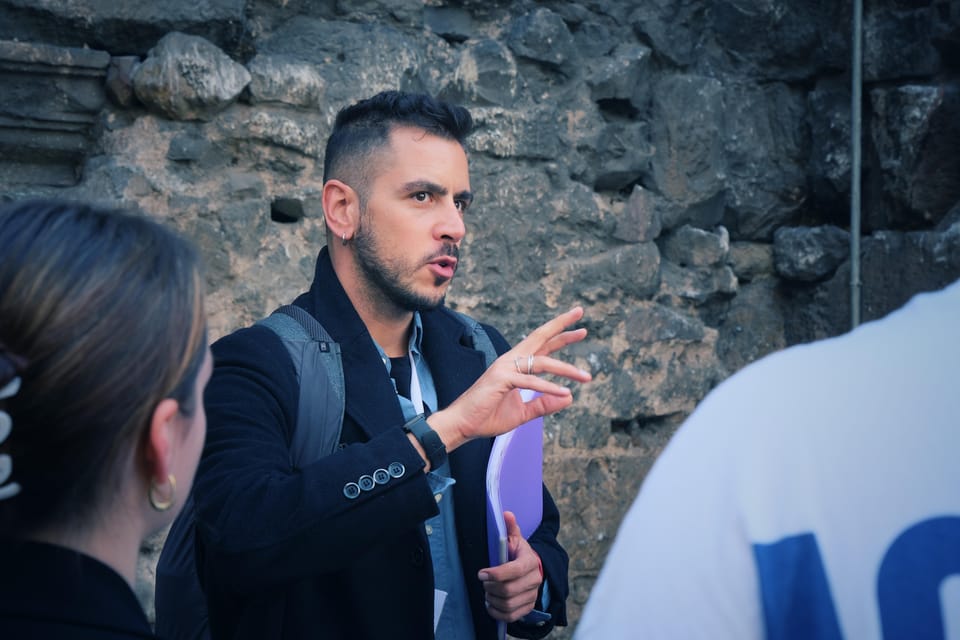
This is not a surface tour of “dates and leaders.” It’s a walk built around the Spanish Civil War and the long dictatorship that followed—explained as a chain of causes and choices that still shapes how Spain talks about the past.
In a compact 2.5 hours, you’ll get help untangling why the war broke out and how a divided country ended up with Franco’s regime. The guides aim to make a messy political landscape feel logical: who backed what, how different groups viewed the future, and how outside forces affected outcomes.
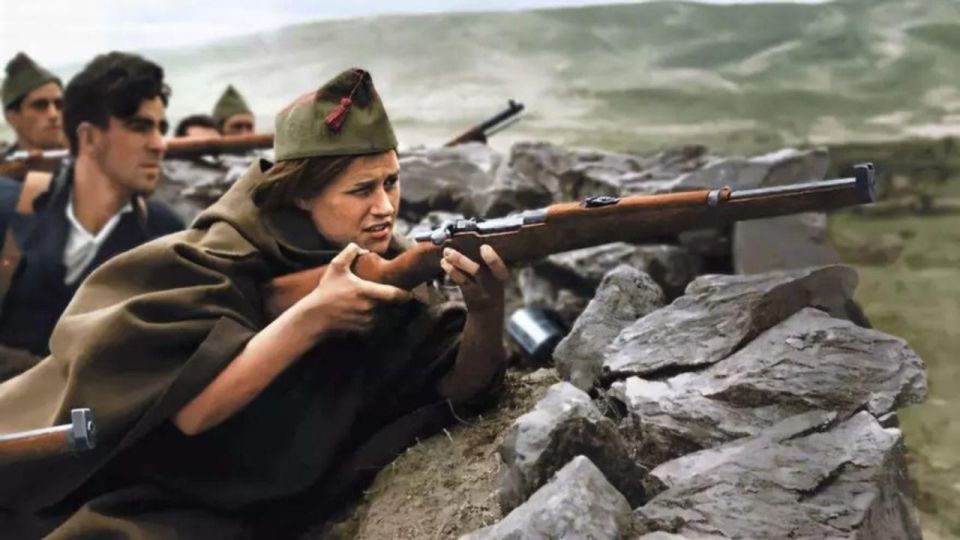
You’ll also learn the roles of major outsiders like Hitler and Mussolini, the International Brigades, and the Western Allies—including how those powers responded during the conflict and later to Franco’s dictatorship. Then comes the tricky part many people skip: the Catholic Church’s role, and what that meant in both everyday life and state power.
If you’re the type who likes putting the pieces together, this format works. You don’t just memorize; you understand the motivations—the “why” behind the headlines.
You can also read our reviews of more walking tours in Barcelona



From Plaça de Catalunya to the Gothic Quarter: how the walking actually feels
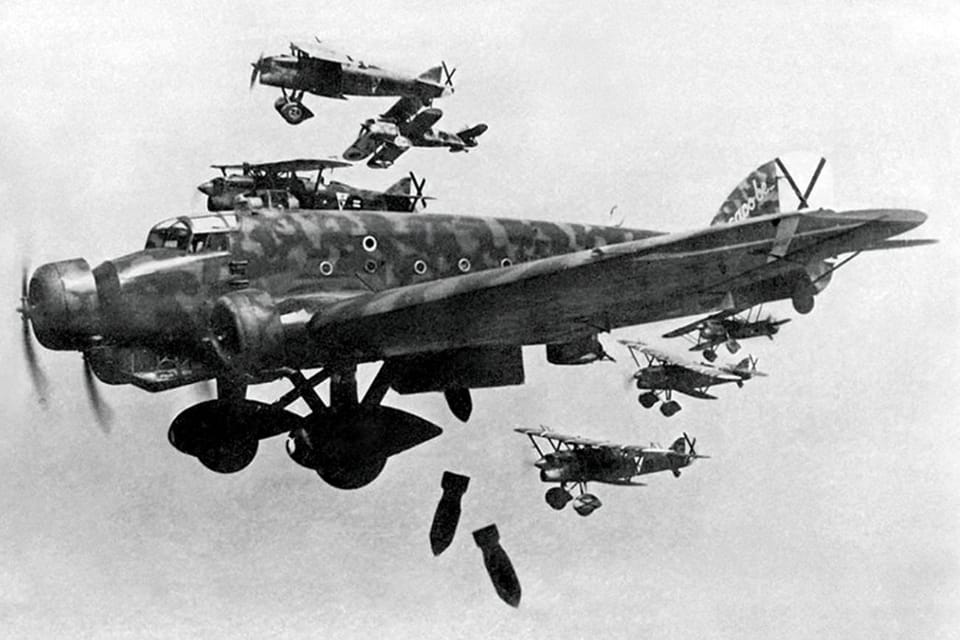
The tour starts on the sidewalk in front of Foot Locker at Plaça de Catalunya, and your guide will be holding a white umbrella. Expect a meeting-and-move rhythm rather than a constant long-distance march.
A few details matter here:
- There’s rain or shine, so dress for the weather.
- The tour is described as a stroll more than a full walk, but you should still wear comfortable shoes.
- You’ll often stand in one spot while the guide explains, then move on to the next location.
If you’re visiting in colder months, bring a warm layer. One of the most practical bits from experience: you may need to wait a bit at the start, and January-style weather can turn “standing and listening” into “standing and shivering” fast.
The tour finishes in the middle of the Gothic Quarter, by Barcelona city hall. That ending location is useful: it drops you right into one of the best areas for post-tour wandering and a late lunch, without forcing you into a long commute.
Wireless tour guiding and that small 1€ add-on
The tour can use wireless tour guiding systems depending on the guide. If you use it, there’s an extra cost of 1€ per person paid at the beginning of the tour, and you can pay by card or cash.
Is it “required”? The information says it depends on the guide, so treat it as a reasonable add-on rather than a mystery. For me, this is one of those small details that improves the experience: if you’re standing outdoors and listening to history explanations, clear audio helps you catch the nuance.
If you don’t take the wireless option, you still get the core experience through the live guide. Either way, come with the mindset that this is a talk-heavy walk—standing while you learn is part of the design.
Learning the factions without losing the plot
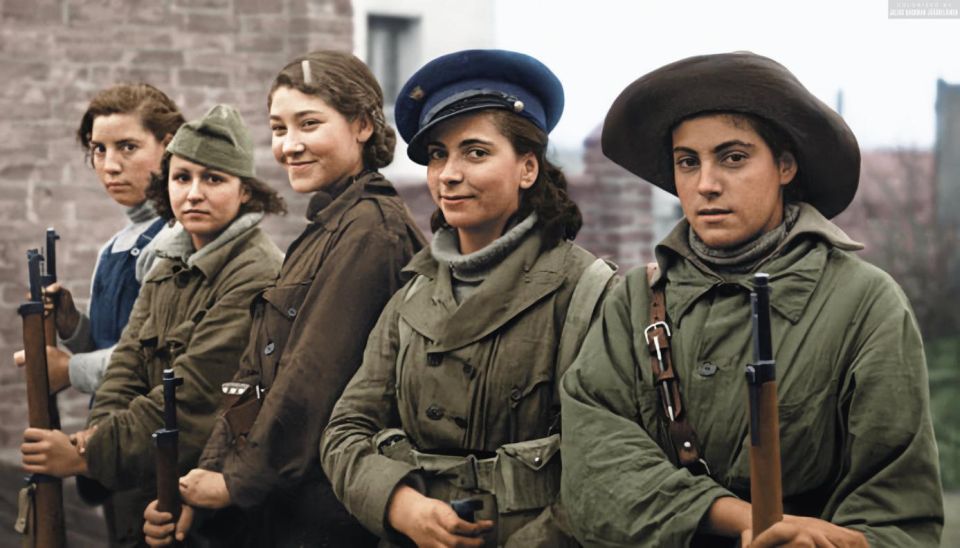
One of the strongest parts of this tour is how it handles political complexity. The Spanish Civil War involved competing visions for Spain, and the factions weren’t just “good guys vs bad guys.” You’ll hear explanations that focus on ideologies and goals, not just names.
Here’s what I’d expect you to leave with:
- A clearer sense of what Fascists were trying to build and why they pushed so hard.
- A better understanding of Loyalists—who they were and what they believed was at stake.
- A grounded explanation of Anarchists and the tension between revolutionary aims and the practical realities of war.
Guides like Chrisa are praised for making the complex tale feel easier to follow, and Yannis is noted for explaining the motivations behind the actors. That means you’re not just collecting facts—you’re building mental links.
And because the story covers the period leading up to the outbreak, you get context for how the war became “almost inevitable” rather than a random overnight catastrophe. That pre-war framing is important if you don’t already know the basics.
Hitler, Mussolini, the International Brigades, and Western response
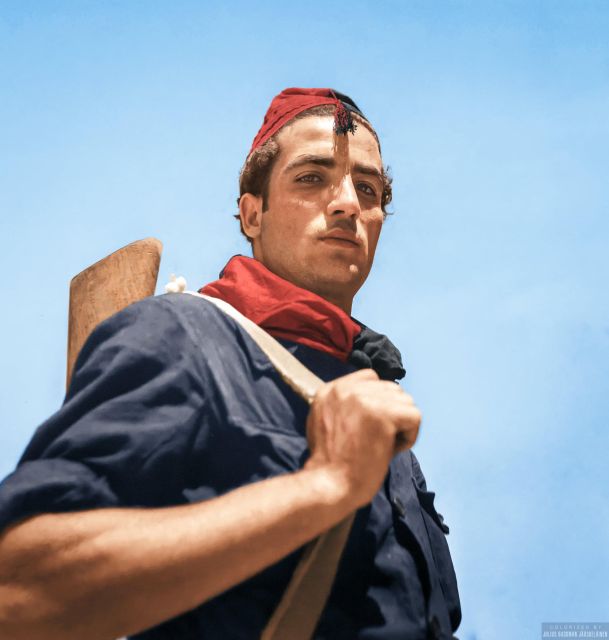
This is where the tour connects Spain to world events. The Spanish Civil War wasn’t sealed off from the rest of Europe—it became a stage for competing ideologies and foreign influence.
You’ll get explanations for:
- What Hitler and Mussolini contributed, and why their involvement mattered.
- The International Brigades—who volunteered, what they represented, and how they shaped perceptions at the time.
- How the Western Allies responded, both during the war and afterward, when Spain settled into Franco’s dictatorship.
I like that the tour doesn’t treat this as trivia. It helps you see how external politics changed the odds and how international reactions shaped long-term outcomes.
If you’ve ever wondered why people talk about Spain as a “warning sign” in European history, this is the section where that idea becomes concrete.
You can also read our reviews of more historical tours in Barcelona




The Catholic Church and the power of institutions
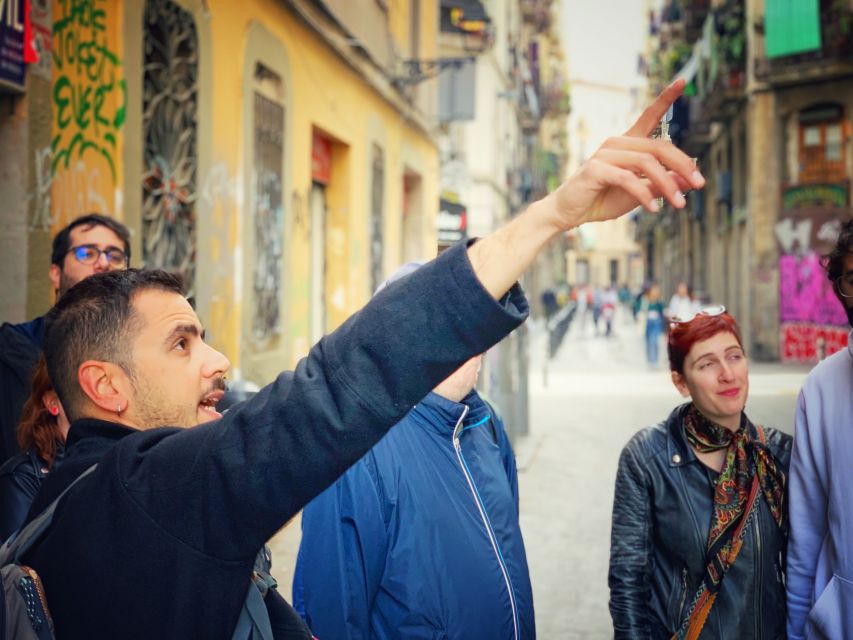
Another area people praise is how the tour includes the Catholic Church’s role. Even if you think you already know the basics, it’s usually the kind of topic that gets skipped in lighter city tours.
In this walk, the church is treated as part of the political structure: something that influenced social life and supported the outcome that followed the war.
I found this part valuable because it adds weight to what you’re seeing in the city. When a guide connects ideology to institutions, the historical story stops feeling abstract.
Orwell’s Homage to Catalonia: seeing literature turn into places
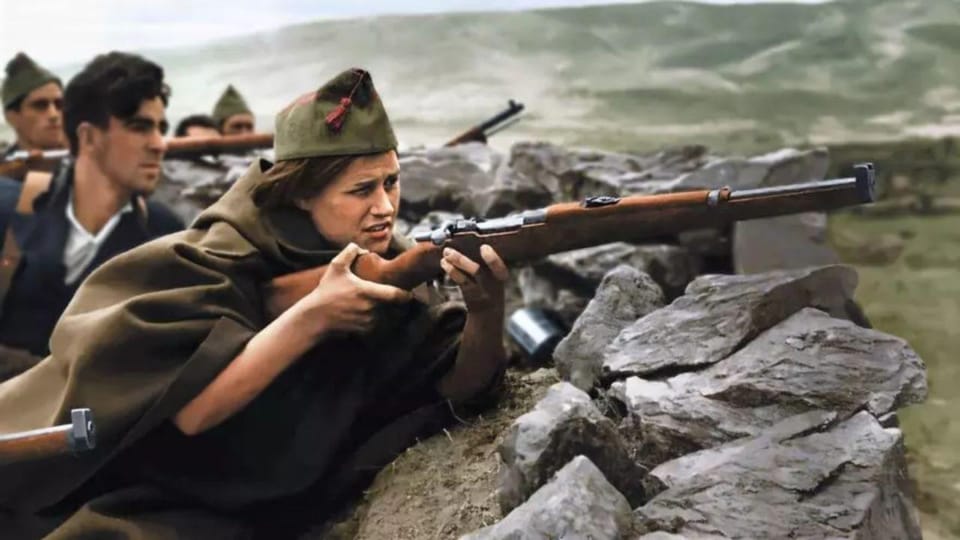
One standout highlight is that you’ll see places George Orwell mentions in Homage to Catalonia. That’s a fun trick in a smart way: literature often captures the mood and contradictions of a moment, but the city locations make it real.
Even if you’ve never read Orwell, the tour uses the reference to guide your understanding of what was happening on the ground in Barcelona and Catalonia. You get a sense of how the conflict played out in real neighborhoods and public life—not just in speeches or strategy rooms.
The bigger point isn’t that Orwell makes it cool. It’s that his writing is a bridge between personal experience and political history. Seeing the sites supports the idea that ideology wasn’t something distant—it was something people argued about, feared, or acted on.
Scarred streets, not postcard history
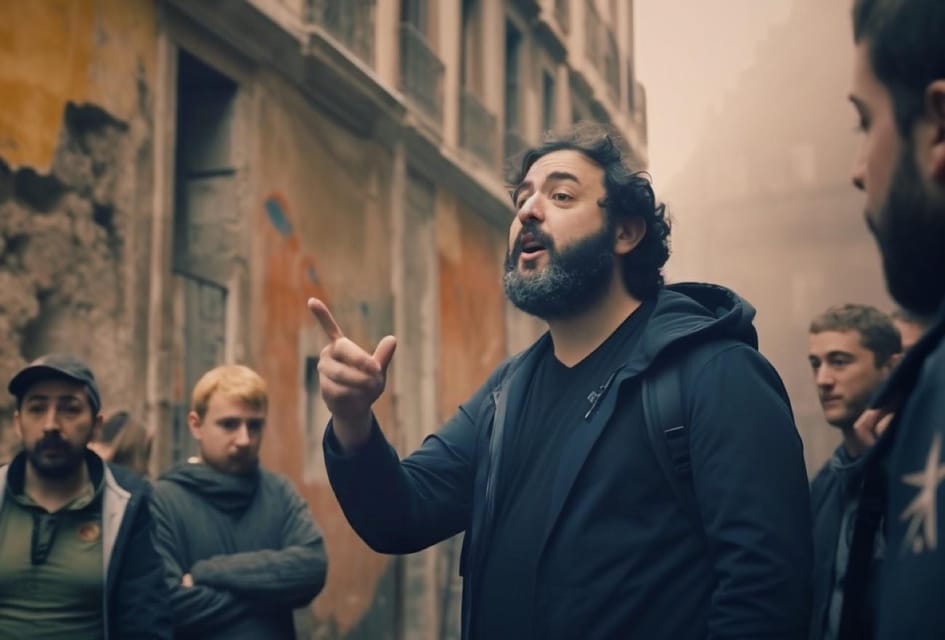
Barcelona’s normal tourist route can feel like it’s built on smooth narratives: highlights, architecture, big views, photo stops. This tour goes elsewhere. You’ll be shown remnants and scars of a tragic period, and the guides explain how bombings and political violence left marks on the city.
This is why the walk is described as a way to go beyond the usual facade of Barcelona’s attractions. You’re not chasing “pretty.” You’re learning why certain spaces carry meaning, and how memory is preserved—or avoided.
One reason this format works so well is the tour’s claim that there are virtually no official museums or memorials devoted to this period. So the streets become the curriculum. You’re basically studying history in its living classroom: the city itself.
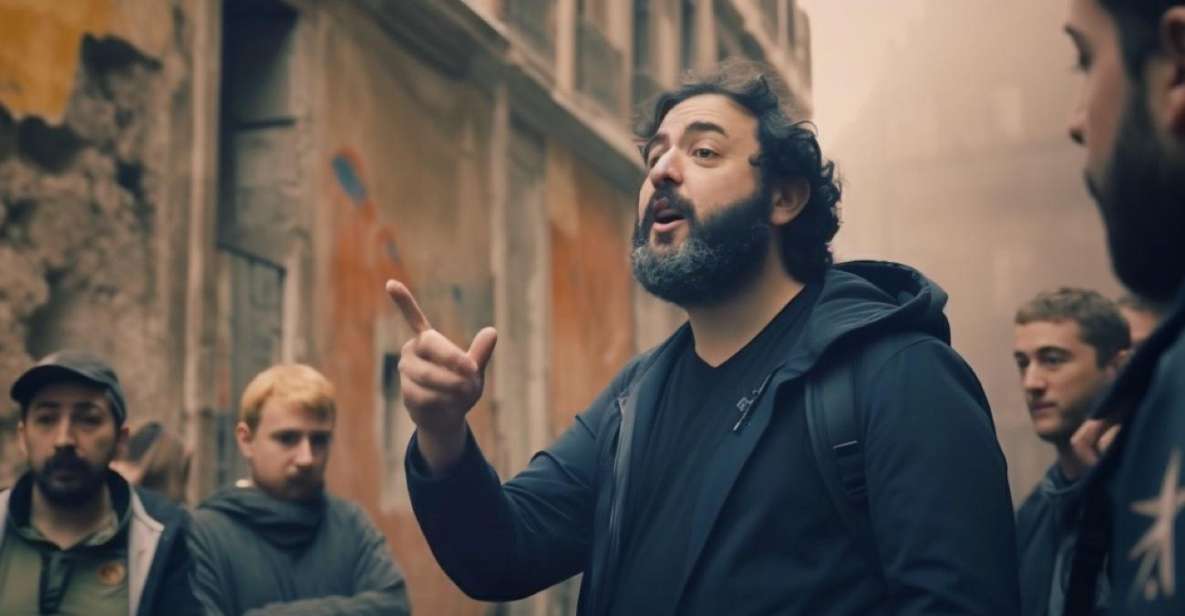
And because guides use pictures, plus graphic materials in some cases, the abstractions of 1930s politics get anchored. People also mention that guides check understanding along the way, which matters when the topic is dense.
After the war: Franco’s 36-year shadow and Spain’s memory
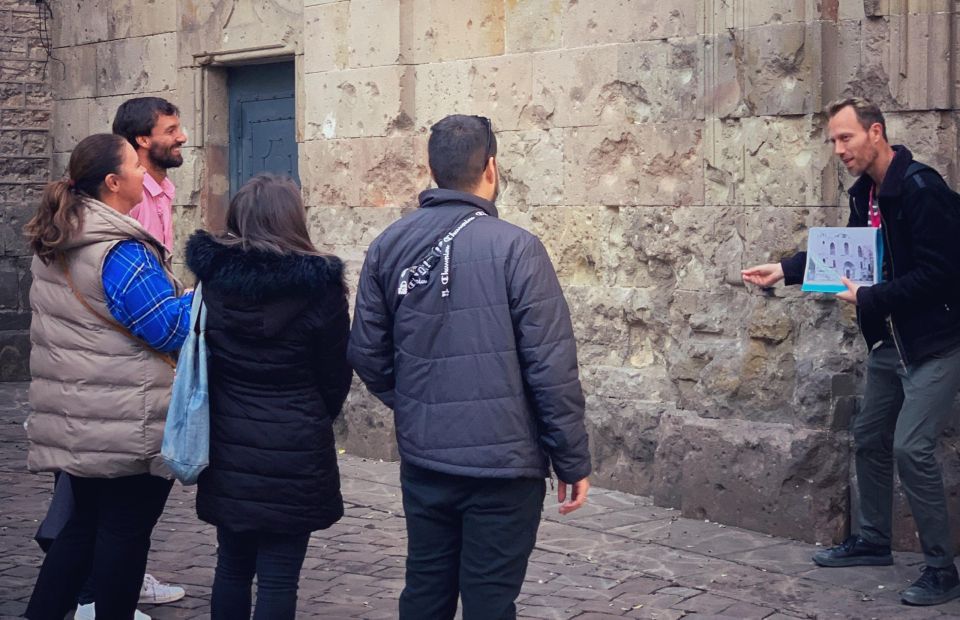
The tour doesn’t stop at 1939. It moves into the dictatorship that followed—described as lasting 36 years—and then into how Spain deals with this period now.
This part is important. When a country has an unresolved national trauma, history doesn’t just sit in the past. It shapes politics, public debate, and even what gets memorialized.
You’ll cover questions like:
- How Franco’s regime changed Spain’s future.
- What the dictatorship meant for everyday people.
- How Spain frames the memory today, even when official storytelling is complicated.
Several guides are praised for connecting the war to present-day Barcelona and Spanish politics in a thoughtful way—more explanation, less lecturing. It’s a useful way to leave the city with a better reading of current headlines and social debates.
Women’s politics and the mujeres libres thread
One reason this tour gets glowing feedback is that it doesn’t ignore women’s roles and politics. There’s specific mention of women politics in the Second Republic and Spanish Civil War, including discussion of the mujeres libres.
If you’ve read a history book that mainly centers generals and party leaders, this will likely feel like a corrective. It gives you a fuller picture of who had agency, who fought for ideas, and how revolutionary energy looked beyond traditional political offices.
And it’s also a reminder that wars aren’t only decided by battles. They’re decided by social movements, cultural values, and the people trying to build a new world while chaos is underway.
Price and value: is $46 worth it?
At $46 per person for about 2.5 hours, this tour is priced like a specialized historical walk, not a budget “see Barcelona” experience. The value comes from what you get for that time:
- An expert guide who explains a complicated conflict in an accessible way
- Context from before the war, not just the battle timeline
- Visual materials (pictures, and sometimes graphic materials) to make events concrete
- The fact that you visit places tied to Orwell and to real wartime life, without needing a museum entry fee
If your goal is to learn why Barcelona mattered in this period, not just to stand near old buildings, then this pricing can feel fair. You’re paying for interpretation—someone to connect facts into a story that makes sense.
If your goal is a light stroll with minimal talking, then $46 may feel steep because the tour is talk-heavy and the subject is serious.
Who should book this Barcelona Spanish Civil War walk
I’d say this tour fits best if you:
- Like political history you can actually understand in plain language
- Want Barcelona tied to 20th-century events, not only medieval and modern-day glamour
- Prefer learning through streets and context rather than a single museum room
- Enjoy asking questions and getting answers on difficult topics
It’s also a great match for readers and thinkers. If you’ve read Orwell, it’s a chance to connect text to geography. If you haven’t, it still gives you the context to understand why those references matter.
And it can work for groups as well—there’s private group availability if you want a more tailored pace.
Should you book this tour? My practical take
If you want a “Barcelona, but with meaning” experience, I think you should book it. The guides handling of faction complexity, the Orwell connection, and the street-level way the tour uses the city as a history classroom are the main reasons.
One key caution: the subject includes politics, war, and dictatorship. The tour isn’t presented as cheerful or fluffy, and it’s noted as not advised for children due to the topics (though children are allowed to join). So decide based on your comfort with heavy history.
If that all sounds like your kind of trip, this is one of the best ways to understand why Barcelona is not just beautiful—it’s also loaded with the kind of stories that shaped modern Spain.
FAQ
How long is the Barcelona Spanish Civil War Historical Walking Tour?
The tour lasts about 2.5 hours.
Where is the meeting point?
You meet on the sidewalk in front of Foot Locker on Plaça de Catalunya. Your guide will be there with a white umbrella.
What language is the tour?
The live tour guide is in English. There is also an optional audio guide in English.
Is there wireless tour guiding?
It uses wireless tour guiding systems depending on the guide. There is an extra cost of 1€ per person charged at the beginning of the tour, paid by card or cash.
What’s included in the price?
The price includes a professional tour guide.
Is the tour suitable for children?
It is not advised for children due to the political and war/dictatorship subject matter, though children are allowed to join.
Does the tour run in rain?
Yes. The tour takes place rain or shine.
Where does the tour end?
It finishes after about 2.5 hours in the middle of the Gothic Quarter, near Barcelona city hall.
Is the tour wheelchair accessible?
Yes, the tour is wheelchair accessible.