REVIEW · BARCELONA
Barcelona: Old Town and Gothic Quarter Walking Tour
Book on GetYourGuide →Operated by In Out Barcelona Tours · Bookable on GetYourGuide
Old streets, big stories, tight walking route. This Barcelona Old Town and Gothic Quarter tour strings together Roman Barcelona and medieval landmarks in a way that makes the city make sense fast, with guides like Alba bringing the details to life and often adding practical food stops along the way. I like that you get a real storyline from Plaça de Sant Jaume through the Gothic streets to La Boqueria, not just a checklist of famous buildings. I also love the small-group feel, where the guide can answer questions and adjust the pace.
One thing to keep in mind: it’s a walking tour through narrow lanes, so if you don’t enjoy crowds or you hate fast pace, comfortable shoes are non-negotiable, and the 2.5-hour format may feel like a sprint compared to slow museum visits.
In This Review
- Key takeaways before you go
- Why this Barcelona Gothic Quarter walking tour works (and for whom)
- Duration and pacing: what 2.5–4 hours feels like
- Starting at Plaça de Sant Jaume: Barcelona’s political center in plain terms
- Roman Barcelona’s leftovers: walls, baths, and everyday life
- Gothic Quarter essentials: Plaça del Rei and Palau Reial with real stories
- Barcelona Cathedral and Santa Maria del Mar: Catalan Gothic, explained so it clicks
- La Rambla in full color: flower stalls, entertainers, and street life
- La Boqueria market: 300+ stalls and the best kind of chaos
- El Born and the walk toward Passeig del Born
- What to expect from the guide: stories, humor, and audience focus
- Practical tips: shoes, bags, and how to get the most from it
- Price and value: why $21 is a strong deal for this route
- Should you book this Barcelona Old Town and Gothic Quarter tour?
- FAQ
- How long is the Barcelona Old Town and Gothic Quarter walking tour?
- Where does the tour start?
- Is the tour a walking experience?
- How many people are in a group?
- What languages are offered?
- How much does it cost?
- Are there private group options?
- What should I bring?
- Are luggage or large bags allowed?
- Can children join the tour?
Key takeaways before you go
- Roman roots at Plaça de Sant Jaume: You start where the Roman Forum stood and learn why it stayed politically central for 2,000+ years.
- Roman wall and bath stories: You’ll see major remnants and hear how everyday life worked long before the Middle Ages.
- Gothic Quarter highlights, tied to real events: Plaça del Rei, Palau Reial, and the Columbus welcome are explained in context.
- Cathedral pair for Catalan Gothic architecture: Barcelona Cathedral and Santa Maria del Mar each get their own clear story.
- La Rambla and La Boqueria as your payoff: Flower stalls, street energy, and 300+ market stalls make the tour fun as well as informative.
- Ends in El Born territory: You finish near Passeig del Born, handy for your next meal or wander.
Why this Barcelona Gothic Quarter walking tour works (and for whom)
Barcelona’s Gothic Quarter can feel like a maze if you show up with zero context. This tour works because it gives you a mental map: Roman Barcelona’s political core, medieval power centers, then the atmospheric street life that still shapes where people shop, eat, and stroll today. Instead of treating the Old Town like a theme park, the guide ties buildings and squares to what happened there.
You’ll also like the structure. The route is built for walking—moving from one landmark to the next while the guide connects the dots between eras. That’s exactly what you want on a first or second trip when you’re trying to get your bearings fast and stop guessing at what you’re seeing.
This is especially suited to you if you:
- want history, but you don’t want your feet glued to a museum ticket line all day
- enjoy local street scenes as part of the experience (La Rambla, market life, El Born)
- like asking questions and getting a clear, human answer in real time
If your travel style is all about deep, long interior visits, you might find the timing tight. The tour is designed to cover a lot of ground in a limited window, so you’re getting the bigger story and the key sites, not a slow, sit-down examination of every detail.
You can also read our reviews of more walking tours in Barcelona



Duration and pacing: what 2.5–4 hours feels like
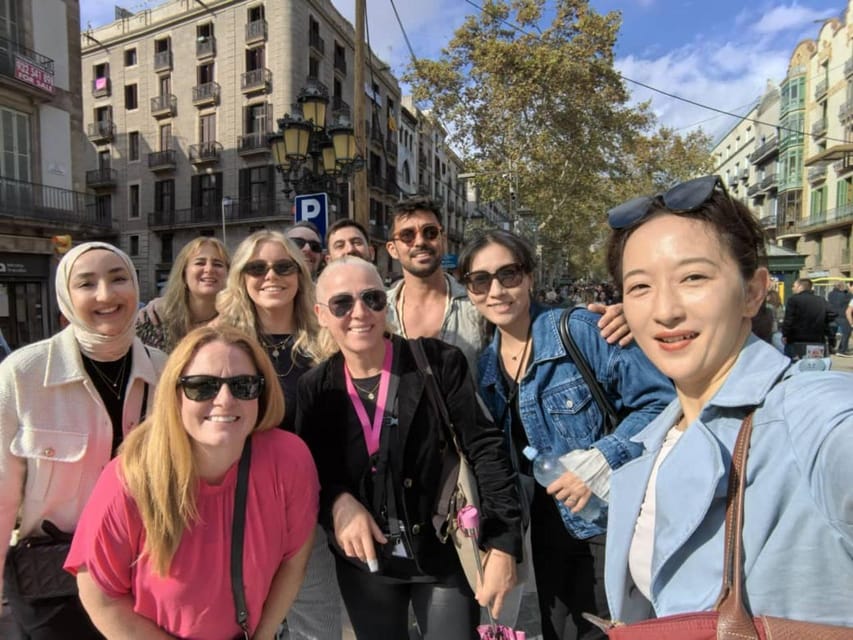
The tour duration is listed as 2.5 to 4 hours, depending on the starting time and how the group moves. In practice, that means you should plan for a steady rhythm: short walks between stops, then explanations at each site. It’s not a long, stop-and-stare photo safari, so if you’re the type who needs 20 minutes per corner, you’ll want to pace yourself.
Good news: the format is small-group. With a maximum of 15 participants, you’re not stuck listening from the back. You can ask the guide where to go next, and you’re more likely to keep up as the route tightens through older streets.
One small practical note: luggage or large bags aren’t allowed. If you’re carrying more than a small day bag, you’ll want to rethink what you bring so you don’t end up stressed in a crowded historic area.
Starting at Plaça de Sant Jaume: Barcelona’s political center in plain terms
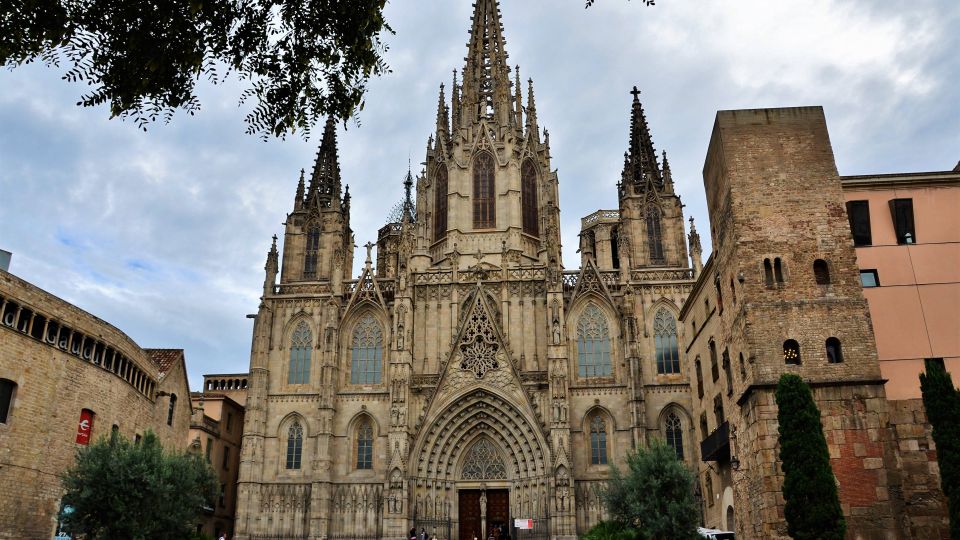
You begin at Plaça de Sant Jaume, where the Roman Forum once stood. That opening matters because the guide frames the area as more than scenery. The square stayed the political heart of Catalonia for over 2,000 years, so you’re not just learning what the city used to look like—you’re learning why power and decision-making clustered here.
From that start, the tour helps you read the Old Town like a timeline. Roman beginnings lead into medieval control, then into the Gothic Quarter’s architecture and institutions. Even if you only catch part of it at first, the guide’s storytelling style helps the landmarks stop feeling random.
If you enjoy history with clear cause-and-effect, this first section is a strong start. The tour doesn’t just name dates; it explains why the location mattered.
Roman Barcelona’s leftovers: walls, baths, and everyday life
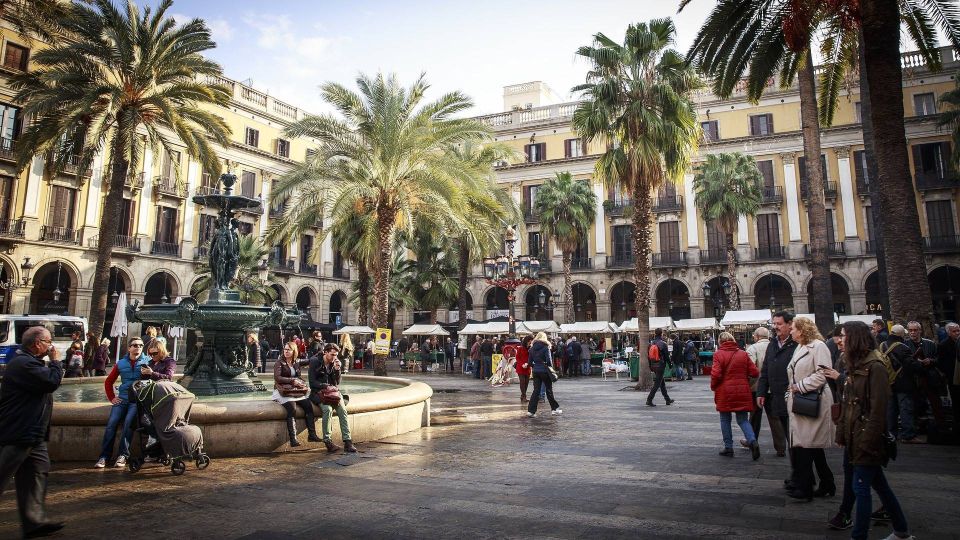
A big highlight is walking along one of the best-preserved Roman walls in the world. That kind of line can sound like marketing, but here it works because the guide ties the wall to how people lived around it. You also hear about the Roman baths of Pati Llimona, which brings the scale down from big rulers to daily routines.
This is one of the best moments for you if you like physical history—seeing a surviving structure and then understanding what it likely served. Instead of just snapping photos of stonework, you’ll get context that makes the remnants feel usable in your imagination.
And because the route keeps moving into the medieval parts right after, you’ll feel the shift. Roman Barcelona gives you the foundation; the Gothic Quarter shows you what replaced it and why.
Gothic Quarter essentials: Plaça del Rei and Palau Reial with real stories
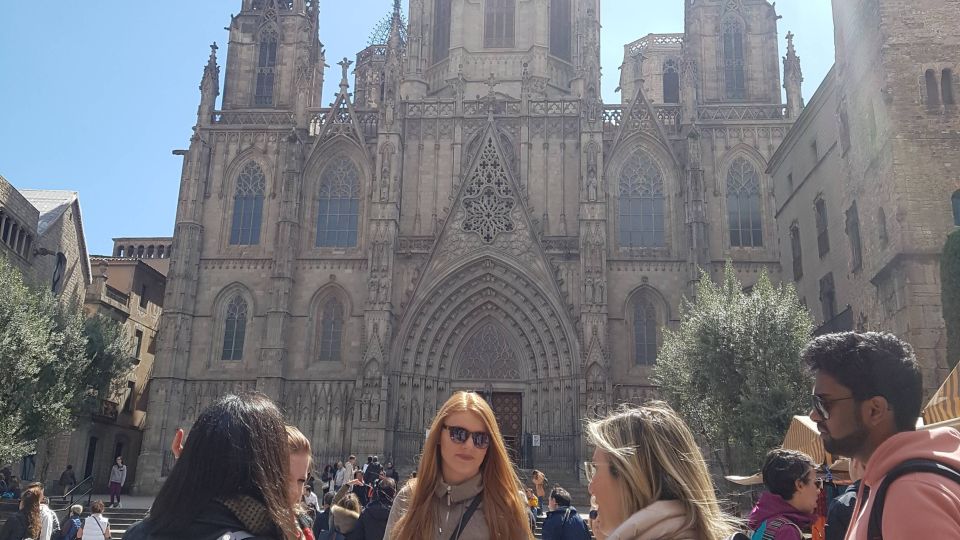
Once you enter the Gothic Quarter, you’re looking at architecture that’s old enough to feel like it has memory. The tour focuses on sites with clear “why it matters” explanations, especially around Plaça del Rei.
Plaça del Rei is where the Palace of the Viceroy and the Palau Reial connect you to the machinery of medieval authority. The standout detail is that the Palau Reial is tied to Christopher Columbus’s reception by the Catholic Monarchs after his Americas journey. Even if you know the headline already, hearing it anchored to the exact place helps it land.
This part of the walk is where you’ll notice how the guide controls pacing. You get just enough detail to understand the significance without drowning in facts. A recurring theme from guide styles—whether it’s Omid’s balance of detail or Jose Carlos’s interactive, question-friendly approach—is that the information is timed to keep you engaged as you move through tight streets.



Barcelona Cathedral and Santa Maria del Mar: Catalan Gothic, explained so it clicks
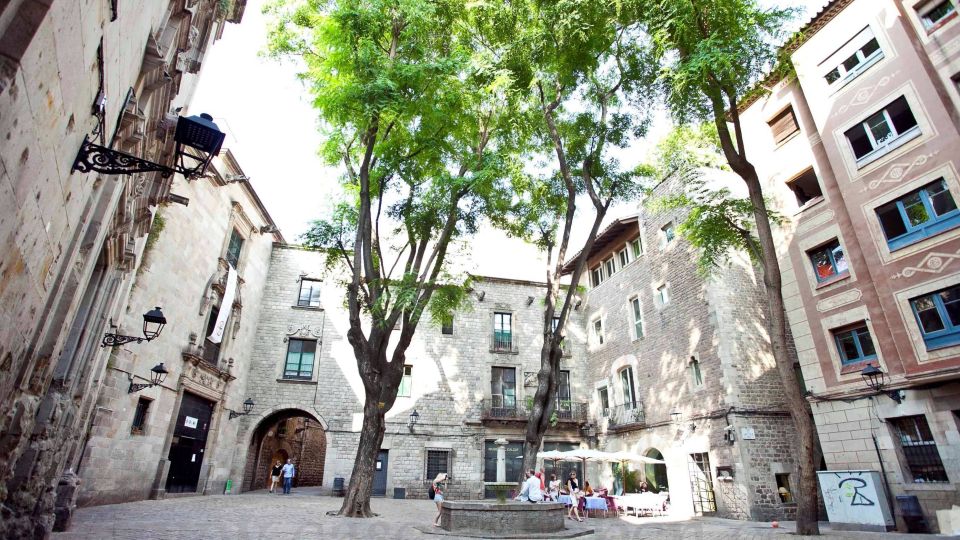
Two major stops follow: Barcelona Cathedral and Santa Maria del Mar. The tour frames both as standout examples of Catalan Gothic architecture, but it doesn’t treat them like identical twins. You’ll hear what makes each special and how they fit into the medieval city.
Santa Maria del Mar gets a particularly memorable explanation: it was built in an incredibly short time, showing serious medieval engineering and organization. That’s a useful detail for you to remember because it changes how you look at the building. It’s not only about what it looks like; it’s about how people managed large projects long before modern construction methods.
If you usually glaze over at church tours, this is the section where you might get surprised. The guide’s job is to translate stone and style into understandable human stories—who built it, why it mattered, and what it signals about the city’s priorities.
La Rambla in full color: flower stalls, entertainers, and street life
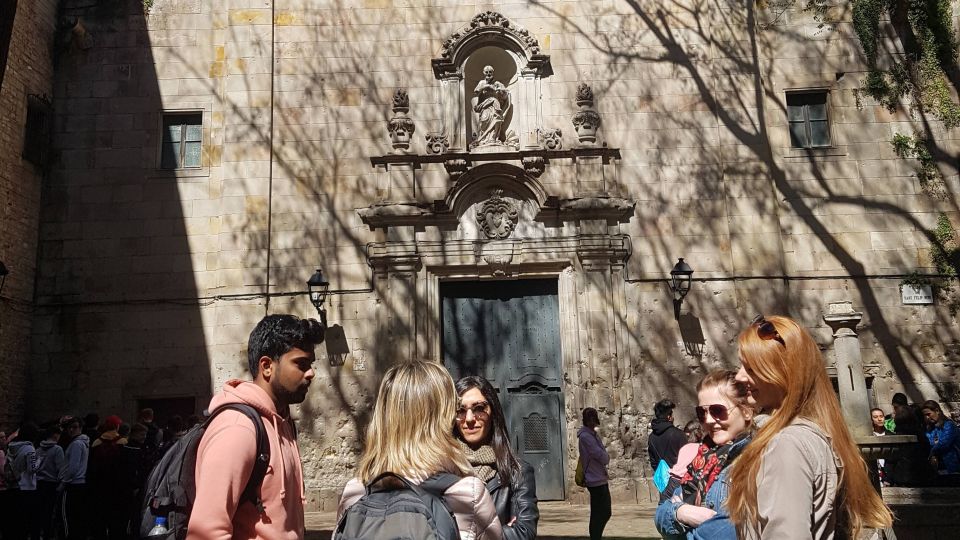
After the Gothic streets, the tour shifts to La Rambla, and the vibe changes fast. You’ll pass lively sections with flower stalls, street entertainers, and places where people stop for a snack or a drink. This isn’t just sightseeing; it’s the city’s daily rhythm.
For many first-time visitors, La Rambla can feel like a generic tourist strip. The tour makes it more useful by connecting the atmosphere to the Old Town context you just learned. You’re not only walking through a famous boulevard; you’re stepping from medieval space into modern public life.
You’ll also get a practical benefit here: you learn how Barcelonans treat the street as a social room. That helps when you later plan your own time around cafés, markets, and after-walk breaks.
La Boqueria market: 300+ stalls and the best kind of chaos
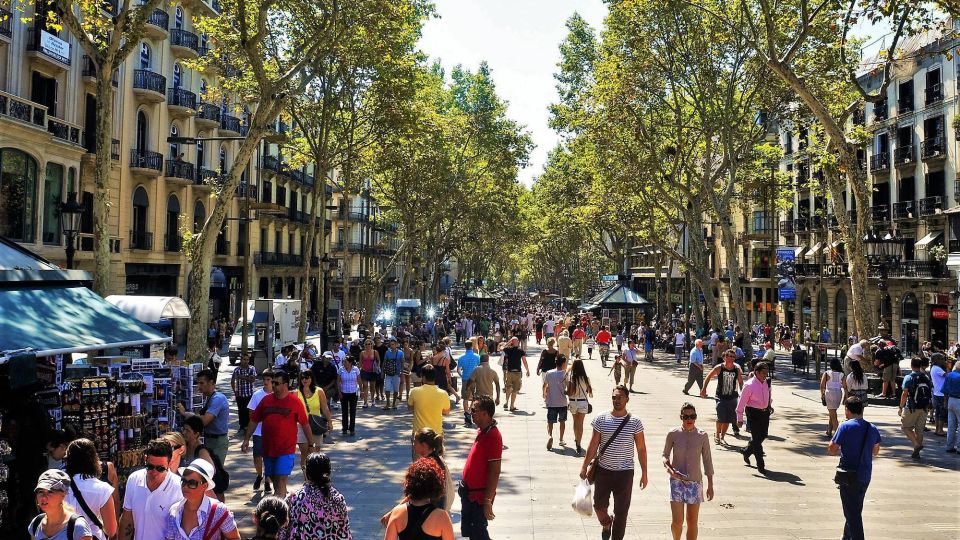
Then you hit La Boqueria. The tour includes a guided market stop where you can shop or just browse among 300+ stalls with local products. This is one of the most value-rich parts of the tour because it’s the one activity most visitors want anyway—but doing it with context helps you navigate faster.
You’ll also get a stronger sense of Catalan food culture. Even if you don’t buy much, you’ll see what people actually come for: ingredients, cured goods, fruit, and ready-to-eat bites. It’s also a good moment to ask your guide what to try next or where to go after the tour. Many guides—like the ones praised for food recommendations and practical suggestions—are clearly comfortable steering you toward good decisions rather than expensive mistakes.
If you’re traveling with someone who gets bored by history, this market stop is a great compromise. It keeps the experience social and sensory, without turning it into a generic shopping detour.
El Born and the walk toward Passeig del Born
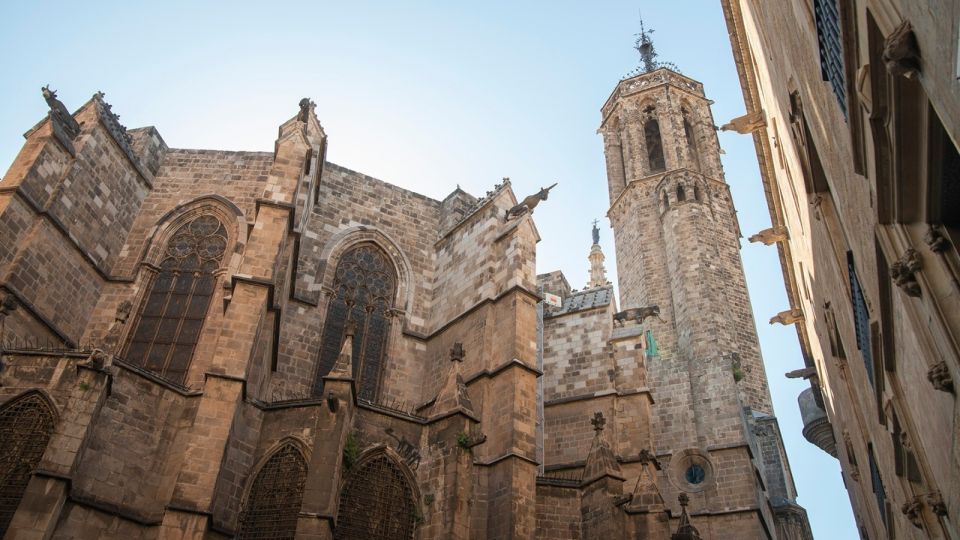
The tour includes soaking up the atmosphere of El Born, which means you’ll see the neighborhood feel shift again—more boutique shops, trendy cafés, and lively streets. You also end near Passeig del Born (Passeig del Born, 08003 Barcelona). That ending point is handy for you because it puts you near plenty of options for a post-tour drink or tapas, without forcing you to travel across town while you’re already walking tired.
El Born is also a smart place to reorient. After learning Roman walls and Gothic cathedrals, it feels good to shift into the neighborhood pace. You can keep wandering on your own with a clearer sense of where you are and why this area matters.
What to expect from the guide: stories, humor, and audience focus
One of the biggest reasons people rate this tour so highly is the guide style. The names that pop up often in feedback include Alba, Omid, Jose Carlos, Nilo, Joris, Ane, Isabella, and Steven. Each one is different, but the overlap is consistent: clear storytelling, energy that keeps you attentive, and answers that feel tailored instead of rehearsed.
What you should care about as a traveler is how that impacts your experience:
- You’re more likely to remember what you saw because the guide explains the “so what.”
- You’re less likely to feel rushed, even though the tour covers ground.
- You can ask practical questions—like where to eat afterward—and get useful direction.
The small-group size matters here. With at most 15 people, the guide can notice when someone is lost or when a question needs a clearer example.
Practical tips: shoes, bags, and how to get the most from it
Here’s how to set yourself up for a smooth tour day:
- Wear comfortable shoes. The walk happens through older streets and tight corners.
- Bring a small bag and avoid large luggage. Luggage or large bags aren’t allowed.
- Come ready to walk 2.5–4 hours with short rests, not long breaks.
- If you like photos, plan a few shots, not constant filming. The best moments come when you pause for the explanation.
Also, pay attention to timing. If you’re scheduling your day around this tour, keep some breathing room afterward. You’ll likely want to continue in El Born, and you’ll enjoy it more if you’re not immediately rushing to another appointment.
Price and value: why $21 is a strong deal for this route
At $21 per person, the value is mostly about coverage and guidance. You’re paying for an expert guide to connect Roman remnants, Gothic power centers, cathedral architecture, and two major street-market experiences in one walking block.
If you tried to do this on your own, you’d either spend time researching every stop before you walk, or you’d accept a lot of guesswork. In contrast, this tour gives you the connections while you’re already in the right streets, so your time in Barcelona feels more productive.
The small-group cap (up to 15) is part of that value too. It’s not the kind of tour where your questions get swallowed by a huge group.
Should you book this Barcelona Old Town and Gothic Quarter tour?
Book it if you want a smart first-pass orientation through the Gothic Quarter that ties together Roman origins, medieval institutions, and modern street life—then finishes near where you can keep exploring. The combination of major landmarks (Plaça de Sant Jaume, cathedral stops) plus La Rambla and La Boqueria makes it both educational and fun, and the $21 price is hard to beat for a guided, multi-era route.
Skip it if you hate walking, don’t handle crowd energy well, or you want long interior time at just one or two sites. In those cases, you’d probably be happier with a slower, more museum-focused day.
If your goal is to leave Barcelona’s Old Town understanding what you just walked through, this is a high-leverage booking.
FAQ
How long is the Barcelona Old Town and Gothic Quarter walking tour?
The tour duration is listed as 2.5 to 4 hours, depending on the starting time.
Where does the tour start?
The meeting point may vary depending on the option booked. One starting location option listed is Movistar Centre.
Is the tour a walking experience?
Yes, it is a guided sightseeing walking tour through the Old Town and Gothic Quarter, including passes by several landmarks.
How many people are in a group?
It’s a small group tour with a maximum of 15 participants.
What languages are offered?
The guide is available in English and Spanish.
How much does it cost?
The price is $21 per person.
Are there private group options?
Yes, private group availability is listed.
What should I bring?
Bring comfortable shoes for walking.
Are luggage or large bags allowed?
No. Luggage or large bags are not allowed.
Can children join the tour?
Children under 2 years old can join the tour for free.