REVIEW · BARCELONA
Barcelona: City Walking Tour with a Local Guide
Book on GetYourGuide →Operated by Carpe Diem Tours · Bookable on GetYourGuide
Barcelona gets personal fast. In a tight 2-hour walk, I love how the route turns the Gothic Quarter into a living story, with guides like Juan and Sara linking Roman-era Barcino to modern street life. I also like the way the tour keeps moving at an easy pace while still hitting big landmarks like Barcelona Cathedral. One possible drawback: since it’s only 2 hours, you’ll be sightseeing and learning, not lingering for long inside visits without planning extra tickets.
You start and finish near Escultura Barcino, with the main meet at Plaça del Vuit de Març by the Roman aqueduct remains, so you get to step into the old city before the walking even begins. If you want a relaxed day with lots of museum time, this isn’t that kind of tour. Think of it as your best shortcut to understanding what you’re seeing while you’re still fresh.
In This Review
- Key Points You’ll Feel on This Walk
- Two Hours Through Roman Barcino and the Gothic Quarter
- Value for $29: Why This Is Good Use of Tour-Time
- Meeting at Plaça del Vuit de Març: Getting Started Without Stress
- Walking the Center: Stop-by-Stop Highlights You’ll Remember
- Els Quatre Gats: A Quick Launch Into the Old City Mood
- The Kiss Of Freedom: A Story Stop, Not Just a Photo Stop
- Barcelona Cathedral: The Landmark That Helps You Orient
- La Casa de l’Ardiaca: Street-Edge History You Can Still Reach
- Carrer del Bisbe: When a Street Becomes a Classroom
- Placa Sant Felip Neri: A Peaceful Break Inside the Story
- MUHBA El Call: Learning the City’s Layered Past
- Plaça de Sant Jaume: Civic Space With Big-Spot Energy
- Plaça del Rei: The Name That Signals Power
- Plaça de Santa Maria, 1: A Final Chapter With a Strong Sense of Place
- Finish at Escultura Barcino: Leave With a Map in Your Head
- What the Guide Really Adds: Stories You Can Repeat
- Tour Pace, Weather, and Photo Timing
- Who This Barcelona Walk Suits Best
- Should You Book This Barcelona Gothic Quarter Tour?
- FAQ
- How long is the Barcelona city walking tour?
- What does the tour cost?
- Is the tour guide available in English?
- Where do we meet the guide?
- What should I bring with me?
- Are entry tickets included?
- Is a private group option available?
- Is there free cancellation?
- Can I reserve without paying right away?
Key Points You’ll Feel on This Walk
- 2,000+ years of Barcelona told through the streets, not a textbook
- Small “stop and story” pacing that keeps the walk from feeling rushed
- Major landmarks plus quieter corners that many first-timers walk past
- English-speaking guides who answer questions and steer you toward smart next steps
- Guides who handle weather well, keeping the mood going even when it rains
Two Hours Through Roman Barcino and the Gothic Quarter
This is the kind of Barcelona tour that helps you stop guessing. You’ll walk through the old center and slowly realize the city isn’t random streets—it’s layers stacked on top of layers.
What makes this experience stand out is the “story-per-stop” approach. You get big names like Barcelona Cathedral and Plaça Sant Felip Neri, then you also get the smaller pauses where a guide explains why this spot matters. Guides such as Ezekiel and Craig are often praised for turning history into something you can actually follow while you’re standing on the pavement.
And yes, it’s a walking tour, so the goal is momentum. You’re meant to leave with a mental map and a better sense of how Barcelona became Barcelona.
You can also read our reviews of more walking tours in Barcelona



Value for $29: Why This Is Good Use of Tour-Time
At $29 per person for a 2-hour guided walk, you’re basically paying for three things: a local route, a focused narrative, and someone who can answer questions on the spot. For many visitors, that beats doing the same sights solo and spending extra time trying to figure out what you’re looking at.
A key value point: the tour doesn’t just list landmarks. It frames them inside a timeline, covering the Roman colony of Barcino and its evolution through the ages into modern Barcelona. That kind of context makes your later self-guided wandering more satisfying because you’ll recognize patterns.
One cost consideration: entry tickets aren’t included. So you’ll likely enjoy exteriors, viewpoints, and street-level understanding more than inside museum time. If you want to go inside specific sites, budget a little extra on top of the $29.
Meeting at Plaça del Vuit de Març: Getting Started Without Stress
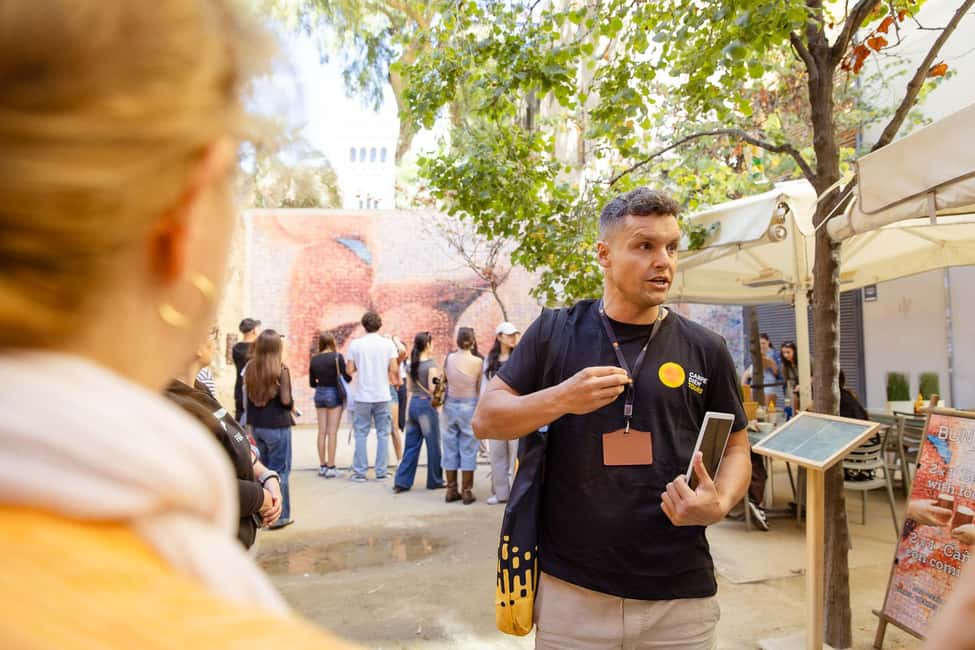
Meet your guide at Plaça del Vuit de Març, inside the park near Balmesiana Biblioteca Balmes and the Roman aqueduct remains, next to the white van. Look for the yellow Carpe Diem Tours flag, and arrive 10 minutes early.
That early buffer matters in Barcelona’s old streets. You don’t want to arrive late, then spend your first 15 minutes stressed while the group moves on. Getting there on time also helps you settle into the right starting mood—especially because this walk begins where the Roman past is still physically present nearby.
You’ll also see that the tour centers around Escultura Barcino as a starting/ending anchor. So even if the exact meet point feels like a quick puzzle at first, the route ties back to a clear, recognizable reference point.
Walking the Center: Stop-by-Stop Highlights You’ll Remember
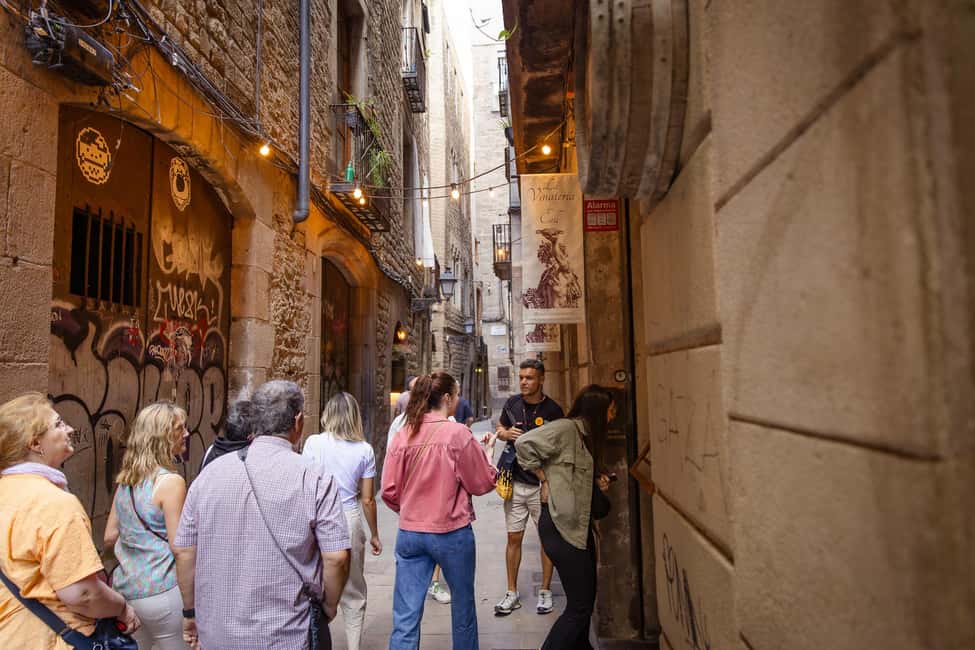
This route is designed like a chain. You stop, learn, look around, then move on. Most guided moments are about 10 minutes per highlighted stop, which keeps things energetic and helps the story stick.
Below is the spirit of what each stop adds—plus how to make the most of it while you’re walking.
Els Quatre Gats: A Quick Launch Into the Old City Mood
Els Quatre Gats is one of the early anchors, and it works well as a warm-up. Expect your guide to set context so the rest of the Gothic Quarter feels less like random scenery and more like a place with a timeline.
If you like asking questions, this is a good time to do it. Early on, guides are often the most fluid about explaining how they’ll connect what you see to what they tell.
You can also read our reviews of more guided tours in Barcelona






The Kiss Of Freedom: A Story Stop, Not Just a Photo Stop
“The Kiss Of Freedom” sounds like the kind of place you might snap a picture of and move on. Don’t. This stop is a good example of the tour’s format: you’ll get a legend, anecdote, or story that gives the spot meaning.
When a guide tells stories here, listen for themes that connect to later stops. That way, the walk feels like a single narrative instead of disconnected highlights.
Barcelona Cathedral: The Landmark That Helps You Orient
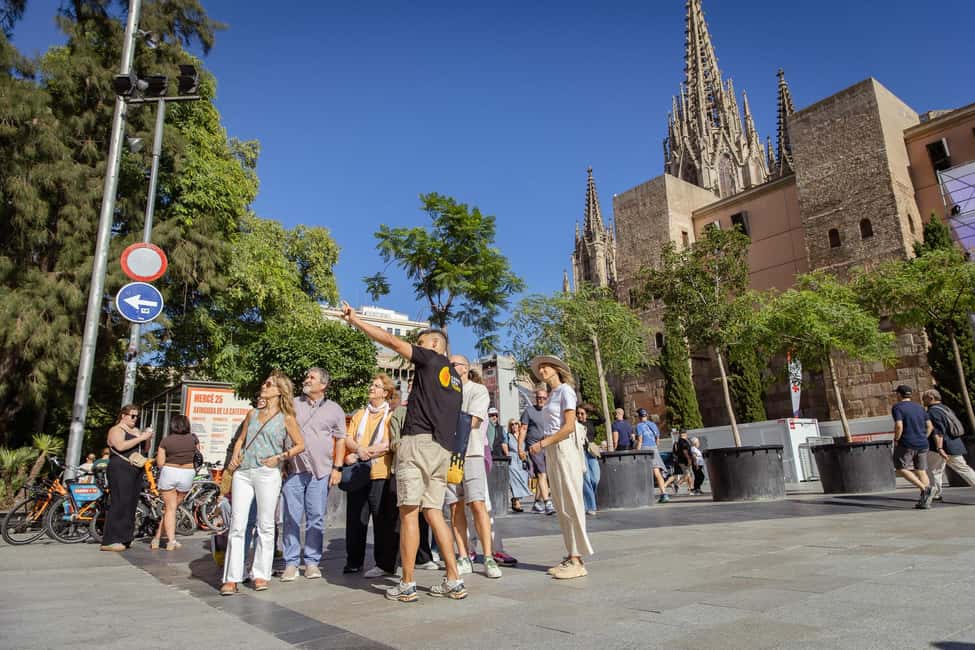
Barcelona Cathedral is one of the biggest “anchor sights.” You’ll spend time understanding it in the broader story of the city’s development, not just appreciating the building.
Practical tip: take one wide photo first, then one closer shot after your guide’s explanation. The guidance helps you notice details you’d otherwise miss.
La Casa de l’Ardiaca: Street-Edge History You Can Still Reach
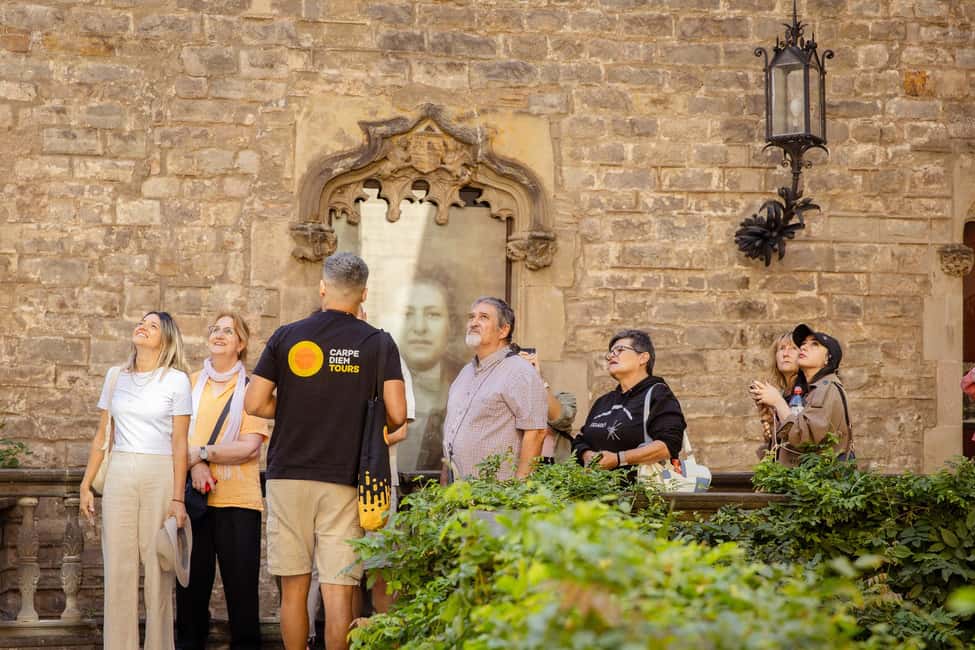
La Casa de l’Ardiaca is a great example of what I like about this tour: it gives you history without requiring a ticket or a long detour. Your guide uses stops like this to show how the old city layers show up right where people still walk every day.
Keep your camera handy, but also pause and look up. These types of stops reward slow glances.
Carrer del Bisbe: When a Street Becomes a Classroom
Carrer del Bisbe shifts the tour from monuments to the texture of the city. This is where you start reading the streets as part of the timeline.
If you tend to get lost in cities, pay attention here. A good guide will help you understand how the street layout supports the stories they’re telling.
Placa Sant Felip Neri: A Peaceful Break Inside the Story
Plaça Sant Felip Neri offers a different feeling than the busier edges of the Gothic Quarter. It’s the sort of place where your guide can slow the story down and help you feel the atmosphere.
This is a spot to relax your shoulders. Stand for a minute, listen to what your guide says, then take a breath. It makes the rest of the walk more enjoyable.
MUHBA El Call: Learning the City’s Layered Past
MUHBA El Call is another highlight where the guide helps connect what you see to a deeper understanding of Barcelona’s past. You’ll be told the significance of the area as part of that 2,000-year sweep—from Roman roots to later chapters.
Since entry tickets aren’t included, you’ll likely focus more on what’s visible in the area and what the guide explains around the landmark. If you want to go inside afterward, ask your guide what’s worth adding next.
Plaça de Sant Jaume: Civic Space With Big-Spot Energy
Plaça de Sant Jaume is one of the plazas that gives you a clear sense of how space works in old Barcelona. Your guide’s job here is to help you connect the feel of a square with the historical role it played over time.
This stop is also a good one to ask for practical advice. A guide can point you toward what to do next in this area after the tour ends.
Plaça del Rei: The Name That Signals Power
Plaça del Rei is the kind of place where a guide’s storytelling matters most. It’s not just another open space; it’s a stop designed to help you understand the city’s shifting “who had authority and why” narrative.
Watch how your guide frames the surrounding buildings and the flow of the square. That’s where the story becomes visual.
Plaça de Santa Maria, 1: A Final Chapter With a Strong Sense of Place
Plaça de Santa Maria, 1 wraps up the narrative feel of the walk. By now, the 2-hour arc should feel like one connected story, not a checklist.
If you’re thinking about returning later, this is where you’ll get the mental cue. You’ll start to notice the edges of the neighborhood and where you might want to linger on your own.
Finish at Escultura Barcino: Leave With a Map in Your Head
The walk finishes back near Escultura Barcino. I like that choice because it closes the loop: you return to a recognizable marker while your guide’s timeline is still fresh.
When you leave, you should feel like you can wander without constantly checking your phone. Even if you only make one extra stop afterward, you’ll be navigating better.
What the Guide Really Adds: Stories You Can Repeat
The difference between a good walking tour and a forgettable one is what happens between the sights. On this route, the guide is constantly linking past and present, using anecdotes, legends, and historical framing so you understand why the city looks the way it does.
The strongest praised aspect is how guides keep people engaged. Guides like Lidia and Petra are often described as warm and fun while still staying organized. Mariah’s rainy-day ability is another big theme—she kept the experience moving and turned the Gothic Quarter through themes of tragedy and courage tied to Catalan people, while still answering questions and keeping the group together.
Juan, Sara, and Ezekiel are frequently mentioned for clarity and for making the time feel smooth. And more than once, I saw praise for humor and storytelling styles—like Craig adding entertaining horror-story energy. That matters because when a tour is two hours long, the guide has to make the pace enjoyable the whole way.
Also, don’t overlook the practical advice. Some guides go beyond the script and suggest dining spots, local shops, or which areas to avoid. That can be the difference between an average meal and a great first night out.
Tour Pace, Weather, and Photo Timing
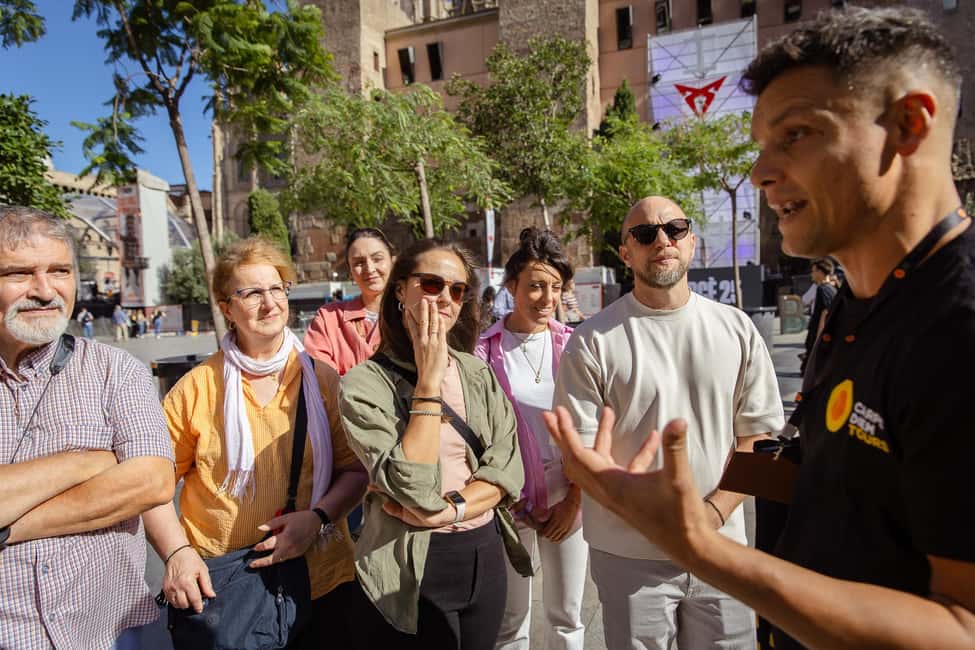
This tour is built for motion: short stops, guided explanations, and frequent walking segments. The upside is that you’ll cover a lot of meaningful ground without exhausting yourself for half the day.
The key practical consideration is attention span and photo timing. Because guided moments are brief, bring your camera but also keep your body relaxed. If you wait too long for photos, you’ll feel behind the group and miss the story beats that make the stops worthwhile.
Weather doesn’t stop the tour. If it’s rainy, the streets can feel slippery and narrow. Wear shoes you trust. Bring comfortable clothes, and keep a light plan in your head: enjoy the streetscape even if you can’t linger outdoors as long as you want.
Who This Barcelona Walk Suits Best
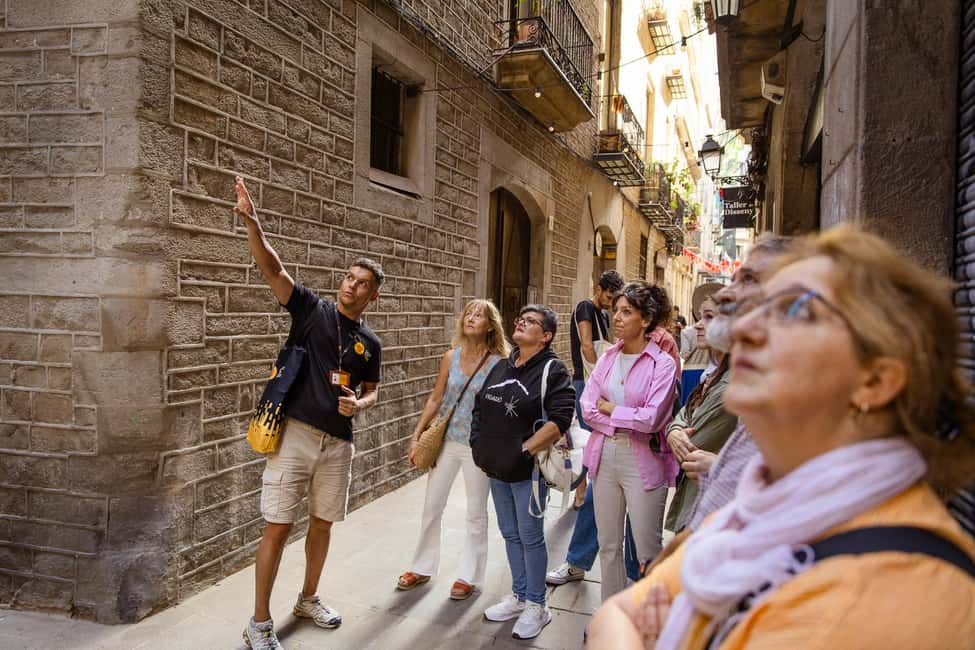
This tour is ideal if you want your first taste of Barcelona’s old center with context. It’s also a good fit if you like history told through real places, not through lectures.
It’s especially helpful for:
- First-time visitors who want a mental map fast
- People who like asking questions and getting direct answers in English
- Short-on-time trips where you still want multiple major sights plus the quieter context around them
It might not suit you as well if:
- You want long ticketed museum time inside major sites
- You dislike walking in tight neighborhoods
- You prefer total self-direction with no guide-led storytelling
Should You Book This Barcelona Gothic Quarter Tour?
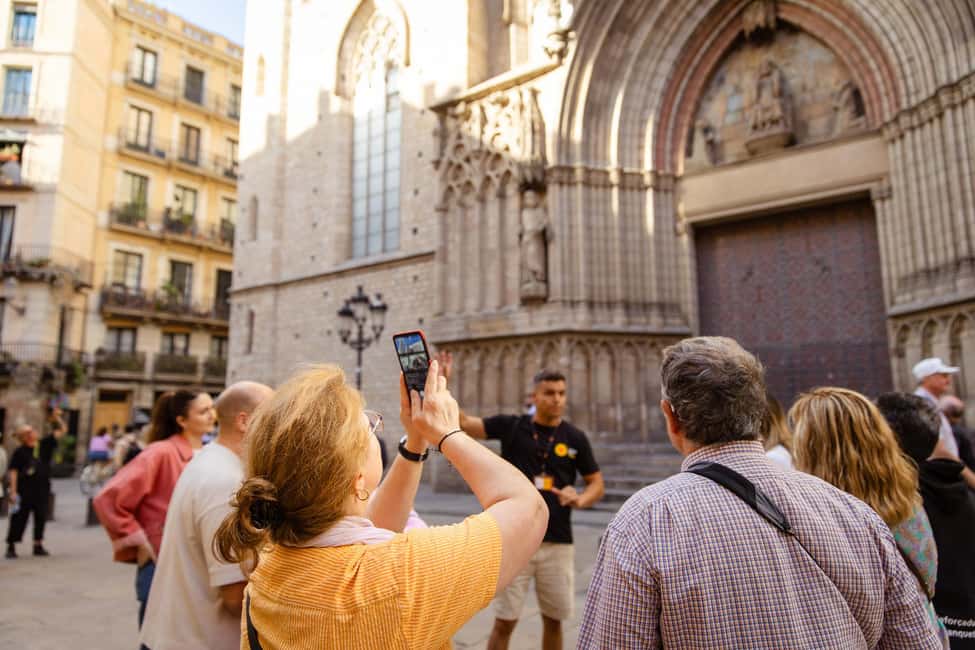
If you’re in Barcelona for a short stay and you want the Gothic Quarter to make sense, I’d book it. For $29, you’re getting a focused local-led timeline that helps you connect Roman-era Barcino to modern Barcelona while still seeing major landmarks like Barcelona Cathedral and Plaça Sant Felip Neri.
Just go in with the right mindset: this is a guided walk built for understanding, not for long inside visits. If you want to add museum time later, treat this as your orientation layer—and you’ll enjoy the city more once you’re on your own.
FAQ
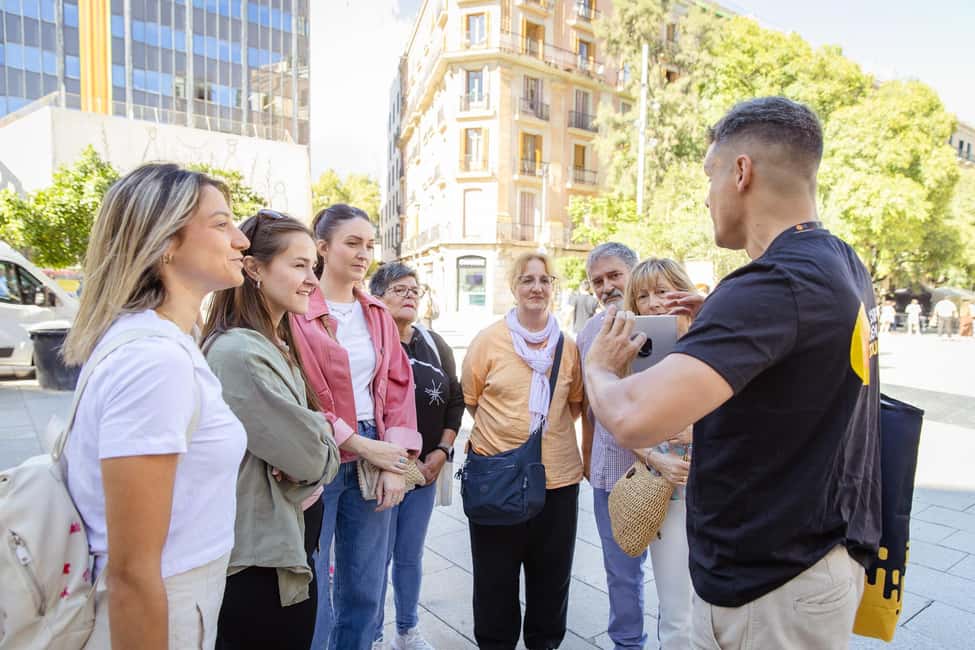
How long is the Barcelona city walking tour?
The tour lasts 2 hours.
What does the tour cost?
The price is $29 per person.
Is the tour guide available in English?
Yes, the live tour guide is English.
Where do we meet the guide?
Meet at Plaça del Vuit de Març, inside the park near Balmesiana Biblioteca Balmes and the Roman aqueduct remains, next to the white van. Look for the yellow Carpe Diem Tours flag and arrive 10 minutes early.
What should I bring with me?
Bring comfortable shoes, a camera, and comfortable clothes.
Are entry tickets included?
No, entry tickets are not included.
Is a private group option available?
Yes, private group availability is listed.
Is there free cancellation?
Yes. Free cancellation is available up to 24 hours in advance for a full refund.
Can I reserve without paying right away?
Yes. You can reserve now and pay later, meaning you pay nothing today.