REVIEW · BARCELONA
Private Jewish Heritage Journey by Barcelona Dreaming
Book on GetYourGuide →Operated by BARCELONA DREAMING · Bookable on GetYourGuide
Barcelona’s Jewish Quarter rewards slow looking. This private walk connects you to the medieval Call with real on-the-street storytelling. You’ll step inside an ancient synagogue and learn the meaning of places most visitors miss.
I love how much control you get over the pace. It’s fully private, and the guide tailors the walking rhythm to your family, your questions, and even mobility needs. I also like the focus on details you can actually see, like the hidden symbols on old stone and the scholarly names tied to these streets.
One consideration: this is a cobblestone old-city walk. Even though the tour is wheelchair friendly for most of it, synagogue entry involves a few steps, so it may be tricky for some visitors—and there aren’t long breaks built in.
In This Review
- Quick hit: what’s so good about this tour?
- Why the Medieval Jewish Quarter Feels Different on Foot
- Private Means Real Pace Control (Especially With Families)
- Starting in Plaça de Sant Jaume: Getting Oriented Fast
- King’s Square: Where Story Meets Street-Level Reality
- Step Inside the Ancient Synagogue: What to Look For
- Casa Adret: Reading the Neighborhood’s Hidden Clues
- The Mikveh Connection: Why That Secret Matters
- What You Get Included: The Stuff That Makes It Worth It
- Price and Value: Is $94 a Good Deal?
- Walking Reality: Shoes, Water, and Rain-Day Plans
- Who Should Book This (and Who Might Not)
- The Human Factor: Guides You’ll Want to Listen To
- Should You Book This Private Jewish Heritage Journey?
- FAQ
- How long is the Private Jewish Heritage Journey?
- Is this tour private?
- What’s included besides the walking?
- Where does the tour meet?
- What languages are available for the tour?
- Is the tour wheelchair accessible?
Quick hit: what’s so good about this tour?
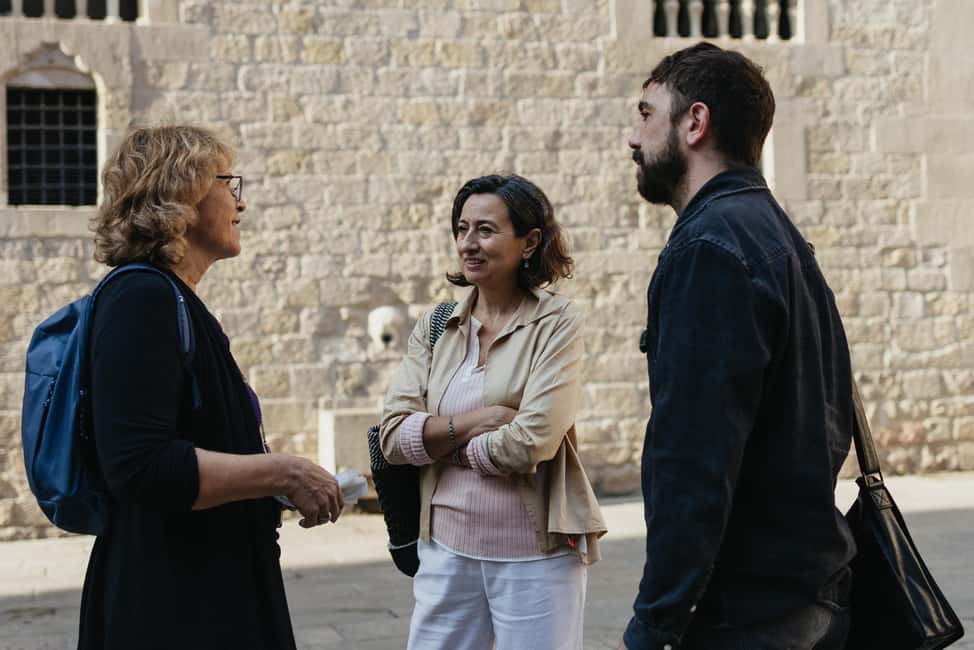
- 100% private route through the medieval Jewish heart of Barcelona
- Entry to the Ancient Synagogue plus a story-connected stop for the medieval mikveh
- Guides from Barcelona Dreaming (heritage trips since 2010), with strong Q&A energy
- You’ll learn to spot hidden symbols on stone and understand what they meant
- A small, old-street walking format that fits families and history-minded teens
Why the Medieval Jewish Quarter Feels Different on Foot
The Gothic Quarter moves fast for most visitors. This tour slows you down on purpose, so you stop treating those narrow lanes like a photo-op backdrop and start reading them like a map of centuries.
The star of the experience is not just buildings. It’s context: who lived here, what shaped ideas, and how Jewish life in Catalonia evolved through periods of relative safety and later violence. You’ll come away understanding why the “Call” mattered, even when its physical traces are limited today.
What makes the approach practical is that the guide doesn’t just recite dates. You’ll get stories you can place in your head while you’re standing in the right spot, looking at the right doorway, and noticing the details that a normal stroll would skip.
You can also read our reviews of more private tours in Barcelona



Private Means Real Pace Control (Especially With Families)
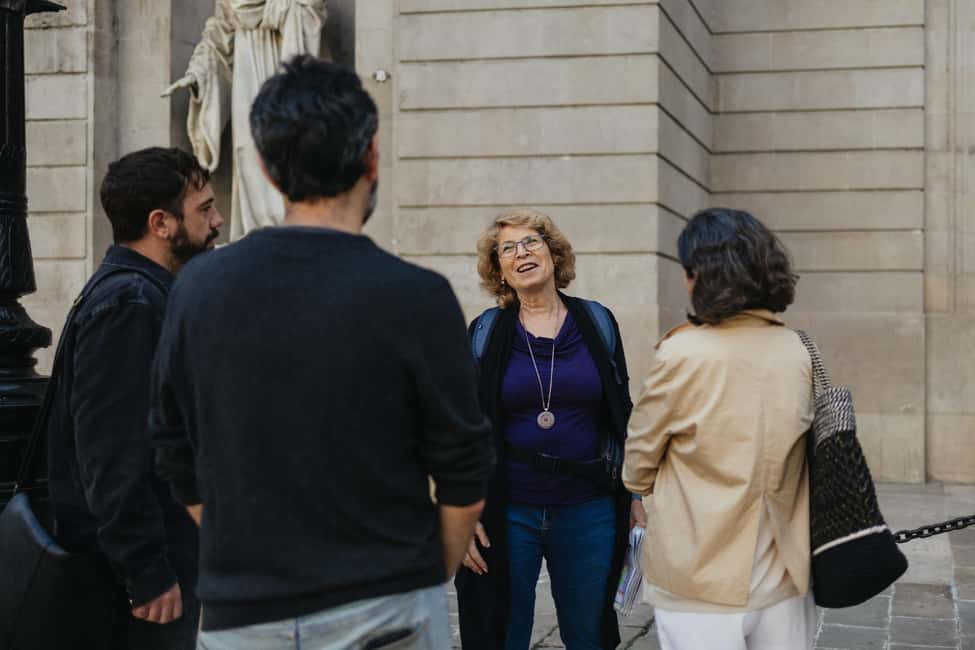
This is a private group journey, designed for families more than big crowds. That matters in Barcelona’s Old City, where turning a corner can mean a sudden climb, a narrow passage, or one of those sudden stretches of stairs.
Barcelona Dreaming builds the walk around your pace. If you’re traveling with multiple generations, you can ask for more time to talk. If you’re less mobile, the guide can steer the rhythm so you’re not constantly rushing to keep up.
The tour also supports a smart kind of flexibility. If you’re exploring your Sephardic roots—or you just want a deeper intellectual thread connecting medieval scholars to modern Spain—the guide can shift emphasis so the trip stays meaningful for you, not generic.
Starting in Plaça de Sant Jaume: Getting Oriented Fast
You begin at Conesa Entrepans | Gòtic, with the official meeting in Plaça Sant Jaume just next to the entrepans. This is a useful starting point because it’s central to how you’ll understand the old city’s layout once you start walking.
From there, your first stop is Plaça de Sant Jaume. Expect a guided orientation walk—short and focused. It’s the moment where you get the “okay, now I see it” feeling: the streets aren’t random, and the Jewish Quarter isn’t sitting in isolation from the rest of Barcelona’s story.
This early segment is also a good time to ask what you want from the tour. If you care more about scholarship, you can steer the conversation. If you want cultural and social history, you’ll get that thread too.
King’s Square: Where Story Meets Street-Level Reality
Next comes King’s Square, Barcelona. This is where the tour starts to feel like you’re walking inside a timeline. The guide connects medieval life to the urban fabric around you—why people lived where they did, and how the neighborhood’s identity formed.
You’ll walk for about 30 minutes through this section, and the pace is designed for questions, not just movement. I like that the tour is structured enough to cover key points, but not so rigid that you can’t stop to ask how something you’re seeing fits the bigger picture.
One practical note: King’s Square and the surrounding lanes can get busy. Because your group is private, you’re less likely to feel boxed in by a mass of strangers trying to photograph the same doorway at the same angle.
Step Inside the Ancient Synagogue: What to Look For
Then you hit the main historical moment: the Ancient Synagogue of Barcelona. The tour includes entry, and it also says you’ll skip the ticket line, which is genuinely helpful when you’re working with a tight 2-hour schedule.
What I think makes the synagogue stop special is that it’s not only about saying this building is old. The guide helps you notice what matters: how the space functioned, what Jewish ritual life looked like in practice, and what features meant to people living there.
The tour format also gives you a short window (about 15 minutes walk time in this section) to concentrate your attention. That’s ideal if you don’t want a long museum-style visit—you want understanding while you’re still in the streets outside.
Accessibility detail to keep in mind: the tour is wheelchair accessible for most of the route, but synagogue entry involves a few steps. If stairs are a deal-breaker for your group, you’ll want to plan around that before booking.
You can also read our reviews of more historical tours in Barcelona





Casa Adret: Reading the Neighborhood’s Hidden Clues
After the synagogue, you continue to Casa Adret. This stop is where the tour earns its “you won’t see this on your own” reputation. Instead of treating the neighborhood like a collection of monuments, you learn how to read the surviving traces.
You’ll also connect this area to the lives of major Jewish figures—specifically scholars such as Ramban and Rashba. The names matter because they anchor the stories in intellectual history, not just migration and persecution. You’ll hear how learning and community life shaped what people did day to day.
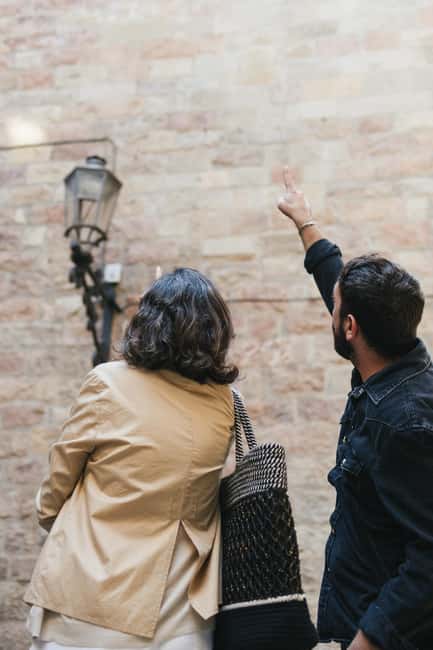
The guide also helps you spot hidden symbols on ancient stone walls. This is one of the most useful skills you can take home. Even after the tour ends, you’ll start noticing small details that used to look like random decoration.
And yes, this part of the walk is short—another 15-minute stretch—so you get just enough time to register the significance without your feet being totally done. Barcelona’s cobblestones have a way of being persuasive.
The Mikveh Connection: Why That Secret Matters
A highlight of this journey is the story of a hidden medieval mikveh connected to the synagogue area. The exact stop is presented as part of the experience rather than a detached lecture, so you’re meant to understand it as ritual space with a social role, not as an odd footnote.
This is where you’ll often feel the tour’s balance: it doesn’t just move from “good times” to “bad times” and stop. It addresses both the golden age of coexistence and the later pressures of the Inquisition, giving you a more complete picture of how community life shifted over centuries.
From a value standpoint, the mikveh story adds depth without extending the walk endlessly. For a $94 tour lasting 2 hours, that kind of added meaning is what makes the price feel fair.
What You Get Included: The Stuff That Makes It Worth It
This tour is set up like a true guide-led experience, not a ticket bundle with a map.
Included items you can count on:
- A guided walking tour with a professional Jewish English-speaking guide
- Rich storytelling, plus maps and historical context
- Entry to the Ancient Synagogue of Barcelona
- Tips for exploring Jewish life in today’s Barcelona
- Personalized recommendations for kosher/local dining
- Entrance fees for the synagogue
That last set of recommendations matters more than people think. You’re finishing in the Gòtic area, and a good guide can help you turn your remaining hours into something smarter—where to eat, what neighborhood feel to pursue next, and how to keep the Jewish heritage thread going without forcing it.
Price and Value: Is $94 a Good Deal?
At $94 per person for a 2-hour private walk, the value comes from three things: privacy, expert guidance, and included entry to a major historic site.
If you price it by time alone, you’re paying for a professional guide who can adjust in real time. If you price it by access, you’re getting synagogue entry with skip-the-ticket-line handling, plus the historical interpretation that makes the building matter instead of just being “another old room.”
For families, privacy often costs extra in Europe. Here, that cost is bundled into a tight route with clear stops, so you’re not paying for dead time. For solo travelers, the fixed duration also helps you plan the rest of your day without guessing.
The tour isn’t about food included or transportation arranged. Still, the guide’s dining and local suggestions usually help you spend your money on better meals rather than scrambling.
Walking Reality: Shoes, Water, and Rain-Day Plans
This is a walking tour through the old city with cobblestone streets and uneven surfaces. Comfortable shoes are not optional; they’re the difference between enjoying the stories and counting minutes until you can sit.
The tour runs rain or shine, so bring water and check the weather forecast. One small but smart move: keep your questions ready. Since the time is limited, asking the guide for the angle you care about most gets you better returns on your schedule.
One practical drawback to note: the tour structure doesn’t mention built-in long rest breaks. If your group needs seating time, you’ll want to mention that early so the guide can plan small pauses.
Who Should Book This (and Who Might Not)
This fits best if you want:
- A private Jewish heritage experience in Barcelona rather than a big group shuffle
- A meaningful introduction to the medieval Jewish Quarter and its surviving traces
- A guide-driven Q&A style where questions are actually welcomed
- A route that works for multi-generational families (with realistic walking expectations)
It may be less ideal if you:
- Need full step-free access everywhere, since synagogue entry involves a few steps
- Have very limited mobility and can’t handle cobblestones at all
- Are planning for anyone older than 95 years (the tour notes it’s not suitable)
If you’re traveling with teens, the format can work well because it ties places to people like Ramban and Rashba. If you’re traveling with parents or grandparents, the private pace control is often the reason they enjoy it instead of feeling dragged along.
The Human Factor: Guides You’ll Want to Listen To
A big part of the tour’s reputation is the guide style: prepared, friendly, and focused on answering questions. Different guides lead different dates, and you may encounter guides such as Alan, Edu, Ella, Dina, Leiach, and Eyal (among others mentioned). The common thread is an ability to connect history to the exact street you’re standing on.
You might also get support materials like maps, photos, and mockups to make older periods feel less abstract. That’s a simple technique, but it helps a lot when you’re learning a layered history in real time.
Should You Book This Private Jewish Heritage Journey?
I’d book it if your goal is a guided, human-scale look at Barcelona’s Jewish story—especially if you want a private format and meaningful synagogue time. The mix of medieval scholarship names, stone-signal symbols, and the mikveh story gives you more than surface sightseeing.
Skip it (or at least ask questions before booking) if accessibility is your top priority, since the synagogue entry includes steps. Also be honest about your walking comfort. Cobblestones are part of the experience whether you like it or not.
If you’re in Barcelona for a short stay and you want one activity that adds depth fast, this is the kind of tour that can set the tone for everything else you do in the city.
FAQ
How long is the Private Jewish Heritage Journey?
It lasts about 2 hours.
Is this tour private?
Yes. It’s a 100% private experience.
What’s included besides the walking?
You get a guided walking tour, an expert guide, entry to the Ancient Synagogue of Barcelona, and historical storytelling with maps and context. Entrance fees for the synagogue are included.
Where does the tour meet?
Meet in Plaça Sant Jaume, just next to Conesa entrepans.
What languages are available for the tour?
The guide offers live interpretation in English, Hebrew, and Spanish.
Is the tour wheelchair accessible?
Most of the route is wheelchair friendly, but entry to the Ancient Synagogue involves a few steps, so it may not be fully accessible for everyone. Comfortable shoes and planning around uneven cobblestones are important for the walk.