REVIEW · SEVILLE
From Seville: Doñana National Park Day Trip
Book on GetYourGuide →Operated by Naturanda Turismo Ambiental · Bookable on GetYourGuide
Doñana turns a Seville morning into wild country. I like the way this trip is paced from marshland to sand dunes, so you see different habitats without wasting time trying to plan them yourself. You’ll focus on birds (flamingos and Spanish imperial eagles are the big draws) and you’ll also get El Rocío, a village that feels like it runs on tradition and birdwatching quiet.
The second thing I really like is the mix of stops: a guided walk near La Rocina, then the scale-changing dune country after lunch, and—if you’re there in summer—an Atlantic break. The main consideration is that lynx (and sometimes even flamingos) are wildlife rewards, not guarantees, so manage expectations and bring patience.
In This Review
- Key highlights worth knowing
- First Time at Doñana: Why This Day Trip Works
- From Seville to Doñana’s Northern Marshes via Coria del Río
- Dehesa de Abajo: Pines, Pastures, and the Birding Engine
- Rice Fields, Storks, and Why “In-Between” Stops Matter
- El Rocío: Chapel Area, Observations, and Village-Stop Reality
- La Rocina Walking: Where You Feel Close to the Park
- After Lunch: Dunes, Matalascanas, and an Atlantic Break (Seasonal)
- Sunset Through Asperillo Pine Forest: Best Light, Best Mood
- Price and Value: Is $105 Worth It?
- Group Style, Guides, and What to Watch For
- What Animals You Can Realistically Expect
- Who This Tour Suits Best (and Who Should Rethink)
- Should You Book This Doñana Day Trip?
- FAQ
- FAQ
- How long is the Doñana day trip from Seville?
- What does the price include at $105 per person?
- Will I see flamingos and Spanish imperial eagles?
- Is lynx viewing guaranteed?
- What language is the guide available in?
- Do I need to bring binoculars?
- What should I bring for the day?
- Are meals provided during the tour?
Key highlights worth knowing
- A bird-first route through marshes, rice fields, and woodland where sightings can happen fast
- Spanish imperial eagles and other raptors are part of the promise, not just a rumor
- El Rocío village time to see its famous chapel area and an observatory-focused stop
- La Rocina trail walking, where you’re more likely to connect with the park’s smaller wildlife
- Huge dune system after lunch, plus a beach chance in the Matalascanas area (season-dependent)
- Sunset in the pine forest around Asperillo, great for photos and that slow, golden light
First Time at Doñana: Why This Day Trip Works
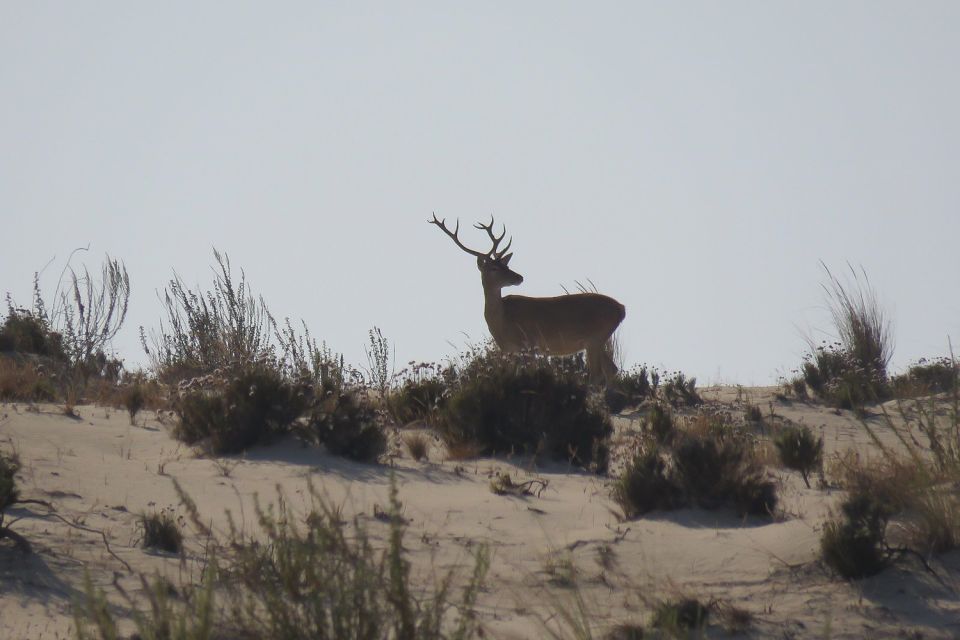
Doñana National Park is one of those places that feels bigger than it looks on a map. A big part of the value here is simple: you get a structured day that runs north-to-south through multiple habitats, with a guide steering you to likely wildlife spots.
From Seville, you’re not just going “to the park.” You’re moving through marshes, pine forests and pastures, rice fields, then toward El Rocío and the dune country. That matters because birdlife changes by habitat. If you only visit one area, you can miss the pattern.
This tour also targets the reality of Doñana: wildlife is wild. If you’re the kind of traveler who’s happy scanning, adjusting your expectations, and enjoying the chase, you’ll have a great day. If you want a checklist that must be completed, you might feel frustrated when conditions aren’t perfect.
A few more Seville tours and experiences worth a look


From Seville to Doñana’s Northern Marshes via Coria del Río
Most departures are early enough that the day feels purposeful, not rushed. You’re picked up in Seville (pickup is optional), then you head toward Coria del Río on the River Guadalquivir. It’s a practical transition: enough travel time to get you out of the city, but not so much that the day disappears before you arrive.
Once you reach the northern marsh area, you start at the visitor-center zone at Dehesa de Abajo. This is where the tour’s tone clicks into place: guided time first, then habitat hopping with photo stops and search drives.
A small but smart detail: the tour includes prismatics. That’s a big help for spotting far-off birds without you having to travel with your own gear. Still, if you’re a serious birder, I’d consider bringing your own binoculars too—you’ll get more control over how you track birds at your own pace.
Dehesa de Abajo: Pines, Pastures, and the Birding Engine
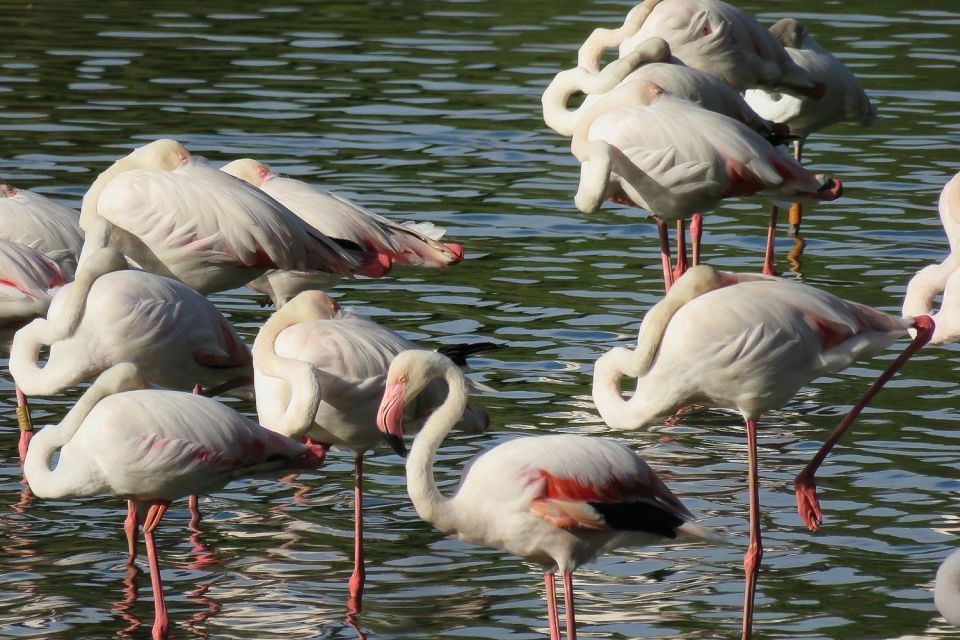
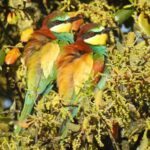
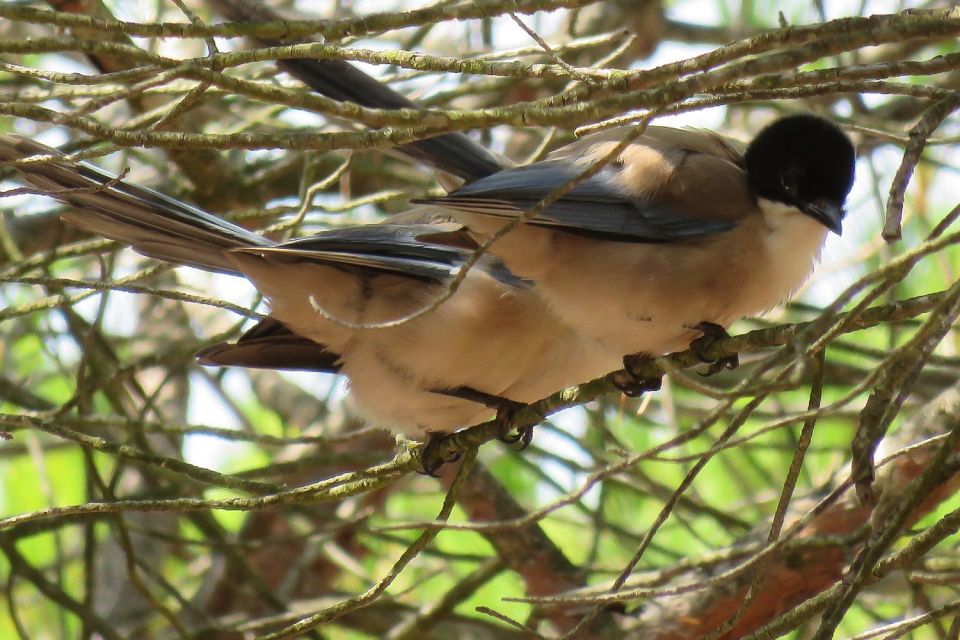
This is the heart of the bird experience. Expect pine forests and pastures, and an introduction to the park’s huge scale of life. You’ll hear how Doñana supports around 300 bird species and how the ecosystem cycles through marsh, grass, and woodland.
This is also where the Spanish imperial eagle story matters. The tour’s route and guide-style searching are designed around raptors and waterbirds. A good moment isn’t just luck—it’s where you pause, how you scan, and whether the guide knows where birds tend to show up.
From the variety of guides that have run this itinerary—people like José, Sergio, and Diego come up often—you can reasonably expect that your leader will do active wildlife searching and adjust positions so multiple people get a view. One review even credits a guide (José) with spotting wildlife quickly and repositioning for better sightlines.
Rice Fields, Storks, and Why “In-Between” Stops Matter
After the initial marsh education, the tour passes through a rice-field area known for major stork nesting—described as Europe’s largest colony of storks. This kind of stop is easy to underestimate if you’re thinking only about dramatic animals.
But in a place like Doñana, the in-between habitats often deliver the “wow” that keeps you going: calm birds, predictable flight paths, and those long, satisfying looks you can’t get from a bus window at speed.
Also, rice fields change how the marshland birds behave. So even when the stop is short, it’s part of the logic of the day.
El Rocío: Chapel Area, Observations, and Village-Stop Reality
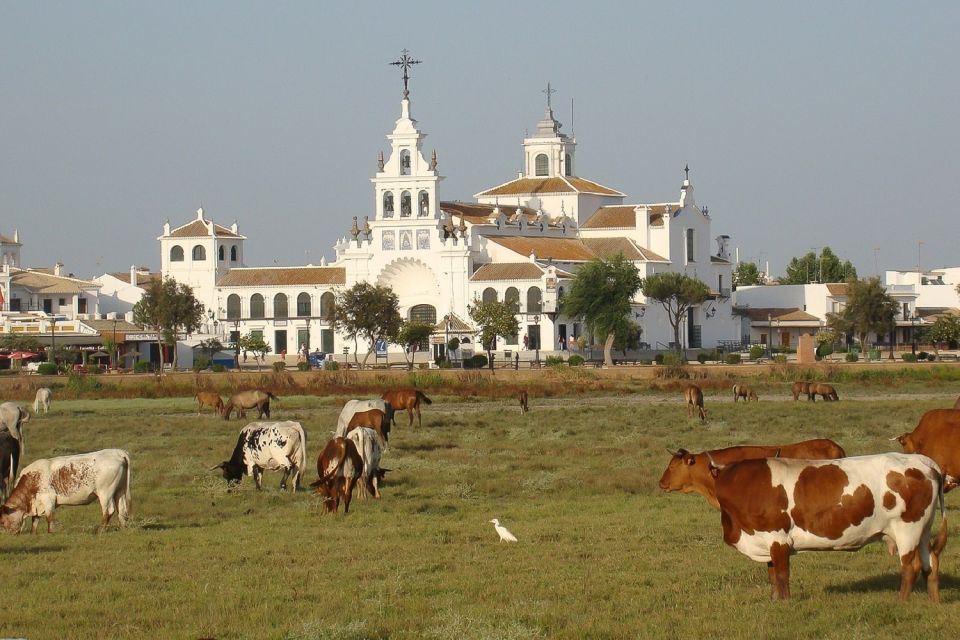
El Rocío is a famous stop for a reason. You’ll be guided through about an hour here, with time focused around the chapel and an observatory. This is not a casual street stroll. It’s a cultural-and-nature pause that fits the park’s identity: people live by the calendar, and birdlife shapes daily life.
One thing to keep in mind: the El Rocío block is time-limited. Some travelers love it exactly as offered. Others wish they had a bit more slack to wander after the guide’s overview. So if you’re the type who loves going slow, you’ll want to think of this stop as “see the core, then keep moving.”
Still, this visit adds texture to the day. Without it, Doñana can feel like a nature-only marathon. With El Rocío, you get the sense that this ecosystem has human rhythms tied to it.




La Rocina Walking: Where You Feel Close to the Park
After El Rocío, you’ll head back into guided movement and reach a trail area near the stream of La Rocina. This is one of the best segments for travelers who want more than photo stops.
Walking here gives you a different kind of wildlife spotting: birds that aren’t always visible from a distance, movement in the understory, and the chance to pay attention to what’s happening at ground level. Even if you don’t spot a rare animal every minute, the experience becomes more about connection than scanning.
Expect comfortable walking shoes to matter. The day is 10 hours long, and you’ll benefit from footwear that handles uneven ground and quick stops.
After Lunch: Dunes, Matalascanas, and an Atlantic Break (Seasonal)
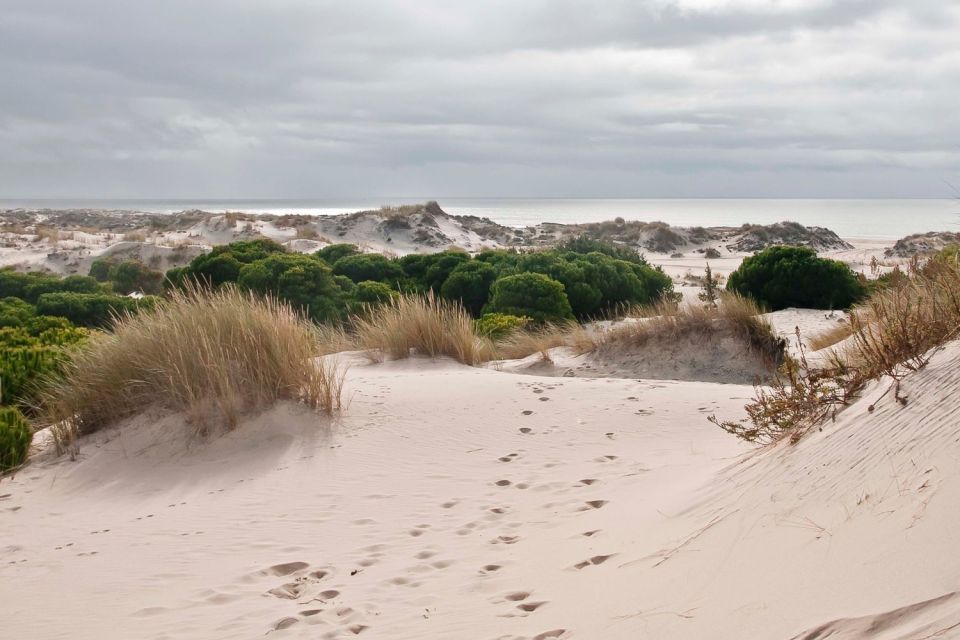
Lunch time is built into the day, and after that you move toward the park’s largest dune system. This is where the experience changes shape. Marsh and woodland birding gives way to wind-shaped sand country—huge in scale and visually dramatic.
You’ll also have a stop in the Matalascanas area. Depending on the time of year, this is where you may get a chance to hop into the Atlantic for a dip—something the tour highlights for summer visits.
A practical note: beach and dune time can feel short if you want a long, slow soak. In the data you shared, at least one traveler wished for more time at the beach and dunes. So if ocean time is a top priority, aim for warmer months and be ready to make the most of the window you get.
If you’re visiting in cooler seasons, don’t assume you’ll still be able to swim. But you may get better bird presence in certain weather patterns—one traveler specifically recommended winter for nearby lakes and birdwatching.
Sunset Through Asperillo Pine Forest: Best Light, Best Mood
Late in the day, you’ll return and catch sunset views through the pine forest in the Asperillo area. This is a smart ending. By then, your eyes are tuned to scanning for movement, and the light makes birds and scenery look more “real” through your lens.
It’s also when the day can feel emotionally complete. You start with marsh birds and guided introductions, then end with that quiet dusk feeling that’s hard to manufacture on a tight city schedule.
If you care about photos, bring sunglasses and a hat too—sun in Andalusia can be bright even late in the day, and you’ll likely be outside longer than you think.
Price and Value: Is $105 Worth It?

At $105 per person for a 10-hour day, the value depends on what you want out of the day.
Here’s what you’re paying for:
- Round-trip hotel pickup and drop-off from Seville
- Transport in a guided format (van/vehicle)
- A live guide with a wildlife focus
- Included prismatics (binocular viewing help)
- The itinerary’s full sweep: marshes → El Rocío → walking trails → dunes → sunset area
The big thing you should factor is meals. Meals and drinks aren’t included, so budget for lunch on your own.
The trip can also be a good deal if you’d otherwise struggle to piece together guided access to the park’s key areas. Doñana isn’t a “random car on a road” kind of outing if you want bird-and-mammal chances. This tour does the planning for you and concentrates time where sightings are more likely.
Group Style, Guides, and What to Watch For
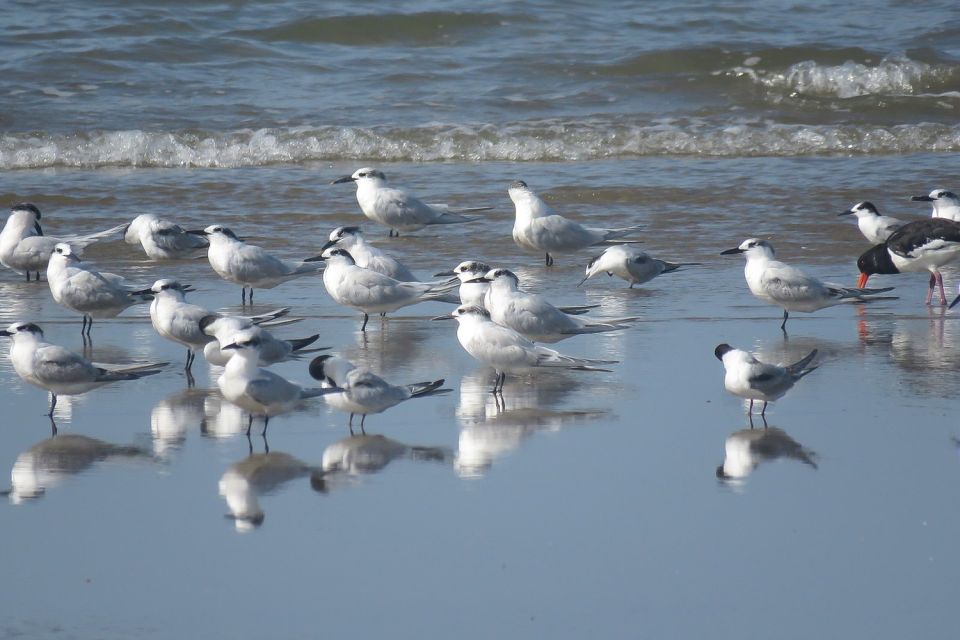
This experience offers shared or private options and runs as a small group type. That structure matters because wildlife spotting is often about getting the right viewing angle. In a crowded big-bus scenario, you lose that.
From the guide names that come up—José, Sergio, Diego, Luis, Luis Miguel, and others—you can expect leaders who put energy into spotting and repositioning. Some guides also handle language flexibility in different ways, since the tour can run in English, French, Italian, or Spanish, with a requirement that at least 4 people speak the chosen language.
One logistical reality: your day includes driving between multiple habitats. That’s not a flaw—it’s the whole point. But if you want long walking breaks all day, you may feel the trade-off. And one traveler noted the van wasn’t ideal for viewing from the back seats during a technical issue. If you want the best sightlines, choose a front or middle seat when you can.
What Animals You Can Realistically Expect
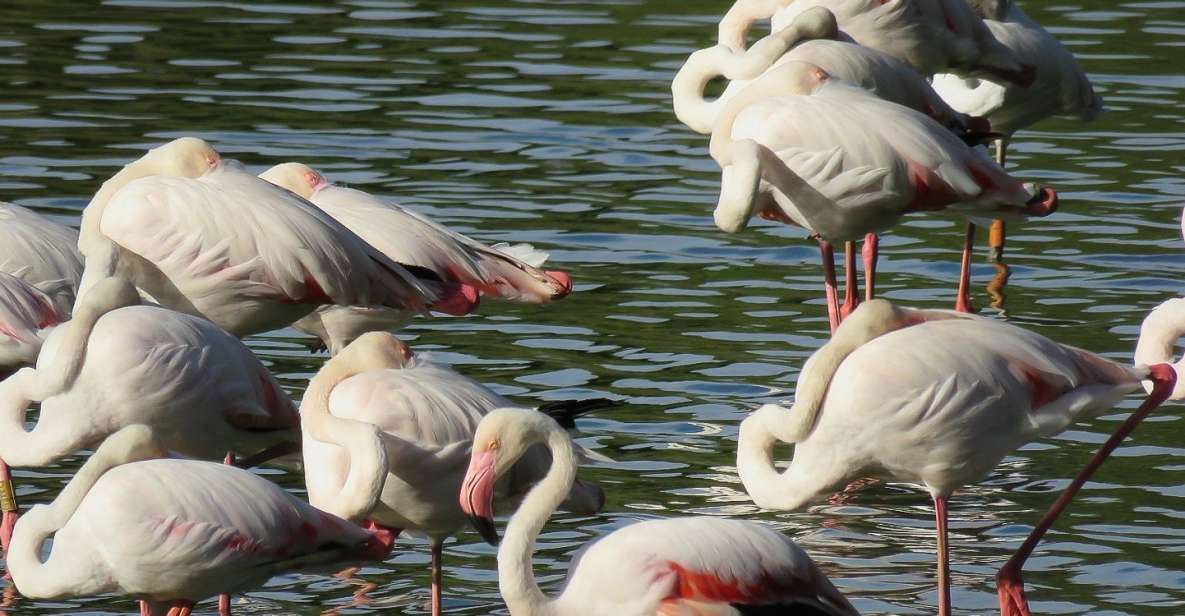
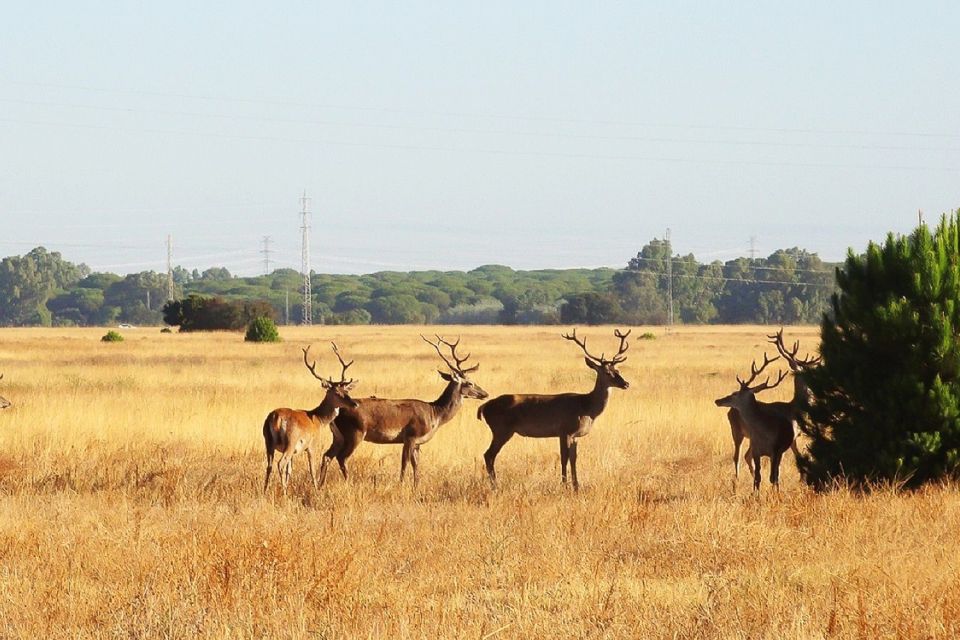
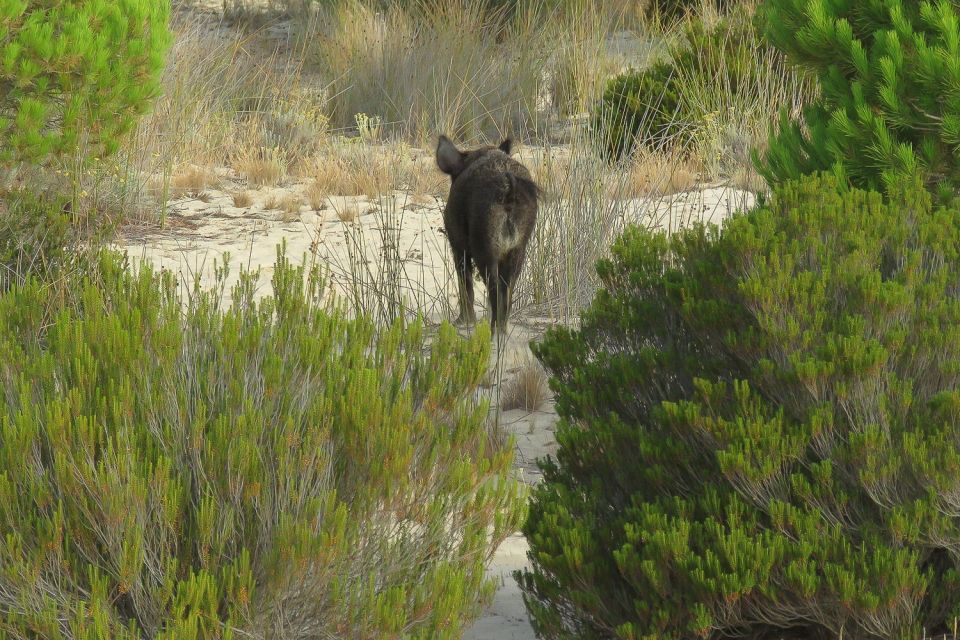
The headline species are clear: flamingos and Spanish imperial eagles, plus the chance of large mammals like deer, wild boar, and even lynx.
But here’s the honest part: sightings vary. Some people don’t see lynx at all, while others mention seeing pawprints. Flamingos can be hit-or-miss depending on conditions, but guides often try to improve odds by steering you toward reserve parts where flamingos are more likely.
If your wildlife goal is specific—say, imperial eagles—think of this as a best-chance day with expert searching, not a guarantee.
The same goes for the variety of birds. One report mentions getting extremely high bird counts with multiple species seen close enough for strong views. That’s what makes Doñana special on good days: you’re not just watching one bird. You’re surrounded by life and movement.
Who This Tour Suits Best (and Who Should Rethink)
This is a great fit if:
- You love birds and want a day plan that targets multiple habitats
- You’d rather scan with an expert guide than self-drive and guess
- You can handle a full 10-hour day with a mix of walking and vehicle time
- You want El Rocío and the dune country, not just “one marsh stop”
You might rethink it if:
- You want guaranteed lynx sightings or a specific number of animal encounters
- You dislike longer drives and time-bound stops
- You’re hoping for a long beach hangout with no schedule pressure
If you’re visiting in spring or winter, adjust your expectations. Spring can mean more lively nature, while winter can mean lots of birds. Either way, bring patience and good outdoor basics.
Should You Book This Doñana Day Trip?
Book it if you want the smartest “first hit” at Doñana from Seville—marsh birds, El Rocío, a walk at La Rocina, dune scale, and sunset color—all in one day with pickup and a guide doing the hard work.
Skip or look for a different option if your main goal is beach time or if you’re uncomfortable with wildlife being unpredictable. Also, if you’re sensitive to vehicle motion or noise, pick seats strategically and go in expecting a real day out, not a leisurely stroll.
If your heart says birds plus big nature shapes (marsh → sand dunes), this tour is a strong value at $105, especially with prismatics included and private/small-group options available.
FAQ
FAQ
How long is the Doñana day trip from Seville?
The tour lasts 10 hours, including travel time and scheduled stops.
What does the price include at $105 per person?
It includes hotel pickup and drop-off, transportation, a guide, and prismatics. Meals and drinks are not included.
Will I see flamingos and Spanish imperial eagles?
The tour is designed for bird spotting, including flamingos and Spanish imperial eagles, but sightings depend on conditions. The day includes guided searching to improve your chances.
Is lynx viewing guaranteed?
No. The tour includes the possibility of spotting lynx, but it’s described as elusive in practice, and sometimes sightings come as indirect evidence like pawprints.
What language is the guide available in?
English, French, Italian, and Spanish are offered. For a specific language to run, a minimum of 4 people speaking that language is required, and the operator may offer an alternative language, date, or a full refund if that minimum isn’t met.
Do I need to bring binoculars?
Prismatics are included, but if you’re a serious birdwatcher, bringing your own binoculars can help.
What should I bring for the day?
Wear comfortable shoes, and bring sunglasses, a sun hat, and sunscreen.
Are meals provided during the tour?
No. Meals and drinks are not included, but the schedule includes time for lunch before heading to the dunes.