REVIEW · SEVILLE
From Seville: Pueblos Blancos and Ronda Full-Day Trip
Book on GetYourGuide →Operated by Naturanda Turismo Ambiental · Bookable on GetYourGuide
White villages meet a canyon city in one day. This Seville to Ronda day trip strings together mountain towns, a proper taste of Andalusian food production, and the dramatic cliff setting that makes Ronda impossible to forget. You’ll pass Zahara de la Sierra in the hills and then finish with guided time plus freedom to explore Ronda at your own pace.
What I like most is the mix: a couple of short village stops for atmosphere, then enough time in Ronda to actually wander. I also like that the tour doesn’t treat nature as a backdrop—it talks about why the area matters, from cork and honey to wildlife over the peaks. The one drawback to weigh is that it’s a long day in a shared coach, so you’ll want comfortable shoes and a realistic expectation that the timing is tight between stops.
In This Review
- Key Highlights at a Glance
- Why This Seville to Ronda Route Feels Different From a Typical Day Trip
- Zahara de la Sierra: White Towns With Mountain Hiding Power
- Molino Stop: A Quick Detour That Keeps the Day Grounded
- Olive Oil Factory at Grazalema’s Doorstep: What You Actually Learn and Taste
- Grazalema Natural Park: Vultures, Honey Forest, and Lunch Time
- The Drive Toward Ronda: Livestock Views and Working Countryside
- Ronda: Two Cliffs, the 18th-Century New Bridge, and Time to Wander
- Value Check: How $52 Lines Up With What You Get
- What to Bring (So the Long Day Doesn’t Beat You)
- Who This Tour Suits Best (And Who Might Want a Different Pace)
- Should You Book This Seville Day Trip?
- FAQ
- How long is the Pueblos Blancos and Ronda full-day trip?
- What’s included in the price?
- Is food included?
- Where do I meet the tour in Seville?
- What languages are offered?
- Does the tour run in all languages every day?
- How much time will I have in Ronda?
- Is the tour wheelchair accessible?
- Is there a bathroom on the bus?
- What’s the cancellation policy?
Key Highlights at a Glance
- Two cliff-levels in Ronda: two separate heights of the town tied together by the 18th-century New Bridge
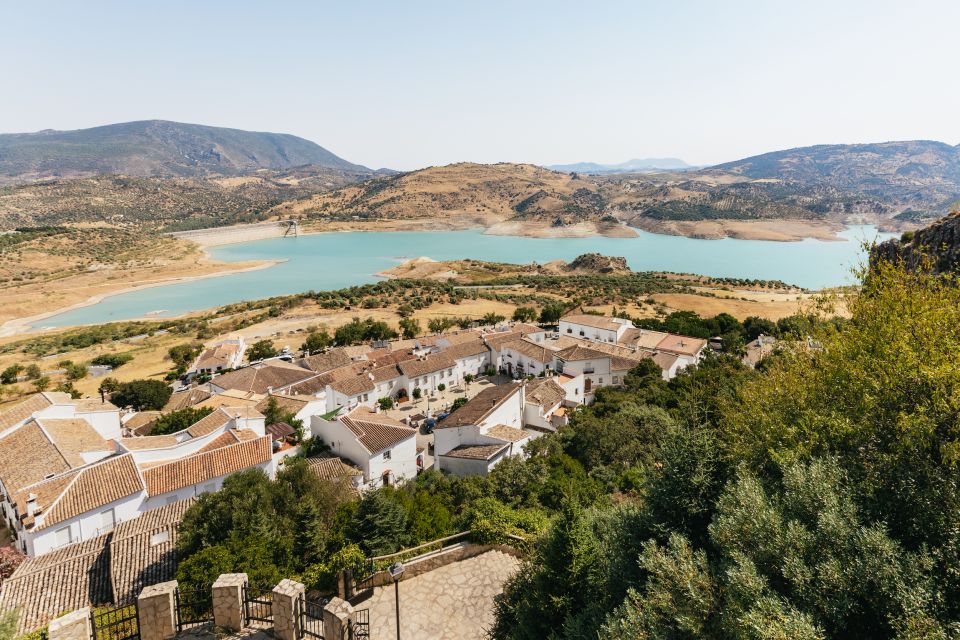
- Zahara de la Sierra in the mountains: a whitewashed village feel that looks great from every angle
- Olive oil tasting and how it’s made: a factory stop with samples and a mechanical processing explanation
- Grazalema Natural Park scenery and birds: the chance to spot Griffon vultures over the mountains
- A honey-and-cork forest drive: learn what this terrain produces beyond postcard views
- Guides who bring the facts to life: names you might hear include Laura, Luis, Jesus, Driss, and Karlos
Why This Seville to Ronda Route Feels Different From a Typical Day Trip
This is one of those trips where you can feel Andalusia changing as you go. You start in Seville’s orbit, then climb into the Pueblos Blancos world—whitewashed houses pressed up against steep hills—and you end in Ronda, a town built across a gorge.
I like that it doesn’t just say where to look. Your guide explains what you’re seeing as you pass it—things like how the region’s trees, livestock, and land use shape daily life. One common praise in the way guides run the day is pacing: you get explanation, then time to look, then the bus moves before the day starts dragging.
A few more Seville tours and experiences worth a look

Zahara de la Sierra: White Towns With Mountain Hiding Power

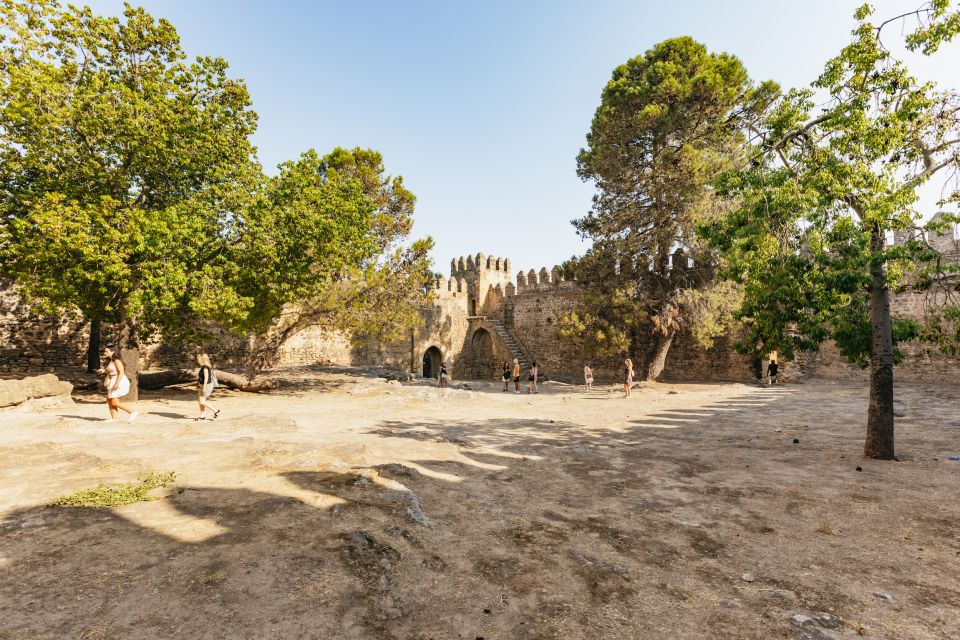
Zahara de la Sierra is the kind of place that looks staged—until you realize it’s real mountain reality. You’ll head there from Seville and make a photo-ready stop around the Aguzaderas Castle area along the way.
Once you arrive, the feel is all about that steep, sheltered mountain setting. Zahara de la Sierra is whitewashed and compact, so even a short visit lets you catch the charm: narrow lanes, sunlit walls, and that signature Andalusian look where colorful flowers pop against white stone.
The practical point: keep your expectation modest for time here. You’re not meant to “deep explore.” You’re meant to get your bearings, take pictures, and soak up the village mood before moving on.
Molino Stop: A Quick Detour That Keeps the Day Grounded
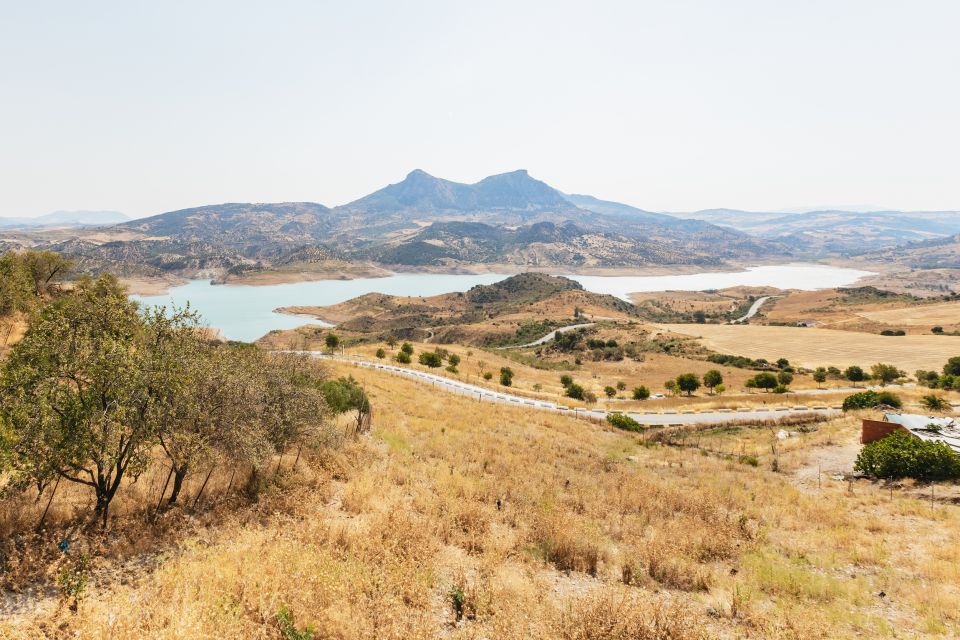
Between the main village moments, there’s a stop at Molino El Vínculo for a short visit. This is one of those segments that helps break the drive up so the day doesn’t feel like endless bus windows.
Even if this isn’t the longest stop, it’s useful. You’ll get a change of scenery and a chance to stretch your legs, which matters when you’re spending a full 10 hours on the go.
Olive Oil Factory at Grazalema’s Doorstep: What You Actually Learn and Taste
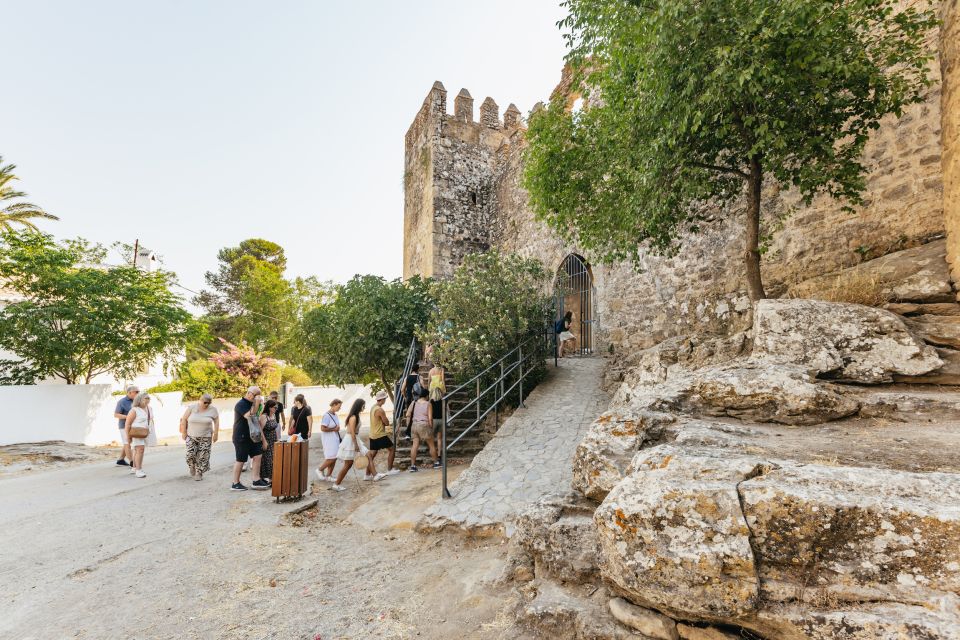
On the route toward Grazalema, you stop at an olive oil factory. This is one of the best “why does this matter” stops on the day.
Here’s what makes it more than a souvenir stop: you’ll get tasting and you’ll learn how olives are processed mechanically to extract the oil. In guide-led moments, you may also hear what separates different oils—taste differences show up fast when you sample two types.
If you want to bring home something more meaningful than a bottle label, this is where the tour earns its price. You’ll understand what you’re buying, and you’ll likely make smarter choices later when you’re back in Seville shopping.
Grazalema Natural Park: Vultures, Honey Forest, and Lunch Time
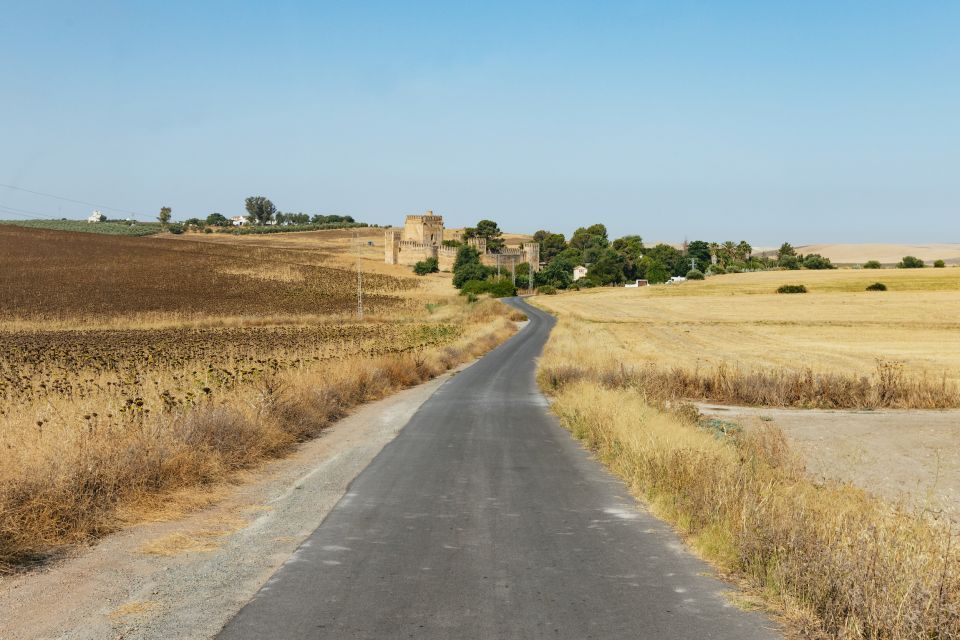
Grazalema is where the day starts feeling more “Andalusia in motion.” Your drive runs through Sierra de Grazalema Natural Park, and it’s a prime area for wildlife spotting—specifically Griffon vultures circling the mountains.
It’s also where the tour connects nature with human use. You’ll hear about the forest serving as a source of honey, cork, aromatic spices, and wood, not just a scenic drive for passengers.
Then you get lunch time in Grazalema (about 75 minutes). Food is not included, so you’ll need to plan for paying for your own meal and drinks. The upside is flexibility: you can choose a casual café meal or something with a terrace view, based on what looks best when you get there.
One note from real-world timing: some people wish they’d had lunch in Ronda instead, because Grazalema can have fewer easy options for coffee or snacks depending on where you land. My advice is simple—if you’re a coffee person, ask your guide what’s easiest, then don’t wait too long.
A few more Seville tours and experiences worth a look


The Drive Toward Ronda: Livestock Views and Working Countryside
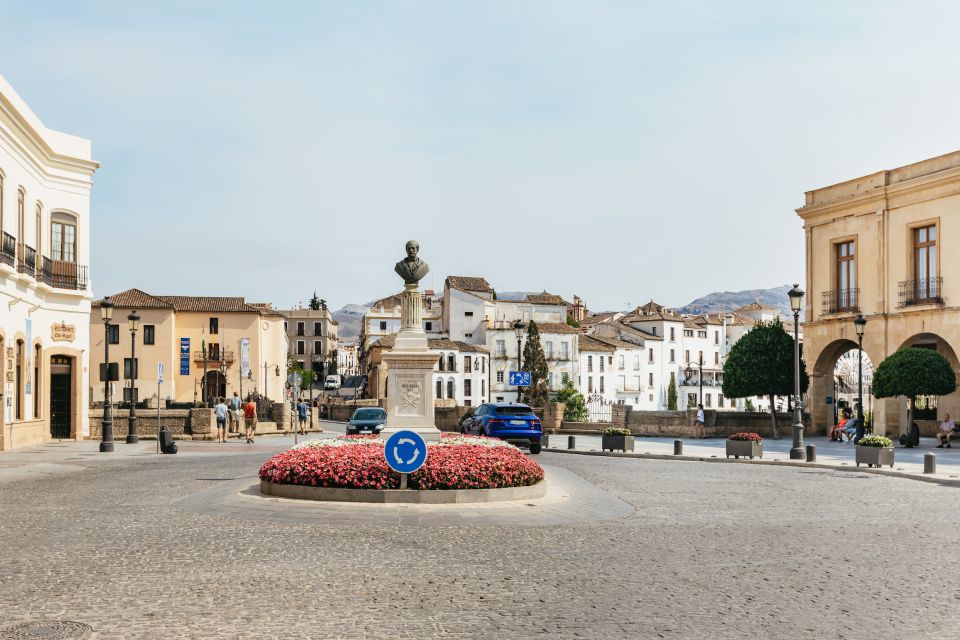
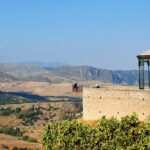
The approach to Ronda is part of the experience. You’ll pass through Mediterranean forest country and also see locals working with cattle, Iberian pigs, and goats.
This matters because it changes how you interpret the scenery. Instead of “pretty hills,” you start thinking “this land produces real things.” That’s when the tour stops feeling like a photo itinerary and starts feeling like a cultural one-day crash course.
Expect a lot of windows and photo opportunities, plus the steady reminder that the terrain is steep and roads can be winding. The driving skill gets mentioned frequently in feedback, which is reassuring when you’re traveling for 10 hours.
Ronda: Two Cliffs, the 18th-Century New Bridge, and Time to Wander
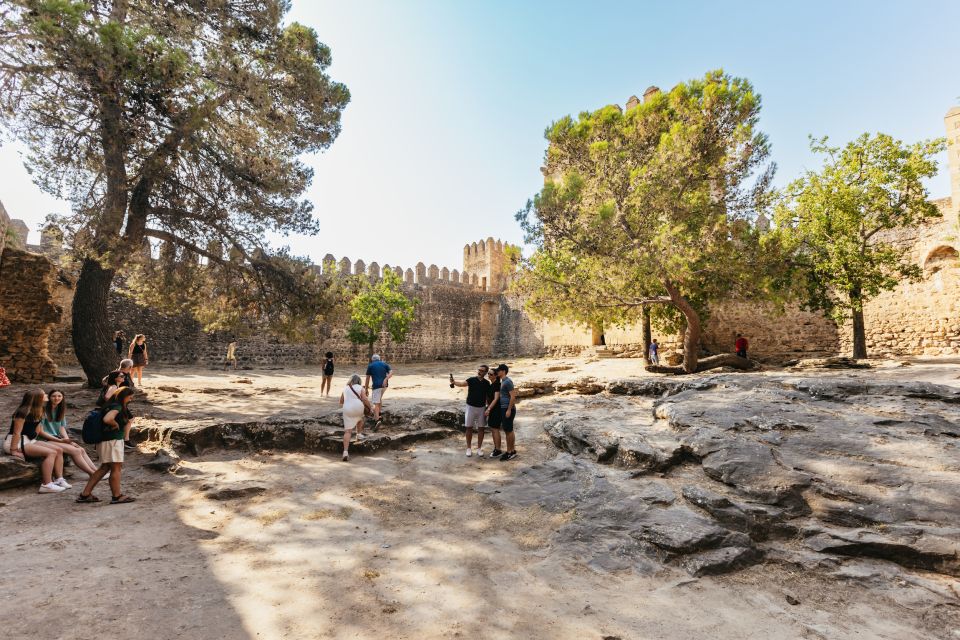
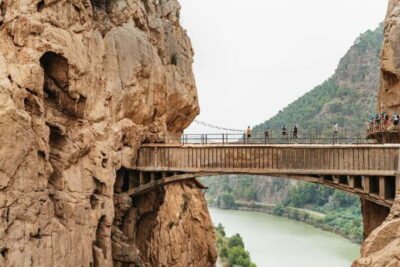
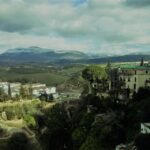
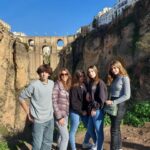
Ronda is the payoff. It’s one of Spain’s oldest towns, built on two separate cliffs connected by the New Bridge, built in the 18th century. That single detail explains why Ronda feels dramatic the moment you arrive.
You’ll get guided time with your tour guide, then you’ll have free time to explore on your own. The total Ronda window is generous enough that you can do more than just walk to the bridge, snap a couple photos, and rush away.
Here’s how I’d use the time if I were planning your day with you:
- Start with the New Bridge area so the town’s layout makes sense.
- Then switch to slow wandering: side streets, viewpoints, and places where you can pause without feeling like you’re falling behind.
- Save a bit of time at the end for photos from whatever angle looks best in the late light.
A useful mindset: Ronda is a sightseeing town, but it’s also a real place with real streets. Use your free time to see how it feels to walk there, not just to check landmarks off a list.
Value Check: How $52 Lines Up With What You Get
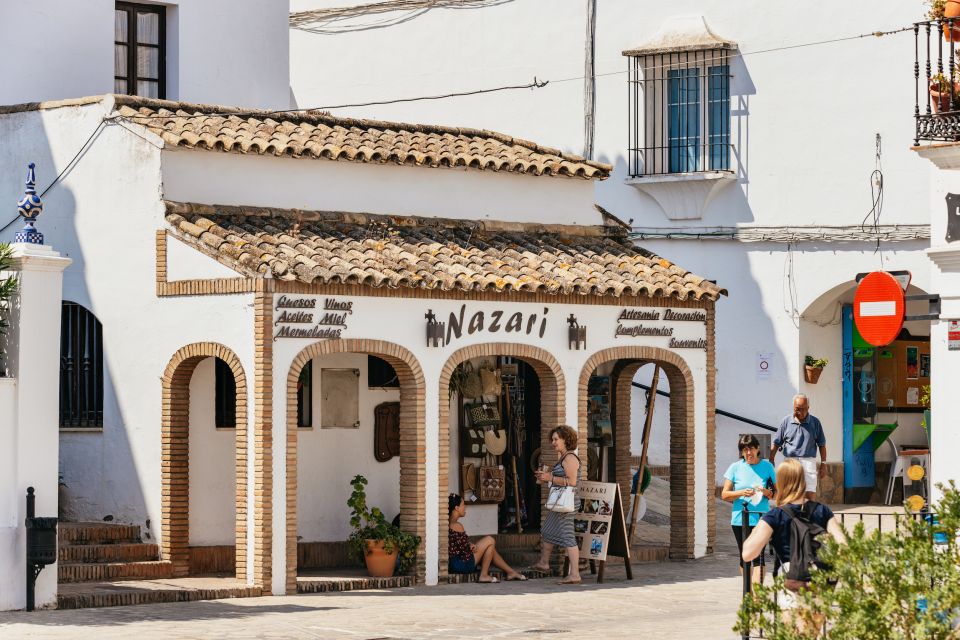
At around $52 per person for a full 10-hour day, you’re paying for three things at once: transport out of Seville, guided interpretation, and multiple paid or structured stops.
I think the value works if you want a one-day sampler that’s more than “two villages and a bus ride.” The price makes sense because the day includes:
- multiple guided segments (so you’re not just driving between places)
- the olive oil factory stop with tasting and processing explanation
- meaningful time in Ronda, where you’d struggle to get the same flow on public transport in a single day
Where it might not feel like value is if you already know you only care about Ronda and hate busy schedules. In that case, you could consider a more flexible plan to reduce coach time.
What to Bring (So the Long Day Doesn’t Beat You)
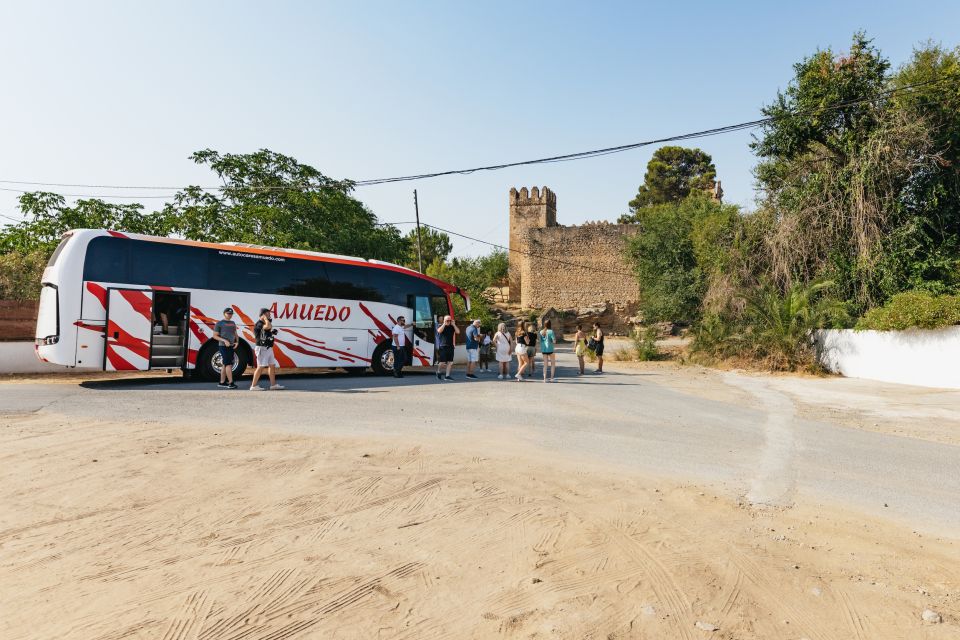
This trip runs outdoors with lots of walking between short stops. Bring:
- Comfortable shoes (Ronda’s streets and village lanes can be uneven)
- sunglasses and a sun hat (bright light plus warm conditions are common)
- something to drink when you can, since food and drinks aren’t included
Also consider the coach realities. One review specifically noted the bus didn’t have a bathroom. That doesn’t ruin the trip, but it does mean you should time your hydration and use stop breaks strategically.
If you’re sensitive to noise, remember it’s a shared group setting. A quiet ride is not guaranteed, so bring headphones and keep your own playlist ready for the ride segments when you need a reset.
Who This Tour Suits Best (And Who Might Want a Different Pace)
This is a great fit if you want:
- an organized day with guides who explain what you’re seeing (people mention guides like Laura, Luis, Jesus, Driss, and Karlos for being engaging and helpful)
- a blend of short village photo time plus longer time in Ronda
- learning about how the region connects nature, farming, and daily life (the honey/cork/spices theme and the olive oil stop help a lot)
It may not be the best choice if:
- you want a relaxed, slow travel day with no fixed timing
- you’re mainly after museums or deep “sit-down” experiences (this tour is more road-and-stops than gallery time)
Should You Book This Seville Day Trip?
I’d recommend booking if you’re staying in Seville and you’re craving a real taste of Andalusia beyond the city. The structure makes sense: short Moorish-feeling village stops for atmosphere, an olive oil factory stop that adds substance, and then Ronda with enough time to feel the place.
Book it especially if you like scenery with a story—where the guide connects the white villages, the natural park, and the working countryside into one coherent day. If you prefer total freedom and minimal schedule pressure, you might feel rushed. But if you can handle a full day and want the “big highlights” with context, this is a strong choice.
One more practical thought: plans can change due to weather or access issues in the area. If closures hit the white villages, your tour may reroute to keep the day moving (Osuna is one example mentioned). Keep a flexible attitude and you’ll get more out of the day.
FAQ
How long is the Pueblos Blancos and Ronda full-day trip?
The duration is 10 hours, with a full day of driving and visits including Ronda.
What’s included in the price?
The tour includes round-trip shared transfer, transportation, and a guide.
Is food included?
No. Food and drinks are not included, even though you’ll have a lunch break time in the day.
Where do I meet the tour in Seville?
There are multiple pickup points depending on what option you book, including Calle Rastro, 12a and Hotel Don Paco on Calle Trajano, 6. The meeting point can vary.
What languages are offered?
Live tour guide languages include English, French, Italian, and Spanish.
Does the tour run in all languages every day?
A minimum number of 4 people is required for the tour to operate in your selected language. If that minimum isn’t met, you may be offered an alternative language, alternative date, or a full refund.
How much time will I have in Ronda?
You’ll have a longer stop in Ronda with guided time plus free time on your own (free time is listed as 2.5 hours).
Is the tour wheelchair accessible?
Yes, it is listed as wheelchair accessible.
Is there a bathroom on the bus?
One review mentions the coach didn’t have a bathroom. Stops between segments are the main time to use facilities.
What’s the cancellation policy?
Free cancellation is available up to 24 hours in advance for a full refund.