REVIEW · SEVILLE
Seville: Casa de Pilatos Ground Floor Entry Ticket
Book on GetYourGuide →Operated by Casa de Pilatos · Bookable on GetYourGuide
Seville has a quieter kind of palace. I love how Casa de Pilatos mixes Mudejar-Gothic shapes with Renaissance details, and how the ground-floor route uses an audio guide to keep you moving from room to room without feeling rushed.
The big wow for me is the sculpture focus: 24 Roman emperor busts, including Hadrian, Aphrodite, and Apollo, plus fountains that make the courtyard feel almost like a pause button. One possible drawback: this ticket covers only the ground floor, so if you want the full palace experience, you’ll need to check whether an upstairs option is available.
In This Review
- Key things to know before you go
- Casa de Pilatos Ground Floor: why this palace is worth your time
- Entering through the Renaissance marble gate and courtyard flow
- The sculptures and classical antiquity collection: more than decoration
- Coats of arms, ceilings, and Salón del Pretorio’s ornament work
- Chapel of Flagellation: the oldest part and the style crossover
- Traditional glazed tiling: where Seville’s hands show
- Gardens at Casa de Pilatos: how to pace yourself for real enjoyment
- Audio guide on a phone: best way to use it without getting lost
- Timing, last entry, and when Monday can save you money
- How much is $14, and is it good value?
- Who should book this ground-floor ticket?
- Should you book Casa de Pilatos Ground Floor Entry?
- FAQ
- Is access limited to the ground floor?
- What does the ticket include?
- How long is the experience?
- What languages are available for the audio guide?
- When is the last entry?
- Is there free entry on Mondays?
- Can I cancel for a full refund?
Key things to know before you go
- Marble gate first: You enter through a Renaissance-style marble gate that sets the tone immediately.
- Roman busts everywhere: 24 emperor busts anchor the courtyard story, with recognizables like Hadrian.
- Tilework is the real main character: Glazed ceramic tiles cover walls and floors across the rooms.
- Chapels show two worlds: The Chapel of Flagellation blends Christian and Islamic influences in its architecture.
- A slow garden break: Renaissance-style palace gardens give you space to breathe and take photos.
- Audio guide means self-paced: You can follow the flow on your own, but it can feel detailed.
Casa de Pilatos Ground Floor: why this palace is worth your time
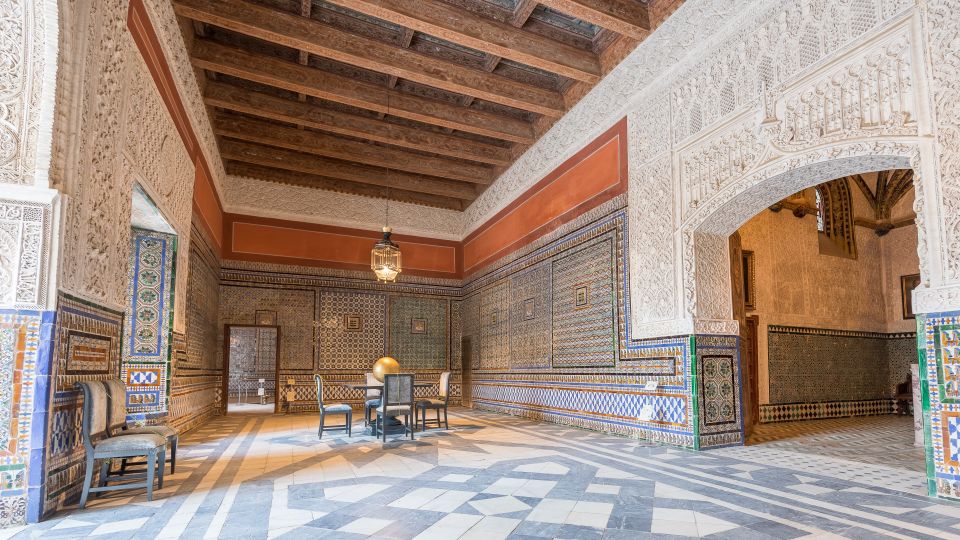
Casa de Pilatos is a 15th-century Seville palace built by the Enríquez de Ribera family. What makes it especially fun is the way it reads like Seville itself: different styles layered across good times and rough times, all inside one private residence.
On the ground floor, you’ll see the palace’s public-facing rooms arranged around courtyards, plus the garden areas where you can slow down. It’s not trying to be a big spectacle. It feels more like you’re walking through a carefully designed home that happens to be packed with art.
This is also one of those places where timing matters. When you go a bit earlier or later in the day, you’re more likely to have breathing room to study the details—tiles, ceilings, and sculpture placement—without constantly dodging a stream of tour groups.
A few more Seville tours and experiences worth a look



Entering through the Renaissance marble gate and courtyard flow
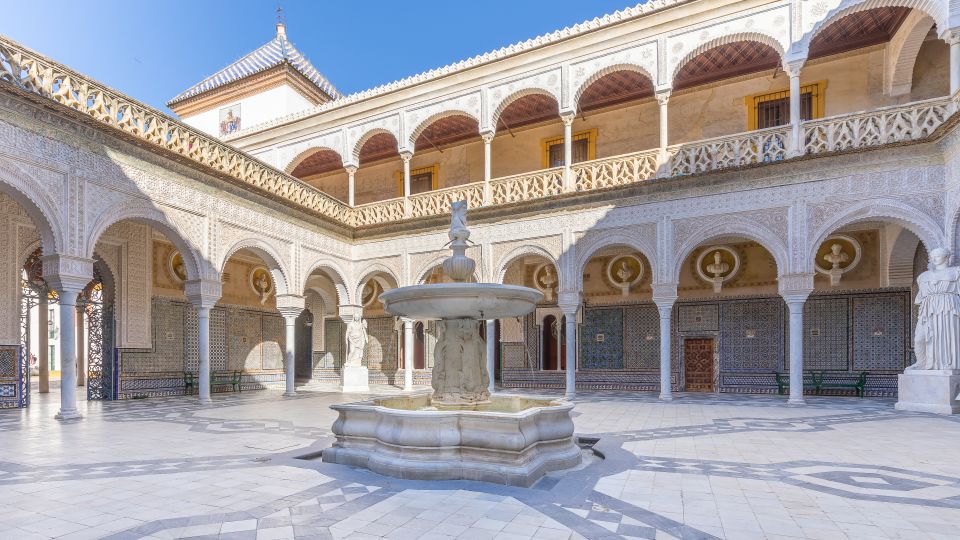
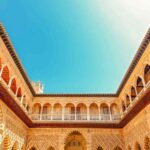
Your visit starts at the Renaissance-style marble gate, a dramatic welcome that signals you’re entering something tailored and artistic. Then you move into the palace rhythm: rooms open into courtyards, and courtyards pull you forward like a set of visual signposts.
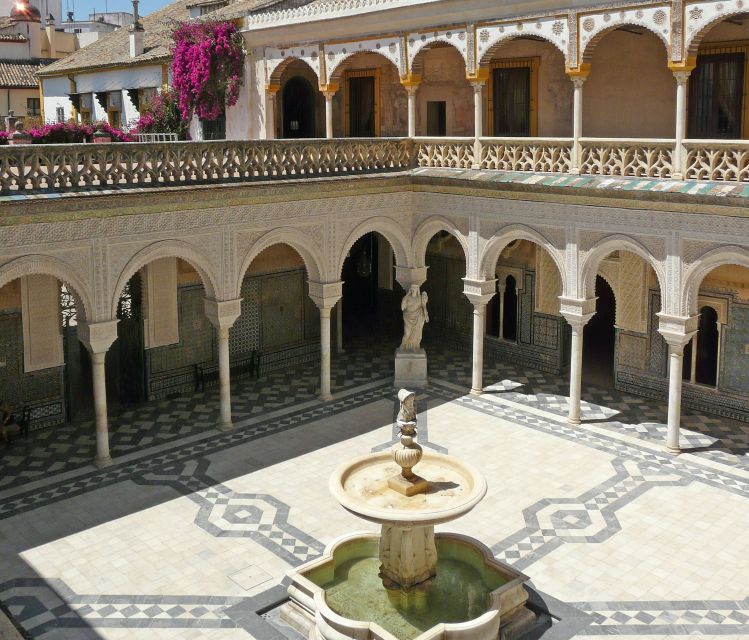
The centerpiece early on is the Andalusian courtyard with fountains and busts. This space does two jobs at once. It’s beautiful on its own, but it also organizes the palace story: classical antiquity on display, mixed with later Renaissance taste.
Look for the 24 busts of Roman emperors—the audio guide helps you catch which ones matter in the narrative. If you like recognizing names, you’ll have a good time spotting figures such as Hadrian, along with myth and art connections like Aphrodite and Apollo (linked with music, poetry, and art).
A practical tip: take a few minutes here to decide your pace. If you try to see everything at full speed, the building can start to feel like a long art lesson. Slow down, and it turns into a genuinely pleasant walk.
The sculptures and classical antiquity collection: more than decoration
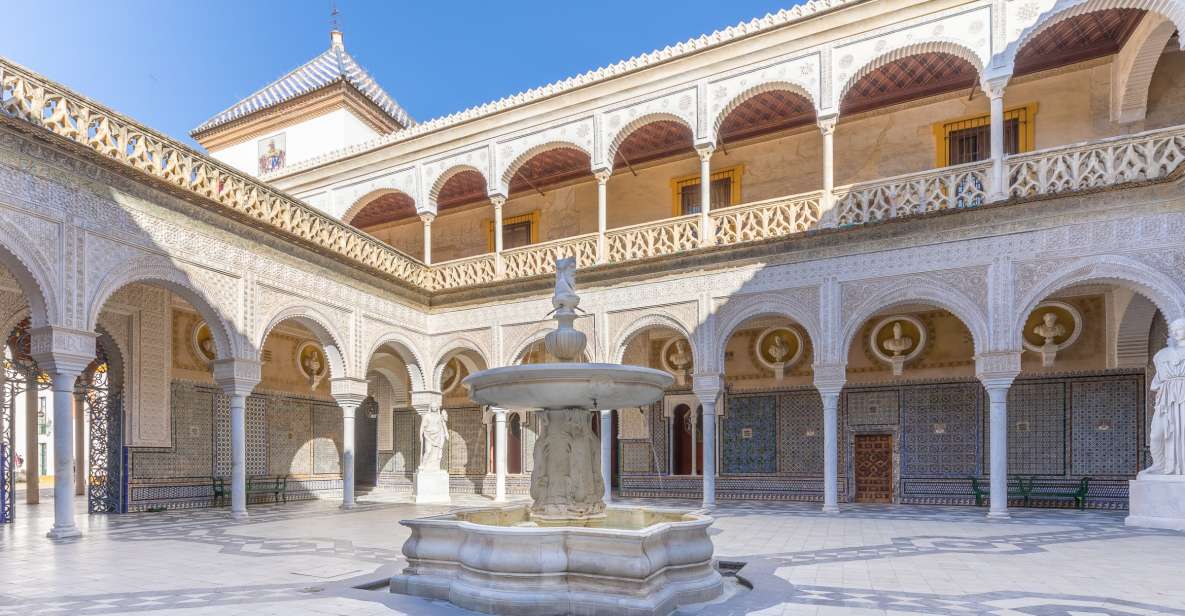
Casa de Pilatos is famous for its sculpture collection, and the ground floor is where you’ll understand why. You’re not just looking at statues behind glass. You’re seeing them placed where someone in the house would actually walk—so the sculpture becomes part of the living architecture.
The palace includes references to Classical antiquity, and that shows up in both the figures and the way they’re framed by surrounding design. This is the kind of collection that rewards you for standing still long enough to really read the room.
You’ll also find war-themed ornaments such as Pallas Pacifera, including a shield and helmet carved from stone. It’s a striking contrast: war symbols presented inside a palace meant for contemplation, art, and daily life.
If you’re the type who likes history that has a physical presence—faces, materials, placement—this is one of the strongest parts of the visit. If you only like broad museum-style explanations, you may want to use the audio guide more selectively and spend extra time on the actual objects.
Coats of arms, ceilings, and Salón del Pretorio’s ornament work
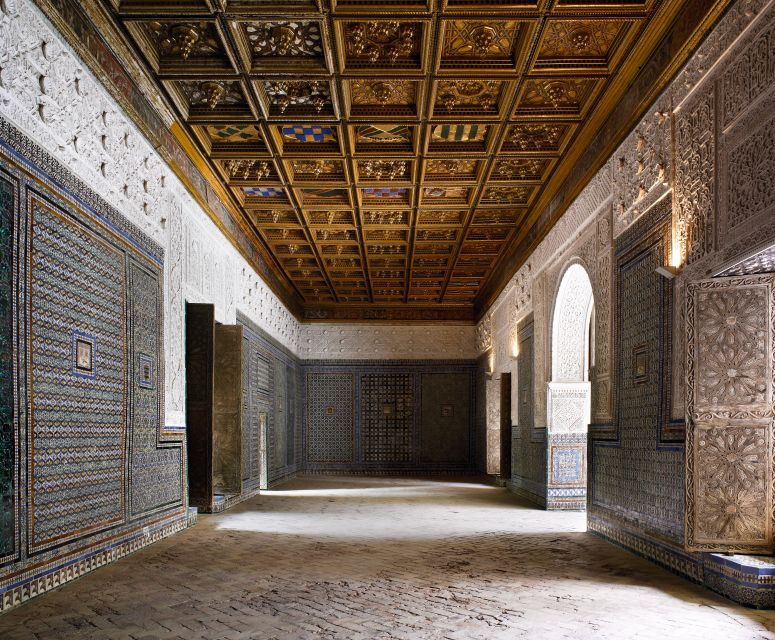
As you continue, you’ll reach the Salón del Pretorio, a room built to impress. The star feature is the intricate coffered ceiling, decorated with ornamental bows. Even if you’re not a ceiling person, this room makes a strong case for why Renaissance design in Seville can feel both formal and playful.
Coffered ceilings are basically a visual system: grids and compartments that direct your eye. Here, those compartments are made to feel decorative rather than cold. It’s also a helpful way to understand the palace’s shift into Renaissance influence—this is where the design starts to feel more intentional, more “designed for display.”
Don’t rush through. Stop in the center and look up, then move to a side view. The shapes and rhythm of the ceiling work differently depending on where you stand. That’s an easy way to turn a quick glance into real appreciation.
Chapel of Flagellation: the oldest part and the style crossover
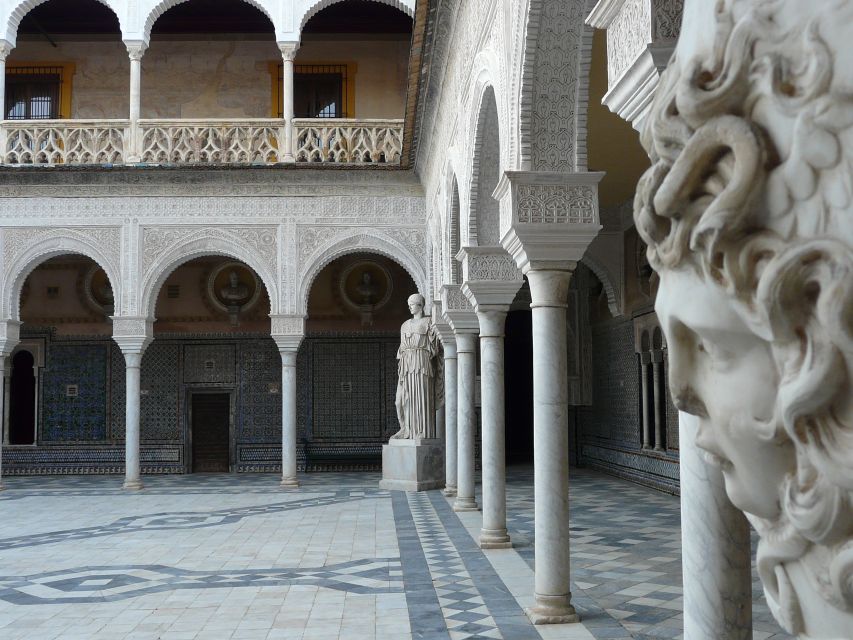
One of the most fascinating stops on the ground floor is the Chapel of Flagellation. It’s described as the oldest part of the palace, and you can feel that in the way the architecture carries old influences forward.
You’ll see an ornate basket-handle arch. Then comes the bigger idea: the chapel is a crossover between Christian and Islamic style traditions, expressed through Mudejar-Gothic and Renaissance architecture working side by side.
This is the kind of architectural moment that makes Casa de Pilatos more than just a pretty house. It helps you understand Seville as a crossroads city where styles didn’t just sit next to each other—they blended.
If you like religious art and architecture, set aside a little extra time here. If you don’t, still go in for the arch and the sense of contrast. It’s one of the few places where the palace tells its story in a single glance.


Traditional glazed tiling: where Seville’s hands show
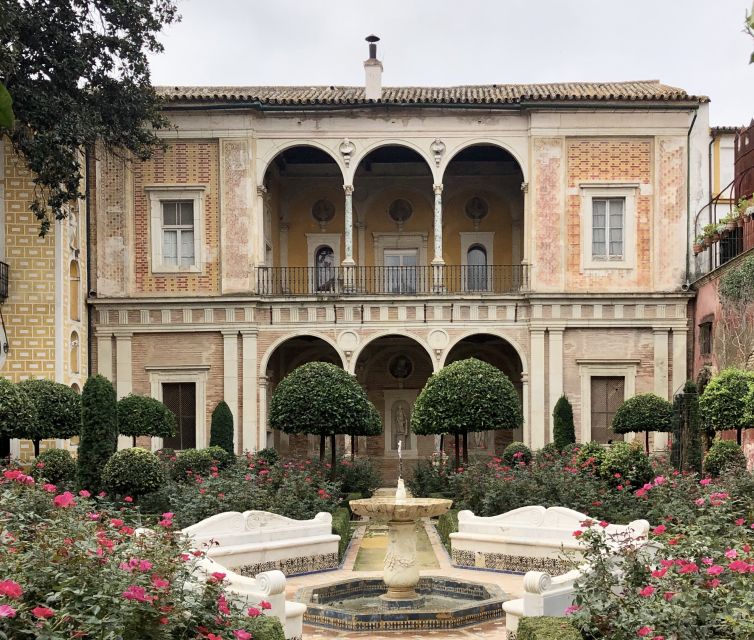
Tiles are everywhere in this palace, and not in a single “pretty border” way. They appear across walls and floors, shaping the mood of rooms as you move through them.
In a place like Seville, where light and color can do a lot of the emotional work, tiles matter. They’re not only decoration. They help create a sense of calm—especially in courtyards and corridors that you might otherwise treat like hallways.
If you’re trying to photograph without stress, focus on patterns rather than chasing every single tile panel. Pick one wall, one floor detail, and one ceiling edge, and you’ll get images that look like art instead of like a record of walking.
Gardens at Casa de Pilatos: how to pace yourself for real enjoyment
The gardens are part of the ground-floor experience for a reason. They give you a reset between sculpture rooms and chapel-and-architecture stops. Think of them as your time to exhale.
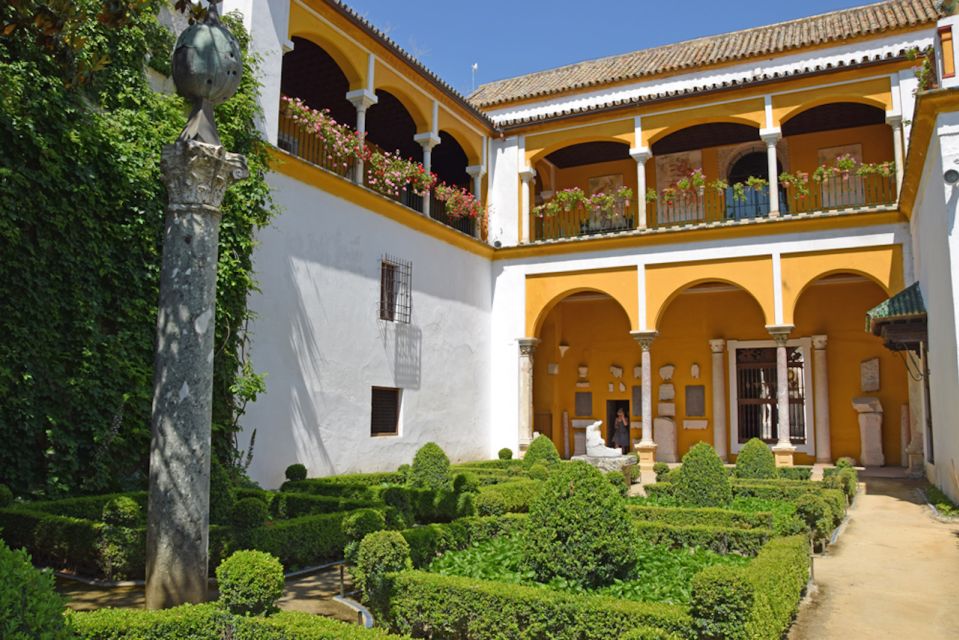
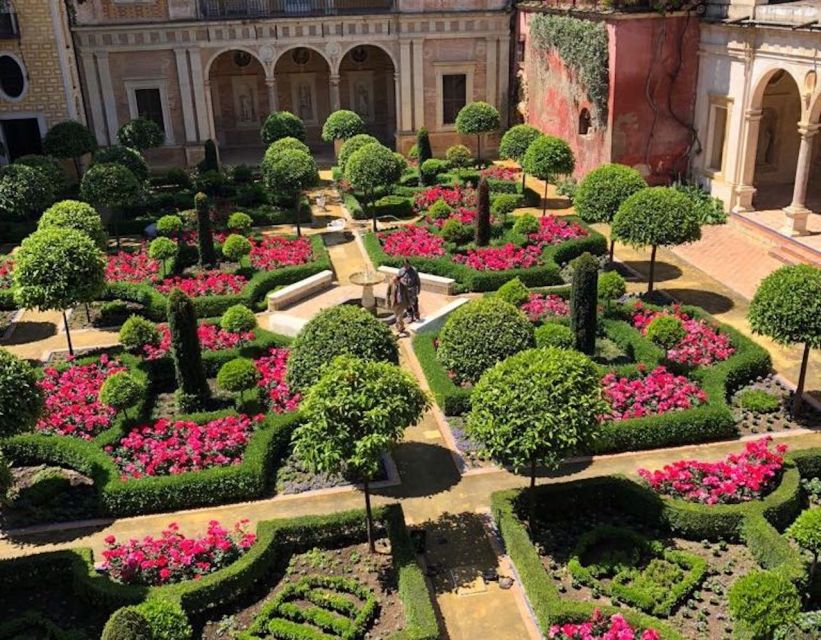
You’ll find Renaissance-style palace gardens with an atmosphere that feels more private than public. This is where you can enjoy the palace’s calm side—especially if you come at a less crowded hour.
If you’re visiting in warmer weather, the gardens can be a smart compromise: you get outdoor air and shade, without having to leave the palace complex. That matters in Seville, where midday can be intense.
Plan to spend time here even if you think you’ll “just take a quick look.” The garden is often the moment where your visit starts to feel personal rather than checklist-based.
Audio guide on a phone: best way to use it without getting lost
This ground-floor ticket includes an audio guide. It’s available in multiple languages, including Spanish, French, English, Portuguese, German, Japanese, and Italian.
A good strategy is to use the audio guide like a spotlight, not a nonstop lecture. When you reach a room with sculptures, listen for the key names or themes. When you reach a decorative feature like the courtyard fountains or the coffered ceiling, pause the audio and look first.
Some people find the guide very detailed, and sometimes the level of description can be more than you want while you’re trying to take in the room. If that happens, turn it down and switch to a faster rhythm: one listening moment per room, then quiet looking.
In at least one clear-use example, visitors have used QR codes paired with on-site signs to match the audio track to the right area. So if you get the device going and follow the markings, you’re unlikely to wander without direction.
Timing, last entry, and when Monday can save you money
Your ticket is valid for one day, and starting times depend on availability. Plan around the opening schedule so you don’t feel like you’re sprinting through the final rooms.
Here are the key timing notes:
- The last entry Tuesday to Sunday is at 5:30 PM.
- On Mondays, entry is free between 3 PM and 5:30 PM.
If you’re trying to avoid crowds, go earlier in the day when possible. If you’re dealing with hot weather, late afternoon can be kinder, and it still fits the palace pace.
Also remember: since your ticket is ground floor only, you don’t want to spend your best energy at the very beginning. Save enough time for the chapel and the gardens near the end.
How much is $14, and is it good value?
At around $14 per person for ground-floor access, Casa de Pilatos sits in the “paid but not crazy” zone. The value comes from two things: you’re seeing a full, walkable palace experience, and the ground floor includes the most story-rich parts like the courtyard busts, chapel, and garden areas.
Still, it can feel pricey if you’re expecting the entire palace for that one ticket. Since upper-floor access isn’t included, you’re paying for a specific slice of the property.
Where the price tends to make sense:
- You care about architecture and decorative detail (tiles, arches, ceilings).
- You like sculpture, especially classical themes and named figures like Hadrian.
- You want a calmer pace than Seville’s biggest headline attractions.
If you’re strict about budget or you want a guaranteed full-property tour, you might want to compare the ground-floor offer with other options that include more access.
Who should book this ground-floor ticket?
This visit is a strong match if you:
- want a high-detail palace without the pressure of a long guided tour
- like self-paced sightseeing with an audio guide
- enjoy courtyards, sculptures, and architecture more than you do big outdoor viewpoints
It’s also a good first palaces stop in Seville. The design helps you “read” what comes next in the city’s major sites. And because the gardens are included, it feels like more than just rooms—you get a mini reset built into the visit.
If you dislike audio guides or hate anything that feels overly detailed, you’ll still get plenty out of the visual highlights. Just use the guide lightly and spend more time looking.
Should you book Casa de Pilatos Ground Floor Entry?
Book it if you want a compact, art-and-architecture focused palace visit with Roman busts, a chapel style crossover, and tiles plus gardens in one smooth loop. For the price, it’s a fair deal when you take your time and let the building do the talking.
Skip or reconsider if you’re only interested in the upper floors or you’re trying to get maximum palace space for the minimum fee. In that case, check whether a fuller-access option is available elsewhere or whether an upstairs add-on can be arranged when you arrive.
FAQ
Is access limited to the ground floor?
Yes. This ticket includes access to the ground floor only. Upper-floor access is not included.
What does the ticket include?
It includes an entry ticket to access the ground floor and an audio guide.
How long is the experience?
It’s listed as lasting 1 day.
What languages are available for the audio guide?
The audio guide is available in Spanish, French, English, Portuguese, German, Japanese, and Italian.
When is the last entry?
From Tuesday to Sunday, the last entry is at 5:30 PM.
Is there free entry on Mondays?
Yes. Entry is free on Mondays between 3 PM and 5:30 PM.
Can I cancel for a full refund?
Yes. You can cancel up to 24 hours in advance for a full refund.