REVIEW · BILBAO
Bilbao: Gaztelugatxe, Bermeo, Mundaka and Gernika with Txakoli
Book on Viator →Operated by Buendía · Bookable on Viator
A tiny island church with huge views. This day trip from Bilbao strings together four very different Basque stops, with the big payoff being the climb to San Juan de Gaztelugatxe and a txakoli tasting that actually fits the day. You’ll come away with a clearer sense of what these places mean, not just where they are.
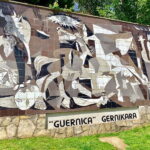
Two things I like a lot. First, the physical wow-factor of the hike and coastal panoramas at Gaztelugatxe. Second, the way the guide ties Gernika-Lumo to real historical events, including the Picasso mural and the famous Tree of Gernika.
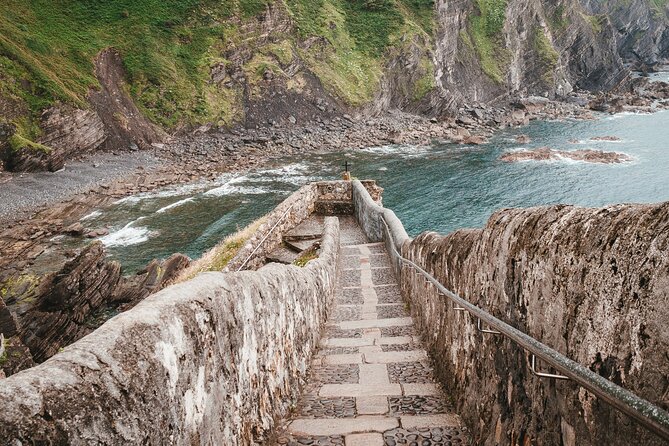
One possible drawback: the first stop is a real workout. Expect 241 steps and a steep, uneven climb that can feel harder than you’d guess from a quick photo.
In This Review
- Key highlights worth your attention
- San Juan de Gaztelugatxe: the 241 steps and why it feels special
- Bermeo’s fishing port: a quick window into Basque sea life
- Mundaka’s harbor views: sea air, Basque flavors, and photo breaks
- Gernika-Lumo: Picasso, shelters, and the Tree of Gernika
- Bodega Berroja in Berroja Auzoa: the txakoli tasting finish
- A full Basque coast day: pacing, walking, and when to slow down
- Price and what you truly get for about $59
- Should you book this Bilbao Basque coast day trip?
- FAQ
- How long is the Bilbao to Gaztelugatxe, Bermeo, Mundaka, and Gernika with txakoli tour?
- What time does the tour start, and where do we meet?
- Is the tour guided, and is it offered in English?
- What’s included in the price?
- Is lunch included?
- How fit do I need to be for San Juan de Gaztelugatxe?
- Are there seasonal changes at San Juan de Gaztelugatxe?
Key highlights worth your attention
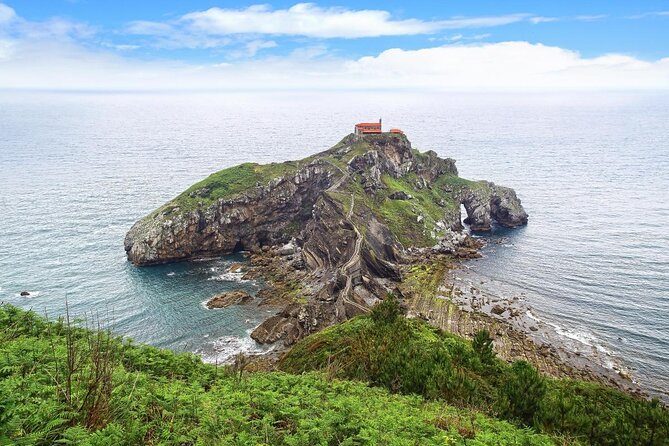
- Climb to San Juan de Gaztelugatxe and see why this hermitage is such a magnet for photos and stories
- Gernika-Lumo’s memory sites, including air-raid shelters and the Picasso-related mural
- Bermeo and Mundaka ports give you a quick taste of Basque maritime life
- Txakoli tasting at Bodega Berroja in Berroja Auzoa, a classic local wine moment
- Pro guides and air-conditioned transport make a long coast day more manageable
- Group size up to 55 means you’ll want to be ready to move quickly between stops
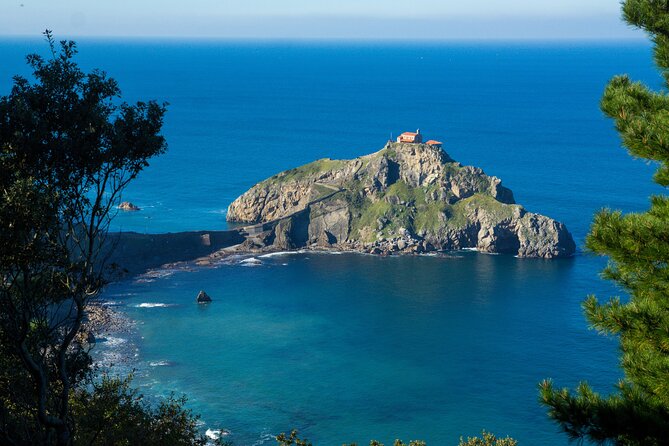
San Juan de Gaztelugatxe: the 241 steps and why it feels special
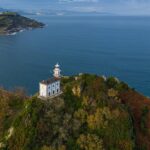
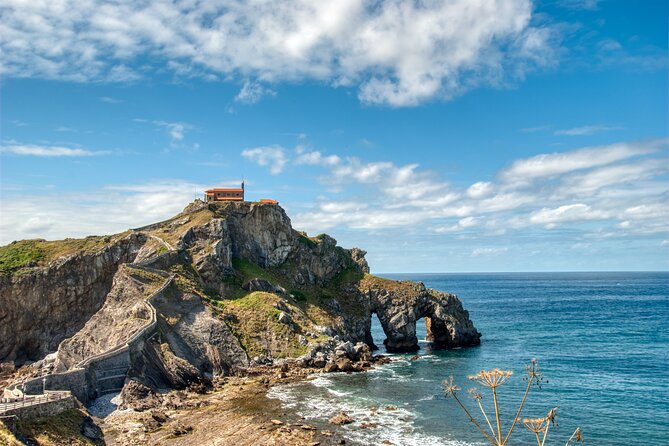
Gaztelugatxe is the reason most people book this trip. The guided visit centers on the hermitage of Saint John the Baptist at the summit, but what you’re really buying is the full “process”: walking the panoramic trail, stopping for views, and then climbing the famous steps.
The climb is listed as 241 steps, and the practical reality is that you’ll earn those viewpoints. It’s not a long-distance hike, but it is steep and it adds up. If you’re traveling in warmer months, go slow on the way up and don’t pretend you’re doing a casual promenade.
A helpful detail: the timing matters. When you’re higher up near the hermitage, the wind and ocean light can be dramatic. You’ll also see why this spot gets compared in pop culture terms to other “island church” vibes. I’d plan on taking photos, but also plan on putting your phone away for a few minutes so you can actually look at the coastline.
If you’re booking in winter, know this: in January and February, access to the hermitage can be closed by the Provincial Council of Bizkaia. Viewpoints stay open, so you still get the dramatic coastal perspective, but you may not reach the same exact place.
You can also read our reviews of more tours and experiences in Bilbao.
Bermeo’s fishing port: a quick window into Basque sea life
After Gaztelugatxe, the pace shifts. Bermeo gives you a focused look at the old town plus the fishing port, and your guide keeps it from feeling like a rushed walk-by.
This stop is short (about 1 hour), so you’ll want to use your time strategically. Look for the working-port atmosphere and the streets that feel built around the rhythm of fishing. Even if you can’t wander long, you can still pick up the “why” behind Basque coastal towns: weather, tides, and the daily need to move fast.
One small practical tip that helps: treat this like a reset stop. Stretch your legs, grab water, and use the free time to orient yourself before the longer coastal stretch toward Mundaka. If you’re the type who likes to snack, you might also find local baked goods and simple treats here, depending on what’s available on the day.
If your goal is history without museum fatigue, this is a good match. The guide talks enough to connect the maritime setting to the bigger Basque story, without eating up all your time.
Mundaka’s harbor views: sea air, Basque flavors, and photo breaks
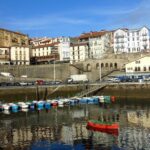
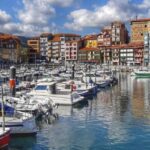
Mundaka is a picturesque fishing village with a harbor feel that’s easy to fall for. Your visit runs about 4 hours, and that extra time helps compared with Bermeo. It’s still a day-trip schedule, but you’re given enough room to actually walk, slow down, and take in the coastline.
What makes Mundaka work in a “short on time” itinerary is that it combines scenery with food culture. This stop leans into classic Basque dishes you can associate with the region, including marmitako (tuna stew) and clams a la marinera, plus pintxos and local txakoli wine options.
Because lunch isn’t included, Mundaka is where you’ll likely fit your meal. That’s a smart move: you’re in the right place for it, and the harbor view makes waiting for your order feel less like waiting.
Here’s how I’d approach it. Use the guided portion to get your bearings and key sights. Then, use your remaining time to choose one Basque food thing you want to try, not six. One satisfying bite beats five rushed tastes, especially when the rest of the day is already packed.
Gernika-Lumo: Picasso, shelters, and the Tree of Gernika
Gernika-Lumo is the emotional pivot of the day. The tour here is built as a walking experience that keeps focus on memory sites and major cultural symbols: air-raid shelters, the Tree of Gernika, and a stunning mural connected to Picasso’s famous painting about the bombing.
This stop lasts about 1.5 hours. That sounds short, but it’s long enough to understand what you’re looking at if your guide is telling the story clearly. I like this part because it turns a place name you’ve heard into something you can picture: what sheltered people, what became a symbol, and what the town chose to remember.
The Tree of Gernika matters because it represents tradition, civic memory, and identity in the Basque Country. You might also spot how the town’s layout and monuments are designed so that remembrance feels public, not hidden.
On a practical level, bring patience. You’ll be looking at things at a distance at times, and open-air walking can make it harder to hear every word. If English summaries feel brief in a given spot, it’s okay to ask a question and point at what you’re trying to understand.
When the guide is sharp, this is where the whole day comes together: coast beauty in the morning, then the human story behind the region in the afternoon.
Bodega Berroja in Berroja Auzoa: the txakoli tasting finish
You end in Berroja Auzoa with an exclusive txakoli tasting at Bodegas Berroja. This is about 1 hour and it’s included, along with the guide-led structure that keeps the tasting from turning into a free-for-all.
Txakoli is one of the Basque Country’s emblematic wines, and the tasting is designed to give you enough context to understand what you’re drinking. You’re getting a value of €11 per person in tasting, which helps explain the overall value of the tour price.
My advice: treat this as a finish, not a pre-game. The day involves a climb and several walking segments, so you’ll feel the fatigue. If you’re driving later or sensitive to alcohol, take small pours and sip slowly.
Also, if you care about wine education, pay attention during the explanation rather than focusing only on the taste. One tasting session doesn’t replace learning-by-doing at a cellar, but it gives you a baseline so your future Basque wine orders make sense.



A full Basque coast day: pacing, walking, and when to slow down
This trip is about 11 hours, and it’s built for travelers who want maximum variety without having to plan routes, tickets, or driving. Transport is by air-conditioned vehicle, and the meeting point is at Mazarredo Zumarkalea, 60, Abando (48009 Bilbao) with an 8:30 am start and return to the same location.
The rhythm usually goes like this: one big “effort” moment (Gaztelugatxe), then a couple of town-and-port stops, then the history-heavy Gernika segment, then txakoli to close.
From a comfort standpoint, I’d assume you’ll walk several kilometers across the day. You’ll also do stairs. Even if you’re fine with walking, steep terrain is the main issue. Wear supportive shoes, and bring water. In hot weather, you can get sweaty fast, even if you’re not winded.
One more practical point: group size can be large (up to 55). That’s not a deal-breaker, but it does affect how often you’ll need to move as a pack. If you’re prone to stress when groups rush, mentally frame the day as “short stops, quick reset, move on.”
Language is another variable. The tour is offered in English, and many guides are very good at switching between languages when needed. Still, explanations can run long, and hearing clearly outdoors isn’t always perfect. If you want more English detail, stay close during the explanation and ask a question when your guide pauses.
Price and what you truly get for about $59
At $59.13 per person, the value is mostly about three things: you get a professional guide, a coordinated route with transport, and key admissions/tastings included.
Here’s what helps you feel the value:
- San Juan de Gaztelugatxe admission ticket is included for the main highlight
- Guided elements are built into the day at multiple stops (Bermeo, Mundaka, Gernika)
- Txakoli tasting at Bodegas Berroja is included, and it has an stated value of €11 per person
- Lunch is not included, so you’re still choosing what you eat, but the tour structure covers the expensive planning bits
If you tried to do this on your own, you’d be spending time figuring out timing, tickets, and connections. Even with a rental car, the hardest part is Gaztelugatxe logistics and fitting everything else without wasting your day.
Where it can be less ideal is comfort details. A few people have raised issues about bus comfort at times, including heat and seating stress in the group setting. You can reduce that risk by keeping an eye out for options that help you sit together if that’s offered at checkout.
Should you book this Bilbao Basque coast day trip?
Book it if you want a single-day snapshot of the Basque coast with a strong mix: scenery, ports, and real historical meaning in Gernika-Lumo. I especially think it fits travelers who are short on time but still want context, not just landmarks.
Pass or rethink it if you dislike steep walking and stairs. The Gaztelugatxe climb is the star, and it’s not a “barely walked” experience. Also consider skipping if you want lots of free time in each town. Most stops are structured and time-boxed, so you’re there to see and understand quickly, not to linger for hours.
If you do book, do one thing that improves everything: show up with good shoes, water, and a flexible attitude about pacing. This is a day where the payoff is worth the effort, especially when the guide brings the place to life.
FAQ
How long is the Bilbao to Gaztelugatxe, Bermeo, Mundaka, and Gernika with txakoli tour?
It runs about 11 hours.
What time does the tour start, and where do we meet?
The meeting point is Mazarredo Zumarkalea, 60, Abando, 48009 Bilbao, and the start time is 8:30 am. The tour ends back at the same meeting point.
Is the tour guided, and is it offered in English?
Yes, you get a professional guide, and the experience is offered in English.
What’s included in the price?
Included items are a professional guide, air-conditioned vehicle transport, the San Juan de Gaztelugatxe admission ticket, guided tours in Bermeo, Mundaka, and Gernika, and an included txakoli tasting at Bodegas Berroja.
Is lunch included?
No. Lunch is not included.
How fit do I need to be for San Juan de Gaztelugatxe?
You should have moderate physical fitness. You’ll climb 241 steps to reach the hermitage area.
Are there seasonal changes at San Juan de Gaztelugatxe?
Yes. In January and February, access to the hermitage may be closed, but the viewpoints remain open as normal.