REVIEW · L ESTARTIT
Boat trip to the Medes Islands, caves and stop for swimming
Book on GetYourGuide →Operated by Fadri · Bookable on GetYourGuide
Sea caves, tuna schools, and a real swim stop. This Medes Islands trip is all about getting up close on a small boat, with glass-bottom windows that make fish-spotting feel hands-on. My only caution: the guide’s explanation quality can depend on language clarity, and on rougher days you may not get the full route time.
For me, the best value is the mix of motion + nature: you’re cruising Costa Brava coves, then you stop to swim, then you get a guided look at the Medes ecosystem and caves. At $27 for about 1.5 hours, it’s a solid way to experience Montgrí Natural Park without committing to a full day—just plan to bring sun and water, and be ready for wind on the deck.
In This Review
- Key things to know before you go
- Fadrí Boat Basics: A small 20-person ride built for caves
- Where it starts at Espigó de Llevant (and why 20 minutes helps)
- Photo stop to Cala Pedrosa: the first taste of Costa Brava
- Viewpoint and onward: how the route sets up the Medes ecosystem
- Medes Islands guided tour: understanding what you’re seeing
- Sea caves and Roca Foradada: why the boat route feels special
- Glass-bottom windows: the best way to spot fish and tuna schools
- Dolphins: how to hope for them without being disappointed
- Weather and timing: when the full route might not happen
- What’s included (and what you should plan to cover)
- Price and value: is $27 worth it for 90 minutes?
- Who should book this Medes Islands boat trip?
- Should you book the Medes Islands boat trip?
- FAQ
- How long is the Medes Islands boat trip?
- Where do I meet the boat?
- How much does it cost?
- What’s included in the tour?
- Is there time to swim?
- Do I need to bring food or drinks?
- What languages are available for the guide?
- What should I bring?
- What’s not allowed on the boat?
Key things to know before you go
- Small group on the Fadrí: about 20 people, sized for tight maneuvers near caves and rock formations
- Glass-bottom viewing: you can watch seabed life, but your seat matters for seeing clearly
- Sea caves + Roca Foradada: the route focuses on natural features, not just cruising
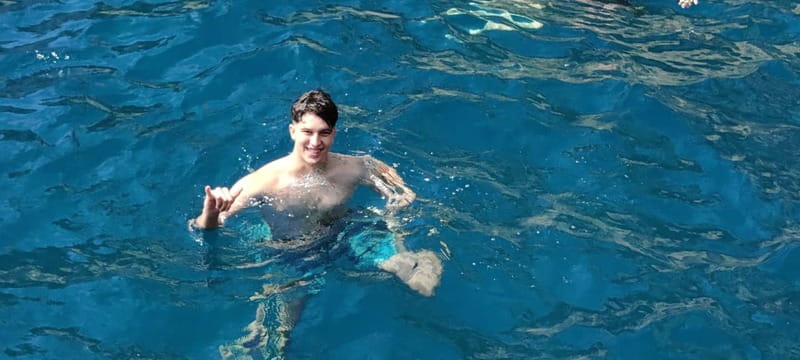
- Swim stop at Cala Pedrosa: clear water, time for snorkeling, and a chance to spot wildlife
- Dolphins are a bonus: you might see them, but it’s not guaranteed
- Multilingual guide info: English, Spanish, French, Catalan with field notes on marine fauna and birds
Fadrí Boat Basics: A small 20-person ride built for caves
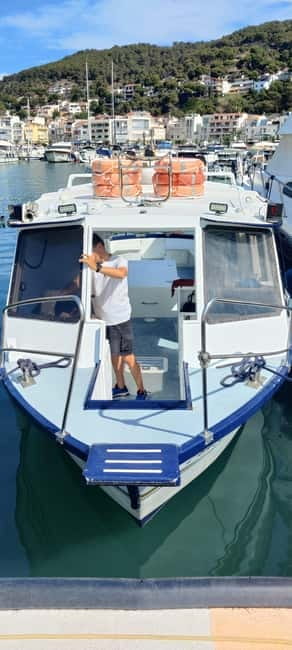
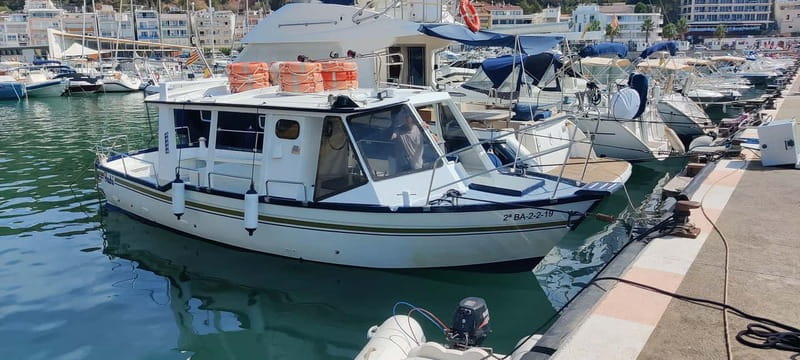
This excursion runs on the Fadrí, a boat with a capacity of around 20 passengers. That matters. On a smaller craft, the crew can get closer to the rock walls and into tighter sea-cave areas without feeling like you’re on a floating bus.
You’ll also feel the speed and rhythm of a real coastal route. You’re not stuck in one place. The deck time is active—turning, slowing, and positioning so you can look out at the Medes Islands and down at the water.
One practical note: the underwater windows are part of the experience, but clarity depends on where you sit. If you want seabed views, go early enough to find a spot near the viewing area so you don’t end up watching other people see the fish.
You can also read our reviews of more boat tours in L Estartit
Where it starts at Espigó de Llevant (and why 20 minutes helps)
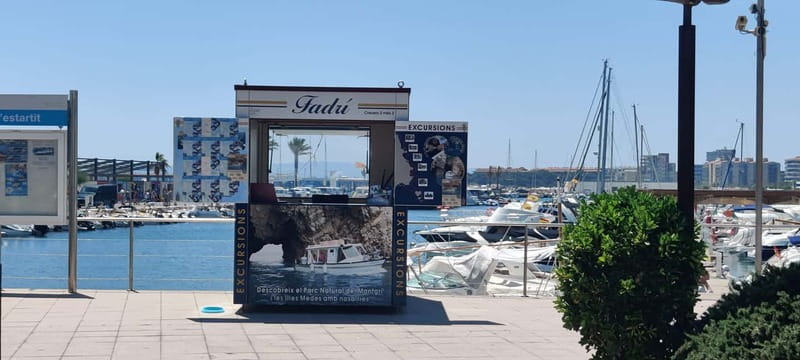
You’ll meet at Espigó de Llevant, at the end of the passeig marítim. There are ticket booths; once you pass the last booth, turn right toward the fishing and rental boats, then look for the Fadrí.
Aim to arrive about 20 minutes early. This trip is short (1.5 hours total), so the start timing is not the place to be late. It also gives you time to get set up—hat, sunscreen, swimwear if you plan to get in—without rushing.
The boat day is weather-driven too. If it’s windy, you’ll feel it on open water, so having a light windbreaker can make the whole trip more comfortable.
Photo stop to Cala Pedrosa: the first taste of Costa Brava
Before you even reach the Medes Islands, the trip eases you into the coastline. There’s a scenic photo stop along the way, then you head toward Cala Pedrosa.
Cala Pedrosa is your first real action moment: a short stop that includes swimming and snorkeling, plus time for dolphin watching and marine-life spotting. Even if dolphins don’t show up, this is still the part where the water looks best and the trip feels most like a vacation moment.
In practice, treat this swim stop as your main window for getting your money’s worth from the water. Bring swimwear you can actually use quickly. The deck can get cool, and you’ll want to be ready to jump in without fiddling.
Viewpoint and onward: how the route sets up the Medes ecosystem
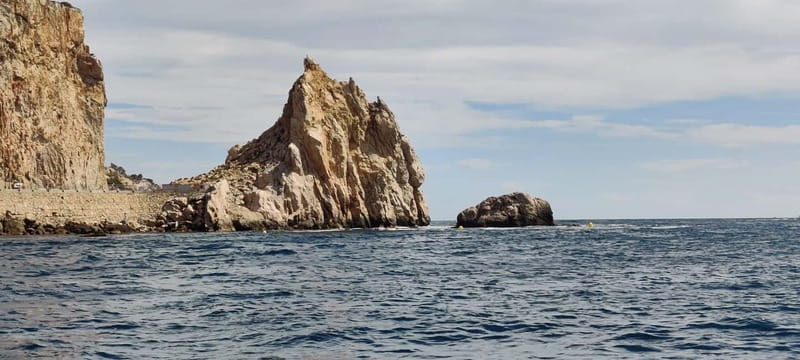
After Cala Pedrosa, there’s another viewpoint/photo stop. This break isn’t long, but it’s useful. You get a visual sense of what the boat is targeting—rock formations, small coves, and the protected feel of Montgrí Natural Park.
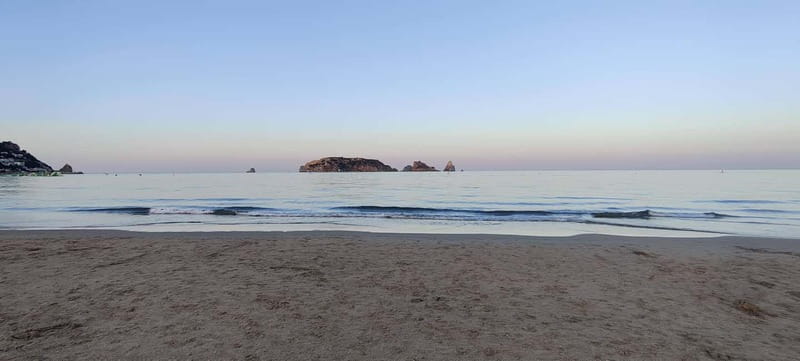
Then the boat shifts into the Medes zone, where the itinerary becomes more about the protected marine environment than about scenery alone. This is when you start hearing more targeted explanations about fauna and the birds in the area.
If you’re hoping to see specific animals, keep your expectations grounded. Clear water helps. Calm seas help. But wildlife viewing can still be random.
Medes Islands guided tour: understanding what you’re seeing
One of the strongest parts of the experience is the guided time at the Medes Islands—about 45 minutes. This is where you go beyond the view and learn the story behind it.
The guide’s focus includes the marine fauna and birds of the area, with added local context about the zone. It’s the difference between seeing water and recognizing an ecosystem.
Now, a heads-up based on real-world experience: the guide information is delivered in multiple languages, and language clarity can vary. If you’re sensitive to accents or you’re not fully following the language, you might feel like you’re missing some details. If that’s you, still go for the boat route and the seabed viewing; those parts don’t depend on understanding every word.
Sea caves and Roca Foradada: why the boat route feels special
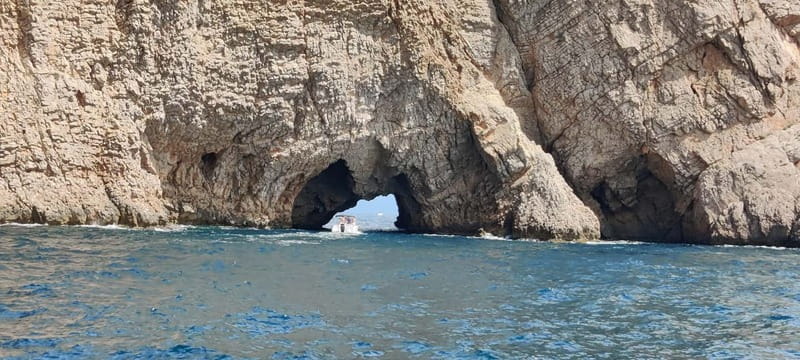
The trip is designed to put you near the Roca Foradada and to enter sea caves. This isn’t just a drive-by. The boat is sized for maneuvering in areas with narrow rock angles and tight water spaces.
That makes the caves more than a photo op. You’ll pass into cave zones where the light changes and the water looks different. It’s one of those moments where even without perfect narration, you can still feel the place.
The crew’s skill is part of the value here. Precise navigation through narrow cave passages is not something you should take for granted on a small craft. If you care about how a trip works, pay attention to how the boat positions itself—it’s a big part of why the excursion feels smoother than you’d expect.
Glass-bottom windows: the best way to spot fish and tuna schools
One of the highlights is being able to observe the seabed through underwater windows. This is where you get a different kind of wildlife viewing: not just looking at the water surface, but seeing what lives below.
You may spot fish right near the route, and the boat’s description also points to the possibility of schools of tuna. Even when dolphins are absent, seabed viewing can still deliver.
Here’s the practical trick: if the windows are your focus, sit where you can actually see through them clearly. Some people find the viewing area small and easy to miss if you’re not positioned near the best spot. So don’t treat it like a background feature—plan for it.
You’ll also hear some explanations tied to what you’re seeing: marine life patterns, what to look for, and how the protected park works as a habitat. Even if language isn’t perfect, the cues are often visual.
Dolphins: how to hope for them without being disappointed
Dolphins are mentioned as a possible sighting while you sail and during the swim stop. That’s exciting, but it’s also the one part you should treat as a bonus.
On days with choppier water or different timing, the wildlife sightings can be lighter. Sometimes you may simply see fewer fish. In some conditions, you might not get the same animal sightings you hoped for.
My advice: come for the caves, the seabed views, and the swimming stop. If dolphins appear, great. If they don’t, you still get a complete nature-and-water circuit in about 1.5 hours.
Weather and timing: when the full route might not happen
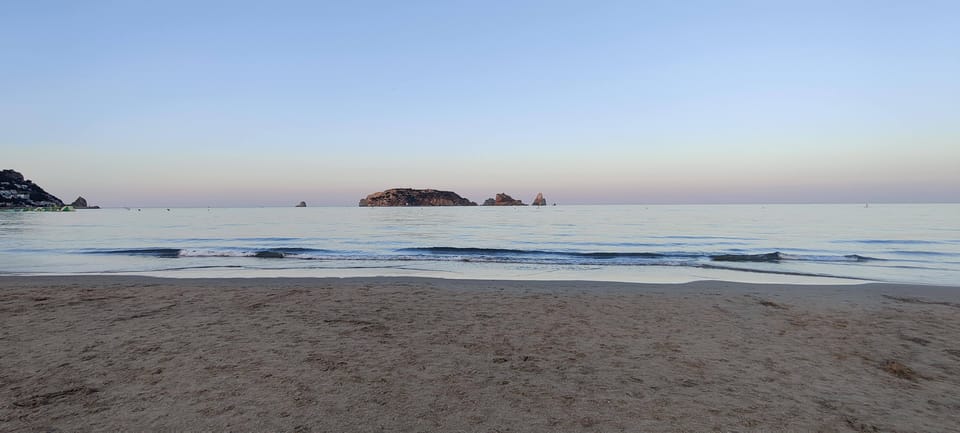
Short trips have a built-in risk: if conditions change, the schedule can tighten. There have been departures where guests reported doing only part of the island route and turning back earlier than expected.
So check conditions if you can, and don’t book this as the only thing on your itinerary if you’re extremely time-sensitive. It’s still a good day out even when the sea is less cooperative, but the “exact same loop” expectation can be unrealistic on a marine route.
If you go in with that mindset—flexible, not demanding perfection—you’ll enjoy it more.
What’s included (and what you should plan to cover)
This tour includes:
- The boat excursion on the Fadrí
- Marine wildlife observation
- Visits through sea caves
- Underwater windows for seabed viewing
- A swimming stop in the natural park
- Multilingual information about history of the area, marine fauna, and birds
Not included:
- Food and drinks
- Hotel pickup/drop-off
So bring your own water. Bring what you need for sun. And since you’re on the water, you’ll feel the temperature shift—pack a light layer even if the shore is warm.
Price and value: is $27 worth it for 90 minutes?
At $27 per person for about 1.5 hours, this is priced like a focused experience rather than a long sightseeing day. The value comes from three things you can’t easily replicate on your own: cave navigation, guided park interpretation, and the structured swim-and-viewing schedule.
For the money, you’re buying access to:
- Medes Islands viewing time
- Cave passages and rock features like Roca Foradada
- Underwater window seabed observation
- A built-in swim/snorkel window at Cala Pedrosa
If you hate short tours and want slow pacing, you might feel it’s quick. But if you’re after a compact Costa Brava nature hit, the cost-to-time ratio is strong.
Who should book this Medes Islands boat trip?
This works best if you:
- Want a short Costa Brava activity that feels outdoorsy and hands-on
- Like marine viewing—especially glass-bottom seabed looks
- Enjoy swimming/snorkeling on a natural stop
- Appreciate a guided explanation, even if you’re not catching every word
It may be less ideal if you:
- Need highly clear narration in just one language every minute
- Have zero interest in marine wildlife and just want scenery (because the narration and viewing are the core of the experience)
Should you book the Medes Islands boat trip?
Yes, if you want an efficient, nature-forward Costa Brava outing that mixes sea caves, underwater windows, and an actual swim stop. The Fadrí’s small size and cave-friendly route make the time feel tight and purposeful.
Book with realistic expectations: dolphins are a possibility, not a guarantee, and sea conditions can affect what you see and how much of the route you complete. If you’re good with that, this is an easy pick for a memorable half-day feeling in about 90 minutes.
FAQ
How long is the Medes Islands boat trip?
The duration is about 1.5 hours.
Where do I meet the boat?
Meet at Espigó de Llevant at the end of the passeig marítim. After the last ticket booth, turn right toward the fishing and rental boats, then look for the Fadrí.
How much does it cost?
The price is $27 per person.
What’s included in the tour?
The tour includes the boat excursion, marine wildlife observation, sea cave visits, underwater windows for seabed viewing, a swimming stop, and multilingual information about the area’s history, marine fauna, and birds.
Is there time to swim?
Yes. There is a stop at Cala Pedrosa for swimming, snorkeling, and marine-life watching.
Do I need to bring food or drinks?
Food and drinks are not included, so you’ll want to plan accordingly.
What languages are available for the guide?
The live guide information is available in English, Spanish, French, and Catalan.
What should I bring?
Bring a hat, swimwear, a camera, sunscreen, and water.
What’s not allowed on the boat?
Weapons or sharp objects, pets (assistance dogs allowed), bikes, alcohol and drugs, touching marine life, fireworks, and touching plants are not allowed.