REVIEW · CACERES
Cáceres: City Highlights Walking Tour with Local Guide
Book on GetYourGuide →Operated by Pasearte Cáceres · Bookable on GetYourGuide
Cáceres feels like a time machine. This walking tour guides you through the UNESCO Old Town and into medieval streets using the 12th-century defenses, not a museum map. I especially like the focus on hands-on landmark stops with entry into the Carvajal Palace and the House of the Becerra. One thing to keep in mind: the tour is Spanish, so non-Spanish speakers may catch only part of the story.
You start in the main square at Plaza Mayor and then cross the Arco de la Estrella to step into the walled core. I also like the mix of big architectural moments with smaller “why it mattered” details, like the palaces around the religious center at Plaza de Santa Maria and the Jesuit-era buildings near St George’s square. A possible drawback is that the major palace interiors depend on opening hours, so you’ll want flexibility if you’re aiming for a specific room view.
In This Review
- Key highlights to look for
- Plaza Mayor to Arco de la Estrella: entering the walled city the right way
- Why the 12th-century Moorish walls feel real (not just historical)
- Plaza de Santa Maria: where Gothic masonry meets older remains
- Carvajal Palace: when the stop becomes more than a photo
- House of the Becerra and the Mercedes Calles private collection
- San Francisco Javier and the St George square: Jesuit legacy in plain sight
- Palacio de las Veletas and the Andalusian cistern: the lesson that sticks
- What the price covers, and why $11 is unusually fair
- Group vibe and guide style: what to expect from the storytelling
- Who this tour suits best (and who might want a different option)
- Tips to make the most of your 1.5 hours
- Should you book this Cáceres City Highlights tour?
- FAQ
- FAQ
- How long is the Cáceres City Highlights Walking Tour?
- Where do I meet the guide?
- Is the tour guided or self-guided?
- What language is the tour in?
- What sites does the tour include tickets for?
- Is there a discount on the Co-Cathedral of Cáceres?
- What’s not included in the ticket price?
- Can I cancel for a refund?
- Is the tour wheelchair accessible?
- What time of year or day is this good for?
- Who runs the tour?
Key highlights to look for
- Arco de la Estrella gate: the dramatic entry from the modern square world into the walled old city
- Carvajal Palace entry: an interior stop, not just an exterior photo moment
- House of the Becerra with Mercedes Calles’ collection: a private-collection feel inside a historic home
- Gothic and Romanesque layers around Plaza de Santa Maria: old stones with visible timeline shifts
- San Francisco Javier and the school near the St George square: a Jesuit legacy you can walk up to
- Palacio de las Veletas and the Andalusian cistern: the closing lesson about medieval water life
Plaza Mayor to Arco de la Estrella: entering the walled city the right way
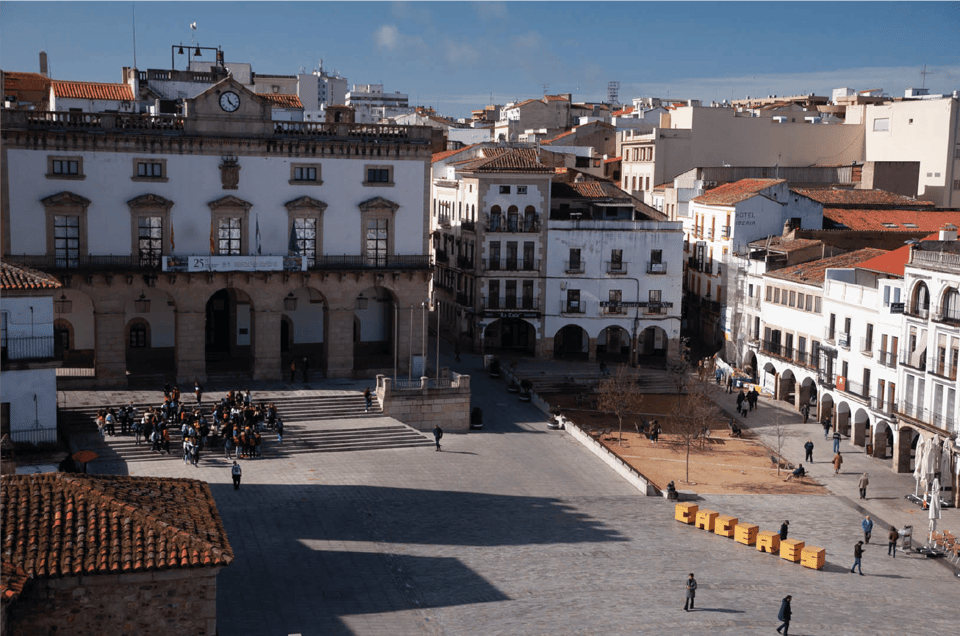
The meeting point is Plaza Mayor, next to the municipal tourist information office. That matters because you’re starting in the city’s natural hub, with an easy reference point instead of a hidden side street.
From there, the tour does something smart: it gets you moving fast and sets the theme immediately. You’ll cross into the old center by way of the Arco de la Estrella gate, working your way from the idea of chivalric-era Cáceres toward the real architecture you can still see today. When you pass through that gate, the switch is instant: cobbled medieval streets replace the wider square rhythms.
What I like here is the way you get orientation while walking. You’re learning the layout while your feet still remember the route, not afterward from a brochure. If you’re the type who gets lost the minute you leave a main square, this kind of guided entry is a practical fix.
You can also read our reviews of more tours and experiences in Caceres.
Why the 12th-century Moorish walls feel real (not just historical)
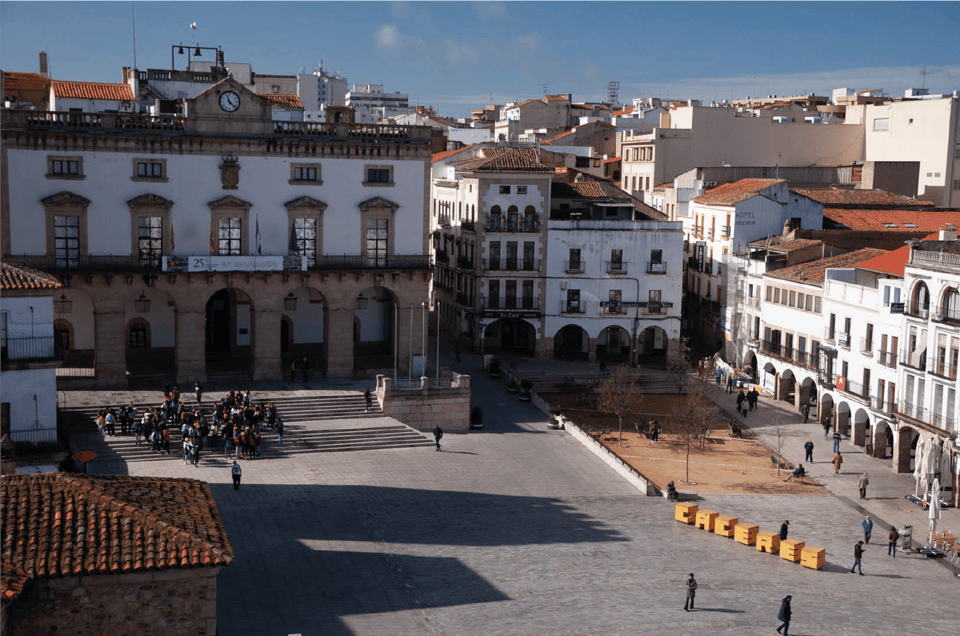
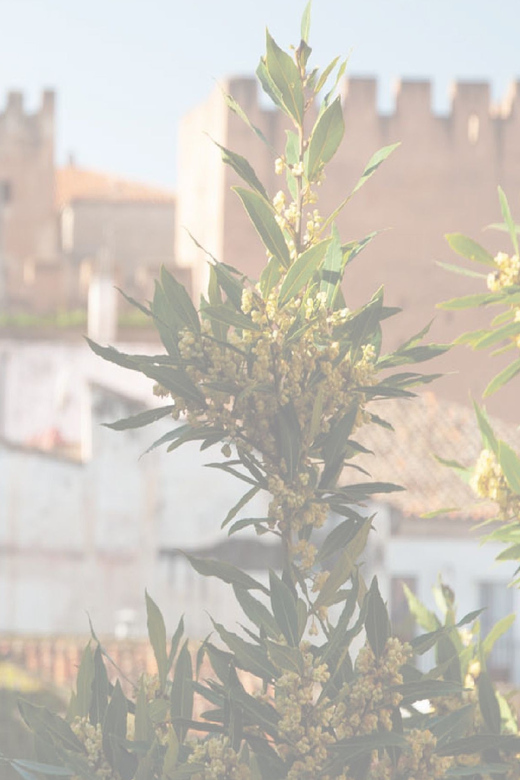
Cáceres’ old town is surrounded by 12th-century Moorish walls and towers. On paper, that sounds like a general description. On the ground, it reads differently because the stone is literally what frames your path.
You’ll be able to see the fortified logic of the city: why the gate locations matter, why the streets turn the way they do, and how the walls guide where light and views land. It’s the difference between hearing about defenses and feeling them as part of everyday movement.
A practical consideration: because it’s a walking tour through historic stone areas, you’ll want sensible shoes. Uneven paving is common in older cores, and you’ll be happier if your feet are prepared.
Plaza de Santa Maria: where Gothic masonry meets older remains
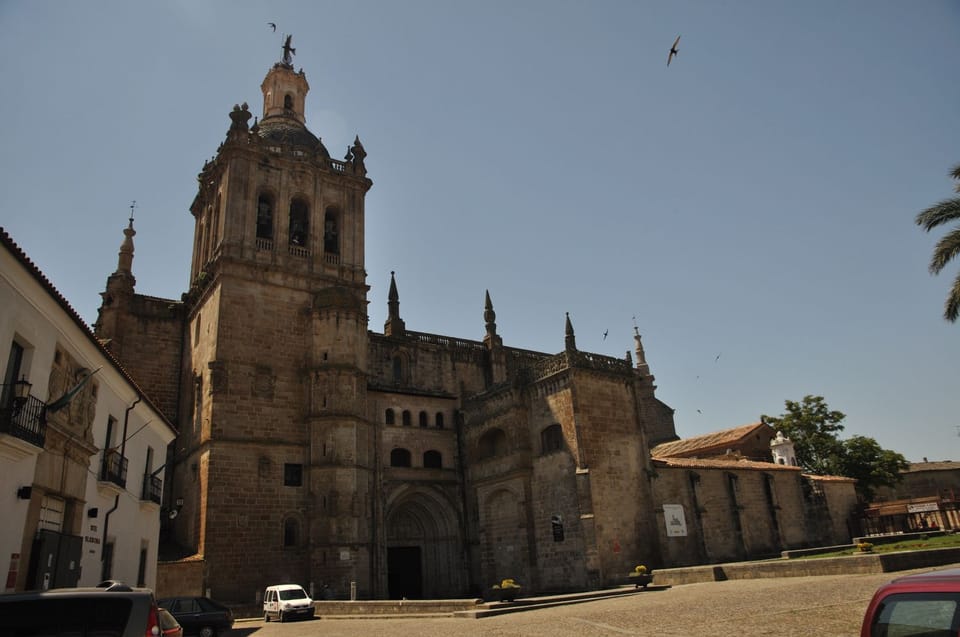
As you reach the heart of the city, you arrive at Plaza de Santa Maria. The square is flanked by the Episcopal Palace and the Co-Cathedral of Santa Maria, and this is where the religious power of Cáceres becomes visually obvious.
Your guide will point out the Gothic masonry alongside Romanesque remains from an earlier construction. That combination is one of the most useful things to understand in Cáceres: the city is not one era, it’s layers of decisions and rebuilds. It’s the same stones changing meaning over centuries.
Around the Catholic church, you also see the ancestral lineages’ palaces. Expect names like Obando, Blázquez-Mayoralgo, Golfín, and Carvajal to come up in the story, because these families are tied to how the town grew and who shaped its image. Even if you don’t know the family histories ahead of time, the tour helps you connect the palaces you see with the roles they played.
Carvajal Palace: when the stop becomes more than a photo
One of the best “value moves” on this tour is included entry to the Carvajal Palace. A lot of walking tours show you impressive façades and then move on. Here, you get an interior window into how elite life could look inside the old walled city.
Even if you’re not obsessed with architecture, interior visits tend to reward your attention. You notice scale, materials, and the way rooms were organized for display and control. It also helps you understand why these buildings mattered beyond aesthetics.
The only realistic note: palace access can depend on opening times. The tour also includes entry to the House of the Becerra, but it works the same way. If either interior isn’t open, you’ll still have plenty to see outside, but your “inside time” may be shorter.
House of the Becerra and the Mercedes Calles private collection
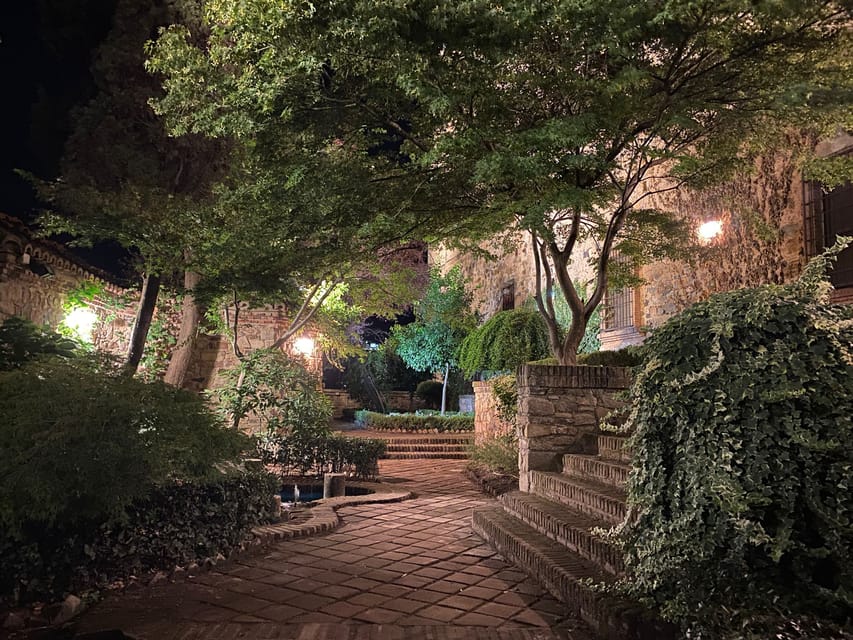
Next comes the House of the Becerra family, connected to the Mercedes Calles–Carlos Ballestero Foundation. This is where the tour adds a human scale: you’re not just tracing walls and churches, you’re stepping into a private-collection atmosphere.
The highlight here is the private collection tied to Mercedes Calles. For many visitors, this is a refreshing change from the usual big-cathedral routine. It makes the city feel personal, like the heritage isn’t locked behind institutional barriers but curated within a family setting.
If you enjoy museum-like details but prefer a smaller, more local setting, this stop is likely to land well. It’s also a strong match for travelers who like “what’s inside” moments, not only street views.
San Francisco Javier and the St George square: Jesuit legacy in plain sight
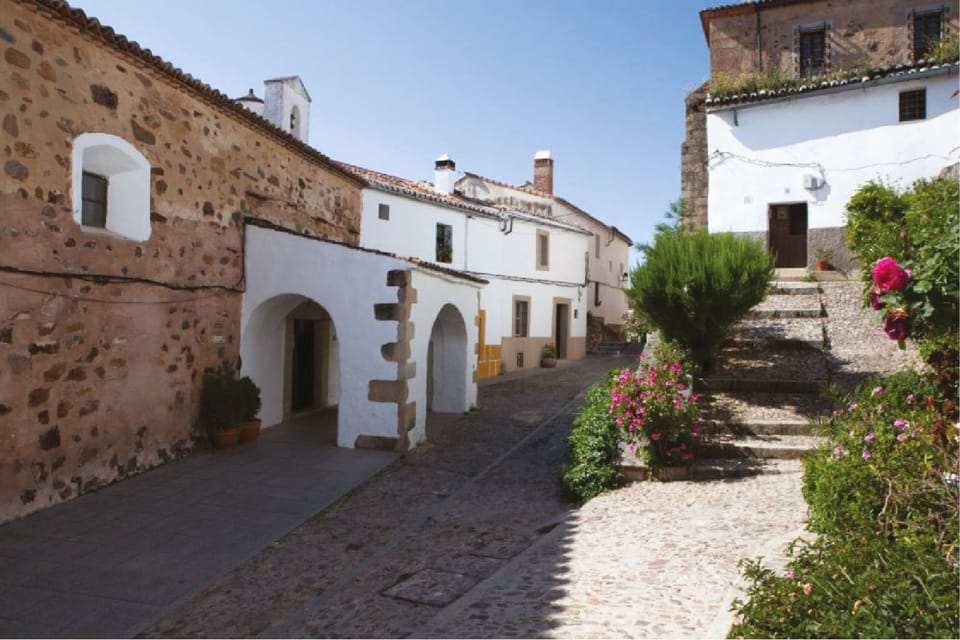
After the palaces, the tour heads toward the square dedicated to the patron saint of Cáceres, St George. You’ll see the imposing church of San Francisco Javier and an attached school, and the story here centers on the Jesuit legacy connected to both buildings.
This part is useful because it broadens the city’s timeline again. Earlier, you were focused on walled defenses and aristocratic palaces around Plaza de Santa Maria. Now, you’re looking at religious education and institutional influence, still expressed through architecture you can walk up to.
If you’re someone who likes to connect religious sites with what people actually did there, keep an eye on how the school and church relate. Even from outside, you can sense why these complexes were built to function as more than just a worship space.
Palacio de las Veletas and the Andalusian cistern: the lesson that sticks
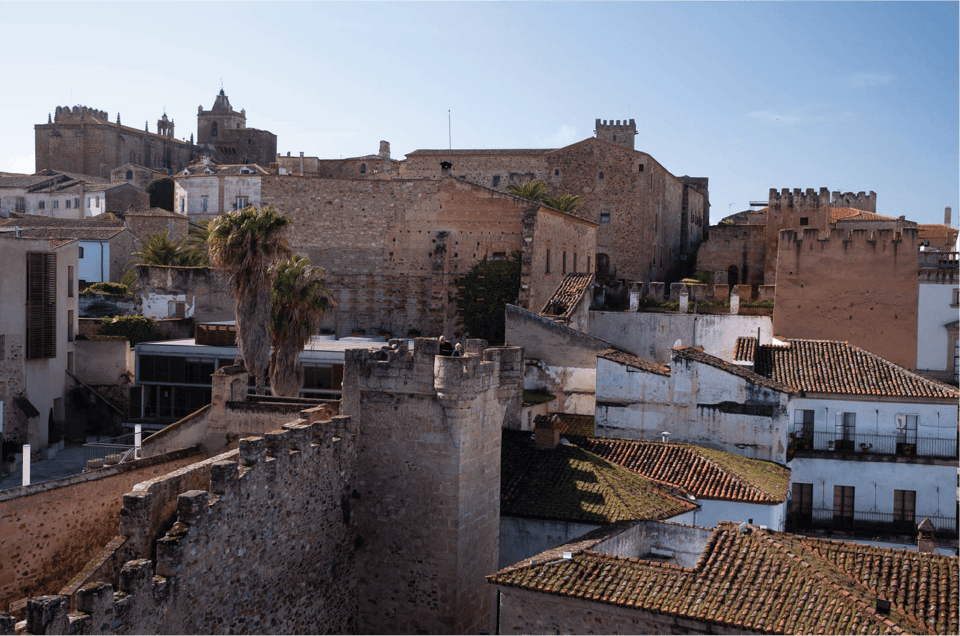
The tour concludes in front of the Palacio de las Veletas, the site of the Cáceres Museum. The standout point here is the Andalusian cistern, described as the most precious element in the city and the largest medieval water tank on the Iberian Peninsula.
This is one of those details that makes a city feel practical. Walls and palaces tell you about power. Water tells you about survival. Understanding the cistern helps you “read” the medieval city as something built to endure drought and manage daily needs.
A small tip for your notes: if your guide mentions how the cistern fits into medieval water storage, write it down. You’ll remember it longer than most architectural terms, because it’s tied to daily life.
What the price covers, and why $11 is unusually fair
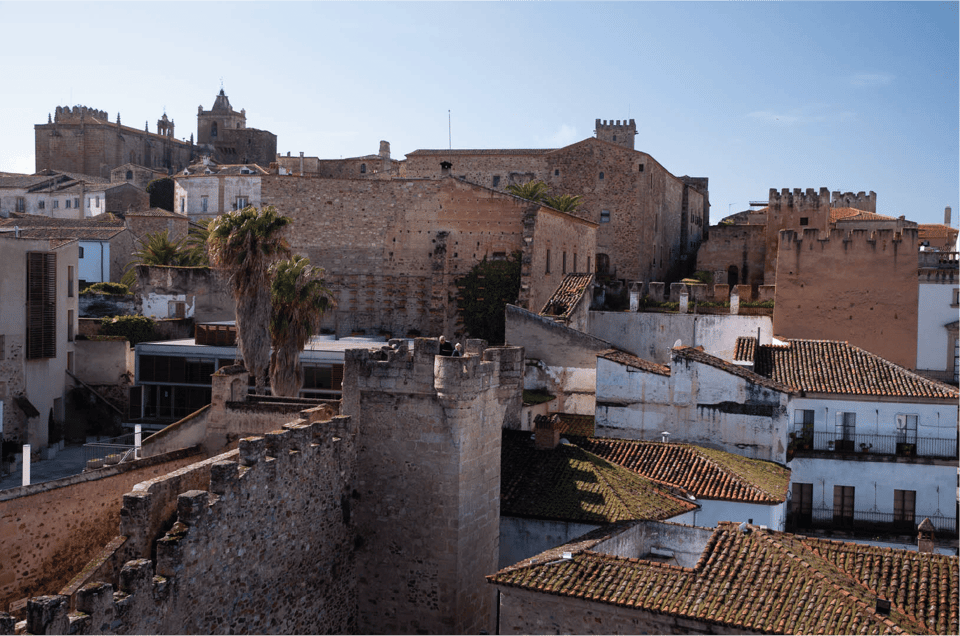
At about $11 per person for roughly 1.5 hours, this is one of those deals that makes you feel like you’re not being nickeled and dimed. The price includes the guide and entry tickets for the Carvajal Palace and the House of the Becerra.
On top of that, you get a 20% discount on entry to the Co-Cathedral of Cáceres. That discount isn’t necessary if you’re just satisfied with what you see from the route, but it can matter if you want a deeper stop inside the cathedral area after the guided portion.
In practical terms, what you’re paying for is access and interpretation. A guided tour becomes better value when it includes interiors, because you’re not just paying for walking time. This one also benefits from an official setup: the tour is carried out by Official Tourism Guides of Extremadura, professionals authorized by the administration in the Autonomous Community of Extremadura. That reduces the risk of getting a random guide who can’t properly answer questions.
Group vibe and guide style: what to expect from the storytelling
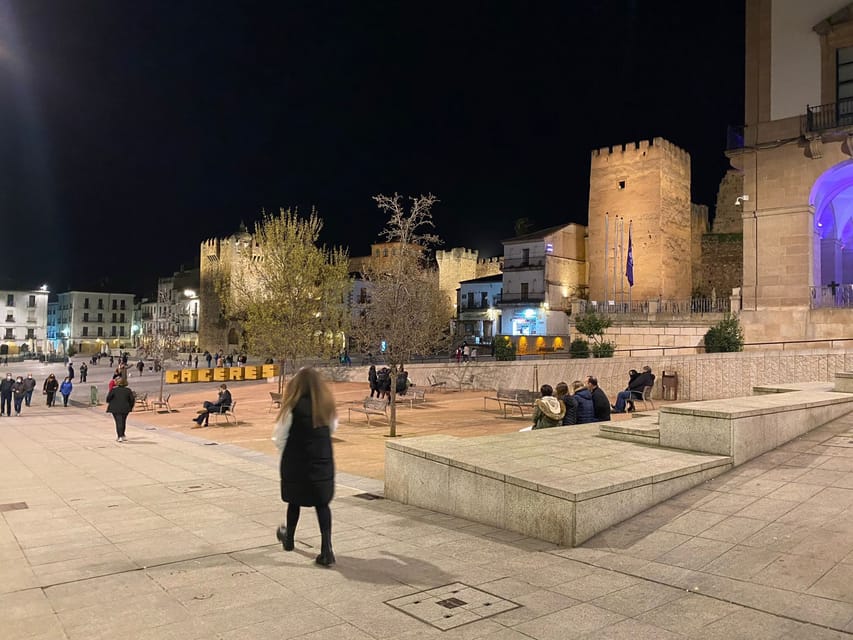
The tour includes a live guide speaking Spanish. The tone tends to be approachable and animated, and you’ll likely hear enthusiastic commentary about Cáceres as a hometown-level pride topic. One name that stood out in recent experiences is Javier, described as enthusiastic about his birthplace and professional in delivery.
Even when you don’t follow every word, good guide communication still helps you track what matters: which buildings you should look at closely, what architectural terms mean, and what to notice in each square.
For the best experience, use a simple strategy: listen for the proper names. Places like Arco de la Estrella, Plaza de Santa Maria, San Francisco Javier, and Palacio de las Veletas act like anchors. Once you connect those anchors, the rest of the story lines up.
Who this tour suits best (and who might want a different option)
I think this tour is ideal if you:
- Want a focused introduction to Cáceres’ walled old town in about 90 minutes
- Like seeing a mix of exteriors and at least two interior stops (Carvajal Palace and House of the Becerra)
- Enjoy architecture plus practical explanations, especially the cistern and medieval water storage element
- Prefer an organized route with a guide leading you through gate-to-square-to-palace flow
It may be less ideal if you:
- Don’t speak Spanish and don’t have a way to translate key points on the fly
- Need long, unhurried time inside multiple interiors (since it’s designed to cover a set circuit)
The best match is the traveler who wants a strong first-orientation tour that also leaves you with places you’ll recognize later on your own.
Tips to make the most of your 1.5 hours
A short tour can feel intense if you come unprepared. Here are practical ways to enjoy it more:
- Arrive a few minutes early at Plaza Mayor so you start calmly
- Bring comfy shoes for cobbled medieval streets and uneven historic surfaces
- If you care about interiors, plan to arrive ready to move quickly once you’re inside
- Carry a lightweight layer. Old stone streets can change how you feel from sun to shade
Also, remember this is a guided circuit. If you try to wander off to take extra photos in the middle of the narrative, you might miss the connections your guide makes between squares and power.
Should you book this Cáceres City Highlights tour?
I’d book it if you want a smart-value walk that combines medieval walls, iconic gates, major squares, and two included interior entries. At around $11 and with Carvajal Palace and House of the Becerra ticketed, you’re paying for access and interpretation, not just scenery.
I would skip or reconsider if Spanish is a problem for you, because the tour is conducted in Spanish and the storytelling is part of the payoff. Otherwise, this is the kind of short, well-structured introduction that helps you understand Cáceres quickly, then enjoy it on your own for the rest of the day.
FAQ
FAQ
How long is the Cáceres City Highlights Walking Tour?
It lasts about 1.5 hours.
Where do I meet the guide?
Meet at Plaza Mayor, next to the municipal tourist information office.
Is the tour guided or self-guided?
It’s a live guided tour with a local guide.
What language is the tour in?
The tour is in Spanish.
What sites does the tour include tickets for?
Entry to the Carvajal Palace and the House of the Becerra is included (where open).
Is there a discount on the Co-Cathedral of Cáceres?
Yes. The tour includes a 20% discount on entry to the Co-Cathedral of Cáceres.
What’s not included in the ticket price?
Food and drinks are not included.
Can I cancel for a refund?
Yes. Free cancellation is available up to 24 hours in advance for a full refund.
Is the tour wheelchair accessible?
Yes, it’s listed as wheelchair accessible.
What time of year or day is this good for?
It’s designed as a short highlights tour, and you can check starting times for availability.
Who runs the tour?
The tour is carried out by Official Tourism Guides of Extremadura, professionals authorized by the administration.