REVIEW · ANDALUCIA
Cazorla: Tour and Tasting at 1 of the Largest Oil Factories
Book on Viator →Operated by OLEOTOUR CAZORLA, CENTRO TEMÁTICO · Bookable on Viator
Olive oil starts as a tree, not a bottle. At Oleotour Cazorla, you tour a major olive-oil cooperative and add an oil tasting, and I especially like how guide Laura links cultivation to flavor and how the visit includes both production spaces and the Designation of Origin side of the business. The only drawback: it’s a working facility, so this isn’t the move if you’re only after pretty scenery and photos.
You’re looking at about 2 to 2.5 hours, in English, and you can keep everything simple with a mobile ticket. You’ll leave with a clearer sense of how olive oil becomes a product you can actually choose with your senses, not just a label.
In This Review
- Key highlights to look for
- Oleotour Cazorla: a factory visit where the details matter
- Price and timing: good value for a 2–2.5 hour experience
- Starting with Natural Park Sierras de Cazorla and the olive tree story
- Inside the cooperative: patios, origin standards, and packaging
- Museum/Oil Mill + the gardens: learning without feeling trapped
- The tasting session: smell, taste, color, and what to listen for
- Group setup, language, and what to expect day-of
- Who this tour suits best (and who might not love it)
- Should you book Oleotour Cazorla?
- FAQ
- How long is the Oleotour Cazorla experience?
- What does the tour cost?
- Is the tour offered in English?
- What’s included in the experience?
- Where does the tour start?
- Do I get a mobile ticket?
- Is free cancellation available?
- Are service animals allowed?
Key highlights to look for
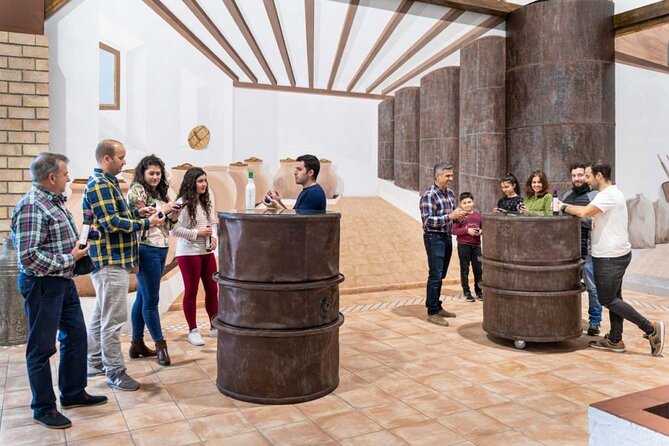
- A real co-op tour, not a museum-only stop: you see multiple parts of the operation inside the cooperative.
- Laura’s hands-on explanation: she ties the cultivation, extraction, and production story together with examples.
- Tasting built around senses: smell, taste, and even color differences are part of the session.
- More than just oil tanks: the visit includes a museum/oil mill and gardens with 60+ native plant varieties.
- Andalusia + a cultural nod: there’s a themed photo area connected to the Cazorla International Blues Festival.
- Private to your group: it’s described as a private activity with only your group participating.
Oleotour Cazorla: a factory visit where the details matter

This tour works because it treats olive oil like a process, not a trivia topic. You start with the olive tree’s role in local culture, then you step into the spaces where olives get turned into oil, packed, and presented with official origin standards.
What I like most is that the day doesn’t just point at equipment. It helps you connect what you’re seeing—patios, buildings tied to origin, production areas, and the museum/oil mill—to what you’ll smell and taste during the tasting.
The setting is also practical. You’re in Jaén province, in the Cazorla area, where olive oil is a daily reality. If you enjoy food culture, you’ll get more out of this than if you only want a quick stop for something local.
You can also read our reviews of more tours and experiences in Andalucia.


Price and timing: good value for a 2–2.5 hour experience

At about $24.20 per person for a 2 to 2.5 hour guided experience, this sits in the sweet spot for a half-day activity that doesn’t eat your whole afternoon. You’re not just watching a slideshow or buying a tasting flight and calling it done.
You also get a structured visit at a specific meeting point: Oleotour Cazorla – Cata Aceite (aove) + Visita Guiada Almazara + Museo en la Cooperativa Aceites Cazorla. That matters because you can arrive, get going right away, and stay focused on the experience instead of hunting down logistics.
One thing to plan for: it’s offered in English, so if you prefer Spanish, you may want to double-check language availability at booking. For most people, the format is simple and straightforward.
Starting with Natural Park Sierras de Cazorla and the olive tree story
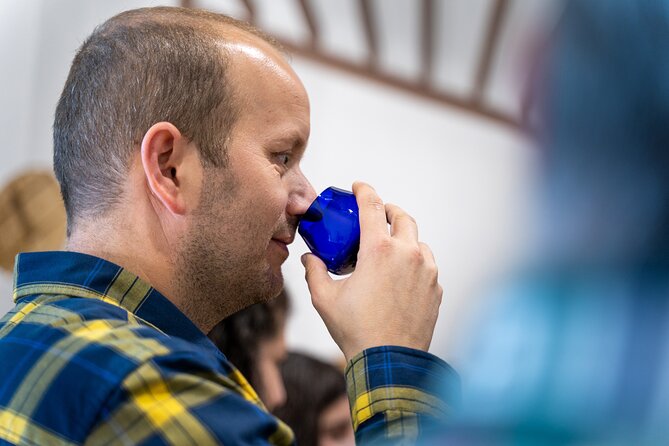
The tour begins with Natural Park Sierras de Cazorla, where the olive tree isn’t an abstract concept. You get the culture and history of the olive tree in the region, then you link that to what makes olive oil production possible.
This is a key part of the value. When you understand where the crop comes from—how it’s grown and what the local culture expects from it—you taste with better context later. Otherwise, tasting can feel like random samples.
In the first stop, you’re also setting expectations for the rest of the visit. You’ll be moving through a cooperative’s spaces, and the tour frames what you’ll see as part of the broader olive-oil chain, from tradition to extraction to packaging.
Inside the cooperative: patios, origin standards, and packaging
After the initial cultural grounding, you enter the cooperative facilities where the process becomes physical.
You’ll visit areas including:
- Reception patios
- A Designation of Origin building
- A packaging plant
- A museum/oil mill area
- Gardens with 60+ native plant varieties
- A themed photocall linked to the Cazorla International Blues Festival
Here’s why these specific stops are more useful than they first sound.
The Designation of Origin building gives you the logic behind labels and official standards. It’s the difference between buying olive oil like a lottery ticket and buying it with a sense of what the product is trying to represent.
The packaging plant helps you understand the jump from oil to product you can bring home. Even if you’re not manufacturing anything yourself, it makes the whole pipeline feel real, not hypothetical.
And the fact that the tour includes reception patios and gardens means it doesn’t feel like you’re trapped in industrial rooms the entire time. You get pauses, variety, and visual breaks that help the story stick.
Museum/Oil Mill + the gardens: learning without feeling trapped
One of the smartest choices in this experience is balancing production spaces with softer learning areas.
The tour includes the Museum/Oil Mill, which gives you a chance to slow down and connect the modern operation to older methods and the broader olive-oil identity of the region. If you like food history tied to real practice, this tends to click.
Then there are the gardens with more than 60 varieties of native plants. Even if you’re not a plant-nerd, gardens matter here because they reinforce the idea that olive oil is part of a living ecosystem, not a one-step process.
The themed photocall connected to the Cazorla International Blues Festival is the lighter touch. It’s a reminder that this co-op isn’t just an industrial space—it’s also part of local life and events.

The tasting session: smell, taste, color, and what to listen for

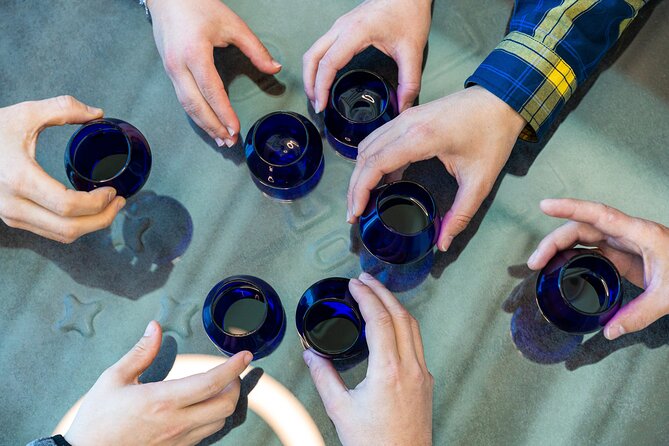
The tasting is where the tour earns its reputation. The experience is built around Cata Aceite (aove), and the guidance aims to teach you what olive oil differences look like in your own senses.
From what’s repeatedly praised, this isn’t a vague “try it and guess.” The session helps you notice:
- Smell differences
- Taste differences
- Color differences
So how do you actually get more from it?
Bring your attention back to comparisons. When you try each sample, pause and think: does it smell more grassy, more fruity, more intense, more mellow? Then match that to taste and color. If you do that, you’ll leave feeling like you can choose olive oil later, not just remember that you had a tasting.
This is also where guide Laura shines in the way people describe her. She’s credited with explaining cultivation, extraction, and production details in a way that stays practical, plus sharing anecdotes that make the steps easier to understand. If you enjoy learning while you snack, you’ll probably love this part.
Group setup, language, and what to expect day-of
This is a private tour/activity for your group, so you should expect a calmer pace than a big bus crowd. That’s a real quality-of-life point for a facility tour, because you’ll be able to ask questions and move together without everyone getting shuffled.
The experience is offered in English, and you should expect confirmation at booking time. A mobile ticket is part of the setup, which keeps things simple when you’re arriving on foot or by short local transport.
Duration is typically 2 to 2.5 hours, which is enough time to cover the main production areas, see the museum/oil mill and gardens, and still make space for tasting.
If you’re someone who gets impatient in tours, this one is usually a good match because it stays tied to a clear story: olive tree → cooperative spaces → oil making → sensory tasting.
Who this tour suits best (and who might not love it)
I’d book this if you:
- Like food-focused travel that connects culture to production
- Want to understand how olive oil goes from tree to bottle
- Enjoy tastings where someone teaches you what you’re tasting
- Prefer a guided walk through real facilities instead of a generic souvenir stop
I’d think twice if you:
- Only want a quick overview and dislike factory-style visits
- Don’t care about oil-related education or sensory comparisons
- Need a very flexible schedule, since it runs as a structured guided experience
If you’re in Andalusia and you’re already curious about Jaén olive oil, this is one of those experiences that turns curiosity into real knowledge you can use.
Should you book Oleotour Cazorla?
Yes—if you want to leave Cazorla with more than memories. This is a value-packed $24.20 guided visit that gives you both a tour of cooperative spaces and a guided tasting built around smell, taste, and color. The repeated praise for Laura makes sense here: the experience works when someone can connect the steps to what ends up in your glass.
The main reason to skip would be if you’re not interested in the process. This isn’t just about buying olive oil; it’s about understanding it. If that’s your goal, book it and go with a curious mindset—you’ll get a lot more out of the tasting than you expect.
FAQ
How long is the Oleotour Cazorla experience?
It runs about 2 hours to 2 hours 30 minutes.
What does the tour cost?
The price is listed as $24.20 per person.
Is the tour offered in English?
Yes, it’s offered in English.
What’s included in the experience?
The experience includes admission to the cooperative tour areas, a guided visit through the cooperative (including the oil mill/museum), and an olive oil tasting (Cata Aceite).
Where does the tour start?
The meeting point is Oleotour Cazorla – Cata Aceite (aove) + Visita Guiada Almazara + Museo en la Cooperativa Aceites Cazorla, at CTRA DE PEAL DE BECERRO A CAZORLA KM 10, 5, 23470 Cazorla, Jaén, Spain.
Do I get a mobile ticket?
Yes, the experience includes a mobile ticket.
Is free cancellation available?
Yes. You can cancel up to 24 hours in advance for a full refund.
Are service animals allowed?
Yes, service animals are allowed.