REVIEW · CUENCA
Cuenca: Medieval Old Town
Book on GetYourGuide →Operated by CUENCA VIAJES · Bookable on GetYourGuide
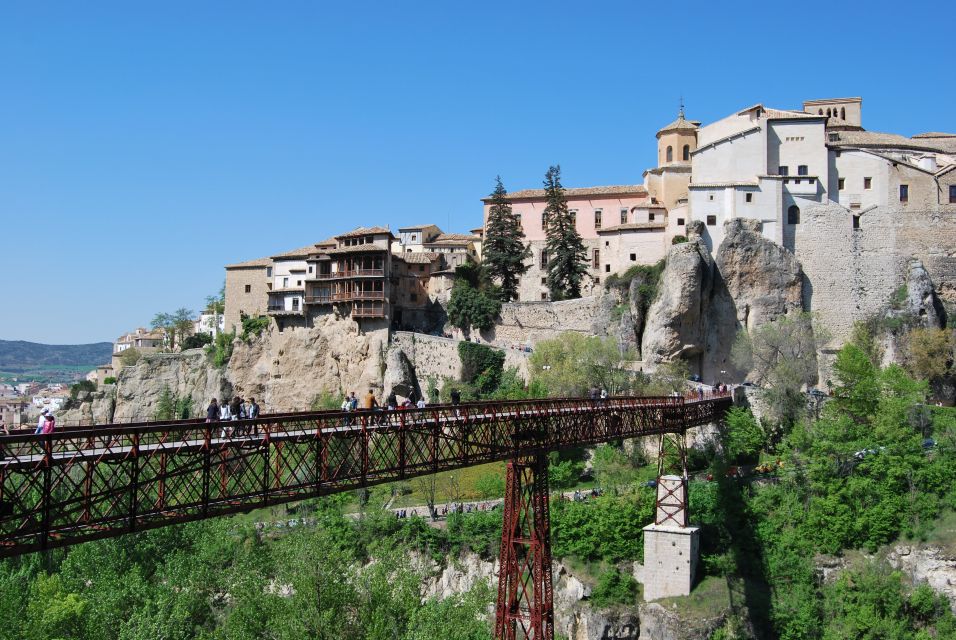
Cuenca looks like it refuses gravity. This guided walk through the UNESCO-listed medieval center is all about seeing how Cuenca got perched so high above the Júcar and Huécar gorges—and why the architecture feels almost unreal. You’ll follow a Spanish-speaking guide through tight lanes where every viewpoint and doorway has a story.
I especially love the close-up look at the hanging houses and that implausible design you can’t stop staring at. I also like how the tour builds in real time for panoramic gorge views, so you’re not just reading plaques—you’re seeing the cliffside setting that made the city possible.
One thing to keep in mind: this tour is only in Spanish, and the walking is not suitable for people with mobility impairments or wheelchair users. It’s also a 2-hour format, so if you’re hoping for nonstop wandering, you’ll want to pay attention to where the guide stops and why.
In This Review
- Key moments you’ll remember
- Why Cuenca’s medieval old town feels like a real-life puzzle
- Meeting point and pacing: getting oriented in 2 hours
- Spanish-only guiding: what you gain with a local like Ángela and Raúl
- The hanging houses: where Cuenca stops looking like a postcard
- Gorge views over the Júcar and Huécar rivers (and how to not miss the best angle)
- The 16th-century height story: 12 stories on a cliffside city
- Ecclesiastical architecture and the main monuments: why the guide’s route matters
- Value check: is $10 per person a smart use of time?
- Who should book this Cuenca medieval old town walk
- Should you book Cuenca Medieval Old Town?
- FAQ
- What language is the tour conducted in?
- How long is the Cuenca Medieval Old Town tour?
- How much does the tour cost?
- Where is the meeting point?
- How do I recognize the guide?
- Is pick-up service included?
- Is the tour accessible for wheelchair users or mobility impairments?
- What time should I arrive at the meeting point?
- Can I cancel and get a refund?
- Can I reserve without paying right away?
Key moments you’ll remember
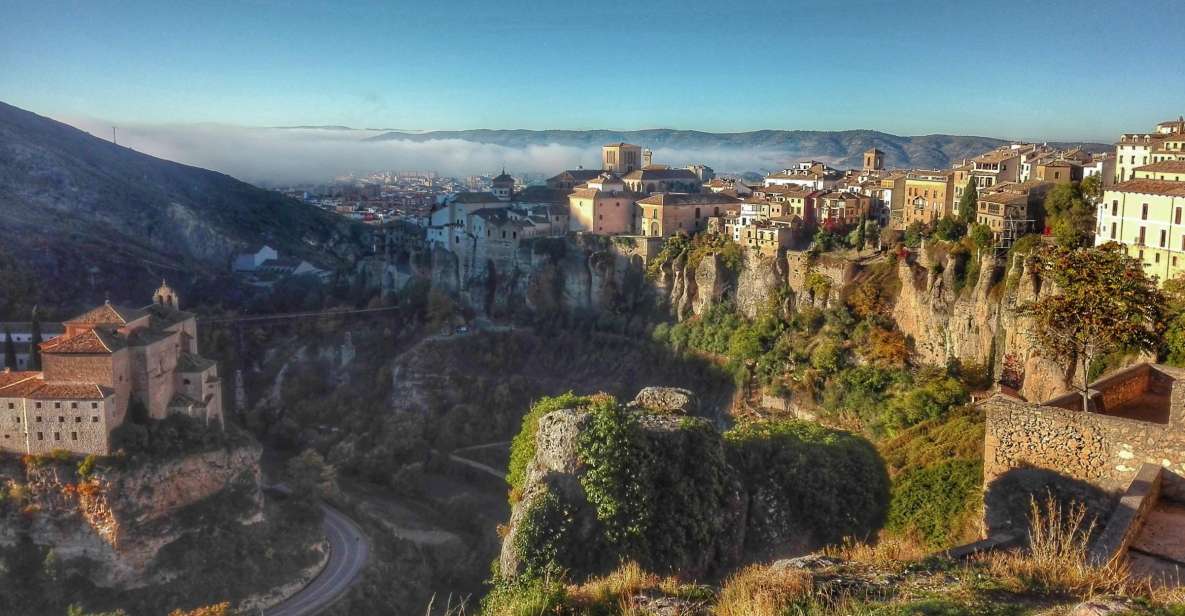
- The Eagle’s Nest setting: Cuenca sits on rock, with slopes dropping into deep gorges of the Júcar and Huécar rivers.
- Hanging architecture: you get up close to the dramatic and frankly strange-looking houses and structures.
- Panoramic viewpoints: you’ll see broad views over the river gorges, not just street-level scenery.
- A UNESCO medieval town walk: the old town was recognized as a World Heritage Site in 1996.
- A 16th-century height record: you’ll hear the story of the highest apartment buildings in Europe in the 1500s, said to reach 12 stories.
Why Cuenca’s medieval old town feels like a real-life puzzle
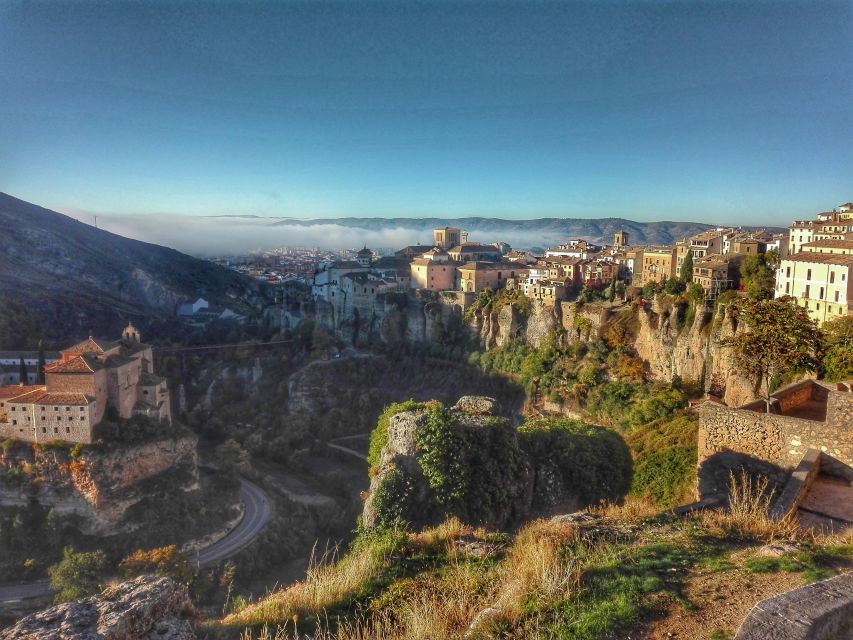
Cuenca’s medieval center has a “how did they build this?” vibe from the first turn. The city is perched on natural rock, and the slopes fall away into deep gorges shaped by the Júcar and Huécar rivers. That dramatic setting is the backbone of everything you’ll see on the tour.
UNESCO status matters here because Cuenca isn’t just old—it’s old in a way that makes sense. The streets, elevations, and the famous hanging structures were shaped by the cliffside terrain. A guided walk helps you connect these dots fast, especially if you don’t have a map in your head yet.
If you like architecture that looks engineered more than styled, Cuenca delivers. And if you like views—real ones with depth and distance—this place is built for them.
Meeting point and pacing: getting oriented in 2 hours
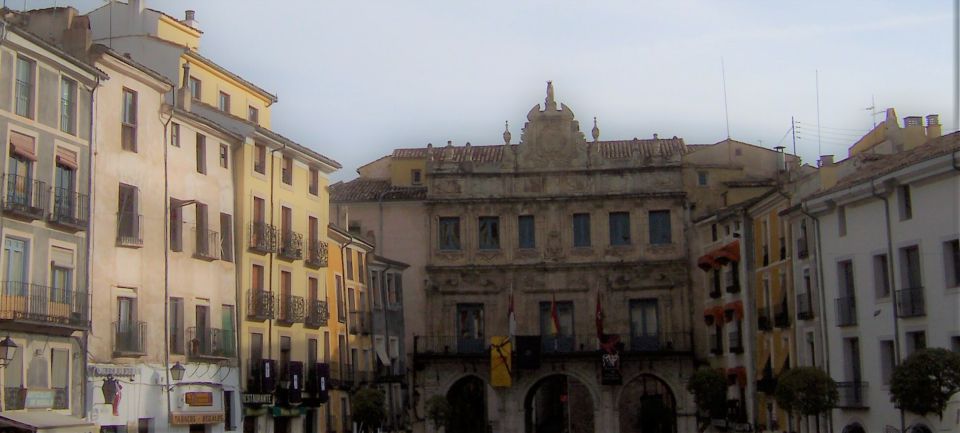
The tour starts just below the arches of Cuenca City Hall, next to the tourist office. You’re looking for guides wearing a red uniform, so it’s hard to miss them once you’re there. I’d show up about 5 minutes early so you don’t end up stressed while the group forms.
With only 2 hours, the pacing is intentional. You’ll cover the old town by foot and hit the main historic sights, but it won’t feel like a slow, linger-all-day walk. That can be a plus if you want structure and context, and a drawback if you prefer to roam at your own speed.
Also, the tour includes time for viewpoints. That means you’ll sometimes pause, look, listen, then move again. If you’re the type who hates stopping—no judgment—just know that the best views require a moment to stand still.
Spanish-only guiding: what you gain with a local like Ángela and Raúl
This tour runs with a live guide in Spanish. That’s a big deal, not a footnote. If you’re comfortable with basic Spanish, you’ll likely enjoy the stories about Cuenca’s layout, architecture, and daily-life history as you walk. If your Spanish is weak, you may still follow the sights, but you’ll miss part of the point.
The guide quality is a standout. In the feedback, Ángela comes up as professional and friendly, including for families traveling with a baby in a stroller. Raúl also gets strong mentions for handling a larger group smoothly and still getting people where they need to go. One highlight from a guide style note: Marion’s guide is described as very detailed and funny, with dry humor.
So what should you do if your Spanish is mid-level? Don’t try to translate word-for-word. Use the guide for direction and meaning: what you’re looking at, why it’s there, and how it connects to the cliffside city design.
The hanging houses: where Cuenca stops looking like a postcard
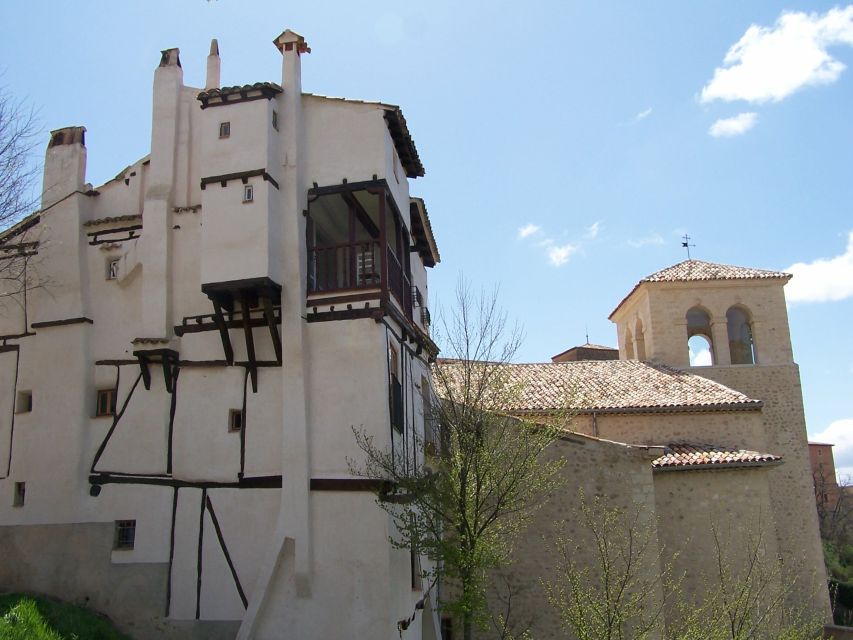
The signature highlight is the hanging architecture—those buildings that seem to float or cantilever over the gorge. From street level, you can understand the scale. Up close, you’ll see why they feel so implausible: the structures project dramatically while the city sits high above the river valleys.
This is where the guided part matters. Without context, you might just take photos and move on. With a guide, you get the explanation tied to Cuenca’s setting and the medieval logic of building in a steep, rocky environment. The result is more than visual: it turns into a better “why” story.
I love that the tour focuses on the architecture itself, not just the fact that it exists. You’re not only told they’re famous—you’re guided to notice what makes them special.
And yes, this is also the easiest area to oversimplify. Don’t rush past it. Slow down for the details you can’t capture in one frame: angles, overhang lines, and how the structure interacts with the narrow lanes.
Gorge views over the Júcar and Huécar rivers (and how to not miss the best angle)
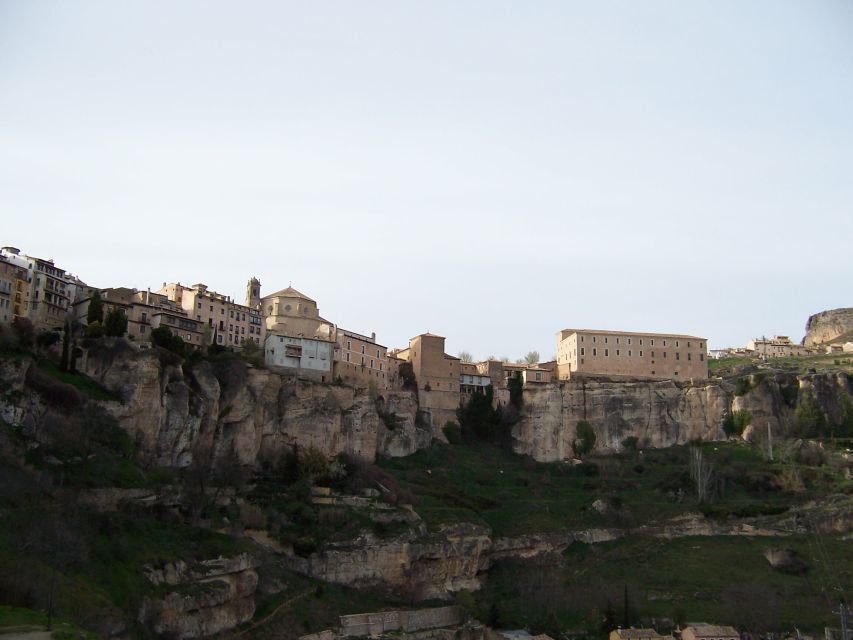
Cuenca’s setting is extreme, and the tour makes sure you see it. You’ll get panoramic views over the deep gorges carved by the Júcar and Huécar rivers. This part is the emotional payoff of the walk—because once you see the drop and the river line, the city’s design stops being theoretical.
Here’s a practical consideration: one piece of feedback pointed out that crossing a bridge was important for the best view of the old town. That doesn’t mean the tour always skips it, but it is a good reminder. If a viewpoint matters most to you, keep an eye on the route the guide chooses and ask, politely, if the group will stop at the angle with the clearest view.
For taking photos, bring your patience. The best views are where you stand a moment, adjust, shoot, then wait for the group to re-form. If you try to do it all at once, you’ll feel rushed.
Also, the city’s elevations are part of the experience, so plan your footwear like you’re on a medieval street: firm soles and comfort first.
The 16th-century height story: 12 stories on a cliffside city
One of Cuenca’s most striking historical notes is the idea that the city once held the highest apartment buildings in Europe in the 16th century—said to reach 12 stories. Even if you don’t know the exact building name going in, you’ll get the picture: Cuenca wasn’t only defensive or religious. It had serious urban ambition.
Why this matters for you on a 2-hour tour: it reframes the whole walk. When you’re staring at narrow streets and dramatic structures, it’s easy to think the city is only about surviving in a tough place. The “12 stories” story adds the human side—housing demand, vertical growth, and how a cliffside city found ways to pack people in.
Pair that with the tour’s focus on ecclesiastical architecture—its churches and religious buildings—and you get a fuller city portrait. Not just homes hanging over the gorge, but the places that organized community life around faith and ceremony.
Ecclesiastical architecture and the main monuments: why the guide’s route matters
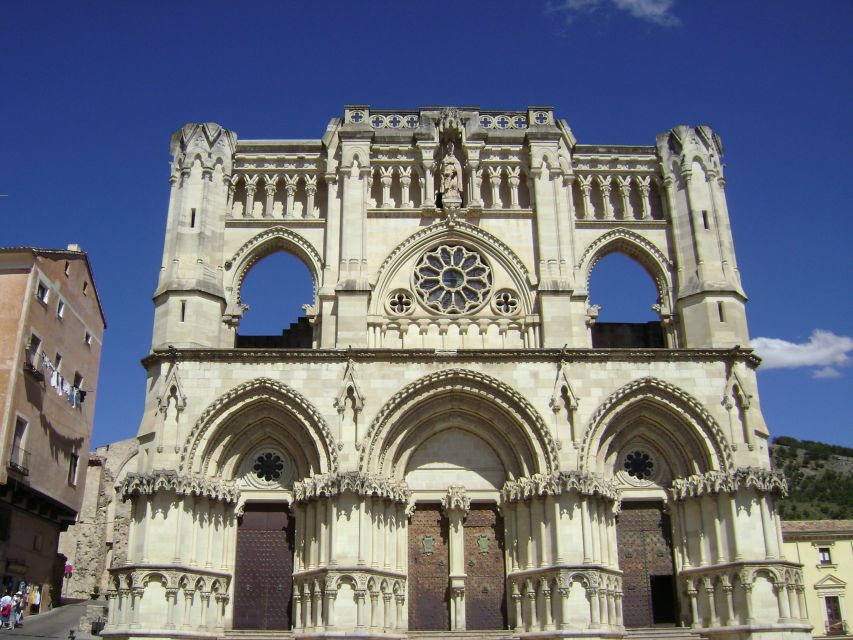
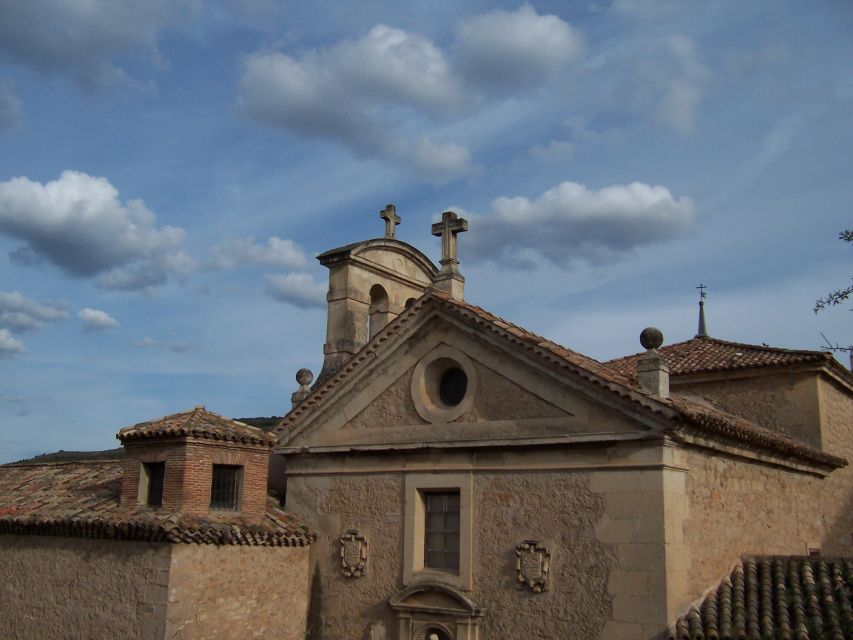
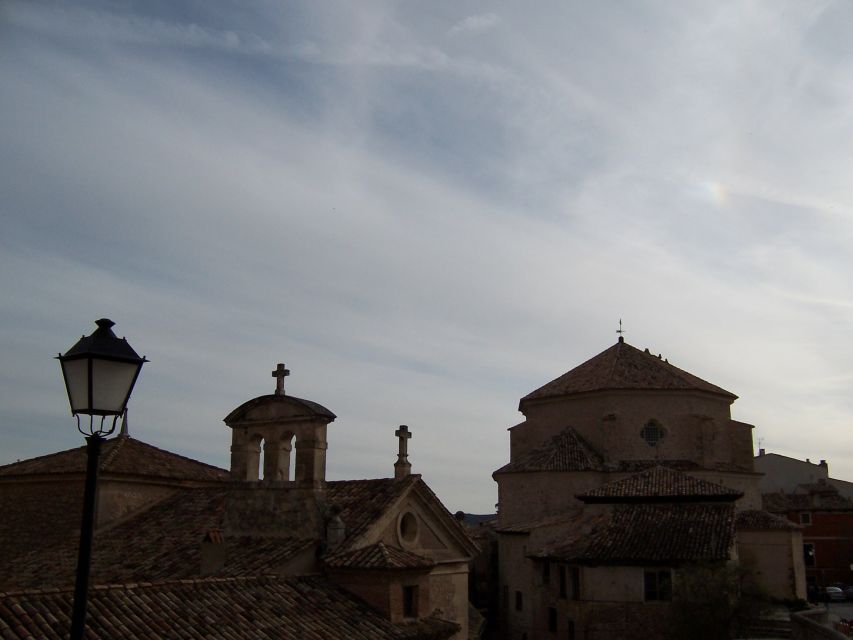
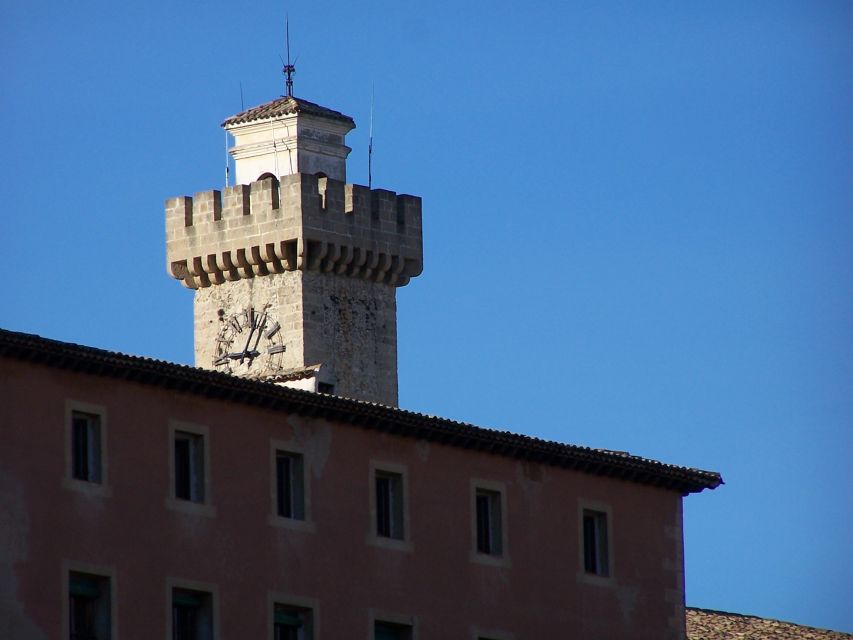
The tour is designed to show the main monuments of Cuenca’s UNESCO old town, and you’ll also see splendid ecclesiastical architecture along the way. This kind of stop isn’t only about admiring stonework. It’s about context: Cuenca’s medieval design wasn’t random. Religious buildings were anchors in the social and visual map of the city.
A good guide doesn’t treat these stops like a checklist. Instead, you’ll connect how the religious sites sit within the city’s elevation changes and tight lanes. In a place like Cuenca, the streets funnel your attention. The guide helps you understand why the city looks the way it does and why people built the way they did.
Potential drawback: with a short 2-hour format, there can be a lot of explanation per stop. One concern raised in feedback was that some time felt spent standing with stories that didn’t add enough. That’s not a guaranteed issue, but it’s a good mindset: listen for details you can apply to what you’re seeing—then you’ll get far more out of it.
Value check: is $10 per person a smart use of time?
$10 per person for a 2-hour guided walk in a UNESCO medieval center is strong value, mainly because you’re paying for direction plus interpretation. You’re not just buying access to a view—you’re buying a local Spanish-speaking guide to help you read the city quickly.
Think about what you would do on your own. You could wander the old town and find hanging architecture, sure. But you’d likely spend extra time figuring out what matters, where the best angles are, and how the city’s story connects—especially with the steep, maze-like layout.
At this price point, the gamble is mostly the language. If you don’t read Spanish well, you’re essentially paying for a sight route more than for the full narrative. If Spanish is workable, you’re getting a compact, high-impact introduction to Cuenca’s medieval identity.
Who should book this Cuenca medieval old town walk
This tour fits best if you want:
- Architecture focus: hanging houses and dramatic cliffside building design.
- Views with context: panoramic stops over the Júcar and Huécar gorges.
- A structured 2-hour route that doesn’t require planning every turn.
It also seems friendly to families. One comment described a smooth experience for a one-year-old traveling in a stroller, which suggests the guide and group management can work in real-life situations. Still, the tour is not suitable for wheelchair users or people with mobility impairments, so it’s better to treat accessibility as a firm limitation.
If your Spanish is limited, you’ll need to decide how much you care about the story vs the sights. The architecture and views are the main visible rewards, but the guide’s narration is part of what makes the tour feel complete.
Should you book Cuenca Medieval Old Town?
I’d book it if you like medieval architecture, want the gorge views without the guesswork, and you’re comfortable with Spanish-only guiding. The $10 price for a live guide makes it an easy decision if you’re trying to get the key ideas of Cuenca quickly.
I’d skip or reconsider if you need step-free accessibility, rely on a wheelchair, or want a language option in English. Also, if you hate pauses and long explanation, remember this is a guided UNESCO walk where stopping to listen is part of the format.
If you do book, go with a simple goal: notice how Cuenca’s cliffside setting shapes the houses, the religious buildings, and even the idea of 12-story apartment height in the 1500s. You’ll come away with a much clearer picture of why this city looks the way it does.
FAQ
What language is the tour conducted in?
The tour is only conducted in Spanish.
How long is the Cuenca Medieval Old Town tour?
It lasts 2 hours.
How much does the tour cost?
The price is $10 per person.
Where is the meeting point?
Meet just below the arches of Cuenca City Hall, next to the tourist office.
How do I recognize the guide?
Look for guides wearing a red uniform.
Is pick-up service included?
No, pick-up service is not included.
Is the tour accessible for wheelchair users or mobility impairments?
No. It is not suitable for people with mobility impairments or wheelchair users.
What time should I arrive at the meeting point?
Please arrive at least 5 minutes before the scheduled starting time.
Can I cancel and get a refund?
Yes. You can cancel up to 24 hours in advance for a full refund.
Can I reserve without paying right away?
Yes. You can reserve now and pay later.