REVIEW · DENIA
Dénia: Cova Tallada kayak trip
Book on GetYourGuide →Operated by Alicante Aventura · Bookable on GetYourGuide
This trip pairs easy-on-water paddling with a proper cave visit at Cova Tallada, so you get a rare mix of sun, swimming, and geology in one outing. I like the small-group feel and the way the double self-bailing kayaks keep things manageable, even when the sea has a little attitude.
Two things stand out for me: the cave interior itself, with its carved stone features and water trickling through stalactites, and the fun of stopping to snorkel and swim where you can actually see fish. The one drawback to keep in mind: you need real comfort in the water and on a kayak. If you’re prone to seasickness, or you don’t swim confidently, this isn’t the right match.
In This Review
- A practical way to see the Dénia–Jávea cliffs
- Key points before you go
- Les Rotas to Cova Tallada: why this route works
- Meeting point and parking: don’t lose time with the first walk
- Getting your gear: what’s included (and why it matters)
- The first paddling stretch: photo stops that guide your eyes
- Arriving at Cova Tallada: snorkel first, then explore
- The cave walk: what to expect under headgear
- After the cave: San Antonio cove and the lighthouse stretch
- Price check: how $65 stacks up for what’s included
- Who should book this (and who should skip it)
- Footwear and prep that actually help on the day
- Safety vibe: you’re in motion, but you’re not on your own
- Should you book this Cova Tallada kayak trip?
- FAQ
- How long does the Dénia to Cova Tallada kayak trip take?
- What is the price for the kayak trip?
- What kind of kayak do we use?
- Is snorkelling included?
- Do we need a ticket for Cova Tallada?
- What gear do we get specifically for the cave?
- Where do I meet the group?
- Where can I park before the tour?
- What should I bring?
- What languages does the live guide speak?
- Who is this trip not suitable for?
A practical way to see the Dénia–Jávea cliffs
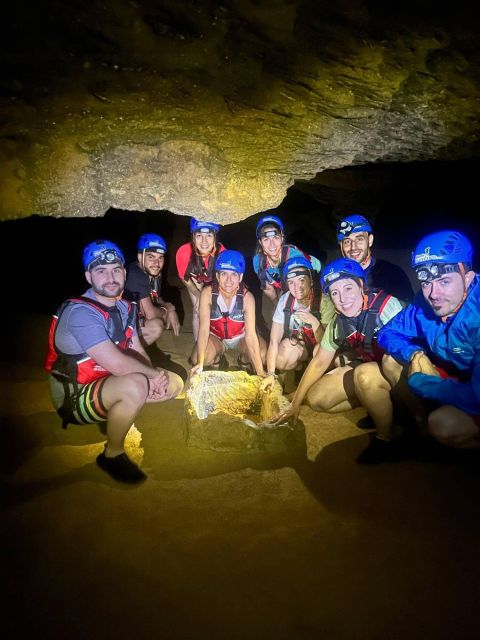
You start at Las Rotas beach, get instructions, then paddle past coves and cliff scenery with quick photo stops before the main event. After the cave, you head onward to San Antonio cove and the lighthouse area before returning to Les Rotas—so it feels like one continuous coastline adventure instead of a single indoor visit.
Key points before you go
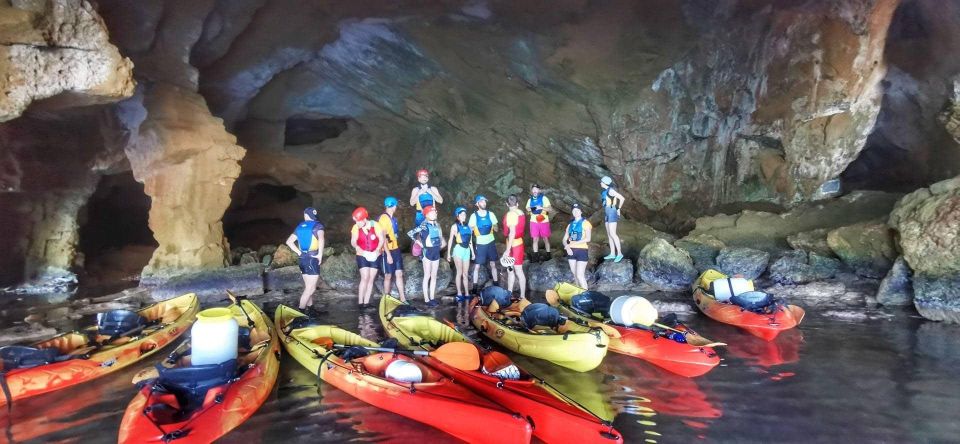
- Three experiences in one: kayaking, snorkel, and cave exploration, all in about 3 hours
- Cova Tallada’s character: a former quarry with carved stone features and filtered-water flow
- Self-bailing, double kayaks: backrest, paddle, and lifejacket make the ride more relaxed
- Good hands on the water: guides like Aaron, Alex, Juan, and Paul get consistent praise for safety and energy
- Plan for traction: rocks can be slick, so wear closed-toe footwear with grip
- You get entry + kit: Cova Tallada ticket, helmet gear, snorkel equipment, and photos are included
You can also read our reviews of more tours and experiences in Denia.

Les Rotas to Cova Tallada: why this route works
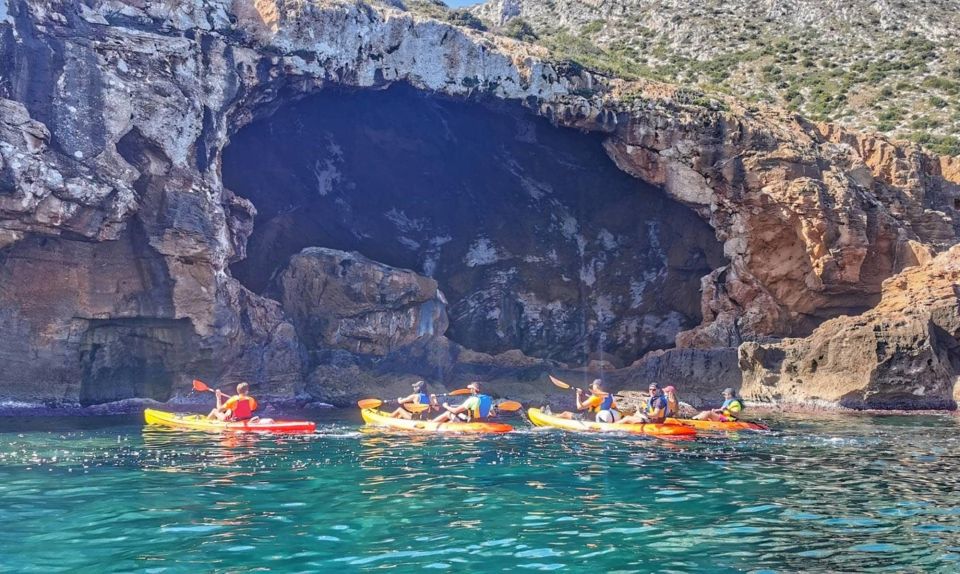
The big appeal here is simple: the coastline between Dénia and Jávea is made for short water adventures, and this one uses kayaking as the “transport” to get you close enough for real swimming. You’re not just looking at cliffs from shore. You’re out there with a guide, moving under your own power, with coves opening up as you paddle.
What I particularly like is how the plan builds in variety without dragging. You spend part of the time getting oriented and cruising, then you land at the cave for a focused block (about an hour) of exploring, photos, and water time. After that, the tour doesn’t abruptly end—it continues along the coast to San Antonio cove and the lighthouse area, giving you a full arc to the outing.
Meeting point and parking: don’t lose time with the first walk
The tour starts at the Las Rotas beach meeting point, in front of Ca Nano restaurant. Guides wear bright orange Alicante Aventura shirts, so spotting them is usually straightforward.
Here’s the practical part: you park at Carretera Provincial del Barranc del Monyo, 96, then walk about 10 minutes (around 800 meters) to the meeting point. Bring only what you’ll need for the route; leave the rest in the car, because you don’t want to juggle bags while you’re trying to get ready.
One more timing point that matters: arrive about 15 minutes early. There’s a short courtesy wait, and after that the guides have to depart. So if you’re the type who “can still make it,” this is your moment to be punctual.
Getting your gear: what’s included (and why it matters)
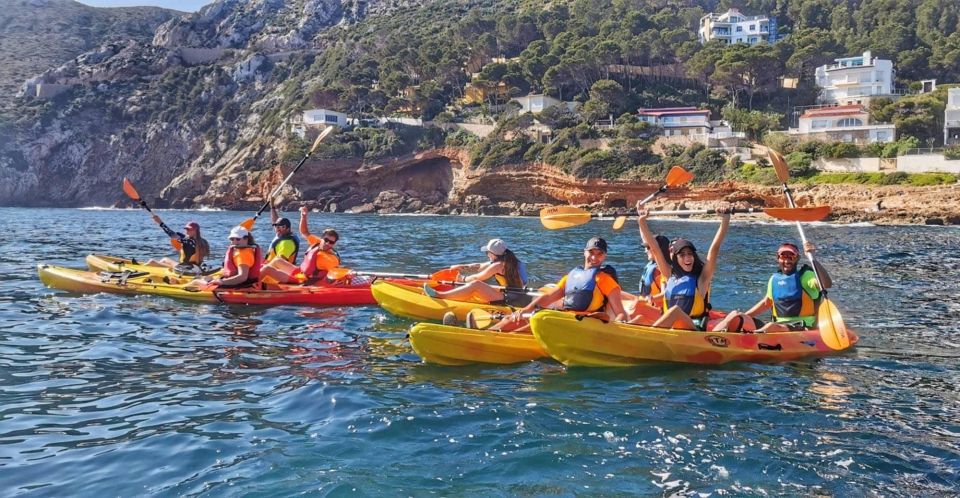
Once you meet the group, you’ll get set up with equipment designed for comfort and safety:
- Double self-bailing kayaks with backrests
- Paddle and lifejacket for each participant
- Watertight jerry cans so you can carry small personal items without worrying as much
- Snorkelling equipment
- Helmet and the required front for the Cova Tallada portion
- Photos of the activity
- Your entry ticket for Cova Tallada
- Personal accident insurance for each participant
The self-bailing feature matters more than it sounds. It helps the kayak handle small amounts of water, so the trip feels less stressful. And the helmet and head gear for the cave portion means you’re not improvising. You show up, get suited, and focus on the experience rather than logistics.
The first paddling stretch: photo stops that guide your eyes
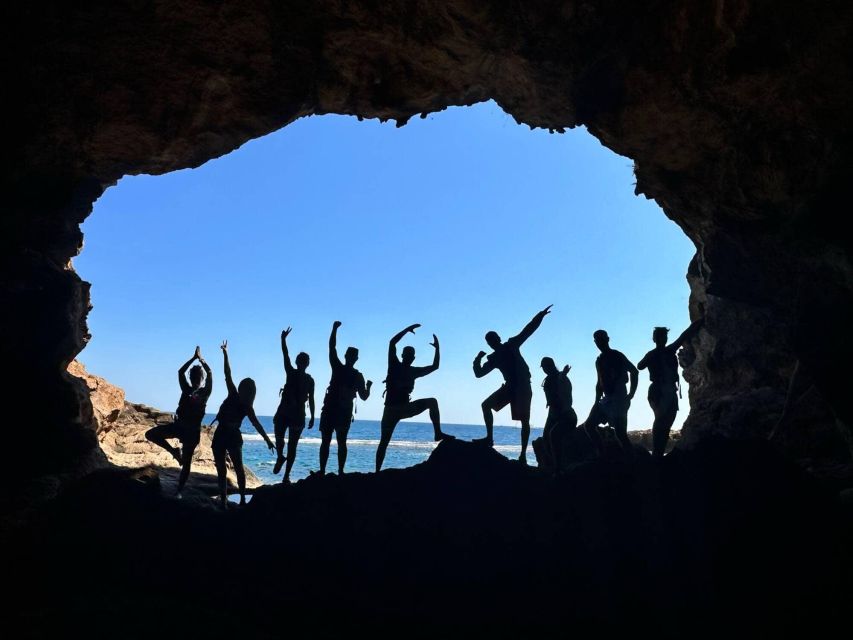
You don’t jump straight into the cave. You ease into the water with a short paddling section from the Dénia side.
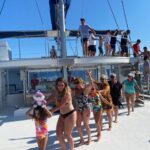
After instructions on the beach, you paddle for about 20 minutes along cliffs and coves. Along the way, you make quick stops that double as waypoints and photo moments, including:
- Cala de Aigua Dolç (about 10 minutes including a photo stop)
- Torre del Gerro (about 10 minutes including a photo stop)
- Mirador Las Rotas (about 10 minutes including a photo stop)
Even if you don’t obsess over photos, these stops help you “read” the coastline. You begin to understand where the cliffs break into smaller coves, and you get a sense of what the cave entrance area looks like from the sea. It’s the kind of pacing that keeps first-timers from feeling rushed and lets you settle into the kayak rhythm.
Also, the timing is worth noting. The early part of the route is long enough to feel like a real paddle, short enough that you don’t arrive to the cave tired.

Arriving at Cova Tallada: snorkel first, then explore
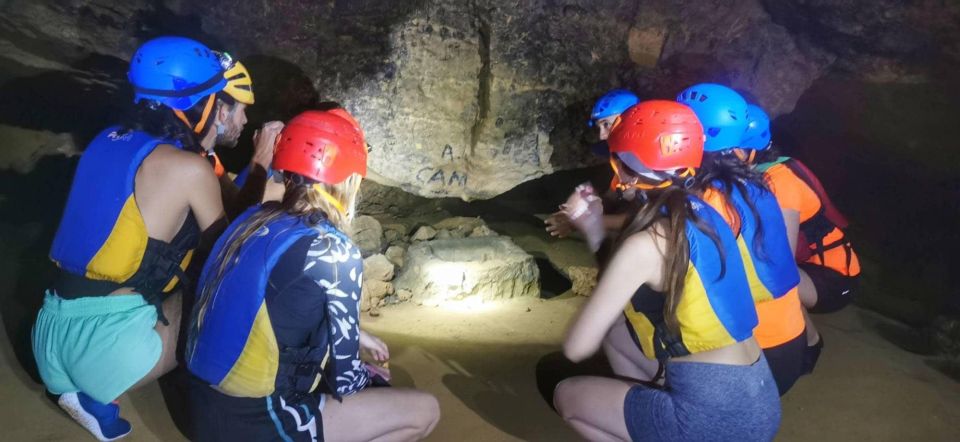
Cova Tallada is the centerpiece, and the way the stop is structured makes it feel efficient without feeling rushed.
After you reach the cave area, you get a break and then shift into the cave program. The total on-site block is about 1 hour, and it typically includes:
- Break time and a photo stop
- A guided tour
- Free time for exploring at your pace
- Walking inside the cave
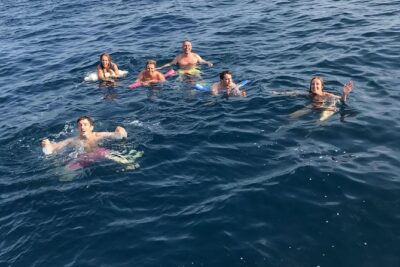
- Swimming and snorkelling time
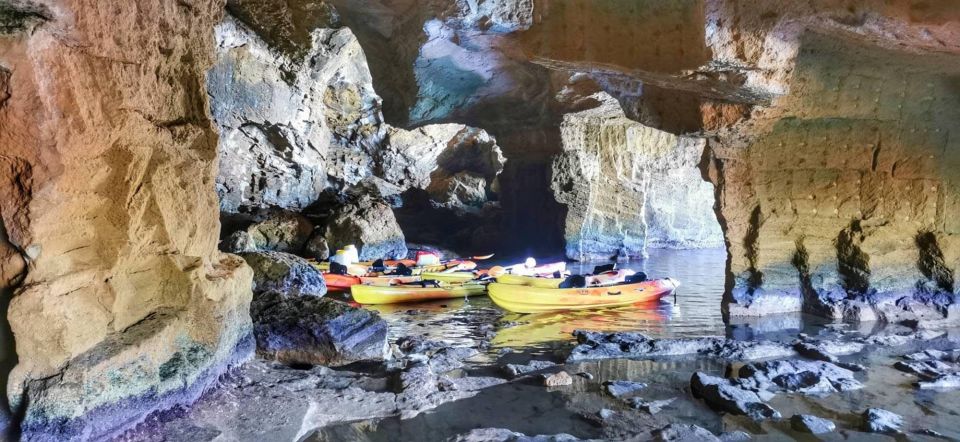
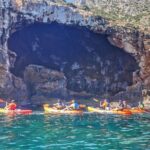
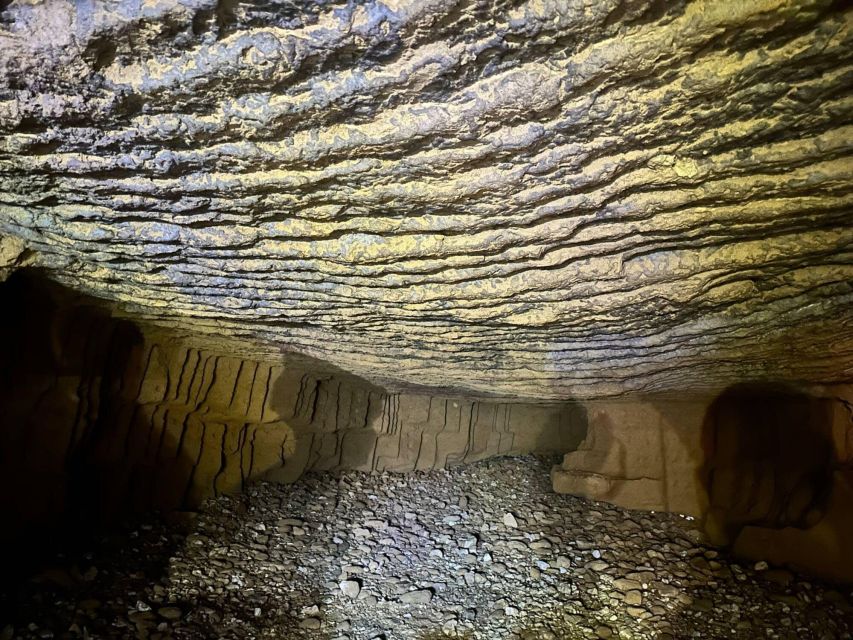
What makes this cave special is what’s going on inside. You’re entering a former quarry that was used for local construction. The interior has cuts in the stone and carved fountains, with water that filters through stalactites. In other words, it’s not just a dark hole in a cliff—it’s a working site that nature and time have shaped into something beautiful.
Snorkelling here is the payoff. You’re in the cave environment where the water feels calmer and sheltered compared to open surf, and that makes it easier to focus on seeing fish and features without fighting every wave.
The cave walk: what to expect under headgear
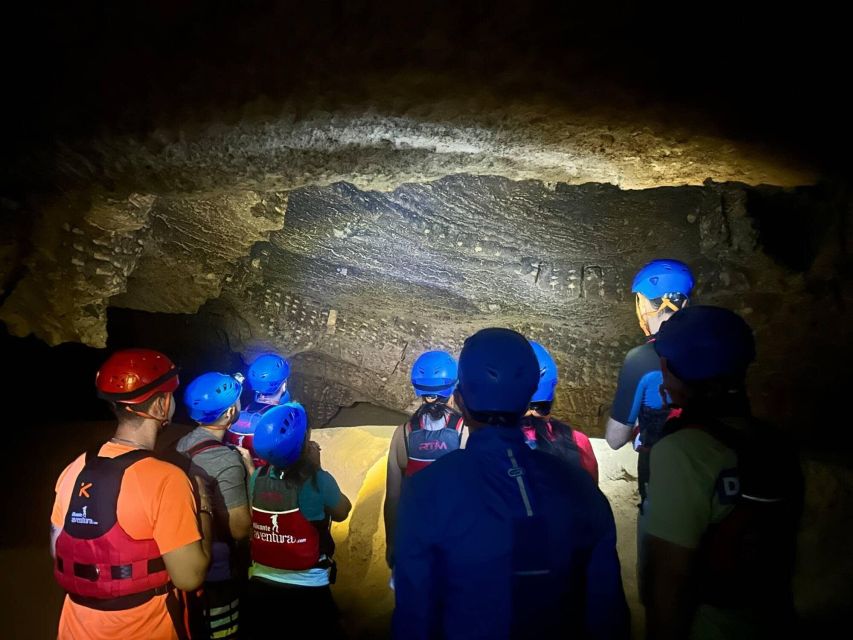
This is also where preparation matters. You’ll use helmet gear designed for the cave setting, which helps you feel safer while moving through the interior areas.
The cave walk is part sightseeing, part getting your bearings in a space that’s naturally uneven. Keep your balance, go slowly, and don’t rush toward the loudest viewpoint. The fun comes from moving at a human pace—pausing for the stone details, then returning to the water when it’s time.
If you tend to get anxious in enclosed or unfamiliar places, don’t panic. The tour format includes guided time plus free time, so you’re not left alone. Still, you should be mentally ready for a cave setting: damp surfaces, uneven footing, and that cave-water smell you’ll learn to associate with Mediterranean adventures.
After the cave: San Antonio cove and the lighthouse stretch
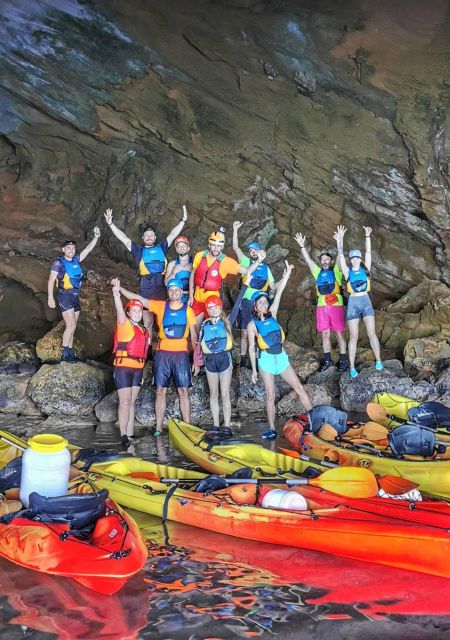
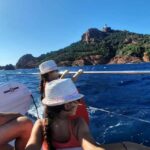
Once you finish at Cova Tallada, you head on to the San Antonio cove and the lighthouse of San Antonio cape before paddling back to Les Rotas.
I like this section because it balances the cave’s closed-in feel. Coming out onto the open water and seeing the coastline spread wider gives your brain a reset. It’s also where you tend to get great views simply because you’re moving along the coast with sea-level perspective.
The experience doesn’t feel like a checklist item. It feels like a coastal loop: paddle, cave, swim, then a final stretch of scenery and light before you return.
Price check: how $65 stacks up for what’s included
At about $65 per person for roughly 3 hours, you’re paying for a lot more than “rent a kayak.” You’re also getting:
- An instructor guide
- The kayak itself (double, self-bailing, with backrest)
- Safety gear
- Snorkelling equipment
- Cave head gear
- The Cova Tallada entry ticket
- Photos of the activity
- Accident insurance
That’s why the value feels strong. If you tried to assemble this yourself, you’d spend on boat gear, snorkel kit, a cave ticket, and guided support—plus you’d still be guessing about the best timing and the right place to go. Here, the plan already strings it together into one outing.
You’re also paying for reduced friction. You show up with swimwear and sunscreen, and someone else handles the sequence—paddle out, cave program, then the San Antonio leg and return.
Who should book this (and who should skip it)
This tour is best for people who:
- Can swim comfortably
- Feel okay on a kayak (you don’t need to be an athlete, but you should be confident)
- Want both water time and cave time
- Enjoy learning while you travel—without turning the day into a lecture
It’s not suitable for:
- Pregnant women
- Non-swimmers
- People prone to seasickness
One more practical note: the sea can add chop. Some people find the conditions fun and energizing. Others may find them uncomfortable. If you’re sensitive to motion or you know you’ll tense up in rougher water, take that seriously.
Good news: the trip appears to work across ages. One participant in their 70s loved it, which suggests the guides keep the experience manageable as long as everyone meets the basic water comfort requirements.
Footwear and prep that actually help on the day
Bring closed-toe shoes. Don’t treat footwear like an afterthought here. The rocks around the cave area can be slippery, and water shoes or shoes with good grip make your footing calmer when you’re walking and when you’re getting in and out of the water.
Beyond that, pack the usual sun-and-water essentials:
- Sun hat
- Sunglasses
- Sunscreen
- Swimwear / beachwear
- Breathable, comfortable clothes
- A T-shirt and layers you don’t mind getting wet
- Snacks (if you like to tide yourself over)
- Comfortable shoes you can stand in
If you forget your swim basics, you’ll still do the trip. But if you forget your footwear grip, that’s when the day can feel more stressful than it needs to be.
Safety vibe: you’re in motion, but you’re not on your own
This isn’t a solo kayak mission. The whole structure is built around having an instructor guide you through route timing and the cave portion.
You’ll wear lifejackets, use proper kayak gear, and follow the guide’s rhythm. And the repeated praise for guides like Aaron, Alex, Juan, and Paul points to the same theme: people felt safe while still having a lot of fun.
So yes, you’ll be in open water at times, and yes, the sea can create swell. But the trip isn’t built for bravery contests. It’s built for guided movement and practical safety—so you can enjoy the water without constantly worrying about what to do next.
Should you book this Cova Tallada kayak trip?
I’d book it if you want a coastal outing that mixes real activity with a memorable stop. If your ideal vacation day includes paddling, then getting to snorkel in a cave environment, this hits the sweet spot. The included gear, cave ticket, and photos make it feel like a full packaged adventure instead of a DIY chore.
I’d skip it if you can’t swim confidently, you’re prone to seasickness, or you’re not comfortable on open water in a kayak. Also, if you’re likely to rush and struggle with footing, take the footwear seriously. The trip rewards calm, steady movement.
If you’re choosing between a passive shore excursion and something you’ll actually feel in your arms and lungs, this one is the better trade. You’ll leave with saltwater memories and cave-stone details you can’t really replicate from land.
FAQ
How long does the Dénia to Cova Tallada kayak trip take?
The total duration is 3 hours.
What is the price for the kayak trip?
It costs $65 per person.
What kind of kayak do we use?
You use double self-bailing kayaks with a backrest, plus a paddle and lifejacket.
Is snorkelling included?
Yes. Snorkelling equipment is included, and you have time to snorkel during the cave stop.
Do we need a ticket for Cova Tallada?
No. The required entry ticket for Cova Tallada is included.
What gear do we get specifically for the cave?
You’re provided with a helmet and the required front for the Cova Tallada portion.
Where do I meet the group?
You meet at Las Rotas beach, in front of Ca Nano restaurant.
Where can I park before the tour?
You park at Carretera Provincial del Barranc del Monyo, 96, and then walk about 10 minutes (800 m) to the meeting point.
What should I bring?
Bring comfortable shoes (closed-toe), sunglasses, sun hat, swimwear, snacks, sunscreen, and breathable comfortable clothes. Beachwear and a T-shirt are helpful too.
What languages does the live guide speak?
The guide speaks Catalan, Spanish, English, and French.
Who is this trip not suitable for?
It’s not suitable for pregnant women, non-swimmers, or people prone to seasickness.