REVIEW · SAN SEBASTIAN
Eating San Sebastian: Beyond Pintxos Tour
Book on Viator →Operated by Eating Europe Food Tours Rome · Bookable on Viator
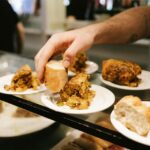
San Sebastián has a snack culture for a reason, and this tour makes it practical. You’ll hit top spots in Gros and the Old Town, starting with a classic foie gras mushroom pintxo and ending with the real deal on txotx cider and a pantxineta you’ll want to save room for.
What I like most is how you learn what you’re eating while you’re eating it—so a simple pintxo turns into Basque culture, not just food stops. I also love the pacing: it runs about 3 hours, stays friendly for a small group of up to 10, and you’re not shoved along.
One thing to consider: it’s built around guided tastings and local drinks, so if you’re avoiding most alcohol, sticking to very specific diets, or you need long breaks, you may want to plan carefully and message the team ahead about options.
In This Review
- Key points you’ll feel on the ground
- Gros to Old Town: why this San Sebastián food route works
- First stop in Gros: San Francisco Kalea, foie gras mushrooms, and zurito
- Building a pintxo in a Gros wine-and-beer shop: Gilda making and Mosto Spritz
- Pintxo street time: choosing on Fermin Calbeton Kalea
- 31 de Agosto Street: chipirones and Txakoli at La Cepa de Bernardo
- Cider house experience in the Old Town: txotx pouring and txuleta with padrón peppers
- Pantxineta finale at the pastry shop open since 1886
- The extra stops that turn snacks into city sense
- Drinks cheat sheet: what each pairing is trying to do
- How much you’ll eat (and how to not regret it)
- Group size and pacing: why it feels social, not rushed
- Price and value: what $138.78 buys you in San Sebastián time
- Who should book this tour (and who should think twice)
- Should you book this Eating San Sebastián Beyond Pintxos tour?
- FAQ
- Is the tour in English?
- How long is the Eating San Sebastián Beyond Pintxos tour?
- Where does the tour start and end?
- What is included in the tour price?
- Are there vegetarian-friendly options?
- What’s the group size?
- Is a mobile ticket provided?
- Are service animals allowed?
- Can I cancel for a full refund?
- What if the tour is canceled due to minimum travelers?
Key points you’ll feel on the ground
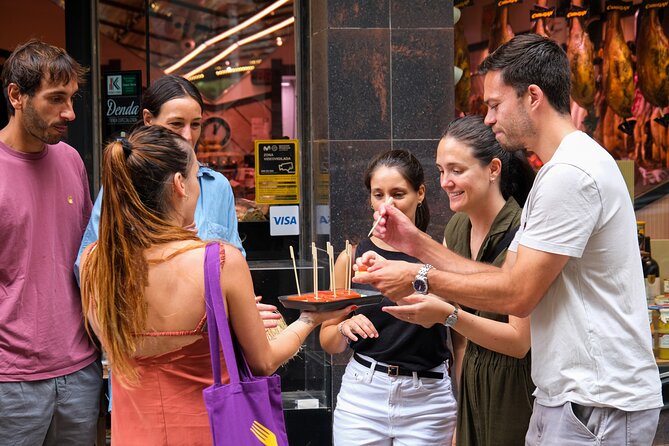
- Small group size (max 10) keeps the experience relaxed and lets you ask questions.
- Txotx cider from the barrel is a true Basque ritual, not just a sip with a story.
- A guided flow across Gros to the Old Town helps you understand why pintxos live where they do.
- Dessert isn’t an afterthought: pantxineta at the city’s oldest pastry shop (since 1886) is part of the plan.
- You’ll practice Basque bar-hopping with bar-to-bar drink pairings like txakoli and kalimotxo.
- Local guide energy matters: the reviews highlight hosts like Alaia and Iri for fun, entertaining explanations.
Gros to Old Town: why this San Sebastián food route works
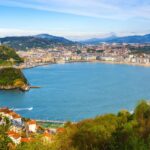
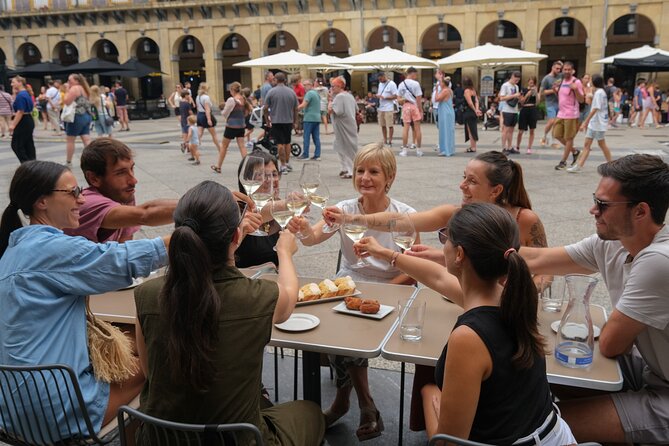
San Sebastián is famous for pintxos, but the tricky part is doing it without turning your night into a guessing game. This tour gives you a set route through two key neighborhoods—Gros for the modern local buzz and the Old Town for the classic pintxo streets—so you spend your time eating instead of hunting.
You also get a guided “food map” that connects items you might see on menus with the habits behind them. That means when you taste something like a Gilda or order around txakoli, you’re not just consuming—you’re making sense of the choices locals grew up with.
And yes, you’ll walk. But it’s the good kind of walking: short hops, clear transitions, and enough city stops that the tour still feels like sightseeing, not a lineup.
You can also read our reviews of more tours and experiences in San Sebastian.
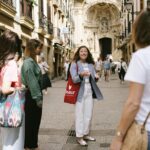

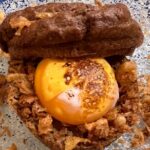
First stop in Gros: San Francisco Kalea, foie gras mushrooms, and zurito
Your tour starts in Gros at a lively, family-run bar. You begin with an iconic pintxo: grilled mushrooms layered with foie gras, paired with a zurito—a small glass of local draft beer. It’s a smart opener because it sets the tone: Basque pintxos often balance rich and salty flavors with a simple, refreshing drink.
Practical angle: if you’re the type who usually struggles to choose at pintxo bars, this start helps. You’re tasting a benchmark item instead of guessing your way into the night.
Building a pintxo in a Gros wine-and-beer shop: Gilda making and Mosto Spritz
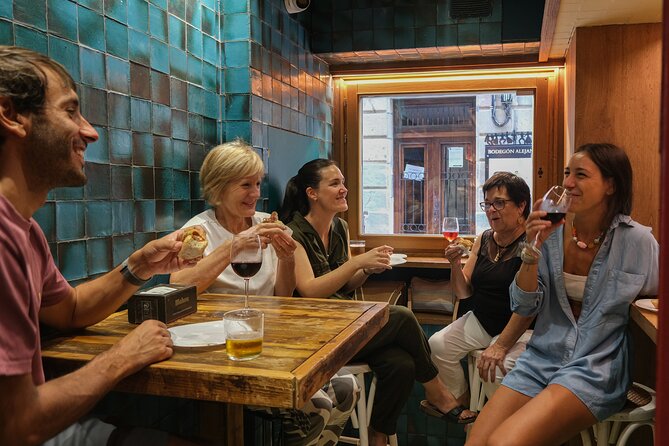
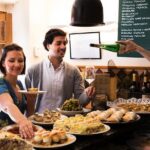
Next you step into the heart of Gros, a local couple’s shop focused on Basque flavors. Here you make your own Gilda, the pintxo tied to the city’s snack culture. On top of that, you sample a selection of local cheeses picked by the owners.
For drinks, you try Mosto Spritz—a non-alcoholic mix of regional grape must, tonic, and citrus. That matters because it’s not just a soda workaround; it follows the same aperitivo idea locals play with, minus the alcohol.
Why this stop is valuable: Gilda is a pintxo you’ll hear about again and again in San Sebastián, so making it yourself gives you a quick mental reference for future orders.
Pintxo street time: choosing on Fermin Calbeton Kalea
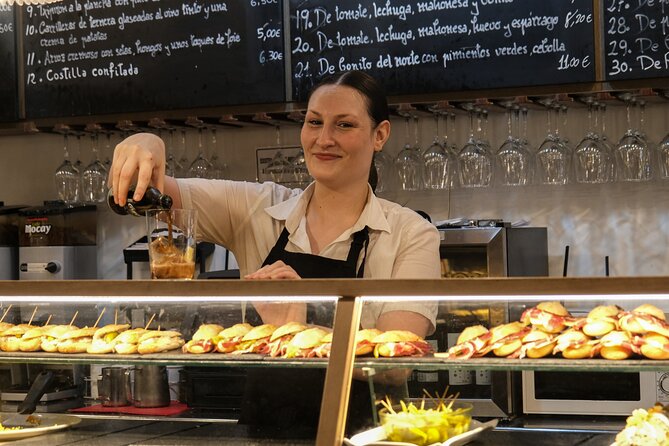
Then you move to one of the Old Town’s most famous pintxos streets, where the main skill is decision-making. At a stylish, boat-themed bar, you get to choose any creative pintxo that catches your eye, paired with a fun Basque drink like kalimotxo (red wine and cola).
This is one of those stops that feels fun instead of instructional. You get structure—there’s a plan—but you still get autonomy, which helps you tailor the tour to what you actually want to eat.
Possible drawback: because it’s your choice moment, people who hate decision fatigue might feel rushed. The way to handle it is simple: glance at the board before you commit and decide based on one main category (meat, seafood, or vegetarian) so you’re not stuck comparing five similar options.
31 de Agosto Street: chipirones and Txakoli at La Cepa de Bernardo
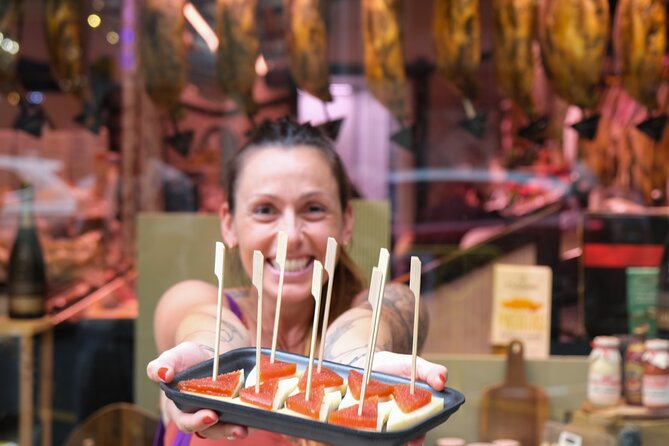
On 31 de Agosto Street, one of the oldest in San Sebastián, you land at La Cepa de Bernardo. This stop is described as intimate and tradition-heavy, with an older owner, Bernardo, who runs the place with longtime devotion to Basque cuisine.
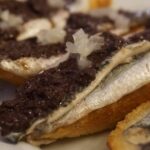
The food highlight is an off-the-menu tasting of tender chipirones (baby squid), served with a glass of crisp Txakoli—the region’s signature white wine.
Why I think this works: squid and txakoli are a classic Basque pairing because the wine stays bright while the seafood stays delicate. Even if you’re not a big wine drinker, txakoli’s style is usually easier to handle than heavier whites.



Cider house experience in the Old Town: txotx pouring and txuleta with padrón peppers
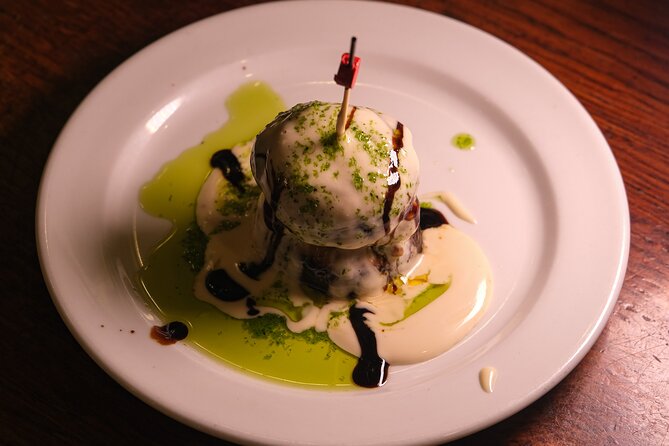
Next comes one of the tour’s biggest reasons to book: a real Basque cider house experience. You taste txuleta steak with salted padrón peppers, and you catch cider poured straight from the barrel using the txotx ritual.
This is where the tour stops being only about food and becomes about how locals celebrate. Txotx isn’t just a cool phrase—it’s a whole atmosphere, with a rhythm you’ll notice the moment you’re there.
If you’re curious about Basque identity beyond pintxos, this is the moment. Cider culture explains why the region treats drinks as part of the meal, not a separate activity.
Pantxineta finale at the pastry shop open since 1886
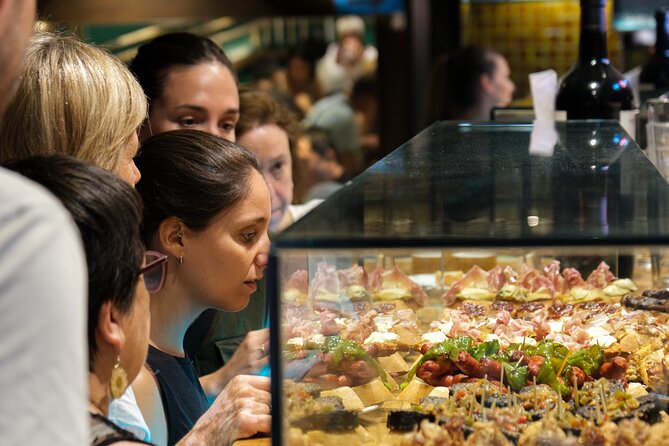
To finish, you go to the city’s oldest pastry shop, open since 1886, for the original recipe of the famous pantxineta. Expect a flaky puff pastry filled with rich pastry cream and toasted almonds.
This ending is a major “smart traveler” test: pantxineta is rich, so if you try to eat everything like you’re on a snack mission, you’ll feel it.
The best advice here is to protect your dessert stomach. Even in the tour feedback, the consistent theme is save room—because the pastry isn’t tiny and it’s worth the space.
The extra stops that turn snacks into city sense
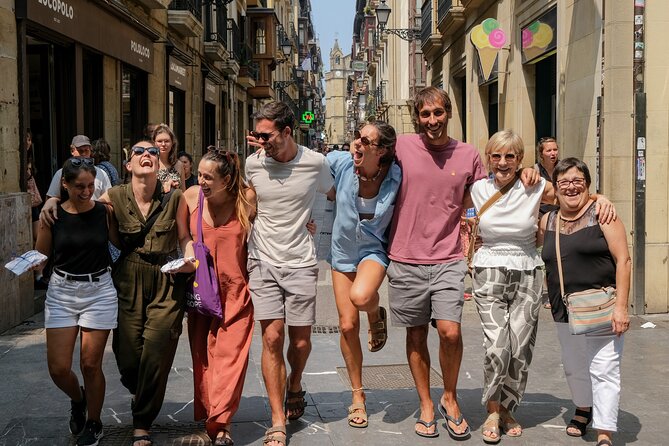
Food tours can feel like a conveyor belt. This one adds short, meaningful pauses that help you understand the city you’re in, especially around Gros and the Old Town.
You’ll spend time in a Gros square where locals gather and where you can admire a modernist church with colorful stained-glass windows. You’ll also get a viewpoint moment at San Sebastián’s modern cultural center and cross a nearby bridge for sea views that locals like.
Then you hit a historic market square, described as the culinary heart of the city center, with your guide explaining origins and importance in daily Basque life. That sort of context matters because it makes pintxos feel connected to real routines, not just tourism.
Finally, you pause at Plaza de la Constitución, once used as the city’s main bullring. The square still shows history in the numbered balconies around it, linking old celebrations to present-day street life.
Drinks cheat sheet: what each pairing is trying to do
Basque drinks aren’t random. They’re chosen to match the food style—salt, fat, and seafood flavors, then something fresh or bright to reset.
Here’s what you’ll run into:
- Zurito: small draft beer at the start, designed to keep things light with rich pintxo flavors.
- Mosto Spritz: a non-alcoholic aperitivo-style drink that keeps the grape idea front and center.
- Kalimotxo: red wine plus cola, a classic casual mix that works well with many pintxos choices.
- Txakoli: crisp white wine with seafood like chipirones.
- Cider (txotx): poured directly from the barrel as part of a ritual that turns drinking into an event.
If you’re watching your alcohol intake, the good news is the tour includes non-alcoholic options like Mosto Spritz. Still, you’ll be surrounded by choices, so decide early how you want to pace yourself and stick to it.
How much you’ll eat (and how to not regret it)
This tour is not “two bites and a walk.” It’s built to feel like a meal—multiple pintxos, cheeses, steak, peppers, dessert, plus drink pairings.
That matters because you can plan your night around it. If you start late or try to layer in extra heavy food before the tour, you’ll likely feel overfull by the pastry stop.
My practical rule: treat the tour as your main dinner. If you’re hungry before you meet, keep it small. After the tour, you’ll probably only want a coffee or something light—especially if you’re a dessert fan.
Group size and pacing: why it feels social, not rushed
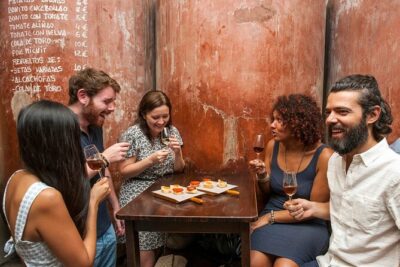
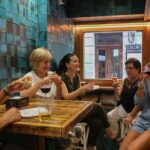
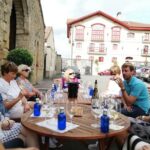
With a maximum of 10 travelers, you tend to get a steadier, calmer rhythm. The tour flow is structured, but it doesn’t feel like you’re being timed for speed. The reviews consistently point out that the guides keep things informative without hurrying you through.
You might get guided by locals highlighted in the feedback, including hosts like Alaia or Iri, who are praised for being friendly and for making food and culture easy to understand. When a guide can explain why a pintxo exists, the tour becomes more memorable—and you’ll know what to look for next time you’re walking on your own.
Price and value: what $138.78 buys you in San Sebastián time
Let’s talk value, not just cost. At $138.78 per person for around 3 hours, you’re paying for:
- a guided route across two neighborhoods
- a small group experience
- multiple tastings (pintxos, cheese, steak with peppers)
- the txotx cider house ritual
- a dessert stop for the original pantxineta
- drink pairings tied to local traditions
- an English-speaking local guide
Could you eat your way through San Sebastián cheaper alone? Maybe, but you’d lose the structure. And you’d likely miss the “why” behind the foods unless you’re doing serious homework.
The real value here is time and clarity. You get a coherent night plan that hits the big Basque anchors—pintxos, txakoli, txotx, and pantxineta—without spending your evening comparing menus.
Who should book this tour (and who should think twice)
This is a great fit if you:
- want a guided introduction to Basque pintxos culture
- enjoy seafood, meat, and pastry (the tour includes chipirones, txuleta, and pantxineta)
- like pairing food with drinks instead of treating beverages as optional
- appreciate local explanations, especially from guides like Alaia and Iri
You might think twice if you:
- need a fully vegan, fully gluten-free, or fully kosher experience (options may be limited, and the tour notes that accommodations aren’t guaranteed)
- prefer very long sit-down meals rather than short bar tastings
- hate group dynamics or decision points (there’s a pintxo choice stop)
If you have dietary restrictions, message the operator after booking. The tour specifically suggests emailing dietary needs for the best accommodation.
Should you book this Eating San Sebastián Beyond Pintxos tour?
I’d book it if your goal is to get your bearings fast and still taste a lot of real Basque food. The standout moments—txotx cider from the barrel, Gilda hands-on making, the chipirones with txakoli, and finishing with pantxineta at the shop dating to 1886—make it feel like a full cultural arc, not random snack stops.
Skip it only if your diet or pace needs are strict enough that you can’t rely on substitutions. Otherwise, this is a smart, high-yield way to experience San Sebastián in a few hours.
FAQ
Is the tour in English?
Yes. The tour is offered in English, and you’ll have a local English-speaking guide.
How long is the Eating San Sebastián Beyond Pintxos tour?
It runs for about 3 hours.
Where does the tour start and end?
It starts at De Biteri Plaza, Donostia / San Sebastián, Gipuzkoa, Spain and ends at Narrika Kalea, 15, 20003 Donostia / San Sebastián, Gipuzkoa, Spain.
What is included in the tour price?
The tour includes tastings (pintxos, cheese, txuleta, and dessert like pantxineta), the txotx cider house experience with cider poured from the barrel, drink pairings, and a local English-speaking guide.
Are there vegetarian-friendly options?
The tour is listed as vegetarian-friendly, but vegan, gluten-free, or kosher options may be limited. You should share dietary restrictions by email when booking for the best chance of accommodation.
What’s the group size?
The tour has a maximum of 10 travelers.
Is a mobile ticket provided?
Yes, you’ll receive a mobile ticket.
Are service animals allowed?
Yes, service animals are allowed.
Can I cancel for a full refund?
Free cancellation is available. You can cancel up to 24 hours in advance for a full refund.
What if the tour is canceled due to minimum travelers?
If it’s canceled because the minimum number of travelers isn’t met, you’ll be offered a different date/experience or a full refund.