REVIEW · TENERIFE
FlyTenerife Paragliding Flight
Book on Viator →Operated by Tenerife Paragliding · Bookable on Viator
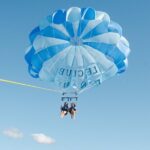
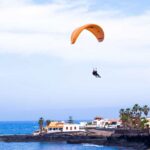
Teide skies feel like a cheat code. This tandem paragliding flight over Tenerife pairs you with an instructor and gives you high-on-the-mountain views of the island, often with pilots like Rodriguez and Balta, plus hotel pickup to make the whole day easier.
You get a simple, guided adventure—no solo stress—plus a choice of four flight options so the experience can fit how adventurous you feel.
I really like that it’s run for real people, not big chaos: the group is kept to a maximum of 8, and the flight is built around waiting for the wind to be right. And yes, the goal is seeing Tenerife and Teide National Park from above, which is exactly the kind of memory that sticks.
One thing to consider: landing spot and photo expectations aren’t guaranteed. The footage costs extra (and some landings don’t end at the beach where you might expect photos), so go in knowing photos are an add-on, not part of the core promise.
In This Review
- Key things to know before you fly
- What this is really like: tandem paragliding over Tenerife
- Getting to the flight start: pickup, timing, and the Adeje meeting point
- What happens before takeoff: helmets, instructions, and wind checks
- Your flight: what you’ll see when you’re strapped in
- The four flight options: how to choose what fits your day
- Guides and safety: the team’s experience shows up in how they talk
- Price and value: why $132.75 can feel fair (or not)
- Footage and photos: plan ahead so the end doesn’t sting
- Duration and what “1 hour 30 minutes” really means
- Who should book this paragliding flight in Tenerife
- The small details that can make or break your day
- Should you book FlyTenerife Paragliding Flight?
- FAQ
- Is the flight in English?
- How long is the paragliding experience?
- Is hotel pickup included?
- Where does the experience start and end?
- What’s included in the price?
- Is footage included?
- Are there different flight options?
- What are the weight limits?
- How many people are in the group?
- What if weather cancels the flight?
Key things to know before you fly
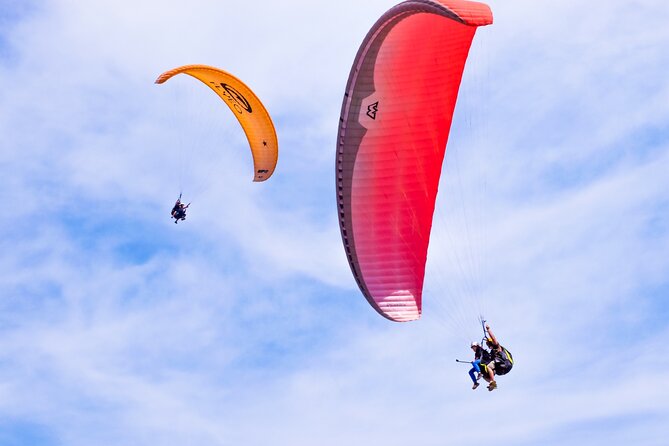
- Tandem with an instructor so you’re never flying alone
- Four flight options lets you personalize the experience a bit, then weather shapes the final route
- Hotel pickup in an air-conditioned vehicle plus bottled water keeps the start comfortable
- Teide National Park and coastline views are the main payoff
- Footage is not included and landing location can vary, so plan for that
- Small group size (max 8) helps it feel controlled, not crowded
What this is really like: tandem paragliding over Tenerife
Tandem paragliding here is an old-school way to get a new perspective. You ride with a trained instructor, strapped in side-by-side, and your job is mostly to breathe, look around, and follow the simple cues. It’s the easiest path to that birdlike feeling without needing any paragliding skills first.
The pitch is straightforward: you’ll fly over Tenerife, and the experience is designed to show you Tenerife and Teide National Park from the sky. In practice, what makes it special is the pacing. You don’t rush to the edge—you get taken up to the launch area, get helmeted, get the basics, then wait until conditions are right.
The vibe matters, too. Several pilots and team members show up repeatedly in strong feedback, with people calling out instructors like Rodriguez and Balta for being reassuring and clear. If you’re nervous, that calm communication is often the difference between a “white-knuckle moment” and a “wow, we’re doing it” moment.
You can also read our reviews of more tours and experiences in Tenerife.
Getting to the flight start: pickup, timing, and the Adeje meeting point
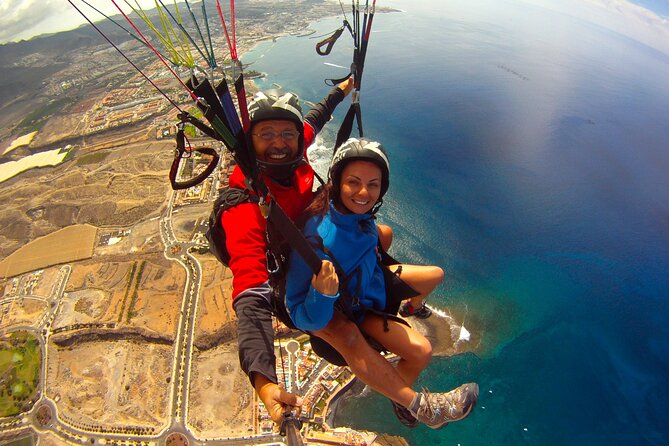
Your day starts at the FlyTenerife Av. de Ayyo meeting point in Adeje: FlyTenerife, Av. de Ayyo, 38678 Adeje, Santa Cruz de Tenerife, Spain. You’ll be told where to meet, and the tour runs with a mobile ticket.
If pickup is offered for your booking, you should be ready about 30 minutes before the flight time. That timing matters because weather and wind can change the schedule. Even with a set start time on your ticket, you’re really joining a system that goes when conditions are safe and flyable.
The ride up is handled in an air-conditioned vehicle, and you also get bottled water. That sounds minor until you’re on a warm island morning and you’re waiting around. A small comfort like cold water and AC turns the “I’m nervous” energy into “I can handle this.”
Also, the meeting point is near public transportation, which helps if you’re staying nearby and prefer to be self-sufficient.
What happens before takeoff: helmets, instructions, and wind checks
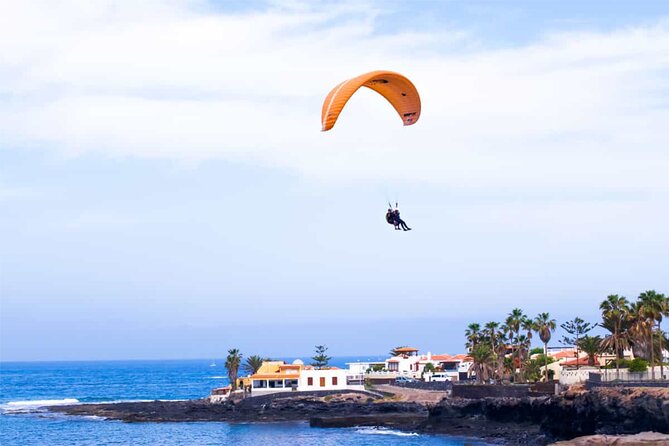
In the minutes right before you fly, the focus is on three things: comfort, safety, and timing. You’ll be provided a helmet, and you’ll get instructions from your instructor. The goal is to make sure you understand what’s happening next—without overloading you.
Then comes the part you can’t rush: waiting for the wind. One flight can’t just be “any time.” Your instructor has to run the launch when conditions are correct. That wait is normal here, and it’s built into the experience’s rhythm.
This wind-wait section is where it helps to listen closely and ask quick questions. If you tell your instructor you’re scared of heights, you’ll usually get a clear plan for how they’ll keep you steady. In one case, a pilot even offered a bit of extra excitement (acrobatic-style moves), with reassurance that they could stop if the rider felt too tense.
Your flight: what you’ll see when you’re strapped in
Once you’re airborne, the experience turns into pure perspective. The goal is to fly over Tenerife with views that include Teide National Park. Even if you’ve seen Teide from the ground, it’s a different story from above—because you’re seeing the shape of the island and the way coast and valleys wrap together.
You also get a reminder of how changeable the air can be. Paragliding isn’t like a theme-park ride where the route is fixed. The wind, the thermals, and the day’s conditions influence what you get to enjoy and where you land.
That flexibility is why some people end up with a landing location that feels different than what they expected. It’s not a “bad” thing by default—just a reality of flying. For your planning brain, treat the takeoff as the reliable part, and treat landing spot as variable.
The four flight options: how to choose what fits your day
You can choose from four different flight options, which is a real upgrade from the one-size-fits-all model. The data you get ahead of time (and what your instructor can tell you on the day) will help you decide what kind of flight you want.
In your decision-making, I’d sort options by what matters most to you:
- If you want maximum calm, choose the option that feels most beginner-friendly in your mind.
- If you want a longer-feeling or more adventurous style, pick the option that signals more “full send.”
- If your main goal is just Tenerife and Teide views, prioritize route and time over how fancy the add-ons sound.
Even with options, remember: weather is the boss. Your flight path and landing are still subject to the day’s wind and safety calls.
Guides and safety: the team’s experience shows up in how they talk
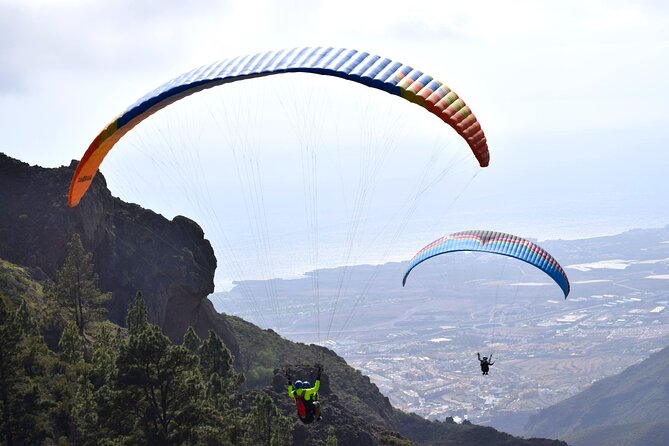
The company positions its team as very experienced—more than 30 years in the sport. In this type of activity, that experience matters most in small moments: how they explain the plan, how quickly they read your body language, and how they handle wind and timing.
You’ll see this in feedback that praises instructors like Balta and Rodriguez for being reassuring and keeping first-timers relaxed. People also mention guides being easy to chat with and providing explanations mid-flight. That kind of communication doesn’t slow you down—it makes the whole flight feel more like a shared adventure and less like a stressful drop.
If you’re bringing kids or older adults, this matters even more. There are families in the feedback who say they felt well managed and safe, and that nervous riders were encouraged rather than pushed.
Price and value: why $132.75 can feel fair (or not)
The listed price is $132.75 per person, and the flight runs about 1 hour 30 minutes total. That total time includes more than just being in the air—it covers transport, setup, and waiting for conditions.
Here’s how I judge value for this kind of experience:
- What’s included: helmet, air-conditioned vehicle, and bottled water. These are real comfort items, not just paperwork.
- What’s not included: footage. That’s a big “gotcha” for people who assume the video is automatic.
- What you’re paying for: tandem gear plus instruction and the risk management of flying in wind.
So the price can be fair if you’re treating it as the core adventure first, and you’re only buying photos/video if you actually want a lasting file. It can feel steep if you’re photo-driven and assume footage is part of the standard package.
Some passengers discuss add-on costs like a photo/video card around €45 (or about €25 for photos only), and one person mentioned a €50 whole-flight photo card depending on format. Those are add-ons, but they’re worth planning for so you don’t get hit with surprise pricing at the end.
Footage and photos: plan ahead so the end doesn’t sting
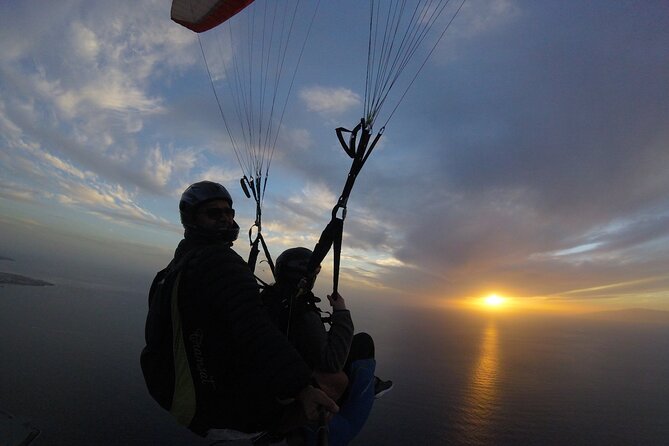
Footage is explicitly listed as not included, and you can purchase recordings afterward. In real life, that works in two ways.
First, many people love having a video to prove to themselves they actually did it. If you tend to forget how intense something felt, having a clip can turn the memory into a shareable story.
Second, you need to set expectations: landing location and your partner’s ability to get the perfect ground photo can vary, because the final landing is influenced by wind and safety decisions. One negative account described landing somewhere less ideal for family members waiting at the beach, and another complaint focused on problems with receiving media or incorrect files.
What you should do:
- Decide ahead of time if you want the extra footage, and whether you want photos only or photos plus video.
- If you’re traveling with someone who wants a ground shot, give them a realistic plan: expect that landing might not be exactly where you imagine.
- If you’re buying media, keep a calm paper trail and follow the company’s instructions right after the flight.
Duration and what “1 hour 30 minutes” really means
The experience duration is about 1 hour 30 minutes. In practice, that timeframe often feels like:
- pickup and transit time,
- time to reach the launch area,
- helmet/instruction time,
- a wait for wind,
- flight time,
- then the ride back.
So even if you’re excited, you’ll want to treat it as a small half-day commitment in your mental schedule. If your itinerary is tight, leave breathing room the rest of the day, because weather can shift timing.
This also matters for photo plans and hunger plans. You’ll get water, but you might still want to eat before you go.
Who should book this paragliding flight in Tenerife
This flight is a great fit if you want:
- a tandem experience (you’re strapped to a professional),
- a way to see Teide National Park from above,
- a guided adventure with a small group size,
- and an activity in English (offered).
It’s also a good match for first-timers who are scared but curious. Several accounts highlight nervous riders being calmed down by patient guides and clear instructions.
It may not be a great match if:
- you’re over 115kg (not recommended based on the tour’s info),
- you’re very strict about where you want to land for photos,
- or you’re expecting footage to be included without extra cost.
The small details that can make or break your day
Here are the practical things that help you feel in control, based on what shows up repeatedly in real-world experiences:
- Be early for pickup. Ready about 30 minutes before flight time reduces stress when wind delays happen.
- Ask about excitement level. Some instructors may offer more action like acrobatics during the flight. If you’re nervous, ask to keep it smooth, and it’s okay to say no.
- Budget for photos/video if it matters to you. Footage isn’t included, and add-ons can be a separate line item.
- Plan for variable landing. The landing spot isn’t always the beach or the exact view your mind maps.
- Lean into the instructor’s guidance. When guides are good, the fear drops fast because you trust the plan.
Should you book FlyTenerife Paragliding Flight?
If you want one standout thrill with an instructor and you’re excited by the idea of seeing Tenerife and Teide from above, I think this is a solid booking. The tandem setup, small group size, and pickup with bottled water make it smoother than DIY alternatives.
I’d only hesitate if you’re very sensitive to ending logistics. If your trip includes big photo expectations at a specific landing spot, or if you absolutely need video included in the base price, you’ll likely feel the friction. If that doesn’t apply to you, the core value is strong: you’re paying for safety, instruction, and a chance to fly like a bird over one of Spain’s most famous natural landmarks.
FAQ
Is the flight in English?
Yes. The experience is offered in English.
How long is the paragliding experience?
It runs about 1 hour 30 minutes.
Is hotel pickup included?
Pickup is offered. You should be ready around 30 minutes before your flight time.
Where does the experience start and end?
The activity starts at FlyTenerife, Av. de Ayyo, 38678 Adeje, Santa Cruz de Tenerife, Spain. It ends back at the meeting point.
What’s included in the price?
Included items are a helmet, air-conditioned vehicle, and bottled water.
Is footage included?
No. Footage is not included.
Are there different flight options?
Yes. You can choose from four different flight options.
What are the weight limits?
This tour is not recommended for travelers over 115kg.
How many people are in the group?
The maximum group size is 8 travelers.
What if weather cancels the flight?
This experience requires good weather. If it’s canceled due to poor weather, you’ll be offered a different date or a full refund.