REVIEW · A CORUNA
From A Coruña: Costa da Morte & Cape Finisterre Day Tour
Book on GetYourGuide →Operated by Tour Galicia · Bookable on GetYourGuide
Galicia’s wild coast feels like another planet. What I liked most was the steep drama of Cabo Vilán and the calm, sea-linked atmosphere at Muxía’s Sanctuary of the Virgen de la Barca. The one thing to weigh is the “coach-and-visit” rhythm: once you’re dropped at some stops, you’re on your own for a bit, so you’ll want to be comfortable wandering without a constant guided walkthrough.
This is a 10-hour trip with a professional guide, entrance fees included, and a packed route built around lighthouses, shipwreck lore, and the feeling of reaching the end of the world. If you’re hoping for a super long food break or lots of extra guiding time at each site, plan your expectations around set visits and short stretches of free time.
In This Review
- Key things to know before you go
- The Costa da Morte feeling: lighthouses, legends, and the edge of Galicia
- How the day is paced from A Coruña (and what it means for your comfort)
- Cabo Vilán lighthouse: the steep cape that made ships pay attention
- Muxía’s Sanctuary of the Virgen de la Barca: devotion tied to sailors and the sea
- Finisterre (Fisterra) free time: lunch, sea air, and the end-of-the-world vibe
- Cape Finisterre: where the lighthouse feels like a “destination,” not a dot on a map
- Ézaro Waterfall (Fervenza do Xallas): a quick coastal break with mixed expectations
- What you’re paying for: $58 of transport, guide, and included entries
- Who this tour suits best (and who might want a different plan)
- Should you book? My practical call
- FAQ
- How long is the Costa da Morte & Cape Finisterre day tour?
- Where is the meeting point in A Coruña?
- What stops are included on the itinerary?
- Is food included in the $58 price?
- What languages does the guide speak?
- What should I bring for the tour?
- Is the tour suitable for people with mobility impairments?
Key things to know before you go
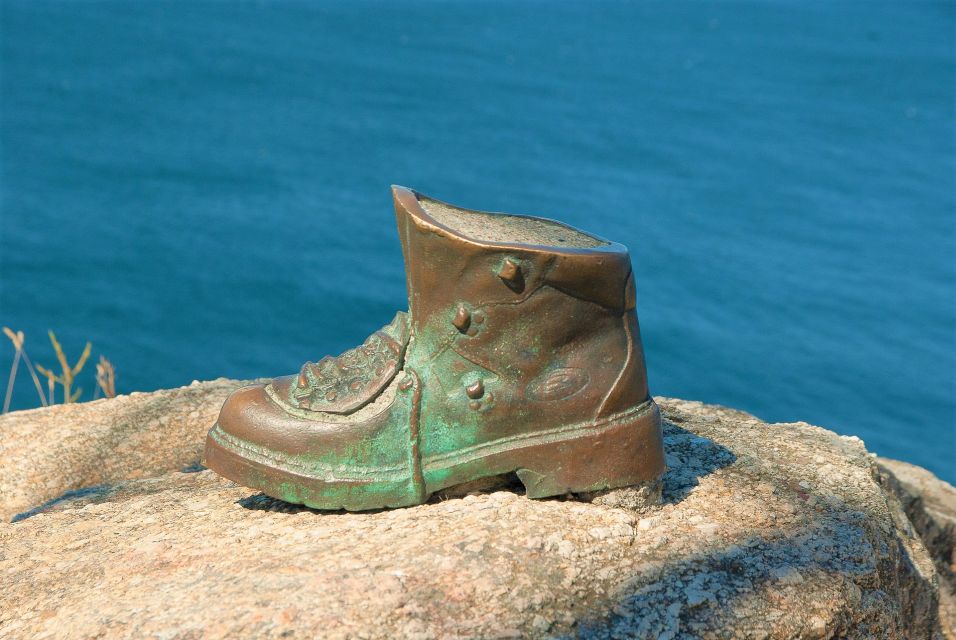
- Cabo Vilán’s steep coastline sets the tone with lighthouse-and-shipwreck storytelling
- Santuario de la Virgen de la Barca in Muxía connects the sea, local devotion, and older traditions
- Finisterre (Fisterra) gives you time to wander and eat on your own
- Cape Finisterre Lighthouse time is enough to enjoy views without feeling rushed
- Fervenza do Xallas (Ézaro Waterfall) is built in, but it’s more of a photo-and-walk stop than a long hike
- Air-conditioned transport plus a timed route makes this doable even if you don’t have a car
The Costa da Morte feeling: lighthouses, legends, and the edge of Galicia
If you’ve only heard Galicia described as green and peaceful, this day tour changes the mood fast. Costa da Morte is all about a harsher coastline—headlands that look like they were designed by wind and weather. The tour leans into that with a route centered on lighthouses and maritime history, so you’re not just seeing views. You’re also getting the stories that locals attach to these places.
That matters because it turns “pretty coast” into something you can actually read. When the guide explains why certain capes and waters became infamous, the shoreline details start to click: how far ships were from safety, why navigators relied on lights, and why the coast holds onto legends.
You can also read our reviews of more tours and experiences in A Coruna.

How the day is paced from A Coruña (and what it means for your comfort)
The meeting point is Rúa Payo Gómez, 18, and you’ll want to arrive 15 minutes early. The guide wears a red shirt, so it’s usually easy to find the group. Expect a full 10-hour day with coach travel between stops—there are breaks where you’ll be walking around viewpoints and then stepping back onto the bus.
This style is ideal if you want to cover a lot in one day, but it does mean you’ll need to manage your own time during the free segments. The trip includes comfort upgrades—an air-conditioned vehicle and entrance access—so you’re not spending time “figuring out” museums or tickets. Still, if you’re the type who likes constant narration at every point, you may find some sites are more “arrive, look around, move on.”
Cabo Vilán lighthouse: the steep cape that made ships pay attention
Cabo Vilán is the first big wow. You’ll have around 30 minutes there, which is short on paper but perfect for a lighthouse viewpoint—get oriented, take photos, and catch the main story the guide is telling.
The emphasis here is the cape’s shape and the way it affects navigation. A steep coast changes how ships approach, and that’s why the lighthouse has a reputation tied to tough conditions. Even if you don’t memorize every detail, the place gives you the right mental picture: the coastline looks like it drops away fast, and you can see why sailors needed real signals rather than vague hope.
Practical tip: bring sunglasses and wear shoes with grip. Coastal wind + rock surfaces can be slippery, even when the view is spectacular.
Muxía’s Sanctuary of the Virgen de la Barca: devotion tied to sailors and the sea
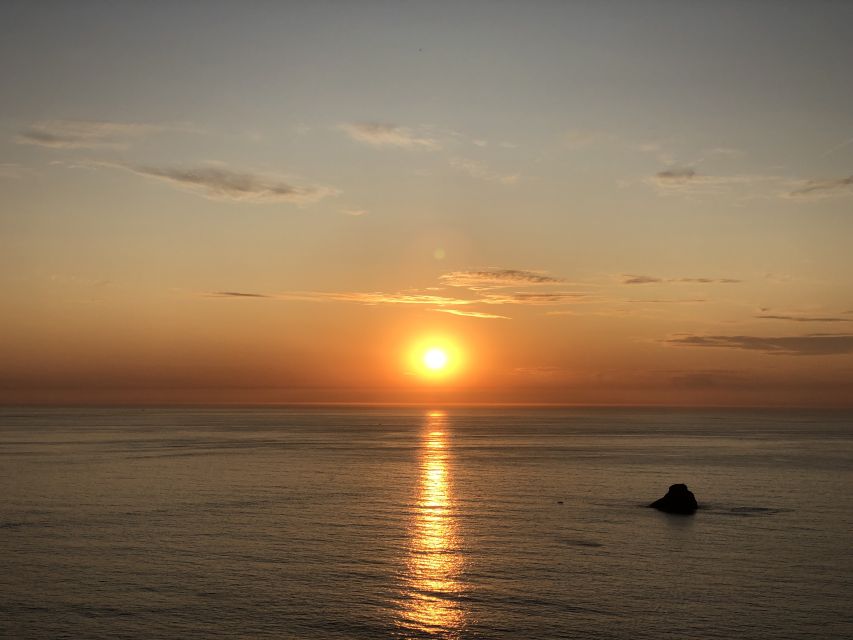
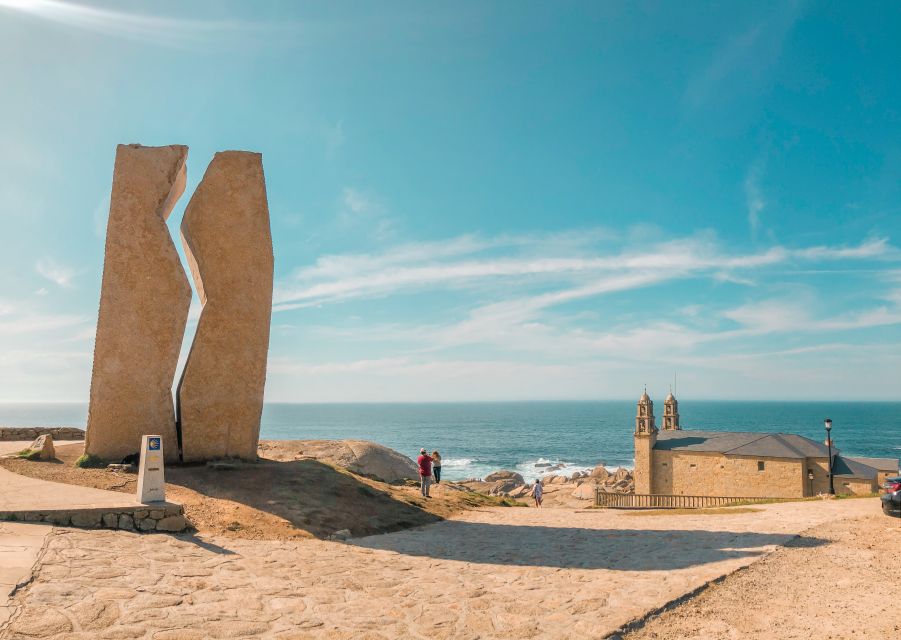
Muxía is where the day slows down in a good way. The visit to the Santuario de la Virgen de la Barca is about 45 minutes, and it’s one of the most meaningful stops on the route. The sanctuary’s connection to the people of the sea comes through clearly: you’re not just walking through a building. You’re stepping into a place that carries local identity.
What I like about this stop is the mix of influences the guide brings into the conversation—the Virgin of the Boat tradition, how maritime life shaped community beliefs, and references to older cultural ties linked with the sea. That makes the sanctuary feel less like a random chapel stop and more like a cultural compass for the coast.
There’s also time to look around the sanctuary grounds rather than simply pass by. That small difference helps you feel the atmosphere instead of treating it like a photo stop.
Finisterre (Fisterra) free time: lunch, sea air, and the end-of-the-world vibe
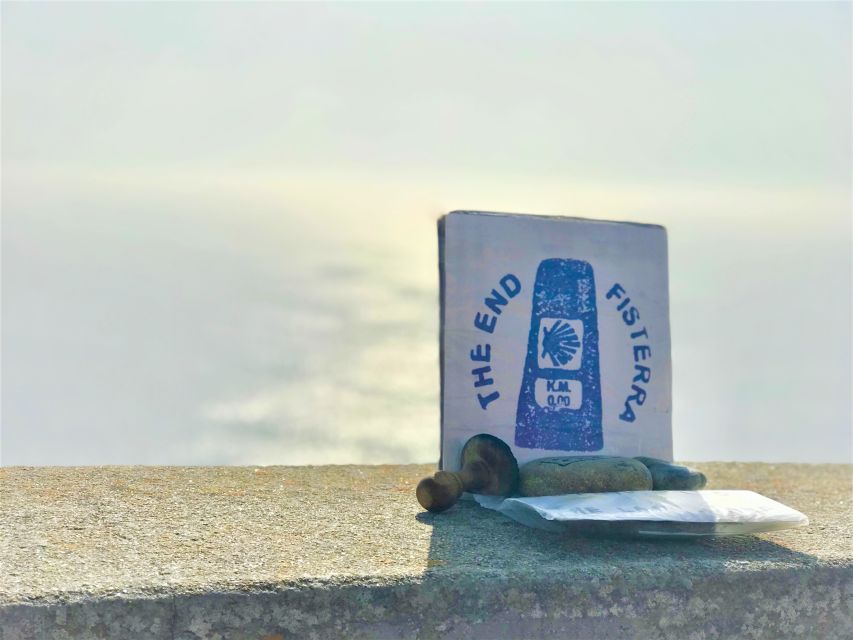
Then you reach Finisterre—often framed as the end of the world. You’ll get about 1.5 hours of free time in the town. That is a sweet spot: long enough to walk around, browse, and get a meal, but not so long that you feel stranded with nothing structured.
This is the point where you decide what you want the day to feel like. If you’re hungry, prioritize a proper sit-down lunch. If you’re more into wandering, go straight for viewpoints and streets without overplanning. Either way, the town is part of the experience, and the guide’s context makes it easier to connect the dots between today’s tourist town and its long-running reputation with pilgrims and ancient visitors.
Food note: the tour price doesn’t include lunch or drinks. You’ll be on your own in town, so I’d treat this as your time to choose something local rather than rushing. If you prefer a quieter meal, aim to go slightly away from the main cluster of places.
Cape Finisterre: where the lighthouse feels like a “destination,” not a dot on a map
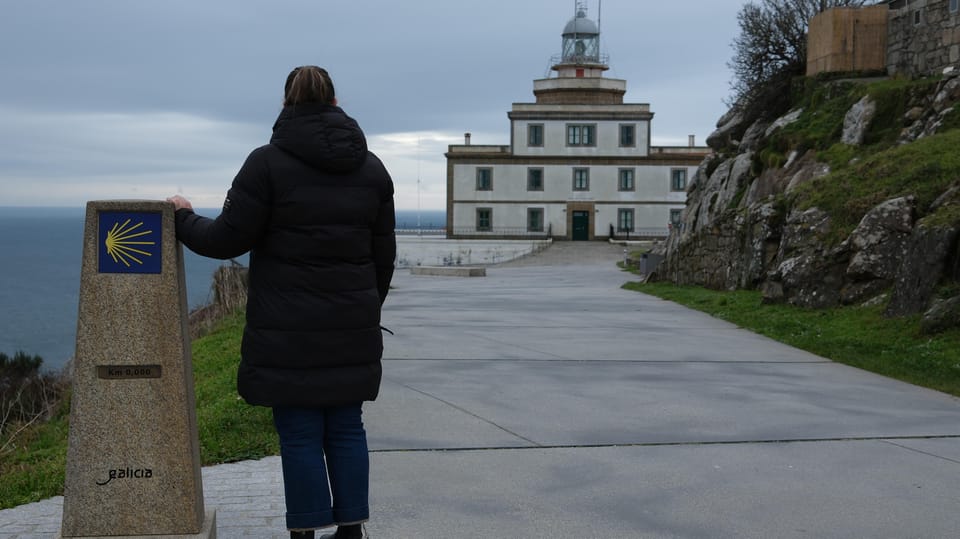
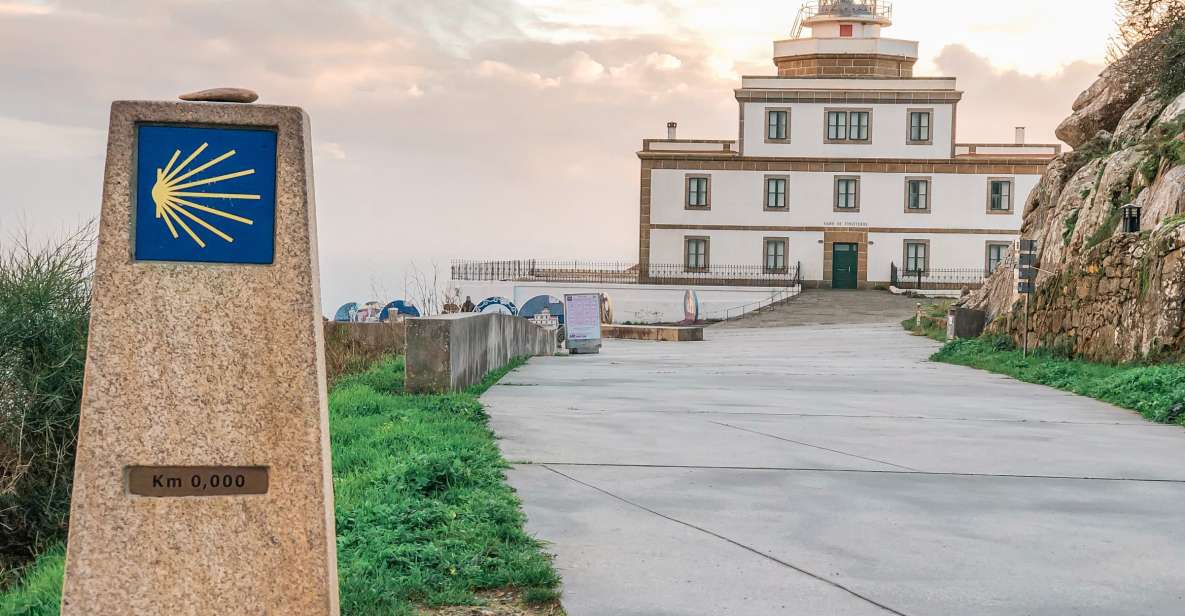
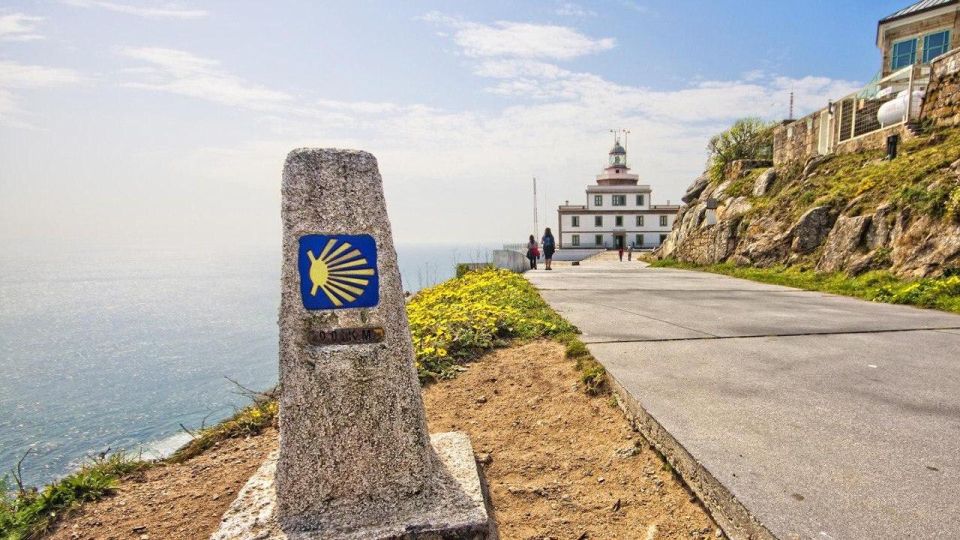
After lunch and some town time, you’ll head to the Cape Finisterre Lighthouse area for about 50 minutes. This stop is memorable for a simple reason: it’s both a practical navigation point and a symbolic one.
The guide typically connects the location to long-standing stories—Celts, Romans, and pilgrims—and the idea that the cape gathered attention for thousands of years. Even if you’re not a history buff, the lighthouse itself gives you the anchor. You can stand in the right direction and look out over the water where ships once needed reassurance that they were still on a survivable course.
This is also the stretch where you can feel how the route earns its name: Costa da Morte isn’t just “pretty coast.” It’s a coast where visibility, timing, and weather have always mattered.
Photo tip: plan for short bursts of wind. Bring a hood or secure your camera strap, because the Atlantic likes to remind you it’s in charge.
Ézaro Waterfall (Fervenza do Xallas): a quick coastal break with mixed expectations
The final nature stop is Fervenza do Xallas—also known through the Ézaro Waterfall label. You’ll have a 30-minute photo stop and visit window.
Here’s the balanced take: this part is great if you want a scenic exhale before heading back, but it’s not built as a long nature hike. In fact, a few people have found it less dramatic than they hoped, so I’d treat it as a bonus stop rather than the main event.
If you time your viewing well, you’ll still enjoy the waterfall setting and the short walk-around time. Just don’t lock the day’s emotional payoff on the waterfall being massive. The real stars are the coastal capes and the lighthouse viewpoints.
What you’re paying for: $58 of transport, guide, and included entries
At about $58 per person for a 10-hour day, the value comes down to this: you’re buying access and ease. The tour includes transportation by air-conditioned vehicle, a professional guide, and all entrance fees. Food and drinks aren’t included, so lunch is on your own.
That included-entries detail matters. Coastal points of interest often have small ticket costs, and when you add them up across multiple stops, the package makes more sense than trying to piece everything together with individual rides and bookings—especially if you’re staying in A Coruña without a car.
The other part of the value is interpretive. You’re not just shuffling between viewpoints. The guide’s job is to connect shipwreck legends, lighthouse logic, and the region’s cultural identity so the day doesn’t feel like a checklist.
Who this tour suits best (and who might want a different plan)
This is a strong match for you if:
- You want a single-day route that hits Cabo Vilán, Muxía, Finisterre, and the end-of-the-world cape
- You like learning the background behind what you’re seeing, especially maritime lore and local devotion
- You prefer having transportation handled and don’t want to plan logistics for each leg
It may be less ideal if:
- You need lots of step-by-step guided time at every stop (some segments are more independent)
- You’re extremely focused on waterfalls as the main objective
- You have mobility impairments—the tour is not suitable for that
Also, if you’re a traveler who hates time limits, remember that most visits are timed (often 30–50 minutes). This is built for coverage, not linger-and-long-walk.
Should you book? My practical call
Book it if you’re in A Coruña and you want a meaningful day on Costa da Morte without renting a car or trying to coordinate multiple routes. The combination of Cabo Vilán’s cliffside setting, the cultural pull of Muxía’s Sanctuary, and the symbolic weight of Finisterre and Cape Finisterre is exactly what this itinerary is designed to deliver.
Skip it or consider doing the route independently if your ideal day is one where you can spend unlimited time at each stop and you expect every stop to come with deep guided time on the ground. And if you’re expecting the waterfall to be the headline moment, recalibrate: it’s a scenic bonus with limited time.
If you like structure, you’ll probably feel happy at the end of the day—even with the short visit windows—because the tour hits the right points that make Costa da Morte feel like its own world.
FAQ
How long is the Costa da Morte & Cape Finisterre day tour?
The tour lasts 10 hours.
Where is the meeting point in A Coruña?
The meeting point is Rúa Payo Gómez, 18. Arrive 15 minutes early.
What stops are included on the itinerary?
You’ll visit Cabo Vilán, the Santuario de la Virgen de la Barca in Muxía, Finisterre (free time), the Cape Finisterre lighthouse, and a stop at Ézaro Waterfall (Fervenza do Xallas).
Is food included in the $58 price?
No. Food and drinks are not included.
What languages does the guide speak?
The live guide speaks Spanish and English.
What should I bring for the tour?
Bring comfortable shoes, sunglasses, and comfortable clothes.
Is the tour suitable for people with mobility impairments?
No, it is not suitable for people with mobility impairments.