REVIEW · BILBAO
From Bilbao: La Rioja Wineries Day Trip with Wine Tastings
Book on GetYourGuide →Operated by Servicios Turisticos Integrales · Bookable on GetYourGuide
Rioja in one long day. It is a practical way to see two towns and taste Rioja without renting a car. I like the guided CVNE stop in Haro because it turns a wine tasting into an actual explanation of Rioja’s style, not just a pour.
I also like the contrast of Laguardia’s medieval streets and its cellar experience with a more hands-on feel. One possible drawback: the day is built around walking and a full schedule, so it is not a great fit if you have mobility limits.
In This Review
- Key things that make this Rioja day trip worth it
- From Bilbao to Haro: the Rioja schedule starts fast
- CVNE in Haro: a centenary Rioja winery and a tasting with context
- Haro on foot: Plaza de la Paz and the feel of the town
- The coach ride to Laguardia: medieval town time is the payoff
- Laguardia cellar visit: two wines, traditional technique, and real atmosphere
- Free time in Laguardia: lunch window and what to do with it
- Elciego and Marqués de Riscal: architecture stop, quick and visual
- Price and value: what $100 gets you (and what it does not)
- Logistics that can make or break your day
- Who should book this Rioja day trip from Bilbao
- Should you book this Rioja Wineries Day Trip
- FAQ
- FAQ
- How long is the La Rioja Wineries Day Trip from Bilbao?
- Where do I meet the group in Bilbao?
- What is included in the price?
- Is lunch included?
- Which places and towns does the tour visit?
- How much wine tasting do you do?
- What languages is the tour guide available in?
- Does the tour run if it rains?
- Is the tour suitable for people with mobility impairments?
- What should I bring for the tour?
Key things that make this Rioja day trip worth it
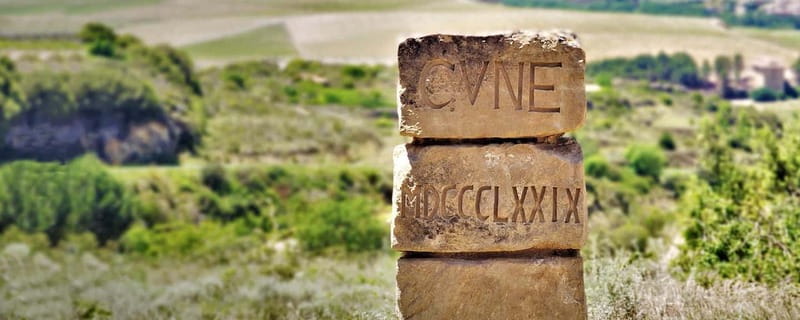
- Two structured wine tastings: one at CVNE in Haro, then a cellar tasting in Laguardia with two wines
- Guided walking time in both Haro (including Plaza de la Paz) and Laguardia’s narrow medieval streets
- You learn the process, not just the names of wines, with winery and cellar tours
- Stops feel balanced: winery time, town time, and a real lunch window in Laguardia
- Elciego and Marqués de Riscal: a quick architectural moment on the way back
- Long day on your feet with rain-or-shine planning, so comfortable shoes matter
From Bilbao to Haro: the Rioja schedule starts fast
This is a straight shot out of Bilbao into Rioja wine country, built for people who want the experience to feel complete by the end of the day. You leave with time to reach Haro (about an hour by coach) and then get into the action quickly rather than easing in.
What makes this departure work is the pacing. After the bus ride, you do the winery first, so you’re warmed up and ready to understand what you’re drinking. Then you shift to town exploring with a guided walk, which helps the whole day feel connected instead of feeling like two unrelated tasting stops.
You can also read our reviews of more wine tours in Bilbao


CVNE in Haro: a centenary Rioja winery and a tasting with context
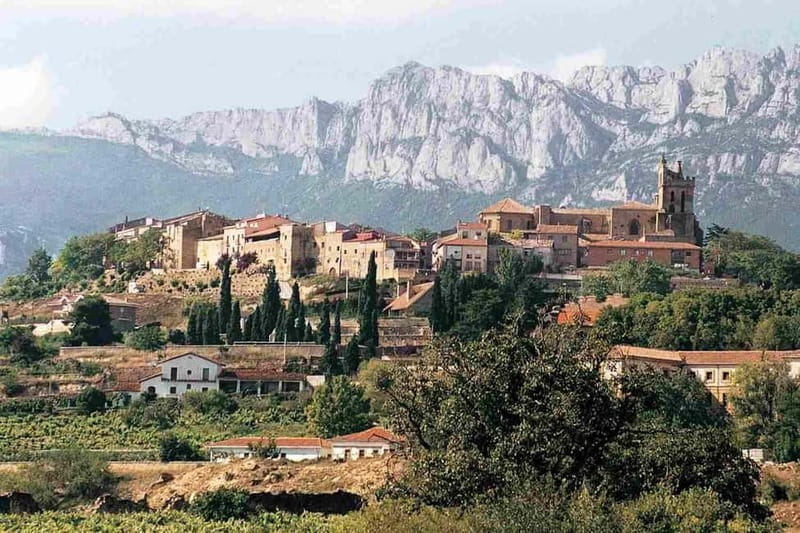
Haro is often called the capital of Rioja wine, and the tour uses that status well. Your winery stop is CVNE, a centenary and emblematic estate where you get a guided visit and a wine tasting.
The big value here is that the tasting comes with explanation. You’re not just sampling blindly. You learn how Rioja wine is elaborated—how the process shapes the flavor profile you experience in the glass. That matters because it turns you from a casual drinker into someone who can actually notice differences, like how aging and production choices influence what you taste.
Also, the guide does what strong tour leaders do: they keep it practical. The tone stays friendly and readable, even if you do not know your Rioja vocabulary yet. Guides frequently praised on this route include Stéphane and Miriam for turning winery logistics into clear storytelling, with names like Aitor also showing up across departures.
Haro on foot: Plaza de la Paz and the feel of the town
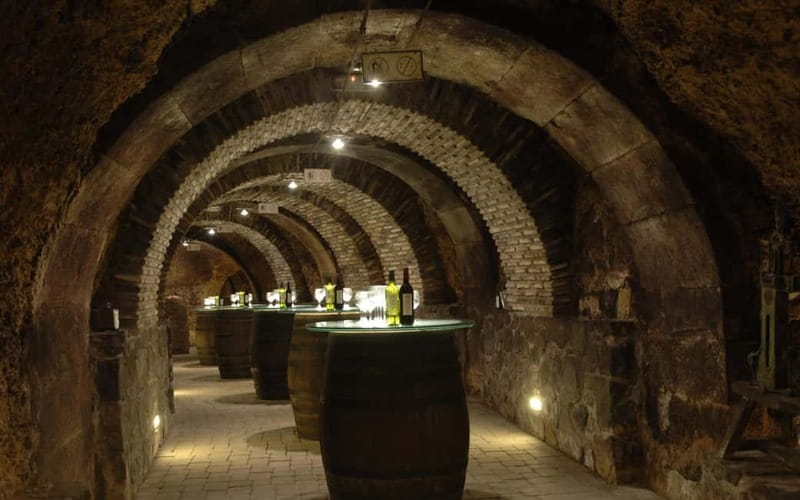
Once the winery visit finishes, the tour keeps you moving in Haro with a guided walking tour of the historical center. You pass through Plaza de la Paz, which is a great anchor point: it helps you orient fast and notice the town’s rhythm instead of wandering randomly.
This is one of the smartest parts of the schedule. A lot of wine days cram in tastings and then dump you in a town with no guidance. Here, you get a walk first, so you understand what you’re looking at and where to aim for photos, snacks, or a quick browse.
One practical note: this walk is still time on your feet. If you enjoy strolling and you’re comfortable with city walking, you’ll appreciate it. If you want a lot of time off your feet, you may feel the pressure later in the day.
The coach ride to Laguardia: medieval town time is the payoff
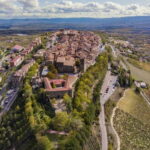
The transfer to Laguardia is relatively short (about 30 minutes), and you arrive with enough energy left to enjoy it. Laguardia is the kind of place where narrow streets and medieval shape do the work for you—no need to invent an itinerary once you’re there.
This town stop is the second half of the contrast. Haro brings you Rioja’s wine-world core. Laguardia brings you a slower, more historic setting that makes the wine feel tied to the place rather than stuck in a building.
That contrast is also why the tour works for mixed groups. Even if you’re not a wine superfan, you can still enjoy the town walk and the atmosphere. If you are a wine fan, you get the second tasting and the cellar story to connect it all.
Laguardia cellar visit: two wines, traditional technique, and real atmosphere
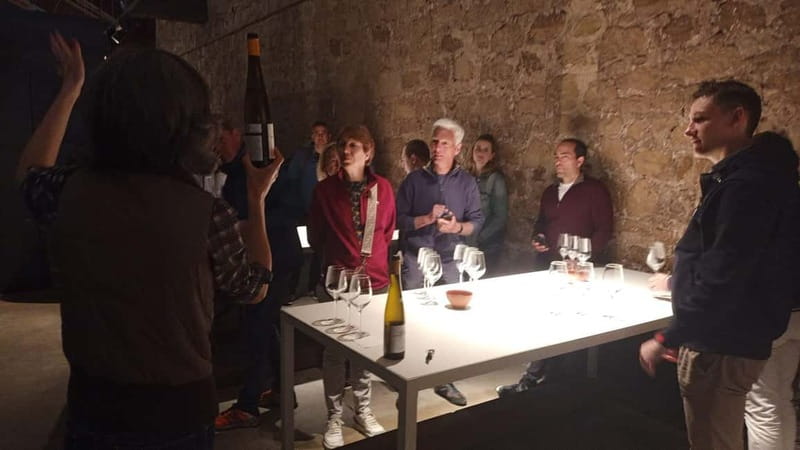
In Laguardia, the tour shifts from a large, emblematic winery to a small traditional winery setup. You get a guided visit that focuses on learning the wine-making process from a more familiar, human scale.
The key included experience here is the wine cellar tour with two wines tasting. This is where the day starts to make sense as a learning arc: CVNE in Haro gives you the structured overview of Rioja production and style. Laguardia gives you the intimate version—how it feels when you watch the process happen in a cellar setting.
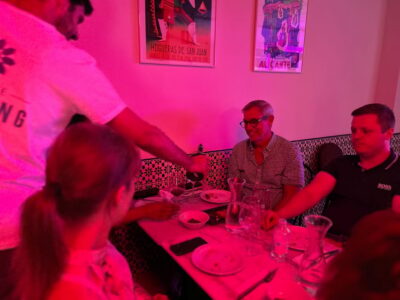
One extra detail that helps this part land: many groups find the tastings come paired with food such as cheese and charcuterie, which makes the wines easier to understand. Even if you’re not a foodie, pairing helps you taste more accurately because salty and fatty bites change how fruit, acidity, and tannins read in the glass.
A few more Bilbao tours and experiences worth a look
Free time in Laguardia: lunch window and what to do with it
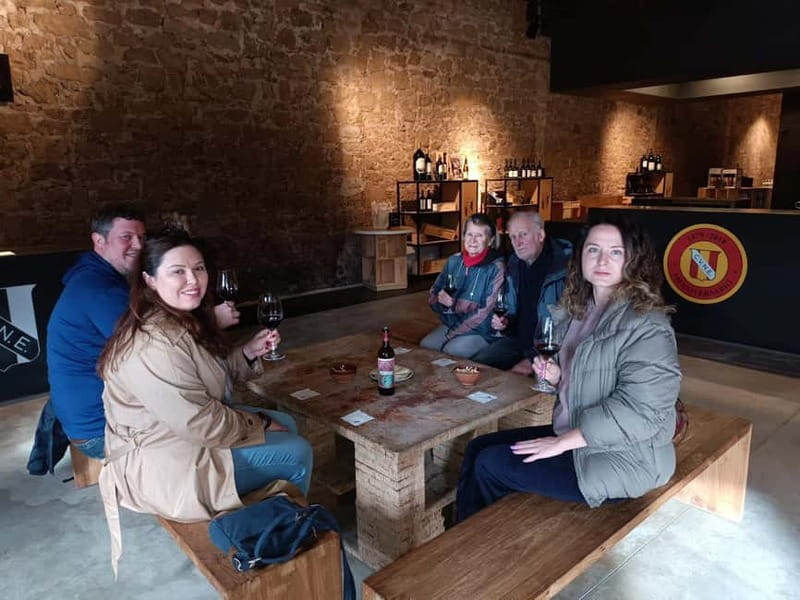
After the cellar visit, you get free time for lunch (about 1.5 hours). This is the time to fuel up and slow down a bit.
I like this setup because it lets you make the day yours. If you want a simple meal near where the walk ends, you can do that. If you want to wander for a view or pop into shops, this is the window to try.
There’s one practical consideration: small towns sometimes mean not everything is open late in the day. So if you want snacks, coffee, or souvenirs, don’t treat this like a leisurely all-afternoon plan. Use the time before shops fully shut down for the day.
Also, bring some cash if you can. On at least one day, card machines were impacted by an electrical issue, and having cash saved lunch plans. You cannot plan for outages, but you can plan for resilience.
Elciego and Marqués de Riscal: architecture stop, quick and visual
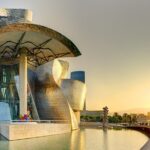
On the way back to Bilbao, the tour passes through Elciego to show you the building of Marqués de Riscal. This is a modern architectural icon in the Rioja region, and the stop is designed more as a view-and-photo moment than a deep visit.
Why that matters: if you’re the kind of traveler who wants every stop to be a hands-on experience, this segment may feel short. If you enjoy architecture and want one visual anchor of modern Rioja, it’s a nice contrast to the medieval vibe you just saw in Laguardia.
A fair tradeoff is that it keeps the full-day schedule on track. A wine day from Bilbao can only do so much in nine hours. This stop gives you a recognizable landmark without turning the day into a marathon.
Price and value: what $100 gets you (and what it does not)
At about $100 per person, the value is in the combination, not in one single stop. You’re paying for round-trip transport, a guide, one guided winery tour with tasting in Haro, and the guided cellar experience with two wine tastings in Laguardia—plus guided town walking.
What’s not included is lunch. That’s normal for tours like this, but it changes how you plan your budget. If you want a drink with lunch or a souvenir bottle, you’ll want extra room in your wallet.
Is it pricey? Compared with tours that only do tastings, you get more structure: two towns with guided time and two different winery formats. Compared with self-driving, you pay for convenience and the big safety advantage: you can taste without worrying about driving.
Logistics that can make or break your day
This tour is 9 hours, and it is rain or shine. You will walk. You will spend time on the bus between stops. If that sounds fine to you, the day will feel efficient. If you hate schedules and prefer free-form travel, you might feel “timed” all day.
The meeting point is at a bus stop by the tourism office near the Guggenheim Museum, at Mazarredo Zumarkalea, 65. It’s easy to find if you’re already familiar with Bilbao’s waterfront area.
Bring a passport or ID card and comfortable shoes. You’ll be happiest if you dress for changing weather, because the day does not pause just because it’s raining.
Finally, this is not recommended for people with limited mobility. The walking segments and the overall pace are not built for wheelchairs or slow movement.
Who should book this Rioja day trip from Bilbao
Book it if you want:
- Two tastings that teach you something, not just random sips
- Guided time in Haro and Laguardia, so you understand what you’re seeing
- A day that mixes wine culture with real towns, including Plaza de la Paz and medieval streets
- A guide-led experience where names like Stéphane and Miriam show up frequently for a reason: the delivery is friendly and the explanations stick
Skip it if:
- You want mostly vineyard time and wandering among vines (this is more about towns and cellar/winery visits)
- You dislike a full schedule with walking built into it
- You need mobility-friendly pacing and minimal walking
Should you book this Rioja Wineries Day Trip
If you’re visiting Bilbao and you want Rioja in one day without the stress of planning, I think this is a strong option. The best part is the way it combines wine education with two distinct town experiences. You leave with bottles if you want them, but more importantly, you leave with a clearer sense of why Rioja tastes the way it does.
You just need to be honest with yourself about the tradeoff. This is a structured day. You’ll walk, you’ll ride, and you’ll follow the plan. If that matches your travel style, it’s a great use of time.
FAQ
FAQ
How long is the La Rioja Wineries Day Trip from Bilbao?
The tour lasts 9 hours.
Where do I meet the group in Bilbao?
You meet at a bus stop at the tourism office next to the Guggenheim Museum (Mazarredo Zumarkalea, 65).
What is included in the price?
Pickup and drop-off at the meeting point in Bilbao, transportation, a guide, a centenary winery tour in Haro with wine tasting, and a Laguardia wine cellar tour with two wine tastings.
Is lunch included?
No. Lunch is not included, but you do get free time in Laguardia for lunch.
Which places and towns does the tour visit?
You visit Haro (including the CVNE winery), Laguardia (including a walking tour and a cellar tour), and you pass through Elciego to see the Marqués de Riscal building.
How much wine tasting do you do?
You do a wine tasting at the winery in Haro, and in Laguardia you join a wine cellar tour with two wines tasting.
What languages is the tour guide available in?
The live guide is available in English and Spanish.
Does the tour run if it rains?
Yes. The tour runs rain or shine.
Is the tour suitable for people with mobility impairments?
No. It is not recommended and not suitable for people with mobility impairments.
What should I bring for the tour?
Bring a passport or ID card and wear comfortable shoes.