REVIEW · GIJON
From Gijón: Luarca, Cudillero and Avilés Day Trip
Book on GetYourGuide →Operated by buendía · Bookable on GetYourGuide
Asturias does coast days right. I loved the views from Ermita de la Regalina and the way the guide walks you through the historic centre of Avilés, so you get more than scenic photos. This is a guided sweep across three very different seaside towns, with time for viewpoints, streets, and local seafood culture.
You’re picked up in Gijón around 09:00 and taken by round-trip transport, which matters on this part of northern Spain. The guiding is bilingual (English and Spanish), and the day is paced with a moderate amount of walking, plus breaks and free time to follow the guide’s restaurant suggestions.
One thing to plan for: the schedule is tight, and the day can feel a bit rushed in Avilés, especially if your group ends up separated by language or pace. If you want a slow, deep wander through Avilés on your own, this might not be the best fit.
In This Review
- Key things about this day trip
- Why this coastal route works (and why it feels personal)
- From Gijón to Luarca: Valdés’ sea-and-mountain merge
- Luarca highlights: Plaza Miares and La Regalina’s payoff
- Cudillero’s hillside world: Villa Pixueta and seaside amphitheater energy
- Avilés: historic centre streets plus Niemeyer’s modern shock
- The real pace: 9 hours, moderate walking, and when to watch the clock
- Food: how to handle meals when nothing is included
- Price and value: is $50 a good deal?
- Who should book this day trip (and who should skip it)
- Should you book this Gijón to Luarca, Cudillero, and Avilés day trip?
- FAQ
- How long is the day trip?
- What time does it start?
- Where should I meet the group?
- Do I need to speak Spanish?
- Is walking involved?
- What about food and drinks?
- What identification should I bring?
Key things about this day trip
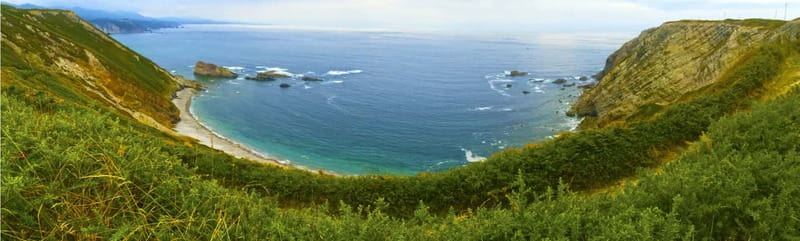
- Ermita de la Regalina views: dramatic lookout energy on the Luarca/Valdés stretch
- Avilés old town with a guide: historic streets plus major modern contrast at the Niemeyer Centre
- Cudillero’s “Villa Pixueta” hills: steep, colorful lanes that drop toward the sea
- Local context on fishing Asturias: you’ll hear why this coast is built around the Cantabrian Sea
- Time to eat locally in Cudillero: guided recommendations, then you choose your meal
Why this coastal route works (and why it feels personal)
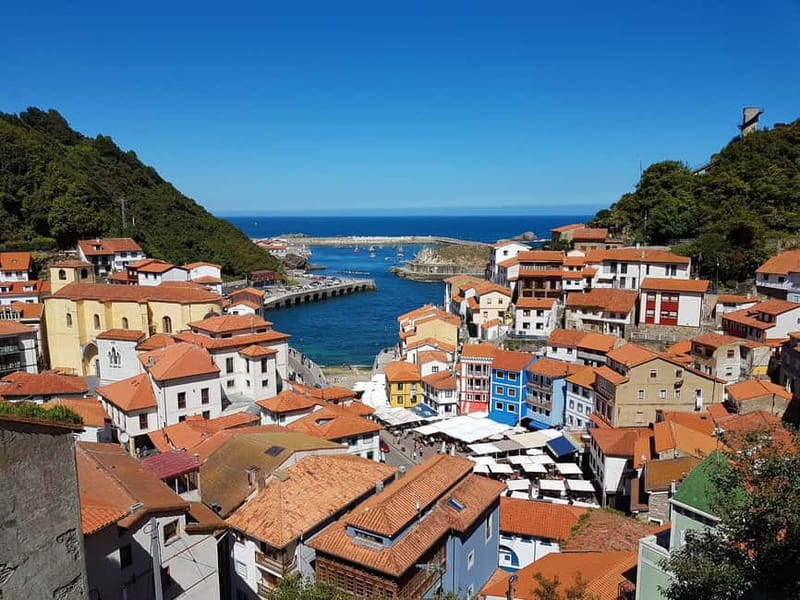
This trip connects three towns that each explain a different side of Asturias. Luarca gives you sea-meets-mountains charm. Cudillero adds the theatrical hillside town layout. Avilés brings the historic centre into view, then flips the switch to modern architecture.
What makes it feel worth the money is the mix of guided time and your own time. You’re not just herded from stop to stop with a commentary mic. You actually get to walk key areas with a guide, then you’re given room to wander and choose what to do with your eyes and your appetite.
Also, the group size is kept small. That usually means your questions get answered faster, and you’re less likely to feel like you’re fading into a crowd.
You can also read our reviews of more tours and experiences in Gijon.
From Gijón to Luarca: Valdés’ sea-and-mountain merge
Your day starts in Gijón, where the pace is very city-like. Then you head west along the Asturian coast into Valdés, where the scenery changes fast. In this part of Asturias, the mountains don’t sit politely in the background. They press closer to the sea, so the coastline feels carved and intimate.
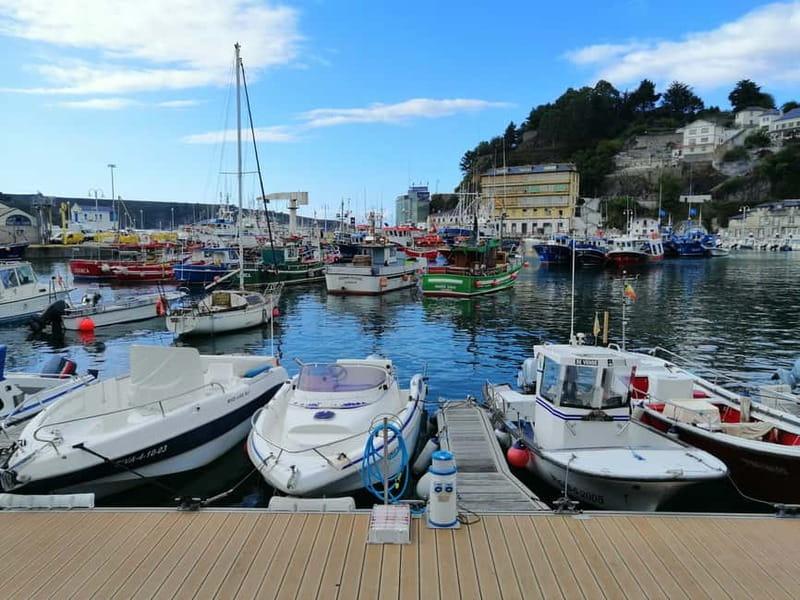
Luarca is the first stop, and it’s a classic “walkable by design” village. You’ll stroll through streets tied to important local history, including the fact that the Nobel Prize in Medicine Severo Ochoa was born here. It’s the kind of detail a guide can connect to the streets you’re standing on, so it doesn’t feel like a random trivia stop.
Expect a scenic mixture of promenade mood and small-town streets. It’s not a theme park. It’s an active coastal municipality, and that’s why the fishing past stories hit harder once you’re physically near the water.
Luarca highlights: Plaza Miares and La Regalina’s payoff
Luarca’s standout moments are the places where the town opens outward. One key stop is Plaza Miares, which is built for lingering. From there, you can feel how the town is arranged for views, not just for getting from one point to another.
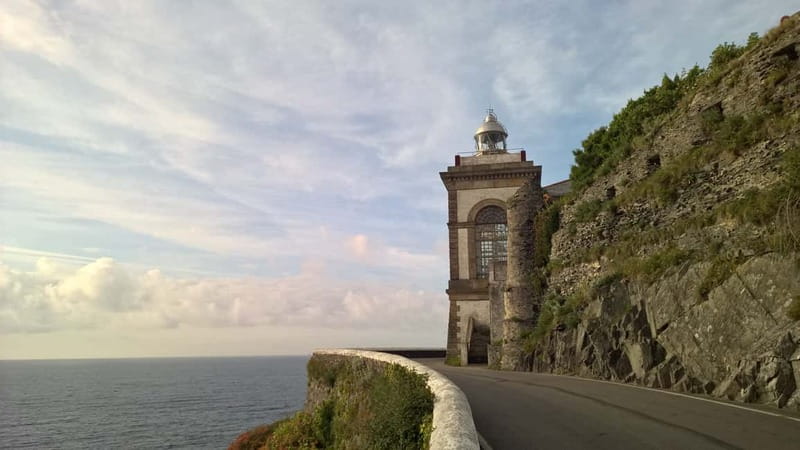
Then comes one of the most memorable moments of the whole day: Ermita de la Regalina. This is a lookout-style stop with serious coastal drama. If you like a photo with scale, you’ll get it here. If you prefer to just stand and watch tides and weather roll in, you can do that too. Either way, this is the part of the day that tends to make the long travel feel justified.
Because the day includes a moderate amount of walking, I suggest wearing shoes you can trust on uneven sidewalks and slopes. This is northern Spain, so even on a clear day, surfaces can feel slick.
Cudillero’s hillside world: Villa Pixueta and seaside amphitheater energy
After Luarca, you head to Cudillero, and the town immediately stops you from walking in straight lines. This is a place of inclined paths and streets that seem to tumble down toward the Cantabrian Sea. People sometimes describe it in terms like charming, but what matters on the ground is the layout. You feel it in every turn.
Cudillero is often called the Villa Pixueta, and the charm isn’t only visual. It’s practical. Houses and streets are arranged around the sea, which reflects how daily life and work were shaped by fishing and weather. With a local guide, those explanations make the town’s odd geometry feel logical instead of just quirky.
You’ll see highlights like the Amphitheatre of Cudillero, plus churches and viewpoints such as Iglesia de Jesús del Nazareno and Iglesia de Santa María de Soto de Luiña. There’s also La Quinta de Selgas, a spectacular museum setting that adds cultural weight to what could have been a pure sightseeing stop.
You’ll also get a chunk of free time before or around lunch to taste local gastronomy. The guide will recommend where to go, which is a big plus in a town where menus can be seasonal and fast-moving. Plan your lunch around what you like most: grilled seafood, local specialties, or something simpler you can eat without rushing the rest of the day.
Avilés: historic centre streets plus Niemeyer’s modern shock
Then you reach Avilés, and the tone changes. This city is known as a village tied to exploration, linked to a ruler of the Indies who reconquered Florida in the 16th century. Even if that history is new to you, the name and theme make sense once you start moving through the old centre and see the cultural layering.
With a guide, your historic area walk includes standout spots such as Plaza de la Merced and the monumental Church of Santo Tomás. You’ll also pass Iglesia de Sabugo, positioned in front of the estuary of Avilés. That estuary setting matters because it ties the city’s industrial and maritime story to the physical geography you’re seeing.
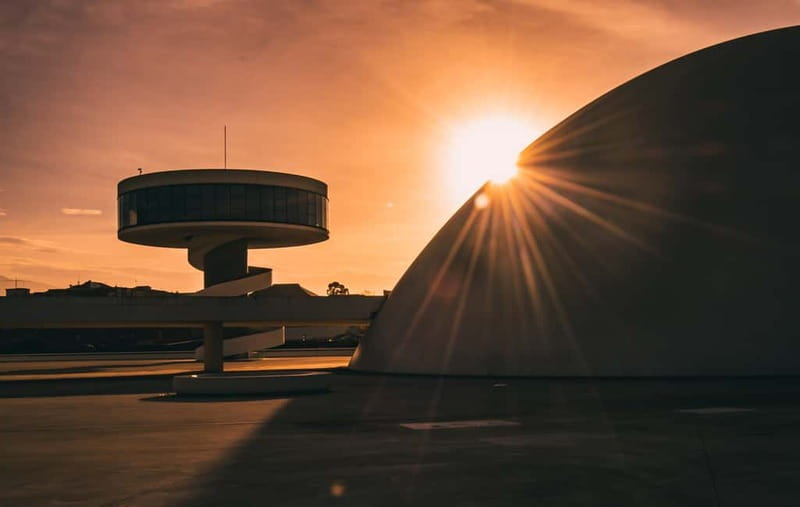
The other big anchor is the Niemeyer Centre. This is the modern contrast that turns Avilés into more than an old-town stop. It’s the kind of shift that helps you understand why cities along the northern coast didn’t just preserve the past. They also built new identities as industries changed.
One consideration: Avilés can feel like the fastest-paced part of the day. You’ll be guided through key areas, but the schedule doesn’t leave time for a long, slow wander on your own. If Avilés is your top priority, I’d treat this as a guided highlights visit, not a full-day immersion.
The real pace: 9 hours, moderate walking, and when to watch the clock
This is a 9-hour day trip, which is long enough to feel full by the end. The walking is described as moderate, but the terrain matters. Cudillero in particular involves steep, uneven streets, and Luarca has its own slope-and-stair mix.
I recommend keeping your day practical:
- Bring a light layer, even in warmer months. Coastal wind is real.
- Keep water handy if you’re prone to getting thirsty during viewpoint stops.
- Don’t assume you can slow down everywhere. The day runs on a schedule, and the guide needs everyone back on time.
Also, show up early. The meeting point rule is strict: arrive 15 minutes before the start. The guide can’t wait for latecomers due to the tight timing.
Finally, if you have accessibility needs, note that this tour is not suitable for wheelchair users. That’s mainly about the walking surfaces and slopes.
Food: how to handle meals when nothing is included
Food and drinks aren’t included, but you aren’t left completely guessing. During the Cudillero stop, you’ll have free time to eat and the guide will give recommendations for where to taste local food.
Here’s how I’d handle it:
- Decide what you want from the menu before you sit down, so you don’t lose time comparing options.
- If you’re into seafood, prioritize lunch in Cudillero. It’s the most aligned with the coast-and-fishing vibe of the day.
- Budget money for at least one proper meal, plus snacks if you get hungry between stops.
Because this day crosses three towns, your best strategy is to avoid trying to “sample everything.” Pick one meal highlight and save room for a late-day snack if you need it.
Price and value: is $50 a good deal?
At around $50 per person, this trip can be good value because you’re paying for three guided sightseeing blocks plus round-trip transport from Gijón. You’re not just buying bus rides and hoping you can interpret everything yourself.
Where the price can feel less attractive is if you’re the type who wants long free time in one place. The day gives you guided context and key sights, but it does not promise lingering at every corner. It’s designed as a sweep.
If you like structured sightseeing with enough freedom to choose your lunch, this price typically makes sense. If you prefer slow travel, you might find the schedule presses you onward.
Who should book this day trip (and who should skip it)
This tour is a strong match if you:
- Want a guided overview of Asturias’ coastal towns without planning transport between them
- Like viewpoints as a big part of your travel day, especially the Ermita de la Regalina stop
- Enjoy a mix of historic streets and modern stops, like Avilés’ Niemeyer Centre
You might skip it if you:
- Need wheelchair-friendly routes
- Want a long, independent exploration day with minimal structure
- Are the type who gets stressed by tight timing and strict meeting rules
Language-wise, you’ll get English and Spanish support. If the group size is larger than 6 participants, it can be offered with a guide in English, so double-check the language option you select so the day matches what you want.
Should you book this Gijón to Luarca, Cudillero, and Avilés day trip?
Yes, if your goal is a smart, guided coastal day with real context and memorable viewpoints. The two best reasons to book are the combination of Ermita de la Regalina scenery and the structured visit through Avilés’ historic centre, then the day widens out with Cudillero’s hillside character.
If you’re chasing a deep, unhurried explore of Avilés, or if you’re sensitive to pacing, set expectations accordingly. This is a highlights day built for efficiency, and efficiency can feel rushed when you want to linger.
FAQ
How long is the day trip?
The duration is 9 hours.
What time does it start?
The tour starts at 09:00 from Gijón.
Where should I meet the group?
Meet 15 minutes before the start time at the meeting point listed by the provider, and look for guides with the Buendía Tours logo.
Do I need to speak Spanish?
No. The tour provides live guiding in English and Spanish.
Is walking involved?
Yes. The tour includes a moderate amount of walking.
What about food and drinks?
Food and drinks are not included. You’ll have free time to eat, with guide recommendations.
What identification should I bring?
Bring a passport or ID card.