REVIEW · GRANADA
From Granada: High Sierra Nevada hiking experience
Book on GetYourGuide →Operated by NEVADA GUIDES · Bookable on GetYourGuide
Mountain goats feel like they own the trail.
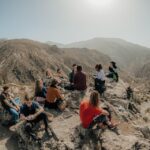
This is a high Sierra Nevada hike built around the glacier-carved scenery around San Juan Valley and viewpoints toward Mulhacén. I especially love the off-the-beaten-path quiet and the way your guide turns the big views into real geology and ecology (Africa/Euroasia collision, ice excavating rock over thousands of years). The only catch is the altitude and rocky steep bits: you should plan for more than just an easy stroll, and people with heart or respiratory issues should skip it.
What makes it work so well is the rhythm. You get driven from Granada up to about 2,500 meters, start hiking with a clear plan and an easy pace, and finish after a full day (about 5 hours walking plus transfers). I also like that the tour includes real support gear—hiking poles and warm layers if weather turns—so you’re not gambling on what you packed.
In This Review
- Key moments that make this hike worth your day
- Getting to the Sierra Nevada: Granada to the 2,500-meter starting altitude
- San Juan Valley and the glacier story: ice that shaped the rocks
- The hike itself: a moderate climb with an easy pace plan
- Tajos del Campanario viewpoint: staring up at Mulhacén’s north face
- Wildlife and silence: mountain goats, eagles, and that off-grid feeling
- Weather, snowshoes, and what the guide provides
- Price and value: why $69 can feel like a bargain
- Who this hike is best for (and who should skip it)
- Small-group comfort: pace, group dynamics, and your day flow
- Should you book the Granada to High Sierra Nevada hike?
- FAQ
- How long is the hike, including transfers?
- How long is the route and how much elevation do you gain?
- Do I need hiking experience?
- What wildlife might I see?
- What should I bring and wear?
- Is food and water included?
- Is snow gear provided in winter?
Key moments that make this hike worth your day
- Mountain goats in the wild: you’re in their range, not behind a fence.
- Glacier valley scenery near San Juan Valley: ice-shaped terrain, cold water, and shiny rocks.
- A guided route with secret spots: your guide’s years of hiking matter when crowds thin out.
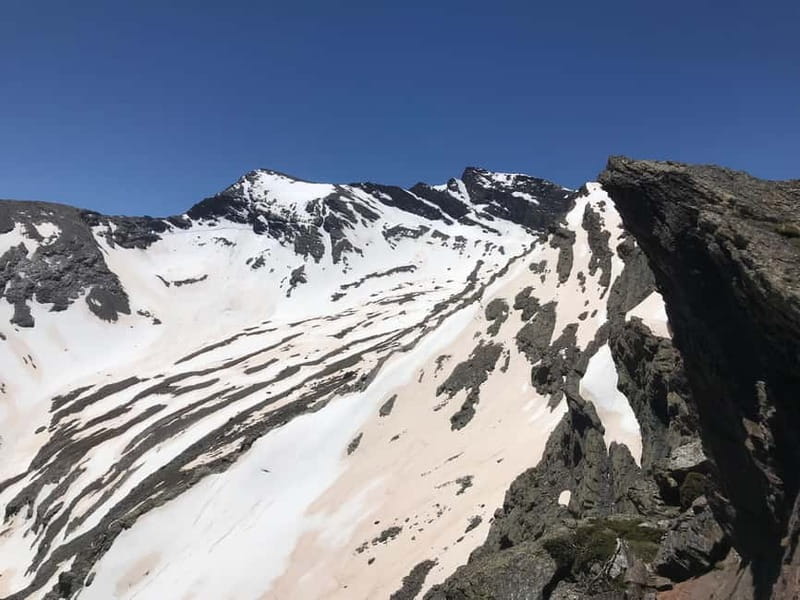
- Views toward Mulhacén, Veleta, and Alcazaba: you’re close enough to feel the scale of the highest peak in the Iberian Peninsula.
- Small group size (up to 8): more pacing for comfort, less waiting around.
- Real altitude planning: you climb above 3,000 meters at the top viewpoint area (conditions can affect how high you go).
Getting to the Sierra Nevada: Granada to the 2,500-meter starting altitude
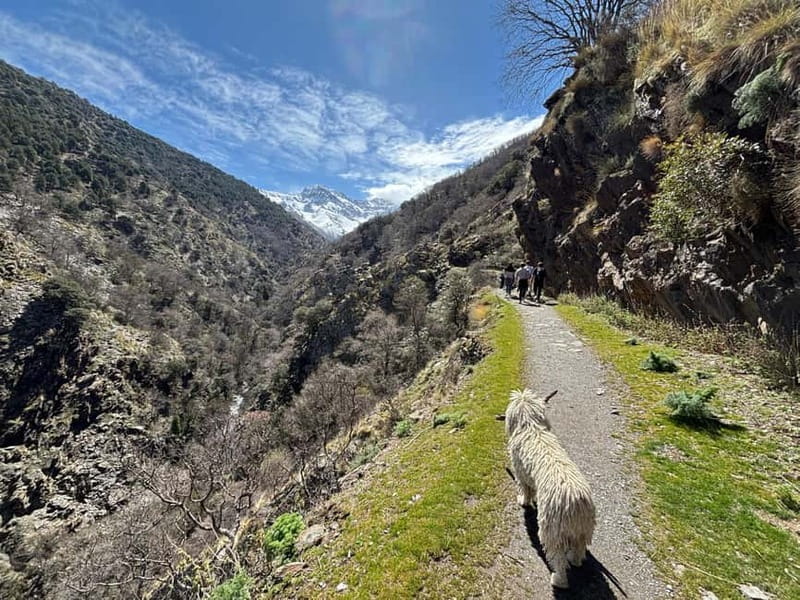
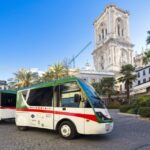
This tour starts in Granada with a pick-up from the city center. You’ll meet at the statue in the middle of the square, then head up by car to roughly 2,500 meters above sea level. That “early altitude jump” is a big deal. Instead of spending your whole day slowly gaining elevation, you’re already close to the alpine zone when you begin.
Why I like this setup for you: it compresses effort and time. You’re still hiking all day, but the drive helps you spend more hours in the terrain that makes Sierra Nevada special—snowline country, cold air, and that clear mountain light.
Expect a short transfer window (about 1 hour total from Granada and back is typical), then you switch into hike mode. The group stays small (up to 8), which helps everyone move together without the constant stop-and-go feeling you get on larger tours.
You can also read our reviews of more hiking tours in Granada
San Juan Valley and the glacier story: ice that shaped the rocks
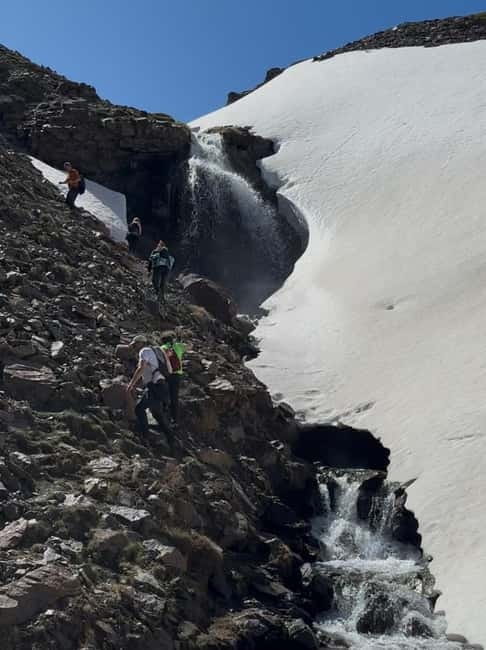
Once you’re up high, you head toward the San Juan Valley, described as one of Sierra Nevada’s most beautiful glacier valleys. This is where the tour really earns its place. Instead of just walking from viewpoint to viewpoint, you get an explanation of what you’re seeing.
Sierra Nevada’s high peaks are tied to the collision between Africa and Euroasia, and the valley’s features are tied to glaciers excavating rock over thousands of years. On the trail, that history shows up in the kind of rock you notice, the way the ground is carved, and the feel of the terrain underfoot.
What to expect as you hike through this area:
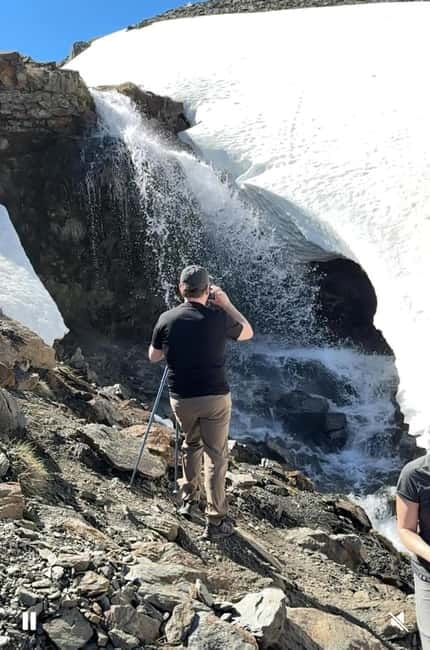
- Pristine streams and waterfalls along the route
- Shiny rocks that catch light in a way that feels almost unreal
- Wildlife signals—especially birds overhead and occasional animal sightings—because you’re walking through real habitat, not a managed park
This part of the hike is also where you’ll appreciate the “off the beaten path” element. Even though you’re in a famous mountain range, this route is designed to keep the group away from the biggest crowds. Translation: you get more quiet, more sky, and more of that hush that only happens when you’re up high and away from roads.
The hike itself: a moderate climb with an easy pace plan
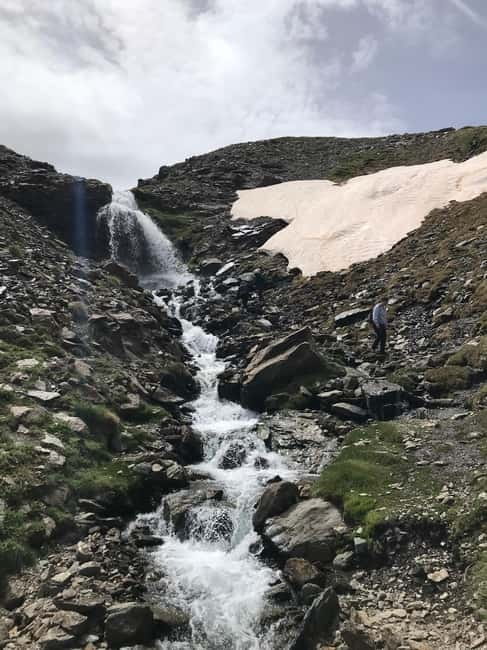
The total hike is about 8 kilometers (5 miles). Elevation gain is listed at 600 meters (1900 feet), and the walking time is about 5 hours including breaks. That “moderate” label matters, because this is not a flat stroll. You’ll gain altitude, and some sections can feel steep.
Here’s the practical truth: the tour is designed for people with a moderate fitness level. You don’t need to be an experienced hiker. But you do need to be comfortable hiking uphill on uneven ground.
Your guide sets an easy pace for the group and builds in stops for resting and photos. That pacing shows up in the way the day feels. You’re not sprinting uphill. You’re working steadily, catching your breath, and looking around often enough to actually enjoy the views instead of just surviving them.
Also keep this in mind: you’re walking for real time in the mountains. If you start to lag, the guide has some good options for regrouping. You can wait at spots on the way back rather than forcing yourself to push beyond what feels safe.
Tajos del Campanario viewpoint: staring up at Mulhacén’s north face
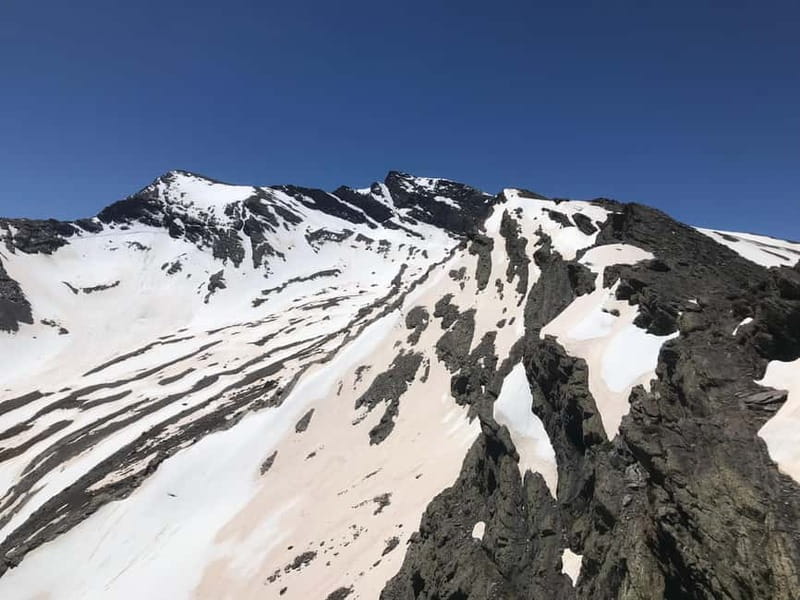
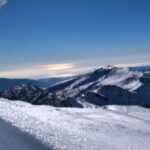
The highlight moment is reaching the area of Tajos del Campanario. From there, you admire the dramatic north face of Mulhacén, along with views of Veleta and Alcazaba. Mulhacén is the highest mountain in Sierra Nevada (and the highest in the Iberian Peninsula), so when the guide lines up the view, the scale hits fast.
This matters for your trip planning: you’re not just seeing a mountain. You’re looking at a face carved by Sierra Nevada’s largest glaciers. You get the “why” behind the “wow.”
Altitude also becomes a factor here. The hike description says you’ll get over 3,000 meters (10000 ft) at the top viewpoint area. In some conditions, the route can change due to wind or snow, but you still get big mountain views even if you don’t push to the very top.
How it should feel:
- Cooler air than Granada
- More wind exposure at higher points
- A strong sense of open space once you get above the valley floor
And because the group is small, you’re more likely to get time at the best spots rather than rushing past them.
Wildlife and silence: mountain goats, eagles, and that off-grid feeling
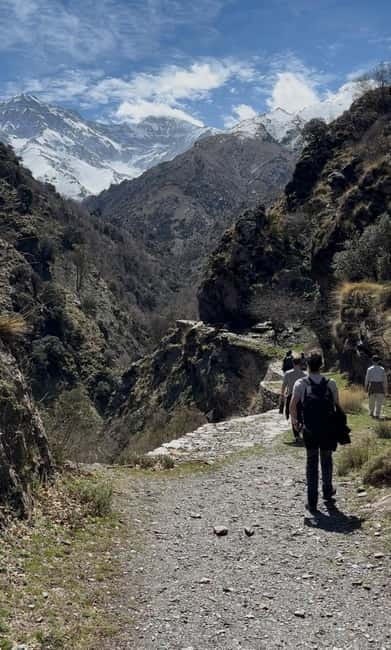
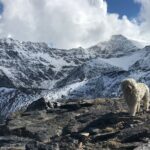
One of the most praised parts of this experience is the chance to see Spanish mountain goats in their natural habitat. You’re not guaranteed an animal sighting, but the terrain and altitude are the right kind of habitat for them. When you do spot them, it feels like you’ve stumbled into a scene from a documentary.
Other wildlife you might notice includes:
- Eagles and birds migrating from Africa
- Insects and plants that exist specifically in this region
I like that your guide frames wildlife sightings in context. Instead of just spotting and moving on, you learn what you’re looking for and why the area supports that life.
The other big win is silence. This hike is designed to go off the beaten path. That means less noise, fewer people cutting across your view, and more time hearing the wind and water. For many people coming from Granada’s streets, this calm feels like a reset.
Weather, snowshoes, and what the guide provides
In the mountains, weather can change fast. That’s why it’s smart that this tour includes gear support.
Included items you’ll care about:
- Hiking poles
- A backpack
- Warm clothing gear if necessary: polar fleece, rain jacket, gloves, and hats
- Safety support: liability insurance and assistance insurance
In winter conditions, snowshoes are provided for free. That’s not a small detail. If you plan a Sierra Nevada day and the weather is snowy, footwear and traction become the difference between comfortable and miserable.
What you should bring:
- Sunscreen
What you should wear:
- Trainers or sneakers may work, but the trail can be rocky and uneven.
- The tour explicitly does not allow high-heeled shoes, sandals, or flip-flops.
Based on how the hike tends to feel (steep sections, lots of rock underfoot), you’ll have an easier day with shoes that grip. Poles help on steep downhills too—your knees will quietly thank you.
Price and value: why $69 can feel like a bargain
At $69 per person for a 7-hour day, the value mostly comes from what’s included.
You’re getting:
- A small group (up to 8)
- Transfers to and from Granada city center
- A professional mountain guide (UIMLA) with more than 30 years of experience
- Included gear (poles, backpack, and warm layers if needed)
- Insurance coverage
- Route planning around geology, wildlife, and weather
Food and water are not included. You can buy food and water at the starting point of the hike in a mountain hostel. In practice, that keeps the tour price lower while still giving you an option for a simple meal.
Is it a lot? Not really, given the altitude and the fact you’re not just paying for walking—you’re paying for transportation, guiding, and safety systems. If you were to piece together a similar day yourself, you’d burn time and money on logistics fast.
Who this hike is best for (and who should skip it)
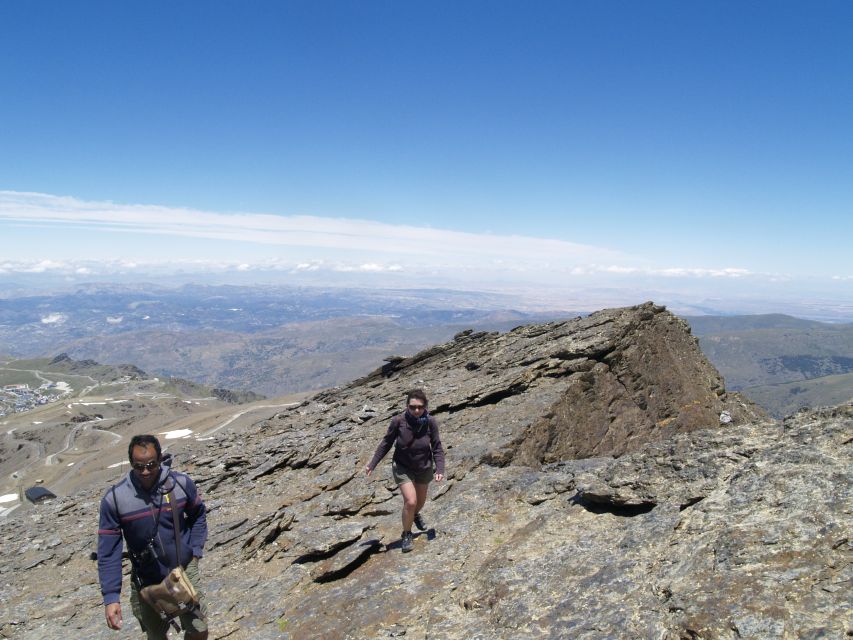
This is a moderate hike on the REI scale (relaxed-easy-moderate-vigorous-strenuous). If you do sports regularly or you’re used to walking uphill, you’ll likely enjoy it.
You should consider this tour if you want:
- A true mountain day away from crowds
- Geology + wildlife explanations tied to what you see outside
- A guide who sets a pace for the whole group
- Views toward Mulhacén without needing to be a technical climber
You should not do it if:
- You have heart problems
- You have respiratory issues
Altitude can be demanding even when the hike isn’t extremely long. Use that as your baseline for deciding.
Small-group comfort: pace, group dynamics, and your day flow
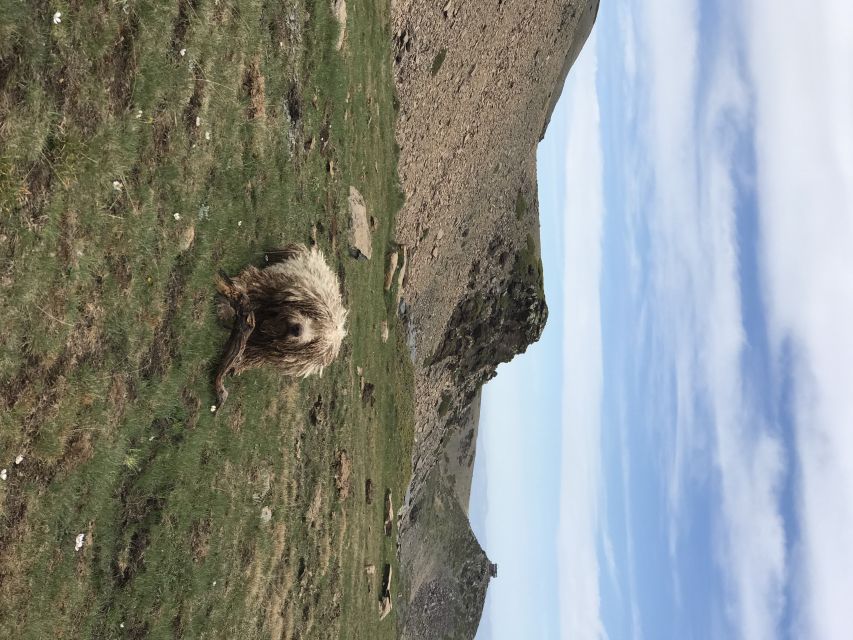
A group of up to 8 changes the whole feel of a hike. You’re not fighting for space at viewpoints. You’re not wondering if you’ll get left behind. Your guide can adjust the day in real time.
This tour also builds in rest moments. There are several stops for the views and photos, and the pace is set to keep everyone moving comfortably. When the weather turns, your guide can shift the route to keep the experience safe and worthwhile.
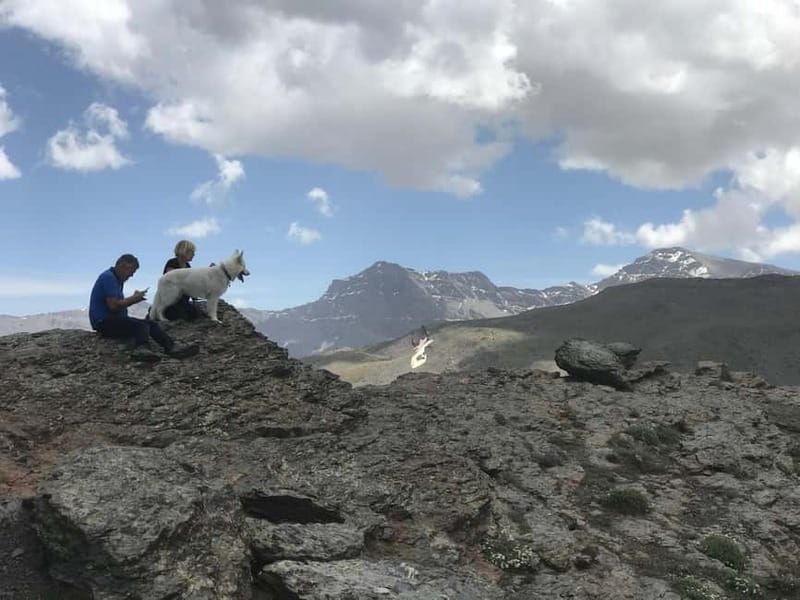
One fun bonus: the guide may bring Kai, a mountain dog that shows up as part of the day’s atmosphere. If you’re an animal person, that can make the whole hike feel friendlier without turning it into a circus.
Should you book the Granada to High Sierra Nevada hike?
Book it if you want a real Sierra Nevada day: high altitude, glacier-shaped terrain, waterfalls, and a shot at mountain goats—without the stress of figuring out logistics or trail timing.
Skip it if you can’t handle steep, rocky footing at altitude, or if you have heart or respiratory concerns. Also, pack footwear seriously. Even with poles and guidance, uneven rock and steep patches are part of the experience.
If you’ve got one spare day in Granada and you want something that feels both wild and well-run, this is a very strong choice.
FAQ
How long is the hike, including transfers?
The day is about 7 hours total, with roughly 5 hours of walking (breaks included) plus around 1 hour for transfer from and back to Granada.
How long is the route and how much elevation do you gain?
The hiking distance is about 8 kilometers (5 miles). Elevation gain is listed as about 600 meters (1900 feet).
Do I need hiking experience?
No. This is set up as a moderate hike. You should be generally fit and comfortable walking uphill on uneven terrain.
What wildlife might I see?
You may spot Spanish mountain goats. The area can also have eagles, birds migrating from Africa, and local insects and plants that are specific to this region.
What should I bring and wear?
Bring sunscreen. Wear shoes appropriate for hiking; trainers are okay. Avoid high-heeled shoes, sandals, and flip-flops.
Is food and water included?
Food and water are not included. You can buy food and water at the starting point of the hike in a mountain hostel.
Is snow gear provided in winter?
Yes. If conditions require it, snowshoes are provided for free.