REVIEW · OVIEDO
From Oviedo: Luarca, Cudillero and Avilés Day Trip
Book on GetYourGuide →Operated by buendía · Bookable on GetYourGuide
Coastal Asturias in one tidy day. This guided route links three very different towns along the Cantabrian Sea—plus some serious lookout moments. I love the hand-on guidance that helps you make sense of what you’re seeing, and I especially like the views at La Regalina and Cudillero’s hillside streets. One thing to keep in mind: lunch and drinks aren’t included, so you’ll want to plan your budget and your timing.
The good news is that the day is packed but not chaos. You’ll ride in a private bus, walk a moderate amount, and get real explanations in English and Spanish—so you’re not just sightseeing from a window seat. If you prefer one language nonstop, you may find the bilingual format a bit tiring.
In This Review
- Key Things You’ll Notice on This Oviedo Coast Trip
- Price and Logistics: What $50 Really Covers
- A 10-Hour Loop Around Luarca, Cudillero, and Avilés
- Stop 1: Luarca’s Severo Ochoa Streets and Ermita de la Regalina
- Stop 2: Cudillero’s Villa Pixueta and the Panoramic Corners
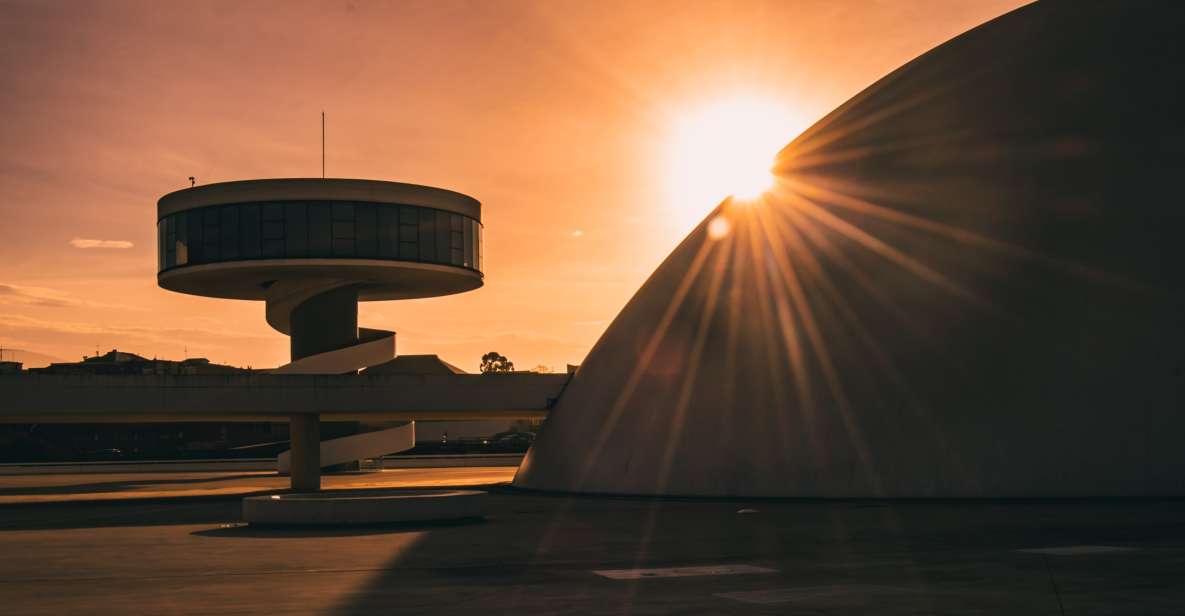
- Stop 3: Avilés’ Historic Center, Estuary Story, and Niemeyer Centre
- The Best Part: Why a Guide Changes Everything Here
- Pace, Walking, and Language: How to Prepare
- What to Pack and What to Bring (So the Day Feels Easy)
- Tips to Get More Out of Each Town
- Should You Book This Oviedo to Asturias Coast Day Trip?
- FAQ
- How long is the day trip?
- Where does the tour start from?
- What’s included in the price?
- Is lunch included?
- What languages are spoken during the tour?
- Is the tour suitable for wheelchair users?
- How much walking should I expect?
- What do I need to bring?
- When should I arrive at the meeting point?
Key Things You’ll Notice on This Oviedo Coast Trip
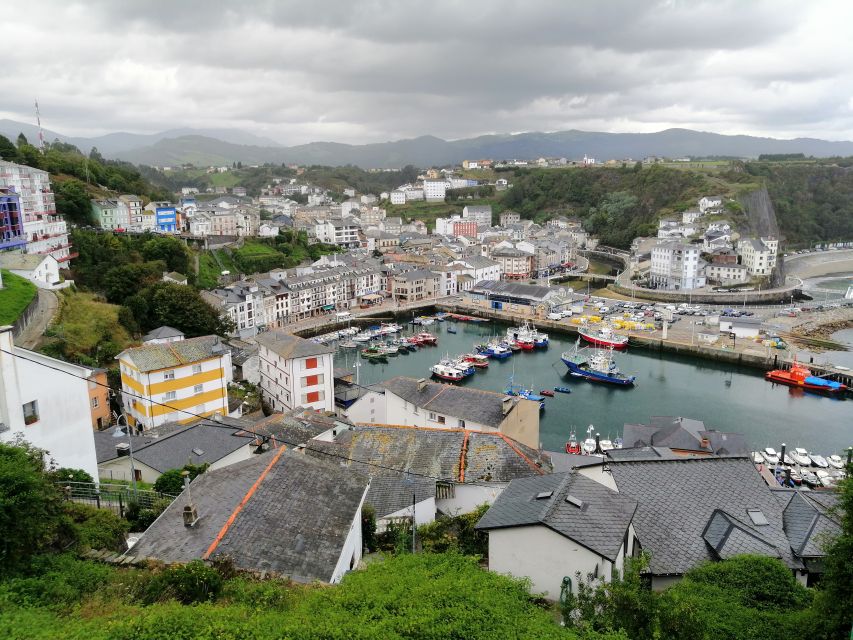
- Three towns, one itinerary: Luarca, Cudillero, and Avilés in about 10 hours.
- Luarca’s Nobel-prize connection: stroll streets tied to Severo Ochoa.
- Cudillero’s steep seaside layout: paths and sidewalks that funnel down to the sea.
- Ermita de la Regalina viewpoint: one of the day’s best photo stops.
- Avilés modern + historic: the Niemeyer Centre alongside older neighborhoods.
- Free time for gastronomy: you’ll have a window to eat in Cudillero with guide tips.
Price and Logistics: What $50 Really Covers
At around $50 per person for a 10-hour day trip, this is the kind of deal that works when you want a lot of geography without the stress of driving, parking, or route planning. You’re paying for two big things: a live guide and transportation by private bus between stops. That’s the core value.
Two practical points help you judge if it’s a fit. First, food and drinks are not included, so the real cost depends on what you order for lunch (and whether you snack between towns). Second, the schedule is strict enough that your timing matters—arrive early so you don’t risk missing the start. The itinerary moves, and the guide can’t wait for latecomers.
If you’re traveling solo, this style of tour can be a good equalizer. You get structure and commentary, but you’re still free to wander during the free-time windows—especially in Cudillero.
You can also read our reviews of more tours and experiences in Oviedo.


A 10-Hour Loop Around Luarca, Cudillero, and Avilés
You start in the morning with pickup timing built in. It begins at 08:30 from Oviedo, and there’s also a departure at 09:00 from Gijón. From there, the plan is simple: first take in Luarca, then enjoy Cudillero (including time around lunch), and finish with Avilés’ historic center and modern landmark.
What makes this route feel efficient is the variety. Luarca leans scenic and coastal-realm charming. Cudillero feels more theatrical—houses stacked down toward the sea, and viewpoints that look engineered for photos. Avilés gives you a different mood: architecture you can read (historic center, churches, the estuary story) plus the modern Niemeyer Centre.
You’ll get a guided flow through the highlights, then short stretches where you can slow down and choose your pace.
Stop 1: Luarca’s Severo Ochoa Streets and Ermita de la Regalina
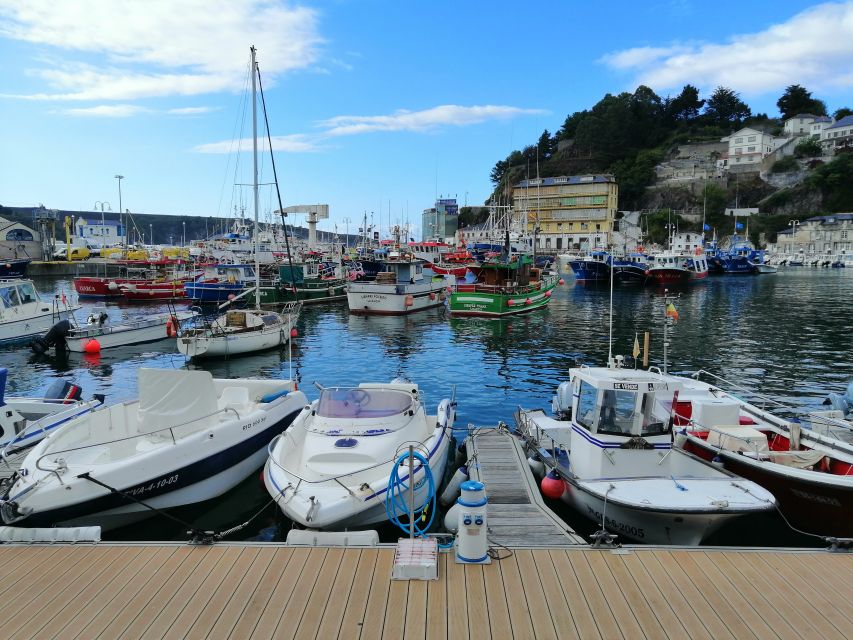
Luarca is your first stop, set in the municipality of Valdés, where the sea and mountains meet in a way that feels almost staged. The town has a lived-in coastline vibe, not a theme-park one, and that matters because it makes the walking more enjoyable.
During the visit, you’ll follow the streets that connect to Severo Ochoa, the Nobel Prize–winning figure linked to medicine. Even if you only know his name from a passing reference, the guide explanations help you see why the town still remembers him.
Two specific highlights to look out for:
- Plaza Miares: a focal point that gives you a quick sense of how locals move through the town.
- Ermita de La Regalina: the viewpoint that helps justify why you’re doing this day trip at all. From up there, you get broad coastal perspective, and the area’s sea-and-mountain meeting point becomes obvious.
Luarca’s walking portion is generally “moderate,” but the real factor is comfort. If you don’t love uneven sidewalks or short uphill segments, wear shoes that grip well.
Stop 2: Cudillero’s Villa Pixueta and the Panoramic Corners
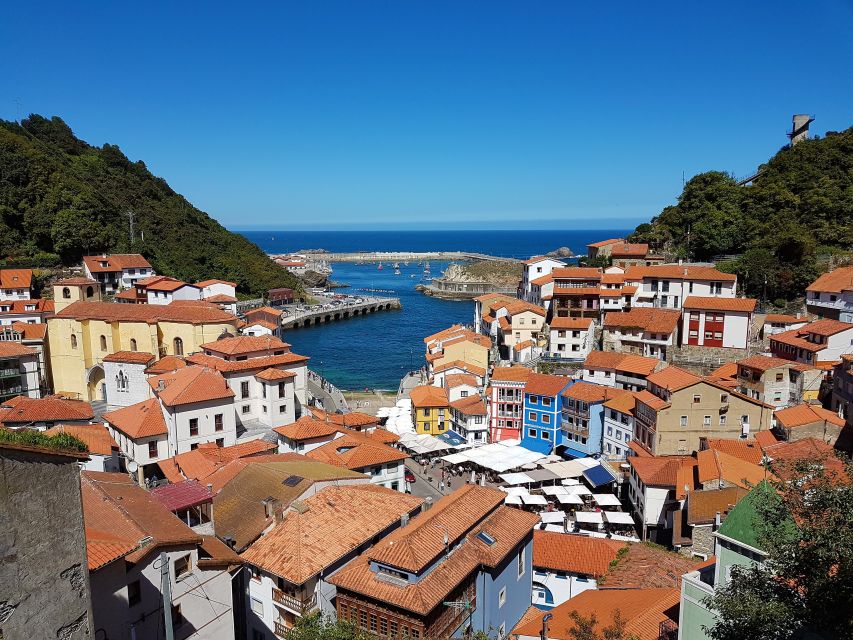
Cudillero is where the coastline turns dramatic. It’s known for its inclined paths, roads, and sidewalks that lead down to the sea. The town is often described as a series of “up and down” layers, and once you start walking, you understand why people call it the Villa Pixueta.
What’s great here is that it’s not only about the photos (though you’ll want them). The guide helps you read the town’s layout—why the homes face the water, why the pathways follow the terrain, and how everyday life fits into that steep geography.
You’ll get a guided look at major sights, including:
- the Amphitheatre of Cudillero, a natural-feeling stage for the seafront scene
- La Quinta de Selgas, a standout museum stop (even if you just appreciate it from the outside, it frames the town’s culture)
- churches such as Iglesia de Jesús del Nazareno and Iglesia de Santa María de Soto de Luiña
- the incredible views that make the effort feel worthwhile
Before lunch, you’ll also have free time to taste local gastronomy. The key here is that your guide will offer recommendations first. That matters because Asturian food is best when you order it with context—what’s local, what’s seasonal, and what won’t feel like a tourist trap.
One tip for lunch logistics: because food isn’t included, you’ll want to decide if you’re going for a sit-down meal or a quicker plate. If you’re the type who hates waiting for tables, pick a lunch plan early during the free time.
Stop 3: Avilés’ Historic Center, Estuary Story, and Niemeyer Centre
Avilés shifts the mood from postcard-coast to city-with-depth. People call it the village of the forward, tied to a space dedicated to an important historical figure connected to reconquering Florida in the 16th century. Even without digging into every detail, the city framing helps you understand why you’re seeing what you’re seeing.
The schedule includes both the modern and the older parts:
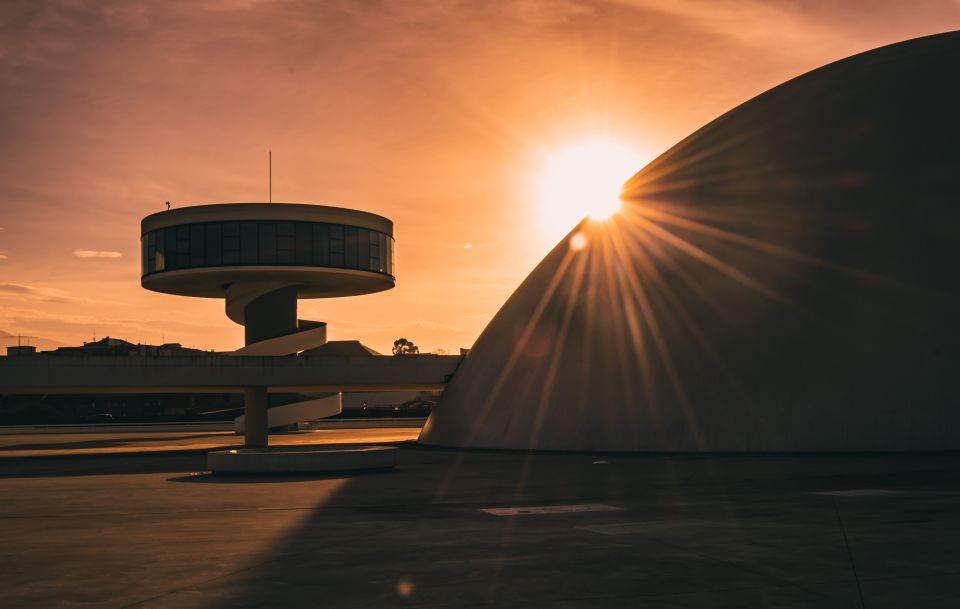
- the Niemeyer Centre (the big modern anchor)
- the historic center, where you can feel how the city developed
- Church of Sabugo, positioned in front of the estuary of Avilés
- Plaza de la Merced, with the monumental Church of Santo Tomás presiding nearby
- time to appreciate the estuary of Avilés, which holds history tied to the industrial era in Asturias
Why this stop is valuable: it prevents the day from being just scenery. You get a sense of how coast cities worked and evolved—trade, industry, and the sea’s role in daily life. Then, with Niemeyer, you see how the city expresses itself now.
If you like to walk at a relaxed pace, Avilés is where you can do it. The streets feel more forgiving than Cudillero’s steep segments, and the viewpoints come less from elevation and more from the city layout.
The Best Part: Why a Guide Changes Everything Here
On the Asturias coast, you can absolutely explore on your own. But the guide makes this itinerary feel smarter, because each town has a “why.” Without that, you’d see pretty streets and miss the connections.
In particular, I like the way this trip handles storytelling and timing:
- In Luarca, the Severo Ochoa link gives you a reason to pause, not just pass through.
- In Cudillero, the town’s physical structure becomes a lesson, so your photos feel earned rather than random.
- In Avilés, the estuary and historic center help you connect the modern landmark to the city’s earlier identity.
Also, guides on this route can be genuinely good at adjusting their pace. One name you might hear associated with strong guiding is Seba, described as well-prepared and able to give people space to see things independently, plus offering lunch recommendations that land well. And Alberto is noted as an excellent driver, which you’ll feel in the smoothness of the ride and the way stops stay on track.
Pace, Walking, and Language: How to Prepare
This tour includes a moderate amount of walking. That’s not a dealbreaker, but it does mean you should plan for at least a good chunk of time on foot across uneven old-town surfaces.
It’s also not suitable for wheelchair users, so keep that in mind if mobility is an issue. If you’re fine standing and walking for a few hours total, you should be okay, especially because the schedule includes guided segments and free time.
Language-wise, the experience is English and Spanish. Explanations are bilingual, which is helpful if you understand both languages a bit. The one caution: if you’re very sensitive to back-and-forth language delivery, it can feel tiring. The fix is simple: keep your expectations flexible, and focus on the visuals when the language switches.
Group size can affect this too. If there are more than 6 participants, the tour is offered with a guide in English. If you’re traveling with a language preference, it’s worth checking when you book so you know what you’re likely to hear.
What to Pack and What to Bring (So the Day Feels Easy)
This is a coast day, so plan like you’ll be outside for hours. Bring:
- Passport or ID card
- Comfortable shoes with grip
- A layer (coastal air can shift)
- Water and a small snack for the gaps between meals, since food and drinks aren’t included
Because you’ll be stopping in towns that involve walking and viewpoints, a small day bag is ideal. Keep essentials close so you’re not rummaging at the wrong moment.
Tips to Get More Out of Each Town
A few small strategy moves can make the day feel more personal:
- In Luarca, use the first guided walk to get your bearings, then watch for the viewpoint payoff at Ermita de La Regalina.
- In Cudillero, don’t rush the steep streets. Take a slow look down toward the sea when you’re on the right angle of the pathways.
- During Cudillero’s free-time lunch window, follow the guide recommendation if you’re unsure what to order. If you have dietary needs, still ask what’s easiest to find locally in that moment.
- In Avilés, split your focus: let the modern landmark register, then shift into historic center mode so you’re not overwhelmed by one style only.
If you’re the type who likes coffee and restroom breaks, build in a bit of patience. The day is efficient, so having your own plan for when to stop can help.
Should You Book This Oviedo to Asturias Coast Day Trip?
Book it if you want:
- a single-day structure for seeing Luarca, Cudillero, and Avilés without the logistics
- guide-led explanations that connect names, places, and local history
- strong photo/viewpoint moments, especially Ermita de la Regalina and Cudillero’s hillside views
- a pace that’s active but not marathon-level, with some breathing room during free time
Skip it if:
- you need wheelchair-friendly routes
- you prefer entirely independent travel without bilingual narration
- you want a fully included meal day (since lunch and drinks aren’t part of the price)
For most people doing their first (or second) time in Asturias, this is a practical way to get a real feel for the region’s coastal towns in one clean loop.
FAQ
How long is the day trip?
The tour lasts 10 hours.
Where does the tour start from?
It starts at 08:30 from Oviedo and at 09:00 from Gijón.
What’s included in the price?
You get a live guide and transportation by private bus.
Is lunch included?
No. Food and drinks are not included, though you’ll have free time to eat in Cudillero with guide recommendations.
What languages are spoken during the tour?
The tour is offered in English and Spanish, with explanations provided bilingually (Spanish with English explanations).
Is the tour suitable for wheelchair users?
No, it is not suitable for wheelchair users.
How much walking should I expect?
There’s a moderate amount of walking during the day.
What do I need to bring?
Bring your passport or ID card.
When should I arrive at the meeting point?
Arrive 15 minutes before the start time, since the guide can’t wait for latecomers due to the strict schedule.