REVIEW · GRANADA
Granada: Moorish Monuments Entrance Tickets
Book on GetYourGuide →Operated by Distributor: GetYourGuide Tours & Tickets GmbH · Bookable on GetYourGuide
Albaicín in one ticket. This Granada Moorish monuments pass turns a hilly walk into a story you can read in stone, from the restored Arab bathhouse El Bañuelo to the Nasrid rooms at Dar al-Horra. I love that it includes several lesser-seen spaces tied to everyday Muslim life, not just one big showpiece. I also like that you can visit at your pace, hopping between sites in any order without joining a group. One possible drawback: the self-guided setup can feel under-explained in places, and some audio/QR options may not work as smoothly as you’d hope.
You’re looking at a 1-day, self-guided circuit in the Albaicín neighborhood (you’ll make your own way to each stop). If you plan for hills and strolling time, you’ll get a lot out of the $14 price tag—especially if you go on a Sunday, when admission to all monuments is free.
In This Review
- Key things to know before you go
- A practical way to see Granada’s Moorish heritage in Albaicín
- Getting around: self-guided, any order, and how much walking to expect
- El Bañuelo: Granada’s standout Arab bathhouse experience
- Corral del Carbón: the traders’ market and old travel hub
- Maristán: a 14th-century hospital founded by Sultan Muhammad V
- Casa Morisca de Horno de Oro: Moorish house charm and Alhambra views
- Dar al-Horra Palace: Nasrid palace rooms and where your day clicks into place
- Price and value: is $14 worth it for 1 day?
- What to bring and how to avoid common friction
- Who this works for (and who should skip it)
- Should you book the Granada Moorish Monuments Entrance Tickets?
- FAQ
- Where is this experience located?
- How long does the visit take?
- What is the price?
- Do I need a guide or audio guide?
- Can I visit the monuments in any order?
- What monuments are included?
- Do I skip the ticket line?
- Is the ticket valid for more than one day?
- Do I get free entry on certain days?
- What ID should I bring?
- Is this ticket refundable?
Key things to know before you go
- Skip-the-line entry to the included sites, so you lose less time to ticket counters.
- Five included Moorish-era stops in Albaicín: El Bañuelo, Corral del Carbón, Maristán, Casa Morisca de Horno de Oro, and Dar al-Horra Palace.
- Pick your own order. No rigid tour schedule, which is great if you’re photographing or aiming for calmer hours.
- A real walking day. The payoff is compact Moorish architecture mixed with the narrow cobblestoned streets.
- Sunday can be the best day. Admission is free on Sundays, even though your ticket rules still say it’s for one day.
A practical way to see Granada’s Moorish heritage in Albaicín
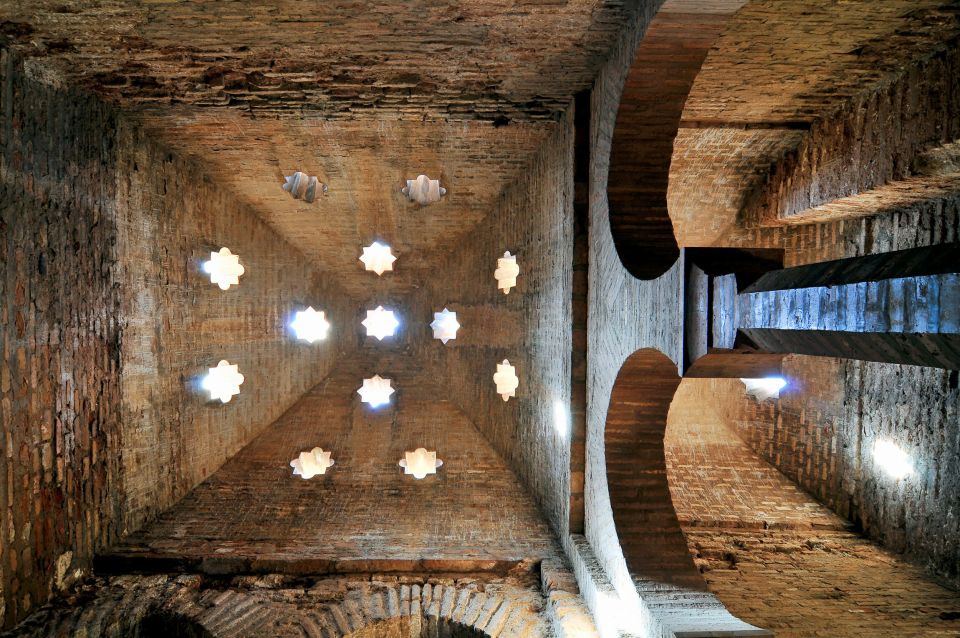
This is the kind of ticket that works best when you want variety without getting stuck on a clock. Instead of cramming one monument into your day, you’re sampling multiple chapters of Moorish Granada in the Albaicín quarter—where streets feel older than the map app.
What I like most is the mix of types of places:
- bath culture (people really cared about ritual and cleanliness)
- commerce (traders’ market and traveler housing)
- governance/care (a hospital founded by a sultan)
- domestic life with views (a well-preserved Moorish house)
- palace living (Nasrid residence rooms)
That variety helps you understand the period beyond decorative details. You’re not only looking at architecture—you’re watching how different parts of daily life were organized.
A few more Granada tours and experiences worth a look

Getting around: self-guided, any order, and how much walking to expect
This is self-guided. That’s a plus because you control pace, but it also means you should plan your day like a walk-first activity.
Your ticket is valid to visit all monuments on the same day, and the activity is sold with starting times (check availability when you book). Once you have your confirmation, you’ll get it within 48 hours. Practically, that means: book with enough time to settle and then build your route around where you’ll be spending your morning and afternoon.
A few tips to avoid stress:
- Start early if you want quieter rooms and easier photo angles.
- Expect hills. Albaicín is not flat, and you’re moving between sites by foot.
- Save one longer pause for Dar al-Horra later in the day. Palace rooms can feel best when you’re not rushing.
One caution from experience-minded feedback: the combination is easy to handle, but you may not get a strong layer of interpretation everywhere. If you love reading, consider doing a bit of quick prep at home on who’s who (Nasrids, Sultan Muhammad V) before you arrive.
El Bañuelo: Granada’s standout Arab bathhouse experience
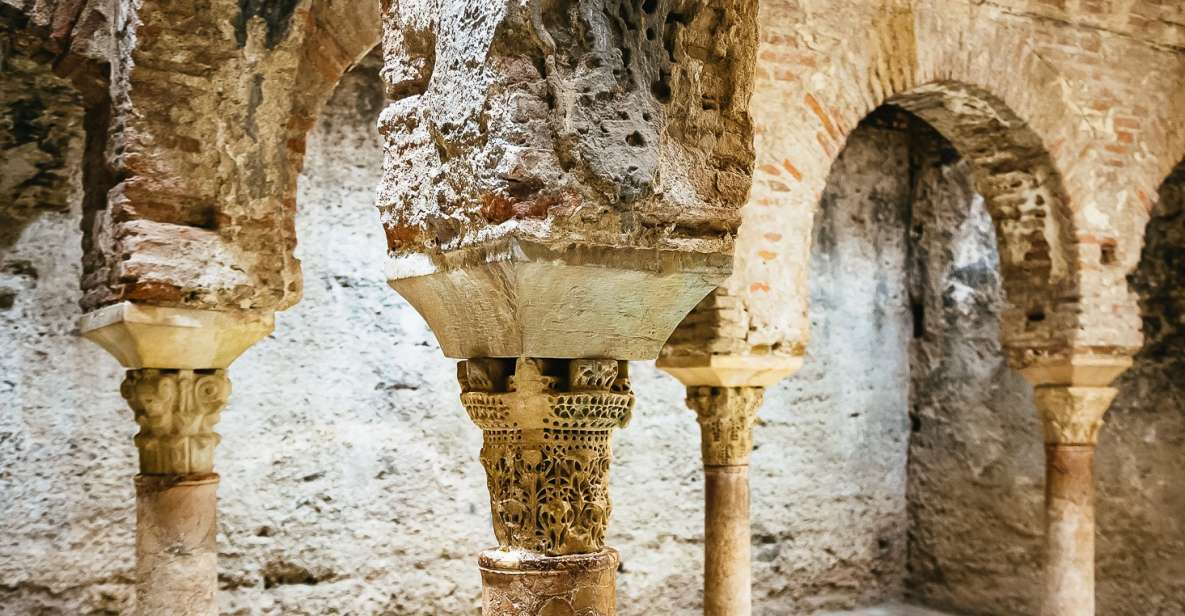
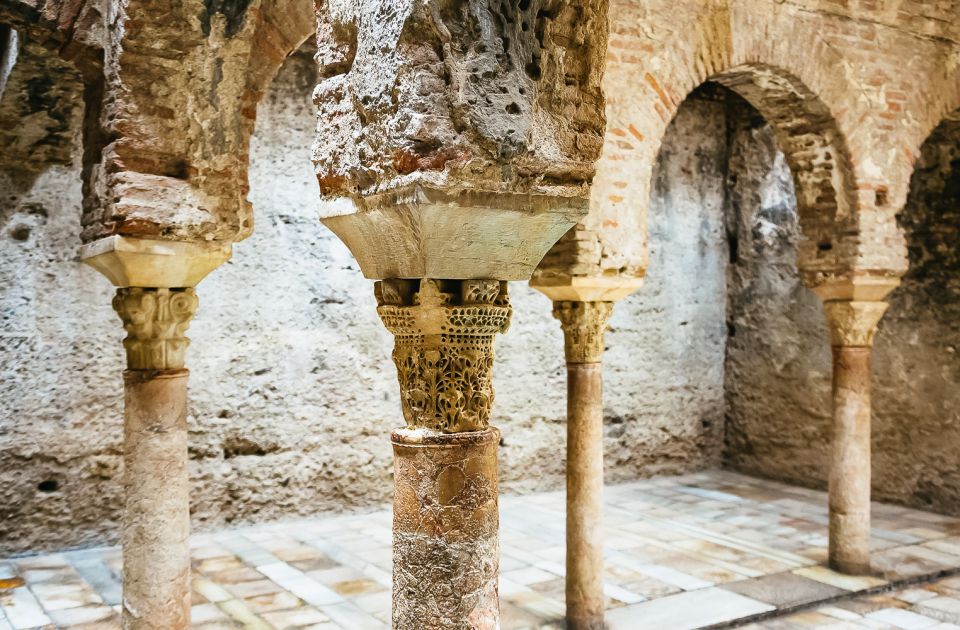
If you’re only choosing one stop to “anchor” your day, make it El Bañuelo. It’s included here, and it’s often described as one of the best-preserved Arab bathhouses in the region—meaning the spaces are still legible, not just a shell.
In practical terms, this is where your visit starts to feel like you’re stepping into routines. You’ll move through rooms where bathing was once part ritual, part physical care. Even without a guide, the layout helps you imagine the flow of the experience—where people would have changed, washed, and moved through bathing chambers.
What to look for:
- the sense of sequence from chamber to chamber
- how the building’s design guides movement
- small architectural details that feel functional, not just ornamental
Why it’s worth your time: bathhouses are one of those Moorish institutions that tell you a lot about values—hygiene, community, and daily structure. It’s not the flashiest photo stop on paper, but it’s often the most satisfying one to understand.
Corral del Carbón: the traders’ market and old travel hub
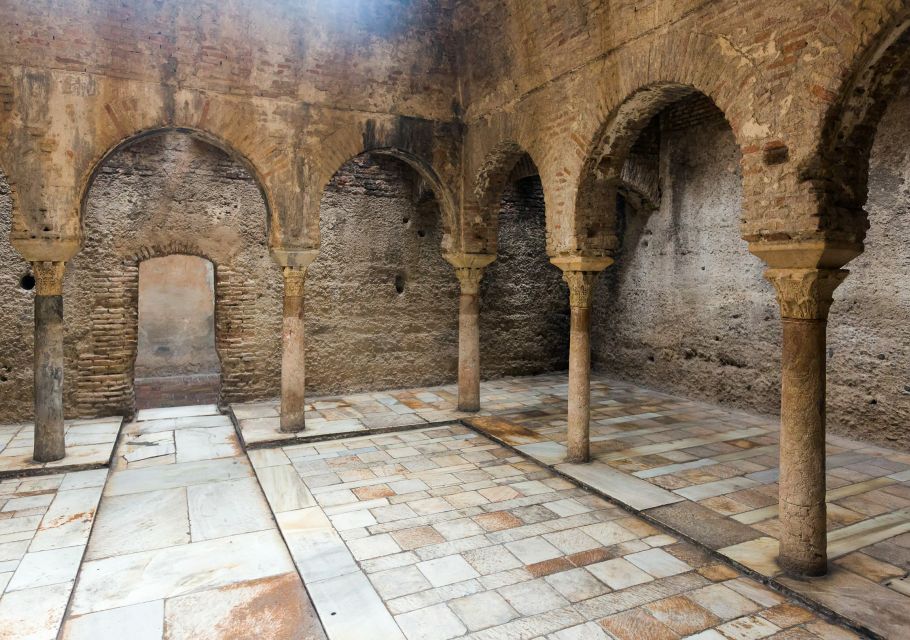
Next up is Corral del Carbón, an ancient traders’ market. Think of it as the Granada place where goods, people, and news all mixed.
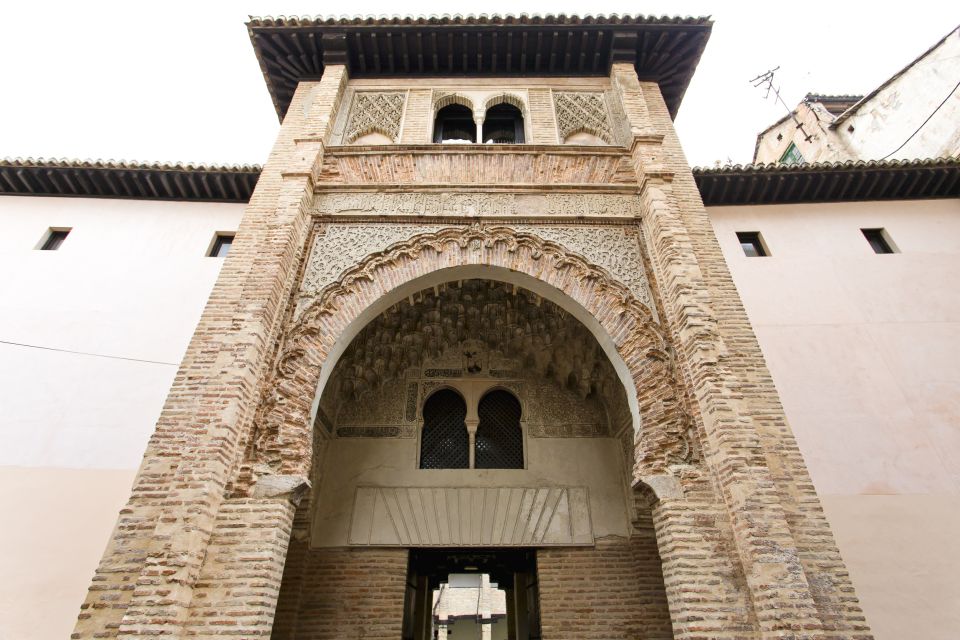
You enter through an area with notable facade/entryway detail, then you pass into the older commercial spaces—along with the sense of what this place supported. This wasn’t just a “market square.” The site connects to the idea of an old grain depot, a warehouse, and a traveler’s hostel.
That mix makes Corral del Carbón feel more real than a single-purpose building. It’s the sort of stop that explains why Granada mattered in its region: merchants needed infrastructure, and travelers needed lodging.
A small tip: don’t just walk straight through. Pause long enough to notice how the entry transitions into the interior. Old commercial sites often hide their story in that shift.
Maristán: a 14th-century hospital founded by Sultan Muhammad V
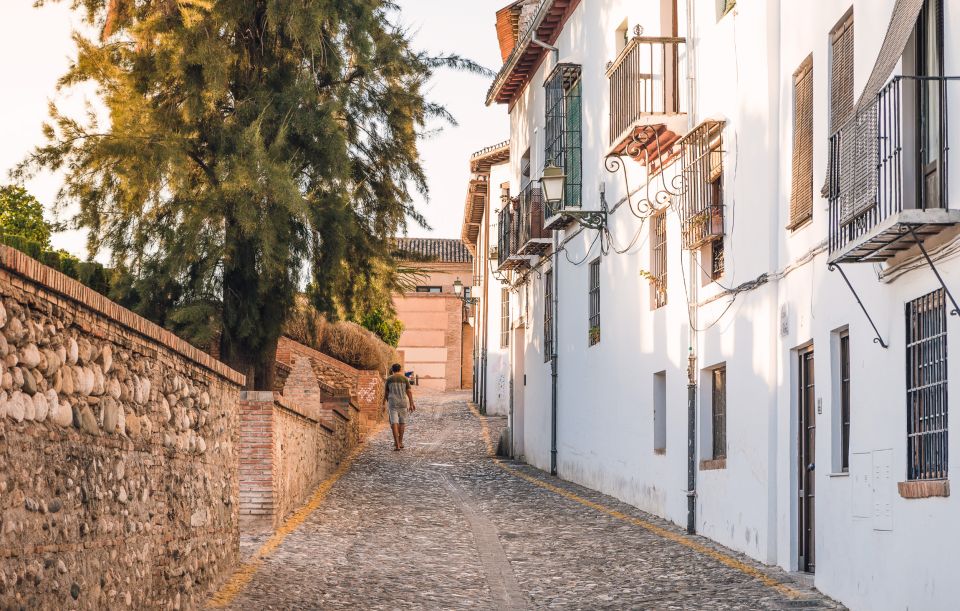
Then come Maristán, founded as a hospital by Sultan Muhammad V in the 14th century. This is one of the stops that gives you a different angle on Moorish Granada—health care, public responsibility, and the idea that a ruler’s legacy wasn’t only palaces and monuments.
In rooms tied to a hospital, you’ll usually expect a quieter feeling than in a market or palace. Even if you don’t have lots of interpretive signage (one possible drawback of this overall experience), the purpose gives you something to anchor your attention.
What you’ll likely appreciate here:
- the shift from commerce to care
- the 14th-century link to a specific ruler
- the architectural layout that supports a “function-first” institution
Some visitors find this stop offers less payoff than the bathhouse and palace. My take: it depends on what you’re into. If you like human-scale institutions—places that served people—you’ll probably enjoy Maristán more than you think. If you’re only chasing the most dramatic interiors, you may want to keep your expectations flexible.
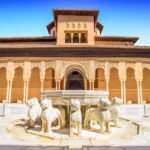

Casa Morisca de Horno de Oro: Moorish house charm and Alhambra views
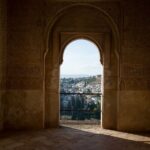
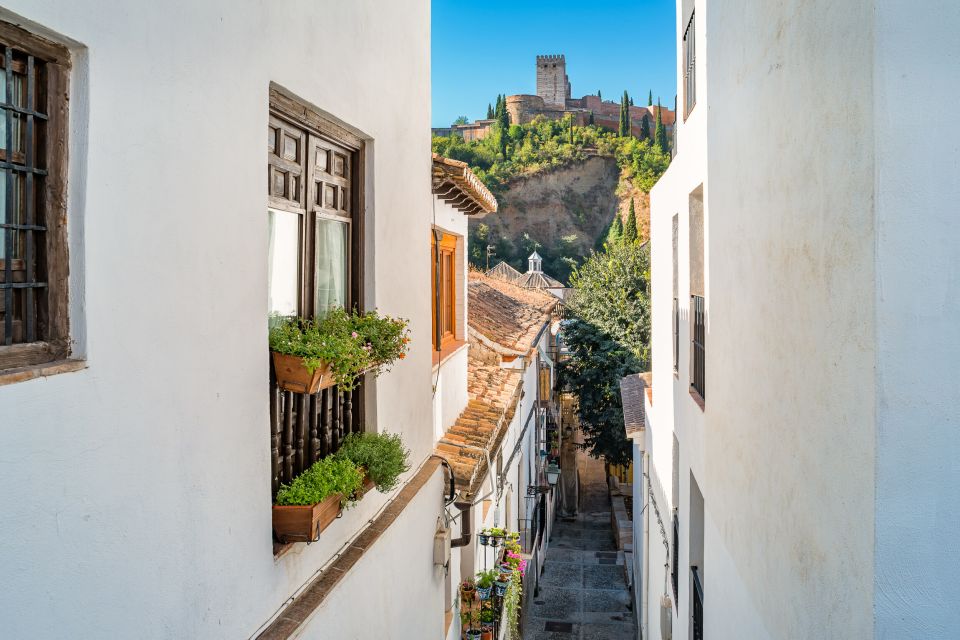
Casa Morisca de Horno de Oro is included, and it’s one of the better “breathe and look outward” stops in this set. You’ll visit a well-preserved Moorish house and the payoff is partly inside and partly outside: views of the Alhambra.
This is the kind of stop that works well mid-afternoon when you want a break from pure room-hopping. The house setting helps you picture domestic life. And those sightlines toward the Alhambra make your Granada day feel connected—like the monuments aren’t isolated dots.
What to do during your visit:
- spend a little time in the rooms, then
- step back to catch the view(s)
If you’re a photography person, this is a smart place to slow down. Light can help these courtyards and facades look more three-dimensional.
As a balance point: not everyone feels Casa Morisca offers as much as the bathhouse. If you’re sensitive to “interpretation,” you may want to plan to rely on your own observation rather than heavy written guidance.
Dar al-Horra Palace: Nasrid palace rooms and where your day clicks into place
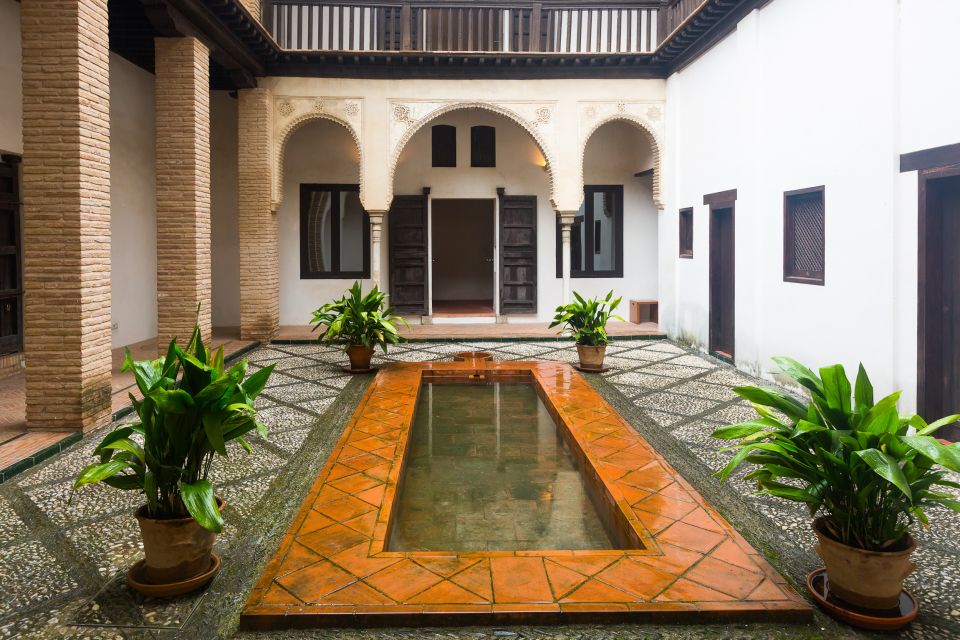
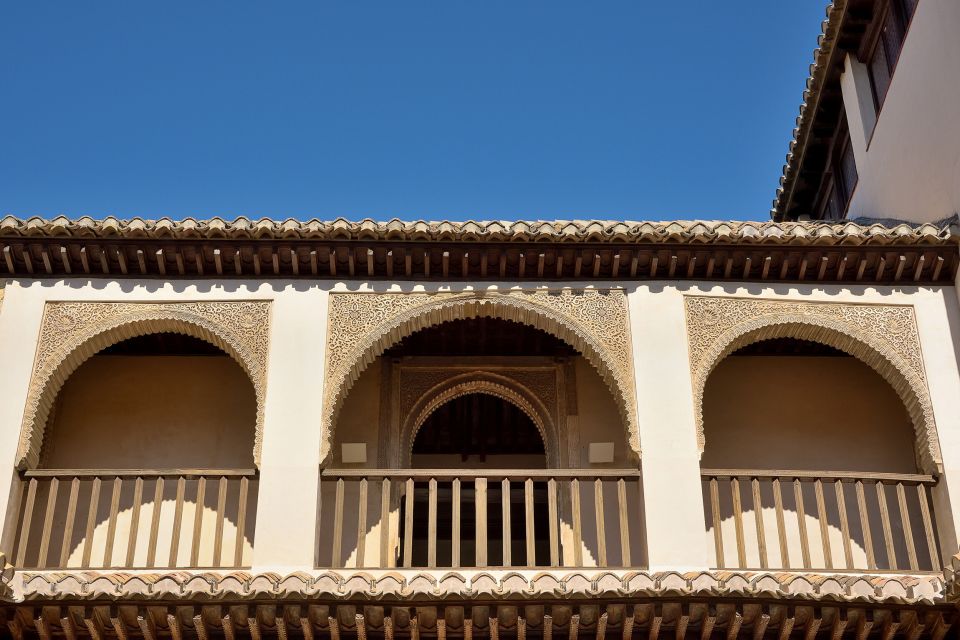
Finish with Dar al-Horra Palace, a Nasrid palace tied to a former sultan’s residence. This is where the day often starts to feel like a complete arc: you’ve seen bathing, trading infrastructure, a hospital, and domestic housing—then you step into the formal world of palace living.
Strolling the rooms here is the classic payoff for this kind of ticket. Palaces reward attention. You’ll likely notice how the space is designed for living, not just display, and how your sense of scale changes when you go from everyday institutions to residence rooms.
If you can, time it so you’re not sprinting. By the end of the day, you’ll enjoy the slow pace more. Palace spaces don’t need speed; they need focus.
Price and value: is $14 worth it for 1 day?
At $14 per person, this ticket can be good value—because you’re paying once for entry to multiple included sites rather than trying to line up separate visits. You also get the practical perk of skipping the ticket line for the included monuments, which is worth real time in busy Granada.
Here’s where the math becomes even friendlier:
- Sunday is free admission for all monuments in this set. If you can align your schedule, that’s a big deal.
- The ticket is valid only for visiting all monuments on the same day. That means you should commit to doing the full circuit instead of picking one or two.
I’d call this best value for people who like walking and seeing different types of buildings. If you’re mainly a “one building, one hour max” visitor, you might feel pressure to keep moving.
What to bring and how to avoid common friction
This pass is simple, but you still want to travel smart.
Bring:
- Passport or ID card (you may need it for entry)
Plan for a self-guided experience:
- No tour guide is included.
- No audio guide is included.
That last point matters. Even though some sites may offer QR-based audio options, you’re not guaranteed smooth access. Some people have run into QR/audio issues, and signage can feel limited. So set your expectation like this: you’re going to rely mostly on the architecture and what you can read on-site.
If you like, you can still prepare a bit at home:
- identify Sultan Muhammad V and the Nasrid context
- decide which stop you care about most (for many people, it’s El Bañuelo)
Who this works for (and who should skip it)
This is a strong fit if you:
- like seeing multiple Moorish-era spaces in one neighborhood
- enjoy wandering Albaicín streets at your own pace
- want a day that mixes everyday life with palace grandeur
- don’t mind some self-exploration when interpretation isn’t heavy
You might consider skipping or adjusting expectations if you:
- want a guide explaining every room and detail
- need lots of printed text or audio as your main learning method
- hate walking between sites in a hilly area
Should you book the Granada Moorish Monuments Entrance Tickets?
Yes—if you’re planning a full day in Albaicín and you’re the type who enjoys piecing together history from different buildings. The El Bañuelo stop alone can justify your time, and the way the ticket stitches together bathing, commerce, care, domestic life, and the Nasrid palace makes the day feel coherent.
Book with a small strategy:
- do it on a Sunday if you can
- start early
- keep moving, but don’t rush the bathhouse and palace
If you’re hoping for a guided narrative with consistently strong signage everywhere, this may feel uneven. But if you like getting your bearings fast and letting the monuments do most of the talking, this is a solid value play for Granada.
FAQ
Where is this experience located?
It takes place in Granada, in the Andalusia region, focused on Moorish-era monuments in the Albaicín neighborhood.
How long does the visit take?
The experience is listed as 1 day.
What is the price?
It’s priced at $14 per person.
Do I need a guide or audio guide?
No. A tour guide and an audio guide are not included.
Can I visit the monuments in any order?
Yes. You can visit the sites in any order.
What monuments are included?
Entry is included for El Bañuelo, Corral del Carbón, Maristán, Casa Morisca (Horno de Oro St.), and Dar al-Horra Palace.
Do I skip the ticket line?
Yes. The ticket includes skip-the-line entry.
Is the ticket valid for more than one day?
No. Your ticket is valid only for the same day to visit all of the monuments.
Do I get free entry on certain days?
Yes. On Sundays, admission to all of the monuments is free.
What ID should I bring?
Bring a passport or ID card.
Is this ticket refundable?
No. It is listed as non-refundable.