REVIEW · GRANADA
Skip the Line: Fortaleza de la Mota Admission Ticket
Book on Viator →Operated by Fortaleza de la Mota · Bookable on Viator
Fortaleza de la Mota turns a tough border past into something you can actually picture. With a skip-the-line admission ticket and an included audioguide, you’ll spend about 1–2 hours walking through a fortress site designed for learning, not just lingering. I love how the visit is built around the Center for the Interpretation of Life on the Border, and I also like that modern tech (audiovisuals, models, and 3D elements) helps make the story click quickly.
One thing to plan for: this is a fortress visit, so it’s worth wearing comfortable shoes and going in with realistic expectations for a mostly self-paced experience rather than a long guided lecture.
In This Review
- Key highlights to know before you go
- Fortaleza de la Mota: what you’re really buying
- Skip-the-line in a fortress town: where it helps most
- Inside the fortress story: “life on the border” in practical terms
- The kind of learning you actually want
- What the audioguide does (and what it can’t)
- The real wow factor: tech that makes the past feel legible
- Duration and pacing: plan for 1–2 hours, not half a day
- Price and value: why $9.65 can be a smart buy
- Who should book this ticket?
- Practical details that affect your day
- Should you book this skip-the-line admission ticket?
- FAQ
- How long does the Fortaleza de la Mota admission take?
- What does the ticket cost?
- Is there a mobile ticket?
- Is an audioguide included?
- What language is the experience offered in?
- Where can I get to it, and is it near transit?
- What are the opening hours?
- Are service animals allowed?
- Are children allowed?
- Is there a refund if plans change?
Key highlights to know before you go
- Skip-the-line with a mobile ticket so you can start sooner
- Life on the Border interpretation gives context beyond the stone walls
- Modern tech tools like audiovisuals, models, and 3D elements help you follow the story
- Audioguide included lets you go at your own pace
- Good for families with pacing that works for mixed ages
- Small booking size (maximum 1 traveler) fits people who prefer quiet time
Fortaleza de la Mota: what you’re really buying

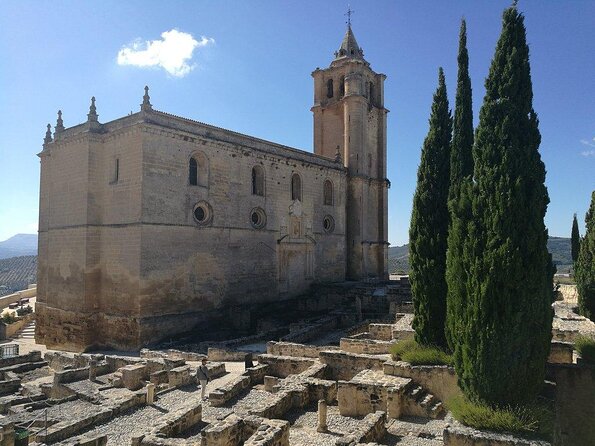
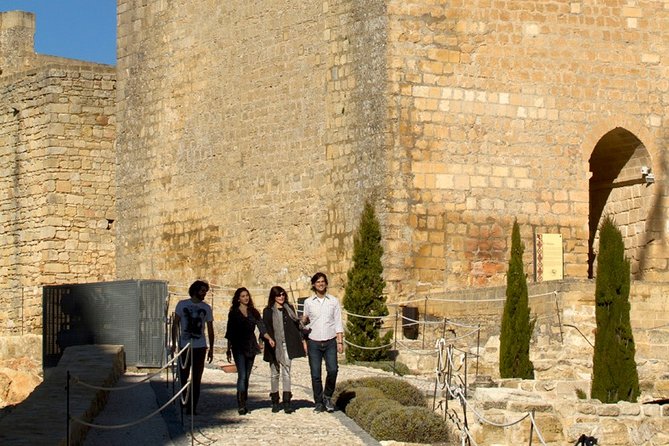
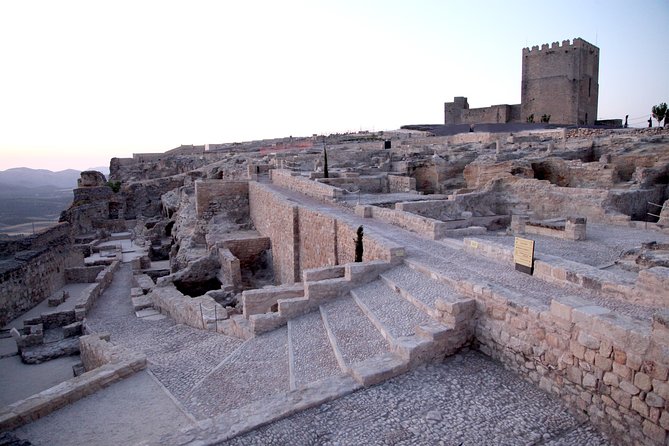
This ticket is for the Monumental Ensemble of the Fortress of La Mota in Granada, a heritage site that’s been developed into much more than a stop on a sightseeing checklist. You’re not just paying to walk around walls. You’re paying to enter a place that uses historical rigor and modern presentation to explain what life was like at a frontier—times of conflict, but also day-to-day coexistence and cultural exchange.
The value starts with the format. A mobile admission ticket means you don’t need to hunt for paper. Pair that with the skip-the-line promise, and the whole visit feels less stressful. For a 1–2 hour experience, that time management matters.
This site is also tied to a thematization project that brought in the Center for the Interpretation of Life on the Border. That center approach is why the visit works so well even if you’re not a hardcore history person. You get a structure: what the place is, why it mattered, and how to read what you’re seeing.
A few more Granada tours and experiences worth a look



Skip-the-line in a fortress town: where it helps most

In places like Granada, a line can quietly eat your afternoon. Here, the main benefit is simple: you secure admission ahead of time so you can avoid waiting on-site. That matters because fortress sites often have limited time windows during opening hours, and you’ll want your energy for walking and absorbing the exhibits.
The experience runs about 1 to 2 hours, which is just enough time to get the story without feeling rushed. If you waste the first chunk waiting, you’ll feel it later. With the pre-booked, mobile ticket, you can spend more of that 1–2 hour window where it counts.
Also note the timing. The listed operating period runs from 09/16/2025 to 04/30/2026, and for Mondays the hours are 10:00 AM to 6:00 PM. If you’re visiting in another part of the week, you’ll want to double-check hours before you set your day plan.
Inside the fortress story: “life on the border” in practical terms

The heart of the visit is how it frames the fortress. You’ll come away with a clearer idea of what border life meant in Andalusia—why fortresses weren’t just military objects, but also places where different cultures met, collided, negotiated, and traded.
What I like here is the mix of themes. The presentation doesn’t pretend the frontier was only peaceful. It includes struggles, but it also emphasizes coexistence and exchange between cultures. That balance makes the history feel human, not just dramatic.
The site also benefits from improvements and updated equipment, which is why the experience feels built for modern visitors. You’ll see the heavy use of audiovisuals, models, and 3D elements, meant to help you visualize what the site may have looked like or how people lived around it. Instead of staring at stone and guessing, you get prompts that connect the physical place to the story.
The kind of learning you actually want
You don’t need to be fluent in local history to benefit. The interpretation is designed to guide you through “how to see” the fortress. And if you’re visiting with family, the format generally works because it’s less about reading long walls of text and more about following a sequence of explanations.
That said, you should also know what this probably is not: it’s not presented as a long, step-by-step live narration. It’s an admission ticket into a structured interpretive space, supported by an audioguide and the site’s tech.
What the audioguide does (and what it can’t)
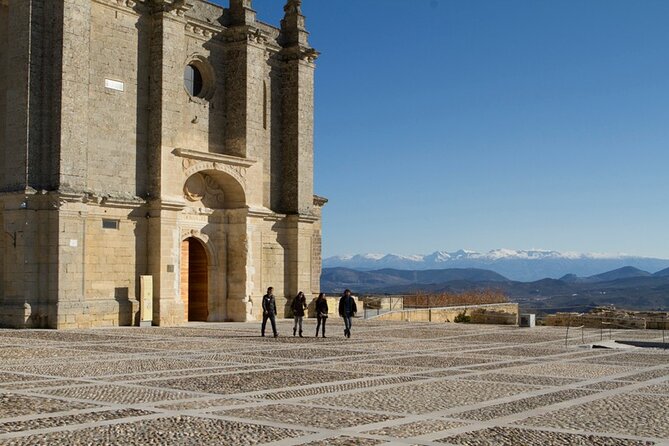
An audioguide is included, which is a big part of the practical value. It means you control the tempo. Stop when you want. Move on when you don’t. This matters because a fortress site is easier to enjoy when you don’t feel trapped in one pace.
The experience is offered in English, so you’ll have an easier time following along than you would at a site where everything is only in Spanish. If you’re a slower reader or you like to look closely at displays, an audioguide is a good match for that style.
The limitation is also worth stating: an audio track can’t replace your own curiosity. If you only listen and never look, the site will feel like background noise. To get the most out of it, give yourself small moments of silence to actually watch what’s in front of you—then let the audio connect the dots.
A few more Granada tours and experiences worth a look




The real wow factor: tech that makes the past feel legible

One of the strongest points in the feedback for this experience is how the tech helps you feel the history in real time. The description of the app-like experience mentions a sense of moving through past streets, with foundations of houses that come to life. Even if you don’t think you’ll be a “technology person,” this kind of presentation can do something classic museum labels struggle with: it helps you understand scale, location, and daily life.
This is where the ticket earns its place for more than just history buffs. When a site uses models and 3D elements well, it turns vague ideas into something you can picture quickly. You finish the visit with fewer blank spots.
Just keep your expectations aligned. You’re not going to leave with every technical detail ever written about frontier life. But you can leave with a clear mental map of what the fortress was for and why life around it mattered.
Duration and pacing: plan for 1–2 hours, not half a day
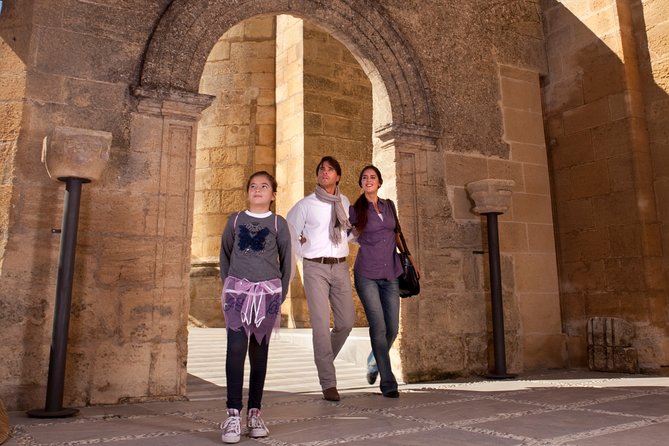
The visit is listed as about 1–2 hours. That’s an excellent window for a fortress stop in Granada because it doesn’t swallow your whole day.
Here’s a practical way to plan it:
- If you’re sightseeing quickly, aim closer to the 1-hour end.
- If you like to linger with exhibits and spend time with the audiovisual/3D elements, plan nearer 2 hours.
Because the experience relies on interpretation tech, you’ll likely get more value by not rushing through the first part. Many people find the beginning is where the context clicks in, and then the rest feels easier to understand.
Also, wear shoes you trust. Fortress sites often have uneven surfaces and short distances that still add up. The site recommends comfortable shoes, and I agree—that’s not a throwaway line.
Price and value: why $9.65 can be a smart buy
The price is $9.65 per person, which is a good sign for value because you’re getting more than access. You’re getting:
- a mobile ticket that saves time,
- an audioguide, and
- a site presentation built with modern tech and interpretive structure.
For a 1–2 hour experience, that’s reasonably priced if your goal is to understand the meaning of the place, not just check it off. The main thing you’re paying for is interpretation quality. If you’re the type who likes walking away with context, you’ll feel the value.
The skip-the-line element also matters economically in a way people don’t always think about. Waiting time is real time. Real time has value, especially if you’re juggling multiple sights in a day.
Who should book this ticket?
This works best if you:
- like history, but don’t want it to be only dry dates and dates,
- enjoy museums or interpretation centers with tech-based storytelling,
- want something in the 1–2 hour range that won’t hijack your day,
- are visiting with family and want a site that’s easier to handle than a long, text-heavy exhibition.
It might be less satisfying if you’re looking for a classic, long-form guided tour with lots of live interaction. This is more of an admission-and-audioguide experience where the site’s content does the heavy lifting.
Also pay attention to the booking size: the activity is listed with a maximum of 1 traveler. If you’re going as part of a group, you may need to book separately depending on how the provider handles multiple tickets.
Practical details that affect your day
A few logistics are worth keeping in mind so you don’t lose time:
- Hotel pickup and drop-off are not included. You’ll plan your own transport to the fortress area.
- The site is near public transportation, so it should be easy to reach without a car.
- Service animals are allowed. Regular pets are not allowed—only service animals.
- Children must be accompanied by an adult.
- You’ll get confirmation at booking time.
- Bring a plan for your language comfort: the experience is offered in English.
These aren’t thrilling details, but they’re the difference between a smooth visit and a stressful one.
Should you book this skip-the-line admission ticket?
Yes, I’d book it if your goal is to understand what Fortaleza de la Mota represents and to get that meaning fast. The combination of skip-the-line, an included audioguide, and the site’s tech-driven interpretive approach makes it a strong fit for most visitors, including families.
You can skip it if you’re traveling with very limited time and only want broad views or a quick photo walk. In that case, you might feel the experience is more structured than you need.
Bottom line: if you want a 1–2 hour visit that teaches you how frontier life shaped Andalusia, this ticket is a smart buy.
FAQ
How long does the Fortaleza de la Mota admission take?
The visit is listed as approximately 1 to 2 hours.
What does the ticket cost?
The price is $9.65 per person.
Is there a mobile ticket?
Yes. The admission ticket is a mobile ticket.
Is an audioguide included?
Yes, an audioguide is included.
What language is the experience offered in?
The experience is offered in English.
Where can I get to it, and is it near transit?
It’s near public transportation, and you’ll need to make your own way there since hotel pickup and drop-off aren’t included.
What are the opening hours?
For the listed date range (09/16/2025–04/30/2026), the hours shown are Monday 10:00 AM to 6:00 PM.
Are service animals allowed?
Yes, service animals are allowed. Pets are not allowed.
Are children allowed?
Children must be accompanied by an adult.
Is there a refund if plans change?
Free cancellation is available. You can cancel up to 24 hours in advance for a full refund.