REVIEW · BARCELONA
MNAC Barcelona: National Art Museum of Catalonia Admission Ticket
Book on Viator →Operated by Museu Nacional dArt de Catalunya · Bookable on Viator
One big reason this museum works is simple: you set the pace. MNAC puts European art across about 1,000 years inside the National Palace on Montjuïc, then adds an hour of park time, so it feels like more than just another museum stop.
I especially like the Romanesque fresco rooms—they’re shown inside reconstructed church interiors, so the paintings make sense in a physical way, not just behind glass. I also love how the collection keeps shifting styles over time, from the 12th-century Christ in Majesty to Renaissance and baroque masterpieces, and then into Gaudí’s furniture and modern art. One drawback to keep in mind: the museum is packed with religious-themed works in many galleries, so if you want mostly secular Spanish art, you may find some sections repetitive.
In This Review
- Key highlights at a glance
- MNAC Barcelona: Why this National Palace stop feels worth your time
- Inside the museum: How the collection spans about 1,000 years
- Romanesque fresco rooms: The standout experience at MNAC
- Renaissance and baroque Europe: Big names, clear contrasts
- Modern art and Catalan design: Where Gaudí takes center stage
- Parc de Montjuïc: Use the hour for views and breathing room
- Getting the most out of a self-guided visit (without burning out)
- Price and value: When $14.48 feels like a smart buy
- Timing tips that can save your visit
- Who should book MNAC, and who might want something else
- Should you book this MNAC Barcelona admission ticket?
Key highlights at a glance
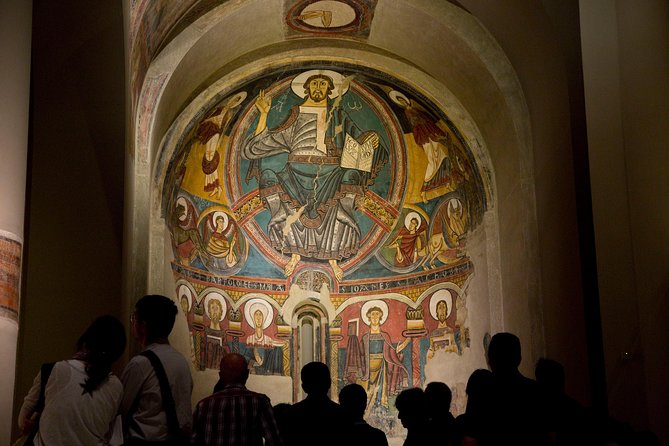
- Romanesque frescoes in reconstructed church interiors, including the 12th-century Christ in Majesty
- Chronological flow across Romanesque, Renaissance/baroque, and Modern art areas
- Gaudí-designed furniture and doors among the Modern collection
- Real Montjuïc time: about an extra hour in Parc de Montjuïc for breaks and city views
- Mobile English ticket and independent entry (no guide required)
MNAC Barcelona: Why this National Palace stop feels worth your time
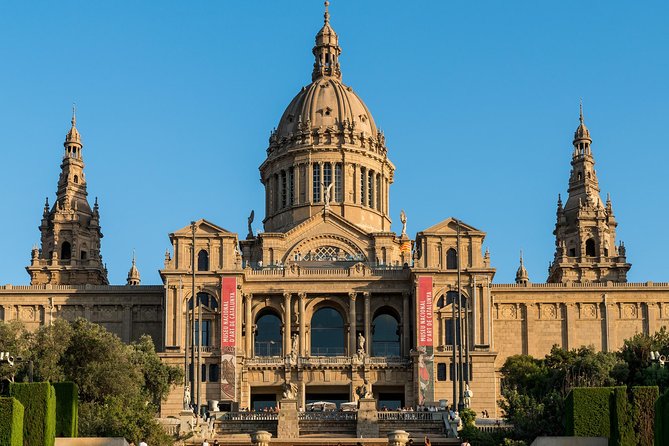
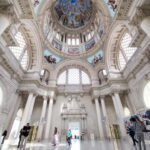
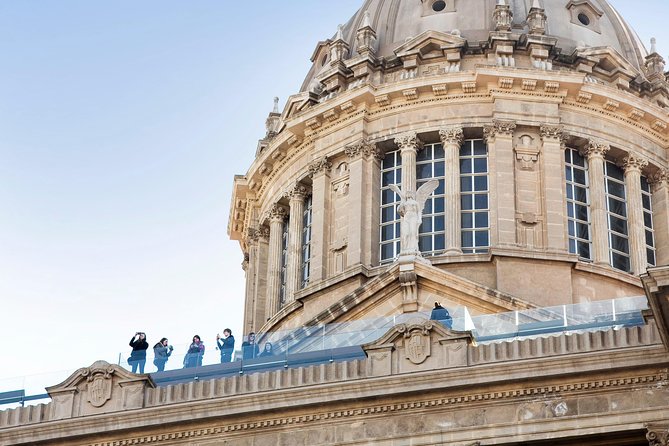
MNAC is housed in the National Palace on Montjuïc Hill, and that setting matters. The building itself gives you a grand “you’ve arrived” feeling before you even reach the galleries. Once inside, the museum is built to make the art easy to track by period—so you spend less time guessing what to see and more time actually seeing it.
This is also a format that suits real-life travel: it’s self-guided. There’s no guided tour included, so you can move at your speed—linger where you care, skip what doesn’t grab you, and still fit everything into a half-day. With an approx. 3-hour window, it’s long enough to do the key rooms, but short enough that you don’t feel like you’re trapped in a marathon.
One practical thing: your entry is tied to a voucher you redeem at the ticket office. That’s usually quick, but it’s still a step. I’d plan a little buffer so you don’t rush and miss orientation.
A few more Barcelona tours and experiences worth a look
Inside the museum: How the collection spans about 1,000 years
MNAC’s permanent collection is described as covering roughly a thousand-year span of Catalan, Spanish, and European art. That range is one of the main reasons this ticket is such good value: you’re not paying just for one “star” room, you’re getting a whole timeline.
The museum opens up across several big periods:
- Romanesque and early medieval religious art
- Renaissance and baroque art from roughly the 1400s through the 1800s
- Modern art, including Art Nouveau-style works from Catalan artists
- A dedicated showcase for Gaudí furniture
In practice, you’ll want to decide early how you’ll handle the size. MNAC is big—so having a loose plan helps. If you love art history, you can follow the chronology straight through. If you don’t, you can still “chase highlights” and come back to adjacent rooms when you have energy.
Romanesque fresco rooms: The standout experience at MNAC
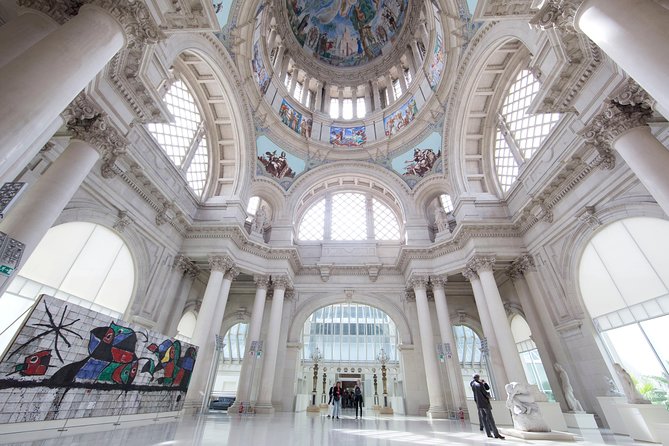
If you only plan for one section, make it the Romanesque frescoes. MNAC shows many of these works in recreated church interiors, which is a big deal for how you experience the art. Instead of seeing fragments stripped of context, you’re surrounded by spaces that resemble where they originally would have been.
The museum’s most famous callout here is a 12th-century Christ in Majesty, featuring a luminous Christ on a rainbow. Even if you’re not usually into medieval religious art, this kind of image has the punch of a mural. It’s not subtle. It’s meant to be seen clearly.
A tip that can save time: when you start, aim to get your photos and close viewing done in this zone while you’re still fresh. Later in the visit, it’s easy to feel like the galleries blur together, especially when the subject matter turns more religious and architectural.
Renaissance and baroque Europe: Big names, clear contrasts
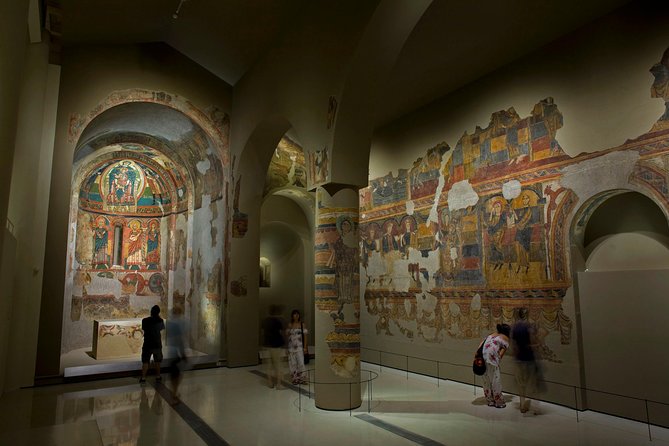
Once you move past the Romanesque focal point, MNAC turns into a lesson in how European art changes its tools—composition, light, realism, and drama. The museum highlights paintings and sculpture from roughly the 1400s to the 1900s, with works by famous names like Titian, Gainsborough, Canaletto, and Goya.
This part of the museum is where you can “collect” the classic art moments:
- Renaissance works that emphasize structured realism
- Baroque pieces that lean into motion and emotional intensity
- European sculpture that helps you see how style carried across mediums
One reason I like this arrangement for visitors: if you’ve had enough churches for the day (or you never loved them), the subject matter and artistic techniques shift enough that it doesn’t feel like one long repeat. You’re still inside MNAC’s timeline, but the visual language keeps changing.
Modern art and Catalan design: Where Gaudí takes center stage
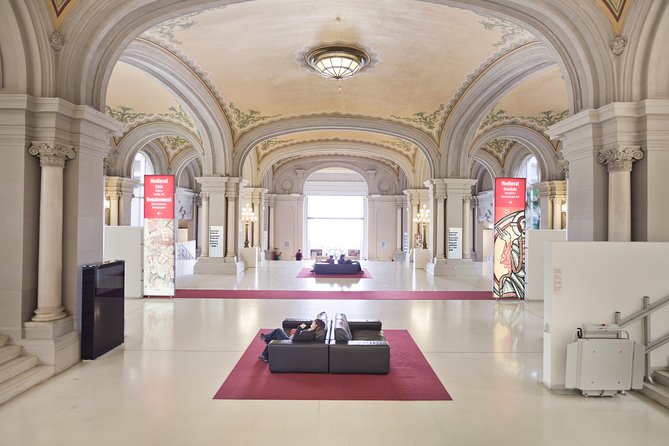
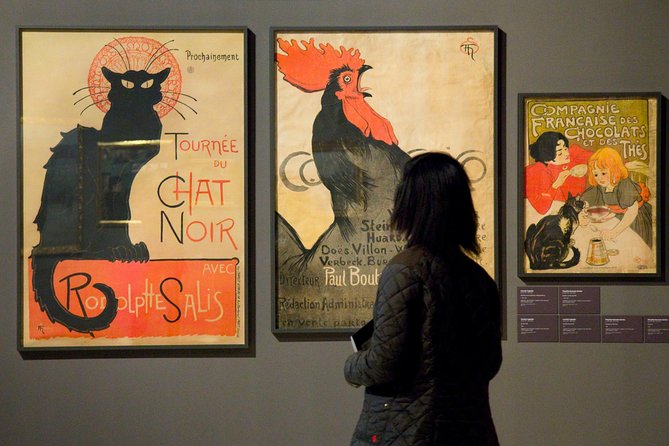
MNAC doesn’t stop at traditional painting and sculpture. The Modern Art section is specifically described as including paintings, sculptures, posters, and other Art Nouveau works by 19th- and 20th-century Catalan artists. So even if you’re tired of historical religious scenes, this wing gives you a different rhythm.
The main showpiece here is a collection of Gaudí-designed furniture. Think sinuous wood chairs and doors—pieces you might never see outside Spain, and pieces that connect design to a broader Catalan identity rather than treating art as something only meant for paintings and ceilings.
This section is also a good mental reset. Your eyes get to shift from scenes and saints to shape, texture, and design logic. If you’re the kind of visitor who likes to understand how artists build worlds, Gaudí furniture is a satisfying payoff because it’s art you can imagine using—right up to the curves and craftsmanship.
You can also read our reviews of more museum experiences in Barcelona


Parc de Montjuïc: Use the hour for views and breathing room
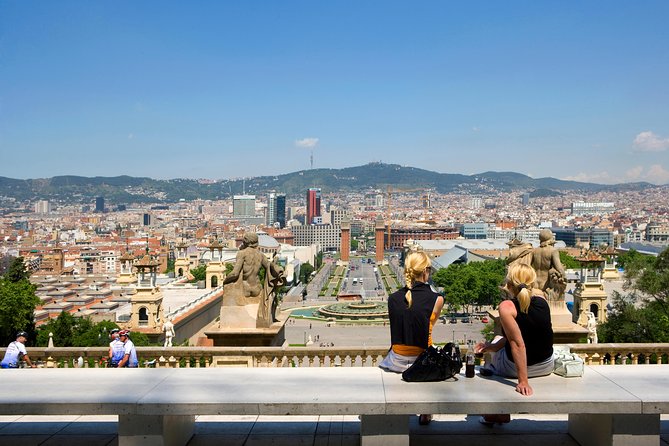
Your ticket isn’t just about indoor time. It includes an hour at Parc de Montjuïc, which makes the overall experience feel less like a checklist and more like a real half-day on the hill.
Even if you’re not an hours-long “gardens person,” use this time for practical reasons:
- A breather when your feet start negotiating
- A chance to reset your eyes after galleries
- Scenic pauses that help you actually enjoy Montjuïc, not just pass through it
This also works as a flexible buffer. If you end up spending longer in the Romanesque rooms, you still have the park time built in. If you’re faster in the galleries, the park can stretch into more of your visit.
Getting the most out of a self-guided visit (without burning out)
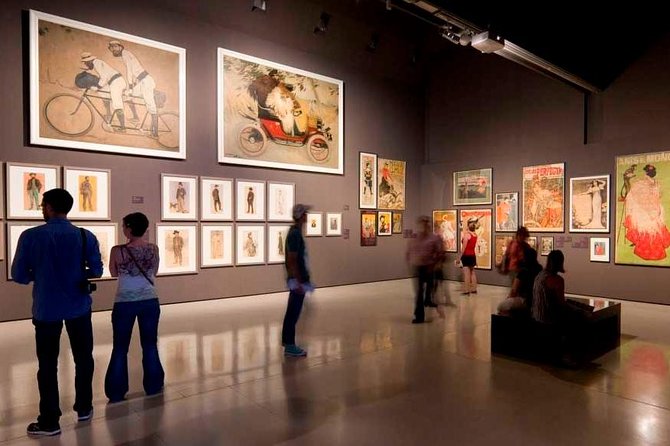
Because this is independent entry, your biggest risk is trying to see everything. MNAC encourages exploration, but it’s easier to enjoy when you choose a few “anchors.”
Here’s a practical approach that fits the 3-hour average:
- Start with the Romanesque fresco rooms and spend enough time to really look.
- Move to Renaissance/baroque highlights (especially areas with the big-name paintings you recognize).
- Save the Modern section for last, so you don’t feel art-style fatigue.
- Use the Parc de Montjuïc hour as your unload time.
Also, plan for orientation at the start. One theme from visitor feedback is that the museum is very well laid out with a map, and there’s even a free app you can download for information about the art. That kind of support helps you stay independent without getting lost in big rooms.
Finally, build in a small “food moment” if you want it. Food is available on site, and there are mentions of a restaurant and coffee shop. If you’re watching your budget, just know that on-site menus can feel pricey compared with street options.
Price and value: When $14.48 feels like a smart buy
At about $14.48 per person, this ticket is priced like a straightforward museum entry with a flexible structure: you’re not paying extra for a guide, and you’re also getting dedicated time on Montjuïc grounds.
Where the value shows up most is in the variety. For one price, you’re getting:
- Romanesque frescoes with reconstructed interiors
- Major European art periods (Renaissance and baroque)
- A Modern collection tied closely to Catalan identity
- Time in Parc de Montjuïc to stretch the day
Still, I’d weigh the price against what you care about. If you mostly want a narrow slice of Spanish art—or you strongly prefer modern only—you might feel the museum shifts too much across eras. But if you like seeing how styles build on each other, the timeline structure turns the price into more than just admission.
One more reality check: sometimes art museums have free entry days. One review pointed out that MNAC can be free on the first Sunday of the month. If you’re traveling near that date, it’s worth verifying current rules and double-checking what your ticket actually covers.
Timing tips that can save your visit
You’re booking for a specific experience window (about 3 hours), and the museum is on Montjuïc Hill, so timing affects everything. Here are the points that matter most:
- Check opening hours for your day. One visitor noted Sunday hours closing earlier, around 3 p.m. That kind of mismatch can ruin a plan if your schedule assumes late hours.
- Go earlier in the day if you want an easier experience. Pre-booked tickets often help with getting in faster during busy times, and arriving before crowds can make the museum feel less rushed.
- Plan the roof/view moment if you care about city panoramas. A review specifically mentioned that the ticket includes a trip up to a roof terrace. If that’s true for your ticket type and day, prioritize it early, since elevator lines can get long later.
Who should book MNAC, and who might want something else
This ticket is a strong match if:
- You like art organized by period, not random “highlights only”
- You want Romanesque frescoes in a setting that makes them easier to understand
- You want Catalan design in the form of Gaudí furniture
- You’re okay with religious-themed art taking up space in the galleries
It might be less satisfying if:
- You’re hoping for mostly secular works or mostly paintings by a short list of “your” favorite Spanish artists
- You get restless in large museums unless you have a guided plan (since there’s no guided tour included)
Should you book this MNAC Barcelona admission ticket?
Yes, if you want a flexible, self-guided half-day on Montjuïc with a museum that covers centuries in one stop. At $14.48 for admission (plus Parc de Montjuïc time), it’s a solid value—especially for anyone who loves the visual drama of medieval frescoes and the design creativity of Gaudí.
If you’re sensitive to schedules, do one thing before you go: confirm the museum hours for your exact day. And if you’re trying to maximize view time, aim to handle any roof/terrace moment early.
For most first-timers, this is one of the easiest “book once, wander confidently” experiences in Barcelona.